
Active· since May 21, 2026
- 121
- days running
- 0
- relaunches
Ad copy
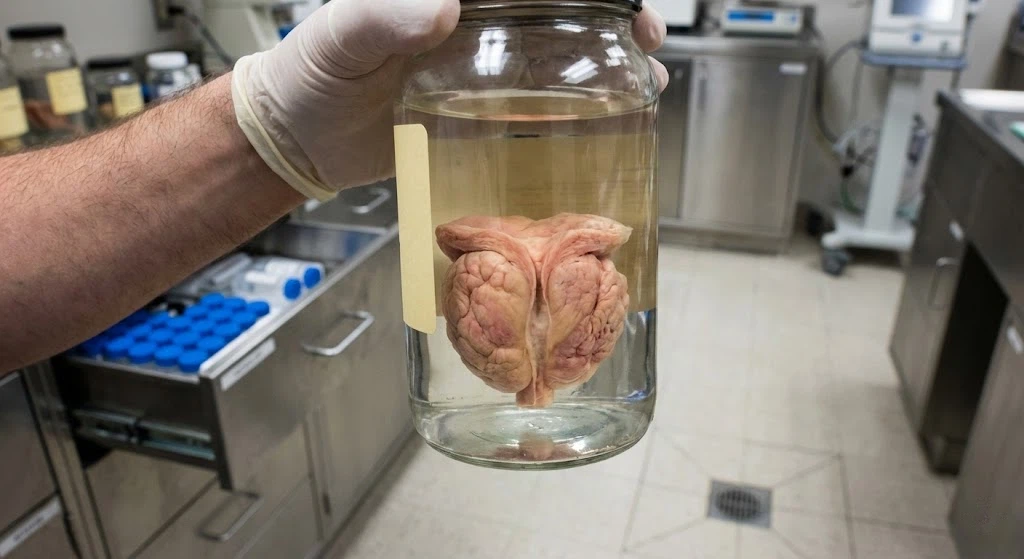
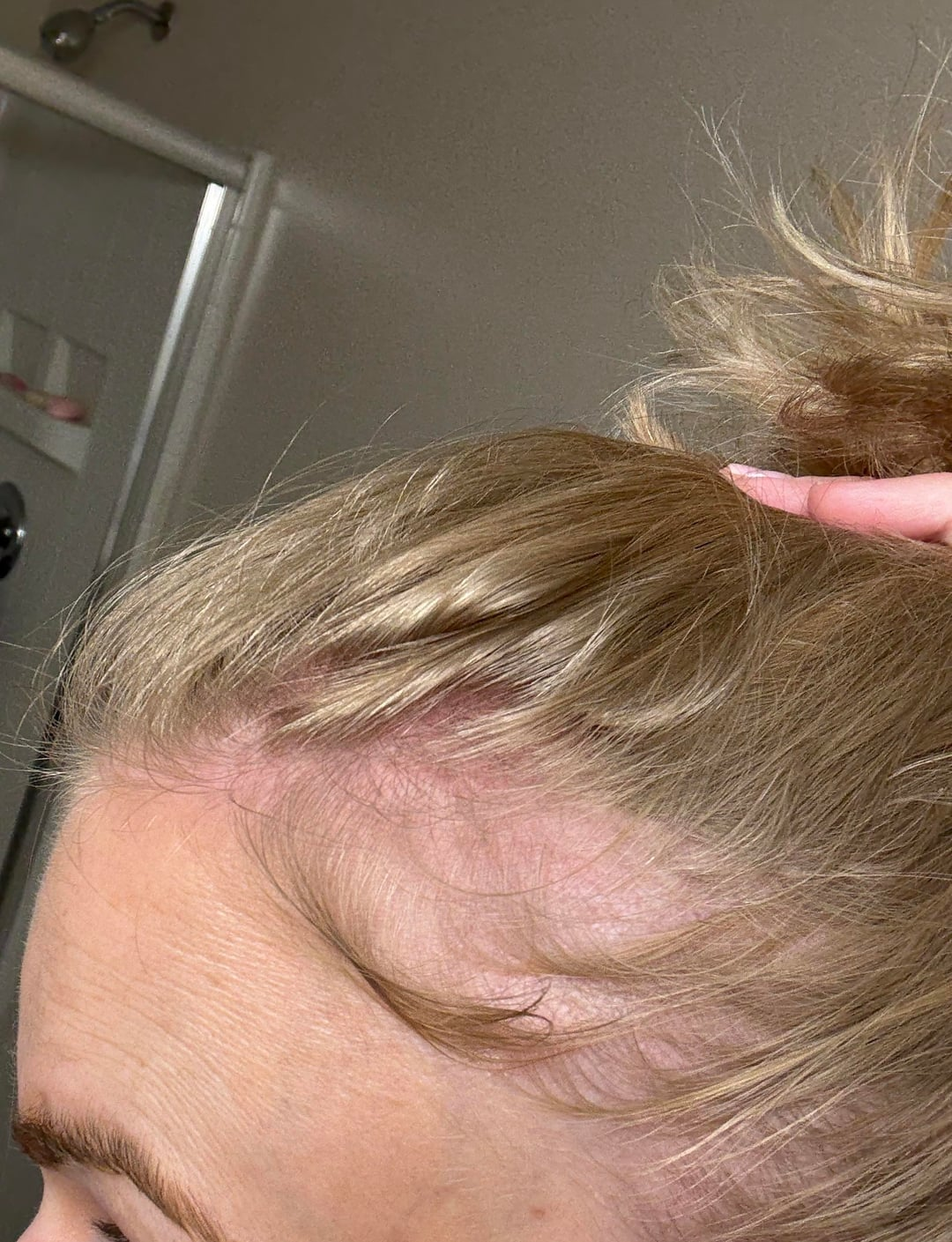
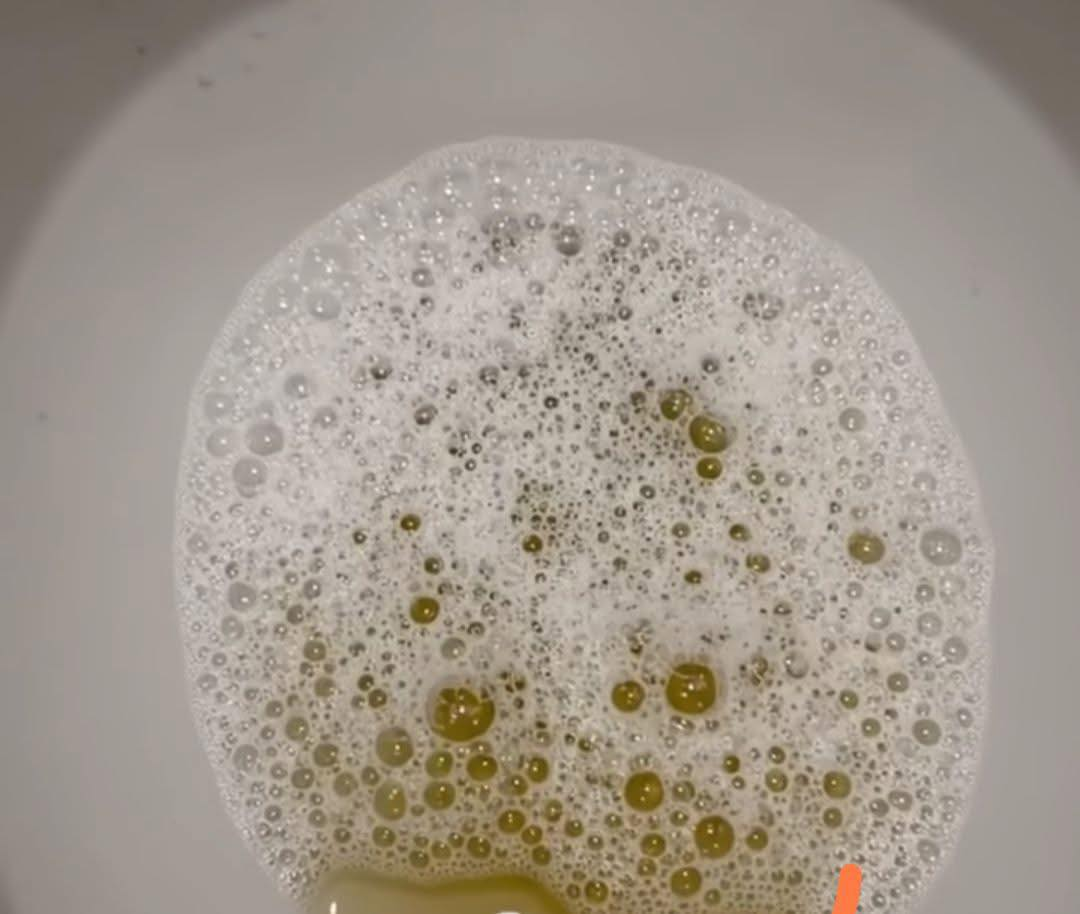
If your urine has been foamy for months and nobody can tell you why, your GFR keeps dropping every time you get bloodwork, you're exhausted by 2pm, your hair is falling out in clumps, and your doctor keeps telling you to "drink more water and reduce sodium"... I'm about to tell you exactly what they're not telling you — and why they'll NEVER give you the real answer. And by the end of this, you're going to be furious. Because there are three things happening right now: One — Your kidneys are screaming at you that something is seriously wrong. Two — The medical system is gaslighting you into thinking it's just your diet or your age or dehydration. And three — There's a billion-dollar industry that profits every single day your kidneys keep getting worse. So let me tell you what happened with my mom, because her story is going to open your eyes to how broken this really is. --- For TWO AND A HALF YEARS — and I mean every single day for two and a half years — my mom watched her body fall apart. Her GFR dropped from 68 to 41. Creatinine climbing every single panel. Protein spilling into her urine so bad it foamed up like someone poured dish soap in the toilet. Her nephrologist used the word "dialysis" at her last appointment. She's 61 years old. The fatigue? She'd wake up after nine hours of sleep and feel like she hadn't slept at all. By noon she was done. Couldn't focus. Couldn't think clearly. Would sit in her recliner staring at the TV not even watching it because her brain just... shut off. Her coworkers started asking if she was okay because she'd forget conversations from an hour ago. My mom was a school administrator for 28 years. Sharp as they come. Now she was writing sticky notes to remember what she ate for lunch. The swelling? Her ankles puffed up every single evening. Shoes she'd worn for years didn't fit anymore. She started wearing compression socks just to get through the day. Her rings got tight. Her face was puffy every morning. She looked like she'd been crying all night and she hadn't shed a tear — her body was just holding fluid it couldn't process. Her hair started falling out about eight months in. Not gradually. In clumps. She'd run her fingers through it and pull away a fistful. The shower drain was a horror show every morning. She started wearing headbands and hats because she could see her scalp through what was left. My mom — who always had thick, beautiful hair — was looking at herself in the mirror and didn't recognize the person staring back. The back pain. This dull, constant ache right above her waistline on both sides. Not sharp enough for the ER. Just this relentless, grinding pressure. Like her kidneys were swollen and pressing against everything around them. Some days she'd wince getting out of the car. Other days she'd just sit perfectly still because any movement made it worse. And the bathroom trips. Three, four, five times a night. Every single night. No wonder she was exhausted — she hadn't had a full night of sleep in over a year. During the day it was worse. Urgent. Constant. She stopped going to church because she was embarrassed about getting up to use the restroom twice during a one-hour service. The itching. God, the itching. Her forearms, her shins, her back — random, maddening itching that would wake her up at 2am scratching until her skin was raw. Her dermatologist said it was "dry skin." Prescribed a moisturizer. A MOISTURIZER. For kidney-related pruritis. --- So obviously, she goes to doctors, right? Multiple doctors. Her primary care. A nephrologist. An endocrinologist because her blood sugar was creeping up. We're talking thousands of dollars in appointments, bloodwork, urinalyses, ultrasounds, the whole thing. And you know what every single one of them told her? "Drink more water." "Cut your sodium." "Lose some weight." "We'll monitor your levels." "Here's lisinopril for the blood pressure — that'll protect the kidneys." LISINOPRIL. This woman's kidneys are heading toward stage 4 and they're managing her blood pressure while her nephrons die. One doctor — I'll never forget this — actually told her, "Some kidney decline is just normal at your age." Normal. Losing 40% of your kidney function in two years. Normal. --- But here's where it gets worse — and this is the part that made me lose my mind. They told her to take cranberry supplements. "Support your urinary tract." Same logic every lazy doctor falls back on when they don't actually know what's wrong. She took them religiously. Twice a day. Six months straight. Next labs? GFR went DOWN. Not up. Down. Creatinine went UP. Then they told her to try a kidney detox tea. "Flush your system." Same recycled advice from every health blog on the internet. That tea gave her stomach cramps for two weeks and her labs came back identical. Not a single number moved. Then she cut all red meat. Low sodium. Low potassium. Low phosphorus. Followed the renal diet to the letter for eight months. Her hair kept falling out. Her fatigue got worse. The foamy urine continued. And her next GFR reading showed further decline. She was getting WORSE while doing everything they told her. --- So at this point, I'm angry. Not frustrated. Angry. Because I'm watching my mother — who's following every instruction, spending thousands of dollars, taking their medications, eating their diet — get worse every six months while her doctors shrug and talk about "slowing the progression." Slowing. The. Progression. Not fixing it. Not reversing it. Not even trying to figure out WHY her kidneys were failing. Just... managing the speed at which she reaches dialysis. And that's when I started asking the questions nobody wants you to ask: Why are doctors so quick to prescribe ACE inhibitors and blood pressure meds that manage symptoms but never address what's actually destroying the nephrons? Why do they act like kidney decline is just... inevitable? Like there's nothing you can do except slow it down? Why does every kidney supplement on the market contain the same five ingredients that clearly don't work — and nobody questions it? And why does NOBODY ever talk about what's actually preventing the kidneys from filtering and healing themselves? --- So I went down a rabbit hole. A deep one. I started researching why someone's kidneys would keep declining even when they've cleaned up their diet, reduced sodium, taken every supplement their doctor recommended, and followed the renal protocol perfectly. And every mainstream medical site gave me the same recycled answers. "Drink water. Reduce sodium. Monitor your levels. Take your blood pressure meds." But then I found a research paper that changed everything. From an actual nephrology journal. Not a blog. Not a wellness influencer. A peer-reviewed paper. And it mentioned something I had literally never heard anyone connect to kidney disease in my entire life. The glomerular filtration membrane and renal oxidative stress. --- Now pause for a second. You know what's insane? Every kidney supplement on the market focuses on "flushing" the kidneys. Every doctor talks about reducing dietary load. Every protocol is about what goes INTO the kidneys. But nobody — and I mean NOBODY — talks about the structural damage happening to the filtration membrane itself. The actual tissue that does the filtering. And that's not an accident. Because once you understand what's happening to the glomerular basement membrane, you realize that everything my mom tried — and everything YOUR doctor has probably told you — is addressing the wrong half of the problem. --- Here's what I learned: Your kidneys filter approximately 180 liters of blood per day through millions of microscopic filtering units called nephrons. Each nephron has a glomerulus — a tiny ball of capillaries wrapped in a membrane that acts as your body's most sophisticated filter. When that membrane is healthy? It lets water and small waste molecules through while keeping proteins and blood cells in your bloodstream. Creatinine gets filtered properly. GFR stays strong. No protein in the urine. No foam. But when that membrane gets damaged by oxidative stress? That's when everything goes to hell. After 40 — especially after decades of processed food, blood sugar spikes, chronic inflammation, environmental toxins, and metabolic stress — those filtration membranes start breaking down. Free radicals attack the podocytes — the specialized cells that maintain the membrane's integrity. The basement membrane develops micro-perforations. And once those filters are compromised, it doesn't matter how much water you drink or how much sodium you cut. The structural damage is there. Proteins leak through. Creatinine doesn't clear efficiently. Fluid retention worsens. And each filtering unit that fails puts more pressure on the remaining ones — which accelerates their failure. That's what was showing in my mom's labs, getting worse every six months. She was dumping supplements and medications into a system whose FILTERS WERE PHYSICALLY DAMAGED. Like running dirty oil through a torn filter. Nothing gets cleaned. Nothing heals. Her kidneys weren't failing because of what she was putting in. They were failing because the filtration membrane was being destroyed from the inside out by oxidative damage — and nobody was addressing it. --- And here's the part that made my blood boil: The medical system KNOWS about this. Renal oxidative stress is in the research literature. Podocyte damage from free radicals is established science. But unless you're in end-stage renal failure on dialysis — literally having a machine filter your blood because your kidneys can't — they don't address the oxidative damage to the filtration membrane. At all. Why? Because there's no pharmaceutical drug that regenerates damaged glomerular tissue. You can't patent it. There's no money in telling someone to repair their kidney filters at the cellular level. There IS money in keeping you on lisinopril at $40 a month. Statins at $150 a month. Nephrologist visits at $400 every three months. Lab panels at $200 each. Dialysis at $90,000 a year. And eventually? Transplant evaluation. Hundreds of thousands of dollars. See how that works? Manage every stage of the decline. Never fix the filtration damage that would let the kidneys heal themselves. --- So I kept digging. I'm reading nephrology journals now. Clinical studies. Research on oxidative stress in chronic kidney disease. Talking to integrative medicine practitioners. And I found out there's ONE compound that kept coming up again and again — in study after study, across multiple mechanisms of kidney protection — and almost nobody in mainstream medicine was talking about it. Pumpkin seed oil. Not as a trendy wellness supplement. Not as some TikTok fad. In actual peer-reviewed clinical research. --- Here's what the studies showed — and this is where everything clicked: 1. Direct glomerular protection through fatty acid composition. Pumpkin seed oil is one of the richest natural sources of Delta-7-Stigmasterol and specific polyunsaturated fatty acids (linoleic and oleic acid in a unique ratio) that have been shown in clinical research to reduce oxidative stress markers in renal tissue. A study published in the Journal of Medicinal Food demonstrated that pumpkin seed oil significantly reduced kidney injury biomarkers and protected nephron structure in subjects with compromised renal function. 2. 5-alpha reductase inhibition — the DHT pathway. This is the hair loss connection that nobody puts together. The same enzyme — 5-alpha reductase — that converts testosterone into DHT (the hormone that miniaturizes hair follicles and causes your hair to fall out) is ALSO implicated in inflammatory cascading that damages kidney tissue. Pumpkin seed oil naturally inhibits 5-alpha reductase. A randomized, double-blind, placebo-controlled study of 76 men showed pumpkin seed oil increased hair count by 40% over 24 weeks. But here's what most people miss — the mechanism that saves your hair is the SAME mechanism that protects your kidneys from inflammatory damage. 3. Anti-inflammatory cascading through zinc and selenium concentration. Pumpkin seeds contain one of the highest natural concentrations of bioavailable zinc — the mineral your body uses to regulate over 300 enzymatic processes including kidney cell repair. Combined with selenium (which activates glutathione peroxidase, your kidneys' primary antioxidant defense), this addresses the oxidative stress that's destroying the filtration membrane in the first place. 4. Bladder smooth muscle relaxation and urine flow. A clinical study published in the Journal of Traditional and Complementary Medicine showed pumpkin seed oil significantly improved urinary symptoms — reducing frequency, urgency, and nighttime trips to the bathroom. Not by masking the symptom. By addressing the smooth muscle dysfunction that comes from chronic kidney inflammation. --- And here's what else I found — these mechanisms don't work in isolation. The research showed: The phytosterol profile in pumpkin seed oil acts as a natural inflammation modulator in the renal vasculature — the blood vessels that feed your kidneys. When these vessels are inflamed, blood flow decreases, filtration drops, GFR falls. The phytosterols reduce vascular inflammation, restoring blood flow to the nephrons. The tocopherol content (natural Vitamin E compounds) provides direct antioxidant protection to the podocytes — those specialized cells maintaining the filtration membrane. This isn't generic "antioxidant support." This is targeted protection of the exact cells that determine whether protein leaks into your urine. The unique amino acid profile supports your body's own glutathione production — the master antioxidant that your kidneys depend on for cellular repair and waste processing. As kidney function declines, glutathione production drops, creating a death spiral. Pumpkin seed oil helps break that cycle. --- So my mom finally connects with an integrative nephrologist — not a regular nephrologist, one who actually understands renal oxidative stress and nutritional biochemistry. And this doctor tells her almost word for word what I'd been finding in the research. "Your kidneys aren't failing because of your diet. The filtration membranes in your nephrons are being destroyed by chronic oxidative stress. All the water and sodium restriction in the world won't fix structural damage. We need to get your body repairing those filters." And for the first time in two and a half years, someone actually explained to her what was wrong. Not "drink water." Not "take this pill." An actual mechanism. --- But here's the problem... My mom tried three different pumpkin seed oil brands from Amazon and the health food store. The first one? Loaded with fillers and the wrong extraction method. Heat-processed, which destroys the exact fatty acids and phytosterols that make pumpkin seed oil effective for kidneys. Basically expensive vegetable oil. The second? Cold-pressed, but the dosage was so low she'd need to take 12 capsules a day to reach clinical levels. At the price they charged, that was $180 a month. The third? Decent quality, but it had soy lecithin and other additives that her integrative doctor flagged as inflammatory — literally counteracting the anti-inflammatory benefits she was trying to get. Finding a pumpkin seed oil that was cold-pressed, properly concentrated, free of inflammatory additives, at a clinical dose, and actually affordable was a nightmare. --- And after about two weeks on the right protocol with proper-quality pumpkin seed oil? The nighttime bathroom trips dropped from four times to once. After three weeks? The brain fog started lifting. She called me one morning and said, "I actually felt AWAKE today. Like I used to feel." First time I'd heard energy in her voice in over a year. After six weeks? The swelling in her ankles and fingers went down. She put her wedding ring on for the first time in eight months. When she told me, she was crying. The hair. The shower drain wasn't clogged anymore. She ran her fingers through her hair and nothing came out. Her stylist noticed new growth around her temples — wispy baby hairs coming back. My mom stared at herself in the mirror and just whispered, "It's coming back." After eight weeks? Her nephrologist called her at home. GFR had climbed from 41 to 54. Creatinine dropped. Protein in urine reduced by over 60%. He thought the lab mixed up her samples. Two weeks later — follow-up labs confirmed it. Consistent improvement across every marker. Her nephrologist looked at the results and said, "I don't think we need to discuss dialysis preparation anymore." My mom grabbed my hand and didn't let go for five minutes. --- So now I'm thinking: This works. Quality pumpkin seed oil at the right dose is literally protecting and helping repair what two and a half years of doctors and generic supplements couldn't touch. That's when I started looking for a company that actually got this right. Because most pumpkin seed oil on the market is garbage. Heat-processed. Wrong species of pumpkin. Fillers. Sub-clinical doses. Half the products on Amazon are borderline fraudulent. I needed to find a company that: ✓ Used cold-pressed extraction to preserve the fatty acids, phytosterols, and tocopherols ✓ Had the proper concentration — not fairy dust amounts designed to look good on a label ✓ Used Styrian pumpkin seeds (Cucurbita pepo var. styriaca) — the variety with the highest concentration of kidney-protective compounds ✓ Was third-party tested for purity ✓ Came in softgel form for maximum bioavailability ✓ Wasn't charging $180 a month --- And I'm scrolling through my phone one night — stress-researching again — and I see someone in a kidney health group mention a company called Everly. So I go to their site. Ready to be disappointed like I had been with every other pumpkin seed oil I'd looked at. And I almost dropped my phone. Cold-pressed. Softgel format for maximum absorption. Proper clinical dosing. No fillers. No inflammatory additives. The real stuff. Not random pumpkin seed extract thrown in a bottle with "kidney support" on the label. A properly formulated, bioavailable pumpkin seed oil designed for people who actually need it. --- And here's where I lost it: When my mom was buying quality pumpkin seed oil at clinical doses from specialty suppliers? Nearly $180 a month. Everly has it. In softgels. At the right dose. Properly extracted. For a fraction of that. --- My mom's been taking it for seven months now. Her GFR has been stable and improving for five consecutive months. Creatinine is normal. The protein in her urine is gone — no more foam. The fatigue? Gone. She's up at 6am, working in her garden before I'm even awake. The swelling is gone. The back pain is gone. Her hair — I cannot overstate this — her hair is thick again. Her stylist cried. She sleeps through the night. One bathroom trip. Sometimes zero. The itching stopped completely. Her boss told her she's sharper than people half her age. Last Saturday she was at her granddaughter's soccer game. Standing the whole time. Cheering. Full of energy at 4pm on a Saturday instead of collapsed in her recliner. She looked at me that night and said, "Two years I thought my body was shutting down. I was counting the days until dialysis. I thought this was what sixty felt like." "My kidneys weren't dying. They were drowning in damage. And nobody once told me I could fix the filters." --- This is the protocol they don't want you to know about. Because the second you protect and restore your kidney filtration, you don't need their expensive medications managed every three months. You don't need their $400 nephrology visits watching your numbers climb while they shrug. You don't need their $90,000-a-year dialysis. Your kidneys start HEALING THEMSELVES the way they were designed to. --- Now here's what I need you to understand: Kidney damage doesn't wait for you to figure this out. Every month those nephrons stay under oxidative assault is another month of filtration capacity you lose. And here's the thing about nephrons — they don't regenerate. Once they're gone, they're gone. Stage 2 becomes Stage 3. Stage 3 becomes Stage 4. Stage 4 becomes dialysis. And 90% of people with chronic kidney disease don't know they have it until it's advanced. That's not a scare tactic. That's from the National Kidney Foundation. --- So if you're dealing with ANY of this — foamy urine your doctor can't explain, GFR that keeps dropping, that dull ache in your back over your kidneys, exhaustion that no amount of sleep fixes, brain fog, swollen ankles, hair falling out, constant bathroom trips at night, itching that came out of nowhere — this is the time. Not next month when your next labs come back worse. Not six months from now when your nephrologist starts talking about "preparing for dialysis." Not when you're sitting in a chair three times a week hooked up to a machine. Right now. --- I put the link below. And honestly? Even if you're skeptical — especially if you're skeptical — grab one bottle. Try it for a month. See if your kidneys respond the way my mom's did. Because your nephrologist isn't coming to save you. They profit too much from managing your decline. You have to save your own kidneys. 👉 https://try.shopeverly.shop/esl
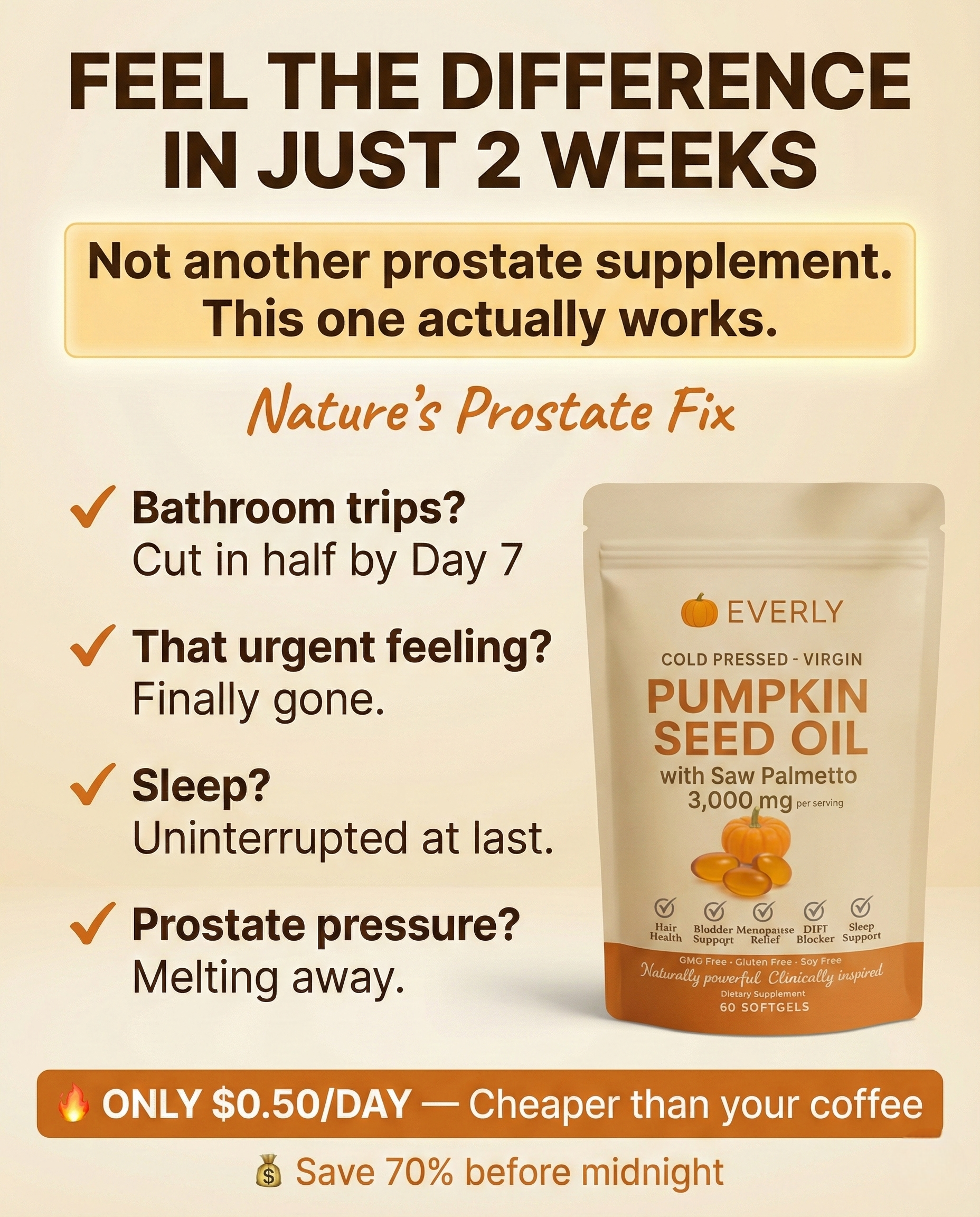
🎃 Natural Support for Your Daily Routine
“I’ve been feeling stronger and more balanced since taking Everly Pumpkin Seed Oil. My bladder feels so much calmer, I’m sleeping through the night again, and my hair feels thicker than it has in years. I love how natural it feels — just pure support for my body.”
LEARN MORELike this ad? Make it yours.
Crush rebuilds this exact creative around your product — your brand, your colors, your offer — in about a minute.