
Inactive· since Jun 12, 2026
- 32
- days it ran
- 2
- relaunches
Ad copy
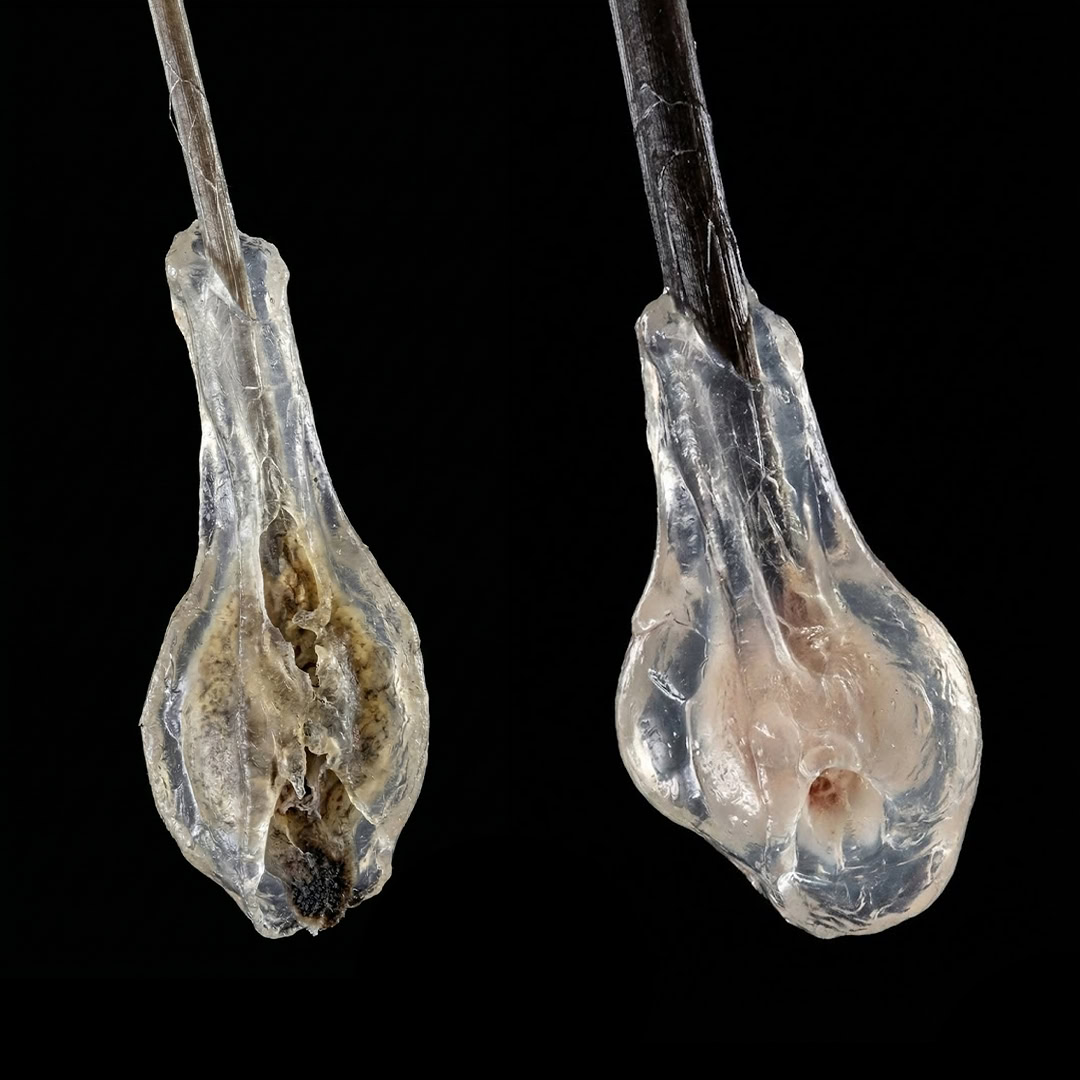
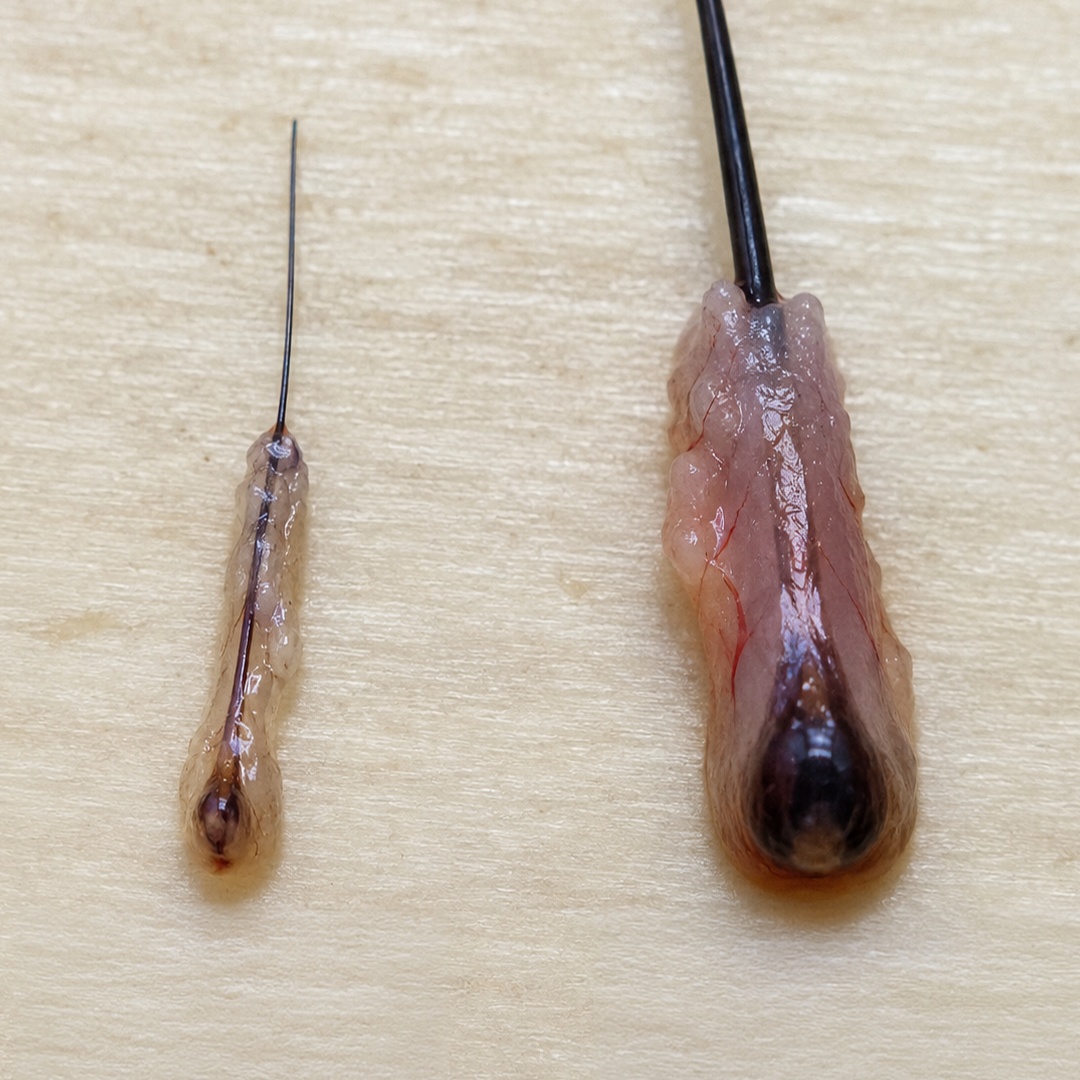
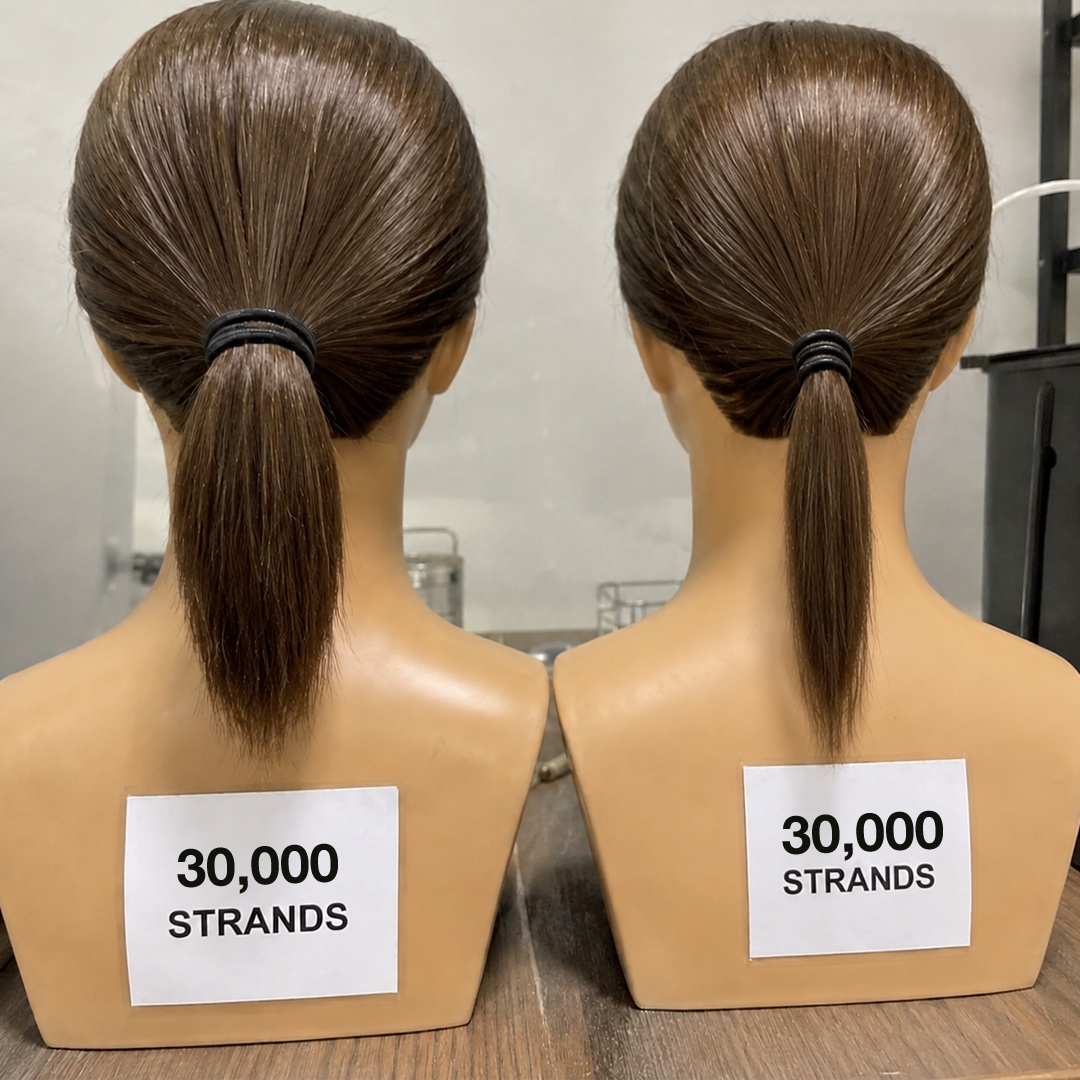
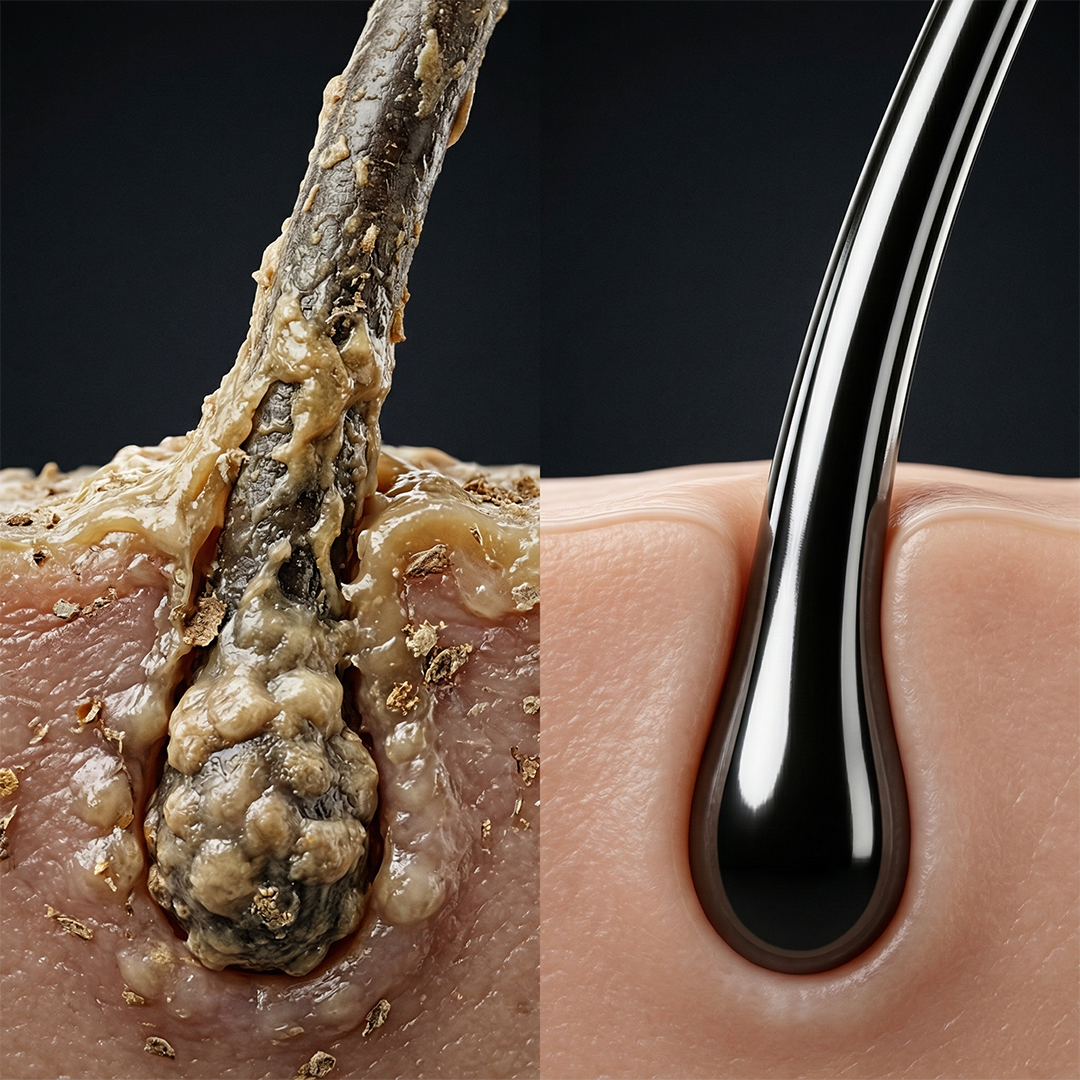
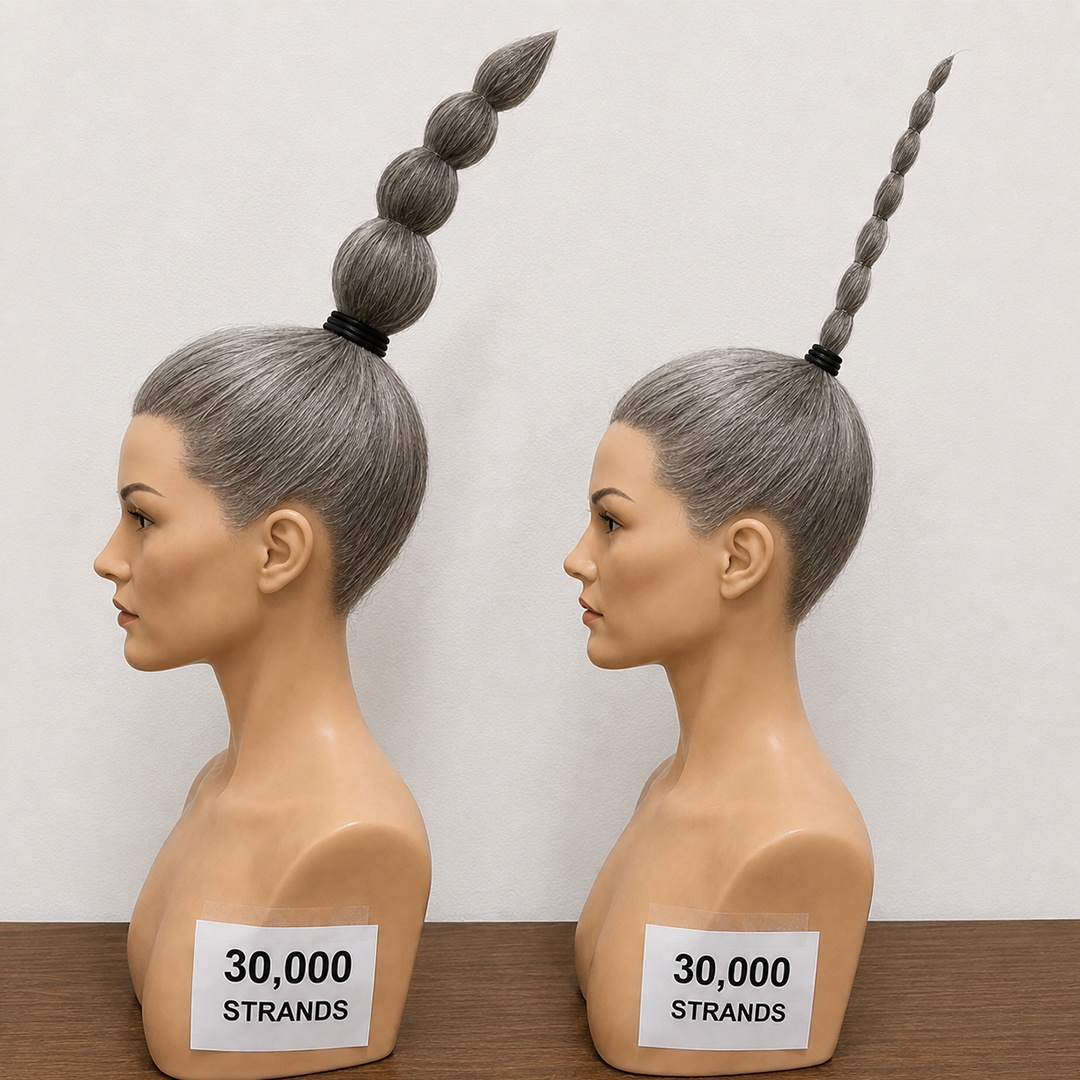
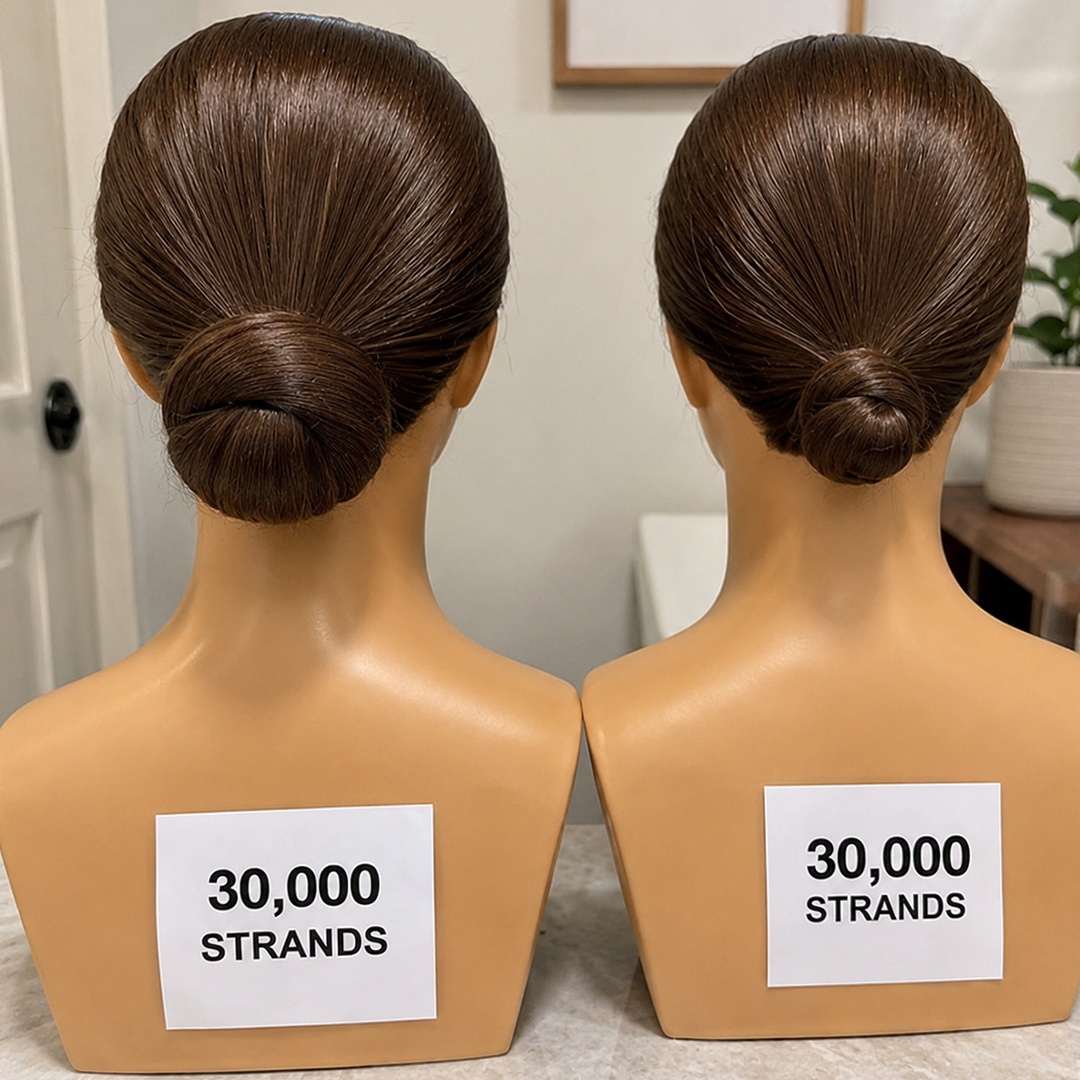
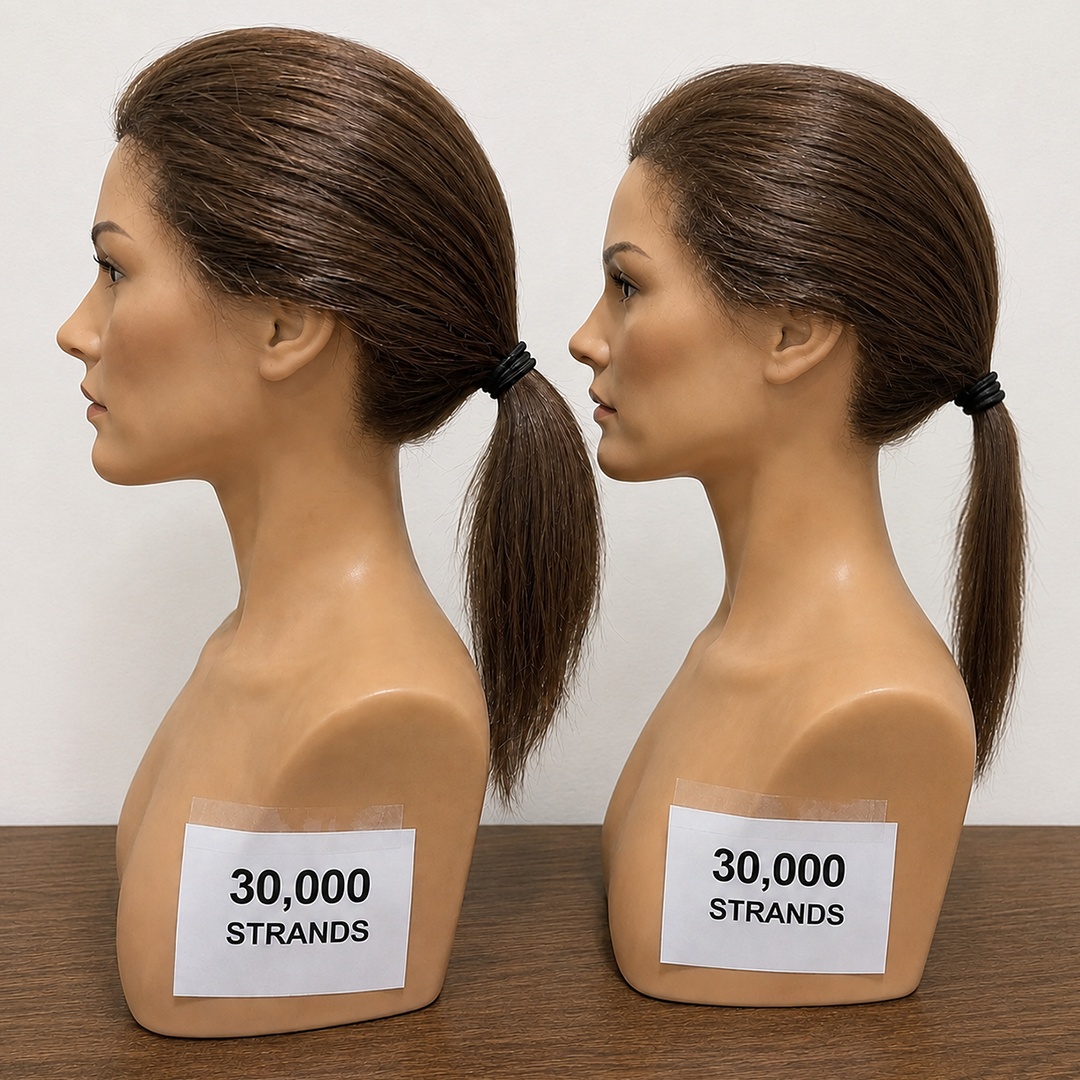
98 out of 100 women grew their hair back. Every one of them had already tried everything else and failed. I'm a Stanford-trained dermatologist — and I almost didn't run that trial. I only did it because of one woman. My mother. It was 2020. My mom, Gaynor, was at the bathroom mirror, combing strands sideways to hide a part that had gone from a line to a pale stripe. Hair on the sink. Hair in the brush. She caught me watching her and said something I've never been able to forget. "I don't look like myself anymore." I'm her son. I'm also the guy who's supposed to have the answer. And I had nothing. Every product I'd been trained to hand a patient — biotin, thickening shampoos, minoxidil — I already knew wouldn't fix what was happening to her. So I went looking for why. Here's what I found, and it reorganized everything I thought I knew. After menopause, your hair isn't the problem. Your scalp is. Your scalp holds more estrogen receptors per square inch than almost anywhere on your body. When estrogen falls, it starts aging up to ten times faster than the skin on your face. By your 50s, the tissue holding your hair in can be closer to a 90-year-old's than the face in your mirror. Aged tissue can't hold onto hair. Healthy strands get pushed out years early — and the follicles they came from go dormant, waiting for a signal the scalp stopped sending. That's why your labs come back "normal" while your ponytail keeps shrinking. Blood tests don't measure scalp age. That's why minoxidil does so little for so many women. It's aimed at the wrong layer. So I stopped recommending products and built one — for the scalp underneath. Then I did the thing most brands never dare to do. I handed it to an independent lab and told them to run the first real trial of its kind for menopausal hair loss — and the most rigorous. The first to count shedding by hand, strand by strand, instead of eyeballing photos. On the hardest group possible: women who'd already tried everything and watched it fail. 98% of them responded. Shedding stopped first. New growth followed. The results were just accepted for publication in the Journal of Drugs in Dermatology — one of the most respected peer-reviewed journals in my field. Let me be honest about the question I get most: it's not overnight. For almost every woman, the shedding calms first — that's your scalp holding hair again. The new growth comes after, on the scalp's clock, not yours. For some that's fast. For some it takes the full 90 days. And no — it's not too late. A dormant follicle doesn't have an expiration date. It isn't dead. It's waiting. My mom is 68 now. She has more density than she had at 55. Today more than 1,000 US clinicians recommend this protocol to their own patients through FrontRowMD. And it's backed by a 90-day money-back guarantee — use it, and if your shedding doesn't calm and your hair doesn't change, you get every dollar back. Before you spend another dollar guessing, find out what's actually happening on your scalp. I built a 60-second quiz that estimates your scalp age, shows what's really driving your thinning, and tells you whether you match the women in the trial. Match the top responders and it unlocks your discount on the protocol at the end. Take it here 👉 https://kilgourmd.com/pages/meno-quiz
Stanford dermatologist: "What I do for my own mom's hair loss"
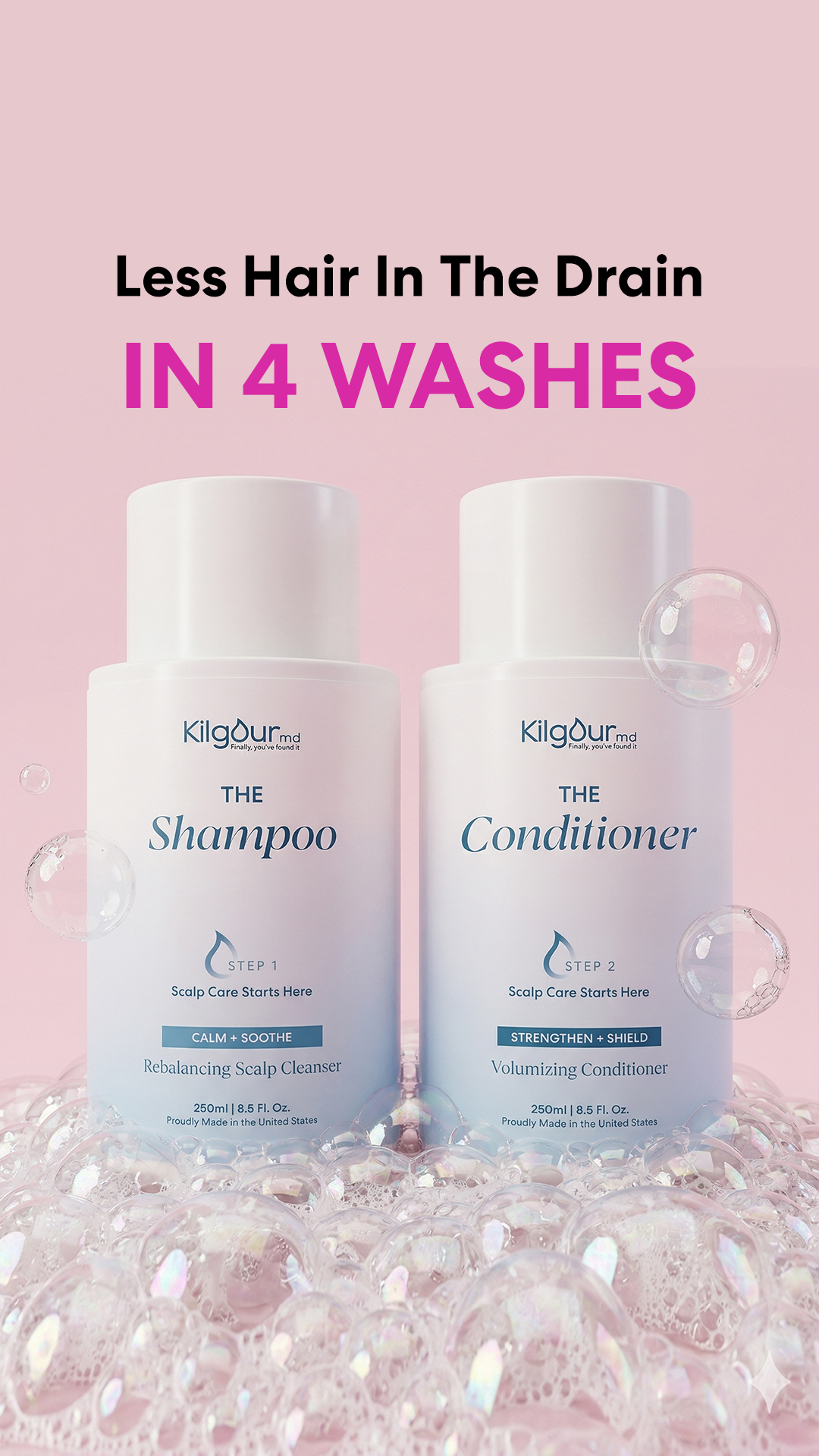
Dermatologist-developed, the best hair growth products for thinning hair. Reduce hair fall by 30% in two months, and stimulate hair follicle growth by 200%. No known side effects.
LEARN MORELike this ad? Make it yours.
Crush rebuilds this exact creative around your product — your brand, your colors, your offer — in about a minute.