
Inactive· since Jul 24, 2026
- 10
- days it ran
- 0
- relaunches
Ad copy
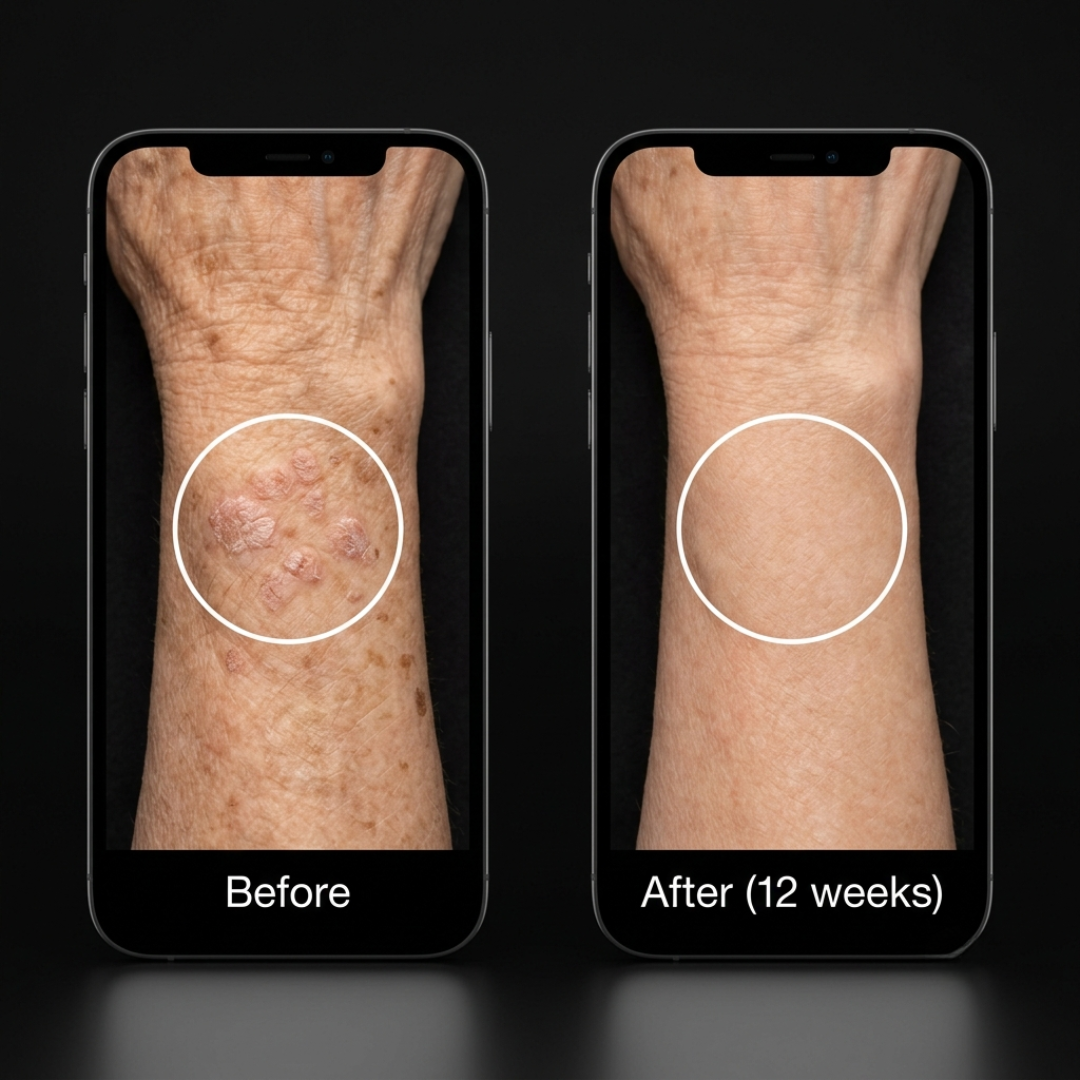
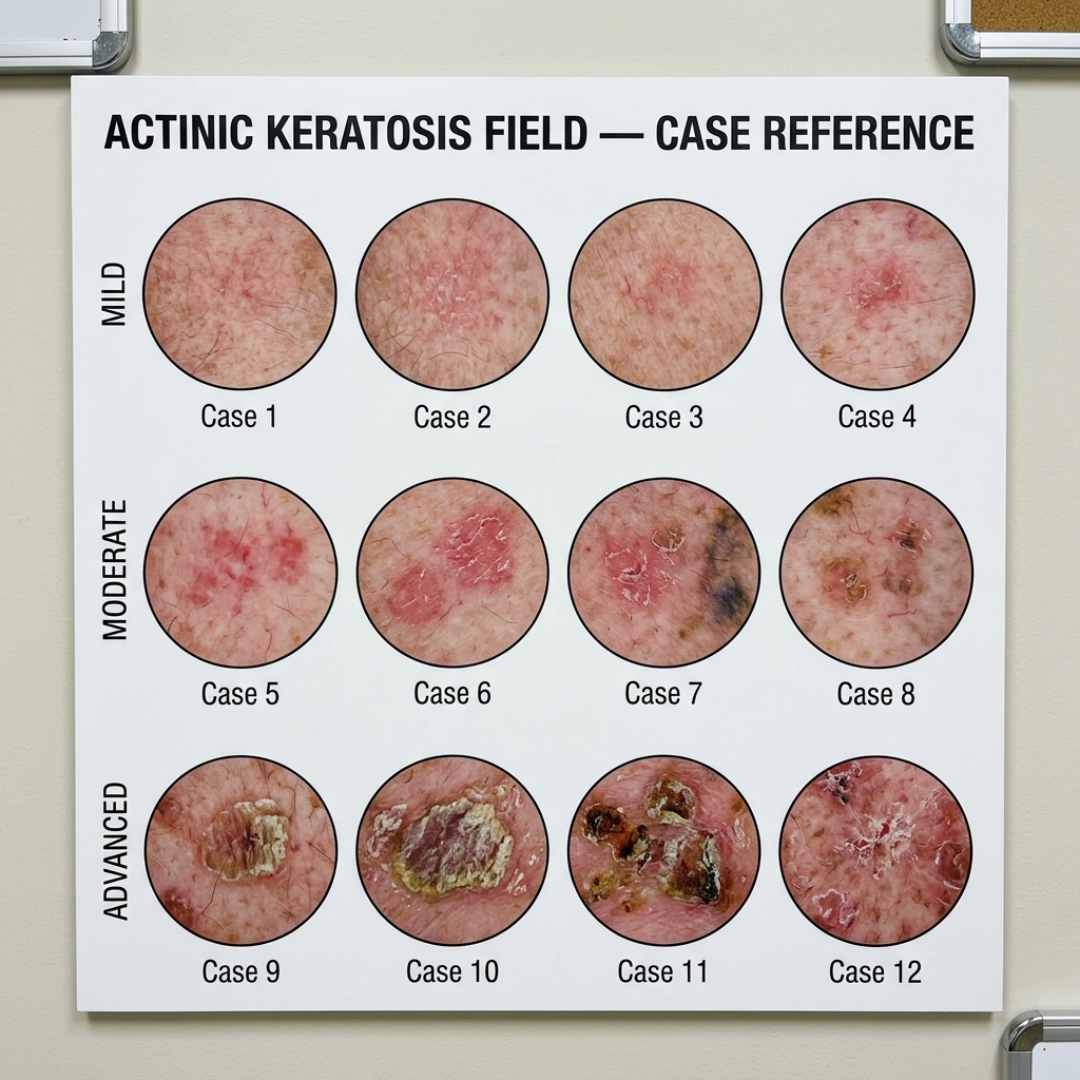
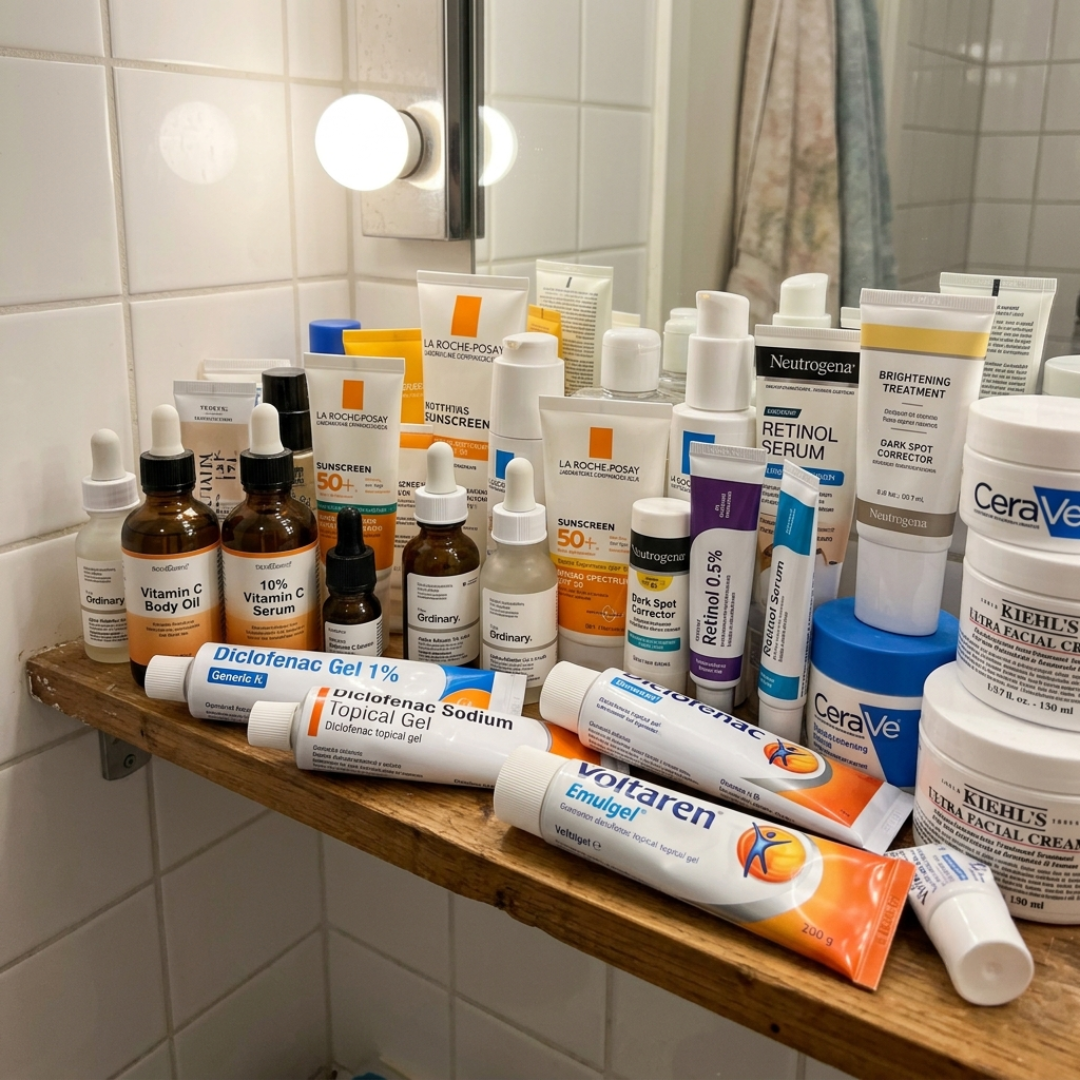
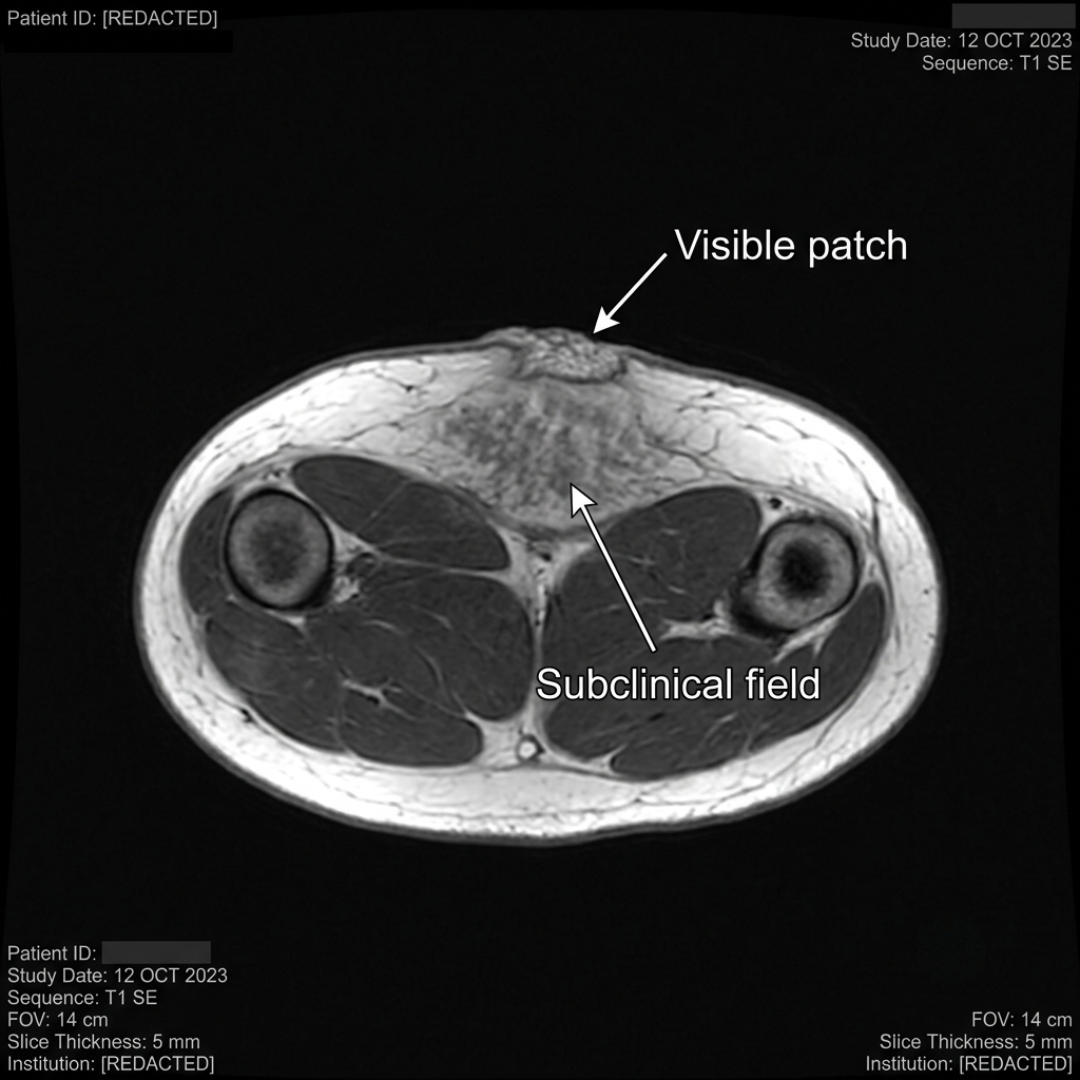
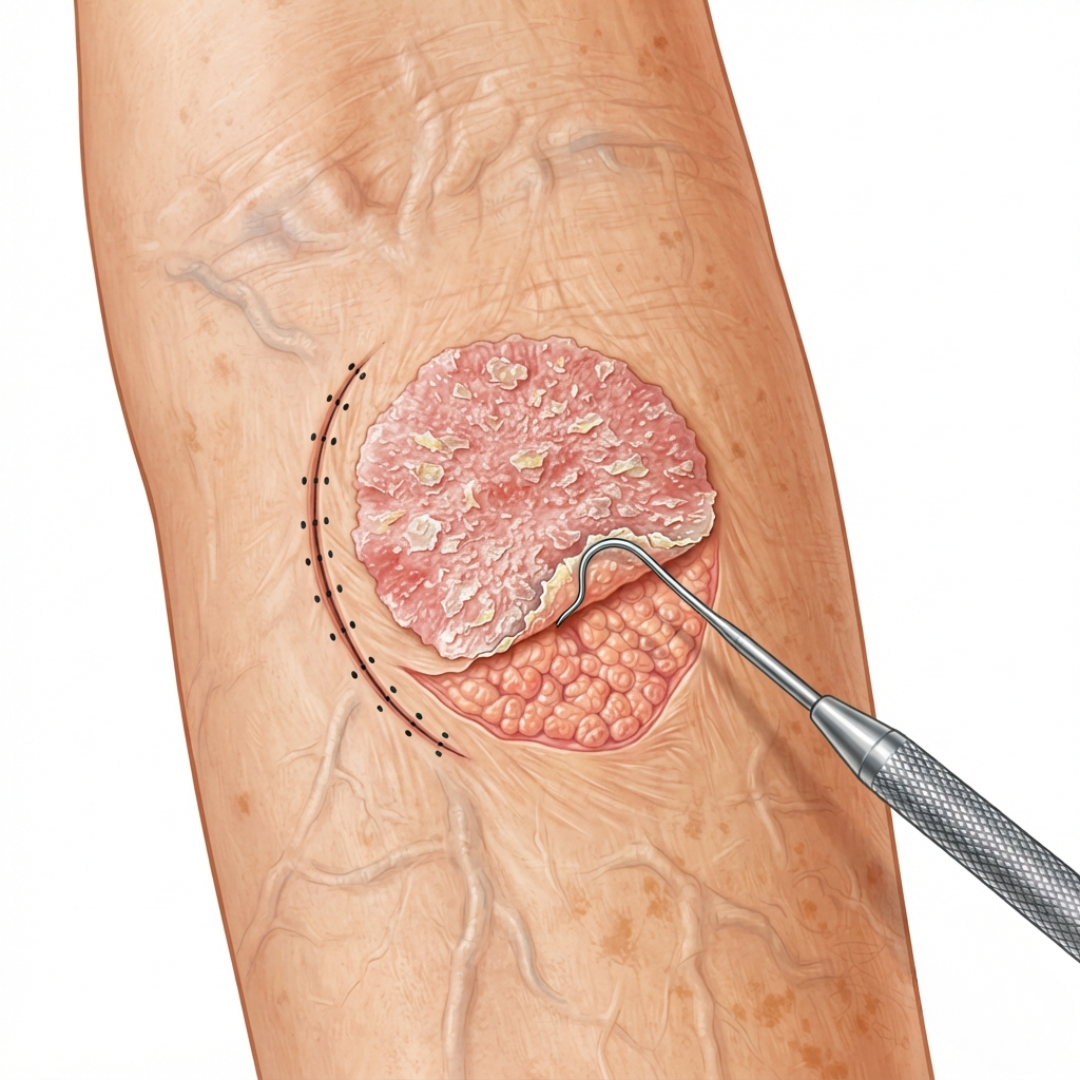
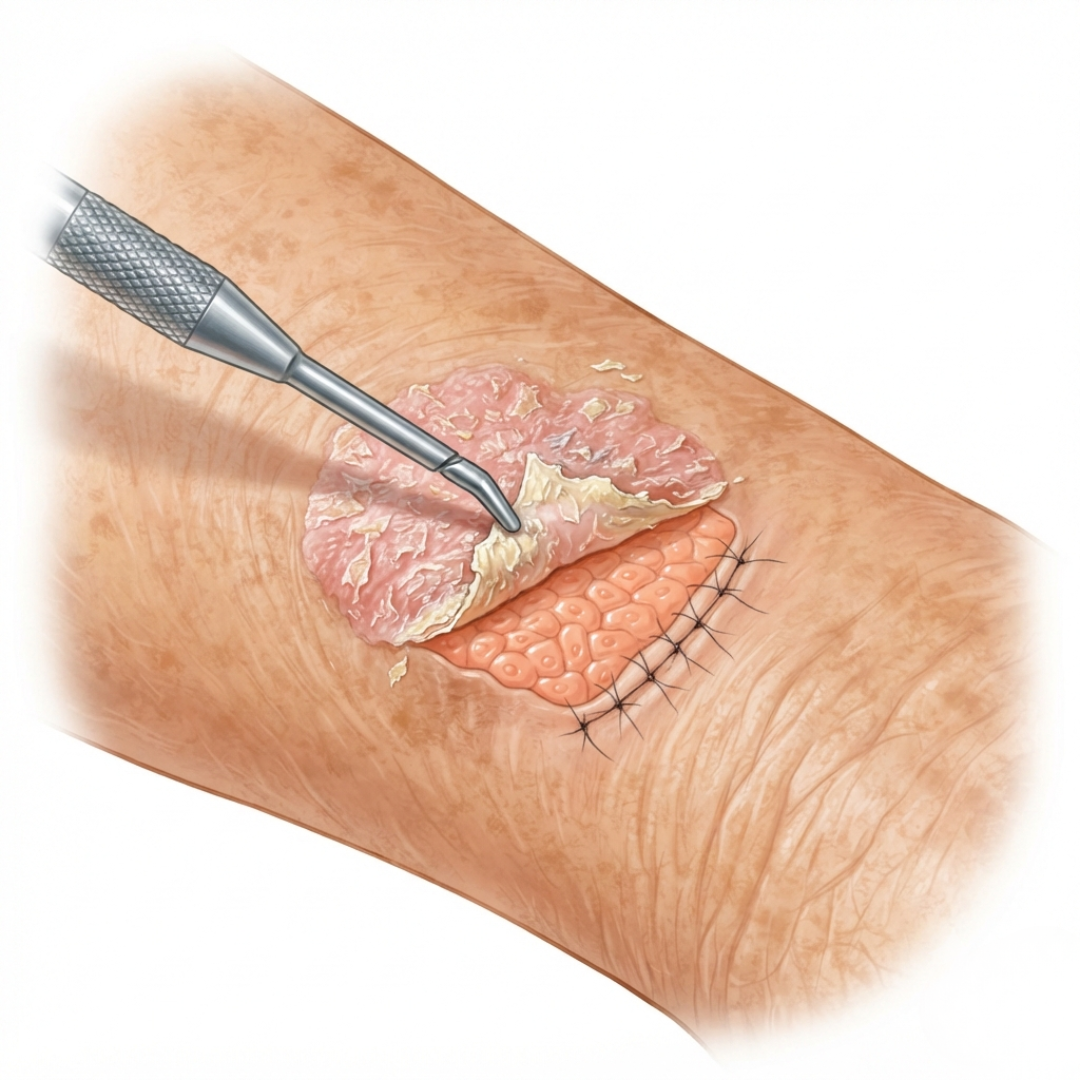
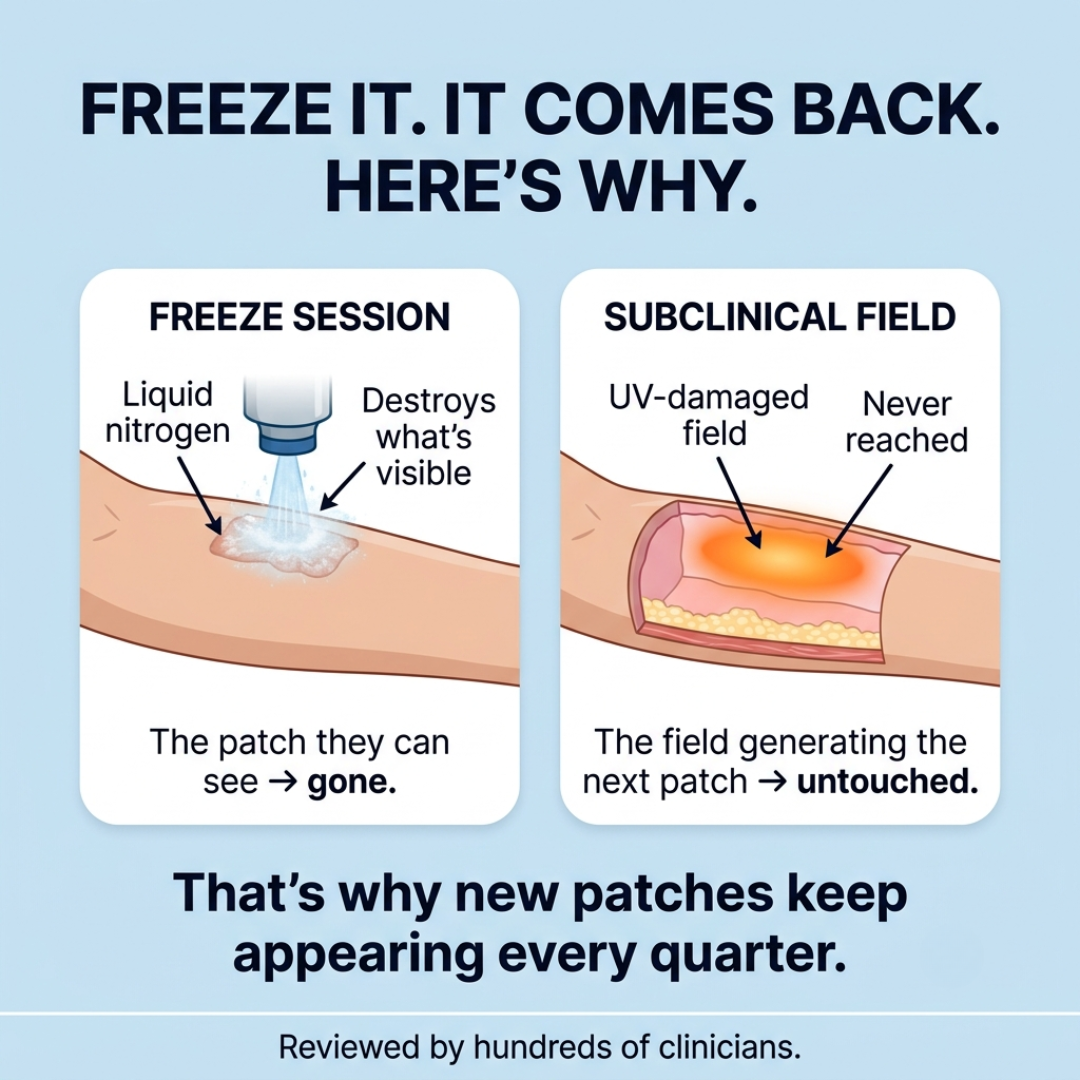
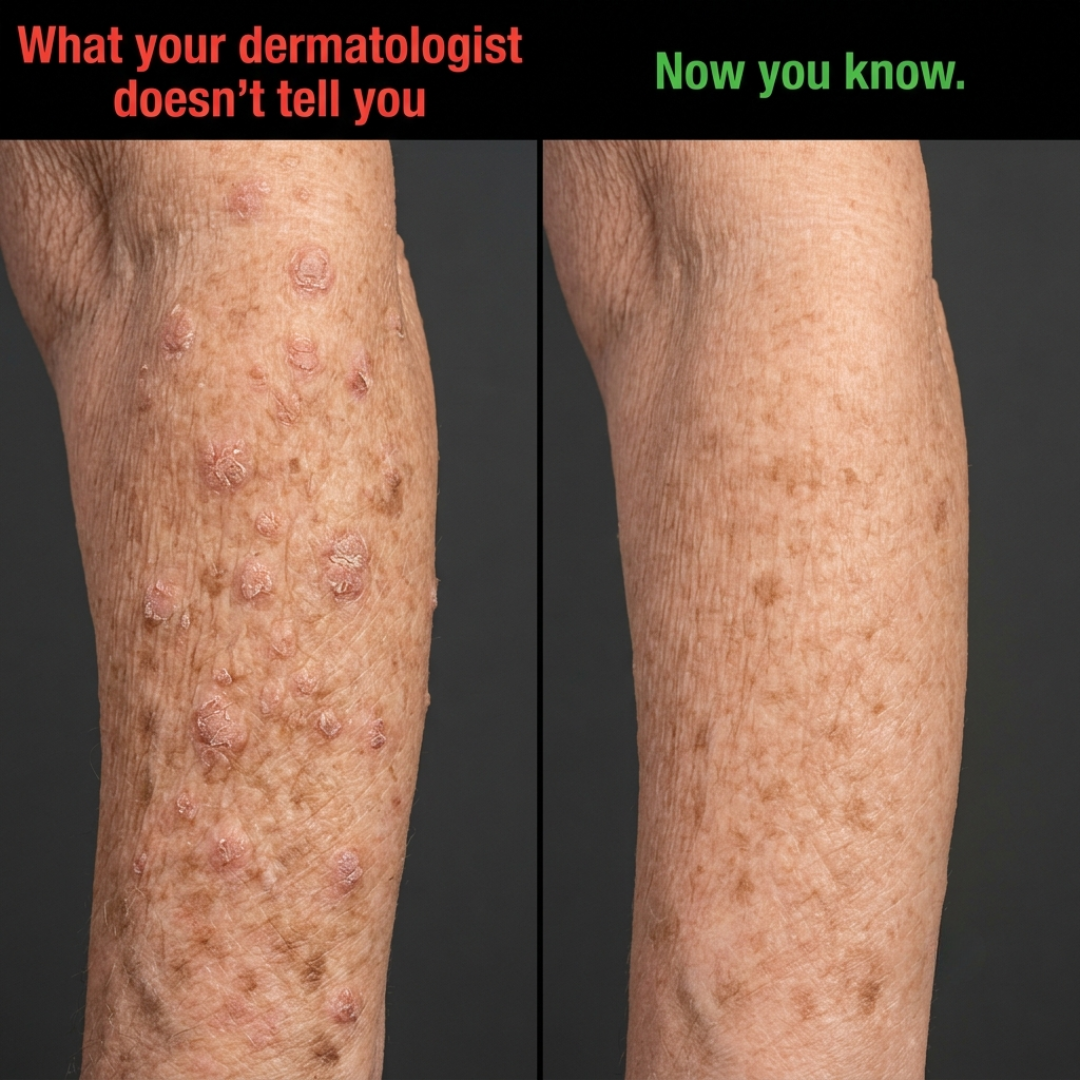
I've been a dermatologist for 24 years. And if your actinic keratosis keeps spreading to more skin, your freeze sessions stop holding, and your doctor keeps telling you to "come back in three months"... I'm about to tell you exactly why it's getting WORSE and why the dermatology industry will NEVER tell you the truth. And by the end of this, you're gonna be pissed. My name is Dr. Sarah Harlan. Board-certified dermatologist. Twenty-four years treating chronic actinic keratosis and UV-damaged skin. Over 8,400 patients. And I'm breaking ranks with my own profession to tell you this. Because there are three things happening right now: One — The patches on your skin are not "just sitting there." Beneath every visible lesion, a subclinical field of UV-damaged keratinocytes is actively generating the next patch — and every day you don't reach that field, it expands deeper into surrounding tissue. Two — The freeze session your dermatologist scheduled was never capable of touching that field, and your dermatologist knows it. Three — There's a multi-billion-dollar dermatology treatment industry that profits every single quarter your patches keep coming back. So let me tell you what happened with one of my patients. Because her story is gonna open your eyes to how messed up this really is. Her name was Linda. 64 years old. For YEARS — and I mean six straight years — she was dealing with this. It started with one small rough patch on her left forearm. A slightly raised, scaly spot the size of a nickel. She came to me early — month two. I told her we'd handle it. No big deal. I froze it. "Come back in three months," I said. "We'll check for new ones." She came back in three months. Two new patches. I froze those too. She came back three months after that. Three new ones. Different locations. Some in skin that had looked completely clear at her last visit. And you know what happened over six years? The patches didn't stop. They spread. From one forearm to both forearms. From her forearms to the backs of her hands. From her hands to her upper arms. From her upper arms to her chest and décolletage. By year four, she had fourteen active sites across her body. All of them being monitored. All of them being frozen as they appeared. And new ones forming in the clear skin between every treated patch. She stopped wearing short sleeves. Stopped going to the pool with her grandchildren. Started covering her arms at family dinners. She told me once: "I plan my entire wardrobe around what will hide my arms." And the fear? It wasn't just embarrassment anymore. She was terrified it would keep spreading. She'd noticed new patches forming on her chest and she was PANICKING. Her granddaughter had asked why her arms felt "scratchy" and Linda had changed the subject and gone to the bathroom to cry. And here's what makes me sick to my stomach: I was the doctor she trusted. Quarterly visits. Six years. Thousands of dollars in freeze sessions, diclofenac prescriptions, follow-up appointments, specialist referrals. And you know what I kept telling her? "Come back in three months. We'll freeze the next ones." COME BACK IN THREE MONTHS. This woman was watching patches spread to new areas of her body every single quarter, watching new lesions appear in skin that had looked clear at her last visit — and I was handing her another appointment card. But here's where it gets worse. And this is the part that haunts me now. I escalated her to 5-fluorouracil field therapy. Twice daily application for six weeks. Her skin wept and crusted. She couldn't wear a watch. She couldn't go outside. She missed her granddaughter's school play because her arms looked like they'd been burned. Six weeks of that. Then recovery. Then her follow-up appointment. New patches at the edges of the treated area. The field had generated new lesions in the skin immediately surrounding where we'd applied the chemotherapy. Because the dermis underneath had never been reached. I watched this woman — who did everything I told her, spent thousands of dollars, endured six weeks of weeping skin — develop new patches the moment the field therapy ended. And I didn't understand why. Until a 71-year-old photoaging researcher changed everything I thought I knew about actinic keratosis. November 2023. Chicago. American Academy of Dermatology Annual Meeting. I was wearing a long-sleeved jacket despite it being warm inside the conference center. Because at 52, my own forearms had developed rough patches eighteen months earlier. And nothing I'd been recommending to patients for 24 years had worked on me either. Worse — new patches had appeared on my hands and upper arms. I was running my fingers across my forearms every morning the way my patients described doing it for years. That's when I saw her. Dr. Margaret Voss. 71 years old. Wearing a sleeveless blouse. Her forearms were smooth, even-toned, and completely calm. No rough patches. No raised edges. No concealment. I walked over. "Excuse me — I'm a dermatologist. I saw your research history in the conference registry. You had significant actinic keratosis across both forearms three years ago. How is your skin this clear?" She smiled. The kind of smile that knows something you don't. Then she asked to see my arms. And I — a dermatologist who couldn't fix her own skin — rolled up my sleeves in shame. She ran her fingers across the rough patches on my forearms. Felt the raised edges. The sandpaper texture between the visible lesions. "Dr. Harlan, when did this start?" "About eighteen months ago. Already spread to both hands and my upper arms." Her face changed. And what she said next made my stomach drop. "It's not spreading randomly. It's spreading systematically. Beneath every patch you can see, there's a subclinical field of UV-damaged keratinocytes spreading invisibly across the surrounding dermis. They look normal to the eye. They feel almost normal to the touch. But they're already misfiring — dividing abnormally, generating the next visible lesion before the current one has even been treated." She looked at me seriously. "Every quarter you spend freezing visible patches while the field generates underneath is another quarter the damage expands into new territory. You're not treating it. You're giving it time to spread." I felt sick. Then she said: "The problem isn't your compliance or your patients' compliance. It's your delivery system. You're treating a field problem with a point tool." She gestured to an empty table. "May I show you something? It will take twenty minutes. But it will change how you understand this completely." What she taught me in 20 minutes changed everything. She drew a simple diagram on a napkin. "Your treatment model treats actinic keratosis as a visible patch problem. So you freeze the patch. Apply diclofenac to the surface. Treat the field with topical chemotherapy. That's like trying to stop a fire spreading through the walls by painting over the smoke stains. It doesn't work because the source isn't on the surface — it's in the dermis." She tapped the napkin. "This isn't a surface problem. It's a dermal field problem. The UV-damaged keratinocytes generating your next patch aren't sitting on the stratum corneum where your treatments land. They're in the dermis — four, five, six layers deep. And every compound you've been prescribing is water-based. Water cannot cross the lipid barrier of the stratum corneum to reach the dermis. It sits on the surface and evaporates while the field generates underneath." Now pause for a second. You know what's insane? We learned in dermatology school that actinic keratosis is a field disease. That the subclinical field surrounding every visible lesion is where the next patches originate. That liquid nitrogen is a point treatment for visible lesions — not a field treatment. We KNOW this. It's in the textbooks. And yet we keep scheduling quarterly freeze sessions for a field disease while the field advances untouched underneath. And that's not an accident. Because once you understand that water-based compounds can't cross the stratum corneum to reach the dermis, you realize why Linda's patches kept spreading. Why MY patches kept spreading. Why the lesions march from one body part to the next while you freeze and apply and wait. Here's what's actually happening underneath: Your skin has seven layers. The outermost — the stratum corneum — is a lipid barrier. Oil-based by design. It keeps water out and keeps moisture in. Every serum, gel, and diclofenac compound you've been prescribed is water-based. The stratum corneum blocks it. Less than 4% penetrates to the dermis. The UV-damaged keratinocytes generating your next patch live in the dermis. Behind a lipid wall that water-based compounds cannot cross. When you freeze a visible lesion? The liquid nitrogen destroys what's above the surface. The subclinical field in the dermis below keeps generating. Within weeks, a new lesion completes its cycle and emerges in skin that looked clear at your last visit. When you apply diclofenac? It sits on the stratum corneum. Reduces surface inflammation. Doesn't reach the dermis. The field keeps generating underneath while the surface looks temporarily calmer. When you undergo 5-fluorouracil field therapy? It destroys the visible surface field. Your skin weeps and crusts for six weeks. The dermis underneath — where the UV-damaged keratinocytes are still generating — isn't reached. New lesions emerge at the edges of the treated zone the moment the treatment ends. The result? The field doesn't just persist. It EXPANDS. Systematically. While you watch. And here's the key thing I learned: Water-based topical treatments cannot reach a dermal field problem. But lipid-based compounds can. Oil dissolves oil. Cold-pressed plant oils — specifically camellia oil and sea buckthorn oil — are lipid-based carriers that penetrate the stratum corneum and transport oil-soluble actives through all seven skin layers to the dermis. Right to where the UV-damaged keratinocytes are generating. Oil-soluble vitamin C at clinical concentration directly inhibits the UV-induced oxidative cascade that drives abnormal keratinocyte proliferation. Not on the surface. In the dermis. Where the field lives. Bakuchiol at clinical concentration supports normal keratinocyte cycling — replacing the abnormal proliferation pattern with healthy cell renewal. From the dermis out. And here's the part that made my blood boil: The dermatology industry KNOWS about lipid-based penetration. We know water-based compounds don't reach the dermis. Researchers publish papers on transdermal delivery systems every year. But we keep prescribing water-based gels and topicals for a dermal field disease. Why? Because pharmaceutical companies make patentable prescription gels and creams. They don't make cold-pressed botanical oils. You can't patent camellia oil. There's no money in telling you your field lives in the dermis and every water-based compound you've been prescribed was physically incapable of reaching it. There IS money in selling you $180 freeze sessions, $340 field chemotherapy courses, $800 photodynamic therapy sessions, and quarterly dermatologist visits for the REST OF YOUR LIFE. See how that works? Dr. Voss showed me the actual protocol for reaching the dermal field and stopping the spread from inside the skin itself. It involves three specific things happening simultaneously: One — Lipid-based dermal penetration. A cold-pressed oil carrier that crosses the stratum corneum and delivers oil-soluble actives to the dermis where the field lives. Not sitting on the surface. Going through it. Two — Oil-soluble vitamin C at clinical concentration. Directly inhibiting the UV-induced oxidative cascade driving abnormal keratinocyte proliferation in the dermis. Reaching the field where no water-based compound has ever arrived. Three — Bakuchiol at clinical concentration. Supporting normal keratinocyte cycling without the rebound irritation retinol causes in UV-damaged skin. Replacing abnormal proliferation with healthy cell renewal from the dermis out. Nature already built the delivery system. Cold-pressed camellia and sea buckthorn oil. The two lipid carriers that penetrate all seven skin layers. We just stopped paying attention when pharmaceutical companies offered something more profitable. But you'll never hear most dermatologists mention it. Because they don't make patentable plant oils. They make water-based gels and prescription creams. So that's what we're trained to prescribe. The financial model is backwards. A patient on quarterly freeze sessions pays $180 per session. Four times a year. For years. Plus diclofenac. Plus follow-up visits. Plus field therapy when the sessions stop working. Average lifetime spend: $15,000 to $40,000. A lipid-delivered botanical oil that reaches the dermal field? No recurring revenue. No quarterly appointments. No escalating protocol. The system isn't designed to solve the problem. It's designed to manage it forever — one freeze session at a time. Now here's the problem I ran into. Most botanical body oils on the market are useless. I tried a vitamin C body oil from a health food store. Sunflower oil carrier. Water-soluble vitamin C. Sat on the surface and did nothing. I tried a "brightening" botanical oil from a specialty skincare brand. Jojoba carrier. No oil-soluble actives. No dermal penetration. I tested nine different botanical oils after Chicago. Spent over $300 total on products that either used the wrong carrier, the wrong form of vitamin C, or had no bakuchiol at clinical concentration. Because here's the thing: a generic vitamin C body oil is NOT the same as a lipid-delivered dermal penetration protocol. Most botanical oils use sunflower or jojoba as the carrier. They moisturize the stratum corneum. They don't penetrate to the dermis. It's like buying a water pistol and wondering why it didn't reach the basement. True dermal penetration requires cold-pressed camellia and sea buckthorn as the lipid carrier — the two oils with the molecular structure to actually cross the stratum corneum. Combined with oil-soluble vitamin C — not ascorbic acid, which is water-soluble and bounces off — at a clinical concentration that inhibits the oxidative cascade in the dermis. And bakuchiol at clinical concentration for cellular turnover. Every product I tested failed at least one of those three requirements. Until I found Dermiqua. Cold-pressed camellia and sea buckthorn as the carrier. Not sunflower. Not jojoba. The two lipid vehicles that actually penetrate all seven skin layers. Oil-soluble vitamin C — ascorbyl tetraisopalmitate — at clinical concentration. Not ascorbic acid. The oil-soluble form that crosses the stratum corneum and reaches the dermis where the field lives. Bakuchiol at clinical concentration for natural cellular turnover. Without the rebound irritation retinol causes in UV-damaged skin. Sixteen cold-pressed botanicals. Zero water. Zero filler. Every ingredient oil-soluble and lipid-delivered. Everything goes in. When I examined the formulation it was built on the exact delivery mechanism that the photoaging penetration research described. The same lipid carrier system. The same oil-soluble actives. The same zero-water principle that ensures full penetration to the dermis. They weren't just selling a body oil. They understood why every water-based product had failed. And they built something to actually reach what those products never could. And here's where I had to face what I'd done to my patients: When Linda was coming to me every quarter? $180 per freeze session. Four sessions a year. Six years. Plus diclofenac. Plus field therapy. Plus my office visits. Plus the photodynamic therapy I was preparing to recommend. She was spending thousands of dollars a year. Every single year. Just to watch the field advance to the next area. Dermiqua? A fraction of what she'd been spending on treatments that sat on the surface. Reaches the dermis where the field actually lives. Cold-pressed camellia and sea buckthorn penetrating all seven skin layers. Oil-soluble vitamin C inhibiting the oxidative cascade in the dermis. Bakuchiol supporting normal keratinocyte cycling from the inside out. Morning and evening. Consistent. Because the field doesn't rest. I started using it myself first. Week 2: The rough sandpaper texture on my worst forearm softening. I ran my fingers across it every morning. Smoother. Smoother again. I'd been running my fingers across those patches every night for eighteen months waiting for that. Week 4: The raised edges on my largest lesions had started flattening. I pressed my forearm flat against the bathroom counter. No catching. No rough edges dragging. First time in eighteen months. Week 8: No new lesions at six sites that had been generating every quarter. I hadn't gone a single three-month period without a new patch appearing somewhere since the patches started. Week 12: Full assessment. Both forearms smooth enough to show. Hands clear enough to stop hiding. The field had been reached. The generation had slowed. No new patches on any new areas. Then I called Linda. And every other patient I'd failed. "I need to tell you something. The treatments I recommended weren't reaching the problem. I was freezing what was visible while the field generated underneath. I was prescribing water-based compounds that couldn't cross the stratum corneum to reach the dermis. I didn't understand the delivery failure. But I do now." Linda, Week 6: "Dr. Harlan, the rough texture on my forearms is smoother than it's been in years. And for the first time since this started — not one new patch. Not one. It actually stopped." Before: Fourteen active sites across both forearms, hands, upper arms, and chest. New patches every quarter despite continuous freeze sessions and diclofenac. After 6 weeks: Texture smooth across all sites. Zero new patches. Zero new areas added to the watch list. Cost of freeze sessions, field therapy, diclofenac, and specialist visits that failed her: over $18,000 across six years. Cost of what worked: a fraction of that. She wore a short-sleeve blouse to her granddaughter's birthday party last weekend. First time in four years. Her granddaughter grabbed her arm and said: "Grandma, your arms are so smooth now!" Linda told me she went to her car and cried. The spreading? Stopped. She reached for her granddaughter at the table without thinking about her arms for the first time in years. She got her arms back. This is the protocol they don't want you to know about. Because the second you reach the dermal field with lipid-delivered oil-soluble actives, the generation slows. You don't need their quarterly freeze sessions anymore. You don't need their water-based diclofenac that sits on the surface. Your skin starts REBUILDING at the dermal layer the way it's supposed to. Now here's what I need you to understand about timing. The urgency Dr. Voss warned me about is real. The subclinical field doesn't wait. Every quarter the field generates untouched, it expands into new surrounding tissue. The longer you wait, the more territory the lesions claim, and the more dermal damage accumulates. One patch on your forearm at month three can become fourteen patches across your body by year six. I watched it happen to Linda. I watched it happen to myself. If you're at one or two patches right now — you have a chance to reach the field before it spreads further. Every week matters. If you're already dealing with patches across both forearms, hands, and upper arms — the field is deeply established. You can still reach it. But every day the generation continues, new tissue is being recruited. If your patches have spread to your hands or chest — act now. You can't hide your hands. You can't cover your chest in summer. If you're someone who's been dealing with this — rough patches, raised edges, new lesions every quarter, spreading despite everything — and nothing has worked? It's not because you didn't comply with the freeze schedule. It's not because you didn't apply the diclofenac consistently enough. It's because the field lives in the dermis and every compound you've been prescribed was water-based — physically incapable of crossing the stratum corneum to reach it. Dermiqua has a 90-day money-back guarantee. If it doesn't work, you're not out anything. Try it for 90 days. Watch your skin every morning. Run your fingers across the patches. Feel the texture change. Watch the raised edges flatten. That's your proof. Because the dermatology industry isn't coming to save you. We profit too much from quarterly freeze sessions that clear the patches and watch the next ones form while the field generates underneath. A 71-year-old photoaging researcher taught me more about actinic keratosis in 20 minutes than I learned in 24 years of dermatology training. It's about time I passed that lesson on. 👉 dermiqua.com/pages/actinic-keratosis — Dr. Sarah Harlan, MD Board-Certified Dermatologist 24 years in practice P.S. — I still perform freeze sessions — but only for isolated, early-stage lesions in patients with no subclinical field involvement. For established actinic keratosis with active field generation, only lipid-delivered dermal penetration reaches the source. P.P.S. — If your patches have already spread to multiple body parts, every week you wait is another week the subclinical field expands into new surrounding tissue. Don't spend another year freezing patches while the field generates underneath. P.P.P.S. — Linda: "Six years. Fourteen active sites. Thousands of dollars on freeze sessions that cleared the patches and watched the next ones form. Two weeks of morning and evening oil reached what six years of liquid nitrogen never could. Don't wait like I did."
Like this ad? Make it yours.
Crush rebuilds this exact creative around your product — your brand, your colors, your offer — in about a minute.