
Inactive· since Apr 21, 2026
- 32
- days it ran
- 0
- relaunches
Ad copy
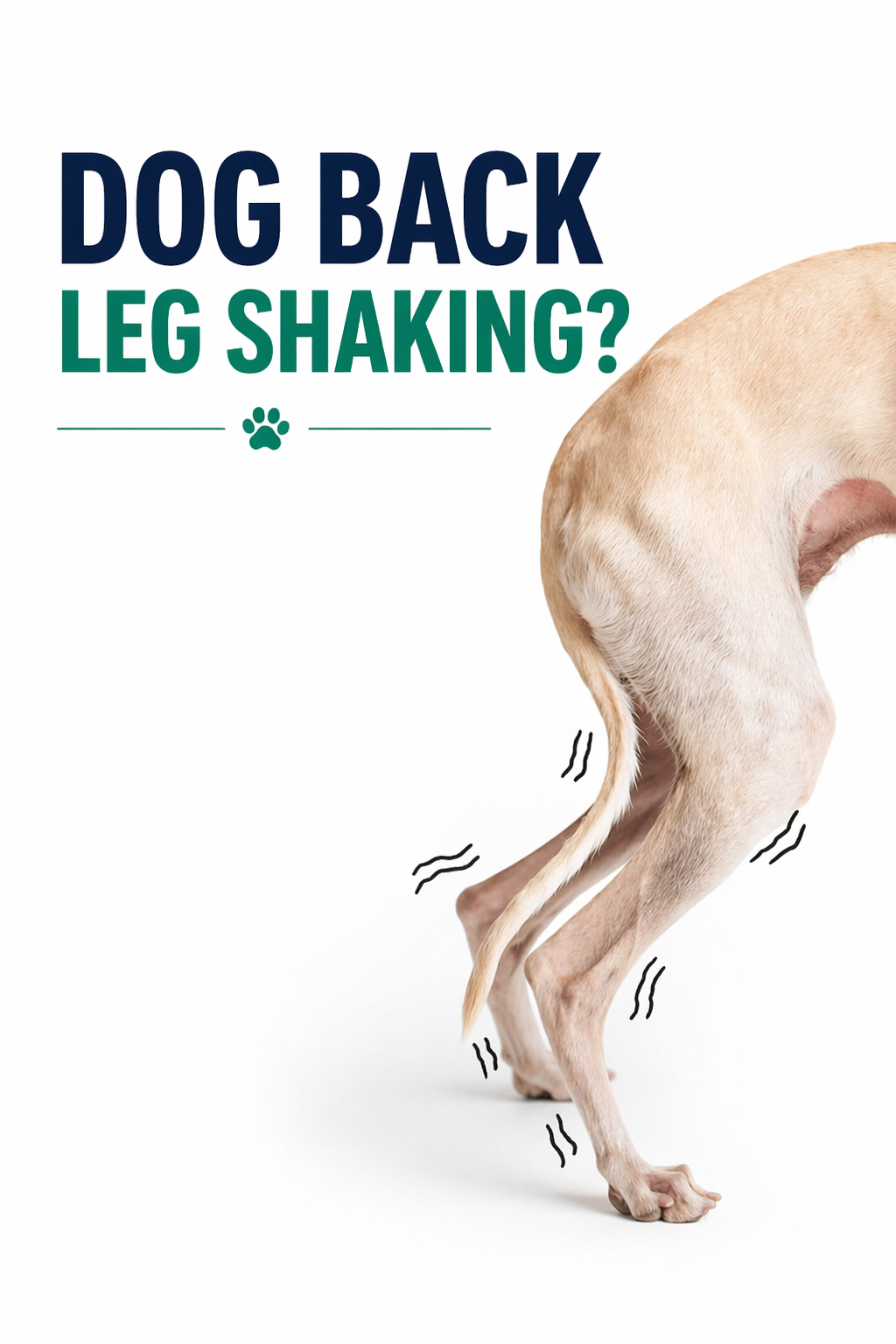
If you've noticed your senior dog struggling to stand, slipping on smooth floors, or hesitating before climbing the stairs you're not alone. Hind leg weakness affects roughly 1 in 3 dogs over the age of 8. And if you've Googled it, you've probably seen the same handful of explanations every time. Arthritis. Hip dysplasia. Degenerative myelopathy. Spinal disc disease. These are the answers most veterinary articles give. And they're not wrong. But they're incomplete. There's a deeper cause that almost none of those articles mention. And it's the one that determines whether your dog gets stronger — or keeps declining. The symptoms most dog parents notice first Before we get to the cellular cause, here are the early signs that your dog's back legs are starting to give out: Slipping on tile, hardwood, or laminate floors Splaying out sideways when trying to stand Hesitating before crossing slick surfaces Trembling in the hind legs after standing Slower getting up from a lying position Skipping stairs they used to take fast Dragging or scuffing the back paws when walking Sitting down halfway through a walk If you've seen one of these, it's worth paying attention. If you've seen three or more, the underlying cause is already in motion. What most articles tell you next Open any article on weak back legs in senior dogs and you'll get the standard list of causes: Osteoarthritis. Cartilage breakdown in the hip and knee joints causes pain and stiffness, which makes the dog reluctant to use their back legs. Hip dysplasia. A malformation of the hip joint that worsens with age. Often genetic in larger breeds. Intervertebral disc disease. Disc compression along the spine puts pressure on nerves that control the hind legs. Degenerative myelopathy. A progressive condition affecting the spinal cord, causing gradual loss of coordination in the back legs. Muscle atrophy from inactivity. As dogs age and move less, the hind leg muscles shrink, which makes movement even harder. These are all real. They all cause hind leg weakness. But they're all symptoms of something deeper. And here's the part the articles don't tell you. The cellular cause underneath all of them We sat down with our veterinary research consultant Dr. Ilaria Bernotti to understand why some senior dogs decline rapidly while others stay strong well into their teens. What she explained changed how we think about senior dog health. Every condition above — arthritis, dysplasia, disc disease, muscle atrophy — accelerates when one specific thing happens at the cellular level: NAD+ depletion in the muscle cells. Here's what that means in plain language. Inside every one of your dog's muscle cells is a tiny engine called a mitochondrion. That engine produces the energy that allows the muscle to fire. The fuel for that engine is a compound called NAD+. In young dogs, NAD+ levels are high. In senior dogs, they crash — by more than 50% by age 8. When NAD+ drops, mitochondria can't produce enough energy. Muscle cells weaken. The hind legs lose strength, stability, and reaction time. Then the cycle accelerates: The dog moves less. The muscles atrophy more. The joints take more load. The cartilage wears faster. The dog moves even less. This is why two dogs of the same age and breed can decline at completely different rates. One has the cellular fuel to support the muscles. The other doesn't. Why most senior dog supplements miss this Look, we get it. You walk into a pet store and see shelves of "joint support" chews. You buy them. You feel like you're doing something. We've all been there. But almost every senior dog supplement on the market focuses on the same three ingredients: Glucosamine. Chondroitin. MSM. These compounds support cartilage. And cartilage support is fine. But cartilage isn't the cellular problem. The mitochondria are the cellular problem. And almost no senior dog supplement addresses the NAD+ crash inside the muscle cells. What addresses it Two compounds have the strongest research for restoring NAD+ levels in senior animals: NMN (Nicotinamide Mononucleotide) — the direct precursor to NAD+. When NMN reaches the bloodstream, the body converts it into NAD+ inside every cell. NAD+ itself — for immediate cellular support before the conversion process catches up. Paired with two protective compounds: Resveratrol — protects cells from oxidative damage that further depletes NAD+. CoQ10 — fuels mitochondrial energy production directly. This is the formulation Dr. Bernotti helped us build for Pawprint Protocol. The absorption problem most brands ignore Here's the part that took us 14 months to solve. NMN in standard capsule or chew form barely absorbs. Studies put absorption at less than 30%. The rest passes through your dog's system without ever reaching the muscle cells. So even the few senior dog supplements that do contain NMN don't actually deliver enough to make a difference. We picked nanoliposomal delivery — a liquid technology that wraps each NMN molecule in a microscopic protective shell. The shell survives stomach acid and delivers the compound directly into the bloodstream. Up to 98% absorption. That's the difference between a supplement that contains the right ingredient and a formula that actually fuels the muscle cells. Honest cost moment Our CFO wasn't thrilled with the cost of nanoliposomal manufacturing. We can't make it into a chew. We can't pack it into capsules. It has to be liquid. We had a long conversation about it. Here's where we landed. If we're going to write articles like this one — claiming there's a deeper cellular cause that nobody else addresses — the formula has to actually work. A cheaper version that doesn't absorb just creates more dog parents wondering why nothing helps. So we built the harder, more expensive version. A simple guide: when to act If your dog is showing two or more of these signs, the NAD+ depletion is in motion: Back legs splaying out on smooth floors Slower getting up from rest Skipping stairs they used to take easily Trembling in the hind legs after standing Less interest in walks they used to love Sleeping more during the day Dragging or scuffing back paws The earlier you address the cellular fuel, the more strength your dog can rebuild. Right now Pawprint Protocol is 25% off today. Backed by our 90-day money-back guarantee — if you don't see a meaningful difference in your dog's strength, stamina, or stability, we refund every penny. Over 15,000 dog parents have already started. Many tell us the same thing: "He stopped slipping in the kitchen by week three." "She made it up the stairs without help for the first time in months." "He's bringing toys to me again." That's the moment that changed for them. 👉 Get 25% off Pawprint Protocol today The bottom line Your dog's back legs aren't giving out because of "old age." They're giving out because the muscle cells are losing the fuel that keeps them strong. That's not a mystery anymore. It's a measurable cellular event. And it's addressable. Don't accept "this is just what happens" as the answer. 👉 25% off — 90-day money-back guarantee
Like this ad? Make it yours.
Crush rebuilds this exact creative around your product — your brand, your colors, your offer — in about a minute.