
Active· since Jun 3, 2026
- 103
- days running
- 0
- relaunches
Ad copy
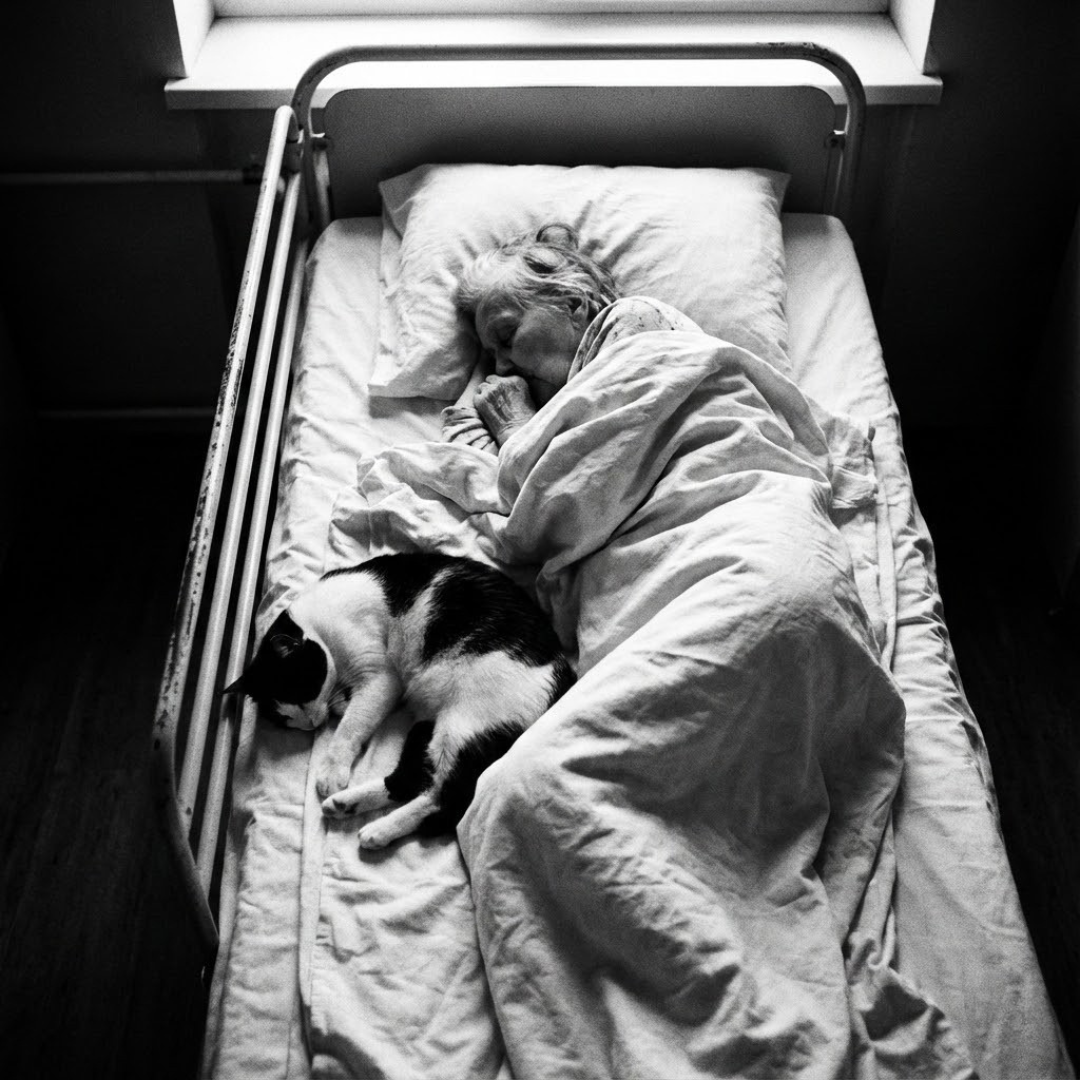
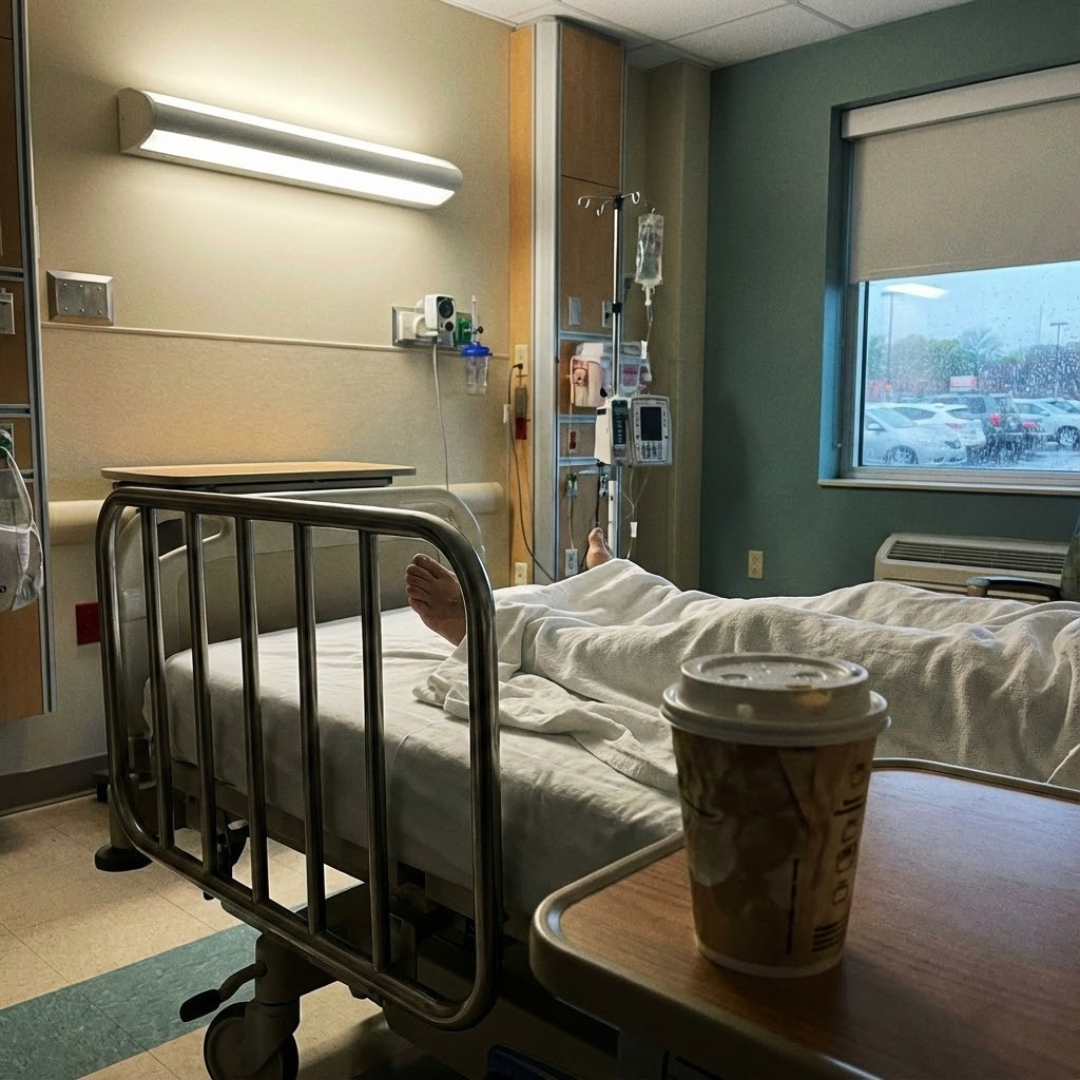
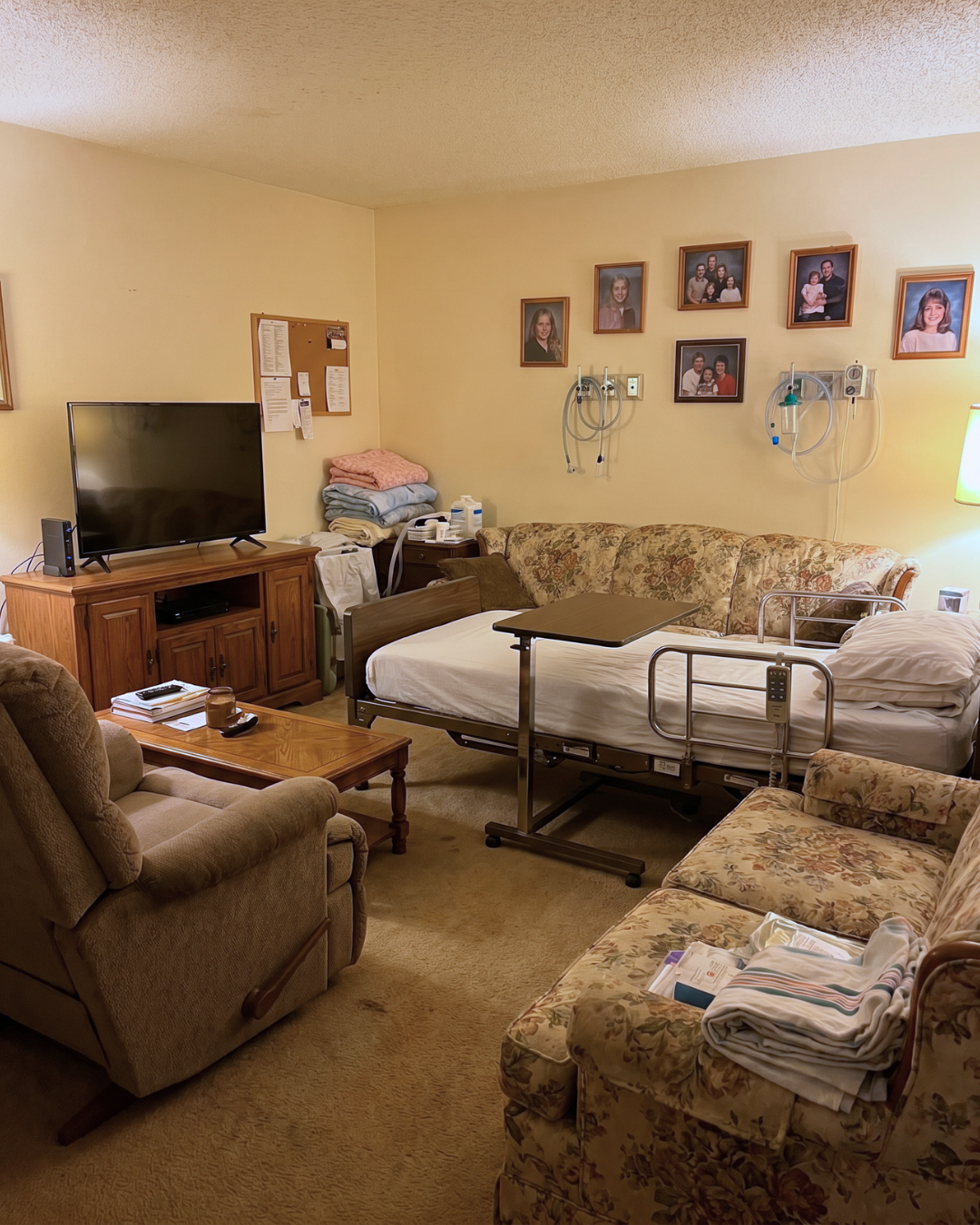
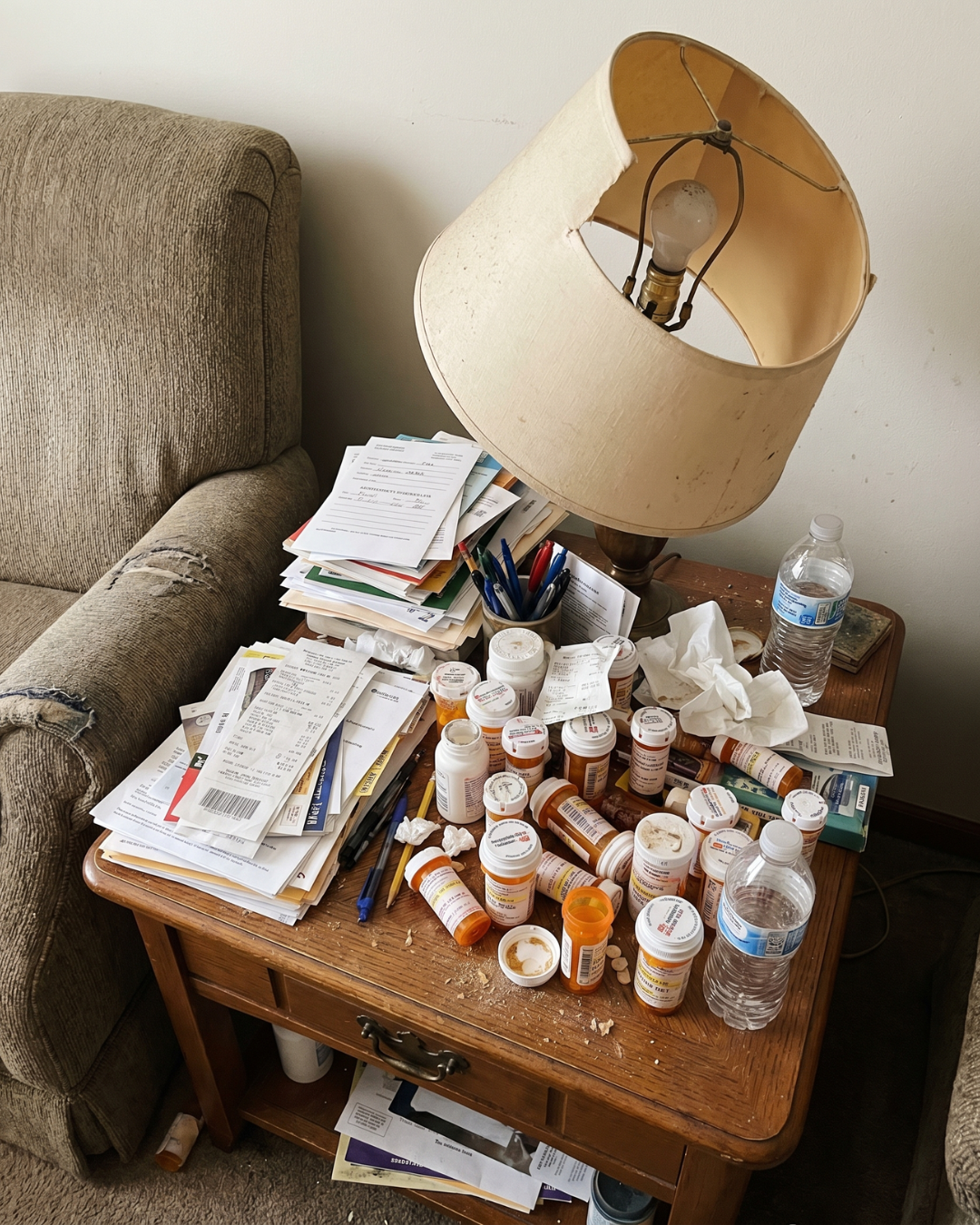
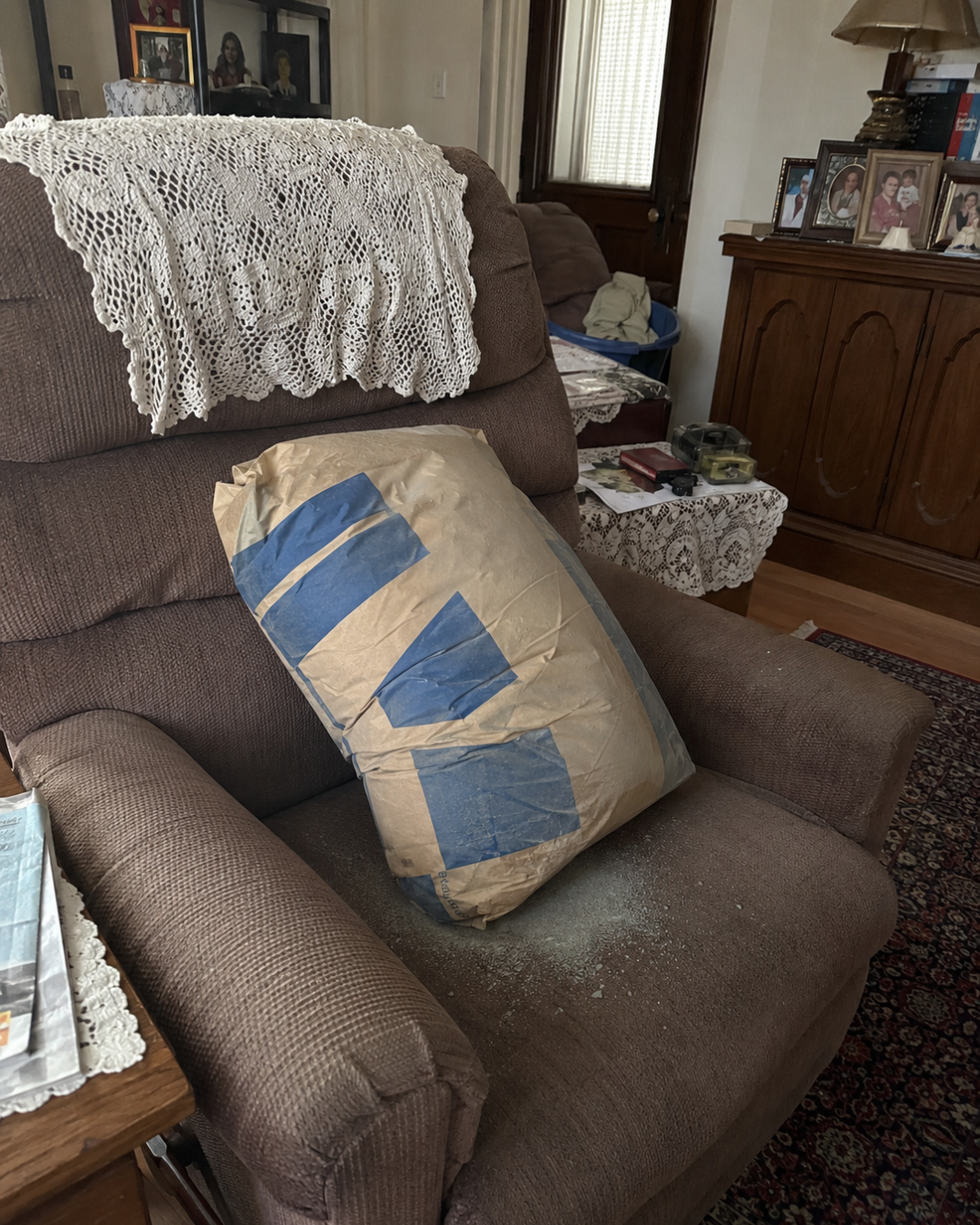
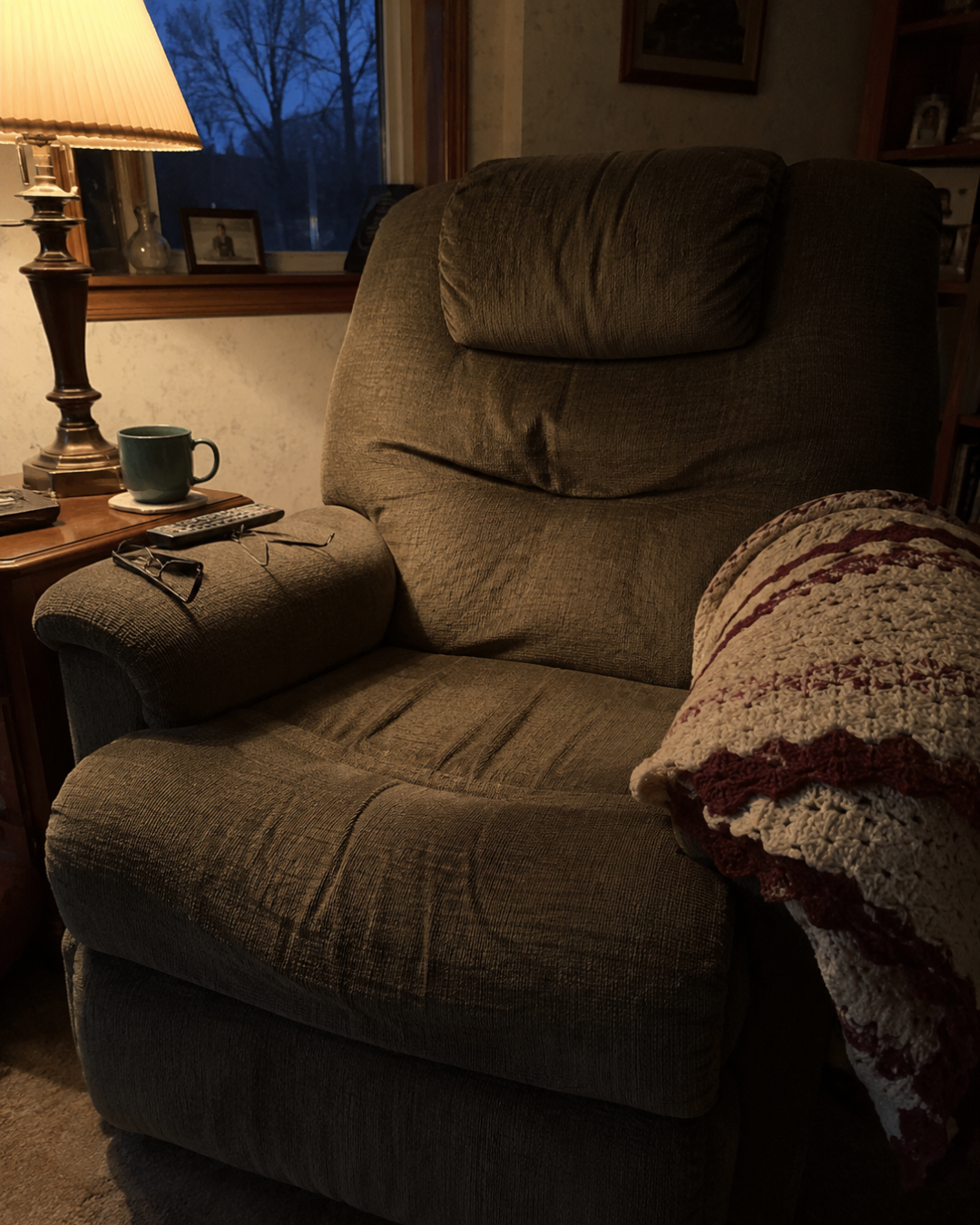
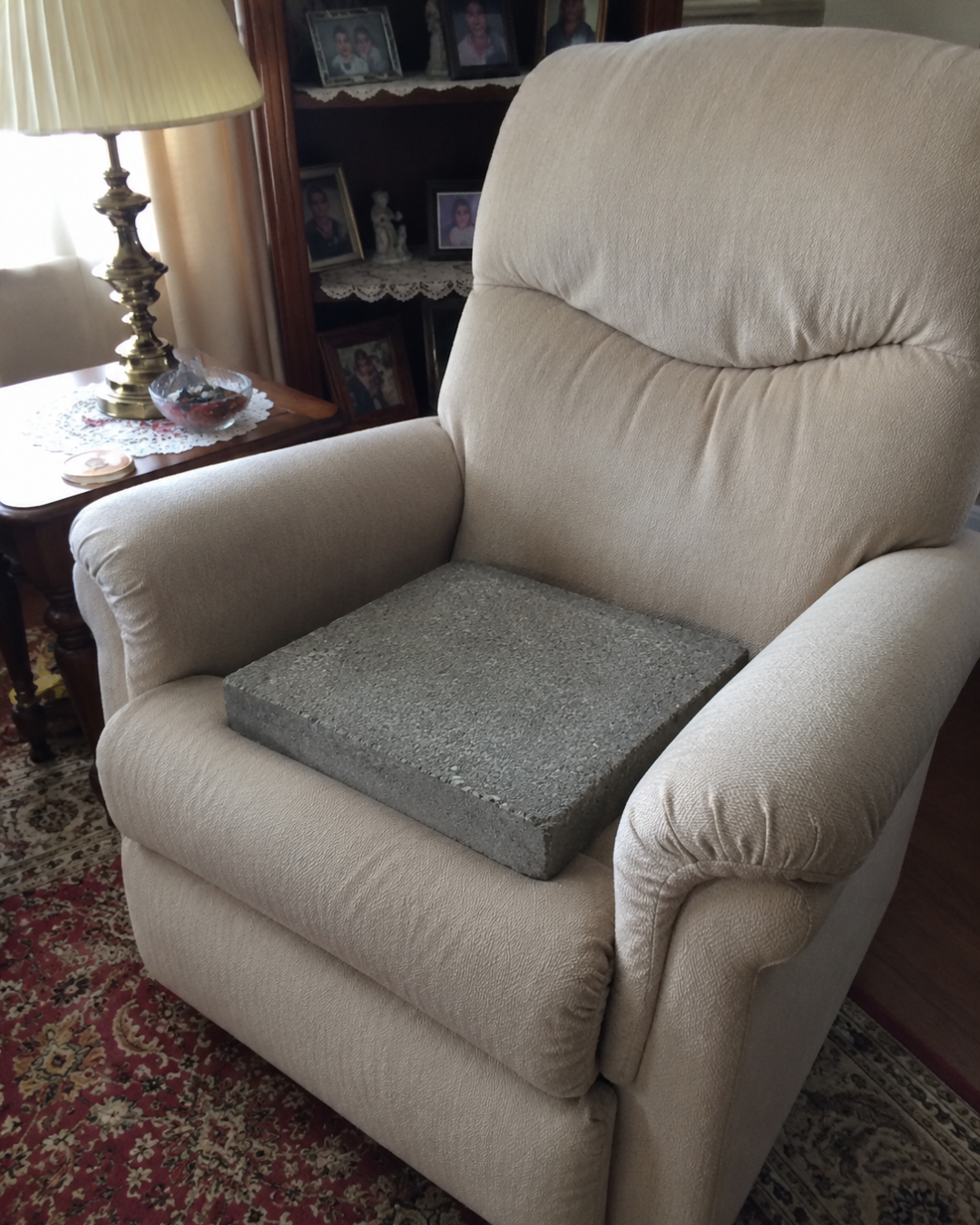
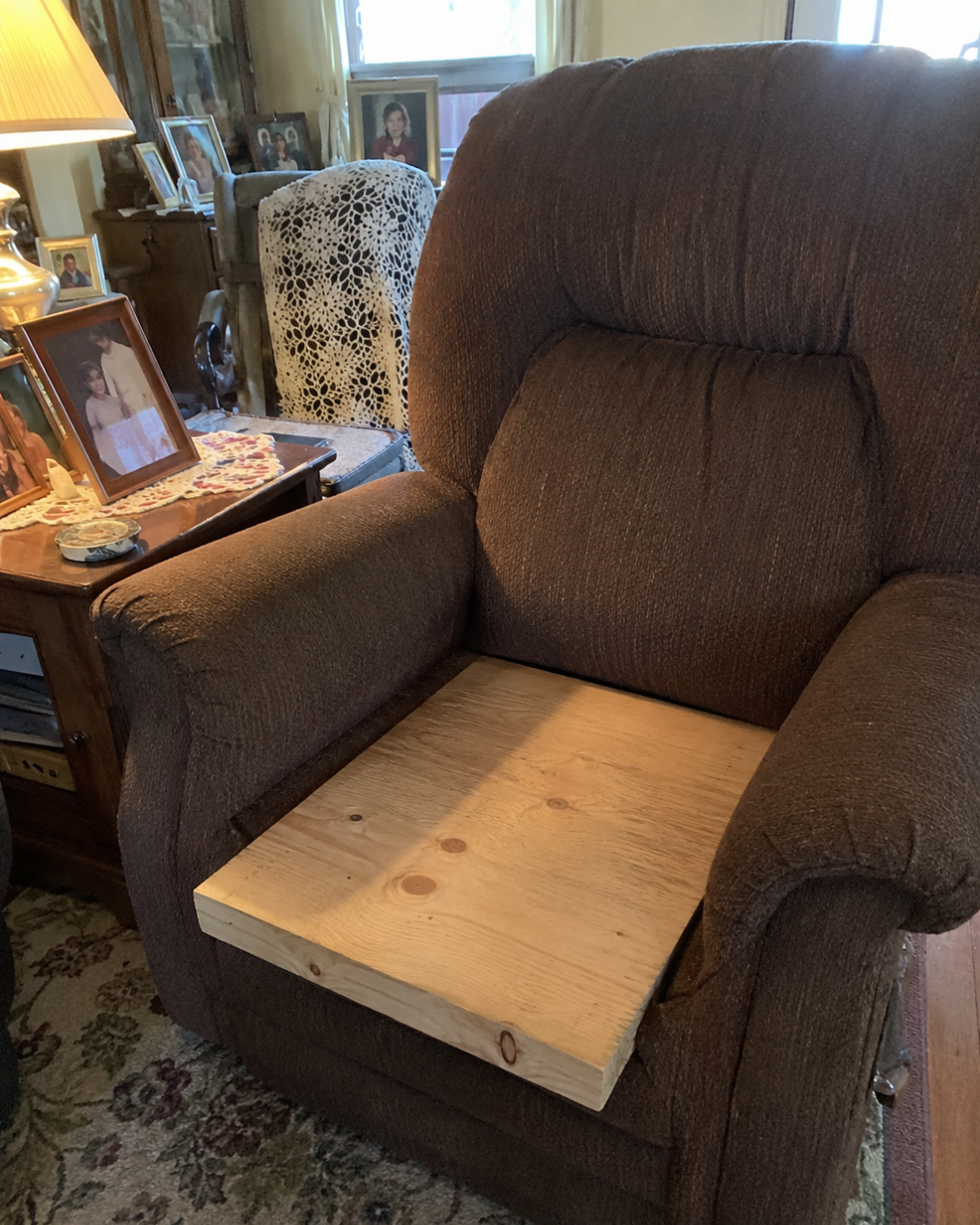
The most dangerous thing in my mother's house wasn't the stairs. It wasn't the stove she sometimes forgot to turn off, or the bathtub I worried about every single day. It was her favorite chair. The blue recliner by the window. The one she'd sat in for 20 years. The one place in the whole house I never worried about, because what could be safer than sitting down? That chair nearly killed her. And I didn't find out until a home health nurse pulled back the waistband of her pants and went silent. There was a wound on my mother's tailbone. Dark, deep, the edges gone hard. Right where she sat deepest into that chair, in the spot she couldn't see and couldn't feel. "How long has she been sitting like this?" the nurse asked. All day. Every day. In the safest place in the house. What the nurse explained next rearranged everything I thought I knew. "When we age, we lose the natural padding over the tailbone — the fat layer that used to protect the bone is almost gone. Your mother is essentially sitting bone-on-surface now." She had me press my thumb into the seat cushion. Soft, right? Then she said: "Now imagine her full body weight pressing that bone into the chair for ten hours. The foam feels soft to your thumb, but under sustained weight it compresses completely. It bottoms out. And underneath it — bone on concrete." "The blood flow gets cut off. The tissue starves. And it dies, silently, while she's sitting there watching her shows and you think everything is fine." I felt the floor drop out from under me. The chair. Her safe place. The one thing I never thought to question. Then the nurse said the thing that I'm writing this to pass on: "This isn't your fault. Nobody explains this to families. They send you home with a pamphlet and wish you luck. But the technology that actually protects elderly skin exists — it's just been locked inside hospitals where nobody thinks to look." "You don't need something softer. You need something that redistributes the pressure instead of compressing under it. Like lowering your hand into water — the water flows around your whole hand and supports every part of it equally. Nothing gets crushed. That's what hospitals use." That night I stopped searching "best cushion for elderly." Useless — just soft foam rectangles with reviews from people who'd owned them three days. I searched what she told me to: pressure redistribution. Medical-grade gel. Column-buckling. Most of what came up cost $800 or ran into the thousands — hospital systems built for spinal injury wards. Then I found one built on the same principle, for a recliner. A honeycomb gel grid that doesn't flatten like foam — the columns buckle and flex under weight, spreading the load across the whole surface instead of letting it stab into the tailbone. Open channels so heat and moisture escape instead of building up. Not padding. Redistribution. It was $59. When it arrived I almost sent it back — it looked almost industrial, nothing like the plush thing I'd pictured. But I wasn't shopping for comfortable anymore. I was shopping for safe. I put it in the chair. She sat down and didn't even notice. I watched the clock. One hour. Two. Three. She didn't shift. She didn't wince. When she stood up and I checked her skin — no new redness. None. The seat was cool, not packed flat and hot like the foam. And when I pressed it, I could feel the gel move and flex, pushing my weight outward instead of just collapsing. Three months later, the wound has closed. The visiting nurse pressed the cushion, nodded, and said, "This is what we use in rehab." The most dangerous thing in my mother's house is now the safest place she has. She still sits there every day — same chair, same window, same birds. But my evening skin checks are just routine now. Pink, healthy skin. Nothing. And the fear that lived in my chest is gone. If someone you love sits for hours every day, please hear this: The danger doesn't look like danger. It looks like a soft, comfortable chair. Soft doesn't mean safe. Thick doesn't mean protective. "Gel-infused" foam still bottoms out — that's just physics. What they need is pressure redistribution. The kind hospitals use to protect the most vulnerable skin there is, scaled down for the chair at home. The one I use is the CellGel+ from Volosso — link below. Put the right thing in the chair before the red mark, not after. Turn the most dangerous spot in the house back into the safest. And give yourself room to breathe again. You've earned that.
The Most Dangerous Thing in My Mother's House
We stand behind every CoolGel+ cushion. That’s why your order comes with a 60-day risk-free trial. If you don’t feel the relief you expected, return it within the trial period and we’ll issue a full refund, no questions asked. Your comfort is our guarantee
LEARN MORELike this ad? Make it yours.
Crush rebuilds this exact creative around your product — your brand, your colors, your offer — in about a minute.