
Active· since Jun 16, 2026
- 90
- days running
- 0
- relaunches
Ad copy
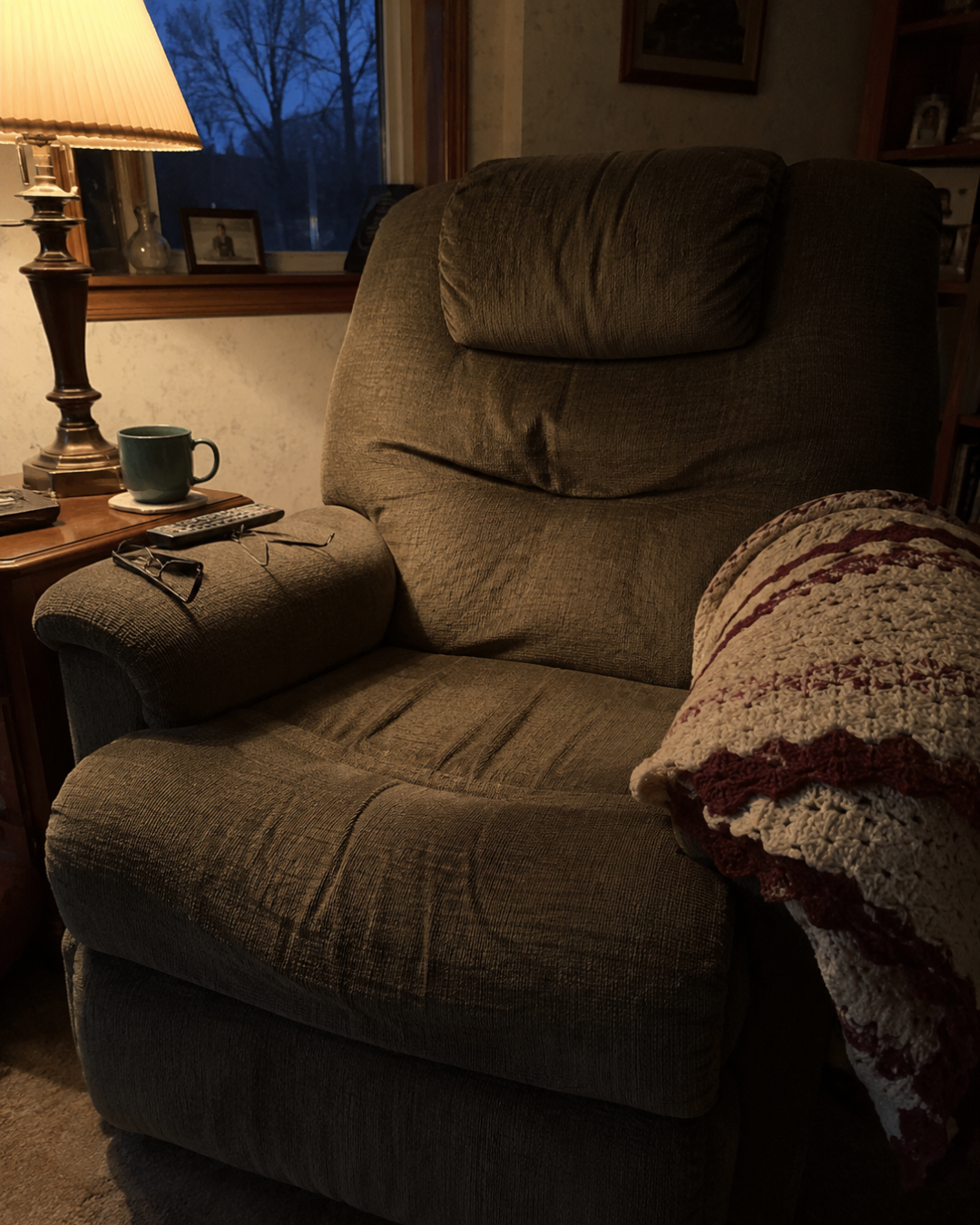
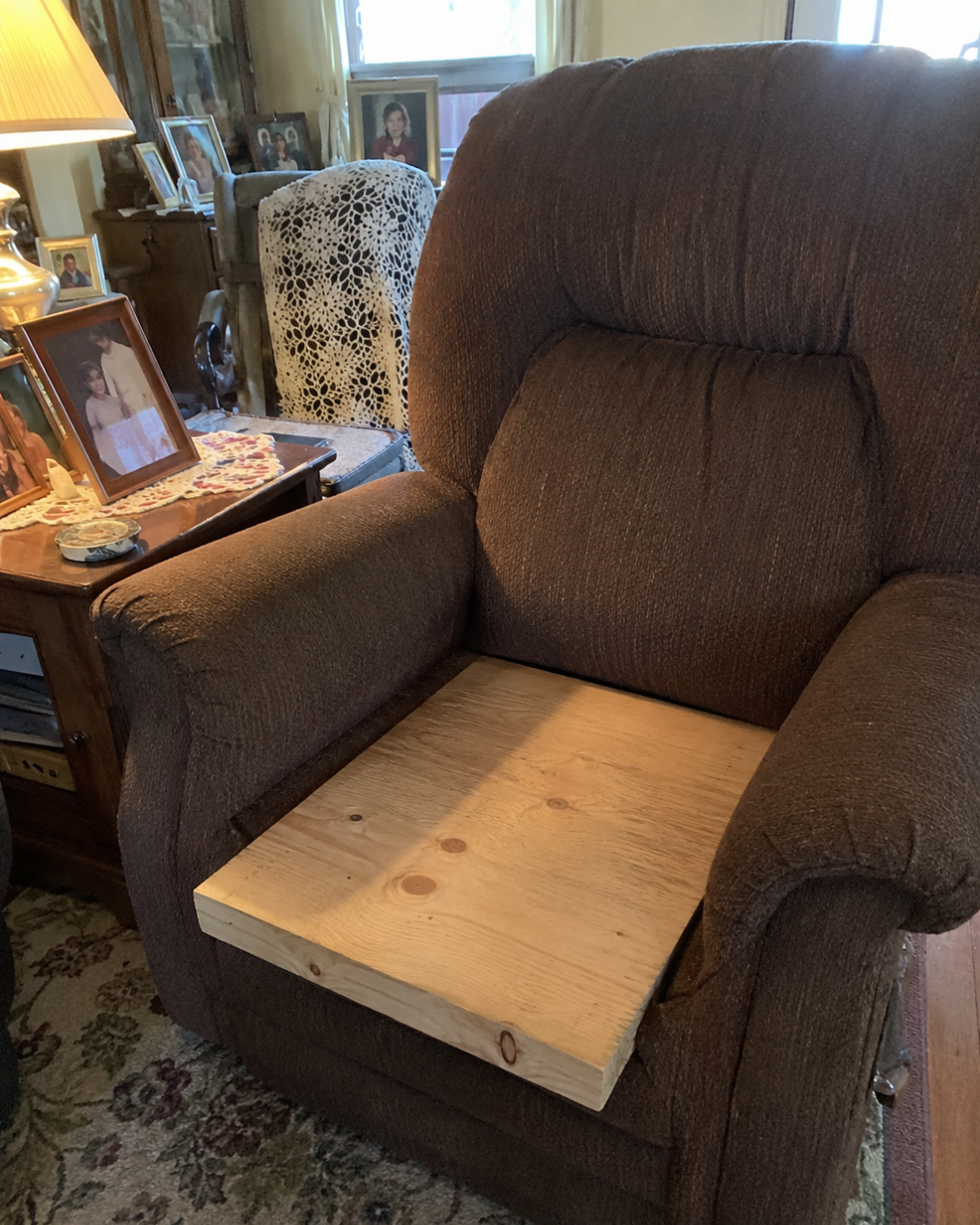
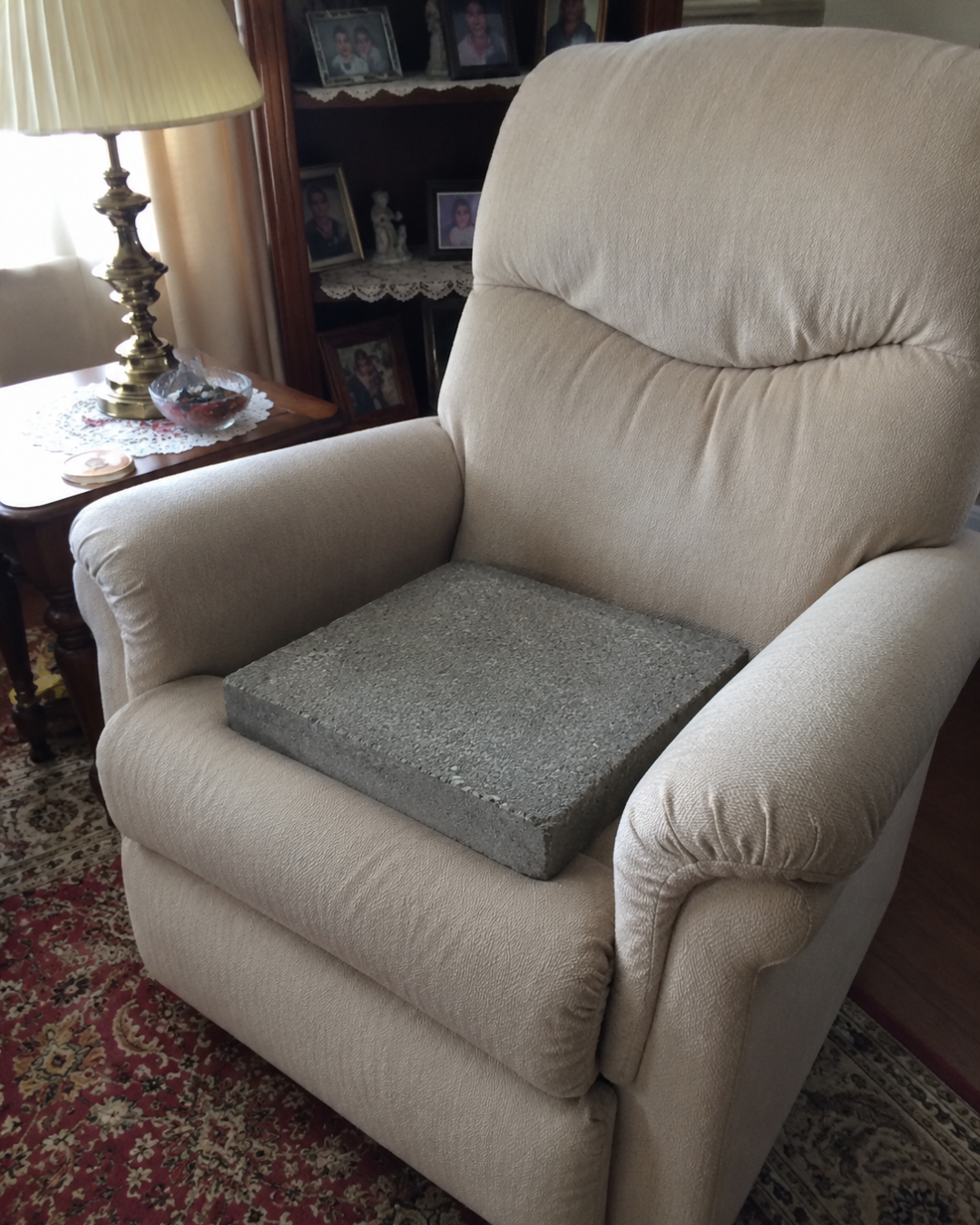
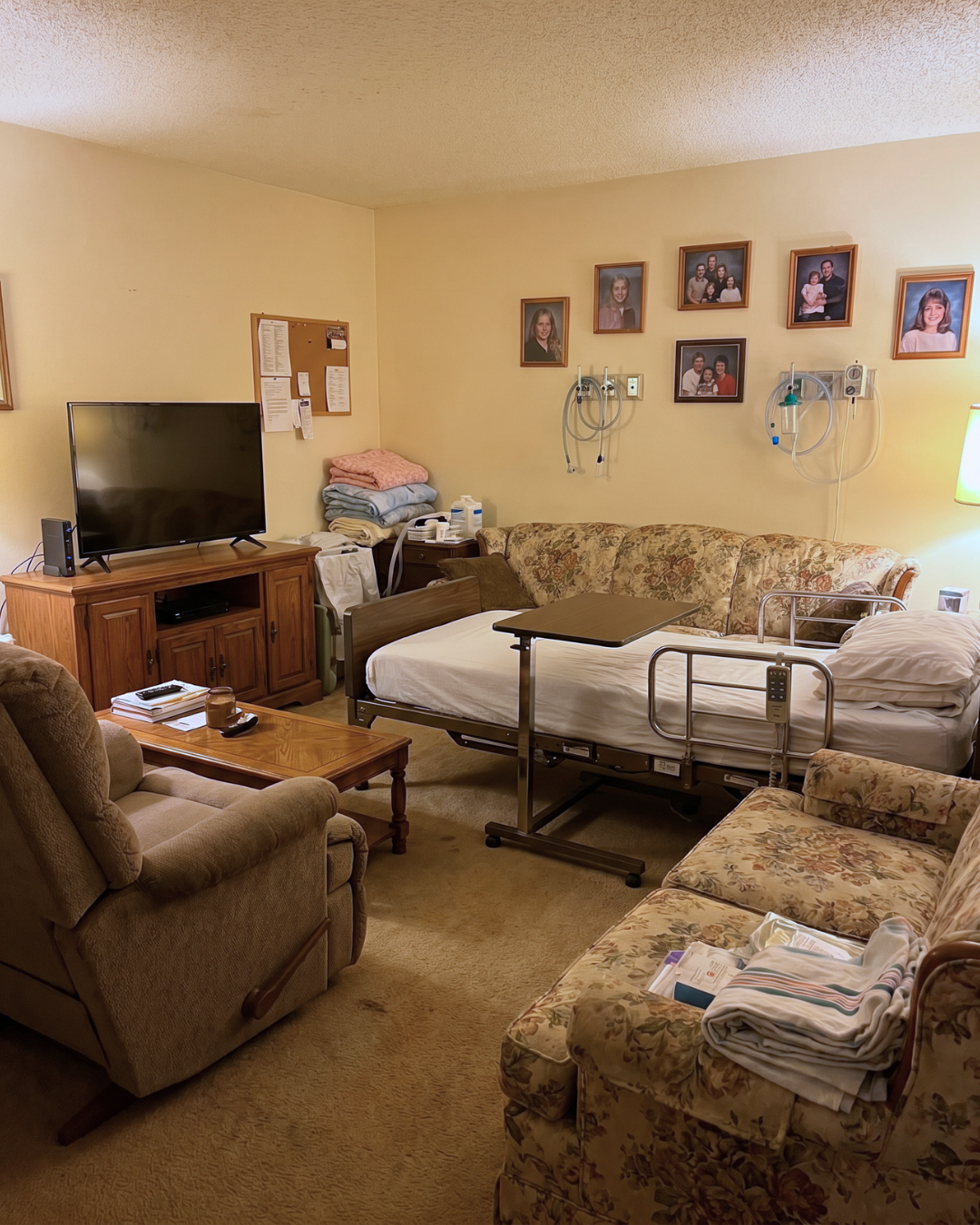
My father was diagnosed with Parkinson's disease last year in September. The neurologist walked us through what to expect. The tremors. The muscle rigidity. The slowness of movement that would get gradually worse. The fall risk. The fatigue. And the way the disease would narrow his world over time. She covered a lot of ground that day. But she never mentioned the chair. She never said a word about what would happen to his skin from sitting in it. I also didn't know to ask. And nobody told me. Not until a home health aide named Patricia noticed something during a routine visit seven months later, and the whole picture changed. By that point, my father's recliner had become his entire world. Walking from the bedroom to the kitchen took most of his energy. Standing long enough to make a cup of coffee was a project. The recliner was where he watched the news, where he ate his meals, where he spent the hours between waking up and going to bed. I thought I was handling it well. I'd bought a cushion for the chair. A thick one. I'd read the reviews and picked the one with the most stars and the most mentions of "pressure relief." I thought I had that piece covered. Then, Patricia asked me to come look at something toward the end of one of her visits. My father was still in his chair. So, she pointed to the base of his back, just above where the seat met the lumbar curve. And there was a reddened area there but darker in the center. The skin looked stressed, the way fabric looks when it's been pressed against something sharp for too long. "How long has this been here?" I asked. "I'm not sure," Patricia said. "But I want to explain something to you about how Parkinson's changes the way the body handles sitting. Because this is something I see a lot, and most families don't know about it until they find what we just found." She sat down across from me and explained it clearly. In a healthy person, sitting involves constant small movement. A shift of weight every few minutes. A lean in one direction, then back. A crossing and uncrossing of legs. These movements are not deliberate. The body does them automatically, responding to pressure signals from the skin and tissue. They are what prevent sustained, concentrated pressure from building up against the same spots for too long. However, Parkinson's disease disrupts this. The rigidity of the muscles, the effortfulness of every movement, the fatigue that comes with the disease, all of it means the body stops making those small automatic adjustments. A person with Parkinson's can sit in the exact same position for hours without shifting once. Not because they're comfortable. But because the disease has effectively disabled the system that would otherwise move them. Meanwhile, the skin and tissue underneath are being compressed against bone, continuously, with no relief. After age 70, skin loses roughly 30% of its thickness. The fat layer that normally provides a buffer deteriorates. Tissue becomes fragile. And under that kind of sustained pressure, it can start to break down in as little as two hours. "He can't feel it happening?" I asked. "He may feel discomfort," Patricia said. "But Parkinson's also affects the ability to locate and respond to that kind of low-level sensory signal. And he's probably learned to associate some level of discomfort with the disease itself. So he sits with it." I felt genuinely ashamed that I hadn't known this. That I'd bought a cushion and thought the problem was solved. Patricia asked to see the cushion. She pressed her hand into the center of it and it went straight to the bottom. "This foam bottomed out a long time ago," she said. "He's been sitting on the chair frame. The foam hid it. It still looks thick, so it seems like it's working. But it's not doing anything." She explained the difference between a foam cushion and a gel cushion built on column-buckling technology. "Foam compresses," she said. "It absorbs the pressure from the top, which means the heaviest pressure points press straight through first. That's exactly where your father's sitting bones and tailbone are. The foam fails most where he needs it most." "A medical-grade gel grid works differently. The gel columns, when weight is applied, buckle sideways instead of compressing flat. The pressure spreads across the entire surface. No single point takes it all." She told me this technology has been standard in hospital pressure injury prevention for decades. In ICU beds. In surgical recovery units. For any patient who cannot reposition themselves independently. Because those patients, like my father, need the surface to do the distribution for them. "Your dad's body used to do this automatically," she said. "The disease took that away. The cushion has to compensate." So, she recommended the CellGel+ from Volosso. I ordered it that evening. And when it arrived, I pressed my fist into it and felt the columns buckle sideways exactly the way she'd described. I pressed harder. Couldn't reach the base. I put it under my father the next morning. Within three weeks, the reddened area Patricia had found was gone. The skin over his tailbone was normal coloring again. At her next visit, she checked carefully and said she was satisfied with what she saw. My father still has Parkinson's. He still spends most of his days in that recliner. And that is not going to change for now. But I know now what I didn't know before his diagnosis. The disease didn't just change how he moves. It changed how sitting affects his body. And the cushion I thought was protecting him was doing nothing. If your parent has Parkinson's and spends their days in a chair, the neurologist may not have mentioned this. The GP may not have mentioned this. But I understand that now. The CellGel+ from Volosso is what I use. You can see how the technology works at the link below. This is not about finding a softer cushion. It's about finding one that stays structural under sustained weight, because their body can no longer do what it used to do automatically. Put the right thing in that chair. It's one of the most important things you can do for them right now.
Stop Pressure Sores Before They Start
We stand behind every CoolGel+ cushion. That’s why your order comes with a 60-day risk-free trial. If you don’t feel the relief you expected, return it within the trial period and we’ll issue a full refund, no questions asked. Your comfort is our guarantee
SHOP NOWLike this ad? Make it yours.
Crush rebuilds this exact creative around your product — your brand, your colors, your offer — in about a minute.