
Active· since Jun 16, 2026
- 90
- days running
- 0
- relaunches
Ad copy
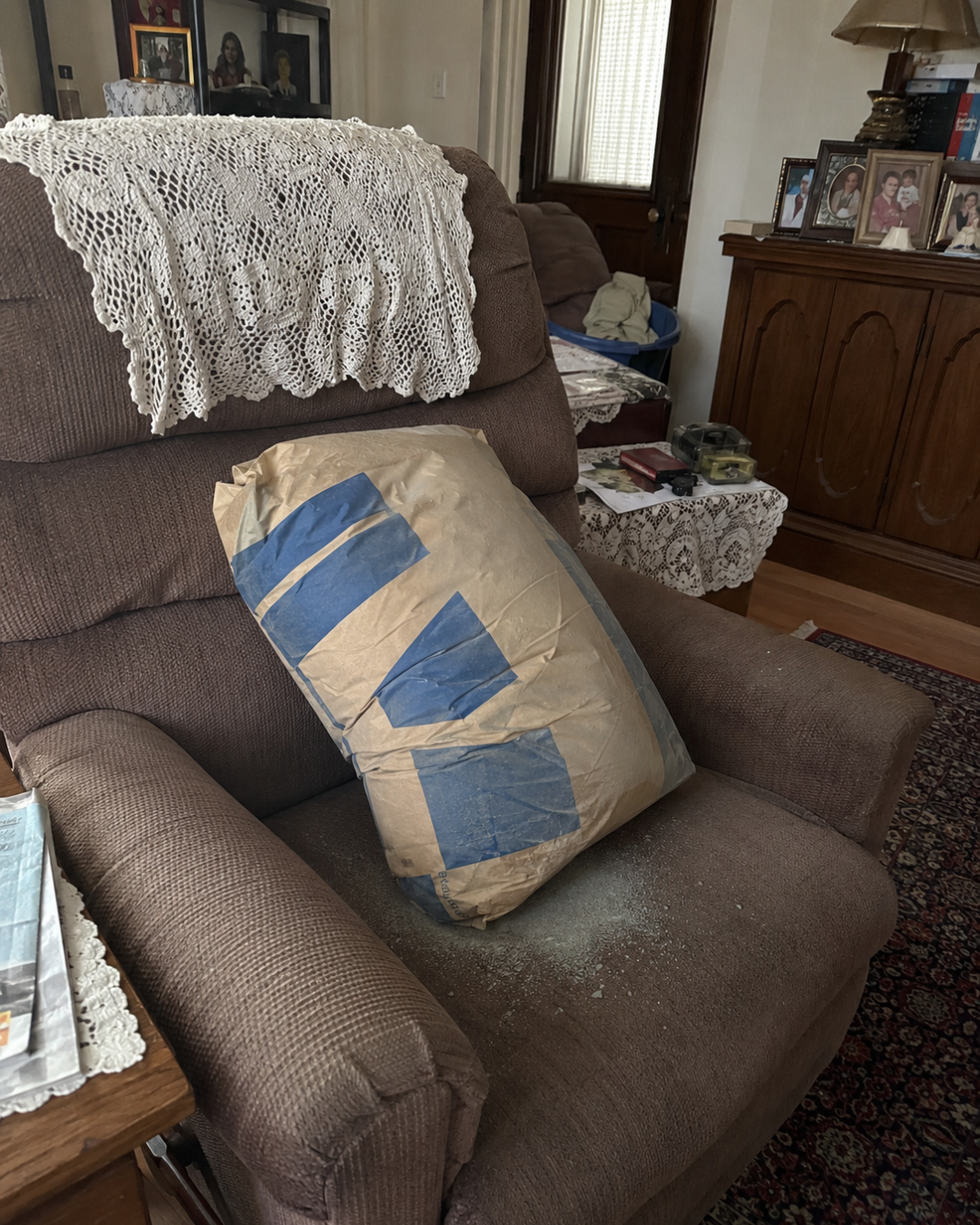
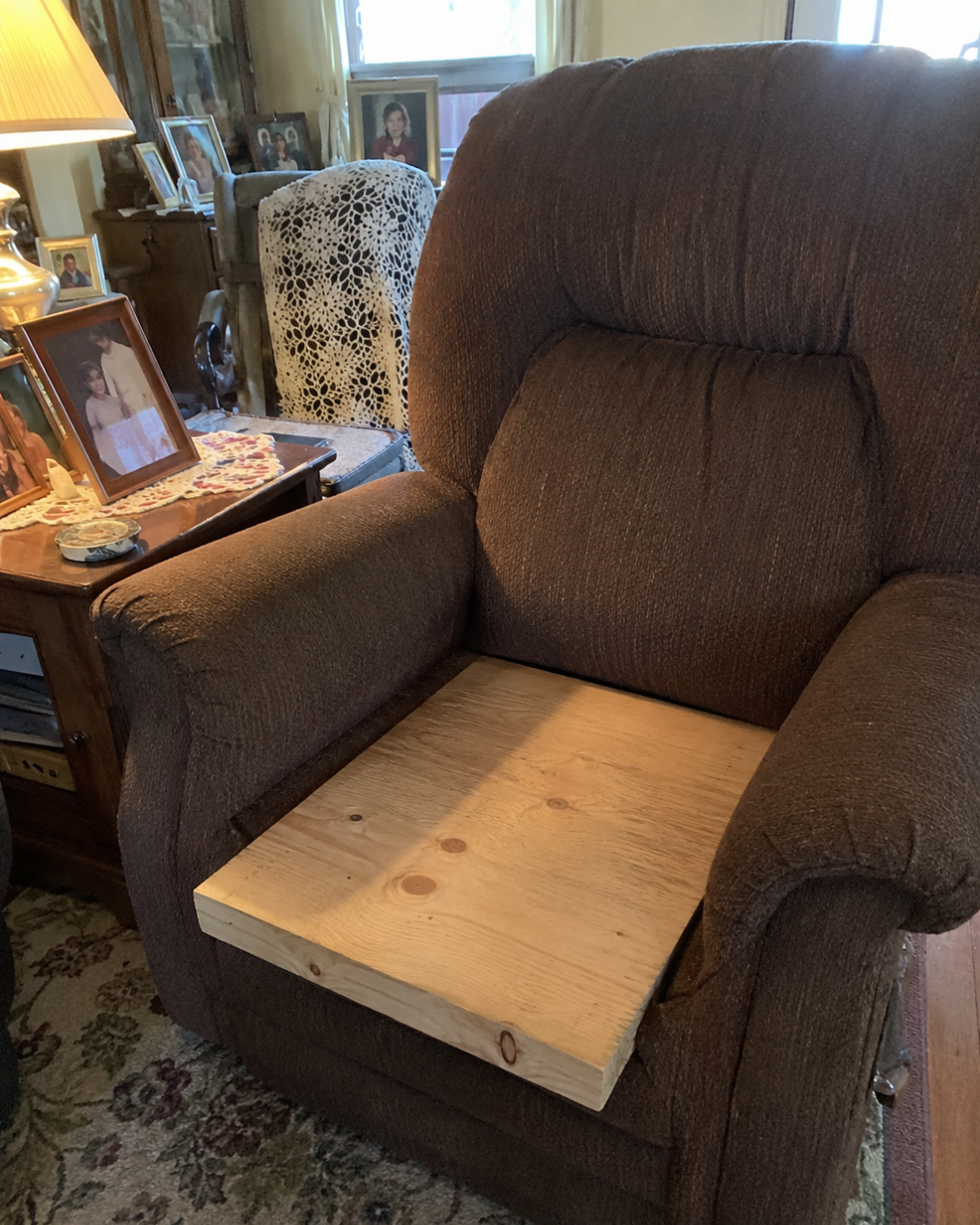
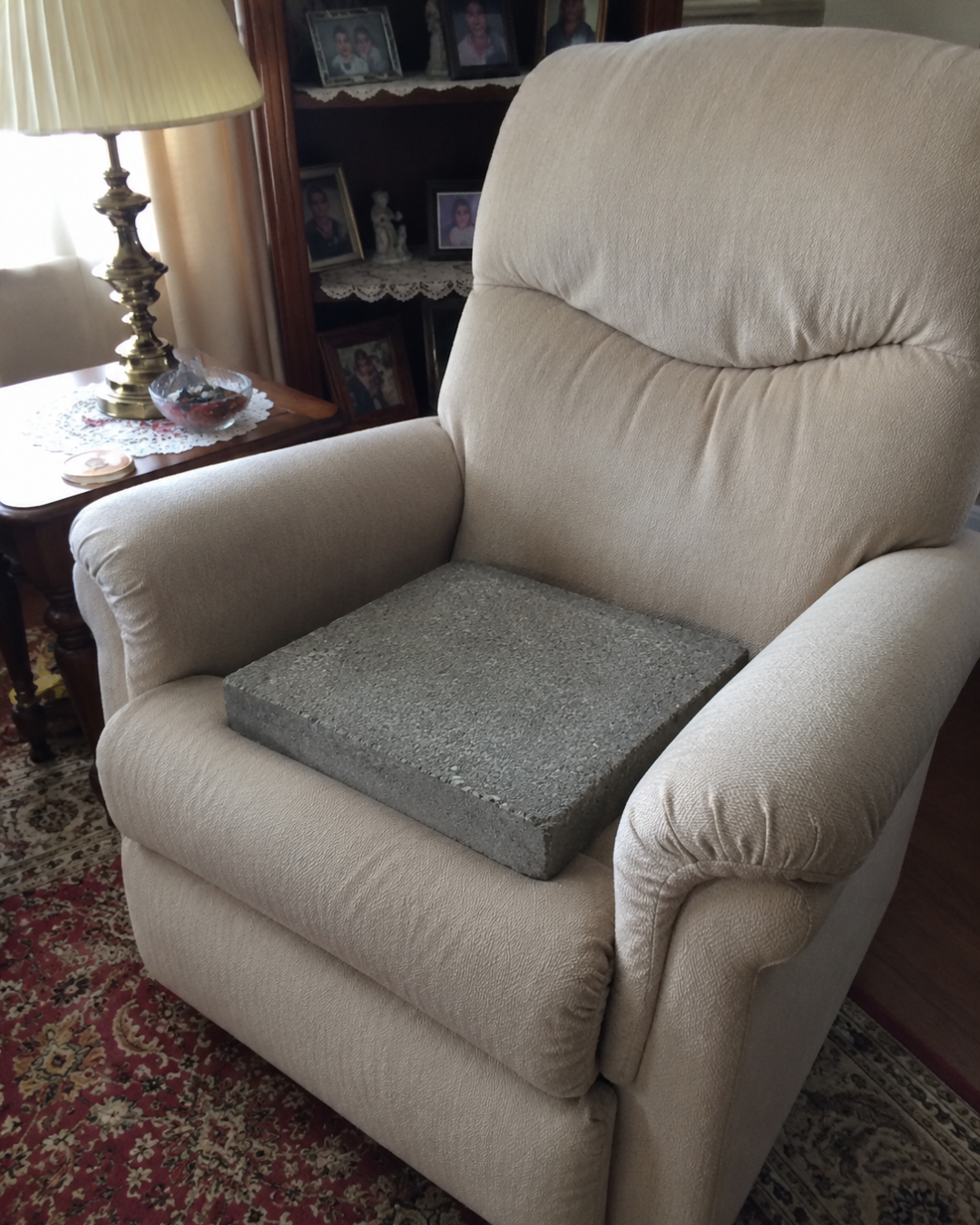
My dad hit 103 today. And still going strong. That's what someone posted online last week. A photo of him, his father and 91-year-old mother, with gold balloons spelling out 103 behind them, both of them just... there. Still present. Still smiling. Still together. I stared at that photo for longer than I probably should have. Because my first thought wasn't "how wonderful." My first thought was, "what did they do right?" My mom is 84. And she sits in her recliner for most of the day. She's been doing that for about two years now. Ever since her balance got bad and her doctor told her to take it easy. The recliner became her world. Her meals, her TV shows, her naps, her conversations with me. All from that chair. I thought that was fine. The chair was her safe place. That's what I told myself, anyway. It wasn't until I was helping my mom with her bath one Thursday evening that I stopped telling myself that. I was washing her lower back the way I always do, slow and careful, when I felt it before I saw it. A firmness under the skin near her tailbone. A spot that made her flinch when I touched it. I leaned in closer. The skin was dark. Almost burgundy. A circle about the size of a silver dollar, and it was warm to the touch. I asked her how long it had been tender there. She shrugged. "A few weeks, maybe. I didn't want to worry you." I sat down on the edge of the tub and just breathed for a second. A few weeks. She had been sitting on this every single day for weeks and she hadn't said anything because she didn't want to worry me. I called her doctor's office first thing the next morning. They sent a home health nurse out by Thursday. The nurse's name was Renee. She had been doing wound care for over twenty years. She was calm, thorough, and when she finished her assessment she sat down across from me at the kitchen table like she had something to say. "This is a Stage 1 pressure injury," she said. "And it’s good you caught it early." I exhaled. "But I want to explain something to you," she continued. "Because this is going to come back unless we change what's happening in that chair." She pulled out her phone and showed me a diagram. A cross-section of elderly skin next to younger skin. The difference was striking. The elderly skin looked almost translucent. Thin. Fragile. "After age 70," Renee said, "skin loses roughly 30% of its thickness. And the fat layer underneath, the natural cushioning your body built over a lifetime, it starts to deteriorate. It gets thinner with every passing year." I looked at the diagram. Then I looked toward the living room where my mother's recliner sat. "So when she sits," I said slowly. "When she sits for hours at a time," Renee said, "her body weight drives the sitting bones down into that chair. And the tissue between the bone and the surface gets compressed. The blood vessels also get squeezed shut. So, no blood flow means no oxygen. And without oxygen..." She didn't finish the sentence. She didn't need to. "Tissue starts dying," I said. "In as little as 15 minutes of unrelieved pressure," she said. "Yes." I thought about the six, seven, sometimes eight hours a day my mother spent in that chair. I thought about the cushion I had put on it. A thick foam cushion I ordered online, the kind with thousands of reviews and a name that made it sound medical. "She has a cushion," I said. "A good one. I thought it was helping." Renee nodded like she had heard this before. "Most foam cushions are designed for comfort," she said. "Not for pressure relief. There's a difference. Comfort means it feels softer. Pressure relief means it actually changes where the pressure goes." She opened a note on her phone and drew a quick sketch. Two outlines of a hand pressing down on a surface. "Think about pressing your knuckle into the back of your hand," she said. "Now think about pressing your whole open palm against it instead. Same force. Completely different result. The knuckle concentrates everything into one small spot. The open palm spreads it across the whole surface." I pressed my fist into my palm without thinking. Felt the knuckle dig in. "That's what foam does," she said. "It compresses. It flattens. It breaks down fastest exactly where the most weight is, which is exactly where your mom's bones are. So over time, the cushion stops being a cushion. It becomes a thin layer of fabric between her tailbone and a hard surface." I thought about all the times I had squeezed that foam cushion and felt it spring back. I had thought that meant it was working. "What's the alternative?" I asked. "Pressure redistribution," she said. "You want something that doesn't absorb the pressure, you want something that moves it. Then, spreads it across the entire surface so no single point gets crushed." She described how hospitals have handled this problem for decades. ICU beds for patients who can't move. Surgical recovery wards. Spinal cord injury facilities. They don't use foam. They use medical-grade gel grid systems, the kind where the material buckles sideways under load instead of compressing downward. The pressure doesn't go through the bone. It spreads out. Like lowering your hand into water and feeling it press against every surface equally, no single point bearing the full load. "That technology has existed in hospitals for years," Renee said. "It's just only recently become available at a consumer price point that makes sense for home use." She mentioned a specific product she had started recommending to families. It was a gel cushion called the Cellgel+ from a brand called Volosso. "It's not what you picture when you think of a seat cushion," she said. "No plush fabric. No padding. Just a blue honeycomb gel grid, the same column-buckling design used in clinical settings. Press your hand into it and the columns don't flatten. Instead, they buckle sideways. The pressure spreads. You can press as hard as you want and you still can't bottom out." I ordered one that afternoon. When it arrived, I pressed my hand into it the way she described. Then I made a fist and pushed down with my full weight, and the columns shifted sideways. They didn't collapse. I put it in my mother's chair that evening. Within a week, she stopped shifting. I don't know if she noticed, but I did. She sat through an entire movie without once adjusting herself. And she stopped wincing when she got up. Three weeks later, Renee came back for a follow-up. The dark spot near my mother's tailbone was gone. Completely resolved. Renee pressed the area lightly. No firmness. No heat. No flinch from my mother. "This is what catching it early looks like," Renee said. "And keeping it from coming back." I thought about that photo again. The man with the 103 balloons. I don't know what his daughter did, or whether he even had one looking out for him. I don't know if he used a gel cushion or a foam one or nothing at all. But I know this: the people who make it to 103 and still going strong don't get there by accident. Somebody, somewhere, paid attention to the small things. The things that look invisible until they don't. The chair your parent sits in every day is one of those things. Not the noisiest thing on your list. Not the one that calls you at 3 AM. Just the quiet constant, the thing holding them up for hours at a time while you're trying to keep everything else from falling apart. I'm not a doctor. I'm not a wound care specialist. I'm just someone who stared at a photo of a 103-year-old man and felt the gap between that image and my own reality, and then found out there was something I could actually do about it. If your parent is spending long hours in a recliner or a wheelchair, and you've noticed red spots, complaints about soreness, or just that restless shifting that means something isn't right, look into medical-grade gel cushions. The one my mother uses now is the Cellgel+ Seat Cushion from Volosso. You can see how the pressure redistribution technology actually works at the link below. Because 103 is a long way off. But the chair they're sitting in today is not. Put the right thing in it.
Read this if you’re a caretaker 👆
A gel-based seat cushion that relieves sitting pain and improves posture. Responsive gel distributes weight evenly, stays cool, and holds its shape — unlike foam that flattens and traps heat. Fits any chair: office, car, truck, recliner, dining, wheelchair.
SHOP NOWLike this ad? Make it yours.
Crush rebuilds this exact creative around your product — your brand, your colors, your offer — in about a minute.