
Inactive· since Jul 29, 2026
- 22
- days it ran
- 2
- relaunches
- 95
- EU reach
Ad copy
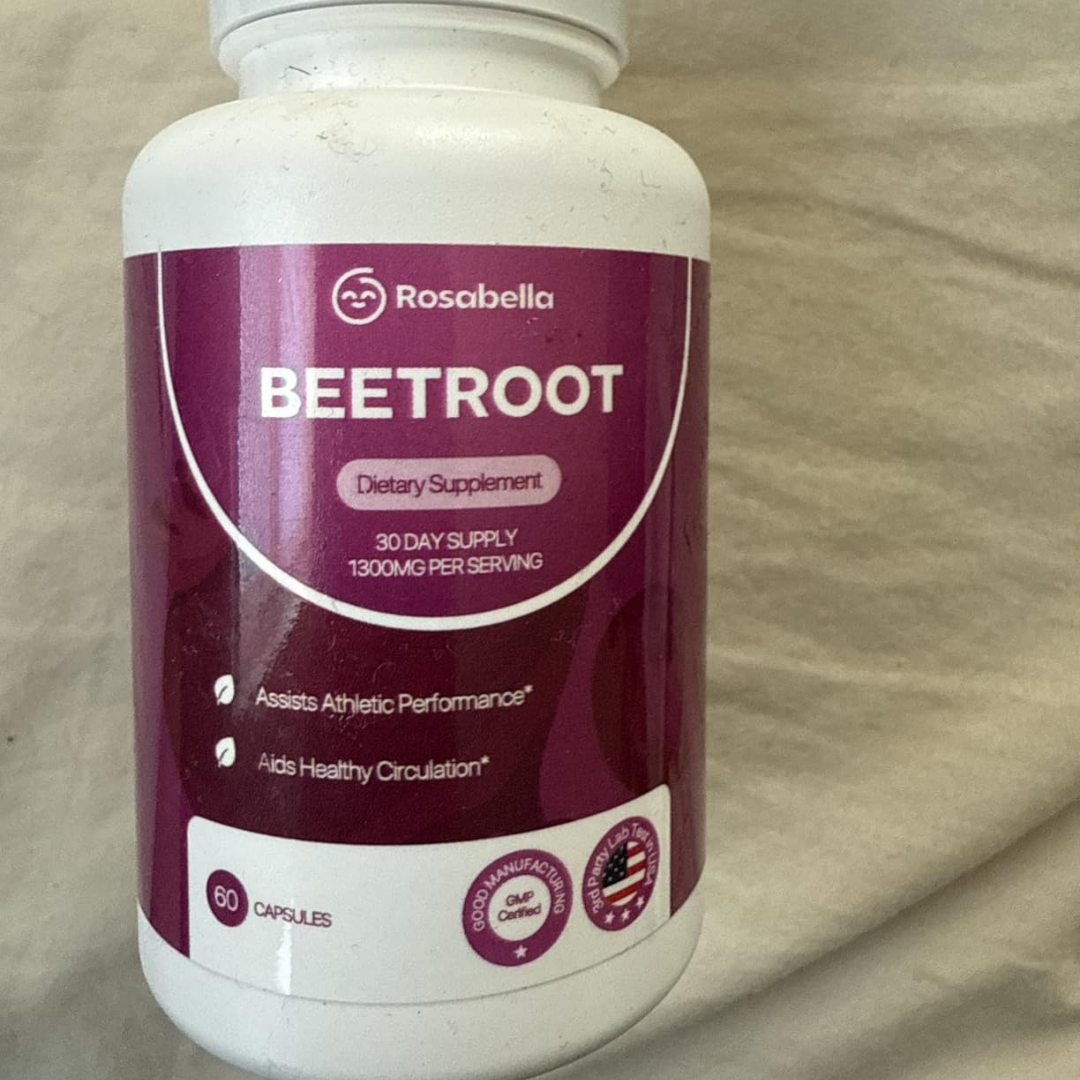
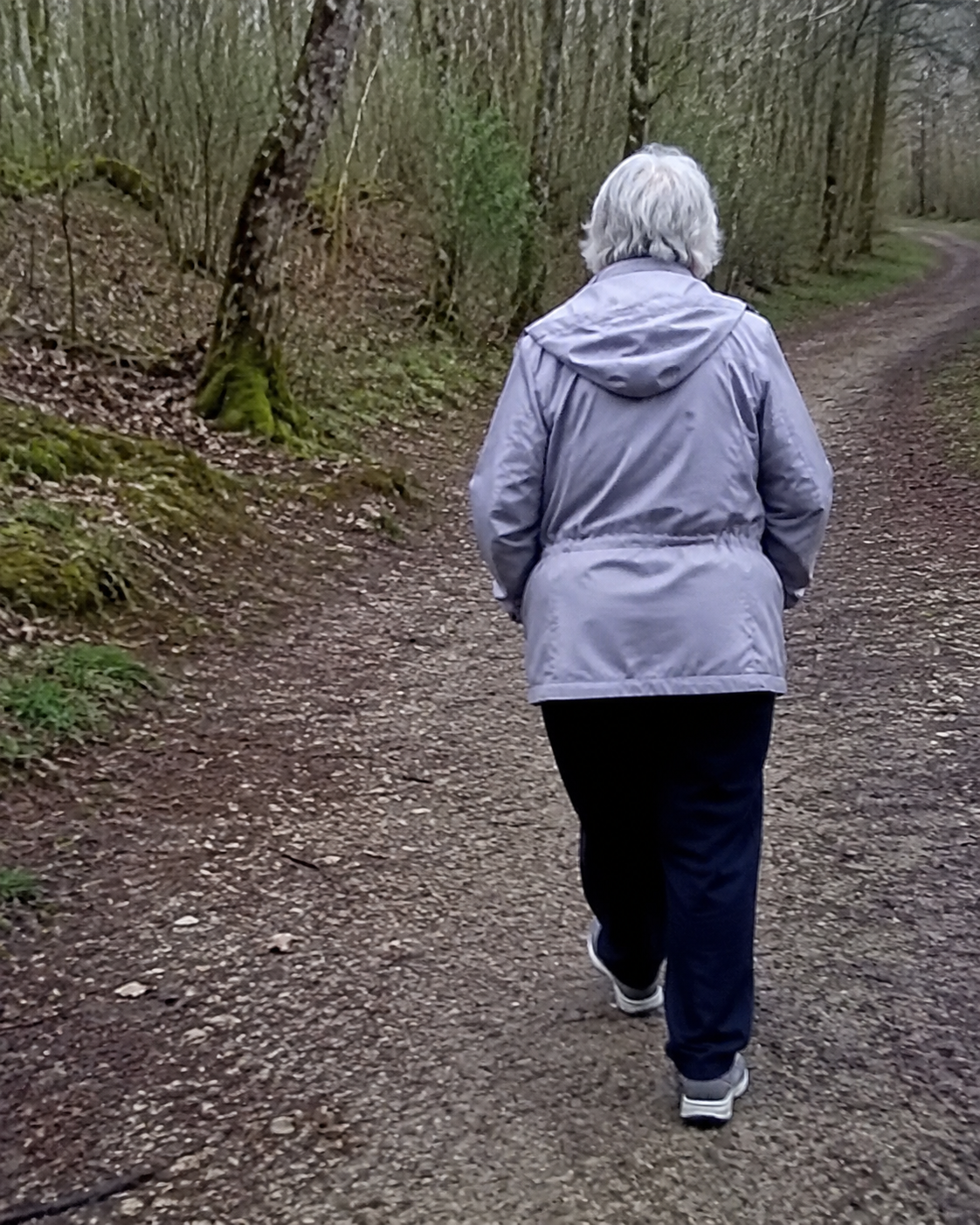
My Mother Has Walked Three Miles Every Morning for Twenty-Six Years. Last June She Started Driving to the Trailhead. My mother's name is Joan. She is seventy-four years old. She has walked three miles every morning since 1999, when she turned forty-eight and decided she was going to. The walk is a half mile from her front door to the trailhead of the small county park about three blocks from her house. Then a three-mile loop in the park. Then a half mile back home. She has been walking that loop almost every morning for twenty-six years. In all kinds of weather. In all four seasons. Through her own retirement from teaching middle-school PE in 2013. Through my father's hip surgery in 2018. Through the long quiet winter of 2021. Through everything. The walk is not a hobby for my mother. The walk is who my mother is. I am her daughter. My name is Sarah. I am fifty-one years old. I have been a pediatric nurse practitioner at a small group practice in our town for twenty-three years. I am still working. I am married to my husband Michael for twenty-seven years. We have two grown sons and one granddaughter who is two. I have one younger brother, David, who lives in another state. I live about fifteen minutes from my parents. I have been driving over for Sunday dinner most weeks for the last twenty years. I want to tell you about last June. I want to tell you about it because I think there are a lot of daughters in their fifties watching their mothers — mothers who have been doing everything right for decades — quietly start to hand things off in ways nobody is really talking about. I have to back up first and tell you who my mother had been for the seven decades before last June. My mother is the kind of older woman everyone in our town points to as proof that aging well is possible. She walks three miles every morning before breakfast. She cooks from scratch six nights a week. Sunday dinner is the seventh, and the seventh is at her own house with the family. She has a vegetable garden she has been keeping since the 1980s. Tomatoes. Peppers. Three kinds of squash. A small row of pole beans. A bed of herbs by the back door. She does the yoga class at the senior center on Tuesdays and Thursdays. She reads three books a month from the public library. She has been on a low-dose blood pressure medication for nine years. Her doctor — Dr. Forsythe — put her on it at sixty-five, when her numbers had drifted into a range Dr. Forsythe wanted to manage. She has taken it faithfully every morning at breakfast since. Her cholesterol numbers have been in range without medication her whole adult life. Her bloodwork at every annual physical has been described by Dr. Forsythe as "the kind of numbers I wish more of my patients had at your age." My mother has been doing everything right. I want to say that clearly because the story I am going to tell you only makes sense if you understand it. She has been doing everything right. And about a year and a half before last June, she had quietly started handing things off. I had been noticing things at the Sunday dinners. My mother had been sitting down more often during dinner prep. Not all the time. Just more than she used to. She used to stay on her feet from four to seven preparing Sunday dinner. She had a small cushion on her usual chair that had not been there two years before. The yoga class. My mother had been doing the standing poses from a chair for the previous six months. The teacher — a woman in her sixties named Margaret — had been encouraging it. My mother had not been embarrassed about it. She had been telling me at Sunday dinner that the chair version was just as good and she could keep going longer. The garden. The 2023 garden had been my mother's smallest in thirty years. She had planted half what she usually planted. She had told me she was scaling back because she had been canning too much for too long and the pantry was full. The books. My mother had been reading two books a month instead of three. She had been telling me it was because the new books from the library had not been as good lately. None of these things had been dramatic on their own. My mother had explanations for all of them, and the explanations were plausible. But the morning walk had been the constant. The morning walk was the thing my mother had not been adjusting. Until last June. Last June, on a Sunday afternoon at my parents' house, I had been at the kitchen table with my mother. My father had been outside in the garden. My mother was making coffee. I said, "Mom. How was the walk this morning?" She said, "It was good, honey. I drove to the trailhead this morning." I said, "You drove?" She said, "Just to the trailhead. I walked the loop. Then I drove home. The first half mile from the house to the trailhead has been hard on my legs lately. I figured I'd just skip that part." She said it the way you say I'll have decaf today. She said it the way you say I'll skip dessert tonight. She said it the way you say a small thing that you have decided is a small thing. I did not push her at the kitchen table. I finished my coffee. I helped her with the rest of Sunday dinner. I drove home that evening. I sat in my own driveway for ten minutes before I went inside. I have been a pediatric nurse practitioner for twenty-three years. I have been the daughter who notices things for my whole adult life. The driving to the trailhead was the thing I could not pretend was an explanation I believed. Because my mother had been doing everything right. A woman who has been walking three miles every morning since 1999 should not need to drive to the start of her walk. I went inside. I told Michael about it. He listened the way Michael has been listening to me for twenty-seven years. He said, "Sarah. What are you going to do?" I said, "Michael. I have to call David." I called my brother David the next Wednesday evening. He lives in another state. He has two kids. He flies in twice a year and we don't talk on the phone as often as we should. I told him about the trailhead. About the walks. About the yoga chairs. About the small garden. About the books. About the cushion on the dinner chair. David said, "Sarah. I have been worried for a year." I said, "Why didn't you call me?" He said, "Because I see her at Christmas. You see her every Sunday. I figured if you weren't worried, I wasn't entitled to be." I said, "I have been pretending I didn't notice." He said, "Me too." We talked for an hour. We agreed I would talk to Mom. We both knew if David called, Mom would think it was a bigger deal than we wanted her to think. David said, "Sarah. Don't make it about the trailhead. Make it about Mom." I said, "David. I will." I drove over to my parents' house the following Saturday morning. I brought a small box of pastries from a bakery in our town my mother liked. My mother was at the kitchen table. My father was at the hardware store. I sat down across from her. I said, "Mom. I want to talk about something." She looked at me. I said, "Mom. I have been a nurse for twenty-three years. I love you. I notice things." I said, "The trailhead by itself is not a big thing. But I have been quietly noticing things for over a year, and I think I have to tell you what I have been noticing because I would tell my patients' families to tell them." She said, "Sarah. Tell me." I told her. The walks. The yoga chairs. The small garden. The books. The cushion on her dinner chair. The way she had been sitting down during prep. She listened. When I was done, she said, "Sarah. I have been doing everything right my whole life." I said, "Mom. I know." She said, "I have been telling myself if I keep doing everything right, my body will keep keeping up. It has been keeping up for seventy-four years. It has been keeping up because I have been doing the work." I said, "Mom. I know." She said, "And the last year and a half, the work has been doing less. I have been doing more of the work and the work has been doing less. I didn't know what to do with that. So I started cutting things back instead of saying anything." I said, "Mom. I think we should talk to Dr. Forsythe." She said, "Sarah. I had been thinking about it. I had been ashamed." I said, "Mom. Ashamed of what?" She said, "Ashamed of needing more. After all of it. After the walking and the cooking and the garden and the yoga. I have been ashamed of not being enough on my own." I reached across the table and held my mother's hand. I said, "Mom. Will you let me come with you to Dr. Forsythe?" She said, "Yes, Sarah." I called the office Monday morning. They gave us an appointment for the following Thursday. Dr. Forsythe has been my mother's doctor for fourteen years. She is a careful woman in her early sixties. She has been the one who put my mother on the low-dose blood pressure medication nine years ago. She has been the one running my mother's bloodwork every year and telling her she has the kind of numbers most patients my mother's age don't have. I went with my mother into the exam room. My mother told Dr. Forsythe about the year and a half. She told her about the walks. About the yoga chairs. About the small garden. About the trailhead. She told her about being ashamed. Dr. Forsythe listened. When my mother was done, Dr. Forsythe said, "Joan. First. You have been doing everything right." "That has been the reason you are seventy-four and walking three miles. The things you have been doing are still working. They are doing what they are designed to do." She said, "Second. The body changes in ways the doing-everything-right doesn't reach." "There is a layer of cellular wellness, of cardiovascular wellness, of the body's natural antioxidant balance — a layer underneath the lifestyle layer — that quietly thins with age." "Even for people who have been doing the lifestyle layer well for decades." "The lifestyle layer rests on it. The lifestyle layer cannot directly reach it." She paused. She said, "Joan. What you have been feeling is real. It is not something I would put you on a new medication for today. Your blood pressure medication is doing its job. Your bloodwork is good." "But there are sensible things you can think about adding alongside what you are already doing to support the layer underneath." She gave my mother the standard advice. Keep walking. Keep the yoga. Keep the cooking. Keep the garden. Sleep. Hydrate. She said, "Joan. If you and Sarah want to look into supplements that support the body's natural antioxidant balance and cardiovascular wellness at the cellular level, I have no objection." "Run anything past me before you start. The same way you would for any addition to what you are already taking." She said, "Joan. I want to add one more thing." "If you ever experience chest pain. Pressure that lasts more than a few minutes. Pain radiating to your jaw or your arm. Shortness of breath that comes on suddenly. Lightheadedness." "You call my office or the emergency room immediately." "The standard advice today is for the layer-underneath question. The standard advice does not replace your judgment about a new symptom." "I want you to keep my number in your phone." My mother said, "Yes, Dr. Forsythe." We drove home from the appointment. My mother was quiet in the car for the first ten minutes. Then she said, "Sarah. The asking was the work I had been missing." I said, "Mom. Yes." I read for two weeks at my own kitchen table after my own kids' bedtime. Even though my kids are grown, I still think of my evening reading as after-bedtime because that is when I have been reading at the kitchen table for two and a half decades. I read about the wellness layer Dr. Forsythe had described. I read about beetroot. About the deep red pigments — the betalains. About the long research history in the context of supporting cardiovascular wellness and the body's natural antioxidant balance. I read that the betalains are sensitive to heat. That faster processing methods can damage them. That a few brands choose to cold-press the root at low temperatures to preserve them. I came across a brand called Rosabella. Small operation. Cold-pressed at low temperatures. Plain language on the bottle. No grand claims. I read about it for a third night. The research I was looking at had been building for a long time. It was not fringe and it was not new. A supplement is not a drug. I want to say that to anyone reading this. It doesn't switch on like a drug. You don't take it and feel different the first morning. What it does — if it does anything — is support the body's existing systems in slow ways that you notice in the small things, over weeks. Not in how you feel when you wake up. I read enough during those two weeks to know that. I want you to know that going in too. I called Dr. Forsythe's office on a Tuesday morning. I told the nurse who picked up what I was thinking about. A beetroot supplement. Cold-pressed. For general antioxidant and cellular wellness support. I asked whether — given my mother's blood pressure medication and the rest of her picture — there was any reason she shouldn't add it to what she was already taking. The nurse called me back the next morning. She said, "Dr. Forsythe says it's a sensible thing for your mother to add." "No concerns with her current medication. Joan should keep taking it exactly as prescribed." "Dr. Forsythe would like Joan to mention it at her next quarterly visit and tell her how she's feeling." I want to stop here and say something clearly. That phone call was the most important step. Not the supplement. The phone call. If you take one thing away from what I am telling you, take that. Call the doctor's office before you add anything to what someone you love is already taking. That phone call is the work. The bottle is what comes after. I drove over to my mother's house the following Saturday morning with the bottle. We sat at the kitchen table. I told her about calling Dr. Forsythe's office. About what the nurse had said. About what I had been reading. I told her this wasn't going to fix anything overnight. I told her she should keep taking her blood pressure medication exactly the way she had been taking it. I told her this was something added to what she was already doing, not something replacing it. I told her Dr. Forsythe wanted to see her at her next quarterly visit and hear how she was feeling. She picked up the bottle. She turned it over in her hands. She said, "Sarah. Thank you for asking her for me." She took the first two capsules with her coffee Monday morning. She kept walking three miles. She kept driving to the trailhead the first week because the half mile from the house was still hard. She kept doing everything else. The first two weeks were just two weeks. I called her on Wednesday evenings the way I have called her on Wednesday evenings for years. She told me her week. I told her mine. Nothing was different. I wasn't waiting for anything in particular. I was paying attention. A few weeks in, on a Thursday afternoon, she called me. She had not called me on a Thursday afternoon just to talk in close to a year. She said, "Sarah. I walked from the house this morning. The first half mile felt all right. I made the trailhead without stopping." I said, "Mom. Good." She said, "I drove home from the trailhead because I had been at the walk for a while. But I walked there." I said, "Mom. I'm glad." I was at the clinic. I was between patients. I closed the door of my small office. I cried at my desk for a minute. Then I opened the door and saw my next patient. A few weeks after that, on a Sunday afternoon, I came to dinner and my mother was at the kitchen counter standing for the whole prep. The cushion was still on her chair, but she hadn't been sitting in it. She didn't comment. I didn't comment. We had Sunday dinner. A couple of months in, my mother planted the fall garden. She planted what she usually planted. Not the smaller version. Lettuces. Kale. A row of garlic she would harvest the following summer. The Tuesday yoga class. My mother did the standing poses standing. Margaret the teacher caught my mother's eye at the end of class and gave her a small smile. My mother smiled back. About three months in, my mother walked the full three-mile loop from her front door, around the trail, and back home. She didn't drive to the trailhead. She made the round trip in about an hour and ten minutes — about ten minutes slower than her old pace. She called me from her kitchen when she got home. I was at the clinic between patients. She said, "Sarah. I walked the whole thing this morning." I said, "Mom. The whole loop?" She said, "From the house. Around. Back." I said, "Mom. I'm proud of you." She said, "Sarah. I'm proud of me too." I cried at my desk for a minute after we hung up. Then I opened the door and saw my next patient. My mother went back to Dr. Forsythe at her next quarterly visit about three months after she started. I drove her. Dr. Forsythe ran the bloodwork. Took her blood pressure. Listened to my mother describe the previous three months. She said, "Joan. Your numbers are in good shape. Your blood pressure medication is doing its job. Keep doing what you are doing." She reminded my mother about the new-symptom instruction. She said, "Call directly if anything new comes up. Always." My mother said, "Yes, Dr. Forsythe." We drove home. My mother was at the kitchen table that afternoon with her coffee. She said, "Sarah. I have been thinking. I am seventy-four. There is going to come a day when I cannot do the three miles. I am okay with that day coming when it actually comes." I said, "Mom. I know." She said, "But the last year and a half, I had been letting that day come before it had actually come. I had been agreeing with my body before my body had actually said it." "I am not doing that anymore." I said, "Mom. I'm glad." She said, "I had been ashamed to ask for more after I had been doing everything right. I am not ashamed anymore. The asking was the work I had been missing." I said, "Mom. That's right." In December, about six months after my mother had started, I drove over to my parents' house on a Saturday morning for a visit. It was about thirty degrees. There was a little snow on the ground from the night before. I pulled into the driveway at eight. My mother's car was in the driveway. My mother was not in the kitchen. My father said, "Joan is on her walk. She left at seven-fifteen." I sat at the kitchen table with my father and drank coffee. My mother came in the back door at about eight-twenty. Her face was red from the cold. She had on her old walking jacket — the one I have been seeing on her for twenty years. She said, "Sarah. Honey. Hi." I said, "Mom. You walked in this?" She said, "I did. The trail was mostly clear. I had my Yaktrax on." I said, "Mom. The whole loop?" She said, "From the house. Around. Back. Like I have been doing it since 1999." She took her jacket off. She poured herself coffee. She sat down at the kitchen table with my father and me. She said, "Sarah. The asking was the work." I said, "Mom. The asking was the work." She held her coffee with both hands. We sat at the kitchen table. I want to be honest with you about what I do and do not know. I do not know exactly which thing in my mother's life made the difference these last six months. She is still on her blood pressure medication. That medication is doing its work, the way it has been doing its work for nine years. She is also taking the Rosabella in the morning with her coffee, alongside the medication, not instead of it. She has been doing everything else she was already doing. The cooking. The yoga. The garden. The books. The Sunday dinners. She has been asking for more — from her body and from her doctor and from her daughter — in a way she had not been asking for a year and a half before last June. Several things have been true at the same time. I cannot tell you which one was the thing. What I can tell you is the timing of what I noticed. What I can tell you is that my mother walked the full three-mile loop in December in thirty-degree weather with snow on the ground. What I can tell you is that the asking was the work she had been missing. I would not trust anyone who told you more cleanly than that what one thing did or didn't do in their mother. If you are watching your mother quietly hand things off, and your mother has been doing everything right, and you have been telling yourself this is just what aging looks like for the people who have done everything right — here is what I would tell you. Notice what you have been noticing. Tell your sibling. Tell your husband. Tell someone. Say it out loud. Bring it up with your mother. Not at a big dinner. At a kitchen table on a Saturday morning with a small box of pastries. Tell her you have noticed. Tell her you love her. Tell her you want her to talk to her doctor. If she agrees, drive her to the appointment. Sit in the room with her. Ask the doctor about the layer underneath the lifestyle layer. If the doctor mentions sensible things to add, ask your mother if she would like you to look into them. Then call the doctor's office before she adds anything new. Always. Tell them exactly what you are thinking about. Ask them whether it is okay to add to what she is already taking. The nurse can usually get you an answer within a day. That phone call is the most important step. Then add the one thing. Don't change anything else. Don't taper anything. Don't quit anything. Give it some time. Bodies are different. Some women notice something within the first few weeks. Some women take much longer. Pay attention to the small things. The walk from the house instead of the drive to the trailhead. The standing poses standing. The fall garden the size of the spring garden. The Thursday afternoon phone call. That is where you'll see it first. P.S. The brand we used is Rosabella. Two capsules in the morning with a glass of water. Cold-pressed at low temperatures. Before you order any of it, call your mother's doctor's office. Tell them exactly what you are thinking about. Tell them what else she is taking. Ask them whether it is sensible to add. That phone call is the most important part of all of this. Not the bottle. The conversation. P.P.S. Rosabella has a 90-day money-back guarantee. If you are not satisfied for any reason, every penny back. No questions asked. It gives you long enough to see whether it helps before you decide anything. P.P.P.S. Rosabella is a small operation. They harvest and bottle on their own schedule. I keep an extra bottle in the cupboard for my mother now. I would rather not have a gap. P.P.P.P.S. Margaret the yoga teacher is sixty-eight. About four months after my mother started, Margaret pulled my mother aside after class one Tuesday and asked her what had changed. My mother told her. Margaret called her own doctor that week. Margaret has been doing better. My mother told me about Margaret at Sunday dinner in November. She said, "Sarah. Margaret is doing better. She told me at class on Tuesday." I said, "Mom. Good." She said, "Sarah. The asking is the work." I said, "Mom. The asking is the work." That is the whole story. My mother walks the loop from her front door most mornings. Some mornings she drives to the trailhead because her legs are tired that morning. She doesn't make it a thing. She just drives. Most mornings she walks from the house. The cushion is still on her chair at the kitchen table. She still sits in it sometimes during prep. She also stands at the counter for a lot of the prep now. The Sunday dinners are still at her house. She is going to be seventy-five in March. I am going to drive over for her birthday with a cake from the bakery she likes. We are going to have dinner. She is going to walk the loop the next morning. That is what I want to tell you about. https://track.tryrosabella.com/8ae97cac-2146-42d6-af75-de0e59d15644 Individual experiences vary. These statements have not been evaluated by the FDA. This product is not intended to diagnose, treat, cure, or prevent any disease.
Support stamina and heart health every day
LEARN MORELike this ad? Make it yours.
Crush rebuilds this exact creative around your product — your brand, your colors, your offer — in about a minute.