Dr. Amanda Graham Trichologist
Dr. Amanda Graham Trichologist Facebook ad: “The hair loss fact my dermatologist skipped”
Ran for 13 days, from July 16 to July 29, 2026, the last day Crush saw it.
Run by Dr. Amanda Graham Trichologist on Facebook. Crush is not the advertiser and does not verify its claims. See this ad in Meta's Ad Library(opens in a new tab)
Want an ad like this for your product?
Crush makes new ad images for your product from this ad: your logo, your product photo, your offer.
Trials from $19.95 USD, then $79.95 USD a month. Cancel anytime.
About this ad
- Meta Ad Library ID
- 1355477039889776
- Platforms
- Relaunches
- 0
Ad text
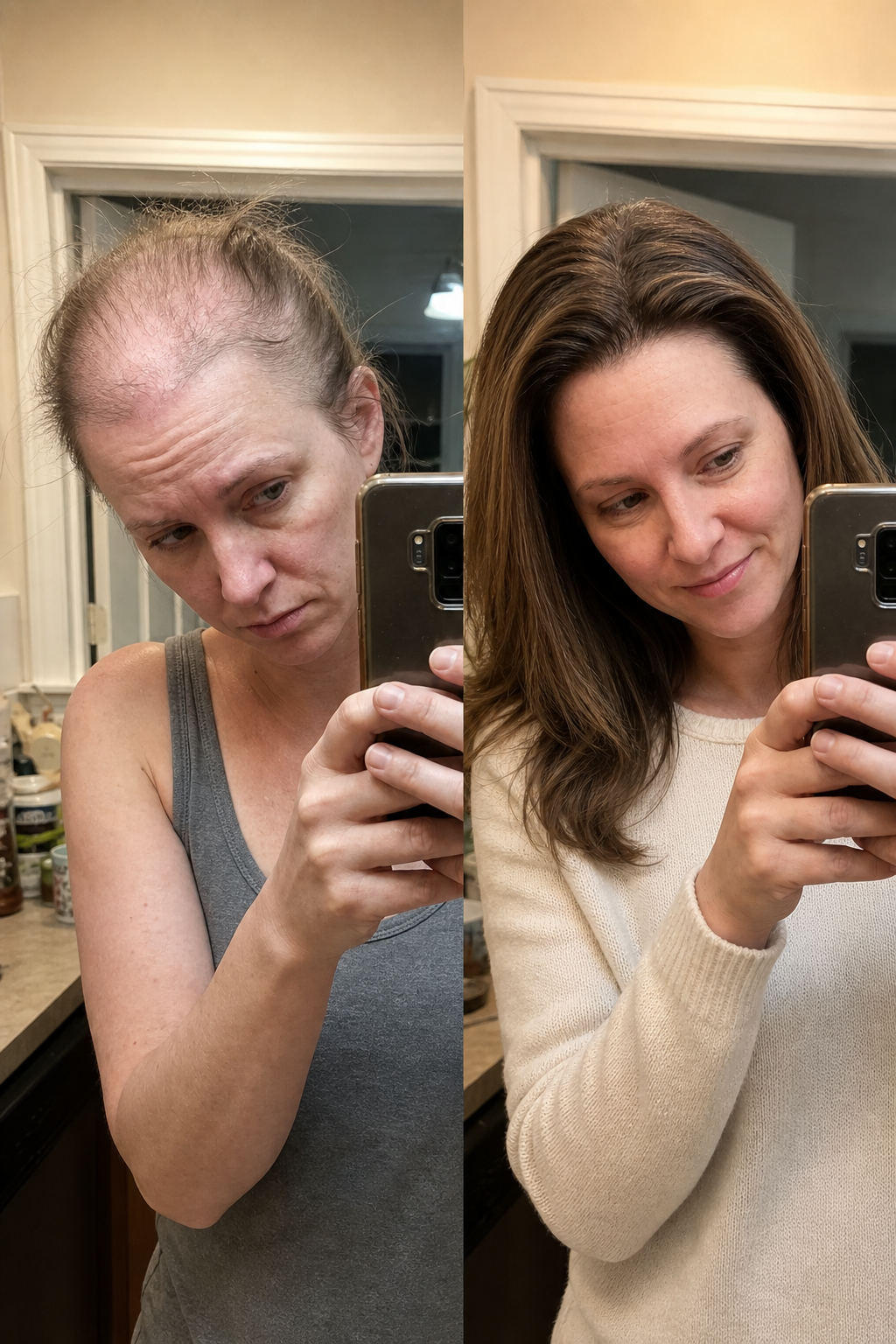
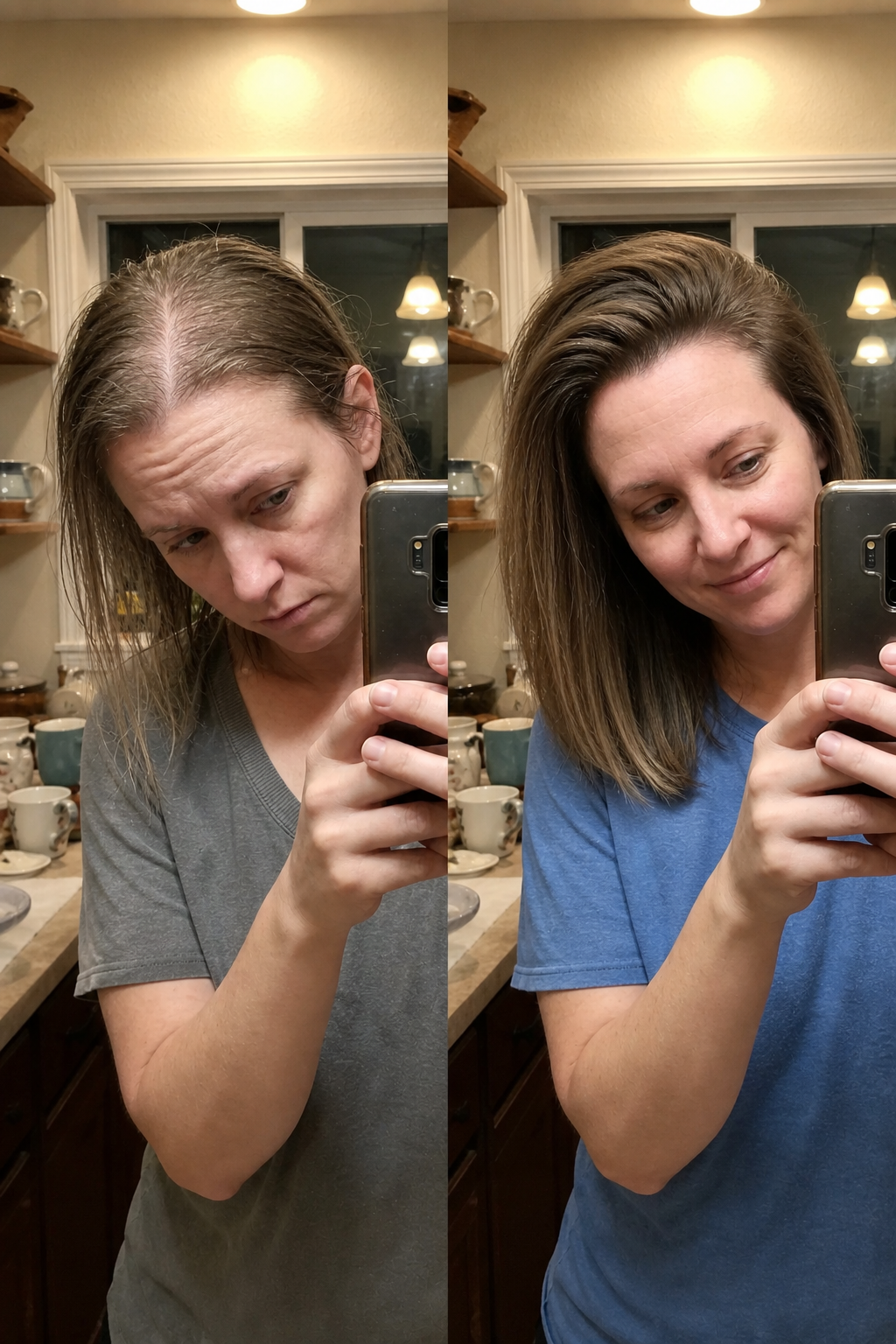
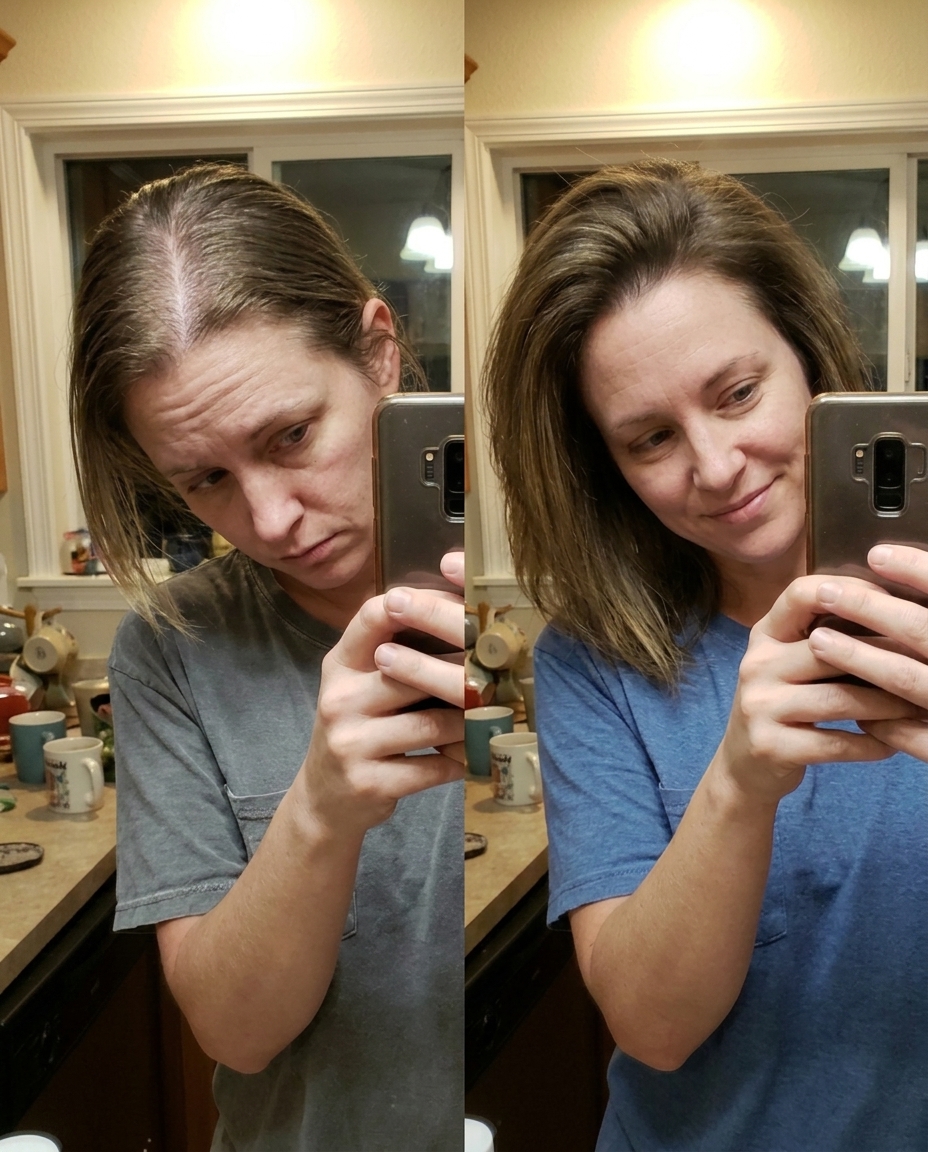
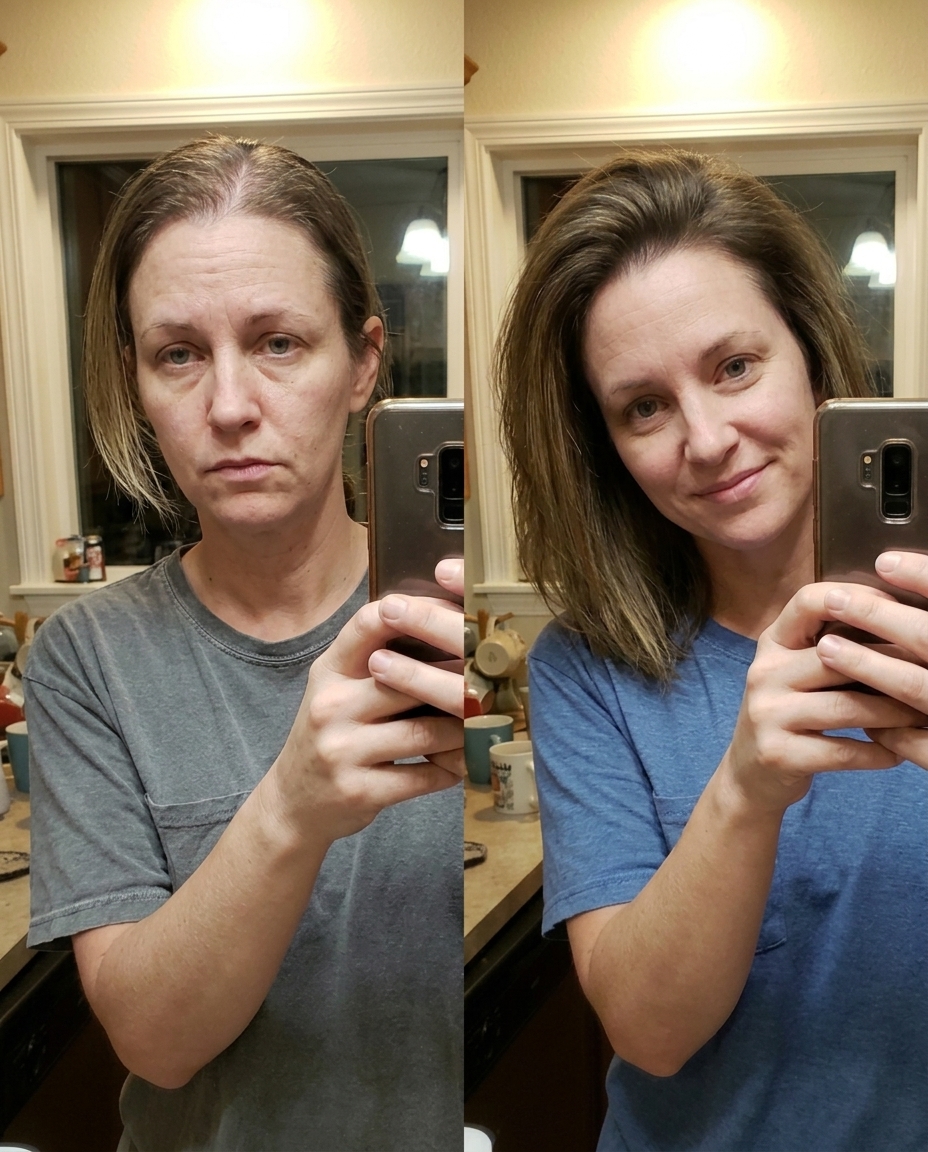
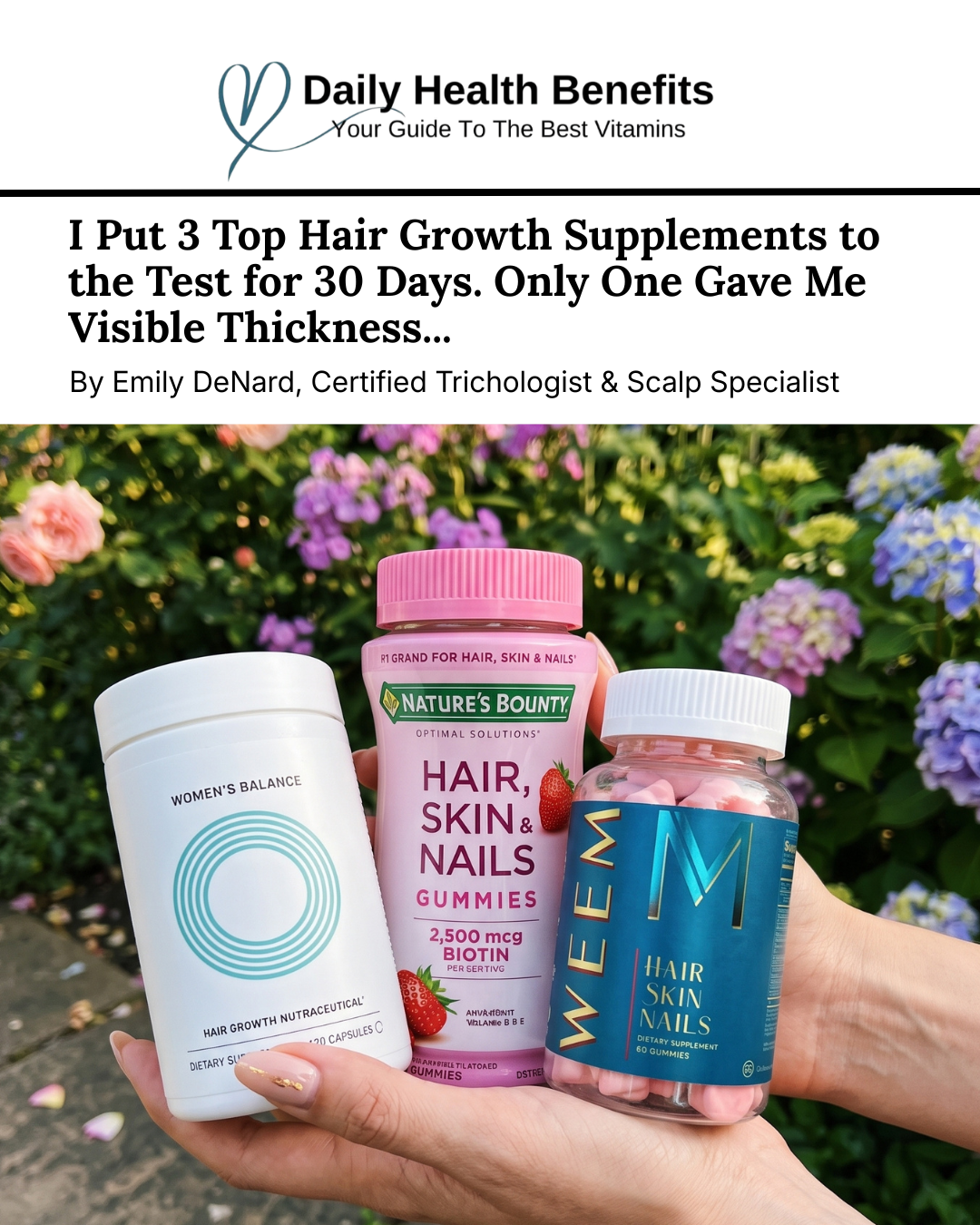
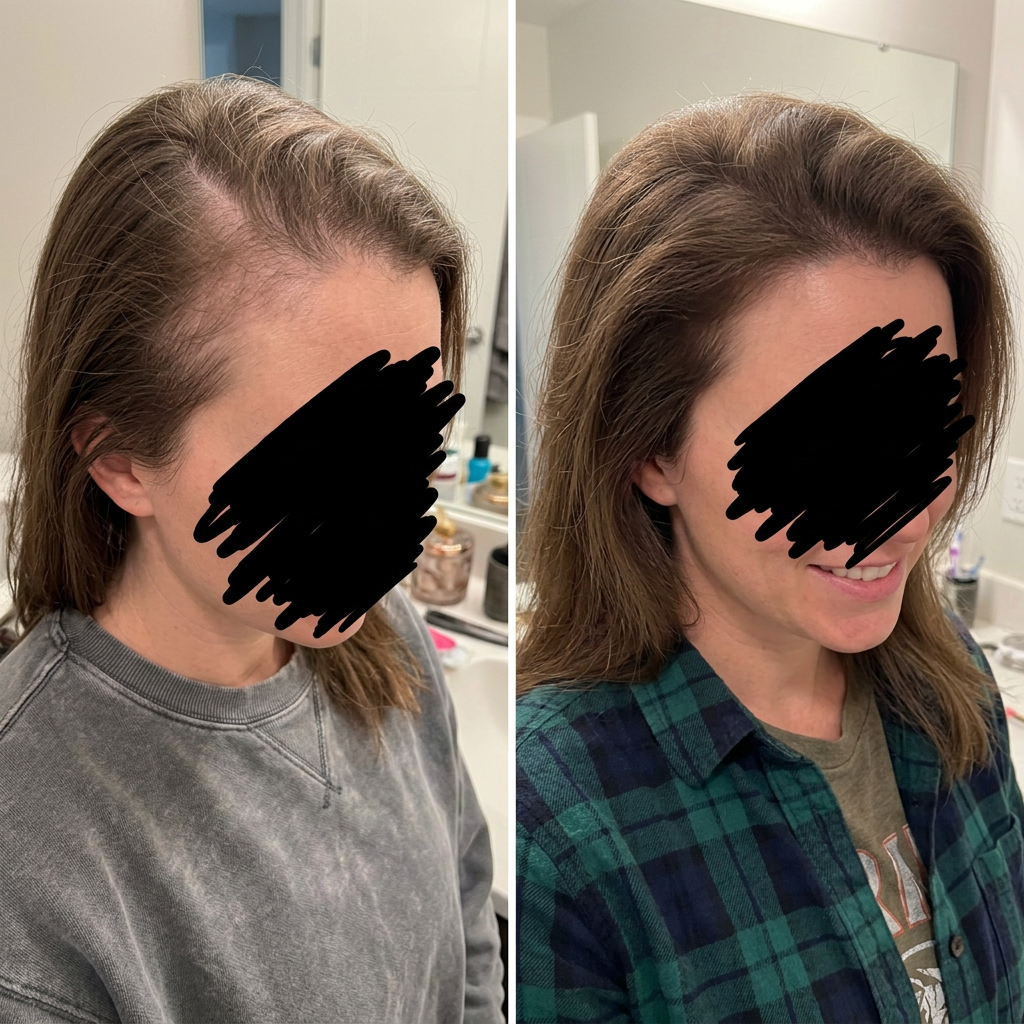
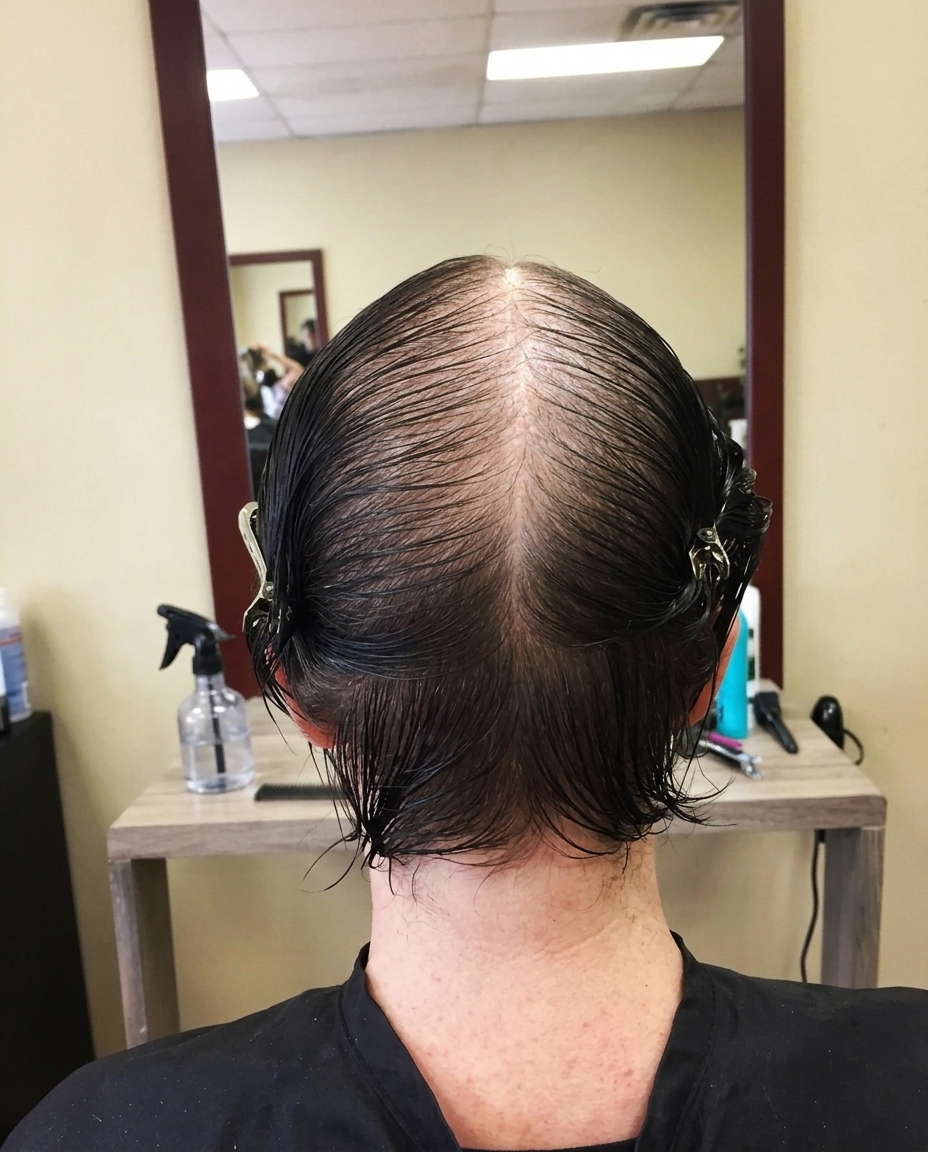
A dermatologist looked me in the eye and told me my hair was "gone for good." He wasn't wrong. He was just missing the piece that took me almost two years to find. I was 46 when I finally booked that appointment. He held one of those tiny magnifying scopes to my scalp, took maybe forty seconds, then rolled his stool back and gave me the label. Androgenic alopecia. I asked him the one thing I'd been carrying around for six months. "Once I'm through menopause, does it come back?" He didn't even pause. "No, it's permanent from here." I don't remember signing anything. I don't remember driving home. What I remember is pulling into my own driveway, turning off the engine, and just sitting there, sobbing into my steering wheel. Not over the diagnosis. Over one word. Permanent. Permanent meant the woman I had been my whole life was already gone. This thinner, sadder version was the version I was stuck with. And that thought broke something in me. You need to understand what my hair meant to me. I had thick, heavy hair from the time I was a little girl. My grandmother used to sit behind me and brush it until it shone. People stopped my mother in the grocery store to ask about it. It was the first thing anyone noticed when I walked into a room. It was the thing I hid behind. The thing I felt beautiful with. The thing that made me feel like me. And now every morning had the same script. Shake the little jar of scalp fibers over the part. Smooth them down over the places where the light hit too bright. Pull it up. Always up. Because down meant everyone could see the pink underneath. At dinner I picked the chair with its back to the window. At weddings I stood on my husband's left because the photographer always shot from the right. On Zoom I moved the lamp behind me, not in front. A woman at work told me one Monday that I looked "worn out lately." I wasn't worn out. But the worst part wasn't any of the workarounds. The worst part was smiling while I did them. Nobody around me knew how bad it had actually gotten. Not my sister. Not my closest friend. Not really even my husband. Not my brother. And meanwhile, I did everything a good patient does. Minoxidil. No one mentions the shedding that terrifies you in the first month, or the waxy scalp, or the small print that says the day you stop, the clock resets and every strand you gained falls right back out. Biotin. The Amazon reviews were full of women waving fistfuls of new hair. It never happened for me. The gummies with the little rainbow labels. The rosemary oils that stained my pillowcase. Then Nutrafol. Ninety dollars a month in a nice little box. That's how desperate I was. Months of it. Nothing. By 48, my part had opened up into a channel. The hair around my temples had thinned into soft baby wisps that wouldn't hold a curl. I would look at myself in the bathroom mirror at night and genuinely not see the woman I used to be. I saw somebody tired. Somebody I felt sorry for. Then one night, sometime around two in the morning, in one of those insomnia spirals where you keep clicking through medical papers you barely understand, I stumbled onto a clinical study. Out of Pusan National University in South Korea. And it finally explained the one thing that no one, not my dermatologist, not my GP, not a single influencer with a hair product code, had ever explained to me. Here's the short version. Every day of your life, your body makes a hormone called DHT. DHT is the one that shrinks hair follicles. It latches on, and over time it miniaturizes the follicle until every new hair it grows is thinner, weaker, and shorter than the last. So the question is: why did my hair look great for forty years and then unravel in three? Estrogen. Estrogen sits on top of your follicles like a shield. It keeps DHT from getting through. That's why women in their twenties almost never see this pattern. But in perimenopause, and then in menopause, your estrogen falls off. The shield lifts. And the DHT that had been circulating in your body your entire life suddenly has a straight shot at your follicles. That's androgenic alopecia. Not weak hair. Not stress. Not your shampoo. Not bad genes finally catching up. A hormone that was always there, doing damage the moment it finally got through. I was sitting on the couch at 2am reading this and I felt two things at the exact same time. Relief, because it finally, finally lined up. And rage, because how had nobody ever said this to me. So I did what I always do when I'm not sure I trust something I read on the internet. I forwarded it to my older brother. He's a dermatologist in Phoenix. Twenty-two years in the same practice. I was fully expecting him to text me back, go to sleep, please stop diagnosing yourself on the internet. He called me the next morning before I'd had coffee. The first thing out of his mouth had nothing to do with the study. He had no idea I was losing my hair. His own baby sister. I'd hidden it that well from the person who's known me the longest. Once we got past that, he read the paper carefully, and told me the mechanism was solid. DHT driving follicular miniaturization once estrogen drops is exactly what androgenic alopecia in postmenopausal women is. Textbook, he said. First-year textbook. So I asked him the obvious. If this is textbook, why did my dermatologist hand me a bottle of minoxidil and a jar of biotin and never once say the word DHT to me? His answer has been stuck in my head ever since. Minoxidil is the default because it's FDA-approved and it does do something. It widens the tiny vessels in your scalp and pushes more blood into the follicle. But that's the whole story. It does not touch the hormone. DHT keeps working on your follicles the entire time you're rubbing that foam on your head. Which is why you're on it forever, and why the moment you stop, everything you gained falls right back out. "You were watering a plant," he told me, "while something was quietly eating the roots." Then he walked me through what the study was actually saying. To deal with DHT, you need two things happening in your body at the same time. You need something that tells your body to make less DHT to begin with. And you need something that shows up in the scalp and physically blocks the DHT that's already there from grabbing onto your follicles. One turns the faucet down. One puts a lid on the drain. You need both. And that was the moment it all clicked for me why the last two years had gone straight into the trash. ❌ Biotin doesn't block DHT. ❌ Collagen gummies don't block DHT. ❌ Rosemary oil doesn't block DHT. ❌ Nutrafol wasn't blocking DHT either, no matter what the box said. ❌ Minoxidil doesn't block DHT. I had been feeding a plant while a hormone quietly killed the roots. I had lit about two thousand dollars on fire. For nothing. The Korean study named the two natural compounds that actually do what my brother was describing. Pumpkin seed oil, which slows down the enzyme that converts testosterone into DHT in the first place. That's the production faucet. And saw palmetto, which physically blocks the DHT already sitting in the scalp from attaching to follicles. That's the drain lid. Before I could even get excited, my brother warned me. He said ninety percent of what you'll find online is completely useless. Most of the pumpkin seed oil on the market is heat-processed, which kills the active compounds you actually need. And most of the saw palmetto out there is cheap dried berry powder at doses so small they might as well be sugar pills. Prostate supplements with a pink bow tied on them. He said if you get the wrong extraction or the wrong dose, you'll feel nothing, decide "the natural stuff doesn't work," and quit. He was describing exactly what I would have done. So I spent almost three weeks reading labels. Every single formula I found had one ingredient without the other. Or both, at doses that were basically a joke. Then I found GLOV Beauty. Both, in a single softgel. Cold-pressed pumpkin seed oil at the clinical dose. Cold-pressed, not heat-processed, so the compounds that matter actually survive. Plus saw palmetto as a concentrated standardized extract, not powdered berry. Third-party tested. No biotin filler. No gummy fluff. No prostate supplement in a pink font. I snapped a photo of the ingredient panel and texted it to my brother before I let myself hit checkout. He replied with one line. "Right ingredients. Right forms. Try it." So I did. I'm not going to tell you it was an overnight miracle, because it wasn't. Here's what it actually looked like. ✅ Week 2: less hair in my hand after I ran my fingers through it in the shower. Not dramatic. But it was less. And after two years of walking away from every shower with a wad of my own hair in my palm, "less" landed in a way I can't describe. ✅ Week 6: the shedding had genuinely calmed down. I stopped bracing myself before wash day. Anyone who's been through this knows exactly what I mean. ✅ Month 3: I wore my hair down to run errands. I hadn't done that since 46. Not one person said anything. Nobody looked. But I felt like a different woman. Last month my husband and I were at his cousin's wedding. A year earlier I would have dreaded every single photograph in that room. Instead I wore my hair down, and I completely forgot about it. I just felt like me again. If you're in the version of my life where you're hiding it, dusting on the fibers every morning, pretending everything's fine, I want you to picture one specific morning. The morning you reach for that little jar out of habit, look in the mirror, and realize you don't need as much as you did yesterday. That morning is worth more than I know how to explain. And here's the thing about my diagnosis. My dermatologist was right about part of it. Androgenic alopecia in postmenopausal women doesn't just switch off on its own. What he left out is that the hormone driving it can be blocked. That's the part that changed the story for me. One fair warning if you're going to try this. GLOV Beauty is a small brand, and they run out constantly, because they're actually dosing at the levels the clinical papers use instead of the little pinches you get on Amazon. They have a buy two, get one free deal running right now, which is honestly the only reason I gave it a proper trial. Menopause changes a lot of things. It does not have to take your hair too. I just wish I'd found this at 46 instead of 48, before all those months went by with nothing standing between DHT and my follicles. The link is below if this is your story too. 👉 https://glovbeauty.com/products/pumpkin-seed-oil-advanced-hair-loss-complex-softgels
Where the ad sends people
glovbeauty.com
The hair loss fact my dermatologist skipped
Our Advanced Hair Loss Complex combines cold-pressed Pumpkin Seed Oil with Saw Palmetto - two clinically studied ingredients that work together to naturally balance DHT levels, the leading cause of hair thinning and loss.
Learn more: glovbeauty.com(opens in a new tab)