
Active· since Apr 8, 2026
- 163
- days running
- 0
- relaunches
Ad copy
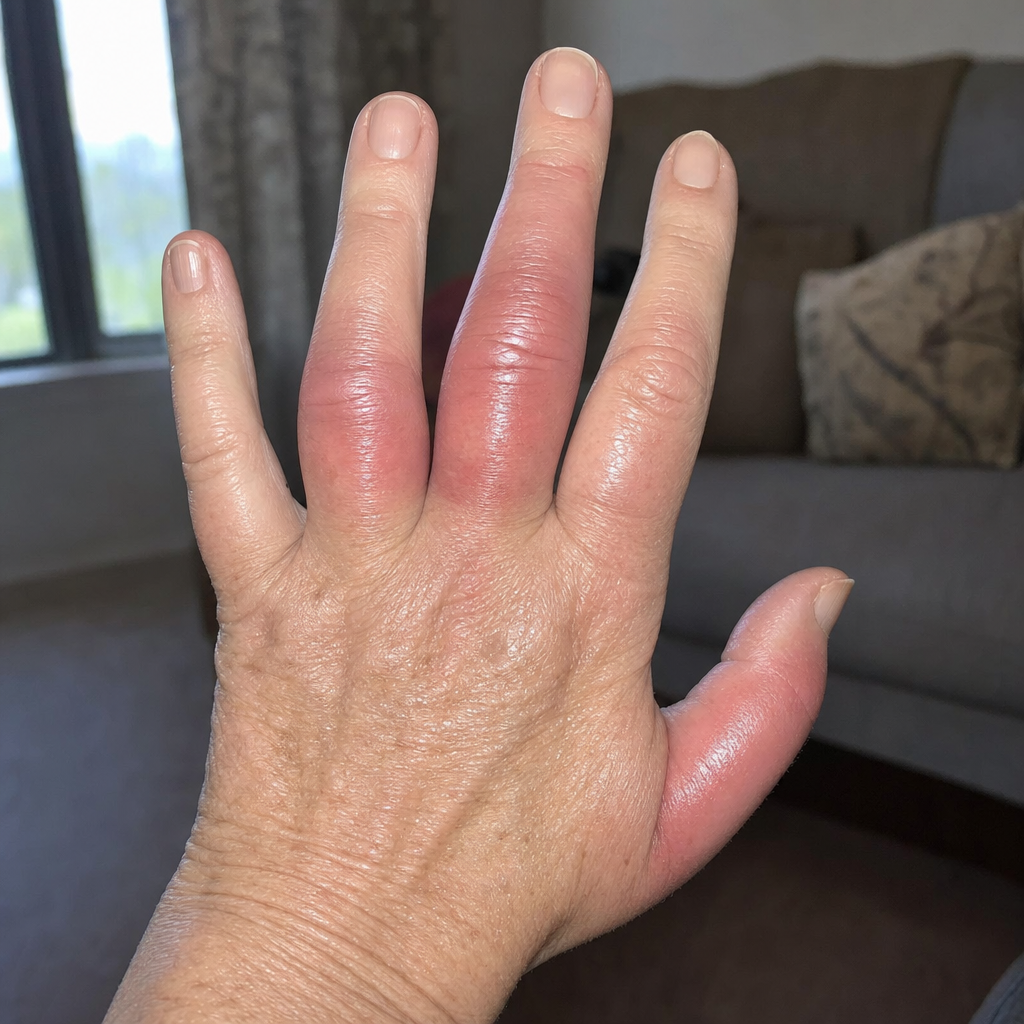
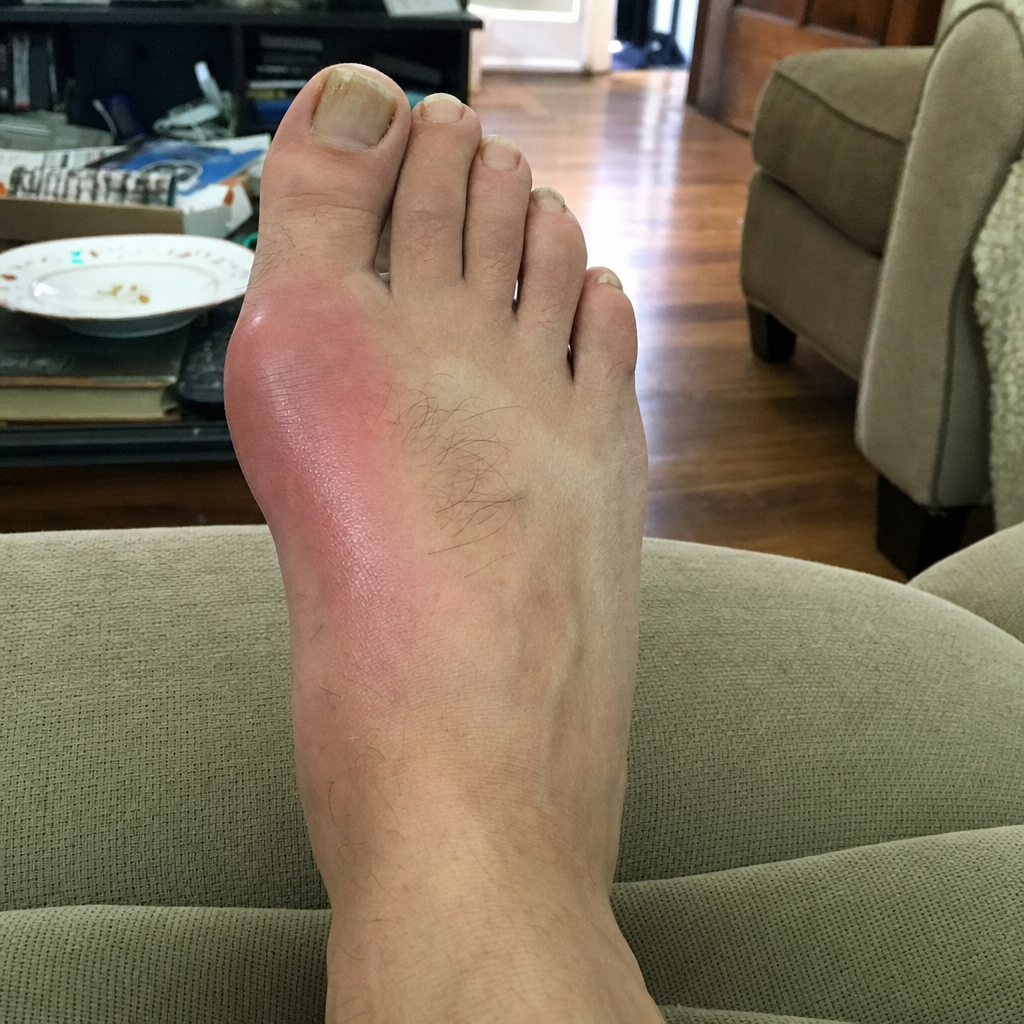
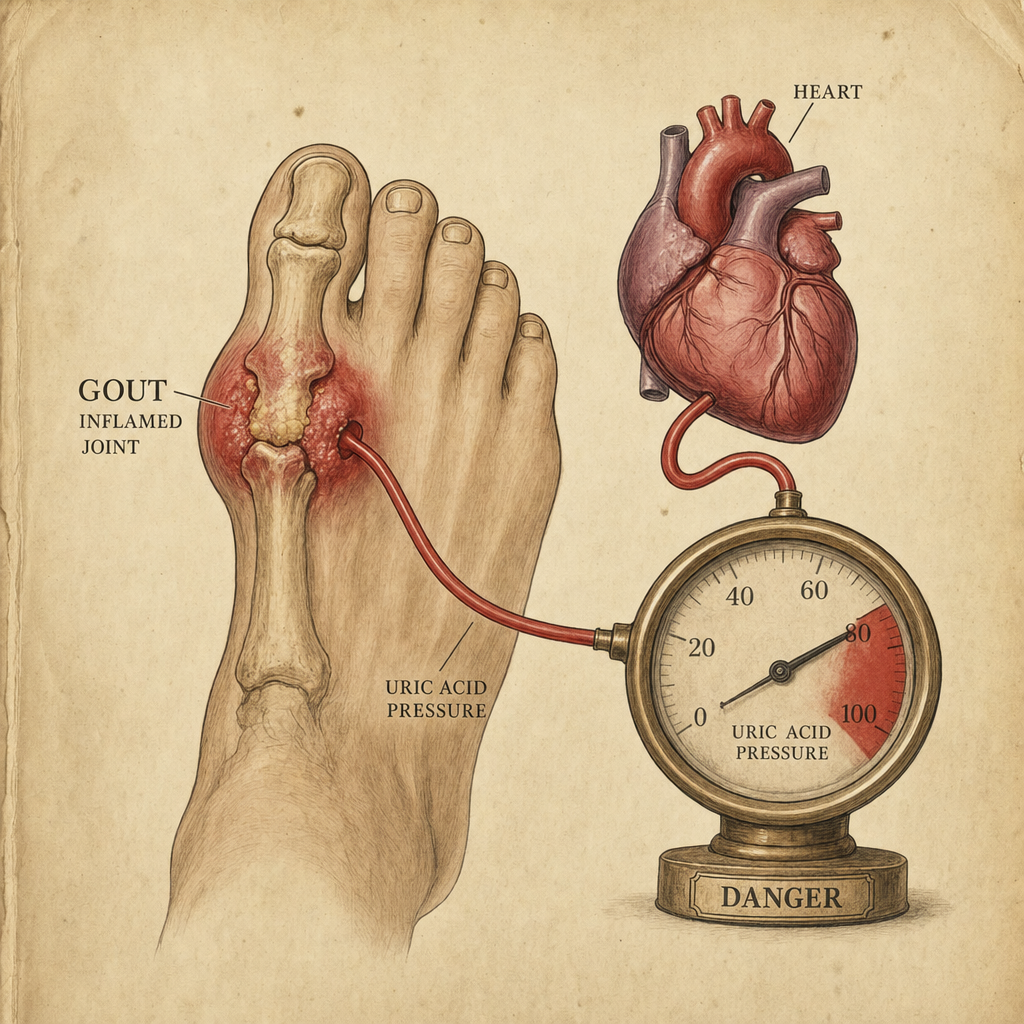
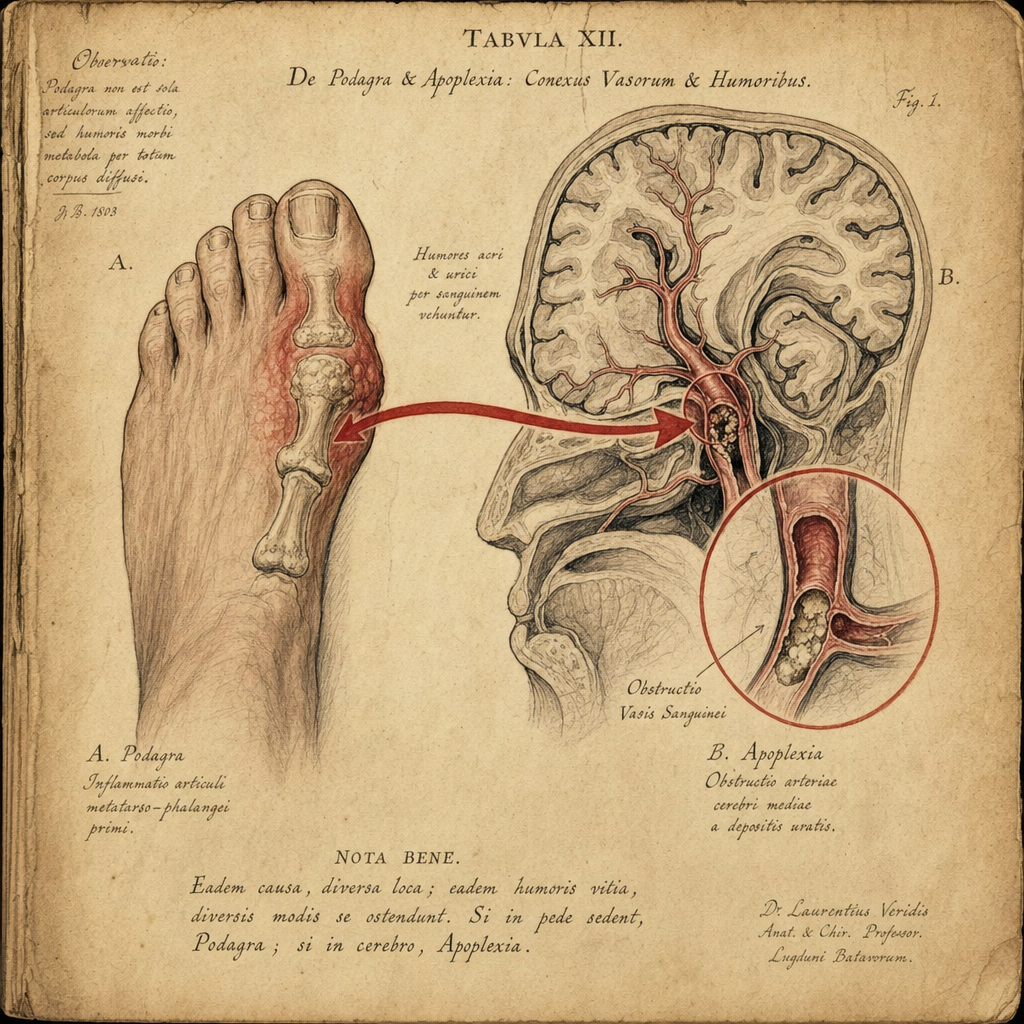
I have gout. Me. A man whose biggest dietary indulgence is a steak on a Saturday and a couple of beers watching the game. I have the disease of medieval kings who dined on pheasant and slept on silk, except I buy my meat on sale and my couch has a permanent dent where I sit. First attack came at 51. Woke up at 3 in the morning convinced I'd broken my toe in my sleep. Swollen like a plum. Skin so tight and hot I couldn't let the bedsheet touch it. Went to the doctor. Gout. Uric acid at 8.4. My doctor explained the situation. And the situation, it turned out, is that everything that makes sense in the rest of medicine works backwards in gout. Lose weight, he said. Good idea. Except if you lose weight too fast, your body breaking down fat raises uric acid and triggers a flare. So I'm overweight and I get gout. I slim down and I get gout. I try intermittent fasting because everyone at work swears by it. The ketones compete with uric acid for excretion through the kidneys. Gout. Exercise helps lower uric acid, but push too hard and lactic acid builds up and the kidneys stop excreting it. I jog slowly and gout can't catch me. I actually try and gout catches me with interest. Cut the red meat. Cut the beer. Did all of it. Three more attacks in the next year and a half. I was ready to accept that this was just my life now. Then my doctor brought up Allopurinol. I read about it. There are guys in the forums who say it triggered the worst flares of their lives in the first few weeks. That the medication works by dissolving crystals that have settled in your joints, which your immune system then treats as an attack. You take the pill to get better and the pill makes you way worse at first. I wasn't ready for that. I decided to actually understand what was happening first. I spent two weeks reading everything I could find. Studies, not forums. Actual research. What I kept running into was uric acid and inflammation. Gout isn't just about uric acid being too high. Plenty of people walk around with sky-high levels and never have a single flare. The attack happens when crystals form in the joint and the immune system responds. Which meant there were two problems: the uric acid itself, and the inflammatory response that turned elevated levels into a week on the couch. I started looking at what could address both. That's when I found the research on anthocyanins. These are the compounds responsible for the deep red and purple pigments in certain fruits. Multiple studies had found they inhibit the same inflammatory pathways that drive a gout flare, specifically COX-1 and COX-2 enzymes, the same ones NSAIDs target. But unlike NSAIDs, they also appeared to help the kidneys excrete uric acid more efficiently, working on both sides of the problem. Then I looked at which foods contained the highest concentrations. Tart cherries. By a significant margin. The research was consistent enough that I couldn't dismiss it. Multiple randomized trials. Real reductions in serum uric acid. Meaningful decreases in flare frequency. I ordered the top-rated tart cherry extract on Amazon that same week. Took it every day for nine weeks. Tracked everything. Next attack came at week eight. Bought a different brand. Better reviews. Higher dose on the label. Ten more weeks. Uric acid barely moved. I had a flare at week seven. I was done. I decided tart cherry was something people believed in because they needed to believe in something. A story people told themselves while the real problem went unaddressed. I started scheduling the follow-up to discuss Allopurinol. The night before that appointment I ended up back in the gout forums. Not looking for anything in particular. Just reading. And I found a thread where someone was asking the same question I'd had: why does tart cherry work in studies but not in practice. One response stopped me. The guy explained that the clinical studies showing actual results had all used cold-processed extract with verified anthocyanin content. That heat destroys anthocyanins during manufacturing. That most supplement companies use high-heat processing because it's faster and cheaper, and by the time the extract goes into a capsule, up to 80 percent of the active compound is gone. The bottle says tart cherry extract either way. There's no way to know from the label. Both products I'd taken for five months were essentially empty. Same packaging, same claims. No meaningful dose of the compound the research actually used. He mentioned a brand called GoodGrove. Cold-extracted. Anthocyanin content verified through independent third-party lab testing. Certificate of Analysis available. The dose matched what the studies used. I cancelled the appointment and ordered it that night. The first week was unremarkable. I wasn't expecting a miracle. Second week, the stiffness I'd started waking up with, the kind that had become so normal I'd stopped noticing it, was a little better in the mornings. Third week I had a normal Saturday. Burger, a few beers, nothing I would have thought twice about three years earlier. Sunday morning I woke up and walked to the kitchen without bracing for it. That sounds small. It wasn't. Six weeks in, I went in for labs. Uric acid: 6.8. My doctor looked at the number and asked what I'd changed. I told him. He was noncommittal the way doctors are when the thing working isn't on his prescription pad. But the number was there. Three months in: 6.1. No attacks since I started. What I have the hardest time explaining to anyone who hasn't had gout is what it does to the low-grade background of your life. You stop making plans you'd have to cancel. You stop ordering what you actually want. You do all of this so gradually that by the time you notice, your life has just gotten smaller. You don't remember when it happened. You just know it did. I went to a barbecue last month. Ate what was there. Drank what was handed to me. Stood around talking for three hours. Drove home fine. Woke up the next morning and went to work. That used to be something I'd spend the whole next week paying for. I wasted five months on two products that weren't built right. I almost wrote off the one thing that was actually working in the research because I never found the part about cold processing and verified anthocyanin content. If I'd known what to look for at the start, it would have saved me a lot of attacks and a lot of smaller miseries in between. GoodGrove has a 90-day guarantee. If your numbers don't move and things don't improve, you can get a full refund. That was an easy decision. I’ll put the link below. https://trygoodgrove.com/tart-cherry
Like this ad? Make it yours.
Crush rebuilds this exact creative around your product — your brand, your colors, your offer — in about a minute.