
Active· since May 9, 2026
- 131
- days running
- 0
- relaunches
Ad copy
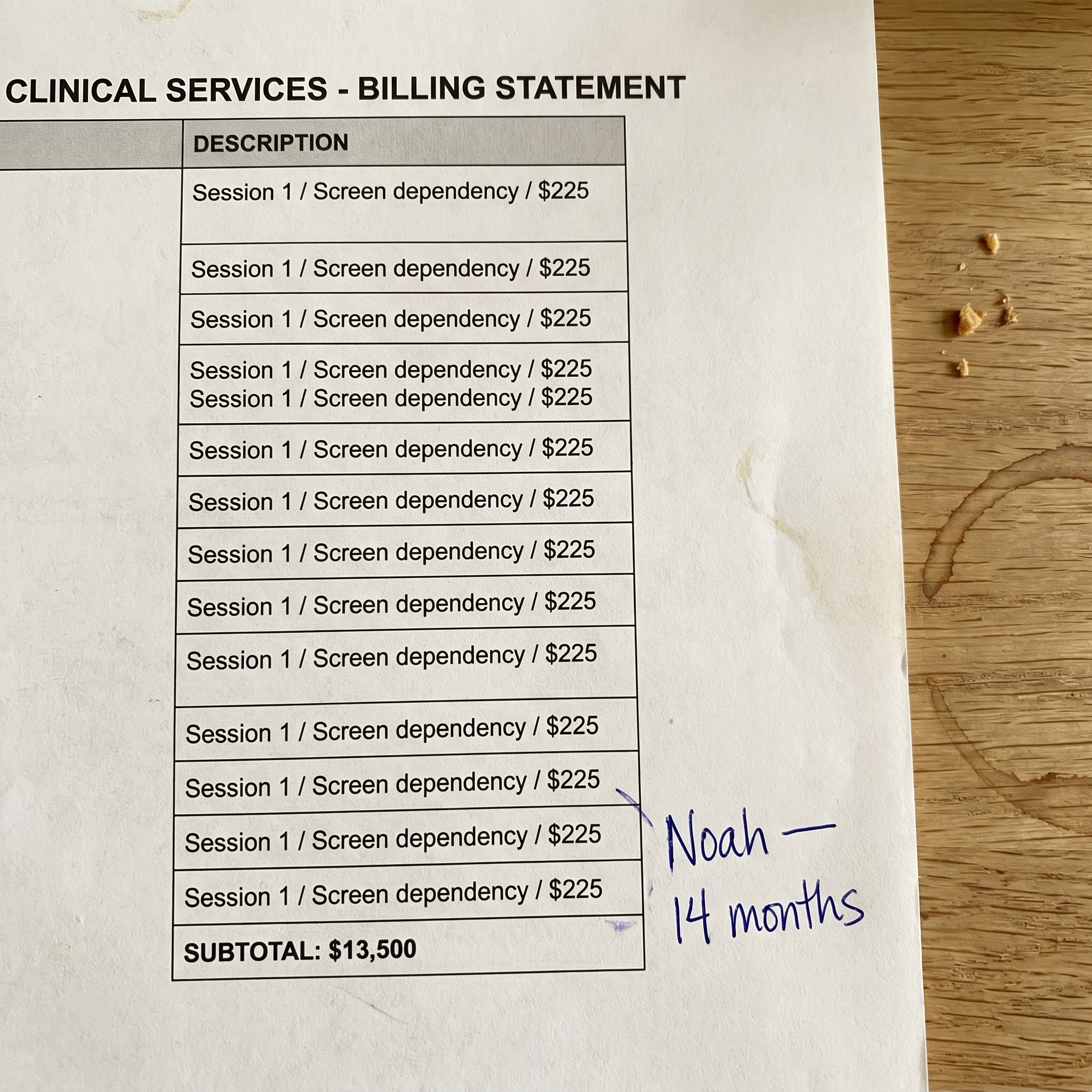
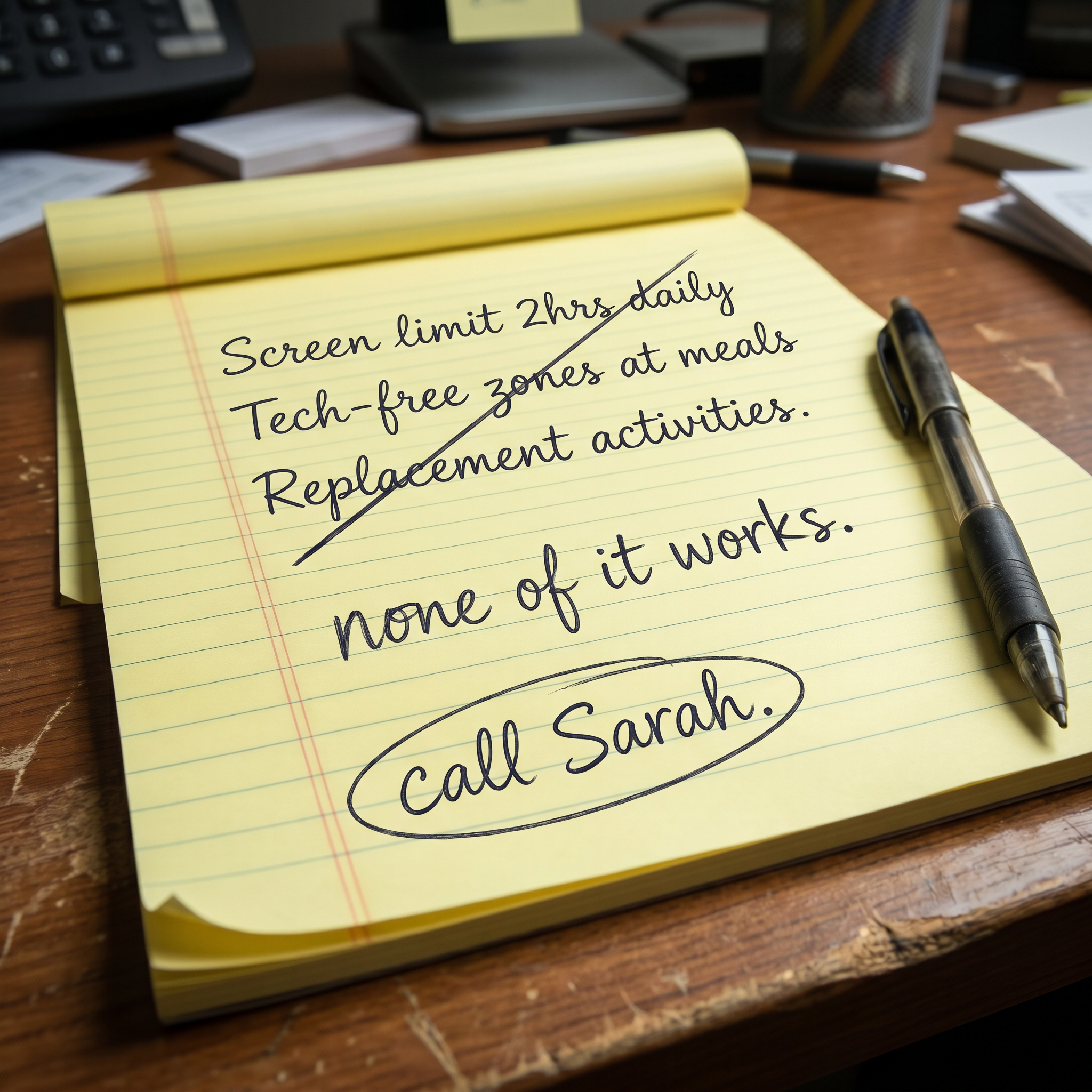
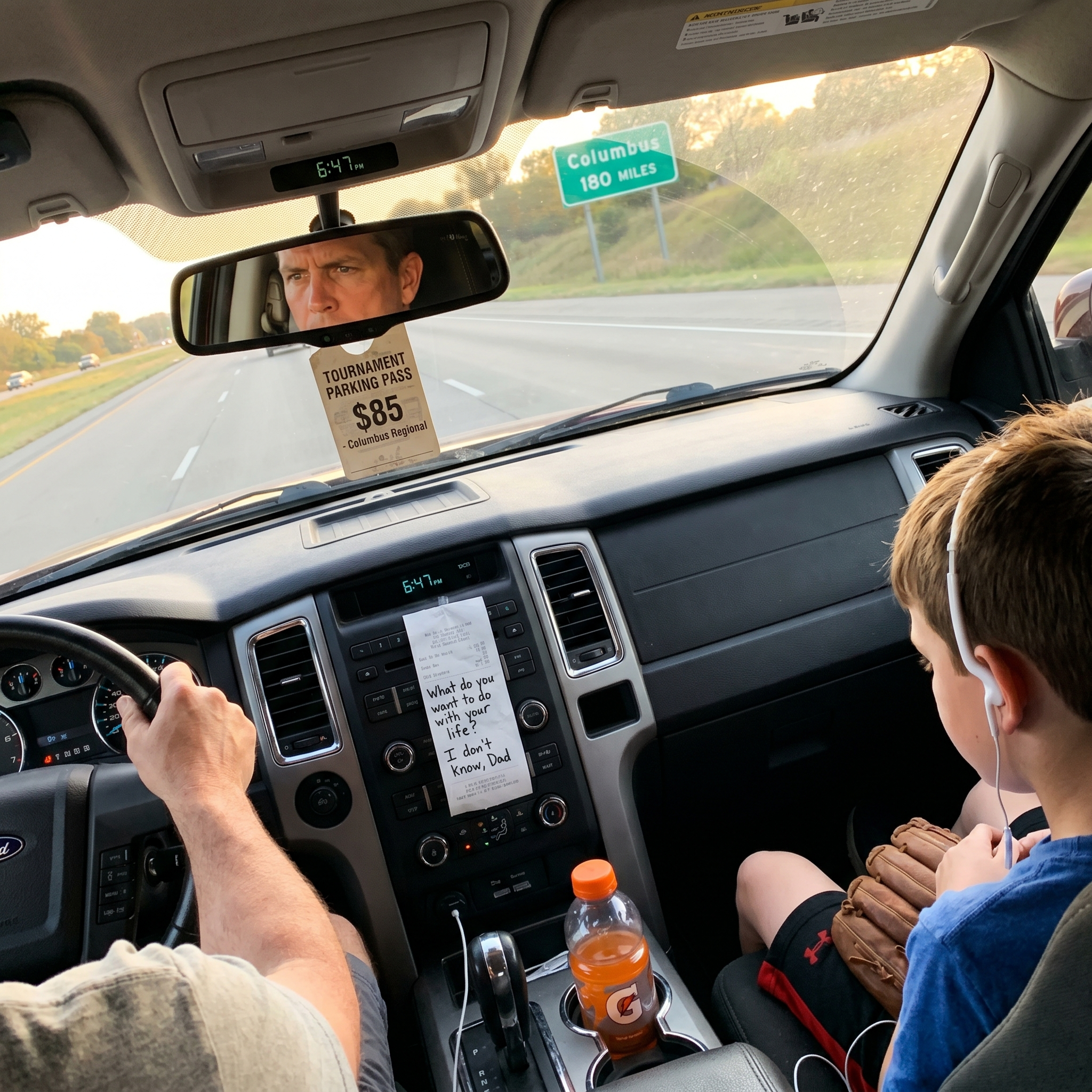
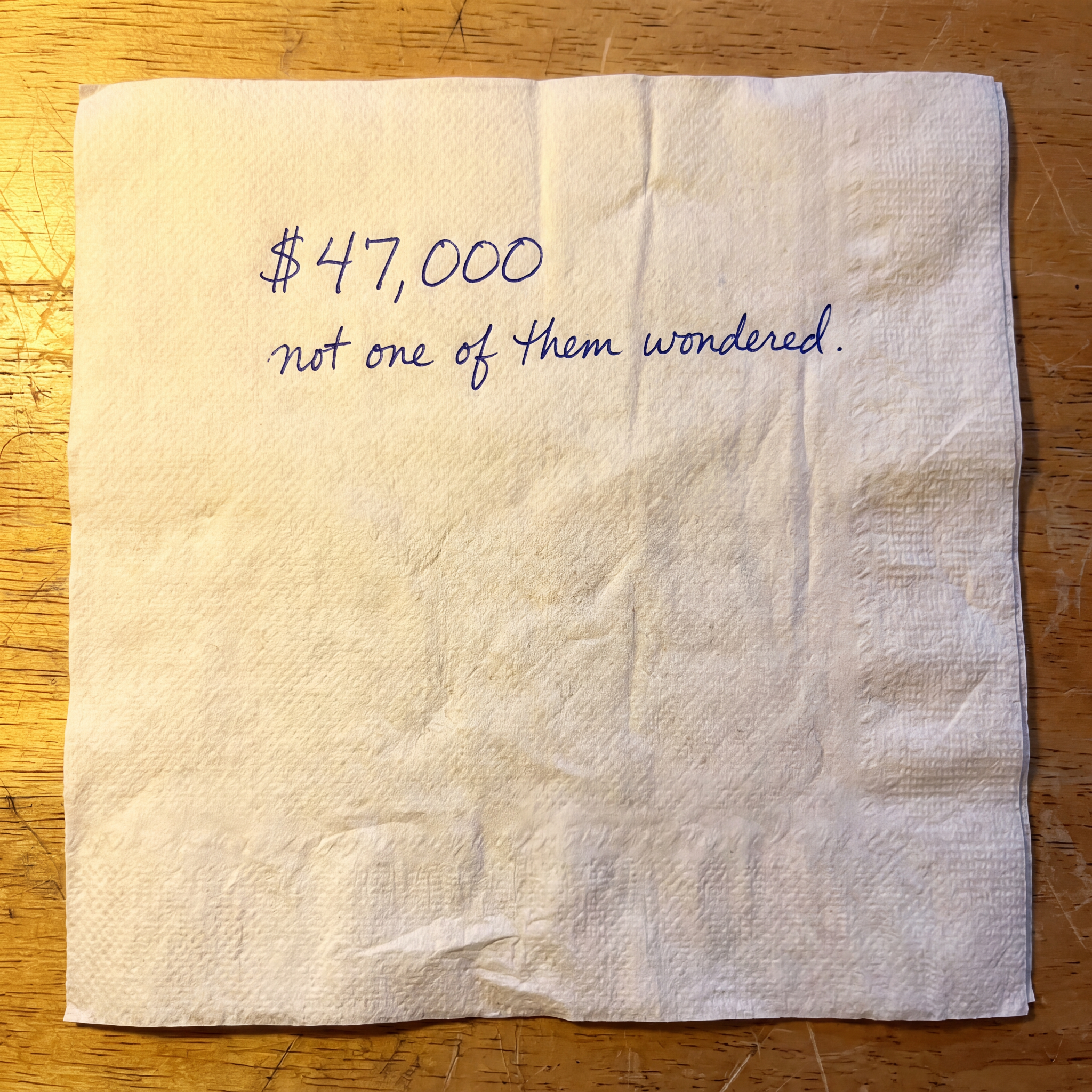
I asked my kids three questions at dinner last Sunday. My wife thought I was starting an argument. I wasn't. I was finding out what $47,000 of education had actually built. The answers made us both go quiet. I have three children. Ryan is thirteen. Chloe is eleven. Mia is eight. Combined school fees over nine years: $47,000. Last Sunday I put my phone face down. Three questions. No warning. No grades. Question 1 — Ryan: Why does the moon look bigger near the horizon than high in the sky. "It just does. That's how it looks." "But why. What is actually happening." Silence. "I don't know. It just looks bigger." Question 2 — Chloe: Why do we have fingerprints. "For gripping things?" "Why do they have a unique pattern though. Why isn't everyone's the same." She looked at her fork. "We haven't done that yet." Question 3 — Mia: Why do we get goosebumps when we're cold. She looked at her plate and said nothing. Three questions. Three children. $47,000. Not one of them pushed past their first instinct. Not one of them said I wonder if it's because. They gave me the nearest available answer and went back to eating. My wife looked at me across the table. She did not say anything. She did not have to. We had both just seen the same thing. That night I went through the school reports going back nine years. Every one said the same things. Excellent performance. Strong results. Outstanding progress. Not one mentioned curiosity. Not one mentioned the ability to wonder. Not one said this child asks questions that nobody has asked before. Because that was never what we were measuring. We were measuring retrieval. How fast. How accurate. How complete. Not whether the child ever sat with a question long enough to find something real inside it. $47,000. Three children who had learned that dinner questions were something you got through. Not something you thought about. Tuesday morning at work my colleague showed me something. Her daughter had been reading a book. 100,000 Whys. She pulled out her phone and showed me a voice note. Her daughter's voice. Seven years old. Explaining why fingerprints are unique. Not reciting. Reasoning. Building the answer from scratch in real time. Getting to something real. "She reads two pages every night," my colleague said. "Now she can't look at anything without asking why." She paused. "Last week she asked me why I married her dad. We talked for an hour." I ordered it that afternoon. Saturday morning I left it on the kitchen table. Mia found it first. She was eating cereal. She picked it up. Read two pages about why we get goosebumps. Put it down. Picked it up again. "Dad. Did you know goosebumps are from when we had more hair. Like the hair would stand up to trap warm air. But we lost most of the hair so now it's just the skin doing it with nothing there." She looked at her arm. "It's like a leftover from something we used to be." I looked at my eight-year-old. Three days ago she could not answer a dinner question. Now she was thinking about human evolution at the breakfast table. Because something made her wonder. And she had followed the wonder until it gave something up. Week 3: Ryan came to dinner with something. "Dad. I figured out the moon thing." I put down my fork. "It's not actually bigger. It's the same size. But near the horizon your brain compares it to buildings and trees. High up there's nothing to compare it to. So your brain judges it as smaller." He looked at me. "It's not the moon changing. It's the brain making a mistake." He said it with a specific satisfaction. The satisfaction of a person who sat with a question until it opened. Three weeks ago he told me it just looks bigger. Now he was inside the mechanism. On his own. Two months later Chloe's teacher called. "I need to ask what changed at home." I sat down. "Chloe. She has been asking questions in class. Real ones. Yesterday she asked why evolution produces eyes that work the same way in creatures that have never been related. She had been thinking about it since breakfast." A pause. "In three years she has never asked a question that wasn't on the worksheet." $47,000 could not do that. A $39 encyclopedia did. A well-educated child is not one who scores highest. A well-educated child is one who cannot eat dinner without wondering about the world. If you have spent thousands on education and watched your children give up at the first question. If they have grades you are proud of and not one original thought between them. If you have ever sat at a dinner table and heard three answers that told you nothing real. The system is not building thinkers. It is building retrievers. But you can fix it at home. Fifteen minutes a night. Before the curiosity window closes at thirteen. Before it is too late. The encyclopedia that changed our dinner table is called 100,000 Whys. Over 200 topics. More than 1,000 illustrated entries. Two pages a day. $47,000 could not start one real conversation at dinner. A $39 encyclopedia started three.
read this if you have kids or grandkids 👆
INTELLECTUAL ADVANTAGE DAILY Children's Encyclopedia ➡ Children's Intellectual Development Report Top Educator Exposes the "Cognitive Window": Why Most 8-Year-Olds Lose Their Intellectual Edge (And the "Elite Secret" to Getting It Back) By David Sterling, Retired Academy Director April 01, 2026 at...
SHOP NOWLike this ad? Make it yours.
Crush rebuilds this exact creative around your product — your brand, your colors, your offer — in about a minute.