
Inactive· since Jul 5, 2026
- 9
- days it ran
- 0
- relaunches
Ad copy
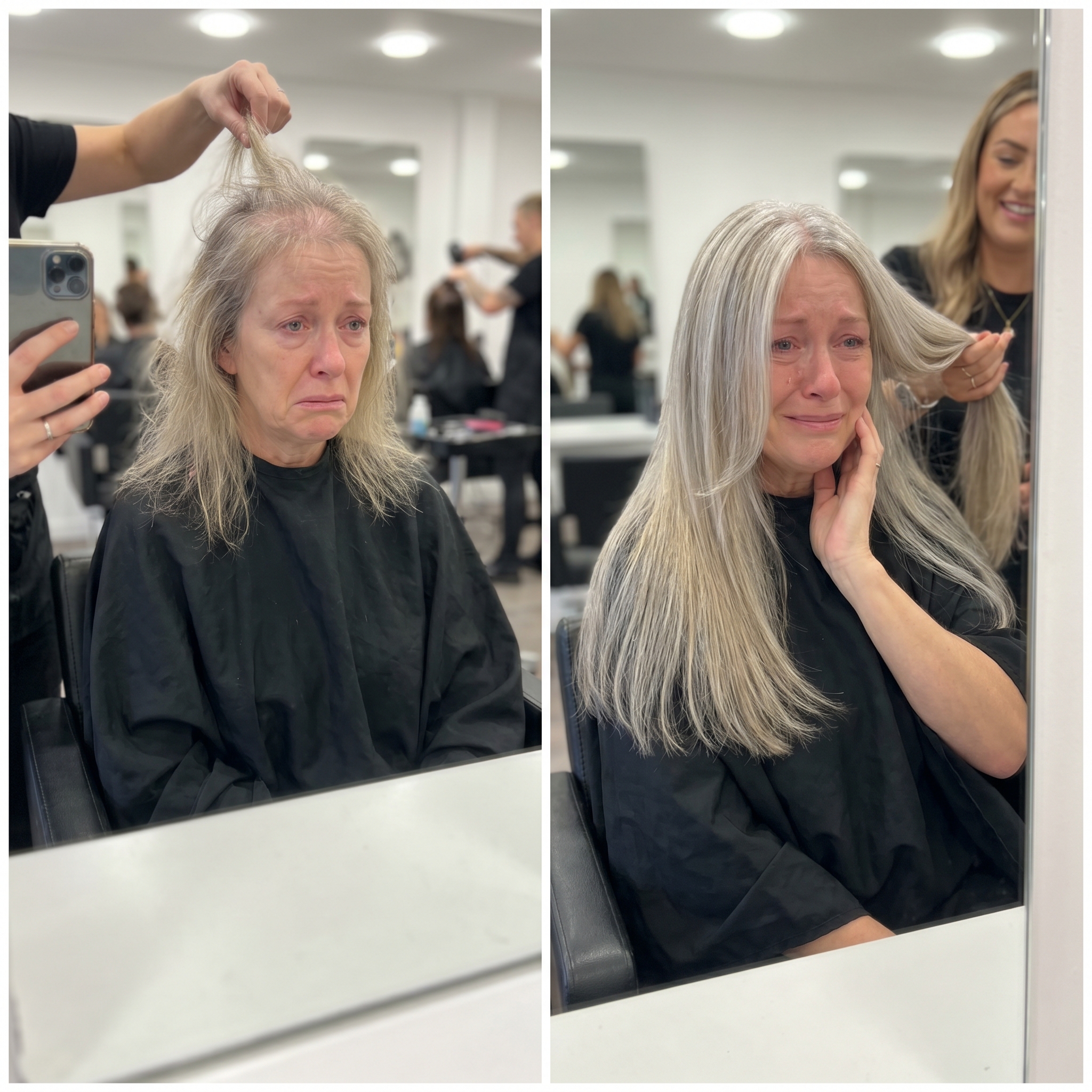
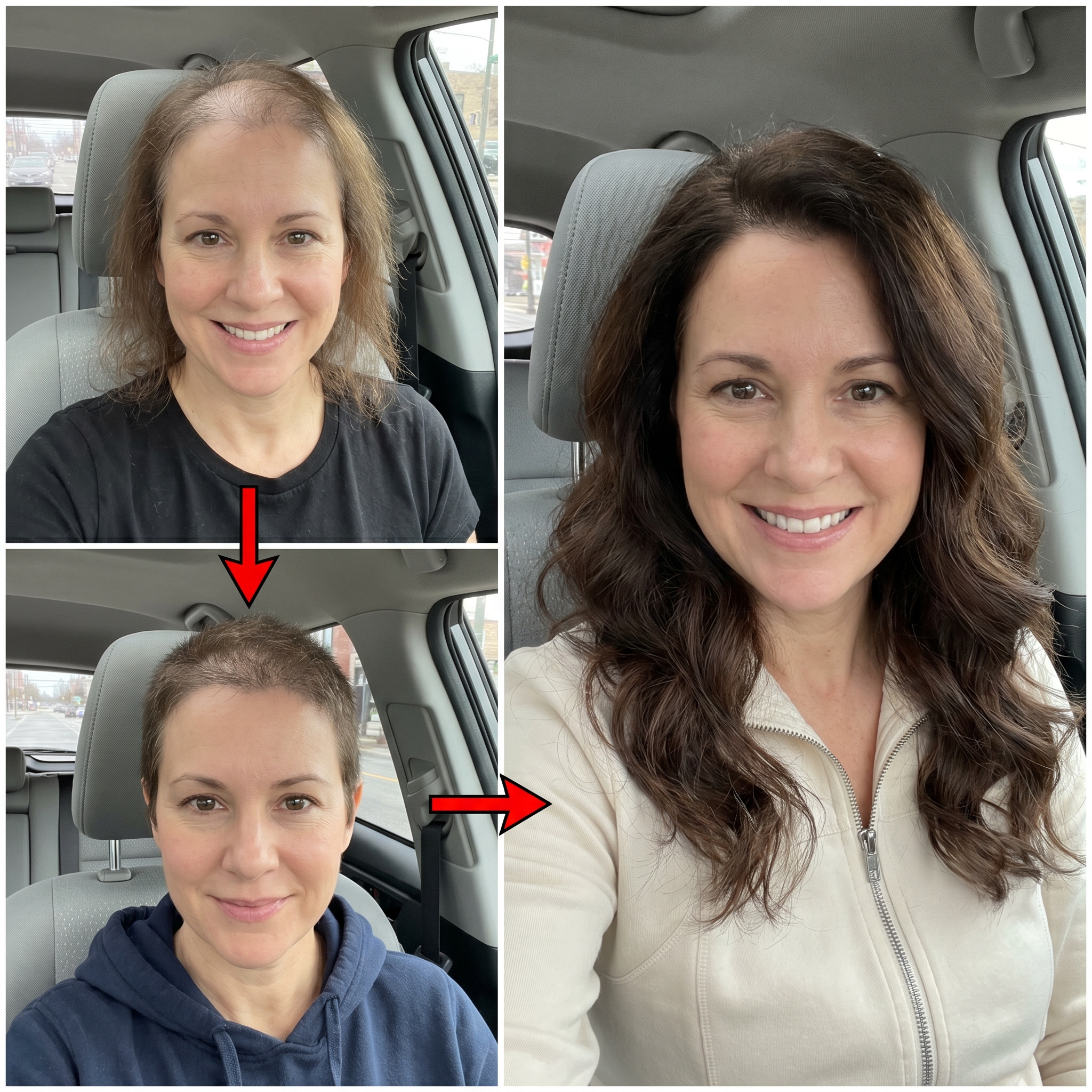
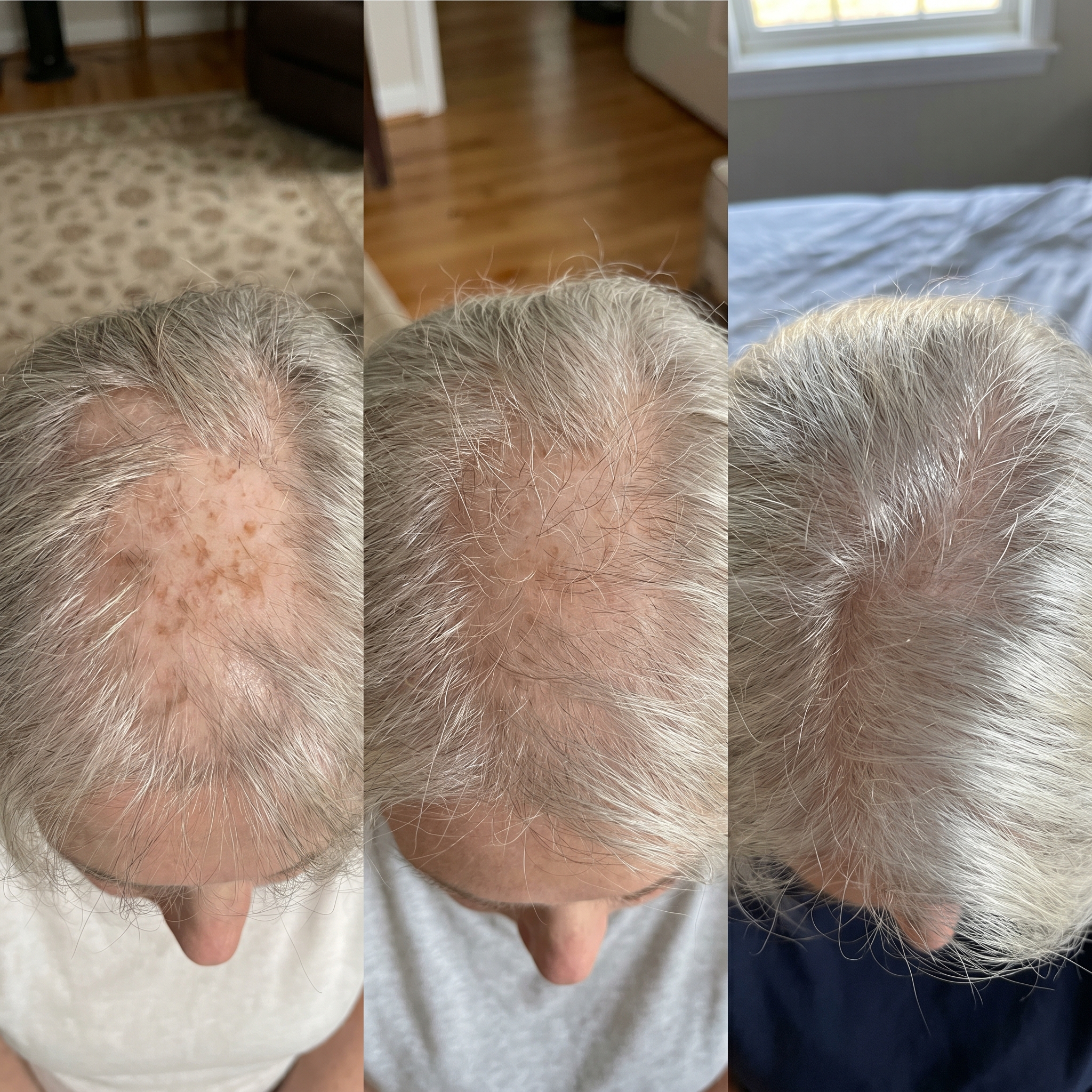
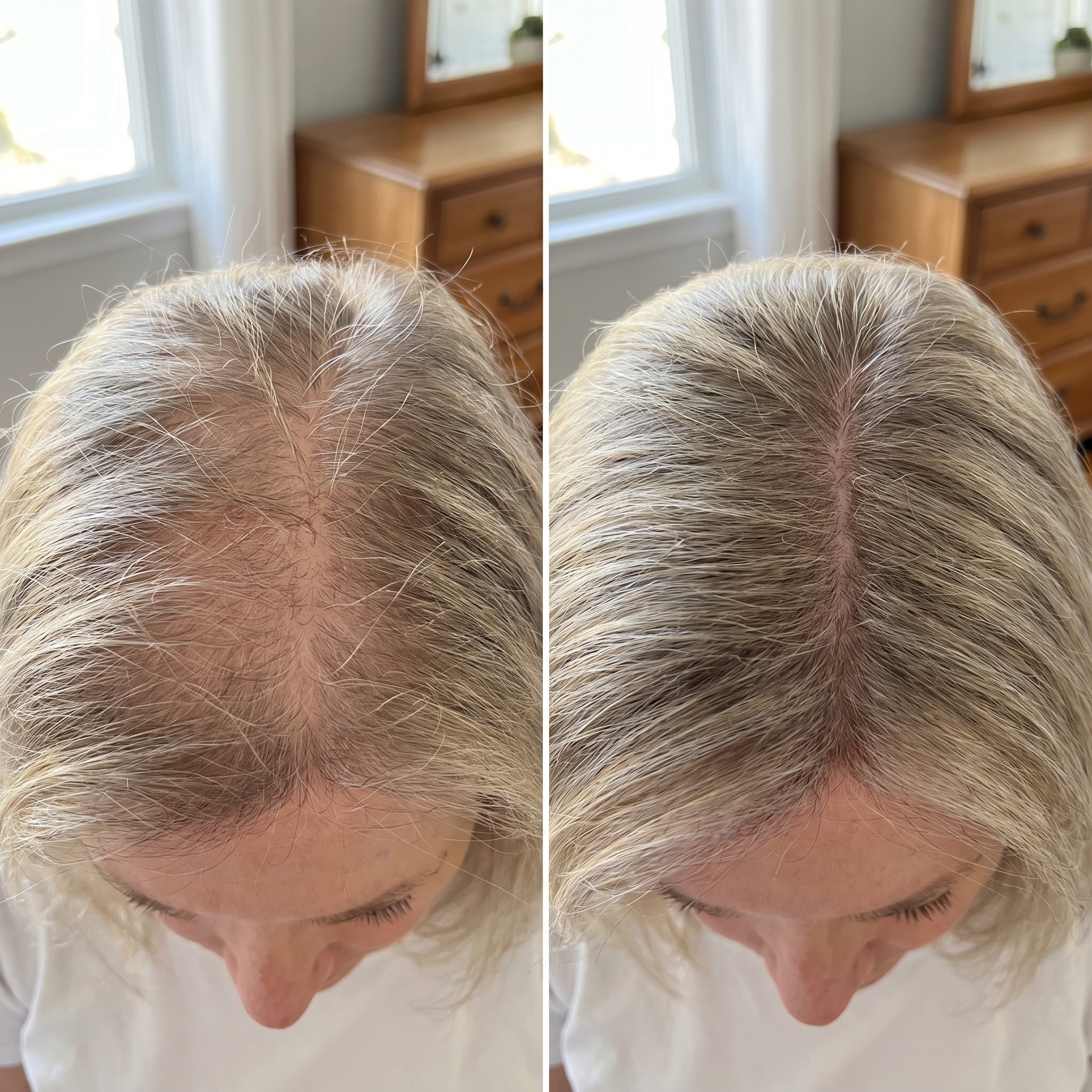
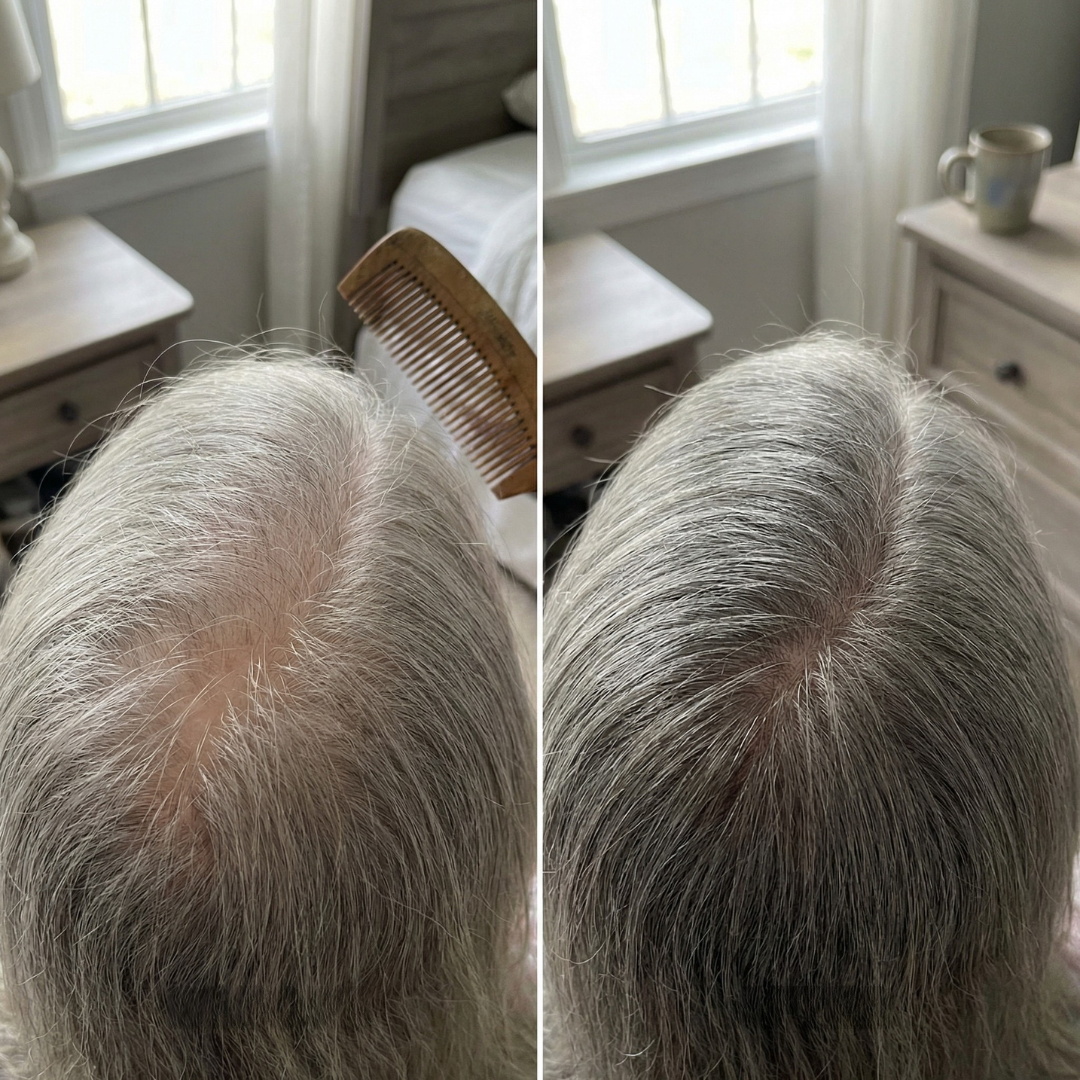
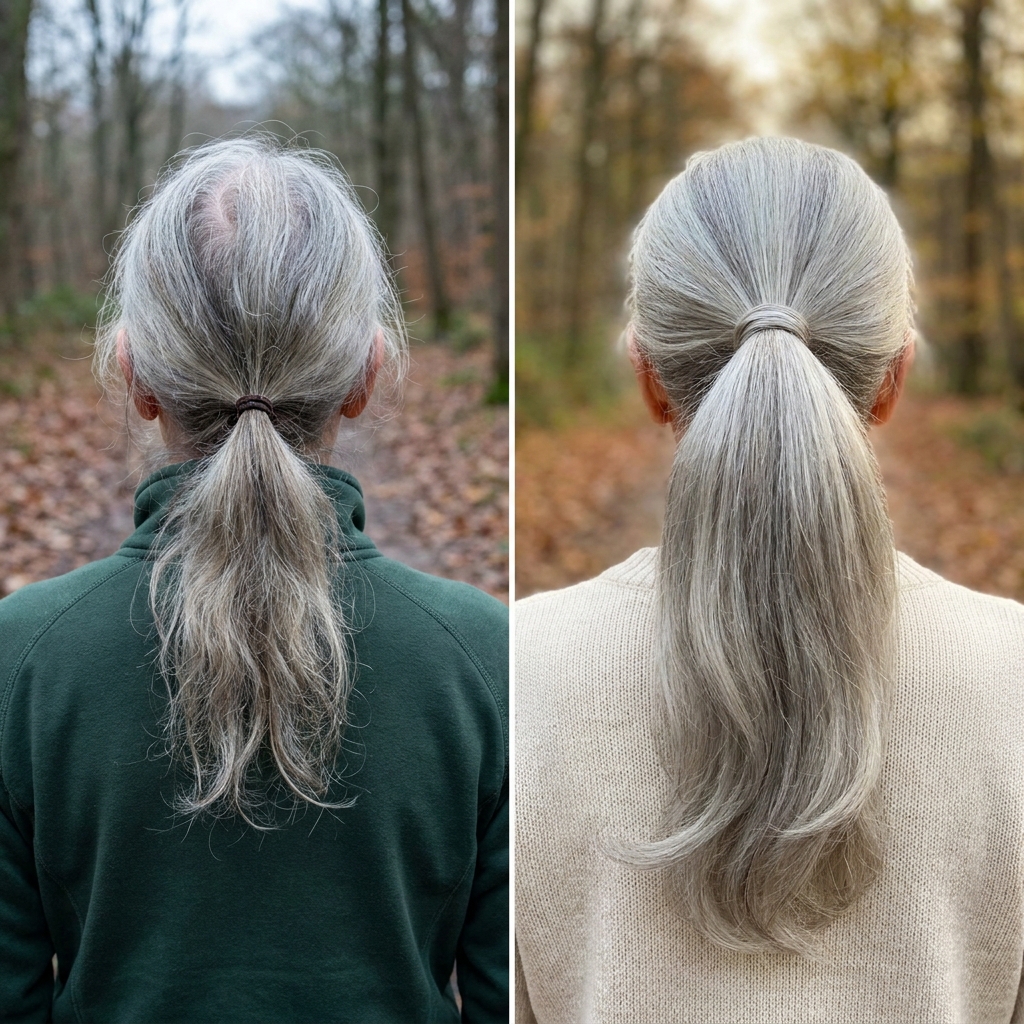
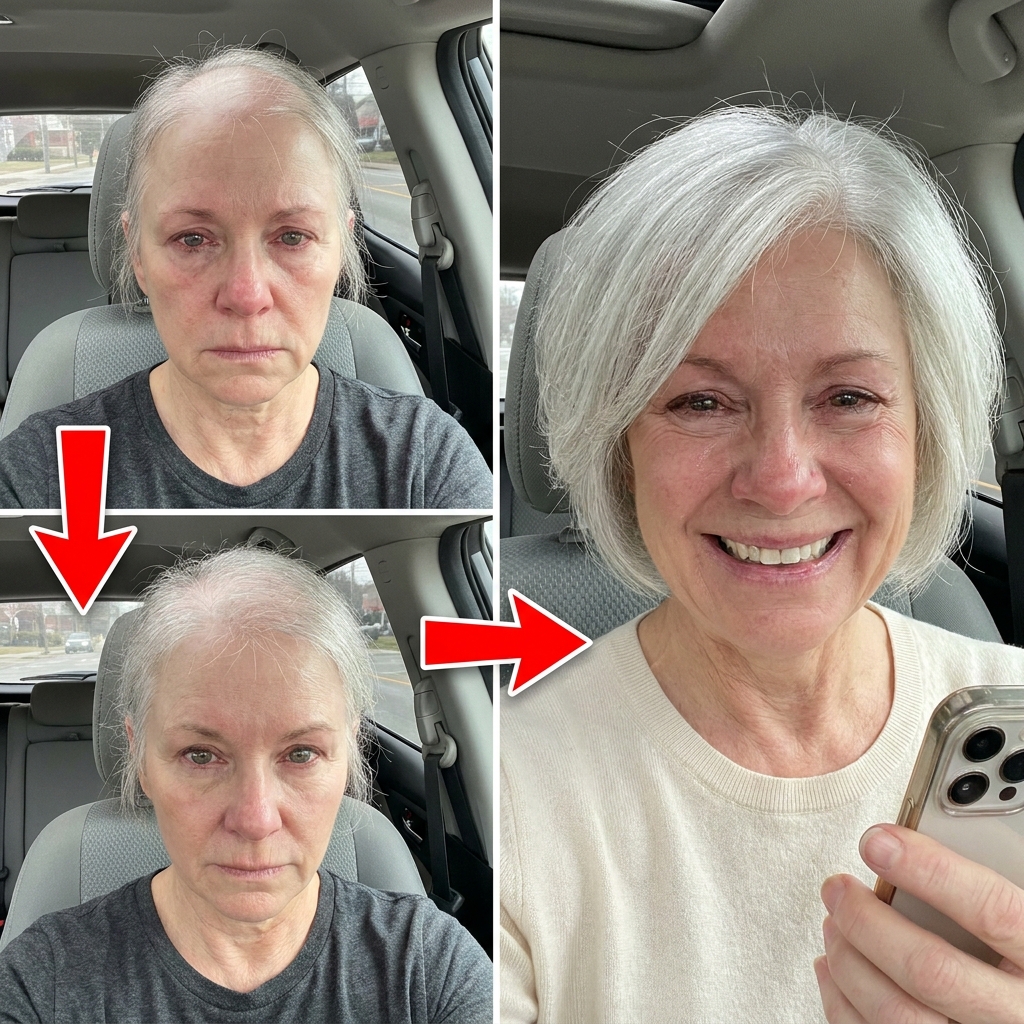
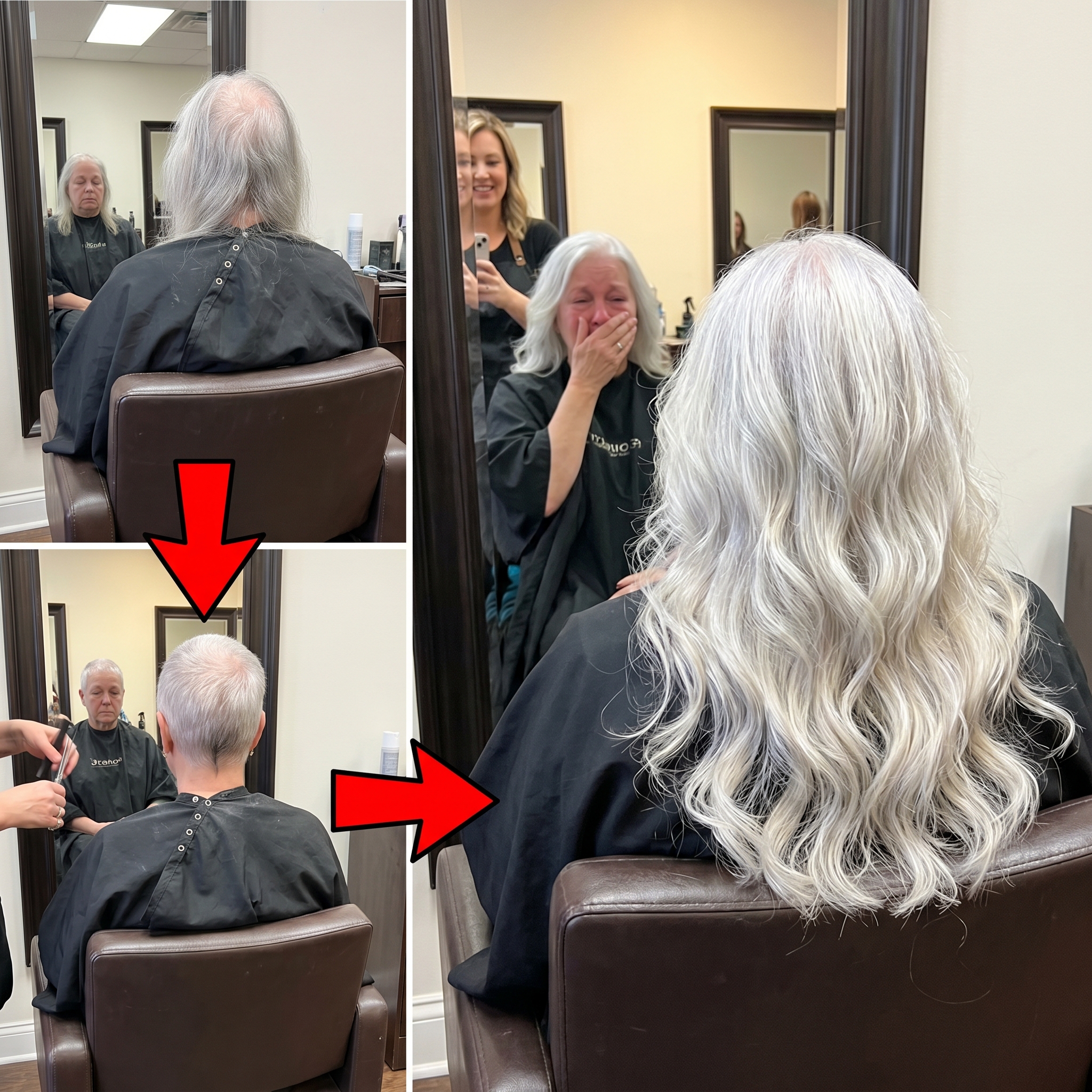
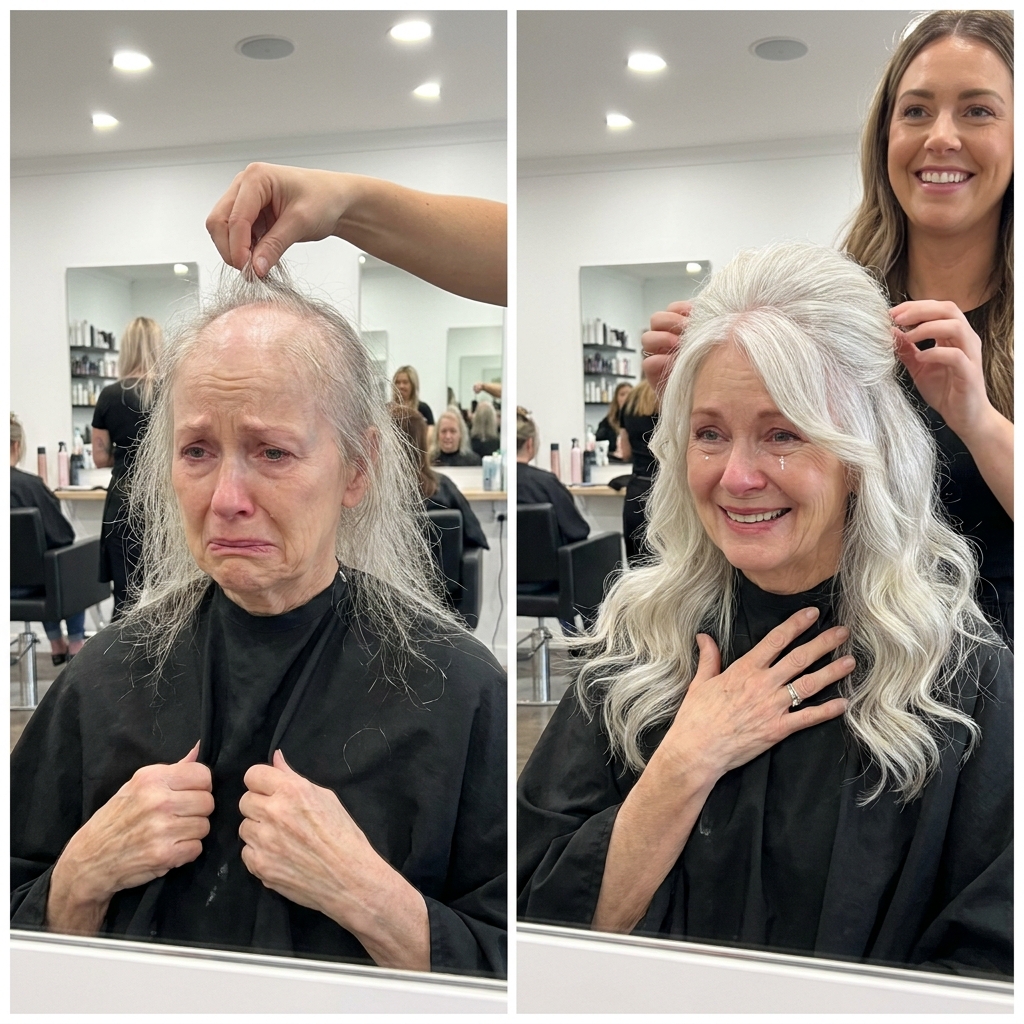
The NHS does not treat female-pattern hair thinning, and private trichology clinics charge £200 just for the consultation. What most of them prescribe afterwards is the same thing your GP already told you would not work. If you have been around that loop, you already know what I am about to describe. If you have not, I will walk you through what the NHS-into-private-trichology pipeline looks like for a 55-year-old woman with menopausal thinning in the United Kingdom in 2026, because the loop itself is, on examination, the reason you are still buying products. I am 55, a council-housing officer in Glasgow, and I went around the loop twice over two years before I worked out that the loop was not built to solve the problem. The first GP visit was eighteen months in. I had been thinning at the crown since 53 and at the part since 54. By the time I made the appointment, the part was wide enough that I was rearranging it on the way to work each morning. The GP was kind and thorough and had eight minutes. She ordered bloods. I was, in the language of my own profession, signposted. The bloods came back fine. Thyroid in range. Iron in range. B12 fine. The follow-up phone call was two minutes long. It is probably your menopause, she said. There is not much we can do about that on the NHS. Have you tried a good shampoo. I said I had. She said in that case there was nothing she could prescribe. She wished me well. The second GP visit was nine months later. By that point I had spent £180 on products my GP had not prescribed and which had not narrowed the part, and I had begun to feel that the bloods, however much I respected the system that had run them, had not actually answered any question I had been asking. I asked, this time, for a dermatology referral. The GP — a different one, a locum — wrote the referral. Two weeks later I received a letter from the NHS dermatology service in Greater Glasgow and Clyde declining the referral on the grounds that female-pattern thinning is a non-clinical cosmetic concern that falls outside the dermatology referral criteria. The letter was civil and short. It included a list of self-management options. None of the options had a name attached. That is what the NHS does for menopausal hair thinning in the United Kingdom. It runs the bloods to rule out the conditions where it is medically obliged to act. If the bloods are clear, it does not, on the NHS, treat the thinning itself. The decision is not unreasonable in the wider context of NHS rationing. It is, however, the decision. And it is the first half of the loop. The second half is the private trichology consultation. This costs, in 2026, between £180 and £250 for a fifty- to sixty-minute appointment in most British cities. I paid £200 in Glasgow. The trichologist took a careful history. She looked at my parting under a magnifier. She asked about my mother and my older sister. She told me, without the careful hedging the NHS GP had used, that what I was experiencing was menopausal androgenetic thinning, that the local DHT activity at my scalp was the driver, and that there were several products on the market that were intended to interrupt it. She then prescribed minoxidil, which my GP had also mentioned, and a £45-a-month topical "tonic" the clinic compounded in-house. I took the prescription away. I tried the tonic for two months and the minoxidil for six weeks before stopping because my scalp had become inflamed, which my husband had noticed before I had. I did not return for the six-month follow-up. The total across the loop: Two GP appointments. Free, two hours of my life including waiting, no useful direction. A declined NHS dermatology referral. Free, no useful direction. A £200 trichologist consultation. Useful diagnosis, prescription that did not suit my scalp. The £45-a-month tonic, two months. £90. Minoxidil 5%, six weeks. £42 for the supply, abandoned because of irritation. Holland & Barrett biotin, on the trichologist's recommendation, six months. £108. The part kept widening. A Nutrafol Women's Balance subscription, ordered in desperation in a quiet Sunday afternoon between the GP loops, four months. £75 a month, £300. The part kept widening. A laser comb on a Black Friday sale, used three nights a week for nine months. £218. The part was still widening when I packed it back into its box. Total: £758, plus the time, plus the slow erosion of the version of myself I had been before the loop began. The clinical end of the British system, public and private, had given me a diagnosis and a list of products. None of the products had been built to interrupt the mechanism the trichologist had named. What I had not, until then, been told — by either side of the loop — was that the mechanism the trichologist had named was, on its own, addressable, and that the address was specific and topical, and that several of the products I had been prescribed were not, in fact, built around it. The mechanism is this. As estrogen drops in perimenopause and after, the local DHT activity at the scalp rises. DHT shortens the anagen — growth — phase of the hair cycle. The follicle spends less time producing and more time dormant. The hair it does produce becomes finer and shorter. The follicle is not dead. It is silenced. To interrupt the silencing, the intervention has to occur at the scalp, where the DHT activity is happening. Topical caffeine has been studied since the early 2010s for exactly this. Applied to the scalp, it blocks 5-alpha-reductase at the follicle and extends anagen directly. Mellenza was the first product I came across after the loop that had been formulated around this. A topical scalp serum. Caffeine to block 5-alpha-reductase at the follicle. Polygonum multiflorum root extract, drawn from Korean dermatology research on follicle proliferation. Arginine for microcirculation. Biotin to support the integrity of new growth. Ginger extract for anagen support. Sprayed on the crown, the part, and the temples. Nightly. Not a shampoo. Not a volumiser. Not a supplement. A topical wake-up call for follicles that have been chemically silenced for years. I committed to twelve weeks. I had not had twelve weeks of patience for a product since the loop, but the formulation was what the trichologist had named two years before, and that was enough. Week 4. Less hair on the pillow. I had been counting privately for three years. The count dropped. Week 6. The texture of the lengths I already had began to feel like the weight I remembered. Week 9. I took a comparison photograph in the bathroom. The parting was narrower. Along the edge, short, fine regrowth — the kind of new growth I had told myself, after the dermatology referral was declined, that the British medical system had quietly written off. Month 4. The trichology clinic sent me a six-month follow-up email asking if I would like to book a review. I replied with one line. I thanked her for the diagnosis, told her I had not stayed on the prescription, and said I would not be booking. I did not send her the comparison photograph. I had not paid £200 to be cross-examined. I had paid £200 for a name. The name had been useful. Month 5. I went to a niece's christening at a small church in Bearsden and stood under the Victorian chandelier in the function-room afterwards for two hours. I did not rearrange my hair once. If you have been told by your GP that there is nothing the NHS can do, and by a private trichologist that the £45-a-month tonic is what the system has for you, that is the loop reporting in. The mechanism the trichologist named is real. The interruption is specific and topical, and it does not run through the loop. The link is below. Mellenza ships from the UK with a 90-day money-back guarantee, a complimentary scalp massager, and an ebook on the menopausal hair cycle.
The NHS won't treat this.
Women's Health · Updated April 2026 Menopause · Hair Routine 7 Mistakes That Make Menopausal Hair Loss Worse, And the 30 Second Ritual 10,000 Women Used to See Regrowth in 8 Weeks Dr. Sarah Mitchell — Women's Health Writer. If you're standing in front of the mirror doing the 3-elastic ponytail t...
LEARN MORELike this ad? Make it yours.
Crush rebuilds this exact creative around your product — your brand, your colors, your offer — in about a minute.