
Active· since May 31, 2026
- 58
- days running
- 2
- relaunches
- 4,880
- EU reach
Ad copy
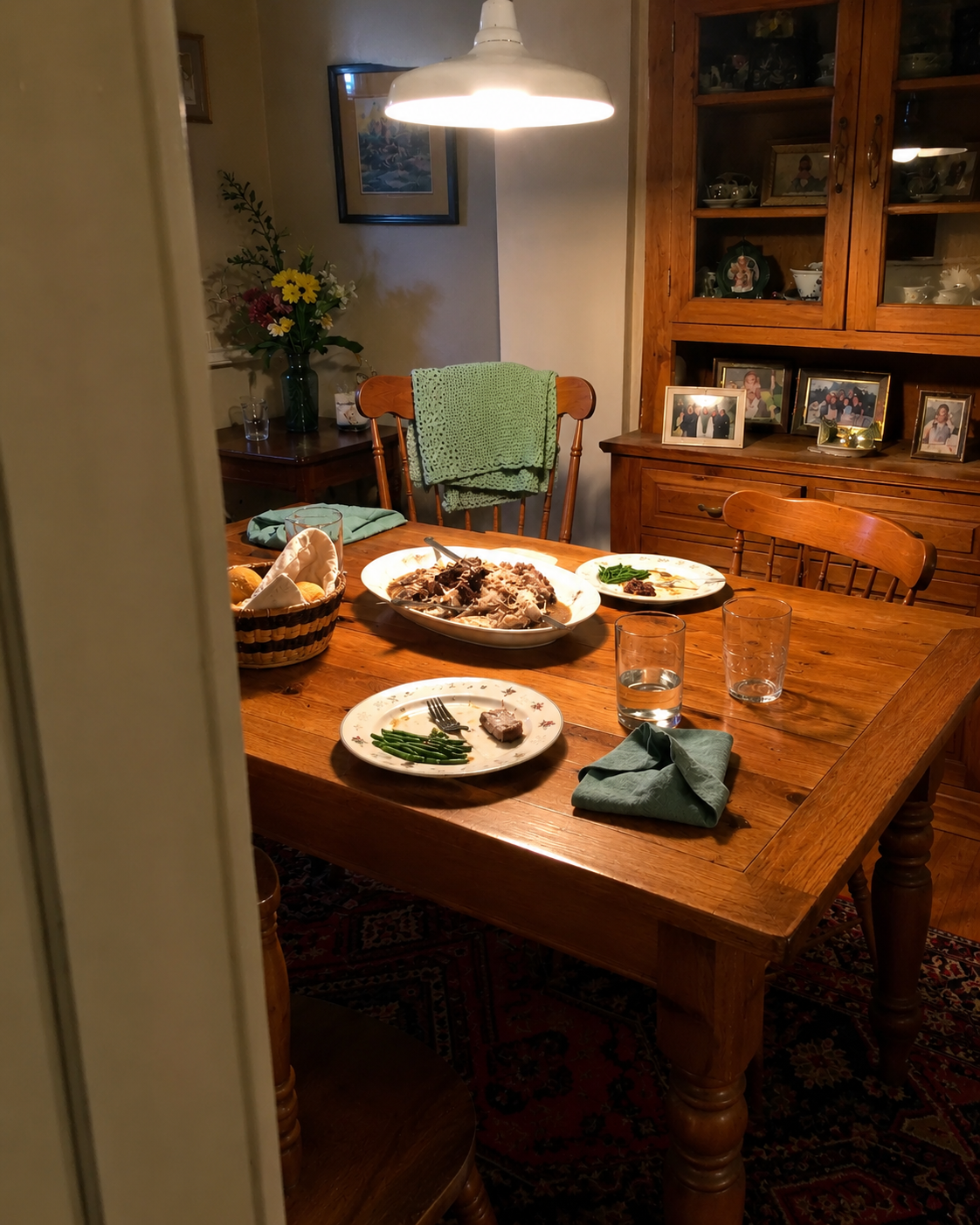
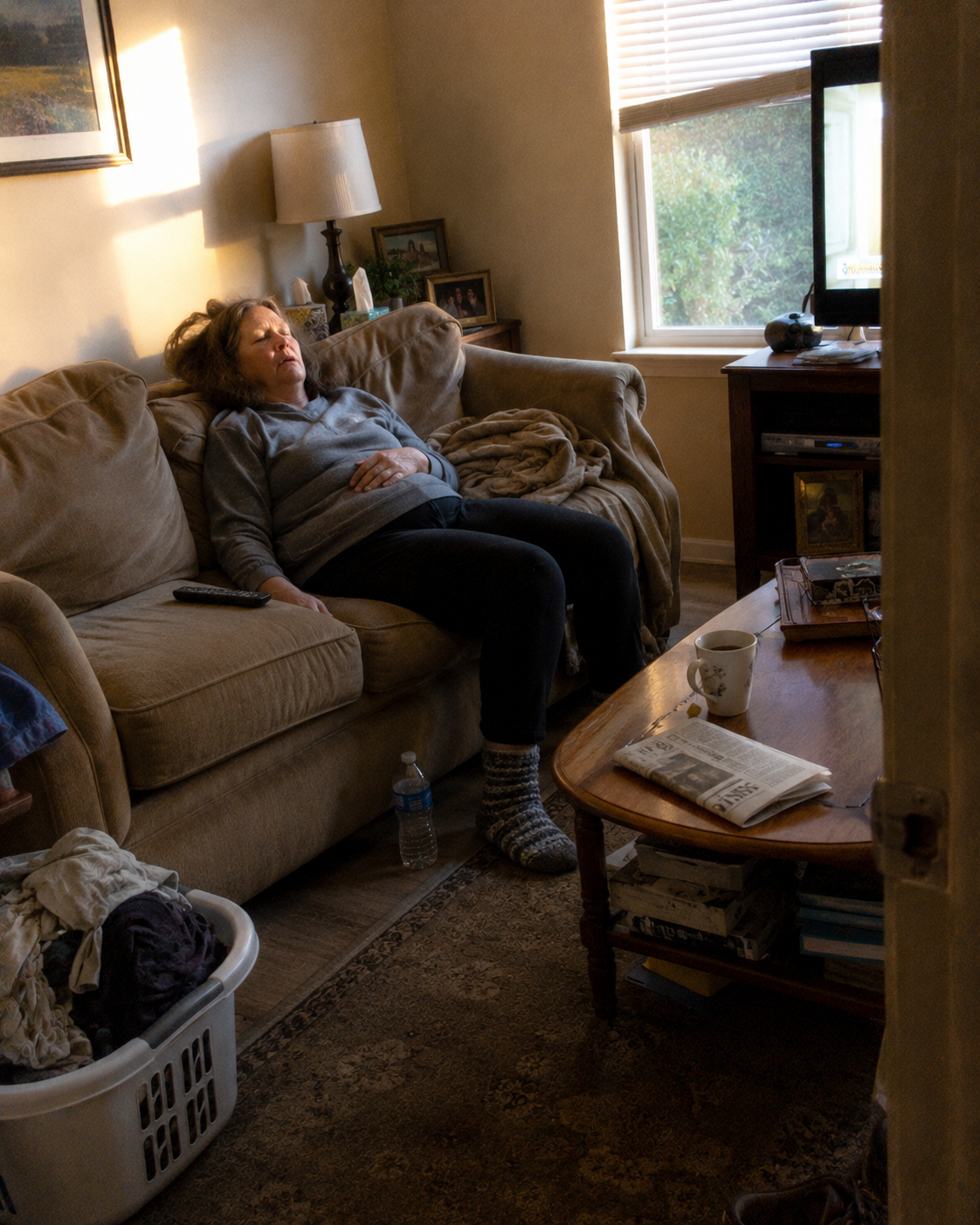
My Friend Kathleen and I Have Been Walking the Same Trail Every Saturday Morning for Twelve Years. The Saturday She Finally Told Me What She'd Been Quietly Doing for Eight Months Changed What I Thought Was Just Getting Older. Kathleen and I are both 64. We met at a school board meeting in 2010 when our youngest kids were in fifth grade together. She brought brownies. I brought a folding chair because I knew the meeting would run long. We sat next to each other for three hours and by the end of it she had my phone number and I had a brownie in my purse. We have walked the same trail every Saturday morning since the spring of 2013. The trail is in a small county park about ten minutes from her house and fifteen minutes from mine. It loops around a small lake. The whole thing is about three miles. We've done it in snow. We've done it in rain. We've done it the Saturday after my mother died and the Saturday after Kathleen's husband finished his last round of chemo and the Saturday after both of our daughters got married and the Saturday after my older son had his first baby. We have done that loop maybe six hundred times. We know the loose root at the south end. We know the bench where we always sit for two minutes around the halfway point if we're in the mood to talk and not in the mood to walk. We know which dog walkers come at which hour and we know the older man who has been jogging the same shorts since 2014. The walk is the most reliable thing in my life. It is also where I have, over the last three years, slowly become a different kind of walker. The trail hasn't changed. I have. When Kathleen and I started walking together, we both walked at about a 16-minute mile. The whole loop took us 48 minutes, plus the bench, plus the parking lot conversation, plus the post-walk coffee we'd grab if we had time. By 2018 we were a 17-minute mile. By 2021 we were 18. Last year I noticed I was a 20-minute mile if I was being honest with myself. Kathleen had stayed at a 17 or 18. I had been adjusting around the slowing without quite admitting it to myself. The bigger thing was what happened after the walk. When we started, the walk was the warm-up to my Saturday. I'd come home from the trail, shower, run errands, do laundry, cook dinner, watch a movie with my husband, go to bed at my usual time. By a couple of years ago, the walk had become the event of my Saturday. I'd come home from the trail. I'd shower. I'd sit on the couch for an hour because my legs were tired. I'd push through the errands. I'd order dinner because I didn't have it in me to cook. I'd fall asleep on the couch during the movie. My husband would wake me up around 9:30 PM and walk me upstairs to bed. Sundays were starting to feel like Saturdays used to. A little tired in the morning. Slow to get going. By Sunday afternoon I was usually fine. I didn't say anything about it to anyone. It wasn't a problem. It was just what my Saturdays had become. I was 64. This was probably just what being 64 looked like. A few other things, while I'm being honest about it. A glass of wine on a Friday night used to be free. I'd have a glass with dinner and feel perfectly fine the next morning. Sometime in the last three or four years a single glass of wine became a thing I could feel on Saturday morning. Not a hangover. Just a slight thickness. The kind of tired that says you had something last night. I stopped drinking wine on Friday nights about a year ago. Not consciously. I just slowly stopped reaching for it. A long flight used to cost me a day. I'd fly to Phoenix to see my sister, and by the next morning I was on Phoenix time and fine. The last flight I took, to see her in March, cost me three days. I didn't feel like myself until the Wednesday after I'd landed on Sunday. A weekend of helping my daughter and son-in-law move into their new house in May took me almost two weeks to fully come back from. My lower back hurt for ten days. The fatigue lasted longer than the back did. A bad cold in February stayed with me for almost a month. The acute part was the usual five days. The lingering tiredness was three weeks. I kept telling people I was fine. I wasn't fine. I was tired in a way that wouldn't lift. None of these are problems. Any one of them, taken alone, is nothing. But they had been accumulating, and I had been adjusting, and the woman who walked the trail with Kathleen on Saturday mornings was a quieter version of the woman who'd started walking with her in 2013. I was not in distress. I was just running a slower body. I had been telling myself that for two years. I want to tell you about the Saturday a few months ago when Kathleen finally said something. It was in October. The leaves were starting to turn. The lake had that flat steel color it gets when the morning is still cold but the day is going to be warm. We were about a mile in. Past the loose root. Coming up on the bench. Kathleen said: "Joan. Can I ask you something." I said: "Sure." She said: "Are you okay." I said: "I'm fine. Why." She said: "Because we've been doing this walk for twelve years and you've been getting slower on it for the last three. And I don't say anything because it's none of my business. But you came back from Phoenix in March and you told me it had taken you three days to come back from a four-hour flight. And you spent two weeks recovering from your daughter's move. And you had that cold in February that lingered for a month. And I have been watching you adjust your life around all of it and not say a word." I stopped walking. She stopped too. We were just south of the bench. She said: "I'm not bringing this up to push you on it. I'm bringing it up because I have been where you are. For about four years. And about eight months ago something changed for me. And I have been wanting to tell you what changed for me, and I haven't told you, and I think today is the day I have to tell you because I cannot keep watching you tell yourself this is just getting older." I looked at her. I said: "Kathleen. You're 64. Same as me." She said: "I know." She said: "Joan. Walk to the bench with me. Let's sit for a minute." We walked to the bench. We sat down. She told me. She said: "My daughter-in-law's mother. You've met her once. Her name is Frances. She is 72 years old. She lives in Vermont. She walks four miles a day. She still cross-country skis. She is the sharpest 72-year-old I have ever met and she is also, physically, the most recovered." "My daughter-in-law and I had Sunday dinner with my son's family back in February. Frances was visiting from Vermont. She'd flown in that morning. After dinner she helped me clean up. She was standing at my sink scrubbing a pot. She'd been on a plane that morning. She was 72. She was scrubbing a pot at 8 PM and she was fully present and she was not tired." "And I asked her about it." "I said, 'Frances, I'm sorry to be in your business, but I'm 64 and I've been on a plane and the only thing I can do at 8 PM is sit on a couch. You're 72 and you're scrubbing my pot. What is your secret.'" "She laughed." "She said, 'Kathleen. I don't have a secret. I have a lot of small things I do. The walking. The skiing. The way I eat. The way I sleep. But I will tell you one small thing I added to my routine about four years ago that I think has helped me hold steady at this age. It's not a treatment for anything. It's not a medicine. It's a supplement. It supports the body's natural recovery processes and the body's natural antioxidant balance.'" "She told me about it right there at my kitchen sink. I dried the pot she'd washed and I listened." "She said: 'I started it after my own mother passed at 91. She had been quietly steady right up until the end. She'd had her own routines for fifty years. One of the things she'd been taking for the last ten years of her life was a hydrogen supplement. My mother. 91 years old. Cross-country skied until 86. The hydrogen was something her doctor had been comfortable with her adding to her routine.'" "'After my mother passed I called her doctor. Asked him about it. He told me what the research base was. He told me what it does and what it doesn't do. He told me to talk to my own doctor before I added it to my routine, because my doctor would know my situation better than he did. I called my doctor's office. The nurse came back with the same answer. Sensible thing to add. No interactions to worry about with anything I was on. Mention it at my next physical.'" "'I have been adding one tablet to a tall glass of cool water every morning for four years. Drunk fresh, right away. Added to whatever else I was already doing. Not replacing any of it. I am 72 and I scrubbed your pot.'" Kathleen looked at me on the bench. She said: "Joan. I went home that Sunday night and I sat at my kitchen table and I thought about it for two weeks. Then I called my doctor's office. Same answer. Sensible thing to add. I've been on it for eight months." I asked her what the brand was. She said: "PrimeCell H2. It's a rapid-dissolve tablet. You drop it in a glass of cool water and you drink it right away. The reason for the protocol is that hydrogen is so small it escapes the moment it's exposed to heat or left sitting. So this brand chose to deliver it as a tablet you dissolve fresh in cool water and drink immediately. Tablet, cool water, fresh, drunk right away." "Third-party tested for purity. Once a day." "Added to everything else I was already doing. Not replacing any of it." I asked her what she'd noticed. She said: "I'm going to be careful about how I tell you this, because I don't want to overstate it. I'm one woman. My body is my body. What I've noticed might not be what you'd notice. Bodies are different. Some people notice something fairly soon. Others take longer. Some don't notice much at all." "But you asked me what I've noticed. So I'll tell you." She said: "I went to a wedding in May. It was four hours away. I drove down on Friday. Was at the wedding all day Saturday. Drove home Sunday morning. By Sunday night I was sitting on my couch reading a book. Not collapsed. Just sitting. Reading. The way I would have done at 50. I had not had a weekend like that in about three years." She said: "I helped my son move his garage out in August. Spent all day Saturday lifting boxes and pushing furniture. Sunday morning I woke up sore in the way you'd expect, but by Sunday afternoon I was up and around. By Monday I was fine. The version of me from two years ago would have been wrecked for a week." She said: "I had a cold in September. Five days. Then it was done. The kind of cold I used to have when I was 45." She said: "The walk has changed. Not dramatically. But you've noticed that I've been at a 17 or 18 minute mile while you've been at a 20. That used to bother me. It doesn't bother me anymore. I'm walking the way I was walking three years ago. The slow drift stopped. It hasn't reversed. I haven't gotten faster. I'm just steady." She said: "I think that's the most honest thing I can say about it. The slow drift stopped." She looked at me. She said: "Joan. I am not telling you to take it. I am telling you what Frances told me at my kitchen sink and what I did with it and what I noticed after eight months. I am not a doctor. Frances isn't a doctor. Frances's mother wasn't a doctor. We're three women in a chain. I'm telling you because I have been watching you adjust your Saturdays for three years, and I cannot watch you adjust for three more without saying anything." I sat on the bench and I didn't say anything for a while. Kathleen didn't push. She just sat there with me. A duck landed on the lake. A man we both recognized walked past with his golden retriever. We waved. He waved back. I said: "Kathleen. Can you write the name down for me." She pulled a small notepad out of her jacket pocket. She always has a notepad in her jacket. She wrote it down. PrimeCell H2. She handed me the page. I folded it and put it in my own pocket. She said: "Call your doctor's office first. That's the most important step. Tell the nurse what you want to add. Give her the brand name. Ask if it's a sensible thing for you to add to what you're already doing. If she says yes, get a bottle. If she says no, then no. Either way you've had a conversation you weren't going to have today." I said: "Okay." We finished the walk. We were at a 19-minute mile that day, which is faster than I'd been doing on my own and slower than Kathleen could have done on hers. We met each other in the middle, the way we have been doing for twelve years. I drove home from the trail and I sat in my driveway for a long time before I went inside. I thought about the woman I had been at 50. I thought about the woman I had been at 55. I thought about the woman who'd been driving home from this trail every Saturday and quietly adjusting around herself. I thought about Kathleen on the bench, kind and patient, saying she could not watch me adjust for three more years. I thought about Frances at the kitchen sink in February. I thought about Frances's mother. 91 years old. Cross-country skied until 86. I went inside. I called my doctor's office on Monday morning. I told the nurse what I wanted to add. I gave her the brand name. I asked whether there was any reason I shouldn't add it to what I was already doing. The nurse talked to the doctor and called me back Tuesday afternoon. The doctor had said it was a sensible thing to add. No interactions to worry about with anything I was on. Mention it at the next physical. I ordered a bottle on Tuesday night. I told my husband over dinner on Wednesday. I told him about the walk with Kathleen, and what she'd said, and what Frances had said, and what Frances's mother had done, and what the call to the doctor's office had been. He listened the whole way through. He held my hand across the table. He said: "Joan. I have been watching you adjust your Saturdays for three years. Drink the water." I cried a little. He held my hand longer. The bottle came on Friday. Saturday morning I walked the trail with Kathleen at a 19-minute mile. I came home. Showered. Sat at my kitchen table with my coffee mug and a tall glass of cool water and a tablet next to the glass. I dropped the tablet in. It fizzed. I drank the water fresh, right away. It tasted like cool water with a slight mineral edge. My husband was watching from the doorway. He said: "How was it." I said: "It was cool water." He laughed. I laughed. We had breakfast. I sat on the couch for an hour, the way I had been sitting on the couch for an hour after the walk for the last three years. The first week was indistinguishable from any other week. I want to be careful about what I tell you next, because I do not want to overstate what I noticed. I am one woman. My body is my body. What I noticed might not be what you would notice. It might be slower. It might be different. It might not be there at all. Bodies are different. What I can tell you is what I noticed. For the first eight or nine days I didn't notice anything. The second Saturday after I started, I came home from the trail and showered and sat on the couch and got up an hour later because I had thought of something I wanted to do in the garden. I went into the garden. I worked in the garden for about forty-five minutes. I had not gone into the garden on a Saturday afternoon in over a year. I didn't make a big thing of it. I just did it. I came in around 4 PM, made dinner, watched the news with my husband, and went to bed at my regular time. Sunday morning I was fine. I didn't tell anyone about that Saturday. Not Kathleen. Not my husband. I wanted to see if it was a fluke. The Saturday after that, I did the trail with Kathleen and we were at an 18-minute mile. I came home and showered and went to the farmer's market with my husband and we walked around for an hour and a half. I came home and made dinner. I read a book for thirty minutes before bed. Sunday morning I was fine. That was the Sunday I cried at the kitchen sink while I was rinsing my coffee cup. Not sad crying. The other kind. A few weeks in, my older son and his wife came down for a long weekend with my eighteen-month-old grandson. Three days. The grandson is at the age where he is everywhere, and I was the assigned grandmother on duty. I spent three days chasing him. Picking him up. Putting him down. Sitting on the floor with him. Standing back up off the floor. Making him meals. Cleaning up after his meals. The whole catalog of grandmother work. The version of me from a year ago would have been wrecked for a week after that weekend. I was fine on Tuesday. My son hugged me on Monday morning before they left and said: "Mom. You're keeping up with him better than you did at Easter." I said: "I know." That was all I said. He looked at me for a long second. He didn't ask. I didn't tell him. A couple of months in, I had a cold. It was a real one. The kind of cold that knocks you down for three days. I went down on a Wednesday. I was back up by Sunday. The lingering tiredness lasted maybe another two days. It was a cold the way I used to have colds. I want to be clear about what I am not telling you. I am not telling you the supplement cured my cold. I am not telling you it shortened my cold. I am telling you that I had a cold and I came through it the way I used to come through colds. That's an observation. It is not a claim. I noticed it because I had spent the previous February with the cold-that-lingered-for-a-month, and the cold I had this fall did not linger. It came. It went. I was on with my life. About four months in, I walked the trail with Kathleen on a Saturday in February. We were at a 17-minute mile. She didn't say anything about it. I didn't say anything about it. We walked to the bench. We sat for two minutes. We walked the second half of the loop. We were back at the parking lot in about 51 minutes. Kathleen was unlocking her car. I was unlocking mine. She looked at me over the top of her car door. She said: "Joan. We just did the loop at 17." I said: "We did." She said: "You haven't walked at 17 in three years." I said: "I know." She said: "Are you crying." I said: "A little. Just because." She walked around her car. Hugged me over my open driver's door. She said: "I'm so glad I said something at the bench." I said: "I'm so glad you did too." We got coffee after the walk. We sat at a little table in the window. The sun was warm on the glass even though it was February. Kathleen told me about her son's garage. I told her about my grandson. We laughed about something her husband had said the night before. We were two women in our 60s having coffee on a Saturday morning the way we had been having coffee on Saturday mornings for twelve years. I did not feel 47. I did not feel 50. I felt 64 and steady. That is the thing I have been trying to describe in this whole long letter. I felt 64 and steady. I'm telling you this because I think there's a chance you've been adjusting your weekends around yourself the way I had been adjusting mine. You used to bounce back from things. Now you don't. You used to take a long flight and shake it off in a day. Now it costs three. You used to help a friend move and feel it for a couple of hours. Now you feel it for a week. You used to have a glass of wine on a Friday and wake up fine on Saturday. Now you don't reach for the wine on Friday anymore because you don't want to lose Saturday. You used to do the long Saturday and have a normal Sunday. Now the long Saturday is the only Saturday and Sunday is the recovery Saturday. You're not sick. You're not in pain that a doctor would name. You've been told it's aging. You've been doing all the right things — the walking, the sleep, the diet, the supplements you read about in good magazines. You're just running a slower body. I'm not a doctor. Kathleen isn't a doctor. Frances isn't a doctor. Frances's mother wasn't a doctor. PrimeCell H2 isn't a treatment for anything. It isn't a cure. It isn't a medicine. It isn't a recovery aid in any clinical sense. It doesn't speed anything up. It is a rapid-dissolve tablet you drop into a glass of cool water and drink fresh, right away. It supports the body's natural antioxidant balance. It supports the body's natural recovery processes. It supports healthy cellular energy. It supports cellular wellness. That's the whole thing. It's added to whatever else you're already doing. Not replacing any of it. Whether your body responds the way Frances's did, or the way Kathleen's did, or the way mine has been responding, neither I nor any of us can promise you. Bodies are different. Some people notice something in the first weeks. Others take longer. Some don't notice much at all. What I can tell you is what I noticed. I noticed I went into the garden on a Saturday afternoon. I noticed I kept up with my grandson over a three-day weekend. I noticed a cold came and went in a week. I noticed I walked a 17-minute mile with my oldest friend on a February morning twelve years into a Saturday tradition. I noticed the slow drift stopped. That's what I can tell you. The rest is your phone call to your doctor and your own decision about what you want to add to your routine. P.S. If you're the woman reading this and you have been quietly adjusting your weekends around yourself for years, you're not imagining it. You're not being dramatic. You're not making it up. You've been paying attention to something real. The slow drift is what cells do over time. The drift isn't a problem. It's also not nothing. You're allowed to notice it. You're allowed to want to do something about it. Kathleen was right about me on a bench in October. I hope this paragraph is right about you wherever you're reading it. P.P.S. Kathleen and I walked the trail this past Saturday. It was the first warm Saturday of spring. We did the loop at 17 minutes. We sat at the bench for ten minutes instead of two because the sun was so good. We talked about Frances, who is now 73 and still cross-country skiing in Vermont. Kathleen has been sending Frances a Christmas card every year since the kitchen sink conversation. I told Kathleen I was going to start sending one too. She told me Frances would like that. P.P.P.S. Here's what I'd tell you to do: call your doctor's or pharmacist's office first. That's the most important step. Tell them what you want to add, give them the brand name, and ask whether it's a sensible thing for you to add to what you're already doing. If they say yes, get a bottle. Drop a tablet into a tall glass of cool water in the morning. Watch it fizz. Drink it fresh, right away — that's the whole point of the protocol. Don't change anything else you're doing. Just add this. Give it at least a month before you decide anything. Some people notice something in the first weeks. Others take longer. Bodies are different. Be patient with yours. P.P.P.P.S. PrimeCell H2 has a 90-day money-back guarantee. If you're not satisfied for any reason, every penny back. No questions asked. That's a sensible policy for a supplement — it gives you time to actually see how your body responds. I'd take the full 90 days before deciding anything. P.P.P.P.P.S. PrimeCell is a small company. They've sold out before. I keep an extra bottle in the house because I don't like to think about running out. If you decide to try it, get a couple of bottles so you don't have to think about it again for a while. The thinking is the hardest part of any of this. Once you're past the thinking, it's just a tablet in a glass of cool water in the morning. https://track.getamalahealth.com/5548c06d-d9c3-4785-b466-fec64a6fdb28 Individual experiences vary. These statements have not been evaluated by the FDA. This product is not intended to diagnose, treat, cure, or prevent any disease.
Fix Yourself at the Cellular Level
PrimeCell H2 is a next-generation molecular hydrogen tablet formulated to support your body's natural antioxidant defenses — helping you feel sharper, more energized, and more like yourself.
LEARN MORELike this ad? Make it yours.
Crush rebuilds this exact creative around your product — your brand, your colors, your offer — in about a minute.