James Hudson
James Hudson Facebook ad: “The Most Potent Formula Ever Created”
Ran for 17 days, from May 26 to June 12, 2026, the last day Crush saw it.
Run by James Hudson on Facebook. Crush is not the advertiser and does not verify its claims. See this ad in Meta's Ad Library(opens in a new tab)
Want an ad like this for your product?
Crush makes new ad images for your product from this ad: your logo, your product photo, your offer.
Trials from $19.95 USD, then $79.95 USD a month. Cancel anytime.
About this ad
- Meta Ad Library ID
- 1369307968598498
- Platforms
- Facebook, Instagram, Audience Network, Messenger and Threads
- Relaunches
- 35
- EU reach
- 186
Ad text
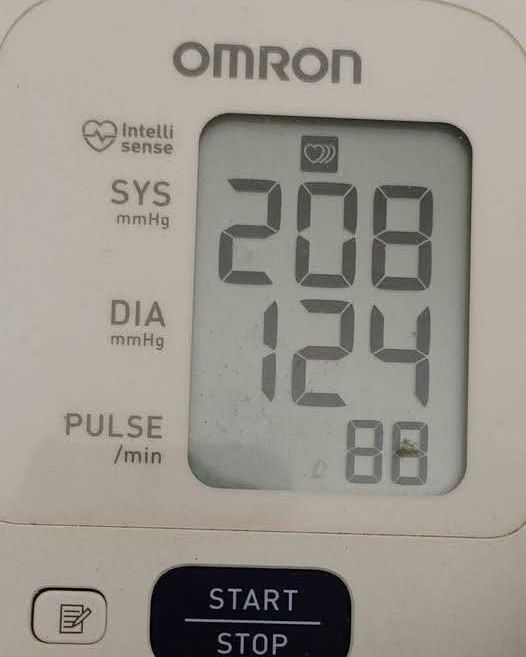
If your doctor keeps increasing your blood pressure medication but your numbers keep climbing... this is for you. My father's cardiologist kept adjusting the prescriptions for eleven years. The lisinopril worked for a while. Then it didn't. Then they added amlodipine. Then they increased both doses. Then they added a diuretic. The stroke killed him at 68. And nobody — not once in eleven years of medication adjustments — ever looked at what was happening inside his vessel walls. When my doctor told me it was time to add amlodipine to my lisinopril and "consider a beta-blocker if that doesn't hold," I refused. And what I found instead — buried in vascular biology and cellular metabolism research that most cardiologists never read — brought my systolic pressure from 156 down to 121, restored my NAD+ levels by 43%, cleared my arterial stiffness markers, and reversed what six years of blood pressure medication never could. Without adding another drug. Without another appointment where a specialist managed the number and ignored the mechanism. But to understand why I was desperate enough to spend months reading cardiovascular metabolism journals at 2am, you have to know what I watched those prescriptions do to my father. For ELEVEN YEARS — and I mean eleven straight years — my father was managed. His blood pressure started climbing at 57. His internist called lisinopril "the appropriate first-line intervention." Said it was "well-tolerated." Said most men responded well and maintained good control. Said it would handle things. Within two years, good control became less reliable. Not occasional spikes. I'm talking about a man who had been a general contractor for thirty-three years — a man who was up at 5:30 every morning, who ran job sites across three counties, who built houses with his hands — suddenly becoming someone who was exhausted by 2pm. Who couldn't think clearly in the afternoon. Who started forgetting things he'd never forgotten before. His confidence? Gone. The man who coached my Little League team for six years. Who taught me how to frame a wall, how to read a level, how to walk into any room and command it. By year four on the medications, he'd stopped bidding on new projects. Said he just didn't have the energy for it anymore. Then the fatigue became something I'd never seen in him before. Not tiredness. Erasure. He'd sleep eight hours and wake up looking like the sleep hadn't happened. The man who used to work ten-hour days and come home ready to help me with homework — started falling asleep in his chair at 7pm with his dinner half-finished. The weight crept on. He wasn't eating more. He was eating less. But twenty-two pounds appeared in the three years after his diagnosis and nobody connected them to anything. His doctor said "metabolism slows as we age." His cardiologist never asked about his weight or his energy. Then his bloodwork started doing things nobody explained. Fasting glucose climbing into pre-diabetic range. Triglycerides elevated. LDL creeping up despite dietary changes. His internist added a statin. Said "we need to protect your cardiovascular system." Nobody asked what was happening at the cellular level inside his vessel walls. Nobody measured his arterial stiffness. Nobody tested his NAD+ levels or mitochondrial function. And you know what every doctor said when we asked about what was underneath? "His blood pressure is controlled on medication. That's the goal." "Some metabolic changes are normal with age." "The medication is working. His readings are where we want them." "We can adjust the dose if needed." Year five: The amlodipine dose increased. Blood pressure still climbing. Added hydrochlorothiazide. Three medications now. Readings hovering at 142/86 on treatment. "Acceptable control," his cardiologist said. Year seven: He told me the brain fog was getting worse. Couldn't remember conversations from earlier in the day. Had to write everything down. This man who had managed million-dollar construction projects in his head — now struggling to follow a simple task list. His wife — my mother — didn't tell me directly at first. But I could hear it in her voice when she talked about him. A tenderness with worry underneath it. "He's not himself anymore," she finally said. "He's there, but he's not present the way he used to be." Year nine: He started having chest tightness on exertion. Cardiologist ordered a stress test. Significant abnormalities. Coronary catheterization showed extensive arterial disease. Three-vessel involvement. They placed two stents. Prescribed more medication. Said the vascular damage had been building for years. Nobody connected it to the cellular energy failure that had been progressing in his vessel walls for over a decade. Nobody said: the same mechanism that's been causing your fatigue and brain fog has been starving your arterial cells of the energy they need to maintain themselves. They had him on those medications for ELEVEN YEARS. Eleven years of dose adjustments. Eleven years of cardiology appointments where they measured the pressure reading and ignored the cellular mechanism underneath. Eleven years of watching his energy disappear, his cognition decline, his body quietly deteriorate in ways the cuff reading never captured. And then the stroke took him anyway. Sixty-eight years old. Eleven years of medication. Eleven years of blood pressure readings that were "acceptable" or "controlled." The vascular damage caught up. The cellular energy failure that had been reporting in his fatigue and brain fog for a decade finally reached his cerebral arteries. His numbers were "managed" the whole time. Didn't save him. Just masked the mechanism while it advanced. At the hospital my mother held my hand and said something I'll never forget: "They kept telling me his pressure was controlled, David. Right up until it wasn't enough." So fast forward to four years ago. I'm 54 years old. I exercise four mornings a week. Eat clean. Don't drink heavily. Not significantly overweight. No obvious risk factors. I go to my annual physical. Nurse takes my blood pressure. Once. Twice. Three times. "Mr. Patterson, your pressure is elevated. 154 over 92." Three days later, my phone rings. "David, Dr. Richardson needs to see you about starting treatment." I sat in the exam room. The door clicked shut. He pulled up my chart. Looked at me. "David, your blood pressure is consistently elevated. You're at 156/94 average across multiple readings. I'd like to start you on lisinopril 10mg daily. We'll monitor and adjust as needed." I stopped hearing him. Monitor and adjust. My father's treatment plan. Eleven years of monitoring and adjusting. "Acceptable control." Stroke at 68. My father's face flashed in my mind. Eleven years of prescriptions. Fatigue. Brain fog. Stroke. "Give me six months," I said. "Before medication. Let me try lifestyle intervention first." He wasn't happy. But he agreed. "If it's not under 140 by then, we start medication. Non-negotiable." For the next eighteen months, I did everything right. Cut sodium aggressively. Lost twelve pounds. Exercised six days a week. Meditated. Tracked my readings obsessively. Every three months, new measurements. Systolic: 152. Then 154. Then 158. Getting worse despite everything I was doing. The fatigue crept in. By 2pm every day, my energy dropped off a cliff. Same fog I'd watched settle over my father. The same afternoon erasure where thinking clearly felt like moving through mud. The brain fog bad enough that I started writing down client details I would have remembered effortlessly two years earlier. I'm a financial advisor. My mind is my livelihood. I couldn't afford to lose it. And every morning I took my blood pressure and saw numbers climbing, every afternoon the fog settled in, my father's voice was in my head. Telling my mother he just didn't have the energy anymore. Was this how it started for him? Dr. Richardson pulled up my chart at the eighteen-month mark. Systolic 158. Diastolic 94. He looked at me. "David, we've given lifestyle intervention a fair trial. It's time to start medication. Lisinopril 10mg. If that doesn't bring you down sufficiently, we'll add amlodipine. This is for your protection." I stared at the prescription pad and felt something building in my chest. I'd done everything he told me to do. Everything the medical establishment says you're supposed to do. Lifestyle perfect. Compliance perfect. And the answer is start the same medication that managed my father for eleven years while his vessel walls silently deteriorated? "What's causing it?" I asked. "Why is my pressure going up despite everything I'm doing?" "Essential hypertension. It's multifactorial — genetics, age-related vascular changes, metabolic factors. The medication addresses it regardless of the specific mechanism." "Are you measuring what's happening inside my arteries? Arterial stiffness? Cellular energy in the vessel walls?" He paused. "Those aren't part of the standard workup. The blood pressure reading tells us what we need to know." "Does the medication fix what's making my arteries stiff?" "The medication lowers the pressure. That's the goal." "Give me six more months," I said. "Before lisinopril. Let me look into this." He shook his head. "David, you're at 158/94. That's not a pressure we leave untreated. You're putting yourself at risk." "Six months. If I'm not below 140, I'll start the medication. But give me six months to understand what's actually happening." Long pause. "Three months. That's all I'm comfortable with. And if you have any symptoms — chest pain, severe headache, visual changes — you come in immediately." That night I couldn't sleep. I kept running the math. My father's blood pressure started climbing at 57. Stroke at 68. I was 54. Same genetics. Same trajectory. At 2am I gave up. Went downstairs. Opened my laptop. I typed: "why does blood pressure keep rising despite treatment." Forum after forum. "My husband did everything right. Lost weight, exercised, perfect diet. Blood pressure kept climbing. Four medications now. Still not controlled." "My father's blood pressure started at 55. Stroke at 66. Now mine is climbing at 52. Doctors say it's genetic. Like knowing WHY means there's nothing I can do." "I've been on lisinopril for three years. Added amlodipine last year. Readings are better but I feel worse than before I started. Exhausted all the time. Doctors say the medication is working because my numbers are down." My father's voice again. "I just don't have the energy anymore." I searched: "what actually causes blood pressure to keep rising with age." Every mainstream site said the same thing. Arterial stiffness. Vascular resistance. Genetic factors. Lifestyle interventions. Medication when lifestyle isn't enough. Manage the progression. I'd been trying to manage the progression. The progression was still progressing. So I kept digging. Looking for research on men who had actually reversed arterial stiffness. Not masked the pressure reading with medication. Actually reversed the mechanism making their arteries rigid. That's when I found the research paper. Not a blog. Not a health influencer. A peer-reviewed paper in Hypertension cross-referenced with parallel research in Nature Aging and cardiovascular metabolism journals. And it laid out — in language so clear I couldn't believe no doctor in two years had ever said it to my face — exactly what causes blood pressure to keep rising despite lifestyle intervention. The NAD+-mitochondrial-endothelial axis. Now pause for a second. You know what's insane? Every blood pressure treatment on the market focuses on the symptom. ACE inhibitors. ARBs. Calcium channel blockers. Diuretics. Beta-blockers. Every drug targets the downstream reading. Lower the pressure. Widen the vessels. Slow the heart. Block the hormones. Every protocol treats the number on the cuff — not the cellular mechanism producing it. But nobody — and I mean nobody — in standard hypertension care asks what's happening to the cellular energy inside the vessel walls. What's powering the endothelial cells. What's allowing them to produce nitric oxide. What's maintaining arterial flexibility at the mitochondrial level. And that's not an accident. Because once you understand what cellular energy depletion does to vascular function, you realize that everything I tried — and everything YOUR doctor has probably recommended — is addressing the wrong layer entirely. Here's what I learned. Your vessel walls are lined with endothelial cells. These cells produce nitric oxide — the molecule that keeps your arteries flexible and responsive to blood flow. When your arteries are flexible, they can accommodate changes in blood volume and pressure without resistance. Your heart doesn't have to work as hard. Your pressure stays normal. But producing nitric oxide requires energy. Cellular energy. Generated by mitochondria inside each endothelial cell. And those mitochondria run on NAD+ — nicotinamide adenine dinucleotide. Between age 40 and 60, your body's NAD+ production falls by more than 50%. The mitochondria in your endothelial cells run on half-empty. They can't produce adequate nitric oxide. Your arteries lose their flexibility. They stiffen. Your heart has to pump harder against increased resistance. Your blood pressure rises. And here's what happens as NAD+ keeps falling. The endothelial cells can't repair oxidative damage as it accumulates. The enzyme that produces nitric oxide — eNOS — starts uncoupling. Instead of producing nitric oxide, it produces superoxide — a reactive oxygen species that damages the vessel walls it was designed to protect. The damage accelerates. The stiffness worsens. The pressure climbs higher. This cascade is documented in peer-reviewed research. NAD+ depletion with age directly correlates with endothelial dysfunction, arterial stiffness, and systolic blood pressure elevation (Gomes et al., Cell, 2013; Ungvari et al., Hypertension, 2010). My blood pressure was rising because my endothelial cells were running on empty. The mitochondria didn't have the energy to produce nitric oxide. My arteries were stiffening. My heart was pumping against increasing resistance. But here's the part nobody told me. Blood pressure medication does nothing to restore NAD+. Does nothing to re-energize the mitochondria. Does nothing to help the endothelial cells produce nitric oxide on their own. It forces the pressure down chemically while the cellular energy deficit keeps getting worse. Lisinopril blocks angiotensin conversion. The reading improves. The cellular mechanism keeps failing. Amlodipine blocks calcium channels. The reading improves. The mitochondria keep running on empty. The cuff measures a lower number. The doctor calls it "controlled." The cells lining your arteries are still starving for energy. The stiffness keeps progressing. The oxidative damage keeps accumulating. And every year your NAD+ falls further, your endothelial function degrades further, and your cardiovascular system advances toward the same event that killed my father. I thought about my father. Eleven years of medication. "Controlled" readings. Nobody — not once — measured his NAD+ levels. Nobody assessed his endothelial function. Nobody asked if his arterial cells had the energy to maintain themselves. They just managed the pressure reading while the cellular mechanism underneath went completely untreated. They were treating the wrong layer. And here's the part that made me want to throw my laptop across the room. The medical system knows this. The research connecting NAD+ depletion, endothelial dysfunction, and age-related hypertension has been in the cardiovascular and aging literature for over a decade. The mechanism is not contested. NAD+ supplementation improves arterial function and reduces blood pressure in middle-aged and older adults (Igarashi et al., npj Aging, 2022). The science is there. But the clinical protocol for hypertension does not include NAD+ assessment. Does not measure endothelial function. Does not evaluate mitochondrial capacity in vessel wall cells. Does not ask whether the cells producing nitric oxide have the energy to do their job. Because there is no pharmaceutical drug for NAD+ restoration. You cannot patent cellular energy metabolism. There is no revenue in telling a patient that his vessel wall cells are energy-depleted. There IS revenue in lisinopril at escalating doses. Amlodipine when one drug isn't enough. A diuretic when two drugs aren't enough. A beta-blocker when three drugs aren't enough. Quarterly cardiology visits. Annual stress tests. Specialist referrals when "resistant hypertension" develops. Stents and procedures when the vascular damage finally declares itself. See how that works? Measure the pressure. Prescribe medication. Adjust the dose. Add another drug. Never measure the cellular energy driving the mechanism. Never address the NAD+ depletion. Never restore the mitochondrial function. Just manage the number on the cuff while the cells producing vascular health run progressively more depleted. Because the second you restore NAD+ to the endothelial cells, the mitochondria can produce energy again. The cells can make nitric oxide again. The arteries can flex again. The pressure comes down on its own — not because you're forcing it down chemically, but because the cellular mechanism is functioning the way it's supposed to. My father's prescriptions kept getting adjusted for eleven years while the cellular energy deficit producing his dysfunction went completely untreated. They were watching the wrong measurement. So I kept digging. Reading NAD+ research. Vascular biology. Studies on mitochondrial function and arterial stiffness. Clinical evidence on nitric oxide production and endothelial repair. Published research on cellular energy restoration. And I found compounds that kept appearing — not in supplement marketing, in peer-reviewed research — as specific interventions for cellular energy restoration that improves vascular function and lowers blood pressure. Three mechanisms kept coming up again and again. **NMN (Nicotinamide Mononucleotide) via liposomal delivery** — a direct NAD+ precursor that restores cellular energy to endothelial cells. Not standard NAD+ supplements that lose 80% of their content to stomach acid. Liposomal technology wraps the compound in phospholipid carriers that survive gastric breakdown and deliver to cells at 13.6 times the concentration of standard capsules. Clinical data: 250mg NMN daily increased blood NAD+ by 43% and significantly reduced arterial stiffness and blood pressure in middle-aged adults (Igarashi et al., 2022). The mitochondria get the fuel they need. Nitric oxide production resumes. Arterial flexibility returns. **L-Citrulline + L-Arginine combination** — not L-arginine alone, which breaks down before reaching endothelial cells. The specific pairing creates a recycling pathway inside the cells that continuously regenerates arginine, supporting sustained nitric oxide production. Clinical trials show 7.54 mmHg systolic reduction through this mechanism (Figueroa et al., American Journal of Hypertension, 2011). The arteries regain their ability to flex and respond to blood flow. **KSM-66 Ashwagandha** — standardized extract reducing cortisol by up to 32%. Chronic cortisol drives vasoconstriction through alpha-adrenergic receptors — a mechanism completely outside what blood pressure medications target. Reducing cortisol addresses a parallel constriction pathway the drugs never touch. Plus supporting compounds: CoQ10 via liposomal delivery for mitochondrial stability. Resveratrol and Turmeric Extract (95% curcuminoids) for inflammatory suppression that protects the endothelium. One formulation. Six mechanisms. Every checkpoint in the cellular energy cascade that blood pressure medication doesn't address. So I started buying these compounds separately. Different brands. Different stores. Some online from companies I'd never heard of. Measuring doses. Checking concentrations. Hoping what was on the label matched what was in the capsule. Close to $180 a month. Every single month. Just to try to restore the cellular energy my vessel walls weren't producing on their own. I did it because I was desperate. Because my father's trajectory was waiting for me. Because every reading brought my numbers closer to a conversation about medication stacking and "resistant hypertension" and all the downstream interventions that had never addressed his cellular energy deficit either. And after about ten days? Something shifted. The energy. The afternoon fog that had been settling in at 2pm for over a year — lifted. I made it through a full Thursday afternoon with clients without the mental exhaustion that had been flattening me for months. I didn't say anything to my wife. Didn't want to get her hopes up. But that evening I was helping my grandson with his math homework at 7pm — fully present, fully sharp — and I realized I hadn't felt that clear-headed in the evening in over two years. By the end of the second week the change was undeniable. The brain fog cleared. Client details I'd been reaching for came without effort. Names. Numbers. Conversations from days earlier stayed exactly where I'd left them. My wife noticed before I said anything. "You seem different," she said. "More present." "I think I might be," I said. Week three: I started tracking my blood pressure twice daily. Readings that had been averaging 158/94 were moving. 152/90. Then 148/88. Week six: 136/82 average. Below 140 for the first time in two years. Week eight: 128/78. Consistent across multiple readings. My follow-up appointment was at the end of month three. Dr. Richardson walked in. Took my blood pressure manually. Checked it again. Stared at the reading. "128 over 76." He pulled up my home log on his computer. Three months of twice-daily readings. Clear downward trend. Stable in the 120s-low 130s range for the past month. He looked at me. "David. What happened?" I told him. The NAD+ depletion. The mitochondrial energy deficit. The endothelial cells that couldn't produce nitric oxide without cellular fuel. The liposomal NMN. The L-Citrulline/L-Arginine recycling pathway. The cortisol reduction. He typed notes. Nodding slowly. "These readings are excellent. Whatever you're doing — continue it. We'll monitor quarterly. No medication necessary at this time." Then he said something I'd been waiting to hear. "This is better than I'd expect to see on monotherapy. Your diastolic improvement is particularly notable." I thought about my father. Eleven years of medication. Eleven years of dose adjustments. Nobody — not once — addressed his cellular energy. The mitochondria in his endothelial cells ran progressively more depleted while the medication managed the symptom until the stroke ended it. They were measuring the wrong thing. I walked to my car. Got in. Sat there. Then called my wife. "128 over 76. No medication. He said keep doing what I'm doing." I heard her breath catch. Then: "David." That was all she said. Just my name. The way she said it was enough. That was ten months ago. My readings this morning? 121/74. No medication. No side effects. No dry cough from ACE inhibitors. No ankle swelling from calcium channel blockers. No fog. No afternoon exhaustion. No forgetting things. No following my father's path. Last weekend I took my grandson to the hardware store to buy supplies for the birdhouse we're building together. Two hours walking the aisles. Talking the entire time. Remembering every measurement he called out, every question he asked, every piece of advice I gave him. He grabbed my hand when we loaded the lumber into my truck. "Grandpa, this is the best. Can we work on it every Saturday?" My throat tightened. Because I was present. Fully. The way I hadn't been in two years. The way my father stopped being able to be toward the end — the fog settling in, the energy gone, the man who built houses becoming someone who sat in a chair and got managed. The answer was yes. I called my mom last week. Told her my numbers. Long silence. "Your father would be proud," she finally said. "You found another way." Now here's the part you need to know. Buying those compounds separately was a nightmare. Close to $180 a month. Five different bottles. Inconsistent quality. No way to verify potency. I spent weeks looking for someone who'd put all of it together properly. Most blood pressure supplements were garbage — magnesium and hawthorn with a "heart health" label. No NAD+ restoration. No mitochondrial support. No actual cellular mechanism. Like treating an engine failure with air freshener. Then I found Boostiva. The full stack targeting cellular energy restoration in vessel walls — Liposomal NMN at clinical dose. L-Citrulline + L-Arginine combination. KSM-66 Ashwagandha. CoQ10 via liposomal delivery. Resveratrol and Turmeric Extract at 95% curcuminoids. 14 active ingredients targeting the NAD+-mitochondrial-endothelial axis that standard medication completely ignores. Third-party tested. Made in the USA. Every ingredient listed with exact amounts. No proprietary blends. No filler herbs to pad the label. For a fraction of what I was spending buying everything separately. If you're reading this, you see yourself in my story. Your blood pressure keeps climbing despite lifestyle changes. Maybe you're already on medication and it's not holding. Maybe your doctor is talking about adding a second or third drug. Maybe you can see the trajectory. Your father's cardiovascular health declined the same way — the medication adjustments, the dose increases, the quiet deterioration of something that never fully stabilized. You've tried the diet changes. The exercise. The stress reduction. Nothing brought the readings down. You've felt trapped between two options — start medication or accept that this is just genetics. That this is just aging. But now you know the truth: standard treatment targets the wrong layer entirely. Blood pressure medication forces the reading down while the cellular energy deficit producing the dysfunction runs completely unaddressed. Getting worse. Every year. You weren't getting hypertension treatment. You were getting pressure management for a cellular energy problem. Here's what I want you to know. If I hadn't found that research paper, I'd be on lisinopril right now. Probably heading toward amlodipine addition within a year. A diuretic after that. Wondering every afternoon when the fog settled in if this was how it started for my father. The energy going. The sharpness going. My wife reaching across the table and holding the hand of a man who was there but somehow wasn't. All while knowing the medication couldn't fix what was wrong — just mask the reading while the cellular mechanism producing it went untreated. But I had a choice I didn't know existed. I chose to try one more thing before medication. To find a formulation that actually targeted the cellular mechanism — not just labeled correctly. That choice changed everything. Boostiva is different. Clinical doses of cellular energy restoration compounds — not filler herbs. Standard blood pressure supplements use magnesium, hawthorn, and garlic at trace amounts. Maybe marginal vascular support. Nothing that restores NAD+ to the mitochondria actually powering your endothelial cells. Boostiva uses clinical doses of compounds that restore cellular energy, restart nitric oxide production, and allow your arteries to maintain flexibility on their own. **Targeted mitochondrial mechanism — not general cardiovascular support.** Most supplements scatter a dozen herbs at maintenance doses. A little bit of everything. Not enough of anything. Boostiva targets one mechanism — cellular energy restoration in vessel walls — with compounds at therapeutic doses. Enough to actually restore NAD+ and restart the cellular machinery. Not maintenance doses that make you feel like you're doing something while your arteries keep stiffening. **Liposomal delivery — not standard forms that never arrive.** Standard NAD+ supplements lose 80% of their content to stomach acid. They pass through your digestive system having done almost nothing. Boostiva uses liposomal NMN — phospholipid carriers that protect the compound through digestion and deliver to endothelial cells at 13.6 times the concentration of standard capsules. **Third-party tested. Made in the USA.** Most companies hide test results. Boostiva is third-party tested for potency. Every ingredient listed with exact doses. No proprietary blends. You know what you're taking. **Two-phase proof system.** Within one to two weeks: Energy shifts. Brain fog lifts. Afternoon exhaustion improves. Proof it's working at the cellular level. Over six to twelve weeks: Blood pressure readings start moving. Systolic dropping. Diastolic improving. Bring-it-to-your-doctor proof. **Try Boostiva for 60 days.** Track your readings twice daily. Notice the energy. Pay attention to the mental clarity returning. Get your blood pressure checked at the end of month two. Bring the log to your doctor. If you're not satisfied for any reason — if you don't see improvement — if you don't feel the difference — full refund. No questions asked. You risk absolutely nothing. You're at a crossroads right now. One path: Start medication. Hope you're one of the men whose pressure responds without side effects. Add a second drug when monotherapy isn't enough. Add a third when two aren't enough. Watch your numbers and wonder. Wait for the complications. Spend the next decade managing the reading while the cellular mechanism producing it goes untreated. Another path: Do what I did. Try a formula that actually targets cellular energy. Track your numbers. Give it an honest trial with zero financial risk. I chose the second path. It brought my systolic from 158 to 121. Restored my energy. Cleared my brain fog. Gave me my afternoons back. My sharpness back. My presence back. The medical system isn't coming to find this for you. They don't make money when your cellular energy recovers and your blood pressure normalizes on its own. They make money when you stay on prescriptions for life. You have to restore the cellular mechanism yourself. If you catch it early enough, you still have a window. But every month you wait, the NAD+ depletion continues. The mitochondrial failure advances. The endothelial dysfunction worsens. The arterial stiffness progresses. Every day you wait is another day of cellular energy declining. Another day of your endothelial cells struggling to produce nitric oxide. Another day of your arteries losing flexibility. Another day closer to the conversation about medication stacking, about "resistant hypertension," about the interventions that will manage the reading while the mechanism runs undisturbed. You don't have years to waste. And neither do your arteries. — David Patterson 👉 https://tryboostiva.shop/products/liposomal-nad-for-men-advanced-welness-formula --- **P.S.** I felt the energy shift within ten days. Saw readings dropping by week three. Brought logs to my doctor at month three — systolic down from 158 to 128, no medication needed. Your timeline might be different. But you won't know until you try. **P.P.S.** My brother started taking Boostiva six months ago. His systolic has dropped from 162 to 134 without starting medication. His brain fog cleared. His energy returned. He calls me every few weeks with updates. Last week he said: "I'm not going to end up like Dad." Neither am I. Neither should you. **P.P.P.S.** Boostiva has a 60-day money-back guarantee. If you don't feel the difference — full refund. No questions asked. I have never once seen a pharmaceutical company offer to return your money if their drug didn't perform. Not once. Consider what that tells you about who stands behind their product and who doesn't. **P.P.P.P.S.** If you have a cardiology appointment coming up in the next 30 to 60 days and you want to give your cellular energy a real head start before that visit — don't wait. Every day the NAD+ depletion continues is another day of mitochondrial failure in your vessel walls. Another day of arterial stiffness advancing. Another day of endothelial dysfunction worsening. The mechanism doesn't pause while you decide. And the next conversation your doctor is planning is probably about starting medication or adding another drug. You already know what comes after that. 👉 https://official.tryboostiva.shop/10-reason-why-nad
Where the ad sends people
official.tryboostiva.shop
The Most Potent Formula Ever Created
Your problem isn't "low T" or "all in your head." Researchers found 87% of men with ED have calcified arteries blocking blood flow. NAD for Men dissolves arterial plaque at the source. Within 2 weeks, oxygen-rich blood floods back, bringing your performance roaring back to life.*
See details: official.tryboostiva.shop(opens in a new tab)