
Inactive· since Aug 13, 2026
- 9
- days it ran
- 0
- relaunches
- 540
- EU reach
Ad copy
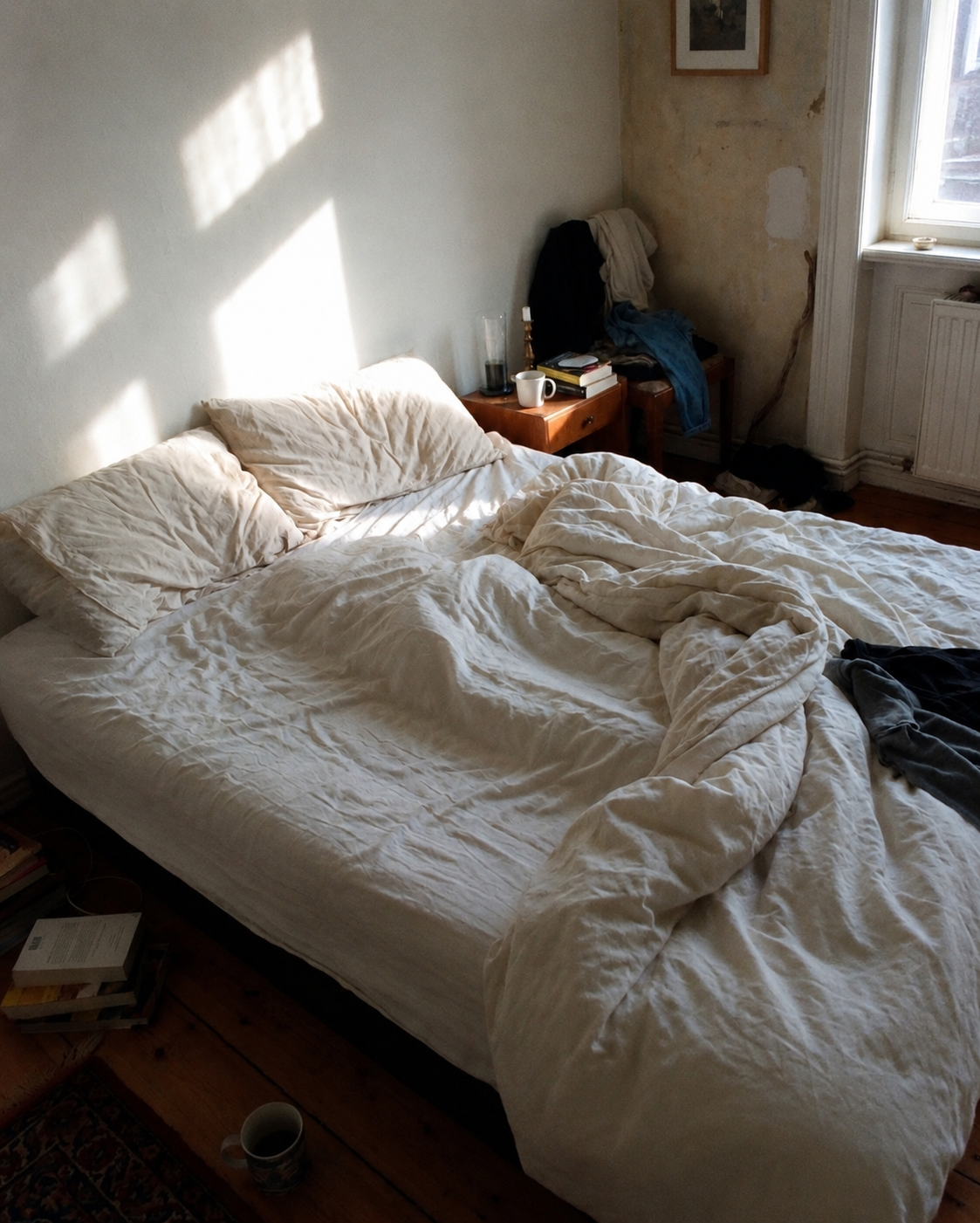
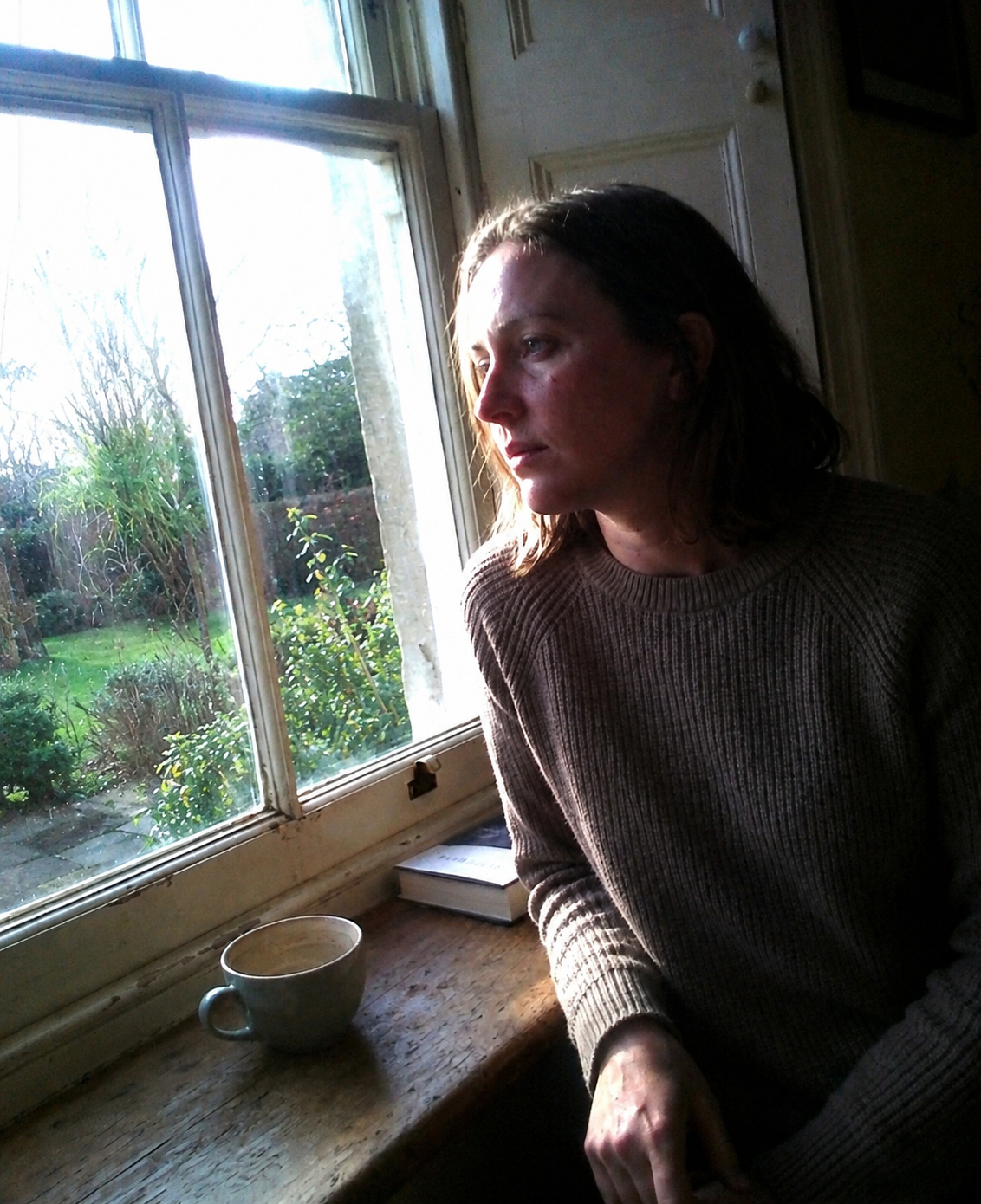
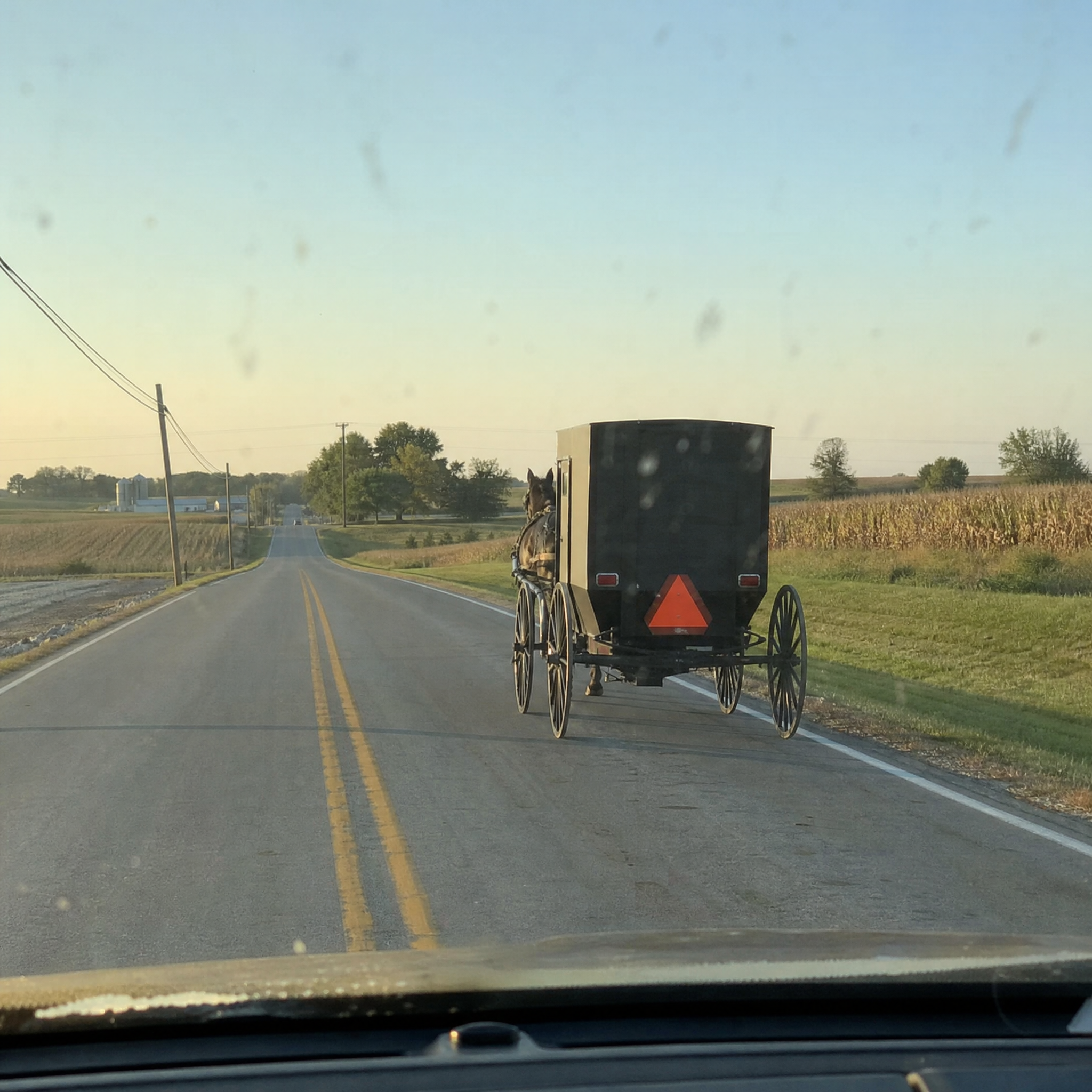
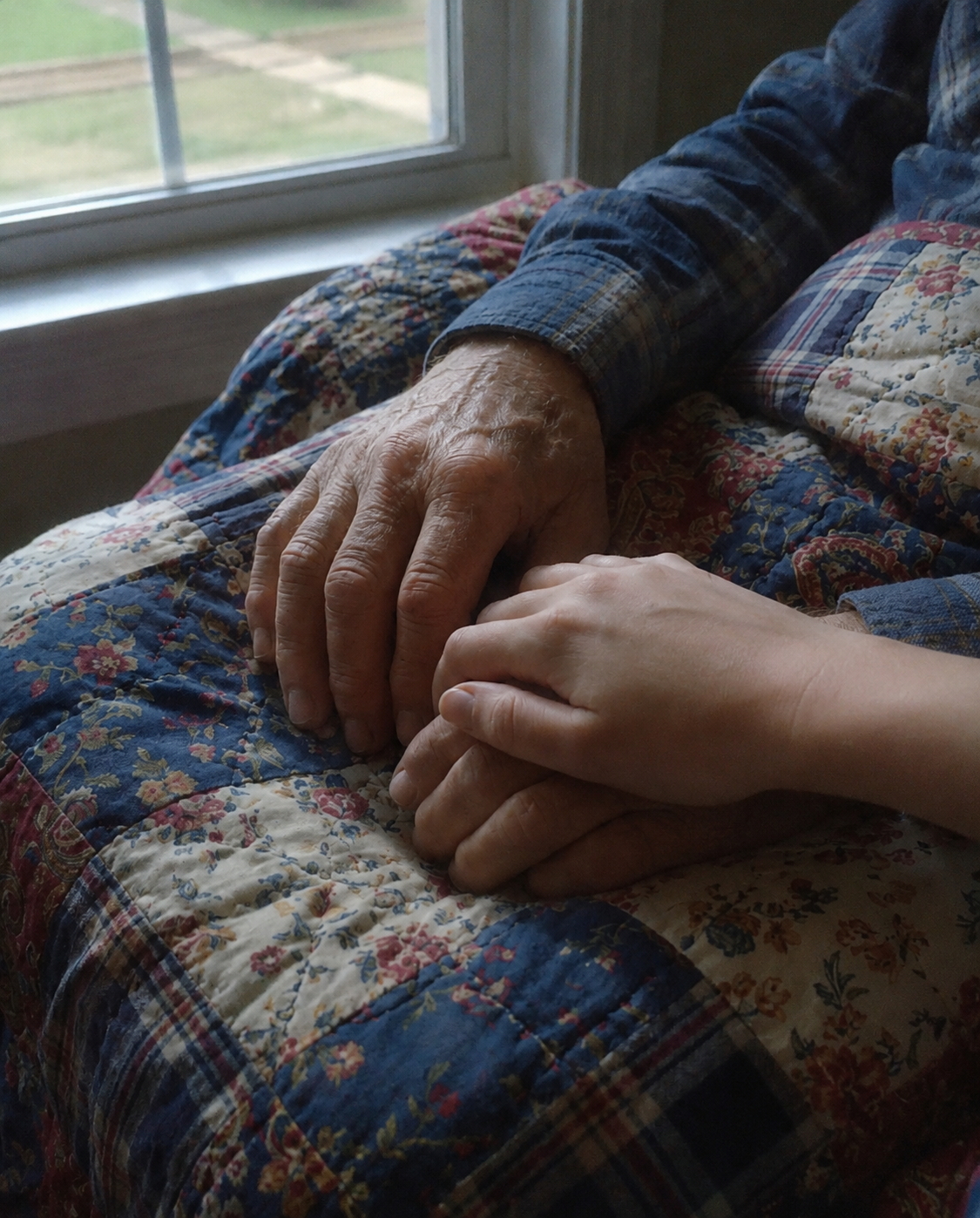
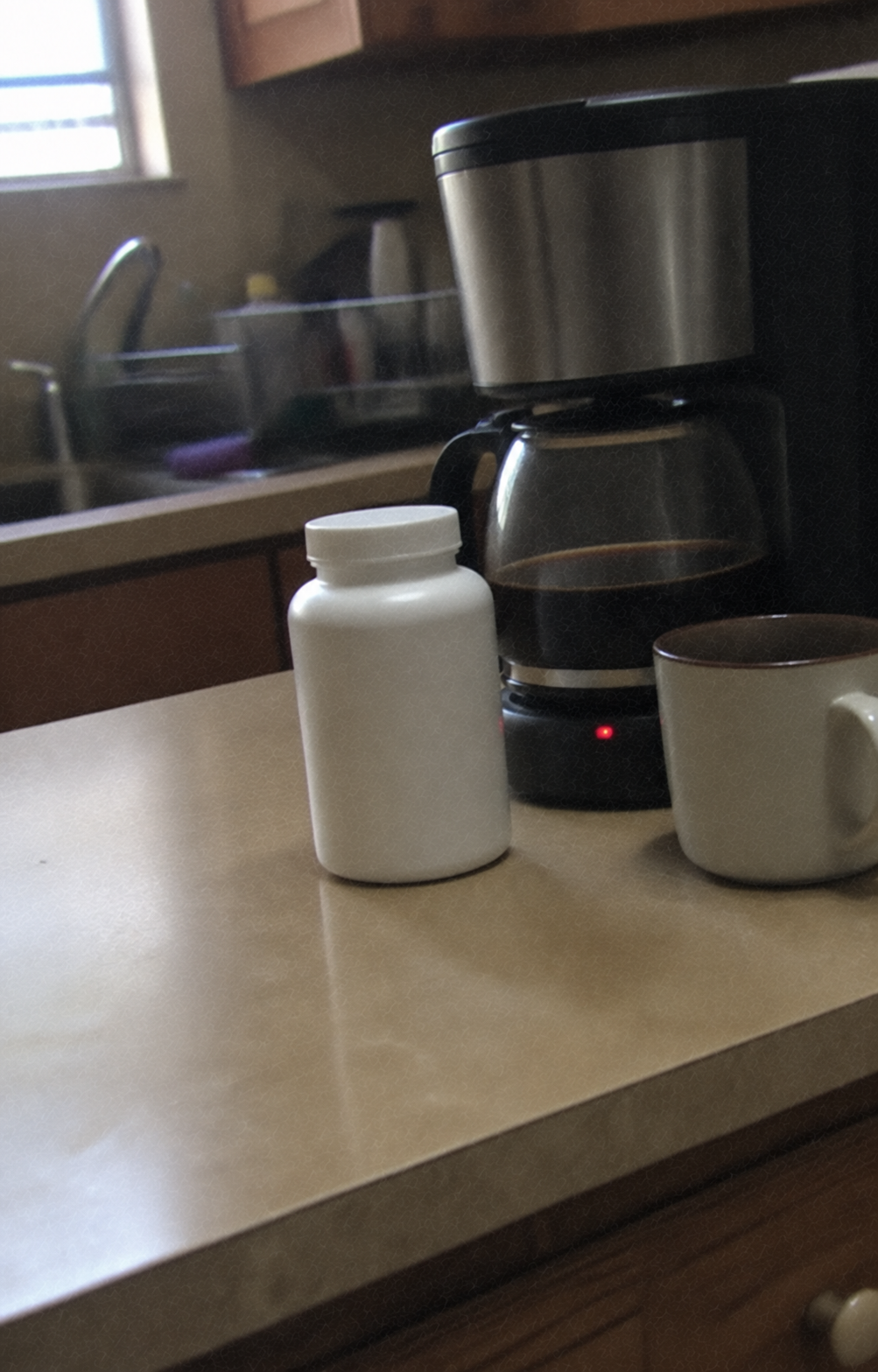
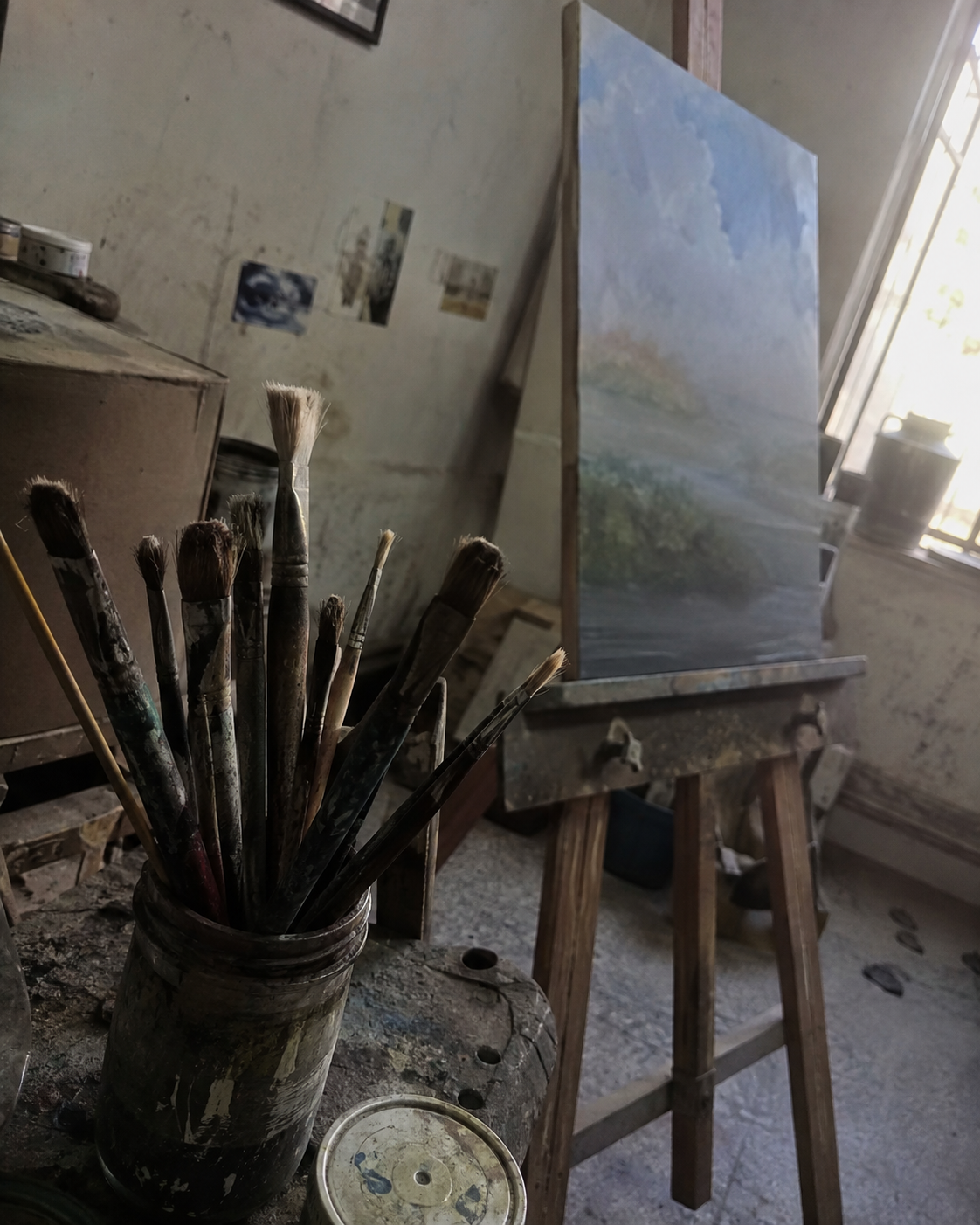
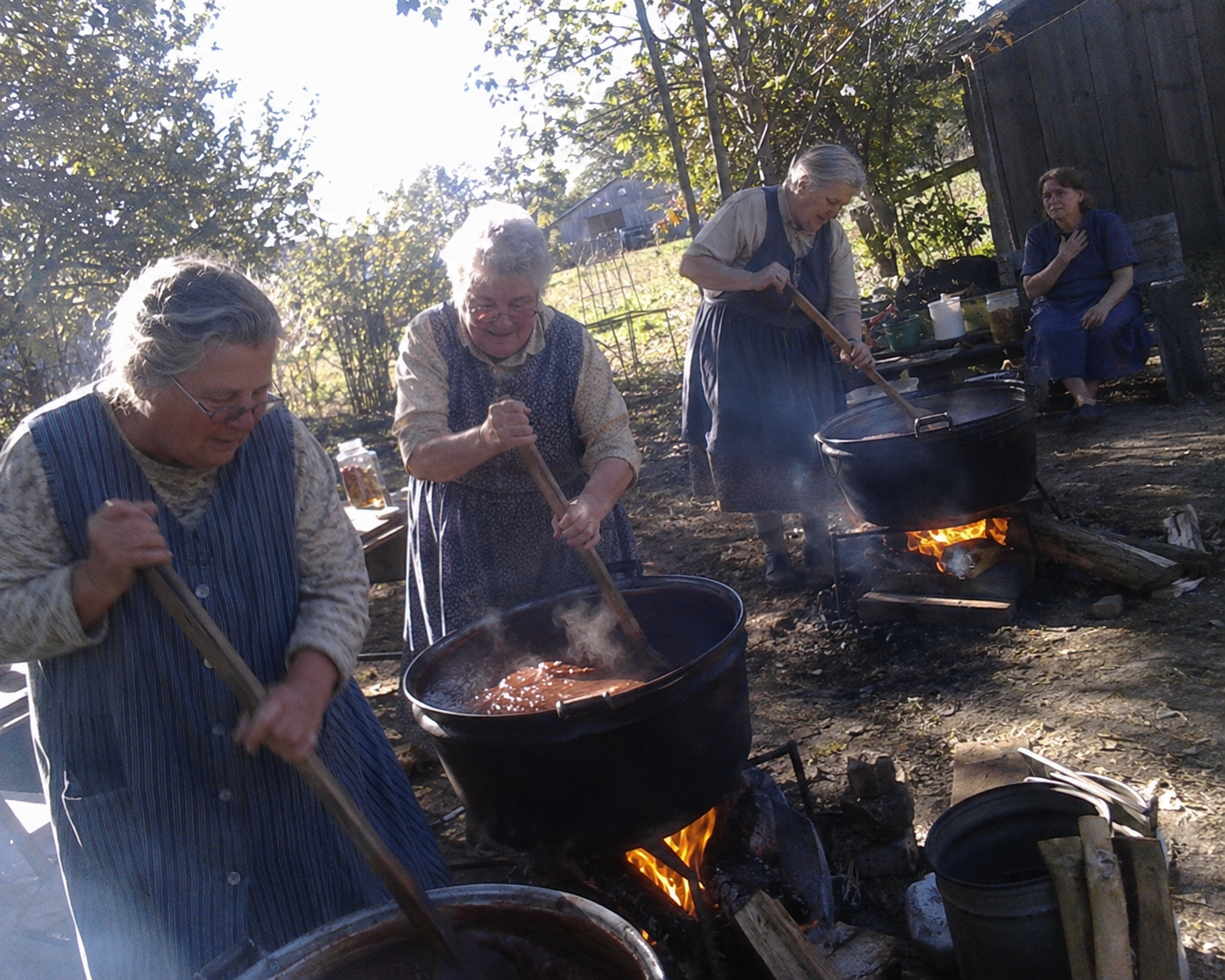
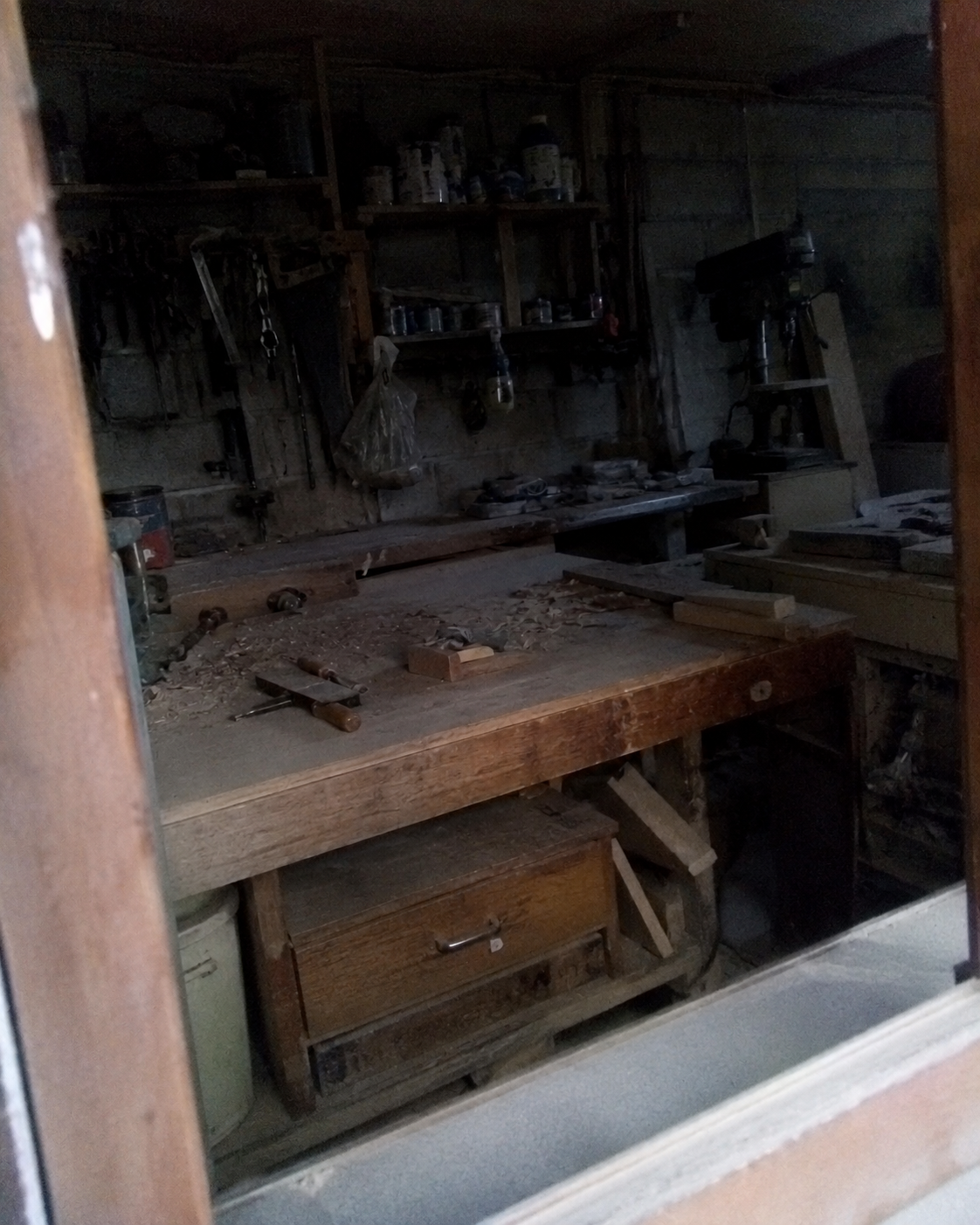
My husband built every piece of furniture in our house. his woodshop has been locked since last thanksgiving. I found the key in the junk drawer last month, under the rubber bands. That's what did it. Not the locked door — I'd gotten used to the locked door. It was finding the key tossed in with the dead batteries and the twist ties, like it didn't open anything that mattered anymore. Forty years of sawdust and radio out in that shop. Every table we eat at, every shelf we fill, every cradle our grandbabies slept in. And the key was in the junk drawer. My husband's name is Vern. He's sixty-four. For most of the forty-one years I've known him, the man was happiest standing at a workbench. He worked the lumberyard by day and the shop by night. Weekends were the shop. The radio on, the smell of cedar, and Vern at the bench until I'd call him in for supper twice. He wasn't a delicate craftsman — he was a stander, a heavy-work man. Planing, sanding, hauling boards, hours on his feet on a concrete floor and never a complaint. That's the Vern I want you to picture before I tell you what the last few years did. Because over about three or four years, the bench started charging him for every hour. It came on so slowly we both kept explaining it away. An evening in the shop started costing a stiff morning. "Slept on it wrong," he'd say. Then an evening cost a whole stiff day. Then two. His knees ached on the concrete. His back seized after the sanding. His shoulders complained hauling boards he used to carry two at a time. It wasn't that anything was broken. It was that the bill kept going up. An hour of the thing he loved, paid for with two days of moving like a man twenty years older. So — slowly, without ever announcing it — he stopped going out there. First the projects got smaller. Then the radio went quiet. Then last Thanksgiving he finished a toy chest for the grandkids, locked the door behind him, and just... didn't go back. "I'll get out there when the weather warms," he said. The weather warmed. The key went in the junk drawer. And my husband started watching television in the evenings instead, with a heating pad behind his back, while every piece of furniture in the room sat there reminding both of us who he used to be. We went to his doctor about it. More than once. Dr. Hartwell is thorough and kind. He checked Vern over properly — the knees, the back, the shoulders — and ran what there was to run. And it came back, in his words, unremarkable. "Vern, for sixty-four, this is fairly normal wear and tear," he said. "Nothing here that alarms me. Joints get older. Stay moving, keep your weight where it is, keep doing what you're doing." Here's how that landed, and if you've heard it, you know. It should've been a relief. Nothing serious. But when a man has quietly locked the door on the thing he loved most, and every test says it's just wear and tear, "nothing serious" doesn't feel like good news. It feels like a door closing. A second one. It feels like: this is just it now. The heating pad, the television, the key in the junk drawer. This is the rest of it, and there's nothing even to fix, because officially it's just age. The chart said unremarkable. The shop sat dark. And there's no line on a chart for a locked woodshop. I'd half-made my peace with the word everyone hands you. Age. He's sixty-four. This is what it looks like. And then our daughter took us out to an apple harvest, and an old man at a cider press took that word away from me for good. Let me explain how we got there. Our daughter, Tess, is the bridge. Tess is a graduate researcher. She'd spent the better part of a year embedded with a Plain farming community out in the countryside — living near them, boarding with one of the families, studying how they live and work and, the part that ended up mattering to us, how their old people keep moving so well for so long. She's careful about what she is. "I'm not a doctor, Mom," she must have said forty times. "I study how communities live. Lifestyle. Patterns across generations. That's all." She's almost stern about the line, and I came to be grateful she is. It was apple season, and the family she boarded with was hosting the cider pressing — the whole community hauling in crates, feeding the press, jugging the cider, an all-day affair. They were fond enough of Tess to say bring your folks. "You have to see it, Dad," she told Vern. "Especially you." So we drove out on a cold, bright October Saturday. And what I watched at that press rearranged something in me. It was heavy, repetitive, all-day work — lifting crates, cranking the press, hours on your feet on cold ground. The kind of work that would have cost my husband three days. And the men doing the most of it were old. Seventies. One of them — feeding the press steady as a metronome, crate after crate, all morning — was seventy-eight. Somebody told me so. And there was my Vern, sixty-four, fourteen years younger, finding a hay bale to sit on by mid-morning, a hand pressed to the small of his back. The old man at the press saw it too. These old men miss nothing. At the noon meal — long tables, the smell of cider and woodsmoke — the old man sat near us. His name was Eli. He'd watched Vern ease himself down onto the bench, both hands, the careful lower. And he said it, kindly, almost to himself, the way those men say things: "A hinge that swings every day never rusts shut. It's the gate nobody opens that seizes." I asked him what he meant. He took his time. None of them hurry. "A body's full of hinges," he said. "Knees, back, shoulders. You swing them every day — gentle, steady, every day — and they stay willing. You stop swinging them, even to be kind to them, even to rest them, and they start to set. Not all at once. A little more each season. And then a man goes to open the gate one day and finds it rusted, and he thinks the rust came from the years." He shook his head slowly. "The rust doesn't come from the years. It comes from the standing still." He nodded at the old men around the press. "Those fellows have swung their hinges every day of their lives. Nobody told them to stop, so they didn't, so they can. It's no secret and no miracle." Then he looked at Vern — at the hay bale, the careful way he sat — and his face was gentle. "Your man's hinges have set a little, I think. Maybe the work let him stop. Maybe the aches talked him into resting, and the resting made more aches. It goes that way. But set isn't seized. A hinge that's set can be worked free — gentle, steady, a little oil. It's only the gate left shut for good that rusts through." I sat there with my cider going cold, because for the first time in three years someone had described exactly what I'd watched happen to my husband. The bill. The resting. The locked door. The key in the junk drawer. That night I couldn't sleep. In the morning I asked Tess — was there something under what Eli said, or just an old farmer's poetry? And what was the "oil"? Careful Tess held up both hands before she'd say a word. I could hear her doing it down the phone. "Mom. Before I say anything. I'm not a doctor. I'm not pretending to be one, and nothing I'm about to tell you is medical advice. Promise me you'll take it to Dad's doctor before you do a single thing. Promise me, or I'm not saying it." "I promise." "Mean it." "I promise, Tess. Doctor first." And then she told me. She told me what a year of notebooks had taught her. Not a theory of medicine — she was strict about that. Just what she'd watched, and then gone and read about, carefully, from real sources. "Part of it is exactly what Eli said — they never stop moving, so they never set. That part's free, Mom, and Dad needs it no matter what else you do." "But you asked about the eating, and yes — they eat from their own ground, and one of the things they grow by the bushel and put up for winter is beets. The deep red ones. There were three crocks of them at that lunch. You probably didn't notice." "And it's not folklore — beetroot is one of the most researched ingredients in the whole cardiovascular and wellness category. Decades of real study. Not a fad." "The reason people study it is a compound group called betalains. That deep red pigment — the stuff that stains the cutting board. That's the active part. One of the more potent antioxidants in the food supply." "And it does what?" I asked. "It supports things." She leaned on the word. "Supports the body's natural antioxidant balance. Supports a healthy inflammatory response — the body's own normal, everyday housekeeping, the kind that quietly slows down as we get older. Supports healthy joints and everyday movement. Supports healthy circulation." "Support. That's the honest word and the only one I'll use. It's not a treatment. It's not a painkiller. There's nothing to treat — Dad's healthy, his own doctor said so. It's not a replacement for one single thing he's doing." "It's support for the layer underneath the 'wear and tear.' The hinges, if you want Eli's word for it. The layer nobody at the appointment is even looking at, because it doesn't show up on the panel." The hinges. My daughter and the old man at the press, landing on the same thing without ever planning to. She told me one practical thing more. "How they make it matters, because betalains are heat-sensitive. The cheap fast way uses high heat, and the heat wrecks the good part. The cooked-out stuff goes brown." "You want the kind that's cold-pressed at low temperatures. Keeps the betalains intact. The real thing's a deep dark crimson." Then the part she said slowest. "Talk to his doctor or pharmacist first. Make sure it's fine with whatever he takes. Then add it — don't change anything else, and get him moving again alongside it, gentle and steady, the way Eli said. And don't expect a light switch. It's not a drug that flips on. Bodies are different. Weeks, not days. Some feel it early, some take a while, some not much. Go in with your eyes open." I called Dr. Hartwell's office that Monday. I told the nurse exactly what it was — organic beetroot, the dose, cold-pressed — and asked plainly whether it was alright to add to everything Vern was already taking. She put me on hold. She came back a few minutes later and said it was a sensible thing to add, that she saw no concern alongside anything he takes, and to mention it at his next visit so it could go in the chart. I wasn't going to guess with my husband. I asked the people whose job it is to know. They said go ahead. Then I told Vern. About Eli and the seventy-eight-year-old metronome at the press. About the hinges and the gate. About Tess's careful speech and the nurse saying it was fine. He was quiet a while. He'd watched those old men too. He'd done his own math on that hay bale. He turned the bottle over in his hands. "I miss the shop," he said. Quiet. "I miss the radio and the cedar smell. I just got tired of paying two days for every evening." "Then let's see if we can get the bill down," I said. "Two capsules and a glass of water, and a little gentle moving every day, the way the old man said. The doctor's office says it's fine. Tell me what we lose." "Nothing," he said. "We lose nothing." He started the next morning. Two capsules of cold-pressed beetroot. A tall glass of water. Right beside his coffee. And a slow walk around the block after, every day, because Eli's half of the advice was free. Added to everything else. Nothing taken away. Just added on top. Now — I'm going to be honest about this part. Because I don't trust stories that promise the world, and I won't tell you one. I don't know exactly what did what. We changed two things at once — the beetroot and the daily moving — and I genuinely cannot tell you which one did the work, or whether it was both, or whether it was October hope and a stubborn man deciding to want his shop back. I'm a wife, not a laboratory. I'll just tell you what I watched, in order. You decide. The first thing was the mornings. About three weeks in, I noticed he wasn't coming down the stairs like a man negotiating with each step. The thaw-out time — the stiff first hour he'd had for three years — got shorter. It wasn't every morning at first. But it started being most mornings. I didn't say anything. Didn't want to jinx it. The second thing was the bill. Maybe six weeks in, he spent a real afternoon raking and bagging leaves — more than he'd done in a year — and I braced for the two-day toll. It didn't come. Next morning he was a little stiff, and by mid-morning he was moving fine, and by afternoon he'd forgotten about it. The bill had come down. The hour of work stopped costing two days. That's the whole story of those weeks, in one sentence. The third thing I'll keep until I die. It was a Saturday in early winter. I was doing dishes and I heard something I hadn't heard in over a year. The radio. Out in the shop. Muffled through the walls, the way it had sounded through forty years of suppers. I went out back, and the shop door was open, and the light was on, and there was sawdust in the air and Vern at the bench, planing a board, the radio going. He looked up at me and grinned like a boy caught at something. "Bonnie," he said, "I'm making the grandkids a sled." I stood in that doorway in the cold and let him see exactly what my face was doing. I'd hidden it enough times. The small returns kept coming. Not all at once. One at a time, across the weeks. The walk around the block became a loop around the neighborhood. The shop evenings came back — shorter than the old days, but his. An hour, an hour and a half, the radio on. And the next mornings didn't punish him for it. The heating pad migrated from behind his back on the couch to a drawer. And the key came out of the junk drawer and went back on its hook by the door, where it had hung for forty years. I'm not telling you my husband is forty. He isn't. There's no magic here and I promised I wouldn't pretend there was. He's sixty-four. He still has stiff mornings. The knees still report the weather. Some days the bench still sends a bill, and he pays it and grumbles. But the woodshop man — the stander, the radio-and-cedar man, the one who built every piece of furniture in this house — he's been coming back to me in pieces. And there's a half-built sled out there with two grandkids asking about it daily. Vern had his follow-up with Dr. Hartwell a few months in. The doctor had him move the usual ways — bend, reach, the knees, the back. And partway through he stopped, and looked at Vern, and said, "You're moving easier than last time. Better range, less guarding. Whatever you've changed, keep it up." Vern told him about the beetroot — and the daily walking. Said he hadn't changed anything else worth mentioning — just added the two things, with the office's okay. Dr. Hartwell nodded and made a note. "Sensible things to add, both of them," he said. "There's good research on antioxidant support, and the movement is the best thing you can do for joints at your age. No concerns. Keep doing what's working." He didn't promise us it was the beetroot. He couldn't have, and he'd have been wrong to — we'd changed two things, and he said the moving mattered too, and I believe him. But Vern walked out of there easier than he walked in, and that was enough for me. In the truck on the way home, Vern reached over and squeezed my hand — that small automatic thing he hadn't done in years — and said: "I feel like myself again. I didn't think I'd get him back." I kept my eyes on the road. He'd seen my face in the shop doorway. Once was enough for one winter. I'm telling you all of this because there's a fair chance you're watching a Vern of your own. A stander, a maker, a worker — someone whose body started charging them double for everything they loved, until they quietly locked the door on it and called it being sensible. The heating pad. The television. The key in the junk drawer. Their chart "unremarkable," their aches "normal wear and tear" — while the place they were most themselves sits dark, and everyone calls it their age. If something in you has been saying this is more than just getting old — that the surrender came too cheap, that "wear and tear" doesn't explain a locked door — then I'd listen to that quiet voice. The doctor's been reading the chart. You've been listening for the radio through the wall. On the things the chart shrugs off, you might be closer to the truth than the chart is. I went looking for one thing Vern could add. Not a cure. Not a painkiller. Not a replacement for anything. One thing, with real research behind it, that might support the layer the "wear and tear" was hiding — the body's natural antioxidant balance, a healthy inflammatory response, healthy joints and everyday movement, healthy circulation. That, and the free half of Eli's advice: gentle, steady, every day. What I found was beetroot. The brand I added to Vern's morning is Rosabella. 1,300 milligrams of organic beetroot per serving, cold-pressed at low temperatures so the betalains stay intact — that deep dark crimson, not the cooked-out brown. Two capsules with a glass of water in the morning. Added to everything he was already doing, in place of none of it. Talk to your doctor or pharmacist before you add any new supplement to existing care — especially if there's medication in the picture. That one phone call is what let me do this with a clear conscience. It's the first thing I'd tell anyone to do. It's what Tess made me promise before she'd say a word. That's the whole story. I found the key to my husband's woodshop in the junk drawer, an old man at a cider press told me a set hinge can be worked free, a nurse said the beetroot was fine, and a few months later I heard the radio through the wall again. P.S. If someone you love has quietly locked the door on the thing they loved most — the shop, the garden, the kitchen, whatever it was — and every test says it's just wear and tear, and everyone calls it their age — you're not imagining it, and you're not being dramatic. An unremarkable chart and a locked door can belong to the same person. I needed to find a key under the rubber bands to stop accepting it. I'm telling you now, in this much detail, so you don't have to. Go look at what they've locked up. That's where the truth is. P.P.S. We went back out for the spring planting. Vern brought Eli a gift: a cider-jug rack he'd built in the shop, oak, the joints tight as a drum. The old man ran his thumb along the corners the way makers do, and looked at Vern a long moment, and said, "The hinge swings." That's all. Tess says it's the highest compliment she heard the whole year she lived out there. Vern's got it written on a scrap of cedar above his bench. P.P.P.S. Here's exactly what I'd tell you to do, in order. First: check with the doctor or pharmacist — this matters most if there's any other medication in the picture, so don't skip it. Second: once they've said it's a sensible addition, two capsules with a tall glass of water in the morning. Third: don't change anything else they're doing — but do add the free half, the gentle daily moving, because the old man was right about the hinges. Fourth: give it a couple of weeks, at minimum, before you decide anything. Some people notice something shift early — easier mornings, a bill that comes down, a door unlocked. Others take much longer. Some don't notice much. Bodies are genuinely different, and anyone who promises you a timeline is selling you something. Be patient with theirs. P.P.P.P.S. Rosabella has a 90-day money-back guarantee. If you're not satisfied for any reason at all, every penny comes back, no questions asked. It's a sensible policy for a supplement — it means the only thing you're really risking is a few weeks and a little patience. You get plenty of time to see for yourself before you've committed. P.P.P.P.P.S. Rosabella is a small operation. They harvest and bottle on their own schedule, the way that community presses cider on its own schedule, so I keep an extra bottle in the cupboard just in case. Vern takes his every morning with his coffee, and I started taking it too — my own hinges aren't getting younger, and I'd rather oil them now, while they still swing, than find my own keys in a junk drawer someday. Eli's words turned out to be the truest thing anyone said to us in those quiet years: the rust doesn't come from the years, it comes from the standing still — and the time to support what's still working is while it's still working. It's evening as I write this, and there's a radio playing through the wall, and the smell of cedar when the back door opens. The sled got finished, by the way. Painted red. The grandkids wore a groove in the hill with it. He's building a second one now, because they fought over the first. That's where it starts again, sometimes. A key back on its hook. A radio through the wall. Two capsules and a glass of water beside the morning coffee. Individual experiences vary. These statements have not been evaluated by the FDA. This product is not intended to diagnose, treat, cure, or prevent any disease.
Support stamina and heart health everyday
LEARN MORELike this ad? Make it yours.
Crush rebuilds this exact creative around your product — your brand, your colors, your offer — in about a minute.