
Inactive· since Aug 27, 2026
- 9
- days it ran
- 0
- relaunches
Ad copy
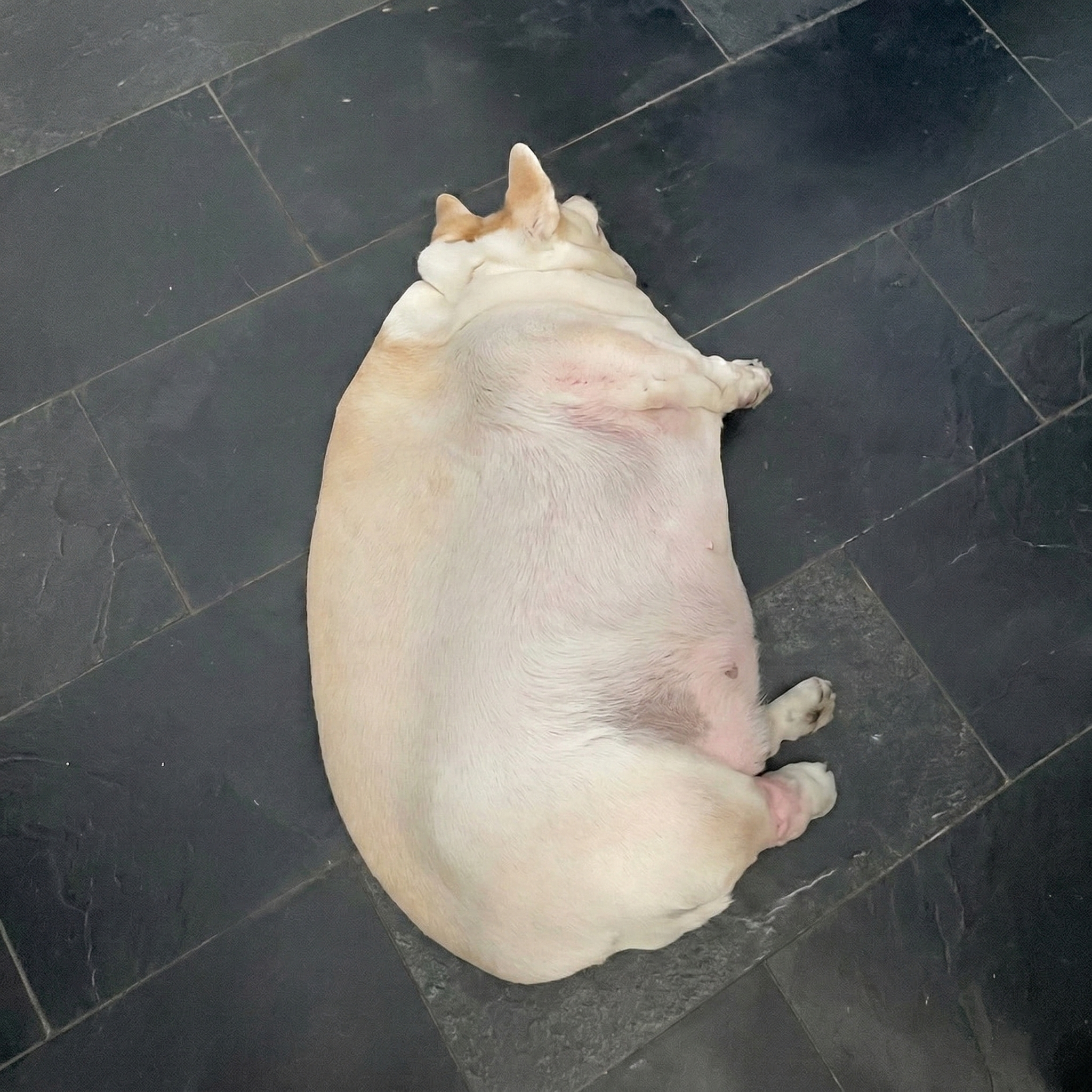
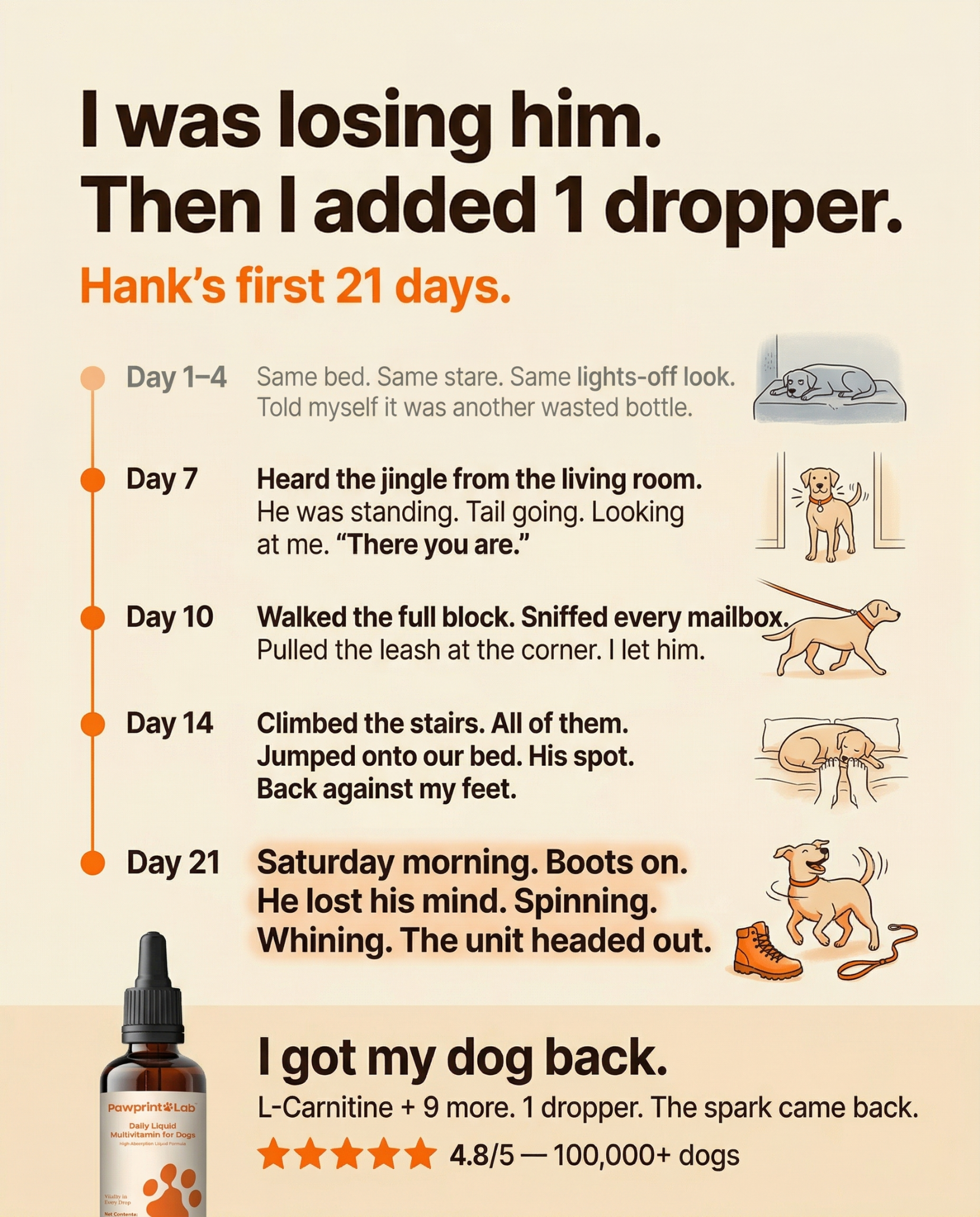
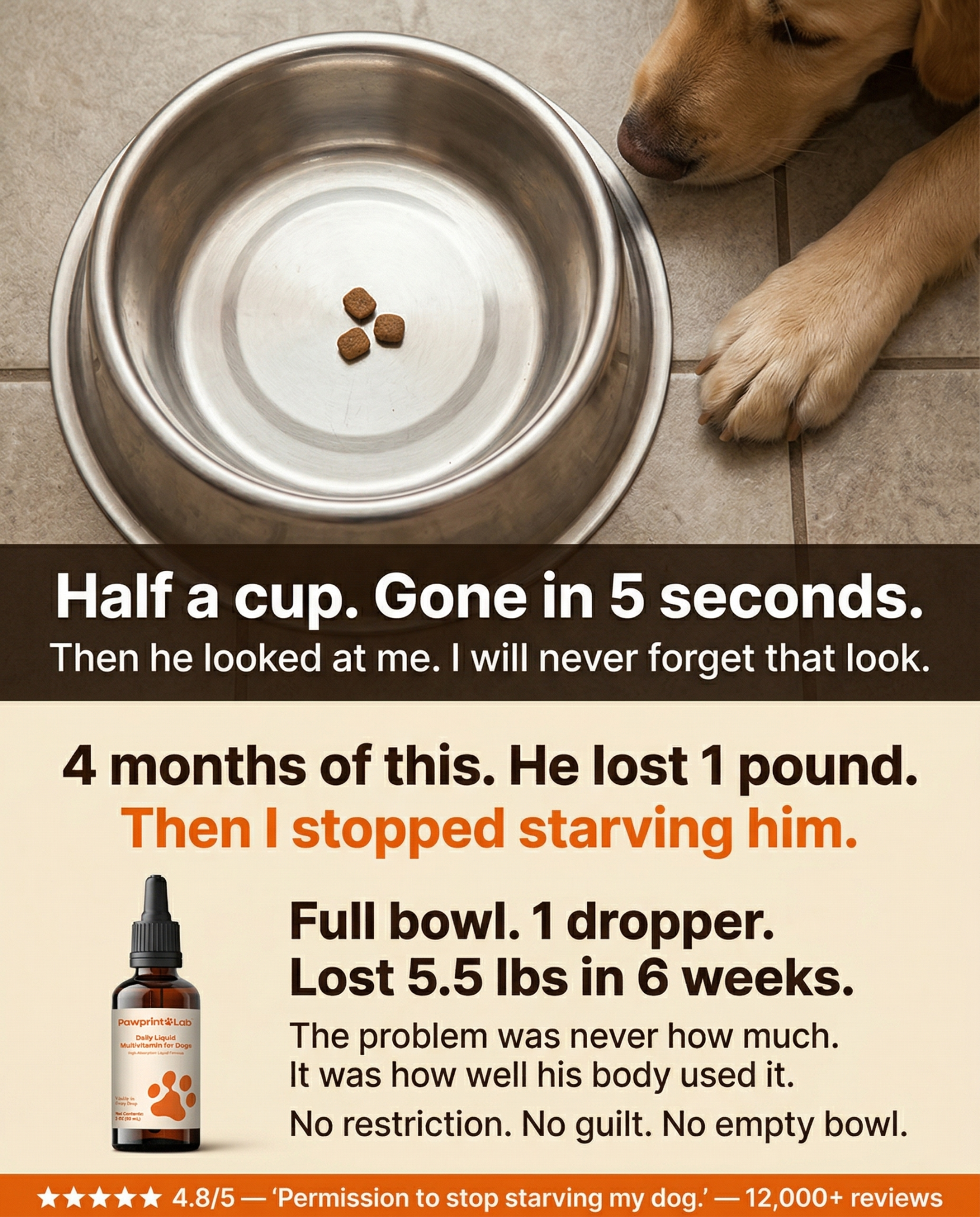
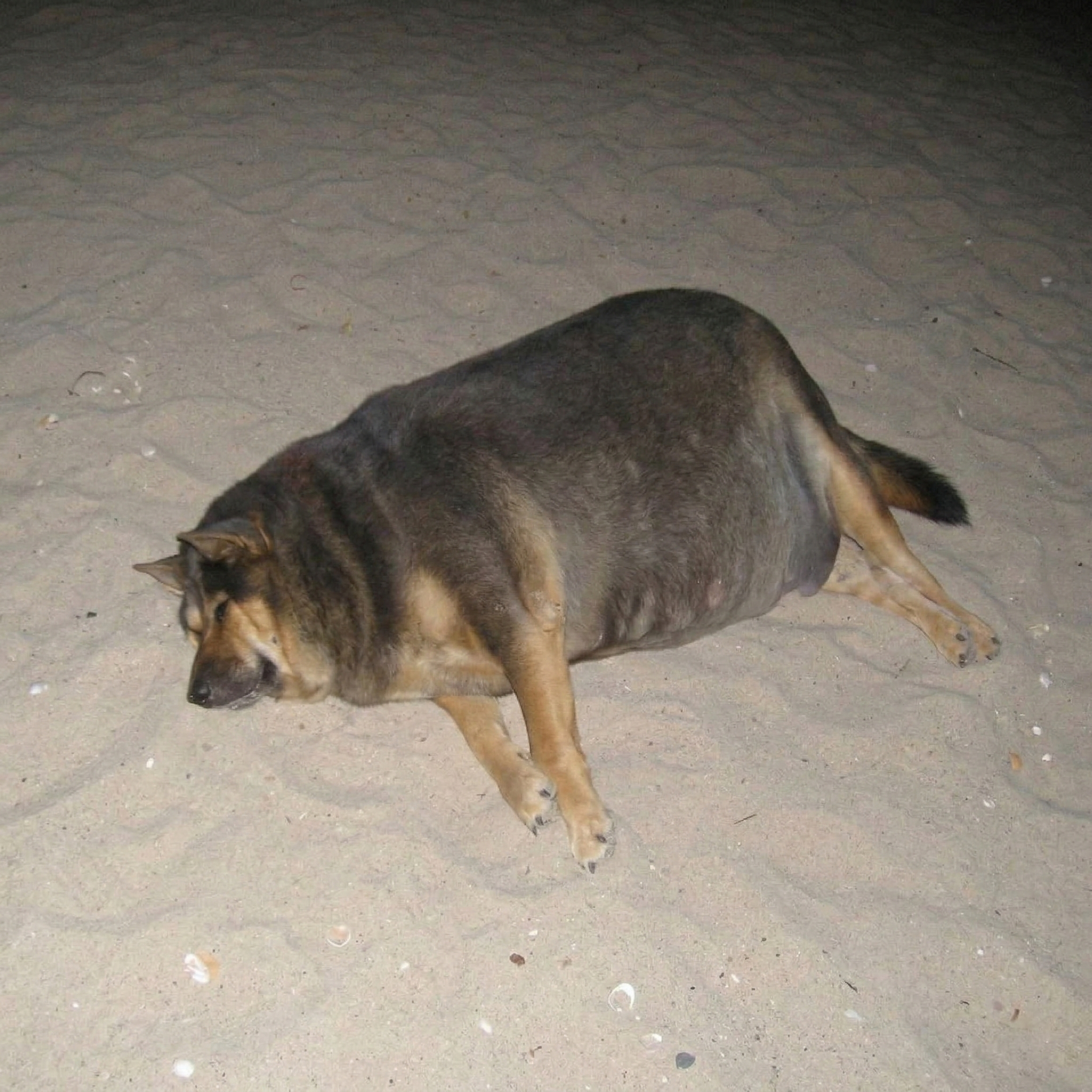
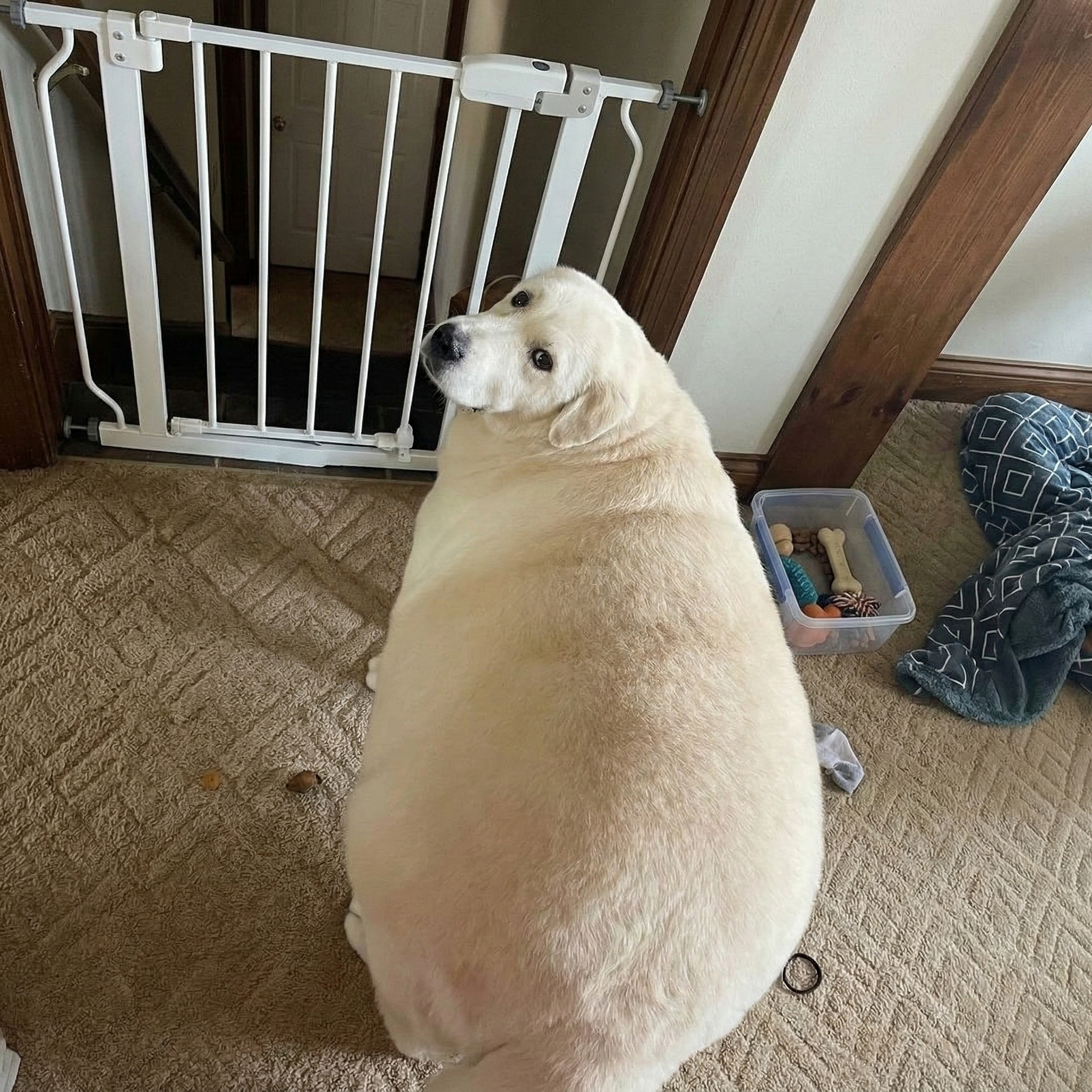
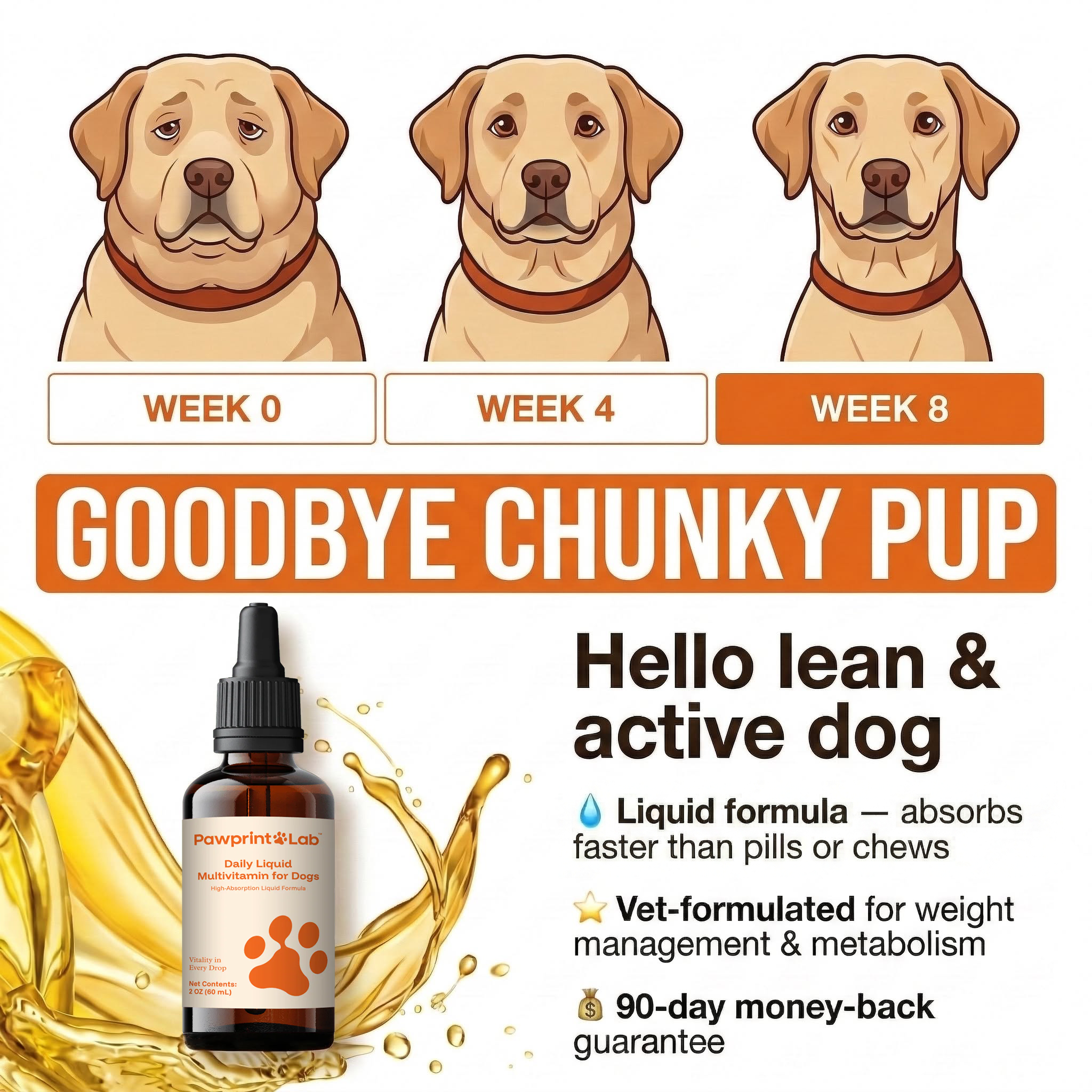
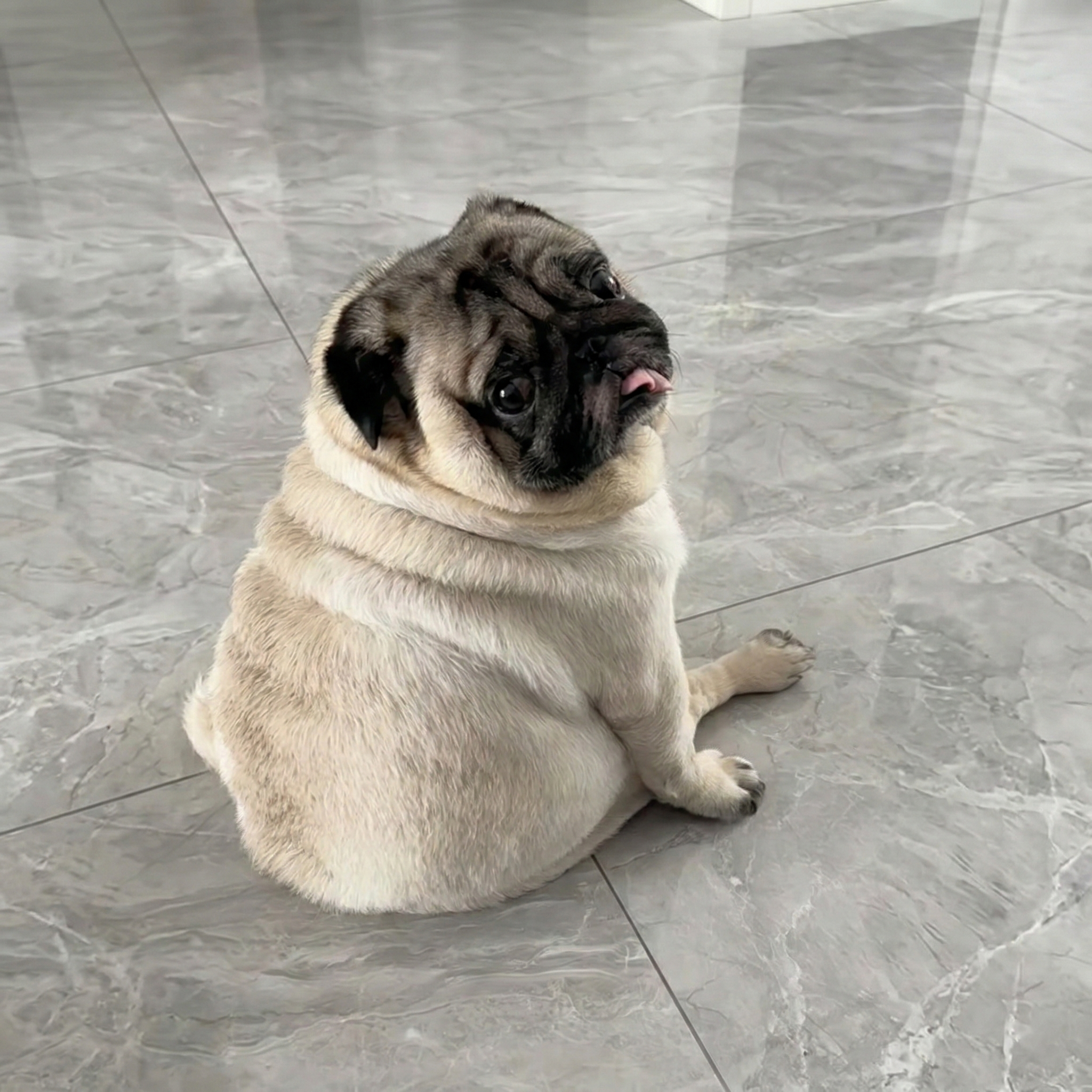
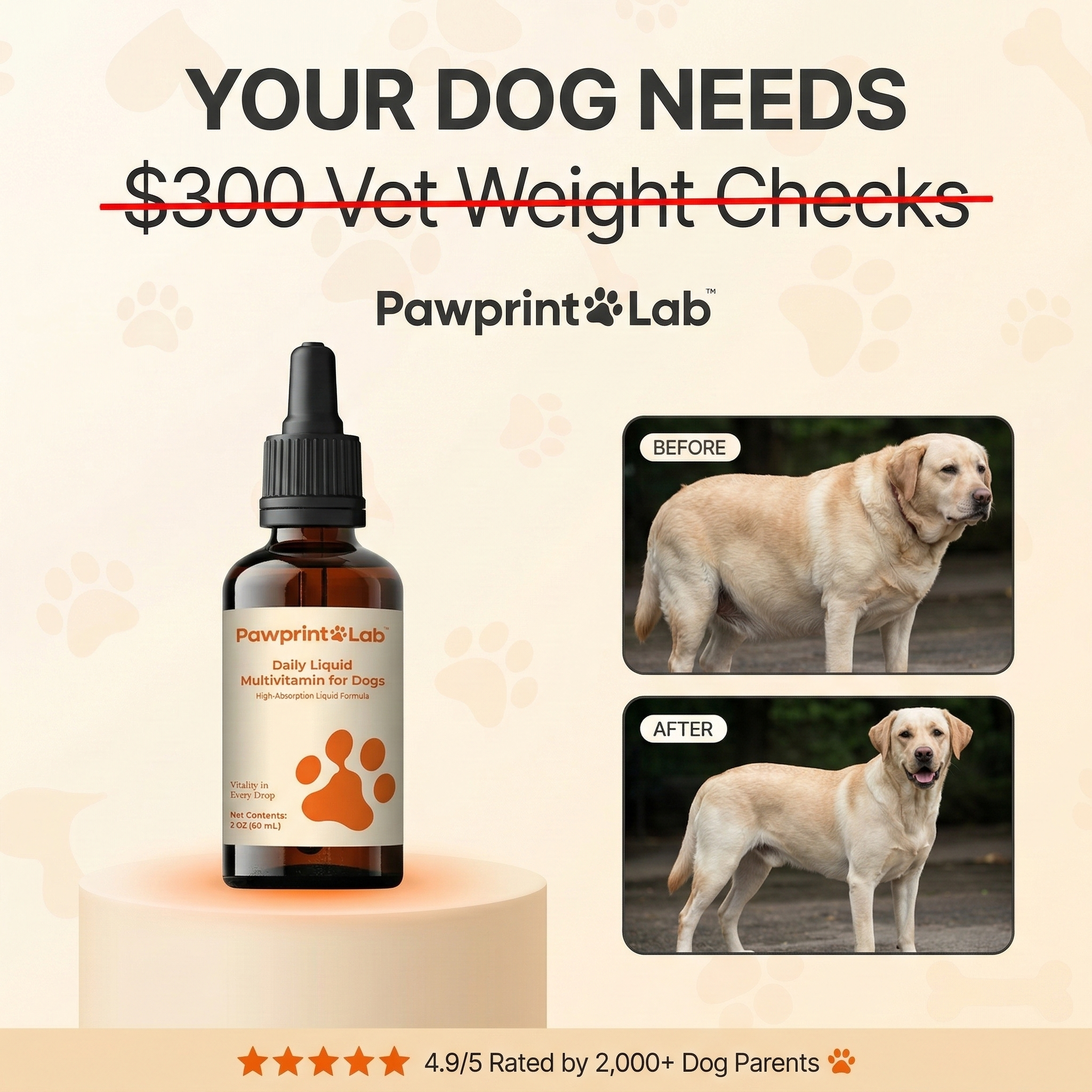
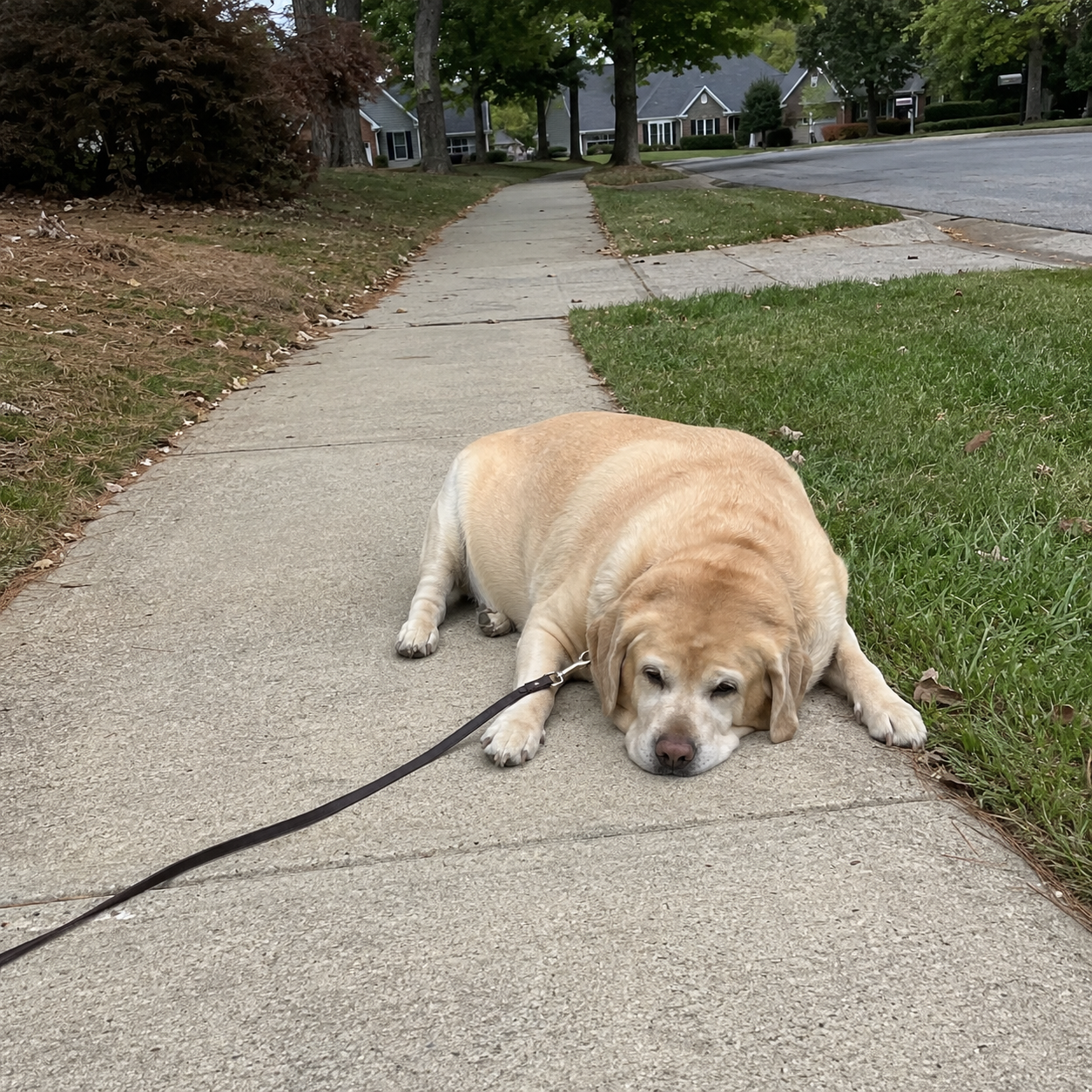
I am going to say something that nobody who has cut their dog's food and still watched the weight climb wants to hear and I genuinely do not care if it upsets you. Another smaller scoop is not going to explain this. Not another weight-control kibble. Not another longer walk. Not another bag of low-calorie treats. Not the metabolism chews everyone in your Facebook group swears by. None of it explains the whole problem. I know because we keep seeing the same pattern. Less food. More walks. New food. New supplements. For months. And the dog is still heavy, still tired, still moving less. Because the owner spent months changing what went into the bowl while nobody explained what was happening after the food went in. And the worst part. There is often a second dog in the same house eating the same food and staying lean. Same kitchen. Same scoop. Completely different body. And people almost keep repeating the whole cycle because they are still following the same advice that never explained why the first dog kept gaining. I am done being polite about this. If the portions are already measured and your dog keeps getting heavier while walks keep getting shorter, another smaller scoop by itself is not answering the question you actually have. Read this entire post. Every word. Because the answer is in here and it is not another bag of diet food. This comes from Pawprint Lab. We built this from real dog-parent language about weight, hunger, short walks, hard floors, and doing everything right without knowing why it still feels stuck. Picture the older dog first. Your shadow. The kind of dog who used to hear the leash move and appear beside you before you even reached the door. Now picture the younger dog. Same house. Maybe even the same breed. Completely different personality. Wild. Goofy. Always looking for something to steal. Two completely different dogs. But one house has the same problem. One dog keeps getting heavier. Slowly. Quietly. Month after month. For the older dog it may start after years of looking completely normal. The ribs get harder to feel first. Then the waist. Then the harness needs another notch. The dog who used to jump onto the couch without thinking starts putting the front paws up first and waiting for the back end to follow. On walks you notice the pace changing. Stop. Start. Sit. The dog looking back at you. Over and over and over. Much sooner than before. So you take the dog to the vet. "She's overweight. Let's cut the calories and get her moving more." You buy the food. And you follow the plan. For the first few weeks it feels good to have an answer. You measure every meal. You cut the extras. You walk every day. You finally feel like you are doing something right. You think we are done. Then the weight is still there. Not all at once. Slowly. Like the plan is working on paper but the dog in front of you does not look very different. A little more begging after dinner. A shorter walk in the evening. Then another pause at the stairs. Small at first. Then part of the routine. So you ask what to change. "Let's cut the portions a little more." You cut them. The dog looks hungrier. The body still looks heavy. "Let's try a weight-management food." Another monthly expense. On top of the treats you replaced. On top of the joint support you bought because longer walks were getting harder. Monthly routine: getting bigger. And the dog is still heavy. Still sitting down on walks. Still hesitating at the couch. Still moving less than the leaner dog in the same house. More money and more effort for a dog who still feels stuck. So you post in a dog weight-loss Facebook group. "My dog's food is measured AND we walk every day and she is still heavy. Has anyone dealt with this?" Everyone has suggestions. "Switch to weight-control kibble. Cut the calories." "Add green beans. It helps them feel full." "Walk twice a day. They need more exercise." "Try fish oil. Try a joint chew." "Get a metabolism supplement." So you try. You try everything people tell you to try. New food. Another monthly bag. The weight still feels stuck. Smaller portions. The dog is hungrier. No clear answer. Joint chews. One more jar on the counter. The dog eats them every morning. But you are still asking how to get more movement from a dog who keeps sitting down. Fish oil. Pumpkin. Green beans. Suddenly every meal looks like a project instead of dinner. Longer walks twice a day. The dog gets halfway down the block, slows down, then sits. Now you are asking a heavier dog to do more of the thing that has already become harder. You stop adding up what you have spent because the whole routine is starting to feel ridiculous. And the dog is still getting slower. --- The body changes from soft around the middle to heavy through the whole frame. The waist is harder to see. The ribs are harder to feel. The harness sits tighter. Even old photos start looking like pictures of a different body. The stairs take longer than they used to. The dog pauses at the bottom, looks up, then climbs slowly. You start choosing the easier route without even thinking about it. The couch becomes a two-step job. Front paws first. Back end second. Sometimes the dog looks at it and decides the floor is easier. The dog stops doing little things. Stops following you every time you move. Stops asking for the extra lap around the block. Starts choosing the cool floor and the shortest route. The eyes look the same. Still your dog. But the body is asking for less from life because normal movement now takes more work. That is what breaks people. You sit beside the dog one night, rub the chest, and think. I measured the food. I cut the treats. I bought the special kibble. I added walks. Why does this still feel like it is moving in the wrong direction? You start blaming yourself. And you are not proud of that. You stare at old photos and start counting every treat, every table scrap, every holiday meal, every time somebody in the family said, "One little bite won't hurt." You see proof of your failure in every picture. Then you close the phone and sit on the kitchen floor while the dog walks over and puts a head in your lap. The dog does not know what the scale says. The dog just knows you are there. Your dog is comforting you. While you are blaming yourself for the whole thing. You want to scream. Then you look at the younger dog the next morning and notice the waist is starting to soften too. Same house. Same food. Same routines. The same kind of slow change beginning. A little thicker through the middle. A little more food-seeking. A little less shape at the waist. You recognize it immediately. The exact same pattern. The exact same slow creep. You know what might come next because you already watched the older dog's routine change one small thing at a time. Months of smaller portions that make the dog hungrier. Months of new foods. Months of extra supplements. Months of trying to add movement while movement itself gets harder. You cannot do it again. You cannot keep cutting food, buying another bag, adding another jar, pushing another walk, and then sitting on the kitchen floor wondering why none of it explains what is happening. You need to understand why. Not what to try next. Why. Why does one dog stay lean on the same food while another keeps gaining. Why can weight creep up after spay or neuter. Why do some Labs act hungry right after eating. Why does cutting food sometimes make the dog hungrier without making the whole problem feel easier. You hear what to do everywhere. What to feed. What to cut. What to add. What to try next. But almost nobody explains why the loop keeps feeding itself. So you start researching. Every night after the house gets quiet. Reddit. Dog groups. Veterinary weight articles. Research on appetite, body fat, neutering, energy needs, and movement. And late one night, after reading the same advice over and over, you find the research pieces that finally belong in the same picture. The research explains something the normal "feed less, walk more" advice never made clear. And when you read it, the whole problem looks different. Because it explains everything. Why the same food can land differently in two dogs. Why hunger can stay high. Why calorie needs can shift. Why extra weight makes movement harder. Why less movement can make weight management harder again. And it is so simple once somebody lays the pieces next to each other that you wonder why the whole conversation keeps getting reduced to one measuring cup. Here is what nobody explained clearly enough. Some dogs can get stuck in what we call Storage Mode. Food comes in as energy. The body uses some now and stores some for later. That balance is affected by more than whether the scoop looked big or small at dinner. Spaying or neutering can change calorie needs. Some breeds, including Labs, can have appetite wiring that changes how full they feel. And when calories stay low, the body can adapt by using less energy. At the same time, extra body fat is not just weight sitting there. It is active tissue. And the heavier the dog gets, the more work normal movement can demand from the joints and muscles. That is the hunger. That is the shorter walk. That is the pause at the stairs. That is the dog sitting down. That is the body carrying more while wanting to move less. And here is the part that makes people angry. Cutting calories changes what comes into the system. That matters. But it does not support every part of the loop. It does not support joint comfort, joint lubrication, or the normal metabolic pathways that help the body handle energy. That is why a smaller bowl can be useful without being the whole answer. The plan is not necessarily wrong. It is just aimed at one part of a bigger picture. So you cut the food. Dog gets hungrier. So you add walks. Dog sits down. So you add joint chews. Now the counter gets bigger. Then fish oil. Then another metabolism product. More things on the counter. Same two-sided loop. One side gets attention. The other side keeps asking for help. And it gets harder. When calories stay low for long enough, the body can adapt by using less energy. The dog may be eating less, yet the plan can start feeling harder and slower. That does not mean calorie control is useless. It means the body can respond to restriction too, which is one reason weight management is not always a straight line. So the plan you are working so hard to follow can start feeling less and less rewarding. Even though you are doing the work. For months. Months. Different foods. Smaller scoops. Green beans. Pumpkin. Fish oil. Joint chews. Longer walks. More measuring. More guilt. And the loop can still feel stuck through all of it. Because not one piece by itself explains the whole loop. Not the bowl. Not the walk. Not the joint chew. Not the metabolism chew. Not the family member sneaking one biscuit. People keep telling you what to cut. They rarely show you what the full plan needs to support. The why is the loop. So the next morning you go back through everything with one new question: what would support both healthy energy use and the body doing the moving? This is the first time the answer is not just "eat less." The research does not need to sell you a miracle. It gives you a simple checklist instead: support healthy fat metabolism, support a healthy inflammatory response, and support the joints carrying the extra load. That matches everything you just read. The energy side. The appetite side. The added load. The shorter walks. The joints. The loop. All of it. And then the next part clicks. "The plan needs to support healthy fat metabolism. It also needs to support joint comfort and normal movement. You cannot keep asking a heavier dog to move more while ignoring the joints carrying that extra load. Both sides of the loop matter if the routine is supposed to make sense." "So I just buy a metabolism chew." "Not that simple. A single metabolism ingredient only covers one piece. If the dog is already moving less because the body is carrying more, the plan also needs joint support and healthy inflammatory-response support. Otherwise you are still building the routine one bottle at a time and leaving part of the loop untouched." "What about all the different supplements people recommend online." That question changes everything. So you stop looking at slogans and start looking at what each approach actually does. Which part of the loop does it cover? Which part does it leave alone? Does it help with calories, metabolism, movement, or only one narrow piece? You pull the pieces apart one by one. You start comparing what each common approach actually covers. Not the front label. Not the hype. The role it plays in the loop. You make a list. "Option one. Smaller portions. Useful for calorie control. But it does not add metabolic or joint support." "Option two. Weight-control food. Useful for calorie control. Still only one part of the plan." "Option three. A joint-only chew. Useful for joint support. But it does not cover the healthy fat-metabolism side of the loop." "Option four. Fish oil alone. Helpful for EPA and DHA support. But it is still one piece, not a full weight-and-mobility routine." "Option five. A metabolism-only product. It focuses on one side. The movement side is still sitting there." "Option six. Ten active ingredients in one liquid: L-Carnitine, Fish Oil EPA/DHA, Glucosamine, Chondroitin, MSM, Beta-Glucans, Turmeric, Hyaluronic Acid, Zinc, and Vitamin E. Metabolism support plus movement support in one routine." One out of six matched the whole story. You write the checklist down beside the food bowl. "This is the kind of formula that finally makes sense. Not because it promises magic. Because it supports both sides of the loop and it keeps the routine simple enough to use every day." That is when the solution stops looking like another random supplement. One bottle. One daily liquid. Ten active ingredients instead of a counter full of guesses. For the older dog, the routine is simple: keep the veterinarian-directed food plan, keep comfortable movement, and add the weight-adjusted liquid serving to the food. Do not replace medical care. Support the routine underneath it. For the younger dog, the same idea starts earlier. Watch body condition, appetite, waist, ribs, and movement before the slow creep becomes the only thing you notice. --- For the older dog — the one who has been stuck in the loop for a while. First two weeks. Keep the food measured. Keep the routine steady. Watch instead of guessing. Week three. Track the walk. How far before the dog wants to stop. How quickly the dog gets up for the leash. Whether the same route feels easier, harder, or unchanged. Write it down instead of guessing. Week four. Track the normal house stuff. The stairs. The couch. Standing at the bowl. Getting into the car. Notice whether the dog approaches these moments the same way as before. Write it down. The boring little moments are easier to compare than one emotional weigh-in. Take a photo from above and from the side so you are not relying on memory. Week six. Check the ribs and waist again. Use the same hands, the same angle, the same harness. If you have a vet weigh-in, use the real number instead of guessing from the mirror. Say it out loud with the family. "Look at the routine." Is it changing, or not? Week eight. Compare the notes, the body-condition photos, and the walks. Look at the same route, the same stairs, the same harness, and the same rib check. Do not turn one good day into proof. Do not turn one slow day into failure. What matters is whether a steady pattern is showing up across normal life. Month three. Review the plan with your veterinarian. Look at food amount, body condition, weight trend, comfort, and activity together. If the routine is helping, keep what makes sense. If the dog is not trending the right way, adjust the plan instead of blaming yourself or cutting food blindly again. Month four. There is no magic calendar. The goal is a routine you can actually keep using without turning every meal into a science project. The best outcome is not a flashy before-and-after. It is a healthier routine that supports the body while you keep managing food and movement like they still matter. You want a plan you can follow without turning every meal into a project, and a way to judge progress from body condition, normal movement, and real vet-guided weight trends instead of hype. Maybe the leash gets more attention. Maybe the walk stays steady. Maybe the body condition changes slowly. Maybe you need a different plan. Individual results vary, and the point is to track instead of guess. You should not need a dramatic claim to know whether the routine is worth continuing. --- For the younger dog — the one who is only starting to get softer through the middle. Week three. Keep watching the waist, ribs, hunger, and daily movement. Keep it simple. Month two. Compare the same photos and the same body-condition check. The goal is not to starve the dog smaller. It is to keep the plan measured, steady, and easy to follow. The younger dog does not need to wait until the couch, stairs, and walks all become harder before the owner starts paying attention to the full picture. Because catching the pattern early gives you more information before the routine gets complicated and the dog starts moving less. One daily liquid. Before the counter fills up. Then you sit down one night and look at everything people commonly end up buying when the first plan feels too narrow. Weight-control food: ongoing. Fresh-food trials: another bill. Joint chews: another bottle. Fish oil: another bottle. Metabolism chews: another bottle. Vet weigh-ins and checkups: still important. Pumpkin, green beans, treats, extras: more. Total: a crowded routine. A crowded routine built from products that all do different jobs while the owner tries to remember what goes where. Not one of those things is bad just because it is separate. Not one. One daily liquid: simpler. A simpler routine is easier to use than five different bottles that each cover one small part. Because the point is not to replace food or walks. The point is to support healthy metabolism and movement alongside them. And the problem was never only the bowl. You do not have to keep buying one new answer for hunger, one for joints, one for fish oil, one for vitamins, and another because a Facebook comment said it "boosts metabolism." Because one 10-active formula can support more of the whole routine without pretending any supplement replaces calorie control, exercise, or veterinary care. --- The product is Pawprint Wellness Protocol. Ten active ingredients. Liquid. Third-party tested by an accredited lab. https://pawprintlab.com/pages/your-dogs-weight There is a 90-day money-back guarantee. No promise that every dog will change on the same timeline. No crash-diet claim. The point is to give the routine enough time to judge it honestly. Use it alongside the feeding and movement plan that makes sense for your dog. Do not stop veterinarian-directed care. Add the weight-adjusted liquid serving to food and keep tracking the whole picture. There is no honest four-to-eight-week promise here. Results vary. Use the 90-day window to watch the routine. You may notice what matters before the scale tells the whole story. The leash coming off the hook. When the dog gets up to go. When the walk does not feel like a fight. When the stairs are part of normal life. That is what healthy weight support is supposed to protect. I wish more dog parents heard the whole explanation before blaming themselves and buying five different fixes. — Pawprint Lab EDIT: I keep seeing the same question: where do I get it, and do I have to change my dog's food? Pawprint Wellness Protocol is sold directly through Pawprint Lab. It is designed to be added to the food your dog already eats while you keep the feeding plan that makes sense for your dog. Pawprint Lab does not have an Amazon sales channel: https://pawprintlab.com/pages/your-dogs-weight P.S. The biggest mistake is thinking every dollar and every ounce of effort has to go toward making the bowl smaller. Food matters. Calories matter. But the loop also includes appetite, normal metabolism, extra load, joint comfort, and movement. That is why the formula combines L-Carnitine with Fish Oil EPA/DHA, Glucosamine, Chondroitin, MSM, Beta-Glucans, Turmeric, Hyaluronic Acid, Zinc, and Vitamin E. One daily liquid supports more of the picture while the owner keeps doing the boring things that still matter: measured food, comfortable movement, body-condition checks, and veterinary guidance. The point is not to "fix the cause" with a bottle. The point is to stop pretending one measuring cup explains the whole system. https://pawprintlab.com/pages/your-dogs-weight P.P.S. If the weight is only starting to creep up, look at the whole picture early. Ribs. Waist. Hunger. Movement. Age, breed, and spay or neuter status. Keep food appropriate and keep your veterinarian involved. https://pawprintlab.com/pages/your-dogs-weight
Like this ad? Make it yours.
Crush rebuilds this exact creative around your product — your brand, your colors, your offer — in about a minute.