The Nerve Health Community
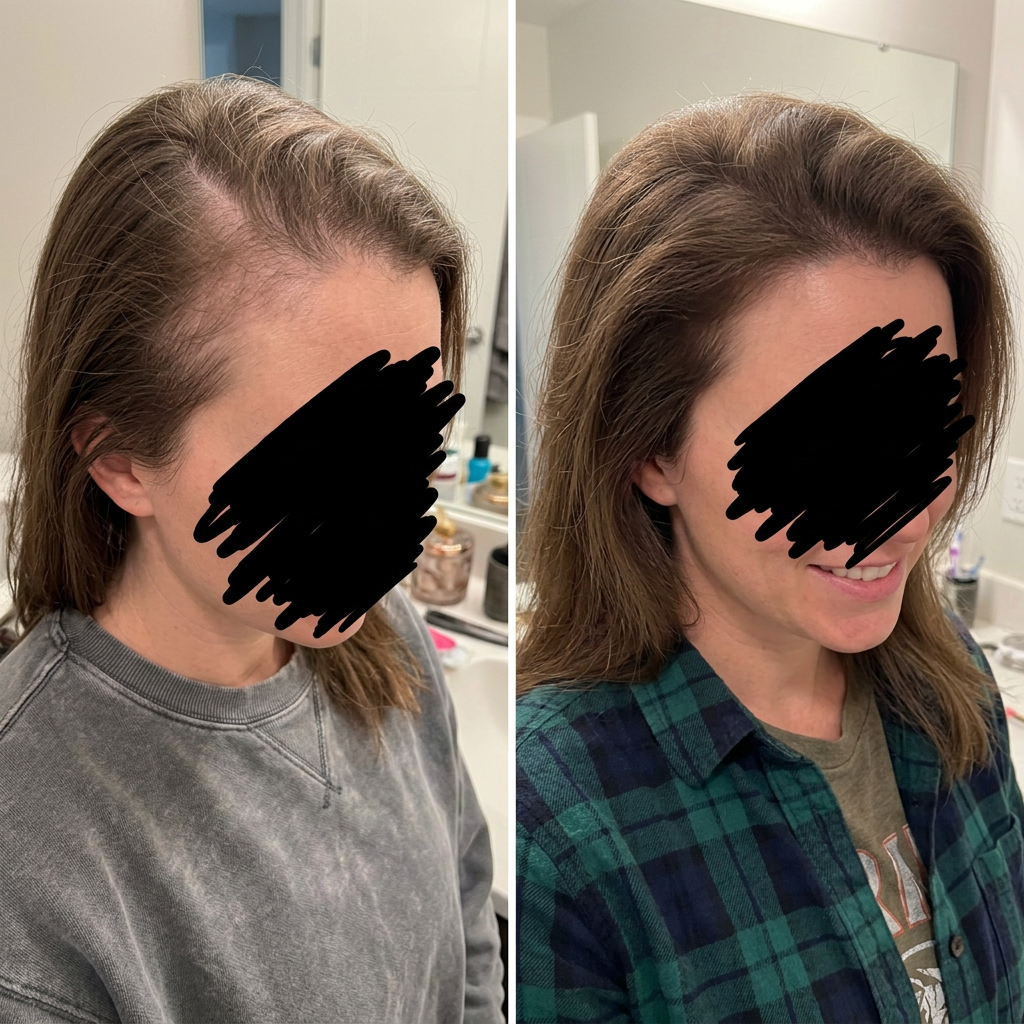
The Nerve Health Community Facebook ad: “Feel Like Yourself Again”

Ran for 8 days, from August 23 to August 31, 2026, the last day Crush saw it.
Run by The Nerve Health Community on Facebook. Crush is not the advertiser and does not verify its claims. See this ad in Meta's Ad Library(opens in a new tab)
Want an ad like this for your product?
Crush makes new ad images for your product from this ad: your logo, your product photo, your offer.
Trials from $19.95 USD, then $79.95 USD a month. Cancel anytime.
About this ad
- Meta Ad Library ID
- 1379421390248508
- Platforms
- Facebook, Instagram, Audience Network, Messenger, WhatsApp and Threads
- Relaunches
- 0
Ad text
My GP said if I refused Gabapentin, she'd record it in my notes as non compliance against medical advice. I had fourteen minutes with her. She'd never met me before. Dr. Johnson's retirement letter came on a Tuesday. Standard practice letter. "After 41 years, I'm retiring effective the 1st of March. Your care will be transferred to Dr. Amara Singh." I sat at the kitchen table staring at it. Twenty nine years. I'd been seeing Dr. Johnson for twenty nine years. He knew my history, he knew my mum's reaction to nerve medication, he knew my fear of starting down that road, and he'd always worked with me, always said the same thing, "let's keep trying the natural approach first, Carol, your symptoms are manageable, you're doing the right things." Now he was gone. My first appointment with Dr. Singh was the 19th of March. Routine review. Transfer of records. Meet the new GP. I sat in the consulting room, same room I'd been in for decades, same posters about diabetes and nerve damage, different doctor. Dr. Singh walked in. Young. Maybe 34. Laptop in hand. "Mrs. Wilson." Firm handshake. All business. "I've been going through your file." She sat down, she pulled up my records, she scrolled, and her expression changed. "Your neuropathy history." She turned the screen toward me. "2022, mild tingling in both feet. 2023, burning at night, two to three times a week. 2024, numbness spreading to the toes, balance issues noted. 2025, burning every night, can't wear socks, loss of sensation across the ball of the foot. Today, you reported nighttime burning, numbness, tingling, and at least one episode of nearly falling in the last month." She looked at me. "Five years of progressively worsening peripheral neuropathy. Stage two for the last three years. No medication prescribed." "Dr. Johnson and I had a plan involving alpha lipoic acid and managing my blood sugar through metformin. I have type 2 diabetes, and he was monitoring my progress." She scrolled back up. "And you're on a statin. Atorvastatin, 40 milligrams, started four years ago." She said it like she was just reading the list, ticking it off. "Fine. Standard for a diabetic." She moved straight past it. To her it was just one more line on the screen. I didn't think anything of it either, not then. It was just the other pill. The heart one. I'd taken it every morning next to my metformin for four years and never once questioned it. "For five years?" Her voice was sharp. "Mrs. Wilson, your nerve damage has been progressing for three years without treatment, I don't know what your previous GP was thinking, but this should have been addressed aggressively years ago." My stomach dropped. "Dr. Johnson knew my history, my mum had terrible reactions to..." "Your mother's history doesn't change what's happening to your nerves, the burning, the numbness, you're already losing protective sensation, you're a fall risk, this condition is permanent and progressive, you could be in a wheelchair in five years." She was already typing. "We're starting Gabapentin. 300 milligrams, three times a day." "I'd rather..." "This isn't a discussion. Your neuropathy is advancing. If you refuse treatment, I'm required to note it in your records as non compliance against medical advice." The printer hummed. She handed me the prescription. "Come back in twelve weeks. We'll do a full nerve assessment and see where you're at." She stood. She left the room. The whole appointment took fourteen minutes. I sat there holding the prescription, hands shaking, the words "against medical advice" and "non compliance" rolling through my head like a verdict. And one other word, the one that hit hardest. Permanent. In the car park, I rang my husband Jim. "How was the new doctor?" "She says Dr. Johnson should have put me on Gabapentin years ago, and she wants me on it immediately." Silence. "What?" "She said five years without medication was irresponsible. She said it's permanent." "But Dr. Johnson always said you were..." "I know what he said. She doesn't care. I either take the medication or it goes in my records that I refused." That night I couldn't sleep, just lay in bed staring at the ceiling, the burning in my feet worse than usual. Jim's breathing steady next to me. Dr. Johnson had respected my concerns, we'd worked together for almost three decades, alpha lipoic acid, blood sugar control, magnesium, daily walks when I could manage them, regular check ups every six months. My symptoms had got worse, yes, but gradually, no sudden flares, no emergencies, no falls. Was he wrong to be patient? Was I letting something permanent set in while I waited? At 3 AM I went downstairs, sat at the kitchen table with my laptop, and started searching. Is peripheral neuropathy really permanent? Nerve damage risks without medication. Balance loss neuropathy fall risk women 50s. Every article said the same thing. Permanent. Progressive. No cure. Manage the symptoms. Maybe Dr. Singh is right, I thought, maybe I've been reckless. But then I searched, gabapentin side effects long term. Brain fog. Memory loss. Dizziness. Weight gain. Suicidal thoughts. Withdrawal that's worse than the original pain. And my mum's face flashed in my mind. She'd been on nerve medication for thirteen years, started with Gabapentin, the same medication sitting on my counter right now, and the fog came within six weeks, not a little forgetfulness, a deep blanket that settled over her whole brain, made her slow to answer questions, made her lose her train of thought mid sentence, made her stare at the telly without knowing what she was watching. They put her on a higher dose and the burning eased slightly, but then the dizziness came. She fell twice in one month, broke her hip the second time, and the fog got thicker. She started forgetting things, small things at first, where she'd put her keys, what she'd gone to the shop for, then bigger things, names of people she'd known for years, the punch line of a story she'd told a hundred times. And the fatigue, that was the worst. This was a woman who ran the church coffee morning for twenty years, wallpapered the front room herself, kept her own little garden spotless right up to her sixties. By 65, she was napping twice a day, couldn't follow a conversation without losing the thread, lost interest in everything she used to love, just existing, going through the motions of a life that didn't feel like her anymore. My dad said it was like watching her disappear. She died at 70. Heart attack. While taking the medication that was supposed to help her. Thirteen years of side effects. Thirteen years of feeling like a shadow of herself. And her feet still burned the whole time. I closed the laptop, rubbed my face, and just sat there in the kitchen with the prescription on the worktop mocking me from across the room. I didn't get it filled. One week passed. Then two. The surgery rang. "Mrs. Wilson, our records show you haven't collected your prescription, Dr. Singh wants to confirm you're taking your medication as directed." "I need more time to think about it." "Dr. Singh has noted this as urgent, she strongly recommends..." "I said I need more time." I put the phone down. Jim found me in the garage that evening. "Carol. Talk to me." "I'm looking for options." "Options? The doctor said it's permanent. She said you could end up in a wheelchair." "She said Dr. Johnson was wrong for not putting me on a pill, but Dr. Johnson knew me for twenty nine years, he knew my mum's history, he saw what those medications did to her, he was being careful with me." "But what if she's right? What if you..." His voice broke. "I don't want to watch you disappear like your mum did." "You won't. I just need to find another way." "What other way?" I didn't have an answer. That weekend I searched everything. B12. Methyl B12. Alpha lipoic acid. Acetyl L carnitine. Benfotiamine. Magnesium. Nerve creams. Every natural neuropathy supplement with actual research behind it. I tried the top rated B12 nerve formula online, six weeks, every morning without fail. The burning was the same. Maybe a fraction better some nights. Probably just a good night. Switched to high dose alpha lipoic acid, 800mg, eight weeks, nothing. Tried a full nerve support stack from a health shop in town, ALA, B vitamins, acetyl L carnitine, benfotiamine, the most expensive thing they had. Some nights felt slightly easier. Most felt the same. I was running out of time and running out of ideas. Three weeks before my appointment I was back at my laptop at 3 AM going in circles, reading the same supplement forums, the same Reddit threads, the same dead ends. Then I changed the search. I stopped looking for supplements and started looking for the real reason nerves break down in the first place. What's actually happening inside the nerve. Why my symptoms kept getting worse year after year no matter what I took. And I found something that changed the way I understood the whole thing. It wasn't hidden. It wasn't some secret nobody wanted me to know. It was basic science. Just nothing anyone had ever bothered to explain to me in a doctor's surgery. The damage wasn't the problem. What was reaching the nerve was the problem. I read that line three times. Your nerves are living tissue. The network running through your hands, your feet, your legs, all of it is alive, all of it wrapped in a protective coating, a kind of insulation around the wire, that lets the signal travel cleanly and keeps the fibre alive. Your body rebuilds that coating constantly. It's living tissue under constant maintenance. But to rebuild that coating, your body needs one nutrient more than any other. B12. It is the single most important raw material for keeping the insulation around your nerves intact. When the B12 runs short, the coating starts to thin. Then it breaks down. Bare patches open along the wire. The signal starts to misfire and leak. And here's what makes nerves different from almost every other cell in your body. They're enormous. A single nerve can stretch over three feet long. Keeping that much living tissue insulated and maintained takes an enormous, constant supply of B12. Your nerves are the hungriest tissue you have for it. They need more of it than almost anything else in your body. That's where everything had gone wrong for me. And it was the part no one had ever explained. Because I was diabetic. And I'd been on metformin for years. And metformin quietly drains B12 out of your body. It's right there in the prescribing information. It's been known for decades. The very drug keeping my blood sugar down had been pulling the one nutrient my nerves needed most out of me the entire time. And then I found the second one. And this is the part where I actually sat up in my chair, because it was the other pill. The one I'd never given a second thought to. The statin. I'd half noticed people in the forums asking it. "Is it my statin?" Aches, nerve trouble, that sort of thing. I'd scrolled past every time. But that night I actually read the research, and I found a specific piece of it. Two researchers, Lehrer and Rheinstein, went through the FDA's database of reported side effects, the big national record where drug reactions get logged. They found that statins showed up linked to neuropathy, nerve damage, more than you'd expect. And there was an earlier study out of Denmark that had found something similar, that long term statin users had a higher rate of unexplained nerve damage than people not taking them, in one group up to 14 times higher. Now I want to be careful here, because this matters more to me than to almost anyone. My mum died of a heart attack at 70 years old. I am the last person on earth who is going to tell you to stop a medication that protects your heart, and I never stopped mine. Not for one day. Please don't ever stop a heart medication over something you read online. But I needed to understand it. So I read how a statin actually reaches a nerve, because it's nothing like the metformin. A statin works by blocking the enzyme your body uses to make cholesterol. That's the whole point of it, and it does that job well. But that same production line makes one other thing your cells need, a molecule called CoQ10, which is one of the main sparks your cells use to turn fuel into energy. Turn down the cholesterol line and you turn down some of that energy spark along with it. And a nerve cell is one of the hungriest, most energy demanding cells in your entire body. It needs a constant, enormous supply of power just to hold its own insulation together and repair the stretches that are breaking down. Drain that energy and the nerve has even less ability to keep itself intact. So there it was, finally laid out in front of me at three in the morning. The diabetes, damaging the blood supply to the nerve from the outside. The metformin, stripping out the B12 that rebuilds the insulation from the inside. The statin, quietly turning down the energy the nerve runs on to do any repairing at all. Two of the pills on my kitchen counter. Two different roads. The same nerves in the same feet. And in twenty nine years with Dr. Johnson and fourteen minutes with Dr. Singh, not one person had ever connected a single piece of it for me. But it was worse than just naming the causes. Even when I'd tried to put the B12 back, it never actually reached the nerve. And there were two reasons why, two reasons sitting underneath every failed bottle in my cupboard. First, the form. Almost every B12 on the shelf is cyanocobalamin, the cheap, inactive kind. Your body has to convert it before a nerve can use it, and that conversion gets weaker with age and weaker still on metformin. So even the part I absorbed, my body often couldn't turn into the form my nerves actually run on. Second, the delivery. After fifty, your stomach stops making the one protein that carries B12 out of your gut and into your blood. So a swallowed B12 tablet mostly passes straight through you. The nutrient was showing up at the front door of a house with no doors. That's when the tingling starts. Then the burning. Then the numbness. Then the spreading. I sat back in my chair. That was why my feet kept getting worse year after year. That was why the B12 hadn't worked. That was why the alpha lipoic acid hadn't worked. That was why the nerve stack hadn't worked. Every one of those supplements either wasn't B12 at all, or was the wrong form of it, or was a tablet my gut couldn't absorb. The nutrient my nerves were starving for either wasn't there, or never made it in. I had spent months and real money delivering B12 to a body that couldn't take delivery of it. I was delivering bricks to a building site where the lorry never made it through the gate. That image hit me like a lorry. Because it was exactly what I'd been doing. Real work. Real money. Months of taking the tablets every morning like I was supposed to. All of it showing up at a door that wouldn't open, while the metformin kept draining what little got through and the statin kept the energy low. And the Gabapentin? The Gabapentin would turn down the pain signal. The burning would feel quieter. Dr. Singh would be happy. But my nerves would still have no B12 reaching them. Still couldn't rebuild the coating. Still couldn't repair the insulation that was breaking down. The drug doesn't restore what's missing. It just turns down the alarm so you can't hear it screaming. That's why people on Gabapentin keep getting worse. That's why the numbness keeps spreading even when the burning is dulled. That's why my mum's feet still burned through thirteen years of the medication. We were addressing the wrong thing. So I started looking for something else. Something that actually got the B12 to the nerve, and the rest of what the nerve needed to deal with everything that was draining it. Not the symptom. The cause. What I needed was the right form of B12, in a real dose, delivered in a way that bypassed the stomach that had stopped absorbing it, with the rest of the B vitamins alongside it doing the other jobs a damaged nerve needs done. Most supplements don't do that. They give you the cheap form. They give you a tiny dose. They put it in a tablet. They calm the signal or add a little of this and that. But they don't solve the one thing that actually matters, getting the active B12 into the nerve with its full team. Then I found the research that actually showed nerve repair in diabetic patients. It didn't use a cheap B12 tablet. It used methylcobalamin, the active form, already converted, at a real dose of 5,000 micrograms. And it didn't use B12 alone. It used it alongside the rest of the B vitamins the nerve depends on to carry out the repair. Because that was the other thing I'd been getting wrong. It isn't only about B12. B12 rebuilds the coating, yes, that's the headline. But the nerve is also misfiring, the burning, the electric shocks, the pins and needles that go off when nothing is touching you, and that's a different job. That's B6. B6 is what regulates when a nerve fires and when it stays quiet. Starve it of B6 and it fires constantly, even at rest. That's your three in the morning burning, right there. Then there's the energy the repair itself runs on, and this is the part that spoke straight to my statin problem, because it's the same energy system the statin had been pulling on. The fuel a nerve repairs itself with runs on B1 and B3. And B3 in particular turned out to matter to me more than any of the others, once I understood what my statin was doing. Inside your body, B3 becomes two coenzymes called NAD and NADP. Those are among the main molecules your cells use to turn fuel into usable energy, the very same energy machinery the statin leans on when it lowers the spark. While the statin was pulling on that energy system from one side, the B3 was helping feed the same system from another. It supports the exact machinery the statin had been straining. And B3 does one more thing on top of that. It opens up the tiny blood vessels that feed the nerve, the same little vessels diabetes damages first, so everything else can actually be delivered to the damaged stretch instead of pooling at the edges. One vitamin, doing two jobs, for two of the three things that had been wearing my nerves down. And here's what sealed it for me. That same FDA database the two researchers went through, Lehrer and Rheinstein, the one that showed statins linked to nerve trouble, also showed something on the other side of it. People taking a statin together with niacin, which is just another name for B3, showed fewer of those nerve problems than people on the statin alone. It lined up exactly with everything else I'd read, and it was the moment I stopped thinking of the B3 as filler on a label and started seeing it as one of the reasons the whole complex fit my situation so precisely. And folate. Folate completes the cycle. B12 can't finish rebuilding that coating unless folate is there to complete the methylation step. Without it, the B12 gets stuck halfway through the repair. That's why B12 taken on its own so often stalls out. It isn't that the B12 is wrong. It's missing the rest of its team. That was the whole picture, finally. The B12 had to be the active form, at a real dose, delivered past the stomach that couldn't absorb it, with the full team of B vitamins alongside it doing their separate jobs. The B12 to rebuild the insulation. The B6 to settle the misfiring. The B1 and B3 to feed the energy system the statin had been draining. The B3 again to open the blood supply the diabetes had been choking. The folate to finish the job. Get all of that into the bloodstream at once, past the gut, and the nerve finally has everything it needs in the same place at the same time. And here's the part that stopped me cold. When the B12 finally reaches them, the nerves in your feet are among the first to respond. Because they're the hungriest for it. They've been starving the longest. They've been sitting there with the coating breaking down and no supply coming in. The second the active B12 starts arriving, with its team, they get to work. They start rebuilding the protective coating. They start quieting the misfiring. They start restoring the signal between your brain and your feet. The burning fades because the misfiring is being settled and the coating is being rebuilt. The tingling quiets because the signal is being restored. Feeling comes back because the insulation is being resurfaced. Balance returns because your brain and your feet are talking to each other again. Not because something forced it. Because your body is doing what it always knew how to do. You just had to get the B12 to it first, in a form it could use, past the gut that wouldn't let it in. The bricks and the crew, finally on the same building site. I almost stopped right there and ordered the first methylcobalamin bottle I could find. Got one off the internet that weekend. Cheap tablets. Eleven pounds. Jim saw the bottle on the worktop. "More B12? Since when does that one work?" "Since now. Maybe." I took it for a week. Didn't feel different. Didn't expect to right away, you can't rebuild nerve tissue in seven days. But I went back to the research and noticed something I'd skipped past the first time. What the research used wasn't a tablet you swallow. It was sublingual. Held under the tongue, absorbed straight into the bloodstream through the tissue under your tongue, bypassing the gut completely so it can actually reach the nerves. One write up said the whole reason most B12 fails after fifty is that it goes through the gut, exactly the part of you that has stopped absorbing it. Swallow it and most of it is gone before it ever reaches your blood. So you end up with a bottle of the right vitamin that never gets in. The bottle I'd bought was a tablet. Even though it said methylcobalamin, I was swallowing it into the same gut that couldn't absorb the last three. That explained the dead week. It didn't explain what I was going to have to pay for the real thing. At 3 AM I searched, sublingual methylcobalamin B complex nerve. One brand kept coming up. Not on the wellness blogs. On the forums where people were posting their actual symptom logs, week by week, tracking what worked. Diabetics, on metformin, a lot of them on a statin too, exactly like me. Olvexa. Active methylcobalamin, 5,000 micrograms. The full B complex alongside it, B1, B6, B3, folate, all in the forms the body can use immediately. Sublingual, so it bypasses the gut entirely. Third party tested, with the certificates published. Made in small batches. No fillers. No junk. 90 day money back guarantee. I ordered it straight away. The parcel arrived three days later. A dropper and a half under the tongue every morning. That's the whole protocol. I took the first dose after breakfast, didn't expect much, I'd been wrong three times already. I knew nerves take time. Nothing was going to happen overnight. So I told myself ninety days. Don't expect anything before then. But I noticed something by the end of the first week. The afternoon crash, the one I'd accepted as normal, didn't come, I made it to tea without feeling like I was running on fumes, slept through the night without the burning waking me up at 3 AM. Could be placebo. Could be a good week. I wasn't counting it yet. Week two, I woke up on a Saturday morning and my feet didn't feel like they were on fire. The dull throb that had been there for years, the constant background hum that I'd stopped noticing because I'd made peace with it, was quieter. Jim said something first. "You seem less heavy, like something lifted." He was right. I didn't have a word for it until he said it. Week three, I was making a cup of tea in the kitchen and I felt the cold tile under my feet. Not the burning. Not the numbness. The cold. Of the floor. Through my bare feet. I stood there for a full minute trying to make sure I wasn't imagining it. And I thought of my mum. Thirteen years on the medication and her feet burned the whole time. Thirteen years and she never once felt a cold tile floor through bare feet the way I was feeling it right now in my own kitchen. I called Jim in. "Touch my foot." "What?" "Just touch the top of my foot." He did. And I felt it. Right where he touched. Not muted. Not far away. There. He started crying. Week four, I sat down with a notebook and a basic monofilament I'd ordered online, the same kind a doctor uses to test for protective sensation, and I tested every spot on both feet. Three days in a row. Same routine. I was feeling things I hadn't felt in two years. Week seven, I tested again, same routine, three days, every spot. Sensation across the whole foot. Balance better than it had been in three years. No nighttime burning for nine straight nights. I sat at the kitchen table and just breathed for a while. Two days before my appointment with Dr. Singh, I had my pre visit nerve assessment with the practice nurse, standard monofilament test, vibration test, the results would be in my notes before she walked in. At the appointment, I sat in the same consulting room, same posters about diabetes and nerve damage, different feeling. Dr. Singh walked in. She opened my notes. She stopped. "Protective sensation has returned across both feet. Vibration sense improved. Balance within normal range." "Yes." She looked at the previous note. Then at the new one. She set the laptop down on the desk and she looked at me directly for the first time since I'd met her. "You started the Gabapentin?" "No." "No?" "Sublingual B12. The active form, with the full B complex." "I know how that sounds. But there's a real reason it works. B12 is the main nutrient your body uses to rebuild the coating around the nerves, and my metformin had been draining it for years." "On top of that, the tablets I'd been taking were the wrong form and my stomach had stopped absorbing them anyway. The sublingual goes in under the tongue, straight into the blood, so it finally reaches the nerve. And the rest of the B vitamins do the other jobs, settling the misfiring, powering the repair, opening the blood supply, finishing the cycle. The nerves were starving for it the whole time. They just needed it in a form that could actually get in." Long pause. "And you kept taking your metformin? And your statin?" "Every day. Both of them. Nothing about my diabetes or my heart changed. I just put back what they'd been quietly taking out of my nerves." "Where did you read this?" "Research on metformin and B12 depletion, on statins and nerve health, and on methylcobalamin for diabetic neuropathy. I'll send it tonight." She looked at my notes again. Then at me. Something in her face changed. Not warm, exactly. But less certain than it had been fourteen weeks ago. "What specifically are you taking?" "Olvexa. Active methylcobalamin, 5,000 micrograms, full B complex, sublingual. Third party tested." She typed it in, she read for a long time, she looked at the sourcing and testing documentation. "Keep your metformin exactly as it is. Keep the statin. And carry on with what you're doing. Come back in twelve weeks. If sensation continues to return, we'll skip the Gabapentin entirely. No medication." I walked out of that surgery and sat in my car for ten minutes. Rang Jim. "Sensation has come back. She's not prescribing anything." He went quiet. Then, "no medication?" "No medication. We just keep an eye on it." He didn't say anything for a moment, and when he did his voice was tight. "I knew you'd find something." That was four months ago. Last week I had my quarterly nerve assessment, full protective sensation across both feet, normal balance, no burning, no spreading numbness. Stable. No medication. No compliance note in my records. Just feeling. If you're reading this, you're in the same position I was, cornered, pressured, feeling like Gabapentin or one of its cousins is the only option your doctor will accept. Here's what I learned after months of failed supplements and two nights of actual research. The reason most neuropathy supplements don't work is that the B12 your nerves are starving for never actually reaches them. It's the cheap, inactive form your body can't use. It's underdosed. It's a tablet your gut stopped absorbing years ago. And if you're on metformin, the drug is draining what little does get through. If you're on a statin on top of it, like I was, that's a second pill working on the same nerves by a different road, and almost no one ever connects the two for you. All of it shows up at the door. None of it gets in. Until the active B12 actually reaches the nerve, with the rest of the B complex alongside it, the cycle doesn't stop, the damage keeps spreading, and your symptoms keep getting worse no matter how much you take. Gabapentin turns down the pain signal, but it doesn't put any of it back, which is why people on Gabapentin keep losing feeling, and why my mum did, and why her feet were still burning the day she died. Olvexa was the only one I found that got all of it right, the active methylcobalamin, the real 5,000 microgram dose, the full B complex, and the sublingual delivery that actually bypasses the gut, third party tested, made in small batches. I don't know if it's the only one out there. I know it's the one that worked for me. I went from waking up every night at 3 AM with my feet on fire to feeling the cold floor under my feet for the first time in years. My GP keeps an eye on me quarterly. No medication. No lectures. No compliance note. Just feeling she can't argue with. If you feel cornered, give it 90 days, keep a note of your symptoms at home, write down what you feel and what you don't, then walk into your next appointment with the record. Stay consistent. Take it every morning. Don't skip days. That's the whole protocol. 90 day money back guarantee. If you don't see improvement, if you don't feel a difference, if you're not satisfied for any reason, contact customer service for a full refund. No questions asked. You risk nothing. Olvexa is a small company, they make everything in small batches to keep the potency up, which is why it works when most others don't, and which is also why they sell out regularly and you have to wait for the next batch. I learned that the hard way two months in when I tried to reorder and they were a week behind. I keep two bottles in the kitchen drawer now. Feeling is the only thing that changes a doctor's mind. 👉 https://tryolvexa.com/products/olvexa-vitamin-b-complex Carol Wilson P.S. I noticed energy and sleep changes by week one, felt the floor under my feet by week three, full protective sensation back by week seven. She dropped the Gabapentin entirely. Your timeline may vary, but 90 days is the window, and you risk nothing. P.P.S. The reason it works is real. You just have to be willing to look for it. I did the looking. Now you have the answer. 👉 https://tryolvexa.com/products/olvexa-vitamin-b-complex
Where the ad sends people
tryolvexa.com
Feel Like Yourself Again
“Wish I had found this sooner.” — Carol W.
Learn more: tryolvexa.com(opens in a new tab)