
Inactive· since Aug 19, 2026
- 9
- days it ran
- 0
- relaunches
Ad copy
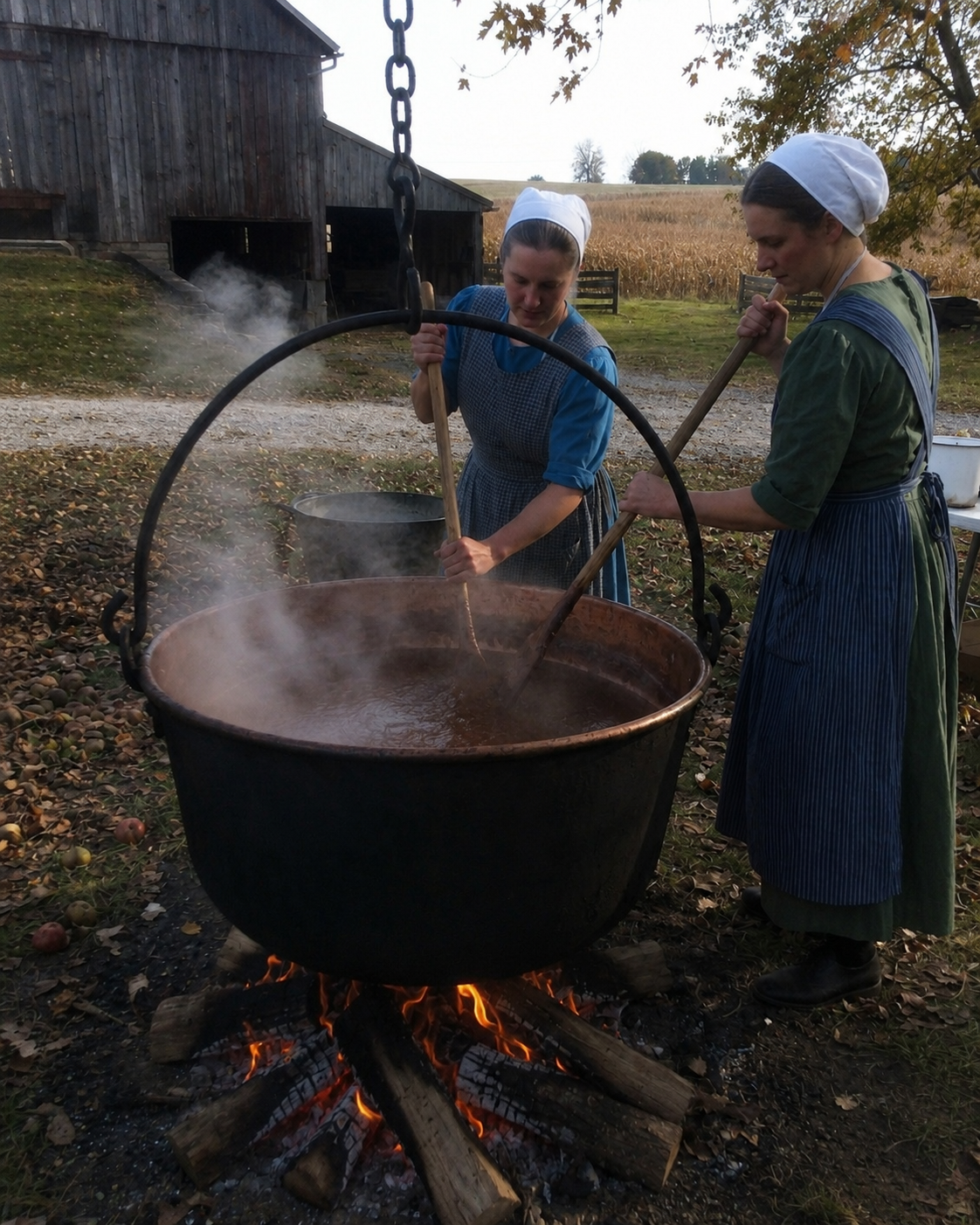
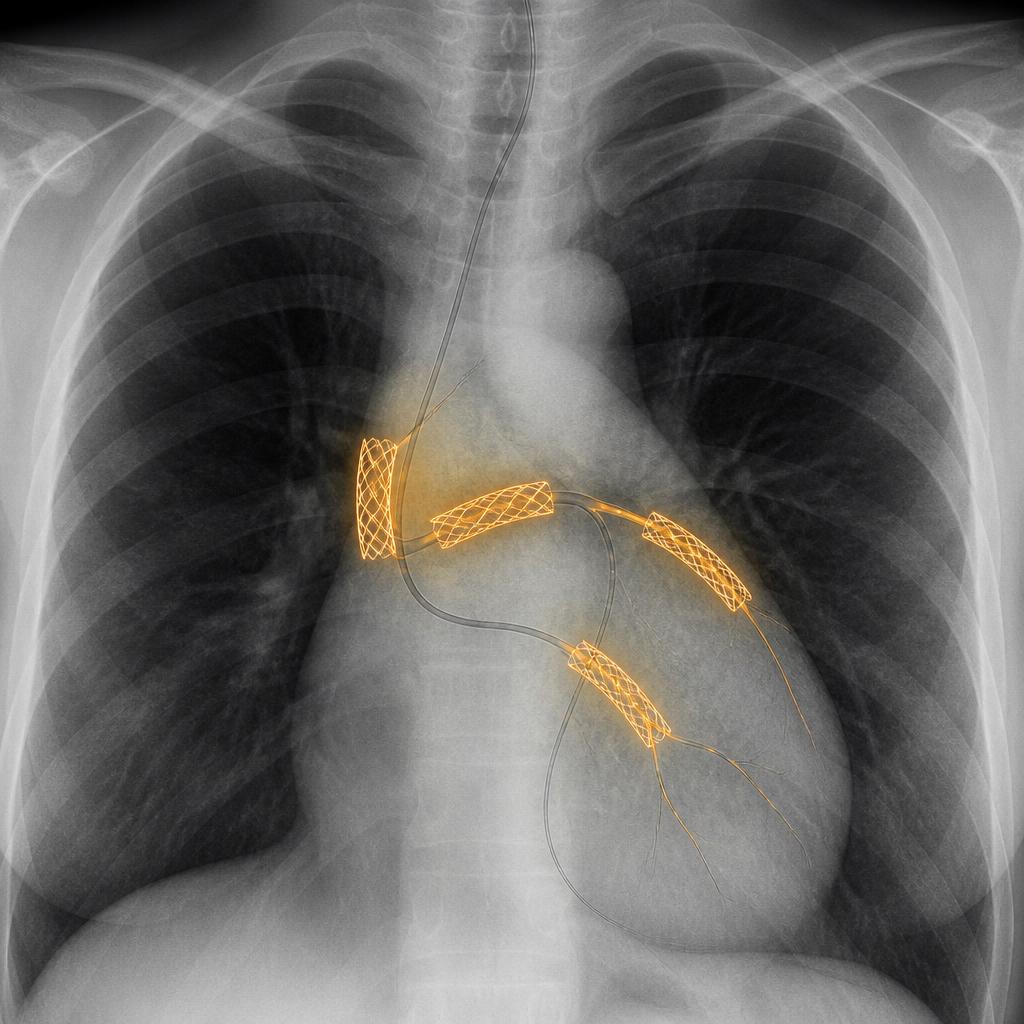
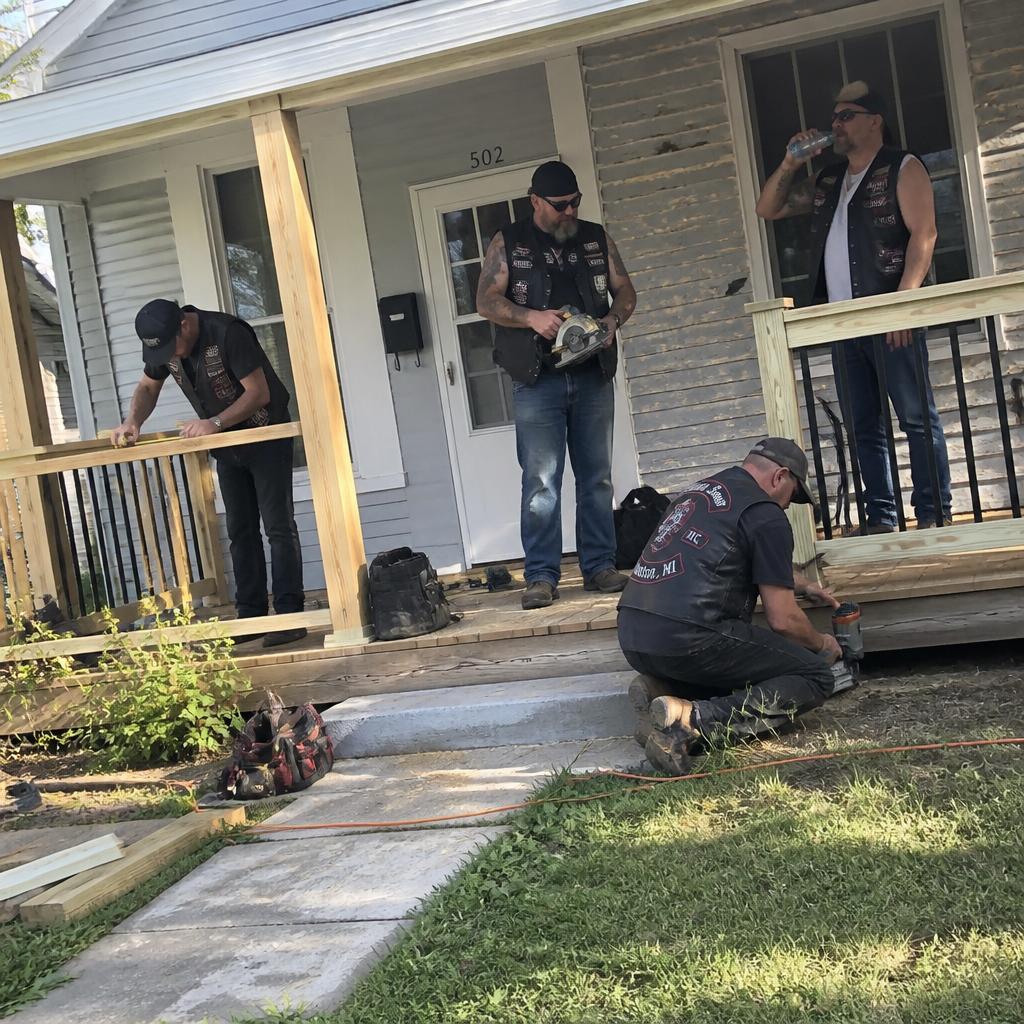
Bikers broke into my house while I was at my wife's funeral. I came home to find fifteen motorcycles parked in my driveway and my back door kicked in. My neighbors had called the police twice. I could hear power tools running inside my house. I was still in my funeral suit. Sarah's obituary was still in my jacket pocket. I'd just buried my wife of thirty-two years and now someone was destroying my home. I walked through my kicked-in back door ready to fight whoever I found. I didn't care anymore. Sarah was gone. What else could they take from me? What I found in my kitchen stopped me cold. Three men in leather vests were installing cabinets. Two more were painting my living room. One was on my roof — I could hear his boots on the shingles. Another was on my porch with a circular saw, cutting boards to replace the rotted sections I hadn't been able to afford to fix in six years. And sitting at my kitchen table, hands shaking, staring at a photograph of his mother, was my son. My son who I hadn't spoken to in nine years. "Dad." His voice broke on the word. He stood up. He was wearing a leather vest. Patches I didn't recognize. A club I'd never heard of. "Dad, I'm so sorry." I didn't understand. None of it made sense. "What are you doing here? How did you even know?" "Mom called me. Three months ago. Before she got bad. She told me not to come to the funeral. She said, 'Don't be there when he buries me. He'll see your vest and shut you out before you can open your mouth. Be at the house when he gets home. Let him find you.'" My wife had stage four pancreatic cancer. Six months from diagnosis to death. She'd hidden how sick she was until she couldn't hide it anymore. She'd refused to let me call our son. "He made his choice," she always said. "He chose that club over this family." But Sarah had made a different choice when she knew she was dying. Michael's hands were shaking. "She called me and said, 'Your father is going to fall apart when I'm gone. He won't eat. He won't take care of himself. He won't take care of the house. And he'll push away anyone who tries to help because that's what he does.'" He wiped his eyes. "She said, 'I need you to come home. I don't care about your pride or his. He's going to need help and you're going to give it to him. Bring your brothers. Fix his house. Fix your family. Don't let him die in that house alone.'" I couldn't speak. Sarah had done this. Planned this. Reached out to the son who'd walked out of our lives nine years ago because I told him his motorcycle club was going to ruin him. The same thing people said to me when I rode at his age. I threw my own fear at my own son and called it wisdom. And he left. And I was too proud to call him back. And Sarah respected it — until she was dying and decided that respecting it was going to get me killed. "I told her I would," Michael said. "But I didn't think I could face you alone. So I asked my club. Told them about you. About Mom. About everything." He gestured to the men working throughout my house. "These are my brothers. They volunteered." My legs buckled. Just gave out. Michael caught me and we both went down on the kitchen floor — the same floor Sarah used to stand on making coffee every morning at 5:40, same pot, same mug, thirty-two years without missing a day — and I held my boy for the first time in nine years. "I'm sorry," I said. "I'm sorry for everything." "Don't. Mom said if we spent the first hour apologizing she'd come back and haunt us both." I laughed. Sobbed. Both at the same time. The sound that came out of me wasn't something I'd ever made before. The bikers worked for three days. They came in shifts. Brought food. Made sure I ate. Tommy, the one with the gray beard, patched my roof in four hours and said the previous job was "a crime against gravity." Snake rewired my bathroom exhaust fan and told me whoever had done it originally should be in prison. I told him I'd done it originally. "Then you should be in prison," he said, and handed me a beer. I was a union electrician for thirty-five years. Ran wire on commercial jobs all over the state. My hands built things. Fixed things. That's who I was — a man whose hands worked. And here were fifteen men doing for my house what I'd been too broke and too emptied out to do myself. I learned my son was a mechanical engineer. Married to a woman named Jessica. Vice president of his club chapter. And he had two children. My grandchildren. Liam, seven. Emma, four. "They want to meet you," Michael said on the second day. "If you're ready." I couldn't answer. Just nodded. That afternoon I watched a biker named Reno pull a cabinet door off its hinges with one hand. Grip like a vise. Forearms thick as fence posts. He set it down, reached for the next one, pulled it clean. Then I watched Tommy on the porch. He'd been running the circular saw for three hours — clean cuts, no wasted wood, the kind of precision you only get from years of knowing a tool. But between cuts he'd shake out his right hand. Quick. The way you shake water off your fingers. He'd flex the fist, open it, flex it again, then pick the saw back up. He caught me watching and shrugged it off. "Stiff today." But I'd seen that shake before. Eddie used to do the same thing with his coffee cup. And I thought about my brother Eddie. Eddie at our Fourth of July barbecue, six years ago. He'd been on the Lipitor a while by then — long enough that nobody talked about it anymore, long enough that the prescription had just become part of him, the way a limp becomes part of a man who stops noticing it. Holding a beer bottle, talking to our cousin Mark about the Phillies, and the bottle slipped out of his hand and shattered on the patio. He laughed. "Getting old." But I saw his wife Carol watching his hands. Not his face. His hands. And the expression on her face wasn't amused. It was the expression of a woman who'd been watching something happen for months and was waiting for everyone else to notice. I noticed. And then I made myself forget, because noticing meant thinking about what it meant, and thinking about what it meant was a door I didn't want to open. Jessica pulled up in a minivan the next morning. The door slid open and a boy came running across my yard yelling "Grandpa! Grandpa!" like he'd known me his whole life. Michael had shown them pictures. Told them stories. Prepared them for this moment the way you prepare a child for something you want them to love before they ever see it. Liam grabbed my hand and pulled me inside to show me a drawing he'd made on the drive over. Two stick figures on a motorcycle. One big, one small. "That's us," he said. "Mom said you used to ride." "I did." "Can you teach me?" "You're seven." "So?" I looked at Michael. He was leaning against the doorframe watching us. Not smiling exactly. Something deeper. Something that looked like a wound beginning to close. Emma was quieter. She hid behind Jessica's legs for the first twenty minutes, studying me with serious brown eyes. Then during lunch she walked over to my chair, climbed into my lap without asking, put her head against my chest, and fell asleep. The weight of her. The warmth. The small fist curled around my shirt. I sat there afraid to breathe because breathing might wake her and then the moment would end and I didn't want it to end. That Saturday, after the crew had packed up for the day, I sat on the porch alone with a beer I wasn't drinking and thought about Eddie. Thanksgiving. Three years ago. Eddie at Sarah's dining table. Telling a story about a job he'd finished that week — he was a pipe fitter, same local as me, different trade. He stopped in the middle of a sentence. Stared at the wall behind the stove. "What was I saying?" Carol filled in the rest. Smoothly. Practiced. Like she'd been finishing his sentences for months and had stopped thinking it was unusual. After dinner that night Sarah had taken my arm in the kitchen and said, "Ray. Something is wrong with your brother." "He's tired." "That's not tired." She was right. It wasn't tired. But Carol had recited his numbers to me at that very dinner — "191 total, Ray. 104 on the LDL. His doctor says he's doing great." She'd said it like she was trying to convince herself. Managed. Controlled. The atorvastatin was doing its job. Beautiful numbers. A doctor who smiled every six months. I kept watching Liam talk across the lunch table. Every word landing. Every detour intentional. Every sentence finished. He caught me watching and grinned. "Am I doing it right, Grandpa?" I didn't know what he meant. But I said yes. On the third afternoon Emma pointed up the stairs. The crew was painting the guest room and she wanted to watch. "Up," she said. I lifted her. Carried her up the stairs. Thirty pounds of trust on my shoulder, her fist curled in my collar. Fourth step. My chest clenched. Pressure. Like someone had laid a flat hand against my sternum and pushed. My vision grayed at the edges. I grabbed the railing with my free hand and stood there halfway up my own staircase, holding my granddaughter, waiting for my heart to decide what it was going to do. She didn't notice. She was playing with my collar. "It's blue, Grandpa." Five seconds. Maybe ten. The longest ten seconds of my life. Because those ten seconds weren't about whether I was going to die. They were about whether I was going to die holding a four-year-old on a staircase her mother had just entrusted to me. It passed. The gray pulled back. I set Emma down at the top of the stairs. Sat on the step. Breathed. From across the hall, Doc watched me. He was spackling a seam in the guest room, putty knife in hand, and he looked at my hand on the railing, at the color that hadn't come back to my face, at the four-year-old standing at the top of the stairs I'd almost collapsed on. He went back to work without a word. I sat on the step and thought about the phone call. Eighteen months ago. Carol's voice. Flat. The flatness that comes after crying has used up everything and left only facts. "Eddie's gone. They said his heart. Massive cardiac arrest. Kitchen floor. Coffee still running." I'd driven to their house. Carol was sitting at the kitchen table with Eddie's pill organizer in front of her. Seven compartments. Every one filled. Every dose taken. Eleven years of atorvastatin. Not a single day missed. "His cholesterol was perfect, Ray. They told us every six months it was perfect. They said he was protected." Protected. That word sat in the room like a lie that had finally been caught. Eddie was sixty-four. Took atorvastatin for eleven years. LDL was 104 the week he died. And Carol found him on the kitchen floor on a Tuesday morning with the coffee still dripping into an empty pot. The railing was cool under my hand. The gray was gone from my vision. My heart had decided to keep going, this time. On the fourth morning the bikers finished. My house looked better than it had in fifteen years. They packed up their tools. Came up one by one. Handshakes. Hugs. Phone numbers on the backs of receipts. Tommy was last. He put his hand on my shoulder — and I felt the tremor in it. Slight. The kind you'd miss if you weren't looking. But I'd been watching hands since Eddie's barbecue, and a man doesn't forget what a tremor looks like once he's started noticing. He saw me register it. Shrugged. "Atorvastatin. Three years. Doc's working on me about it." He let go of my shoulder. "Your wife planned every detail. The paint colors, the cabinet hardware — she drew diagrams, Ray. She had opinions about grout." He shook his head. "That woman was something else." They fired their engines and rolled out. Fifteen bikes. Then Michael handed me an envelope. Small. White. Sarah's handwriting on the front. Two words: RAY — AFTER. "Mom gave me this before she died. She said to give it to you after the house was done." He paused. "She was very specific about the timing." I took it inside. Sat down at the kitchen table she'd had rebuilt. Opened the envelope. Inside was a single sheet of paper. Her handwriting. Neat, even strokes — the same handwriting that had written thirty-two years of grocery lists and birthday cards and notes she'd leave in my lunchbox when I had a long job. A list. Eat breakfast. You skip it when I'm not there to make it and you know it. Call your sister on Sundays. She'll worry if you don't and she won't say so. Don't sell the house. I didn't fix it up so you could run away from it. Let Michael bring the kids every week. Don't push him away again. I swear to God, Ray. Talk to Marcus about your heart. He knows. You won't listen to a doctor. You never listened to me. Maybe you'll listen to a brother who's been where you're going. Don't die in this house alone. That's not what I fixed it for. I read it four times. Item five. Talk to Marcus about your heart. This one hit different. Because it meant the house wasn't the plan. The house was the cover. She fixed the house so I'd have a reason to stay. She brought Michael back so I'd have a reason to live. And she arranged Marcus so I'd actually stay alive long enough to do both. Three layers. The deepest one was my heart. She'd been building toward this line the whole time. Item six. Don't die in this house alone. That's not what I fixed it for. The last thing my wife ever wrote to me. I ran my thumb over the letters. Pressed my fingertip against the period at the end as if I could feel the pressure of her pen when she'd made it. She was trying to save my life from the other side of a headstone. And she'd known I'd fight her on it even from there. I called Michael the next morning. "Who's Marcus?" "We call him Doc. Sergeant-at-arms. Retired paramedic — twenty-four years on ambulances." "Why did Mom want me to talk to him?" Michael was quiet for a moment. "Because I told her about him. What he went through with his own cholesterol. His doctors pushing the same pills they're pushing you. His own father." A pause. "Mom asked me to make sure he was on the crew. Not just for the spackling. She said, 'Your father has the same problem Marcus had. Make sure Marcus talks to him. He won't listen to a doctor. He won't listen to me. He might listen to a brother.'" Even dying. Even in her last weeks. She was three moves ahead of everyone in the room. My LDL was 178. My doctor had been pushing rosuvastatin — generic Crestor — for two years. I'd stopped going to appointments after the second time he brought it up. Because I'd watched what that class of drug did to Eddie. Watched his hands go soft. Watched his words go missing. Watched him die with a number his doctor was proud of. Sarah used to fight me about it. "At least go to the appointment. At least talk to him." I'd change the subject. Pick a fight about something else. Push away the thing I didn't want to face until the person pushing couldn't push anymore. Now the person pushing was in the ground. And nobody was going to make me deal with it. Except she already had. Doc came back the next evening. Alone. Two cups of gas station coffee. Sat down in the chair next to mine on the porch. He didn't rush it. We sat for a while. Watched the street go dark. Drank bad coffee. "Sarah asked me to talk to you," he said finally. "So I'm talking to you." "About what." "About the thing you're pretending isn't happening. Your chest on those stairs. Your color when you grabbed that railing." He looked at me steadily. "I've been reading bodies for twenty-four years, Ray. I know what I saw." I didn't say anything. "What's your LDL?" "178." "Your doctor talk to you about that?" "Wants me on rosuvastatin. Has for two years." "And you won't take it." "My brother took atorvastatin for eleven years. His hands went first. Then his words. Then him. His LDL was 104 the week he died." Doc nodded. Not the nod of someone hearing new information. The nod of someone hearing their own story told in another man's voice. "My father," he said. "Simvastatin. Fifteen years. Same thing. Grip gone. Fog came. His doctor kept saying the numbers looked beautiful." He was quiet for a moment. Turned his coffee cup in his hands the way you turn something when the thing you're really holding is heavier than ceramic. "I was the one who found him. Bathroom floor. Three in the morning. I was on shift and my mother called the ambulance and they sent my unit because that's how the rotation worked that night. I walked into my own parents' house in my uniform and put my own father on a stretcher." He set the cup down. "I pulled people off bathroom floors for twenty-four years. You know what most of them had in common?" "High cholesterol." "Controlled cholesterol. That's the thing nobody tells you. More than half the cardiac events I responded to — heart attacks, strokes, collapses — were people whose doctors were happy with their numbers. People on statins. People who were doing everything right according to the chart. And I'm loading them onto a stretcher at six in the morning on a Tuesday." "Eddie's doctor was happy with his numbers." "Eddie's doctor was reading the wrong gauge." He set his coffee on the railing. Pulled a pen from his jacket. Grabbed a flattened pizza box from the stack by the door — leftover from the night before — and tore off a clean piece of cardboard. "You're an electrician." "Thirty-five years." "Then I'm going to explain this the way it should've been explained to Eddie eleven years ago." He drew a rectangle on the cardboard. Put a lid on it. "This is a junction box. Twenty-year-old building. You pull the cover on a service call. The breaker reads fine. The meter says the circuit's live, within spec. Everything looks good on the panel." He tapped the rectangle. "You open the box. And every connection inside is green. Pitted. The copper has oxidized — the air got at it, year after year, and the metal rusted. Same wire. Same connections. Nobody added anything. The atmosphere did it." He drew an X through one of the connections. "The current is still running. The meter still reads normal. But the contacts are eaten. Rusted through. And one day the load spikes — a compressor kicks on, a motor starts — and the corroded joint arcs. And that's your fire." He looked at me. "That's the heart attack, Ray. Not the amount of current in the circuit. The condition of the connections carrying it." I stared at the cardboard. "Your LDL — the number your doctor watches — that's the meter reading. It tells you how much cholesterol is in your blood. It says nothing — nothing — about how much of that cholesterol has already rusted." "Rusted." "Same process as the green on those connections. When free radicals attack your cholesterol — and those are the worst ones your body makes — the cholesterol goes rancid. Changes structure. Turns sticky. And that rusted cholesterol burrows into your artery walls and packs in, layer over layer, year after year, and hardens into plaque. Then one day the load spikes and a piece of that plaque tears loose and the artery seizes shut." He tapped the X on the cardboard. "That's the fire. Not the amount of cholesterol you have. The cholesterol that's gone rancid. The rust. You can have a perfect reading on the meter and rusted connections behind every cover plate in the building." Eddie. LDL 104. Perfect reading. Rusted connections the whole time. "And it gets worse," Doc said. "When your cholesterol rusts, your body reads that rust as damage — an injury — so it makes more cholesterol to patch it. Which gives the rust more to work on. Which your body reads as more damage. So it makes more still." He drew a circle with an arrow chasing its own tail. "The rust drives overproduction. The overproduction feeds the rust. A wheel. And the statin can only chop at the meter reading — the amount. It can never touch the rust that's spinning the wheel. It bails water as fast as it can and never once finds the hole the water's coming through." "Eddie's doctor was bailing water for eleven years." "And the wheel never stopped." I thought about Carol at the kitchen table. The pill organizer with every compartment filled. The word protected hanging in the room. My phone buzzed against my thigh. I pulled it out. A photo from Michael — Liam and Emma at the kitchen table, crayons everywhere. Liam was holding up a new drawing. Another motorcycle, still barely recognizable, but this one had two riders. Emma was asleep in her chair with her face on her arms. I looked at the drawing. Looked at the pizza box with its circles and its rusted connections and the wheel chasing its own tail. My grandson drew a picture of me. And the thing that was rusting in my arteries right now — the thing the cardboard was trying to explain — was the thing that could take me out of his drawings permanently. "Now here's what the pill does to you while it's not fixing the problem." Doc drew a second diagram — a box with two lines coming out of it. "This is your liver. The statin goes in and shuts down a production line. That line makes cholesterol — that's the whole point, make less, drop the number. But that same line — same switch, same valve — also makes something called CoQ10." He wrote it once. Tapped it. "The spark. The current that fires every cell in your body. Your heart. Your muscles. Your brain. Your hands." He looked at my hands. I looked at them too. The hands that had run wire for thirty-five years. The hands that had held Emma against my chest two days ago while she slept. If this pill drained the spark from them — if they went the way Eddie's went — those hands would be the first thing to go. "The statin can't shut off one without the other. It dims every circuit in your body to lower a reading on the meter. And nobody ever opens the box." Eddie's hands around a beer bottle. The bottle hitting the patio. Carol's eyes. "The fatigue that sleep never fixes. The grip gone soft on things one hand used to do alone. The fog that eats the back half of your sentences. The tank empty by four o'clock with the evening still ahead." Doc set the pen down. "Doctors call that a side effect. It's not. It's the drug doing exactly what it's built to do." Eddie at Thanksgiving. The wall behind the stove. Carol finishing his sentence. His doctor calling it age. "So the pill fails twice," Doc said. "It never stops the rust that's actually killing you. And it drains the spark that keeps you standing. Eddie's doctor watched the meter for eleven years and never once opened the box. And Eddie paid for it with the spark first, and then with his life." We sat there. Crickets. A dog barking two streets over. The porch smelled like fresh-cut pine — the boards were only three days old. "So what's the answer," I said. "If the pill can't stop the rust, and everything else I've tried — the fish oil, the oatmeal, the garlic — if all of that just mops the floor while the roof leaks." "The answer is something that does two things at once. The opposite of what the pill does. Stop the rust. Leave the spark alone." "That exists?" "In the last place I expected." He picked the pen back up. "You know what gives a beet that deep red color? The color that stains everything it touches and won't come off your hands?" "Sure." "That pigment has a name. Betalains." He said it once, then tapped the cardboard. "The red. And it's an antioxidant — but not like any antioxidant you've heard of. Not like the fish oil or the vitamin C or the seventeen bottles on the shelf that work like a carpet bomb, flooding your system and knocking out every damaging radical they hit, including the ones your immune system needs." He drew a fresh circle on the cardboard. "The red is a smart missile. It goes after only the exact reaction that turns your cholesterol rancid — the specific damage that causes the rust — and leaves everything else alone. Every other antioxidant you've ever taken scatters everywhere. This one finds the target." He tapped the circle. "And here's the part that matters most." He leaned forward. Set the pen on the cardboard. "Most things you swallow stay in the bloodstream. They work on the outside of the problem. The red gets carried into the blood folded right inside the cholesterol particle itself — inside the connection, where the rust actually starts." He let that sit. I looked at the cardboard. At the shield he'd drawn inside the circle. Inside the particle. Not floating around it. Not bumping up against it from the bloodstream. Inside. "A statin can't reach in there," Doc said. "Fish oil can't. Nothing on any shelf can. Every supplement you've ever taken stays on the outside looking in. The red goes in. It stops the rust at the source — before it ever turns sticky, before it ever builds the plaque." "And it does all of it without touching that production line in your liver. Never lays a finger on the spark. Stop the rust. Leave the spark. The one thing the pill can't do, this does. The one thing the pill does to you, it doesn't." Stop the rust. Leave the spark. Coming from a man who'd pulled people off bathroom floors for twenty-four years and watched his own father die on the drug I was being told to take. "Where does this come from?" "An old beet. Not the one in your grocery store — that one's been bred for sugar for a hundred years. Every time they breed a beet sweeter and bigger, they breed the red down. The beet that used to be medicine became candy." He picked the pen back up, turned it in his fingers. "There's an heirloom strain the Amish out in Lancaster County have been saving by hand for over a hundred and fifty years. Never crossed it with the sugar beet. They call it Blutwurzel — blood root. It carries close to ten times the red of anything in a store. That's the beet in the studies that worked." "Amish." "A handful of Plain families in Lancaster County, Pennsylvania. They harvest it by hand after the first frost, when the plant pulls everything back into the root and the red runs deepest. Then they shade-dry it slow — weeks, not hours — because heat kills the red. If you cook it, it's dead. Brown dust. What reaches the capsule has to be deep crimson and alive, or it does nothing." He crumpled his cup. "The company is called Rosabella. Thirteen hundred milligrams a capsule — the dose in the studies that worked. And they post the lab report from an outside lab on every batch. Not stars on a website. The actual numbers." He looked at me. "I've been off simvastatin for two years. My LDL is 131. The rust markers — the thing my father's doctor never tested for — are lower than they were when I was on the drug. And my hands work." He closed his fist. Opened it. No tremor. "That's my pitch. Sarah asked me to deliver it. What you do with it is between you and her." He wrote the name on the back of a gas station receipt. Set it on the railing next to my hand. Started his bike. Pulled out of my driveway. I sat there until the sound of his engine faded. Then I went inside. Laid the receipt next to Sarah's list on the kitchen table. I looked at the receipt. Rosabella. Thirteen hundred milligrams. Shade-dried. Heirloom strain. Lab report. And I did what I always do. I pulled out my phone, typed "beetroot capsules" into Amazon, and ordered the first result. Four and a half stars. Two thousand reviews. $19.99 with Prime shipping. I heard Doc's voice in my head — the strain, the dose, the drying. I told myself a beet was a beet. The same way I'd told myself Eddie was just tired. The same way I'd told Sarah we didn't need to talk about oxidized cholesterol over pot roast. I'm a man who doesn't listen. That's the flaw Sarah built her entire plan around. She knew I'd ignore Doc the way I ignored her. She planned for it. But I'm getting ahead of myself. The capsules arrived in two days. I took two every morning with water. By day three I felt something. A lift. Not dramatic — but real. The fog that usually sat behind my eyes by afternoon thinned out a little. I had more in the tank at the end of the day. I told myself it was working. I told myself Doc's specifics — the strain, the temperature, the dose — were just a purist's obsession. The Amazon capsules were doing the job. I could feel it. Three weeks later I walked into a walk-in lab and paid for a cholesterol panel. LDL: 182. I stared at the printout. Up from 178. I'd felt better. My energy was up. My head was clearer. And my number had gone in the wrong direction. The lift had fooled me. I'd felt a little something and assumed the rust was being addressed. But the slight something the cheap capsules gave me was just blood moving a bit easier — the fastest, simplest thing a beet does, and the thing that fools you into thinking the deeper work is happening when it isn't. I sat in the parking lot of that lab holding the printout and thought about Eddie. His doctor smiling at beautiful numbers while the rust built behind every cover plate. And here I was — smiling at a little energy lift while my own numbers climbed. Feeling better is not the proof. The lab sheet is the proof. I was angry. At the capsules. At myself. At the four and a half stars that meant nothing. I drove home and dropped the bottle on the kitchen counter and stood there staring at it. Then I looked at the nightstand. Sarah's nightstand. Her reading glasses. The dust ring on the water glass. And a book — something about heart disease and natural interventions. One of her projects. I'd set it in the box with the rest of her things the first week. The box was still on the bedroom floor. I hadn't been able to take it to Goodwill. I don't know why I reached for it. Maybe because I'd run out of other things to reach for. Maybe because the lab printout had stripped away the last wall between me and the thing I'd been avoiding since she died — that she'd been right about everything, every time, and I'd shut her down every time, and now the only way to listen was to find whatever she'd left behind. I picked up the book. A manila folder slid out of the back cover and landed on the carpet. Printouts. Studies. Pages from medical journals. Some highlighted in yellow. Some in pink. And in the margins — her handwriting. The same neat, even strokes as the list. The same pen. She'd been doing this for months. Not as a health kick. Not as casual reading. She'd been building a case. The way she built the house plan, the way she built the Michael plan, the way she built the Doc plan. Layer by layer. Quiet. Thorough. Because she knew I'd shut her down if she brought it up directly. And I had. At dinner. Over pot roast. "Ray, I read something about oxidized cholesterol. About how the number they test for isn't actually —" And I'd told her to stop. And she'd closed the magazine and never brought it up again. She didn't stop researching. She stopped telling me. The folder was thick. She'd organized it with paper clips and sticky notes. A pharmacist's business card was stapled to the inside cover — someone she'd been talking to, asking questions, the way she asked questions about everything, thorough and relentless and precise. And paper-clipped to the very last page, an index card. Her handwriting. Block letters. Underlined at the top: RAY — WHEN YOU FINALLY LISTEN. She knew. Even the header was Sarah — exasperated, loving, certain she'd be proven right. Four lines: The right strain — Blutwurzel, the heirloom, not the grocery beet. A hundred years of breeding for sugar bred the medicine out. "The beet that was medicine became candy" — she'd written it in quotes, attributed to the pharmacist. Shade-dried, never heated. "Heat kills the red. If it's brown, it's dead." She'd underlined dead twice. 1,300 milligrams per capsule — the dose in the studies. "Most brands sell you a fraction inside a 'proprietary blend.' A blend is where the truth goes to hide." Lab report from an outside lab. Published. On the actual batch. "Anyone can buy stars, Ray. Nobody can fake a lab sheet." And below the four lines, circled: Rosabella. The same name on Doc's gas station receipt. She'd already found it. Months ago. Before she died. She'd done all of the work I was too stubborn to let her do in front of me, and she'd left it in the one place she knew I'd eventually look — behind her reading glasses, inside her book, on her nightstand. The last place her head had rested. I stood in the bedroom holding her index card and I said out loud to nobody: "I told you to stop talking about it over pot roast. You stopped talking. You didn't stop working." I went to the kitchen. Got a white saucer from the cabinet above the rebuilt counter. Set it on the table. Twisted open one of the Amazon capsules. A dull, brick-brown powder fell onto the saucer. Lifeless. The color of dirt. Then I opened my laptop. Ordered Rosabella from the link Doc had written down and Sarah had circled on her card. It arrived three days later. I twisted open one of those capsules over the same saucer, next to the brown pile. Deep crimson. Almost violet. And when I tipped a drop of water onto it, it bled red across the white dish like a fresh cut. The dead dust next to the living thing. One brown. One crimson. Side by side on a saucer at the kitchen table my dead wife had picked the hardware for. I heard her voice. The same tone she used when I bought the wrong grout. "See? Was that so hard?" Next morning. Two capsules. A tall glass of water. I sat on the porch — the porch fifteen bikers had rebuilt — and waited. I wasn't expecting anything. I'd been fooled once by the cheap brand's little lift. I wasn't going to mistake movement for medicine a second time. But something shifted. Different in kind, not degree — nothing like the Amazon capsules. About twenty minutes in — warmth. Moving down through my shoulders and out into my hands. My hands. The hands that had run wire on commercial jobs for thirty-five years. The hands that held Emma against my chest while she slept. I could feel heat reaching my fingertips in a way I hadn't noticed was missing until it came back. And the heaviness behind my eyes — the low-grade static I'd been carrying so long I'd stopped registering it — thinned out. Like someone had wiped a window I didn't know was dirty. Not a jolt. Not caffeine. A quiet shift. Like the difference between a circuit running through corroded connections and the same circuit running clean. I sat on that porch for twenty more minutes. Just feeling it. The clarity. The warmth in my hands. The sensation of blood reaching where it hadn't been reaching, maybe for years. But I knew — Doc had been clear, Sarah's studies had been clear — this wasn't the cholesterol. The rust takes weeks to stop. It shows up on bloodwork, not on a porch. What I felt that fast was simpler: my blood moving easier. Oxygen reaching farther. And it told me one thing — the red was alive. The cheap brand had been ash. This was the real thing. The first week I didn't track anything. I dropped two capsules in the morning with water. Ate breakfast because Sarah told me to. Called my sister on Sunday because Sarah told me to. Let Michael bring the kids on Saturday because Sarah told me to. The second week, the fog lifted earlier. By noon instead of never. I caught myself one morning actually tasting the coffee — not just drinking it to stay vertical, but tasting it. I hadn't tasted anything in months. The third week, Liam wanted to see the attic. I carried him up the pull-down ladder — forty-five pounds of seven-year-old on my back, one rung at a time, my hands gripping the rails the way they used to grip conduit on a high-rise scaffold. No chest pressure. No gray. No waiting for my heart to decide. I set him down in the attic and he looked around at thirty years of boxes and dust and said, "Grandpa, this place is awesome." And my hands weren't shaking. Week four, I climbed the same stairs where I'd frozen holding Emma. Walked straight up without thinking about it. Didn't touch the railing. Didn't need it. I was halfway to the guest room before I realized what I'd just done — and I stopped at the top and put my hand on the banister, not for support, but to feel it. The last time I'd touched it, my vision was gray and Emma was playing with my collar and I was waiting to find out if I was going to drop her. The stairs hadn't gotten shorter. Something had changed inside the man climbing them. Emma fell asleep on my chest again that Saturday. I could feel my own heartbeat under her cheek. Steady. Strong. Mine. Week six. I went to Dr. Hendricks. Same doctor who'd been pushing rosuvastatin for two years. The last time I'd been in his office, I'd walked out when he pulled out the prescription pad. The nurse drew blood. I sat in the exam room. Waited. Dr. Hendricks walked in with his laptop. Pulled up my chart. Stared at the screen. Looked at me. Back at the screen. "Ray." "Yeah." "Your LDL is 134." I let the number sit in the room. "Down from 178. Your total cholesterol is 211. Down from 261." He pulled up my old labs on the other half of the screen. Put them side by side. Scrolled between them twice. "What changed? You haven't been in here in over a year." "I found something that addressed the rust." He looked up from his notes. "The rust?" "The thing that turns cholesterol rancid. The thing the statin was never built to touch." He held my gaze for a moment. Then went back to typing. "I'm ordering one additional test," he said. "Measures oxidized LDL — the portion of your cholesterol that's actually undergone oxidative damage." Two days later the results came back. Oxidized LDL: well below the danger threshold. Dr. Hendricks called me himself. "I'm not going to pretend I fully understand the mechanism. But your numbers don't argue with what you're doing. Whatever it is — keep doing it." No rosuvastatin. No prescription. "Whatever you're doing, keep doing it." I drove to the cemetery that afternoon. Parked. Walked to Sarah's headstone. I crouched down and put my hand on the granite. Cold under my palm. "134," I said. "He said keep doing it. No prescription." I stayed there for a while. Just me and the stone and the quiet. "You planned everything. The house. Michael. The kids. Marcus. The list. The folder in the book. You knew I'd buy the wrong one first because I always do. And you left the right answer where I'd find it after I failed." I pressed my hand harder against the stone. "Four layers, Sarah. The house. The family. The mechanism. The product. You built all four of them while you were dying and you timed each one to land when I was ready to hear it." I stood up. Wiped my face. "I told you bikers would destroy Michael's life. His bikers saved mine. I told you to stop reading about cholesterol. Your reading saved my arteries. I told you I was fine. You knew I wasn't." I looked at the stone a long time. "I'm working through the list. Every item. I'm checking them off." That Saturday I went to Michael's for dinner. The kids met me at the door — Liam pulling my hand, Emma with her arms up. "Up." I picked her up. Thirty pounds. Her fist curled in my collar, same as the first time. And I carried her up the stairs to show her the room Liam had been bragging about — the one with the glow-in-the-dark stars on the ceiling. I didn't think about the railing. Didn't reach for it. Didn't stop on any step. Just walked up, Emma on my shoulder, her weight against my chest, my heartbeat steady under her cheek. At the top I turned around. Michael was standing at the bottom of the stairs. He wasn't moving. He was watching me the way Doc had watched me on the day I almost went down — reading my body, reading my color, reading whatever it is people read when they're looking for the thing they're afraid to find. But this time he didn't see it. Because it wasn't there. He didn't say anything. Just nodded. One nod. The kind that means everything and says nothing. The kind Sarah would have given. On the drive home I stopped at a red light next to a pharmacy. In the parking lot, a man about my age was sitting in his car with the engine off, staring at a white paper bag on the passenger seat. The way you stare at something you don't want to open. His wife was in the passenger seat. She was watching him. He was watching the bag. I almost pulled in. I'm writing this because my wife can't. She spent her last months alive building a plan to save a man who wouldn't save himself. She didn't have Facebook. She didn't have a platform. She had a list and a folder and a book on a nightstand and not enough time. If she'd had more time, she would have told everyone. I know that because I knew her. She would have called every wife whose husband was sitting in a parking lot staring at a prescription bag. She would have sat them down at her kitchen table and laid out the studies and the index card and the saucer with the two piles of powder and she would have said, in that voice — the one that was half scolding, half saving your life — "This isn't complicated, Ray. Stop fighting the meter and start stopping the rust." So I'm telling you for her. You already know the signs. You've just been calling them by the wrong name. The grip that's not what it was — the jar lids, the wrenches, the way you switched to a lighter coffee mug and never said why. The afternoon that's over by four. The chair. The eyes closing. The evening still ahead. The word that was right there a second ago and then wasn't. The name you've known for thirty years that takes three seconds too long to find. The stairs that got taller without anyone moving them. Your doctor has a word for all of it. Age. It was the same word Eddie's doctor used for eleven years while the rust built behind a perfect meter reading. And if your doctor has already put you on the statin — if you're already taking the pill that dims every circuit in your body to lower a number — you know exactly what I'm talking about. Because you're living it. There's another way. It worked for Doc. It worked for me. It's what Sarah spent her last months alive making sure I'd find. Rosabella. Two capsules. One glass of water. The red goes where the rust starts — carried inside the cholesterol particle itself, where the damage begins. And it never lays a finger on the spark. No production line shut down. No circuits dimmed. No hands going soft. No man disappearing behind a perfect chart. It's the heirloom Blutwurzel beet — the old seed line the Amish in Lancaster County have been saving by hand for over a hundred and fifty years, never crossed with the sugar beet. Hand-harvested after the first frost, shade-dried so the red reaches you deep crimson and alive. 1,300 milligrams a capsule. The lab report posted where you can read it. Not candy. Not dust. The real thing. And you won't be waiting weeks wondering if you bought dead powder. The first glass tells you — within about twenty minutes — that the red is alive and in your blood. The rust work comes later, on the bloodwork. The proof that you got the real thing comes today. Sarah's list had six items. I've checked off five. The sixth was don't die in this house alone. I don't intend to. https://track.tryrosabella.com/cdc16426-3e48-40a7-9fad-21098084f6cf — Ray Patterson P.S. — Doc sat on my porch and drew the whole thing on a pizza box. The rust. The wheel chasing its own tail. The spark the pill drains. Then he told me the name, and I went home and bought the wrong thing anyway because that's who I am. Sarah knew. She left the answer in a folder I wouldn't find until I'd failed first — and she left it with a header that said "WHEN YOU FINALLY LISTEN" because she'd been married to me for thirty-two years and she knew exactly how long it would take. The product is Rosabella. Concentrated heirloom Blutwurzel beetroot capsules. 1,300 milligrams. Shade-dried. Lab-tested. The 90-day money-back guarantee means you risk nothing except more weeks of rust you didn't need to have. Sarah risked everything. You're risking a refund. P.P.S. — About the twenty minutes. I need to be plain about this because the cheap brand fooled me and I don't want it to fool you. What you'll feel that first morning — warmth into the hands, the window clearing behind your eyes — is your blood moving easier. It means the red is alive and in your blood. It is NOT your cholesterol fixed by lunch. The rust takes weeks and shows up at a lab, not on a porch. And the reverse is just as important: if some brown powder off Amazon gave you a little lift, that lift is not proof the rust stopped. I felt a little something for three weeks while my LDL climbed to 182. The feeling fooled me. Sarah's notes corrected me. The saucer is proof. The lab sheet is proof. The printout is proof. If the powder is brown, the red is dead, and you're swallowing the same nothing I swallowed. Twist one open and look before you swallow another. P.P.P.S. — I need to say this because Doc said it to me and he was right. If you're currently on a statin and what you've read here makes you want to throw the bottle in a drawer — don't. Coming off one of these drugs on your own can be genuinely dangerous. The rebound lands on the exact people whose hearts can least afford surprises. Tommy — the biker who patched my roof and told me my wiring should be a felony — was on atorvastatin for three years when Doc told him the same thing he told me. But Tommy did it the right way. He took the research to his own doctor. They made the plan together. Bloodwork every six weeks. The dose walked down with somebody watching the gauges the whole way. Ten months later he's off it clean and his hands are steady on a circular saw. I was never on a statin — I refused before I ever started, which is its own kind of luck. But if you're on one now, do it like Tommy. With your doctor. With the gauges. Not alone. P.P.P.P.S. — For the women reading this. You're Sarah. You're the one watching your husband's hands lose their grip and calling it age because the doctor calls it age. You're the one who sees the fog settle behind his eyes after dinner and says nothing because what would you say. You're the one up at midnight reading this while he sleeps in that chair. You're closer to the truth than any number on his chart, and you have been this whole time. Carol watched Eddie's hands go soft for years. Watched his words go missing at the dinner table. Called it aging because his doctor called it aging. And then she found him on the kitchen floor on a Tuesday with the coffee still running. Don't be Carol. Be Sarah. Sarah didn't wait. Sarah didn't hope the doctor would fix it. Sarah built a four-layer plan from a hospital bed because she knew her husband wouldn't save himself. You don't have to build a plan from a grave. You're still here. Tell him now. Put the glass in his hand. "Take it. For me." And the rust doesn't check whose name is on the bloodwork — it works the same in women as it does in men. Rosabella isn't a men's product. If your own numbers are climbing, it's for you too. But if you're reading this for him — don't ask. Tell. P.P.P.P.P.S. — Rosabella is a small company and they sell out. It's one heirloom seed line, grown by a handful of Amish families in Lancaster County, hand-harvested once a year after the first frost, and shade-dried on a schedule that will not be hurried because hurrying kills the red. You can't scale a hundred-and-fifty-year-old seed line the way you scale a sugar beet. When a season's batch is gone, it's gone until the next harvest. They have a buy 3 get 3 free deal right now — three months for you, three for whoever you thought of two paragraphs ago. If your bloodwork is coming up in 30 to 60 days, check availability now. Every week you wait is another week of rust that didn't need to happen. The 90-day money-back guarantee carries the risk either way. Sarah carried hers alone. You don't have to. P.P.P.P.P.P.S. — Michael's club is planning a ride for Sarah next month. Sixty bikes. They're going to ride to the cemetery and stand in a line and pay respects to a woman most of them never met — because she loved her family enough to ask strangers for help, and they were the kind of men who said yes. I'll be riding with them. On a bike Michael rebuilt for me in his garage. First time in twenty years. Liam saw the drawing he made that first day — the two stick figures on a motorcycle — taped to my refrigerator and said, "See? I told you." Sarah would have loved that. I told her that, too, last Sunday. Standing at the stone. Working through the list. I'll keep telling her. Every week. Until I've checked off every item. Including the last one. Don't die in this house alone. That's not what she fixed it for. https://track.tryrosabella.com/cdc16426-3e48-40a7-9fad-21098084f6cf
Support stamina and heart health every day
LEARN MORELike this ad? Make it yours.
Crush rebuilds this exact creative around your product — your brand, your colors, your offer — in about a minute.