
Inactive· since Jul 8, 2026
- 21
- days it ran
- 2
- relaunches
Ad copy
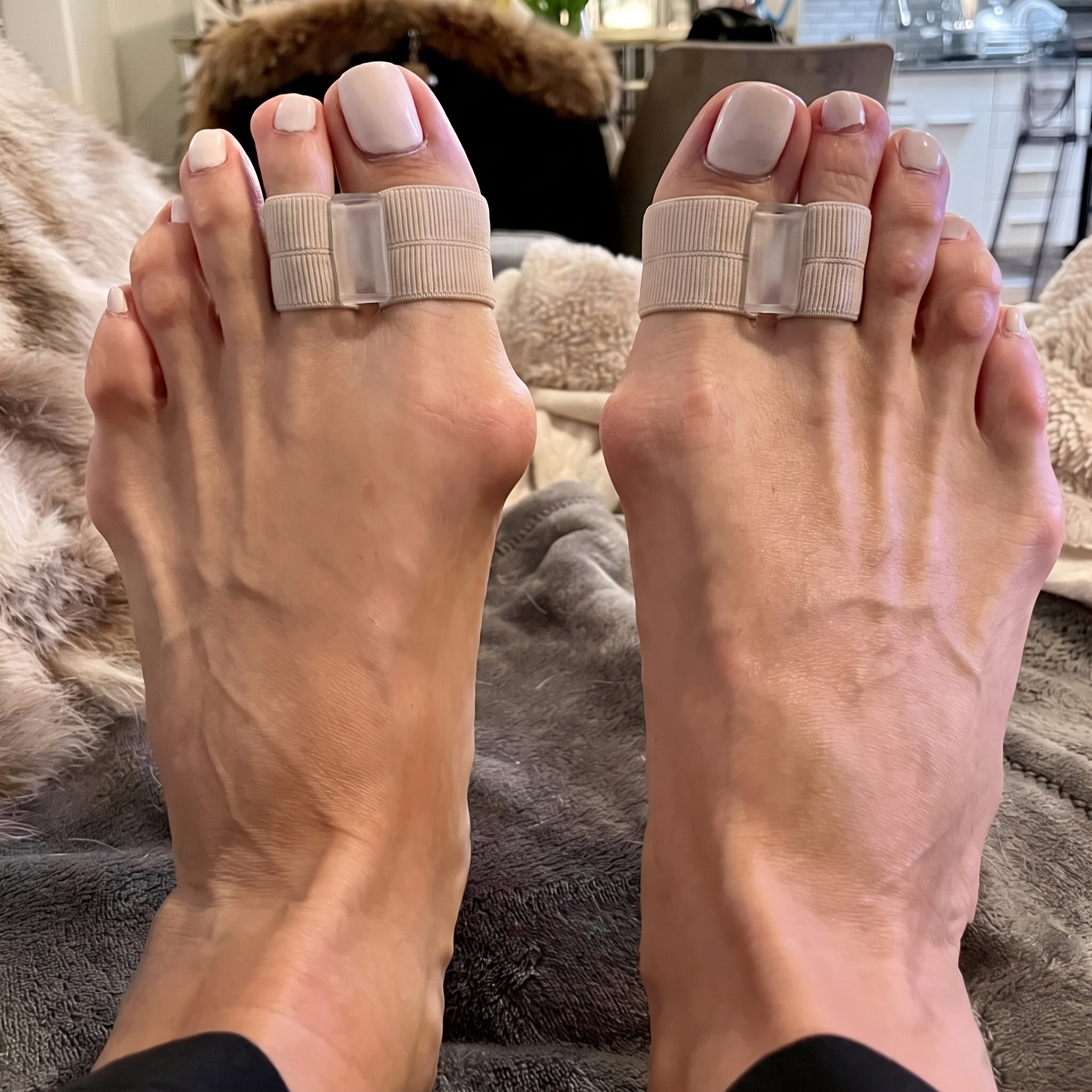
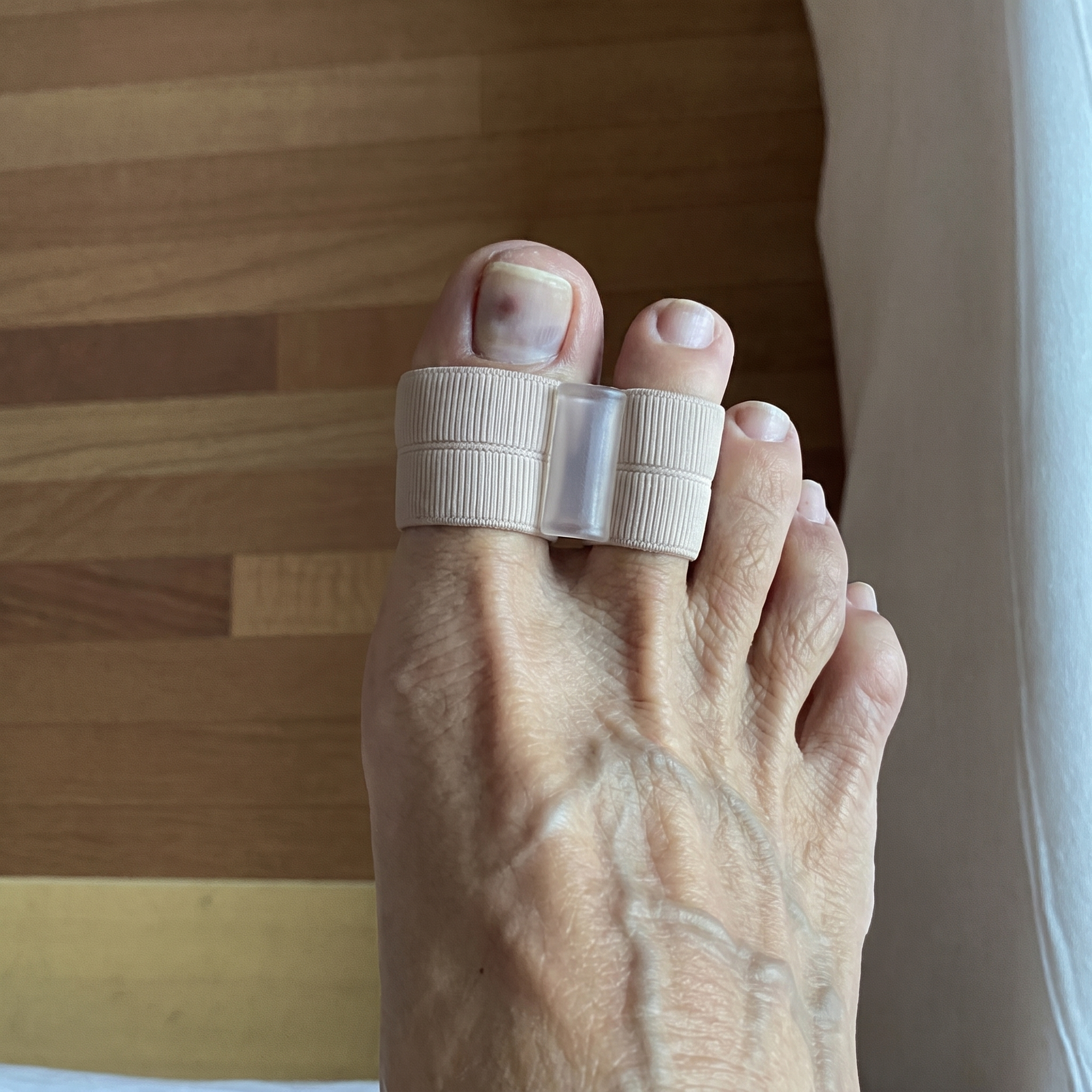
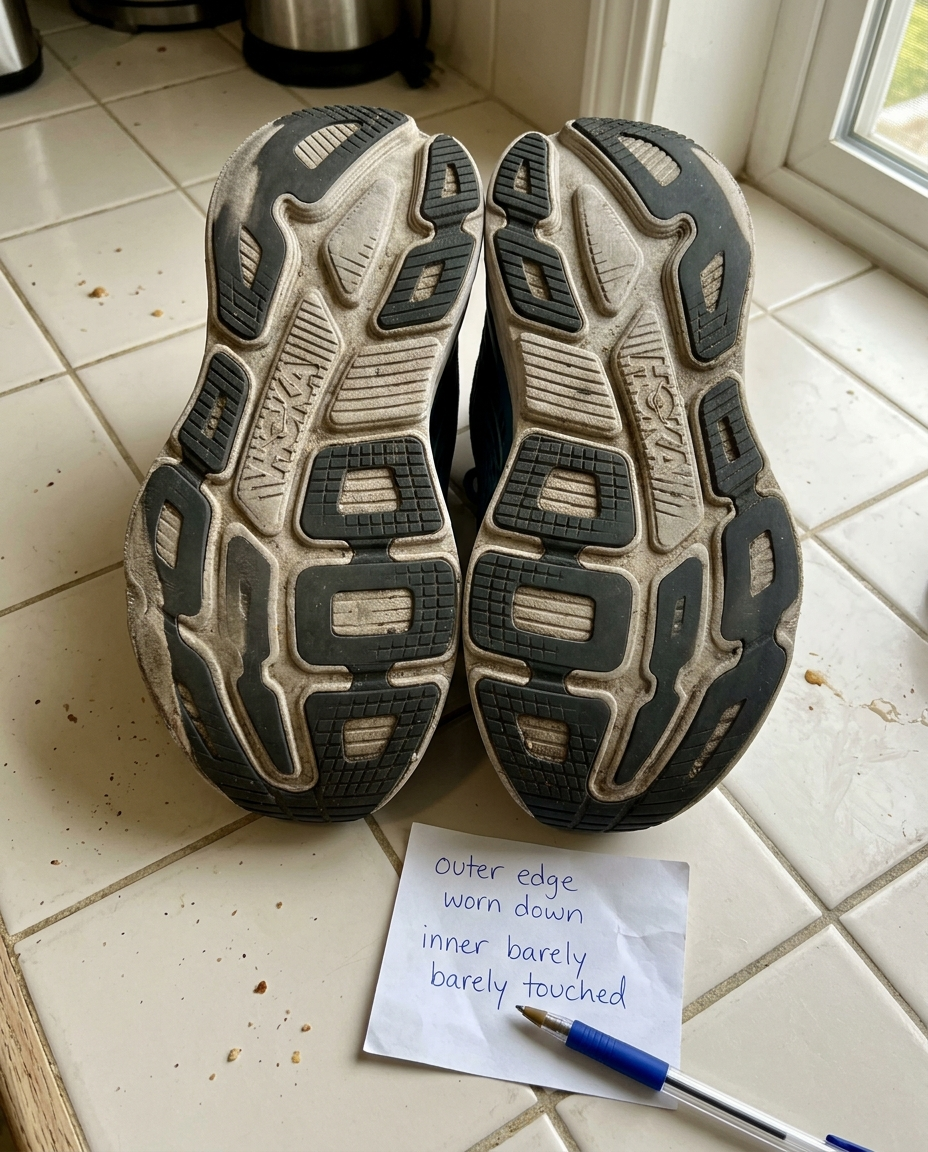
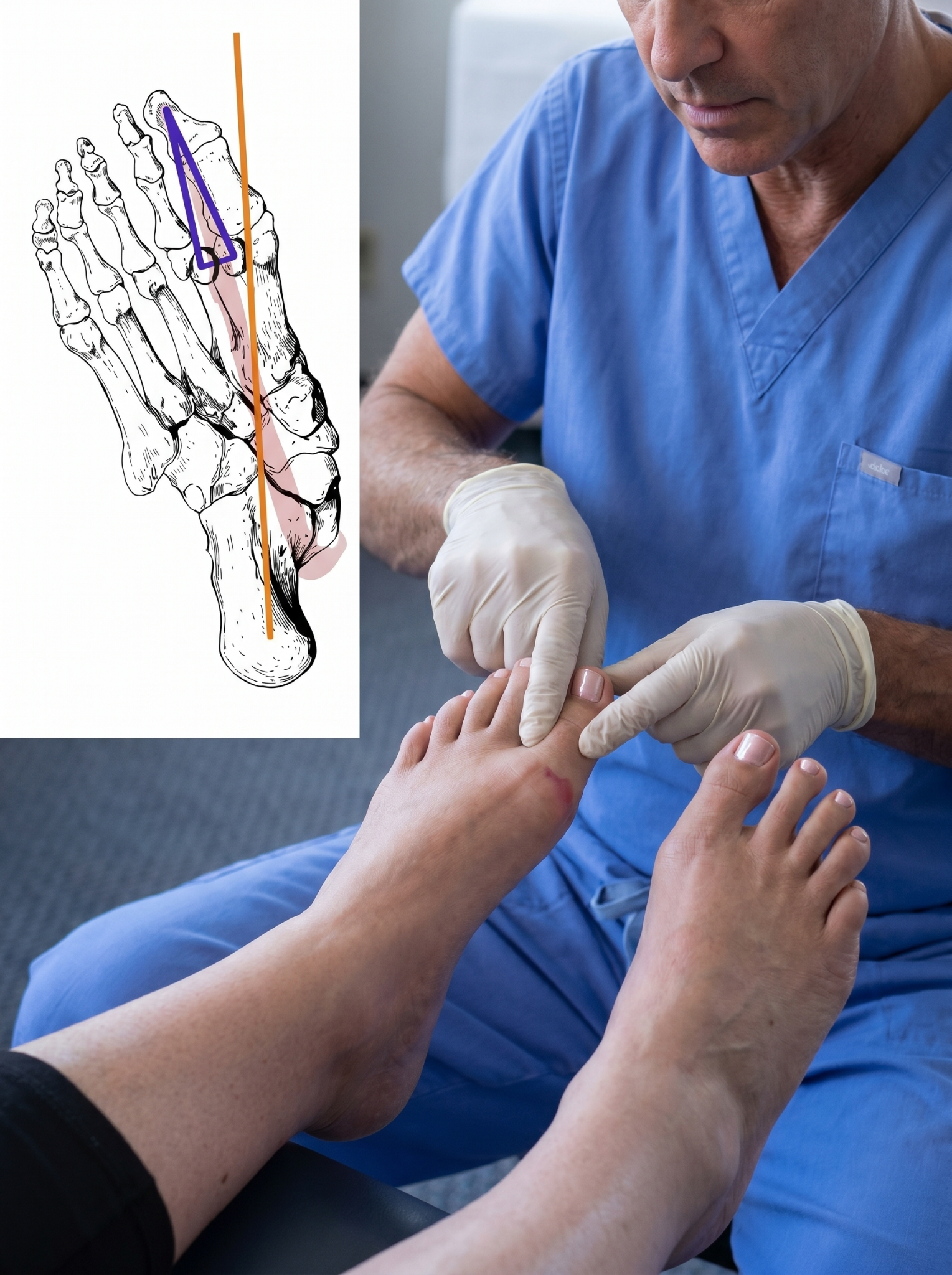
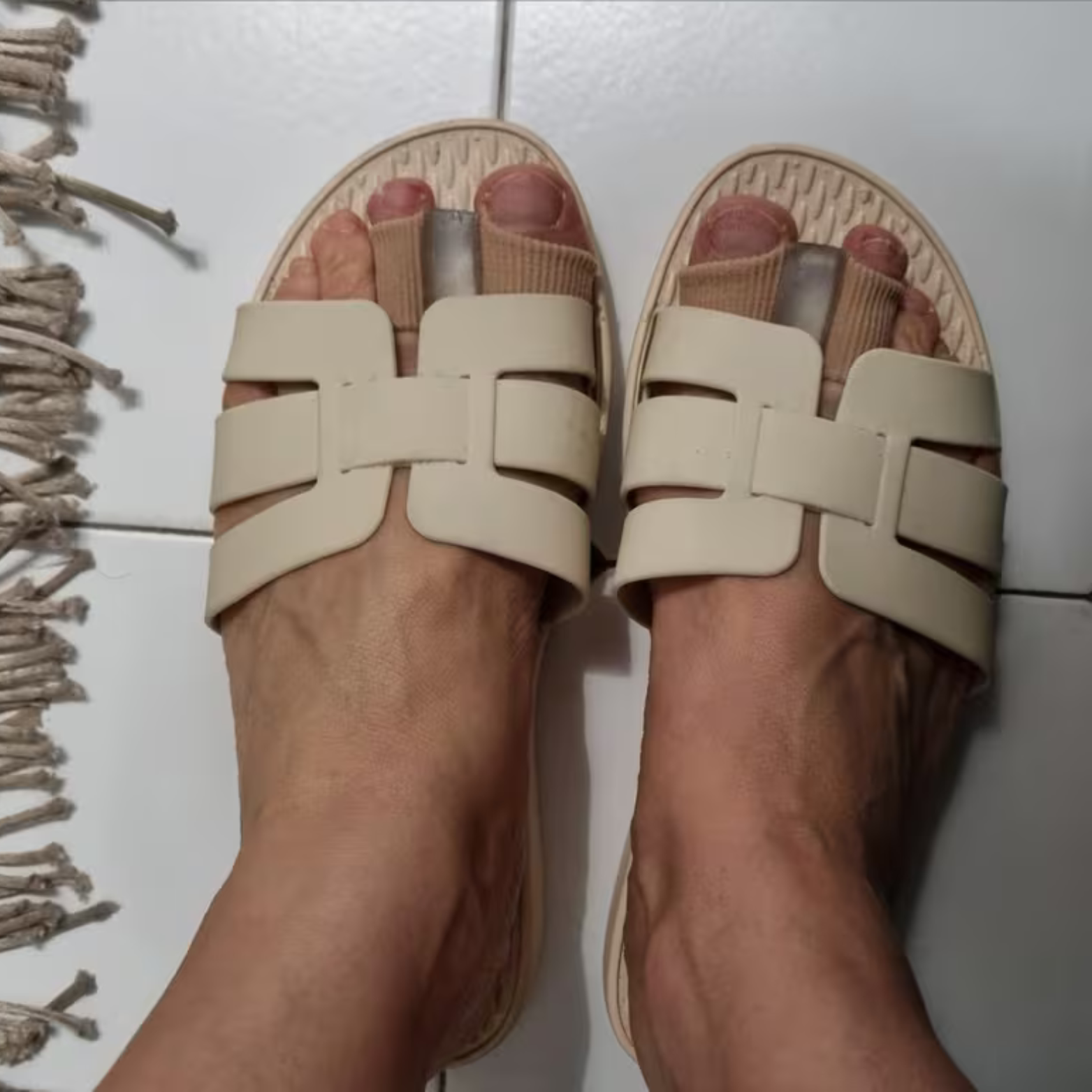
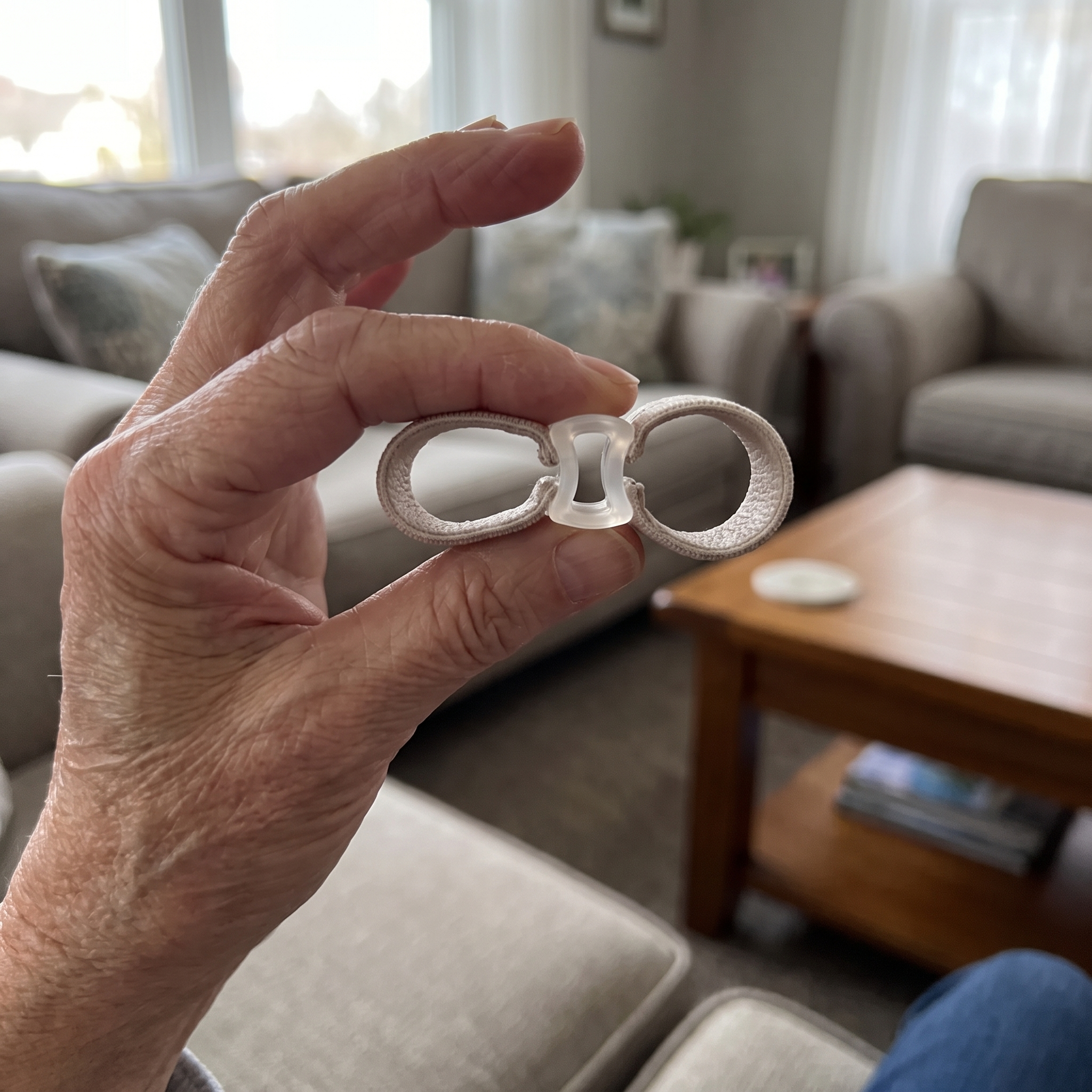
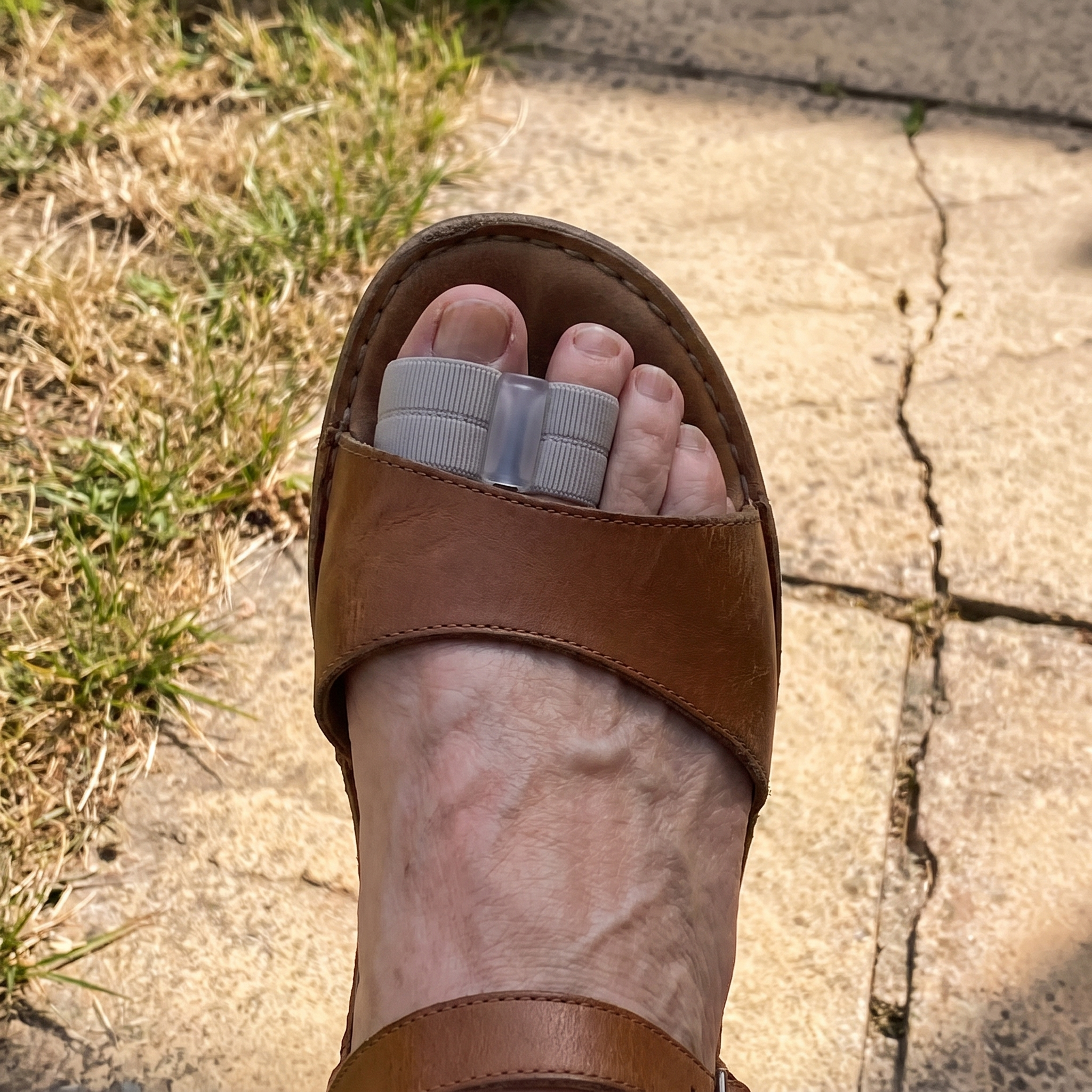
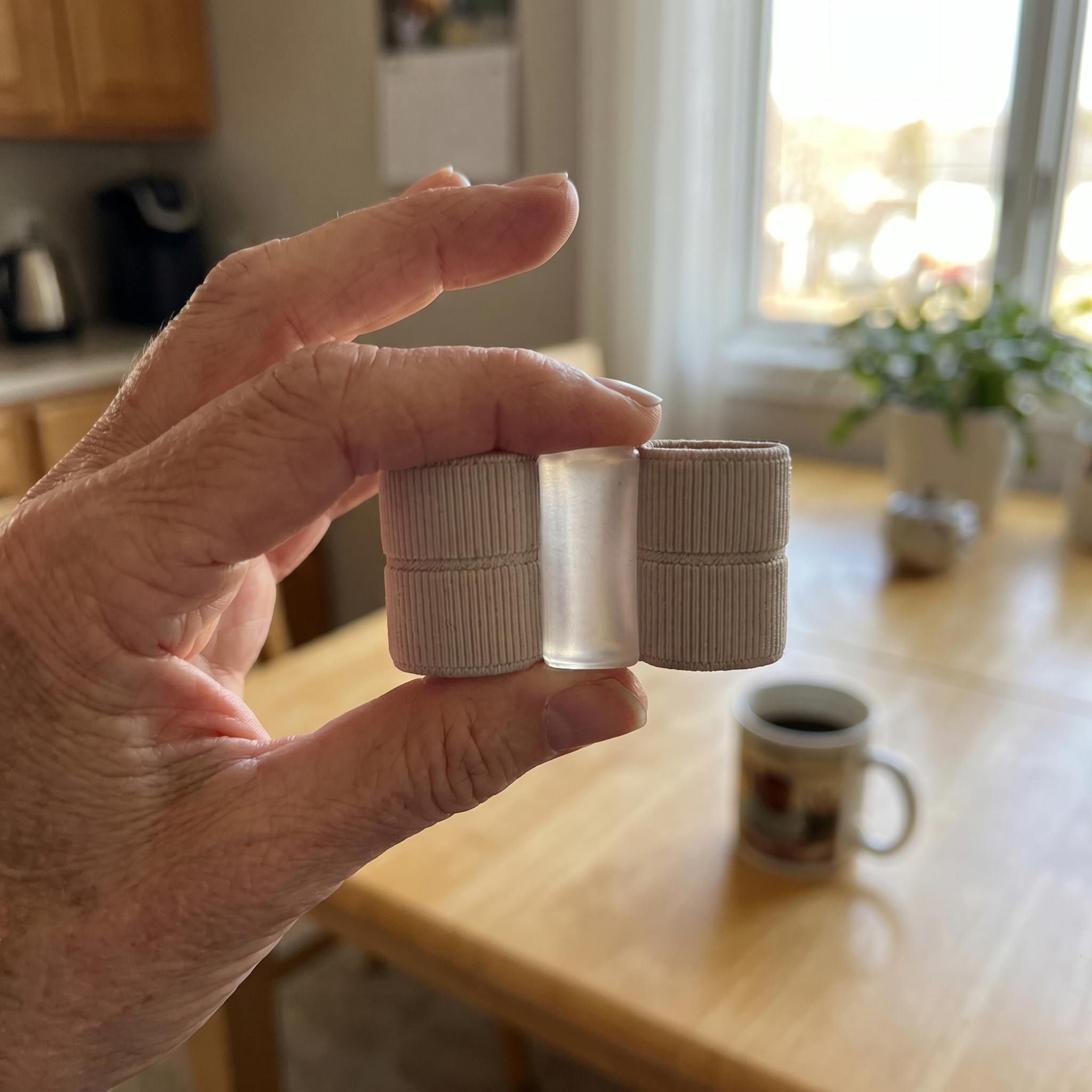
Stop buying bunion products. I mean it. Not until you understand why the last three didn't work. Because it's the same reason. Every time. I'm 56. Retired teacher. Thirty-one years on my feet in a classroom, twenty-three of them with a bunion on my right foot that went from "barely noticeable" to "I can't wear any of my old shoes" somewhere between my forties and now. Over those years I bought gel toe spacers from three different brands. I bought a rigid night splint from Amazon. I paid $312 for custom orthotics from a lab my podiatrist recommended. I tried a cortisone injection. I tried wider shoes. I tried ibuprofen three times a day on bad weeks for longer than I want to admit, knowing full well what that does to a stomach lining over time. None of it worked. And here's what nobody told me until I was 55 years old: none of it could have worked. Not because the products were defective. Because every single one of them was aimed at the wrong target, or working during the wrong hours, or both. I want to explain this to you the way it was explained to me, because once you hear it, you will never waste money on the wrong approach again. A bunion is not a bone growth. I know it looks like one. I thought it was one for two decades. Every podiatrist I saw pointed at my X-ray and talked about the angle of the bone, and I assumed the bone was the problem, because that's what they were showing me. The bone is not the problem. The bone hasn't grown. It hasn't changed shape. It's the same metatarsal bone you were born with. What changed is the soft tissue around the joint at the base of your big toe. Tendons, ligaments, a capsule of connective tissue that wraps around the joint and holds everything in alignment. Over years, that tissue remodeled. One side tightened. The other side stretched. The tendon that's supposed to pull the big toe straight got rerouted by the tightening, and now it pulls the toe sideways instead. The bone didn't move on its own. The tissue dragged it. That's the thing nobody said to me for twenty-three years: the tissue pulls, the bone follows. Once you understand that, every failed product in your drawer makes perfect sense. Not because you picked the wrong brand. Because every one of them was fighting a soft-tissue drift, and none of them was designed to win that fight. Let me walk through my drawer. The gel spacers. I had three brands. The first pair slid out of my sock before I got to the grocery store. No anchor, no sleeve, no way to hold it against the joint while I walked. It ended up somewhere near the ball of my foot, which is not where the problem is. The second pair lasted about two hours before my toes pushed it out. The third came with a little loop around the toe, and it gave me a blister in three days. The idea behind a gel spacer is right. Gentle pressure between the big toe and the second toe, pushing the big toe back toward where it belongs. That's actually the correct approach. The problem is execution. A loose piece of silicone sitting against your skin with nothing to anchor it is going to move. It's going to compress. It's going to drift. You can't retrain tissue that's been tightening for years with something that won't stay in position for ten minutes. The night splint. I wore it every night for six weeks. It was uncomfortable, but I committed because the reviews said give it time. After six weeks, nothing had changed. Not the pain, not the angle, not the bump. I assumed I'd failed somehow. I hadn't failed. The splint had a math problem. A night splint holds your toe straight for about eight hours while you sleep. Then you get up. You put on your shoes. You walk. Every step you take pushes your big toe sideways into the wall of your shoe. Ten thousand steps on a normal day. Every step loads that joint and reinforces the exact drift the splint was trying to undo. Eight hours of correction while your body weight is off the foot. Sixteen hours of loading that pushes it back. The splint was losing the fight 2 to 1, every single day. Nobody puts that in the product description. The custom orthotics. These were the expensive ones. My podiatrist measured my arch, sent it to a lab, and told me to wear them daily. I did. Five months. My arch felt wonderful. My bunion didn't change at all. Orthotics sit under the arch. Your bunion is at the front of your foot, between the first and second toes. The orthotic and the bunion are not in the same part of the shoe. An orthotic stabilizes the midfoot. It cannot reach the joint where the drift is happening. It's solving a real problem (arch support) in a location that has nothing to do with the problem you're paying it to solve (toe alignment). The cortisone shot. This one actually worked, for about two weeks. Then it wore off. That's what cortisone does. It reduces inflammation temporarily. It does nothing about the tissue that's been pulling your toe sideways for years. When the anti-inflammatory effect fades, the structural cause is still there, and the pain comes back. My podiatrist never explained any of this. She measured the angle on the X-ray, prescribed orthotics, gave me a shot, and when those didn't fix it, she said surgery. I don't blame her. Podiatric training is heavily bone-focused. The X-ray shows bone. The billing codes are for bone procedures. Soft-tissue rehabilitation of a bunion joint isn't something most podiatrists were trained to prescribe, because there hasn't historically been a product category that does it well. So here's what I wish someone had told me at 33, when the bump first appeared and the tissue was still responsive. A bunion is soft tissue pulling your big toe out of alignment. The only way to address it without surgery is consistent, gentle counter-pressure applied to the toe joint, in the correct direction, during the hours your foot is under load. Not at night. Not under the arch. At the toe. While you walk. That's it. That's the whole thing. The product that finally made a difference for me is called Askelo. It's a silicone toe separator inside a fabric sleeve that wraps around your forefoot and locks the separator in position. The separator sits between the big toe and the second toe, right at the joint where the drift is happening. The sleeve keeps it there. It doesn't migrate. It doesn't compress flat. You wear it inside your shoe and after twenty minutes you forget it's there. I wore it while I walked the dog. While I did laundry. While I stood in the kitchen cooking dinner. During the hours that matter. I'm not going to pretend my bunion vanished. It didn't. Twenty-three years of tissue remodeling doesn't reverse in a month. But after about six weeks, the daily ache I'd been living with for years was noticeably less. After three months, my big toe sat straighter than it had since my forties. I measured against a photo I took on day one. The angle had shifted. Not dramatically. Measurably. After four months, I put on a pair of flats I'd given up on in 2022. They fit. There was space where there hadn't been space. I wore them to my daughter's recital and I sat there in the auditorium looking at my feet and feeling something I hadn't felt in a long time, which is that maybe the trajectory I'd been on wasn't the only one available. I cancelled the surgery consult I'd been putting off scheduling. I'm telling you this because $783 in a drawer didn't come with an explanation. It came with marketing claims on packaging and frustration when they didn't deliver. The explanation is what changed things for me. Not a better product. A better understanding of what the problem actually is. Askelo ships free in the US. It comes with a 90-day money-back guarantee, which is three full months to decide if it's doing anything. If it isn't, you send it back and get a refund. After $783 in a drawer with no return policy, that's the reason I tried one more thing. Stop buying bunion products. Start by understanding why the last three didn't work. If the explanation above makes sense to you, the product will too. https://getaskelo.com/pages/6-things
Like this ad? Make it yours.
Crush rebuilds this exact creative around your product — your brand, your colors, your offer — in about a minute.