
Active· since Feb 12, 2026
- 215
- days running
- 2
- relaunches
Ad copy
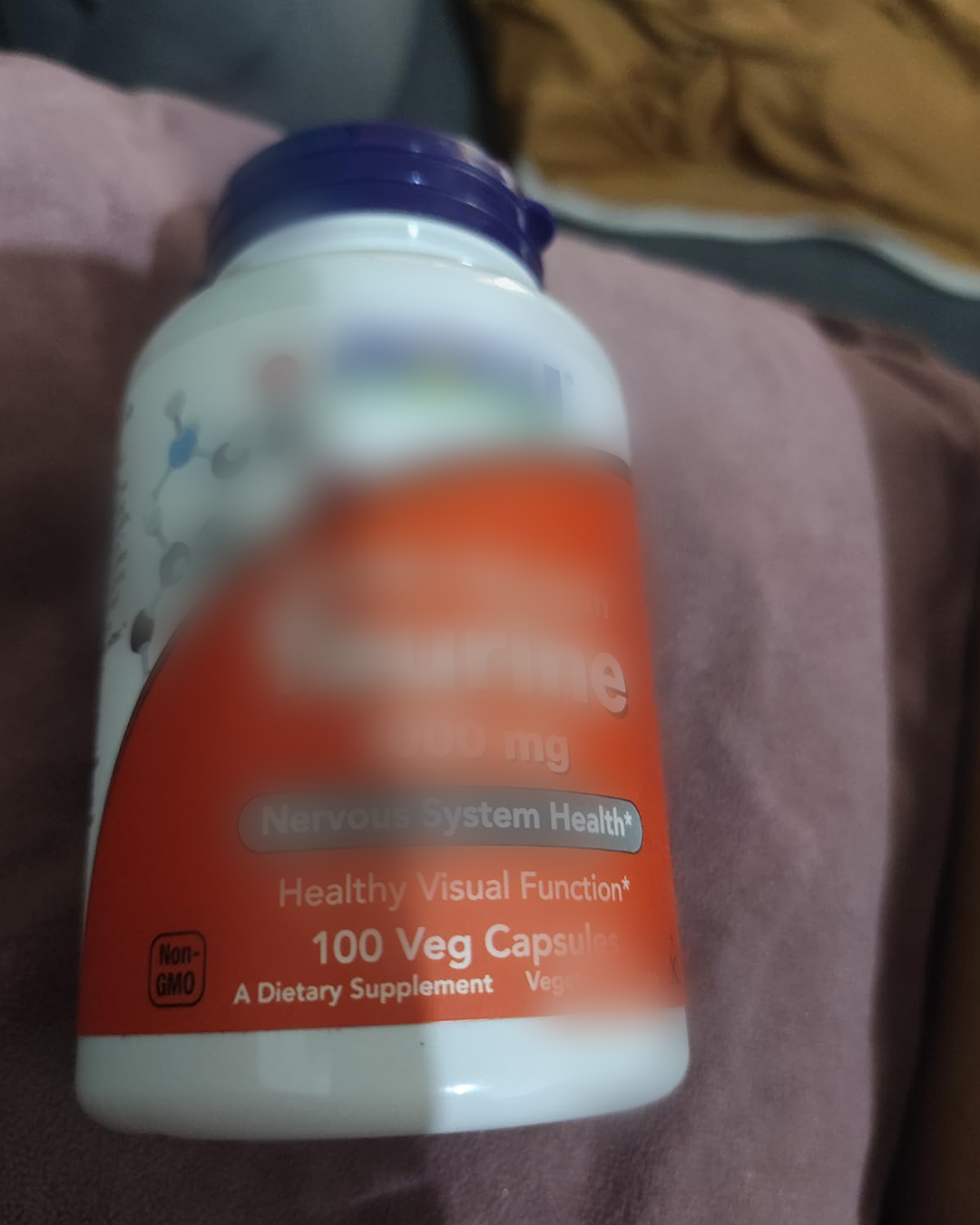
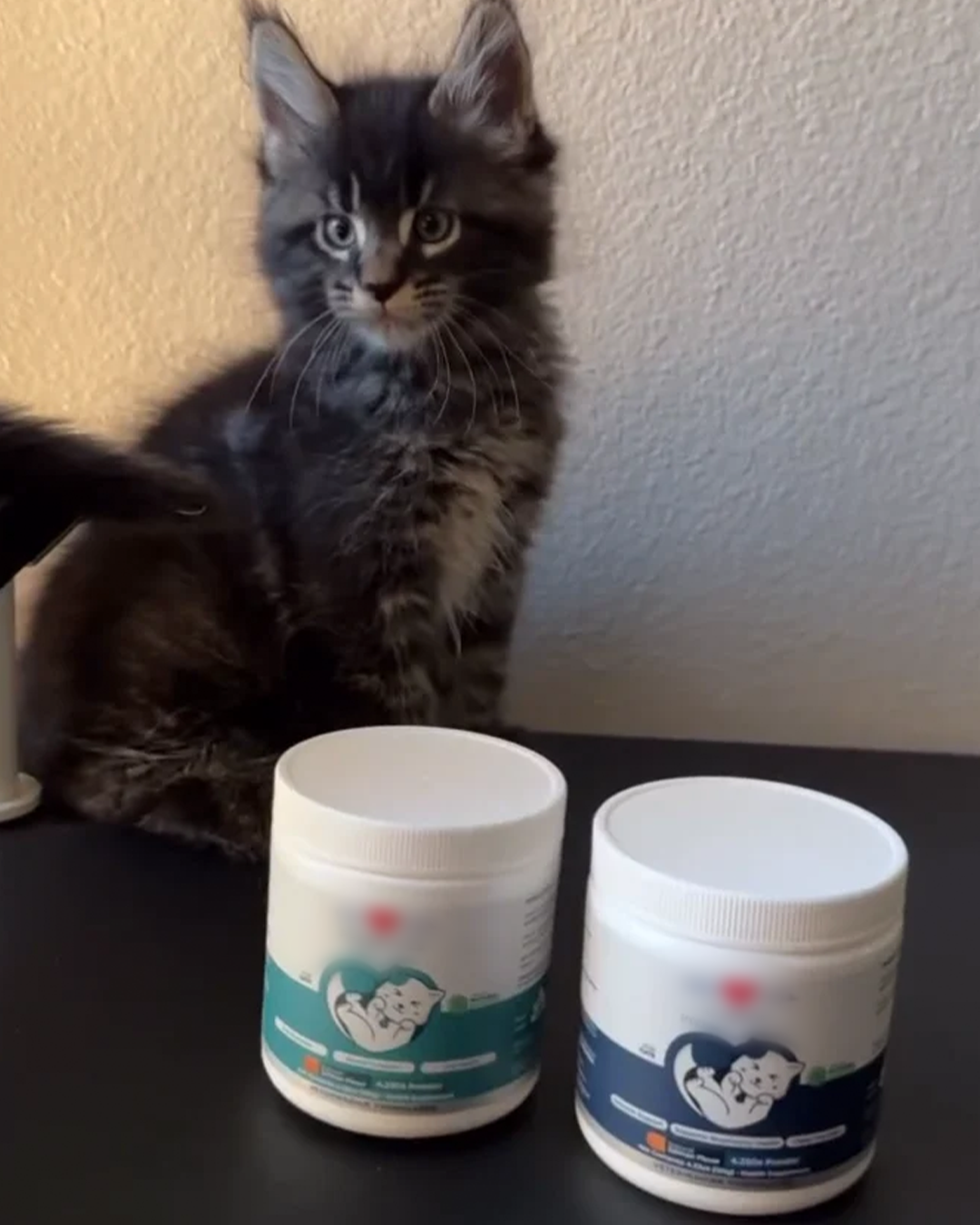
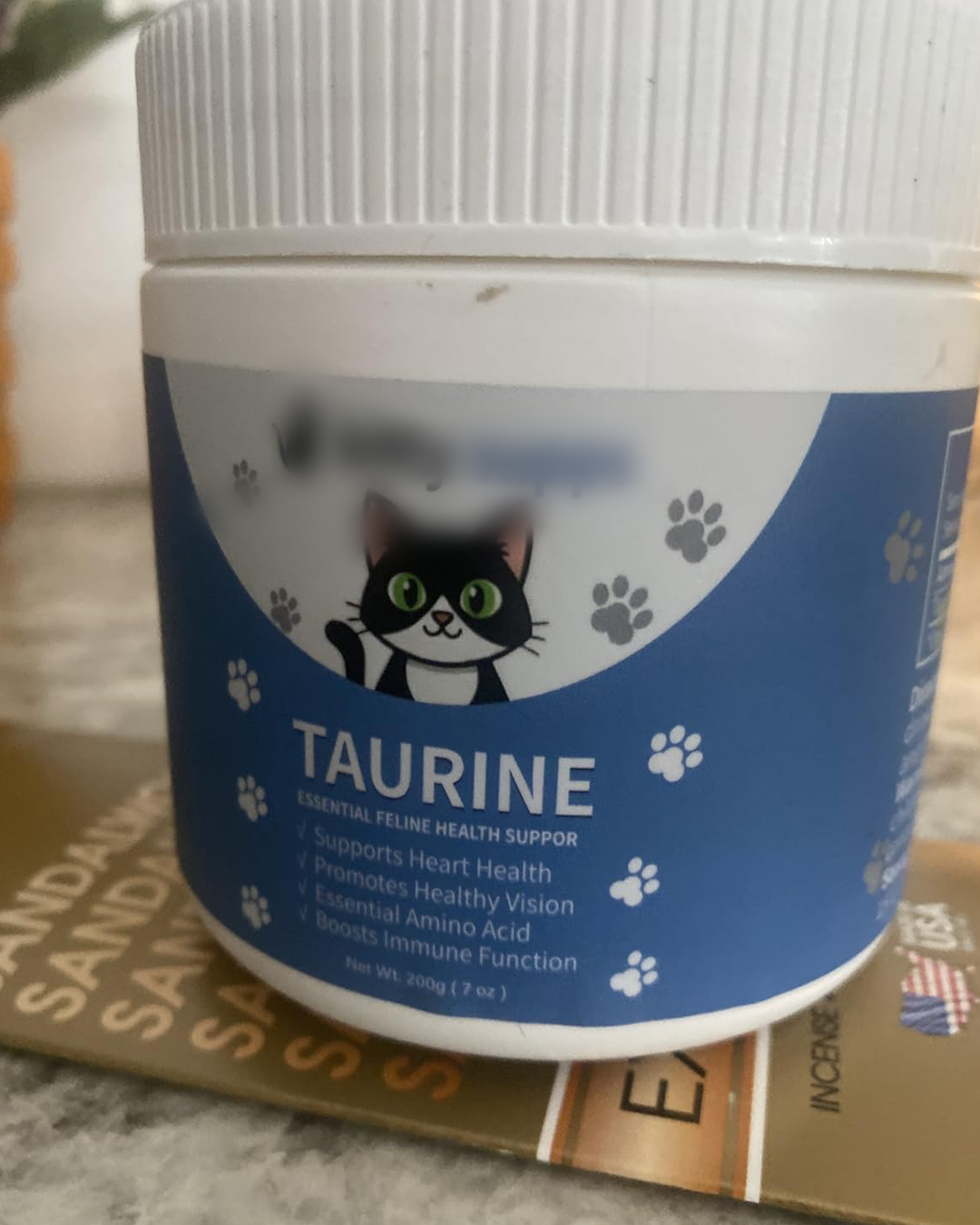
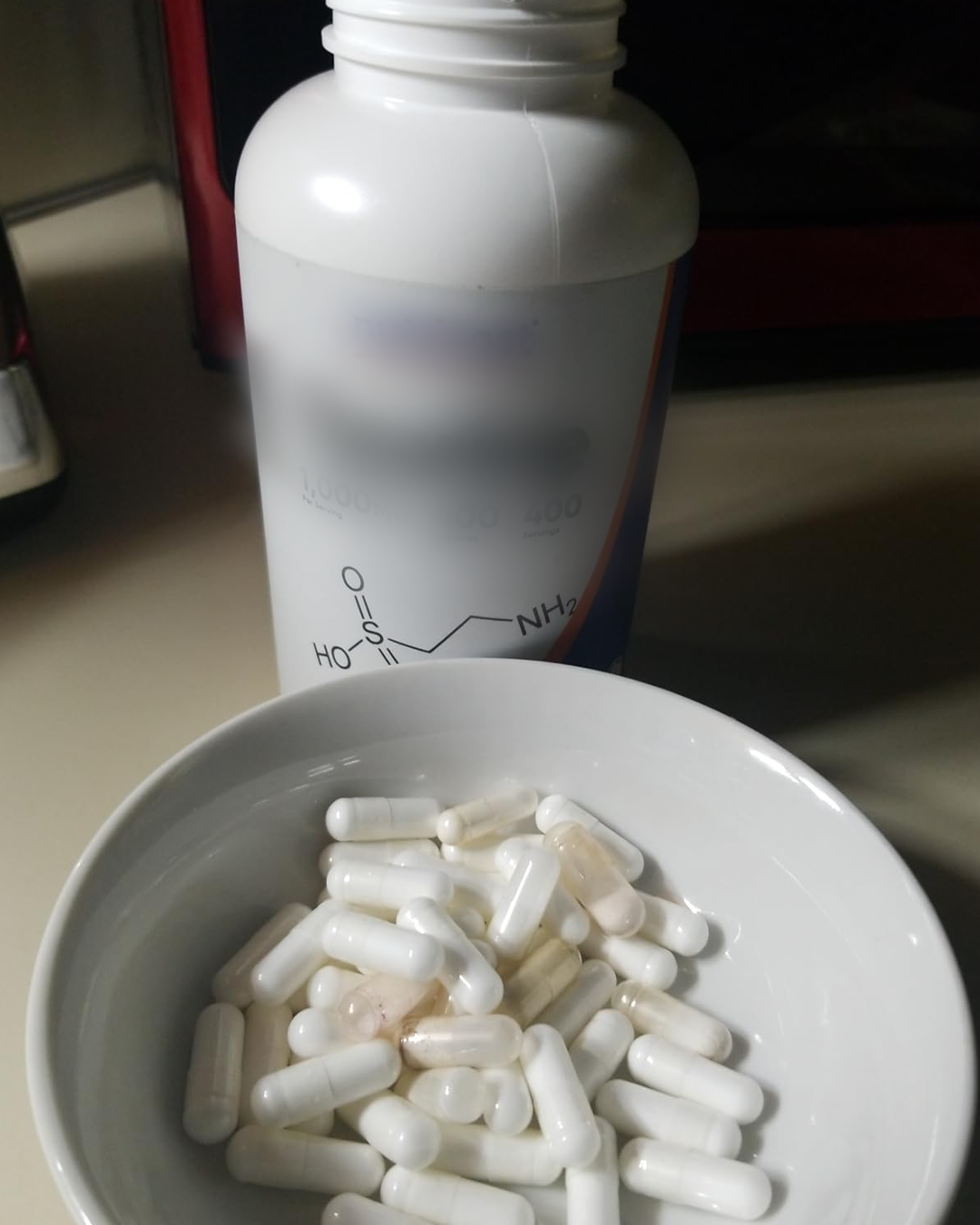
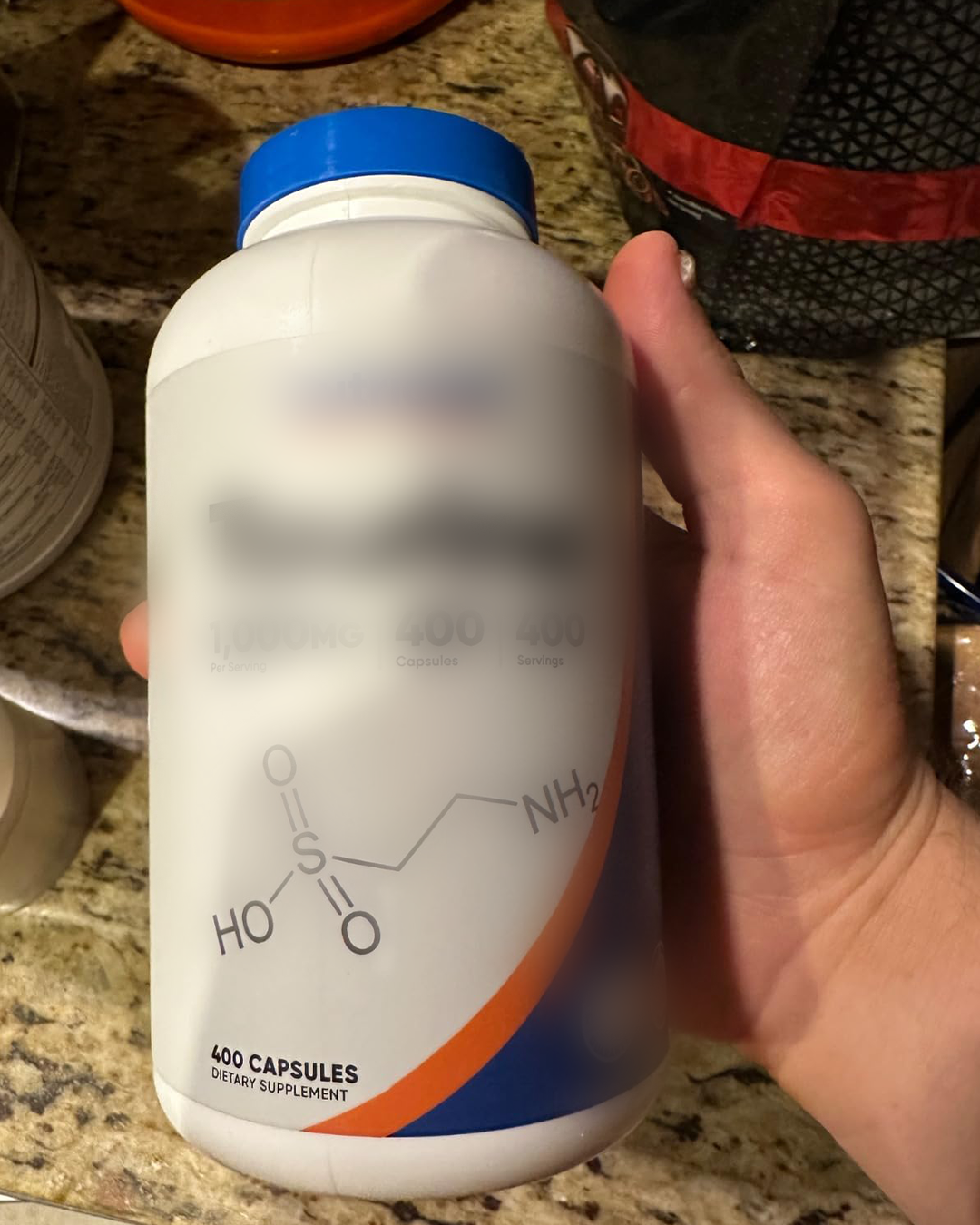
I'm so f*cking tired of Reddit telling people to "just break open human taurine capsules" for their cats. My cat died following that advice. Six months of daily supplementation. Breaking open capsules. Mixing powder in food. And he still died with a taurine level of 22. So don't tell me "it's all the same" when I'm holding my dead cat and a $3,200 vet bill. My name is Emily. I'm 29. I live in Seattle with my husband and our two remaining cats. And I need to tell you what I learned after Charlie died. Because if you're giving your cat taurine from Amazon right now, you might be making the same mistake I did. The mistake that killed my cat. Let me start from the beginning. Two years ago, I joined a Facebook group for cat owners dealing with chronic kidney disease. Charlie had just been diagnosed. Stage 2 CKD. Creatinine 2.4. I was desperate for information. The vet had prescribed Hill's k/d and told me to bring him back in three months. But I wanted to do more. I wanted to prevent his disease from progressing. So I asked in the Facebook group: "What can I do besides prescription food?" The responses flooded in. "Give taurine! It supports kidney function!" "My cat's creatinine went down after I started taurine supplementation." "Taurine is critical for kidney health. Your vet should have told you." I'd never heard of taurine before. But dozens of cat owners were recommending it. I asked which brand to buy. "I just get it from Amazon. Cheapest option with good reviews." "They're all for humans, but it doesn't matter—just break open the capsule, powder it, and mix it in their food. Works the same." "Any taurine works. It's all the same. I couldn't find any specifically for cats, but Reddit says the human ones are fine if you just open the capsule." I went to Reddit to confirm. Sure enough, thread after thread of people saying the same thing. "I use human taurine capsules from Amazon. Just break them open and sprinkle the powder on wet food." "Can't find cat-specific taurine anywhere, so I buy the human ones. Cat eats it fine when I mix it in." "Been doing this for years. Just use the capsules meant for people—same ingredient, way cheaper." So that's what I did. I went on Amazon. Searched "taurine supplement." Bought the one with 4.5 stars and over 3,000 reviews. $14 for a year's supply. Human capsules. Meant for athletes and energy. But everyone online said it worked for cats if you just opened the capsule and mixed the powder in. The reviews were glowing. "Great quality!" "Works perfectly!" "Best price!" I felt like I'd found a secret the vet didn't tell me about. A cheap, easy way to protect Charlie's kidneys. I started giving him 500mg every day—breaking open the capsule, mixing the powder into his wet food. He ate it without any problems. For six months, I felt good. Like I was being proactive. Like I was doing everything possible to slow his disease. Then Charlie stopped eating. Just like that. One day he was fine, the next day he wouldn't touch his food. By day three, he was vomiting bile. I took him to the emergency vet. They ran bloodwork. Creatinine: 9.2 mg/dL. Up from 2.4 six months ago. His kidneys had crashed. The vet hospitalized him immediately. IV fluids, anti-nausea medications, everything they could do. But his kidneys weren't responding. On day five, the vet called me in. "Emily, I'm so sorry. Charlie's kidneys aren't recovering. We need to talk about quality of life." I couldn't process it. "But I've been giving him taurine. For six months. Every single day. I thought that was supposed to protect his kidneys." "Let me add a taurine panel to his bloodwork. Just to be thorough." The results came back an hour later. Taurine: 22 nmol/mL. Normal range is 50-100. Severely deficient. I stared at the number, not understanding. "How is that possible? I've been supplementing 500mg every day for six months." The vet looked at the result with confusion. "I'm not sure. But his levels are critically low." That night, I held Charlie as the vet gave him the injection. I felt his heartbeat slow. Then stop. I paid $3,200 for five days of treatment that didn't save him. And I left the emergency clinic carrying his body in a cardboard box, asking myself over and over: Why didn't the taurine work? I'd done what the Facebook groups told me to do. I'd followed the Reddit advice about breaking open the capsules. I'd supplemented. I'd been consistent. And Charlie had still died with severely low taurine levels. For weeks after, I was destroyed. I couldn't stop crying. Couldn't stop replaying everything in my mind. I'd thought I was protecting him. But by then, I'd already adopted two more cats. Luna and Oliver. Both rescues. 3 and 5 years old. I'd gotten them six months before Charlie died because I wanted him to have company. And I'd been giving them the same Amazon taurine. Every single day. Breaking open the same human capsules. Now, I was terrified. What if they ended up like Charlie? Two weeks after Charlie died, I noticed Luna drinking more water than usual. A lot more. Our water fountain needed refilling twice a day instead of once. And both cats were using the litter box constantly. I was scooping 4-5 times a day. My stomach dropped. No. Not again. Please not again. I took them both to the vet immediately. "I'm worried about their kidneys," I said. "My other cat just died from kidney disease. Can you run full bloodwork?" The vet ran comprehensive panels. The results came back two days later. Luna: Creatinine 1.9. (Normal is under 1.6. Borderline high.) Oliver: Creatinine 1.7. (Borderline.) "They're not in kidney failure," the vet said. "But these numbers are higher than I'd like to see in cats this young. We should monitor them closely." "Can you test their taurine levels?" She looked surprised. "That's not a standard test. It's expensive. And if they're eating commercial food, they should have adequate taurine." "Please. I need to know." She agreed. The results came back a week later. Luna: Taurine 34 nmol/mL. Deficient. Oliver: Taurine 29 nmol/mL. Severely deficient. I stared at the numbers, feeling sick. I'd been giving them taurine every single day for six months. Breaking open the capsules. Mixing the powder in. Just like Reddit said. The same supplement I'd given Charlie. And they were both deficient. Just like Charlie had been. "But I've been supplementing," I told the vet. "500mg daily for six months." She looked confused. "That's strange. I'm not sure why their levels would be that low if you're supplementing consistently." I went home that day feeling like the ground was falling out from under me. Luna and Oliver were showing the same early symptoms Charlie had shown. Excessive thirst. Frequent urination. Borderline creatinine. Low taurine. And I was giving them the exact same supplement that hadn't worked for Charlie. I was watching them die slowly, just like I'd watched Charlie die. And I didn't know what to do. A month later, my husband and I planned a week-long trip to visit his parents in California. We needed the break. I was still grieving Charlie. Still anxious about Luna and Oliver. But I couldn't take them with us. I asked our neighbor, Janet, if she could watch them. Janet was in her late 60s. Retired. Sweet. She had an old tabby cat of her own—a 16-year-old named Maggie. "Of course," she said when I asked. "I'd love to watch them." The day before we left, I brought Luna and Oliver over to Janet's house so they could get familiar with the space. I was carrying their food, litter, toys—everything they'd need for the week. As I was setting things up in Janet's guest room, I noticed a small tub with a blue label on her kitchen counter. Taurine written across the front. My heart started racing. "Janet, is that taurine?" She looked over. "Oh, yes. I give it to Maggie every day. Have been for years." I walked over and picked up the tub. It wasn't capsules like what I'd been using. KittySupps. Pharmaceutical-grade. Feline formula. A powder. Not human capsules. "Where did you get this?" "I worked at an animal shelter for 25 years before I retired," Janet said. "We gave taurine to every cat that came through. This is the brand we used." I stared at the tub. Then I started crying. "Emily? What's wrong?" I couldn't stop. The tears just came. "I lost my cat three months ago. Charlie. He had kidney disease. I'd been giving him taurine for six months—every single day—and he still died with severely low taurine levels. And now Luna and Oliver are showing the same symptoms. Drinking too much water. Using the litter box constantly. Their bloodwork shows borderline creatinine and low taurine even though I've been giving them taurine for six months. I'm so scared I'm going to lose them too." Janet sat down next to me. "What kind of taurine have you been giving them?" I pulled out my phone and showed her the Amazon listing. She looked at it for a long moment. Then she said something that made my blood run cold. "Emily, this is a human supplement. It's not formulated for cats." "But I couldn't find any for cats. Everyone on Reddit said to just break open the human capsules and mix the powder in their food. They said it works the same." "It doesn't. Those capsules have fillers and binders designed for human digestion. Cats can't absorb it the same way we can. Their digestive systems are completely different." "But I've been giving it to them for six months. Breaking open the capsules just like everyone said." "I know. And it probably passed right through their system without being absorbed. That's why their taurine levels are still low." I felt like I was going to throw up. "Is that why Charlie died? Because the taurine didn't work?" "Probably. If his taurine was that low despite six months of supplementation, his body wasn't absorbing what you were giving him." "But I was trying to help him. I thought I was doing the right thing. Everyone online said human taurine works for cats if you just open the capsules." "They were wrong. You need taurine that's actually formulated for a cat's digestive system—not something designed for human athletes." Janet stood up and grabbed the KittySupps tub from her counter. "This is what you should be giving them. It's formulated for cats. The particle size is right for feline digestion. No fillers or binders that block absorption. Just pure, bioavailable taurine." "Will it work?" "Yes. If you start now. Luna and Oliver's kidneys aren't too damaged yet. But if you keep giving them that Amazon supplement, they'll end up like Charlie." She poured some of the powder into a small container and handed it to me. "I'll give them this while you're on vacation. 500mg daily, mixed into their food. When you get back, order your own bottle and keep going." "Why didn't anyone tell me there was a difference?" Janet sighed. "Most people don't know. They see 'taurine' on a bottle and think it's all the same. But human supplements have ingredients that are fine for us but can actually interfere with absorption in cats. Magnesium stearate, silicon dioxide, gelatin—all things that block nutrients in a cat's digestive system." She looked at me seriously. "Emily, let me ask you something. If you fed your cats wet food formulated for cats, they'd eat it, right?" "Yes." "But if you tried to feed them dog food, they probably wouldn't touch it. And even if they did, it wouldn't be good for them. Because it's not formulated for their nutritional needs." "Right." "So why would you give them a supplement that's not formulated for cats?" I stared at her. She was right. I'd been so focused on following the Reddit advice, on using what everyone else was using, that I hadn't stopped to think about whether it was actually designed for a cat's body. "The Amazon supplement is formulated for humans," Janet continued. "For human athletes who want energy before workouts. It has ingredients that help humans absorb taurine. But those same ingredients can actually block absorption in cats." I felt sick. "So Charlie died because I gave him the wrong kind of taurine." "Charlie died because nobody told you there was a difference. That's not your fault. But now you know. And you can save Luna and Oliver before it's too late." That week, while my husband and I were in California, Janet gave Luna and Oliver pharmaceutical-grade taurine every day. When we got back, she met us at the door. "They did great. No vomiting. Luna's water consumption already seems more normal." I ordered my own tub of KittySupps that night. And I started tracking everything obsessively. I created a spreadsheet. Columns for date, taurine dose, food intake, water consumption, litter box frequency, vomiting incidents. I wasn't taking any more chances. Week 1 on KittySupps: - Water fountain refills: Down from 2x/day to 1.5x/day - Litter box scoops: Down from 4-5/day to 3/day - Vomiting: Luna vomited once (she'd been vomiting 2-3x/week before) Week 2: - Water consumption: Normal (1 refill/day) - Litter box: Normal frequency (2 scoops/day) - Vomiting: Zero Week 3: - Oliver's energy noticeably improved - Both cats' coats getting shinier - No vomiting, normal water/litter habits I couldn't believe the difference. Luna and Oliver had been on the Amazon taurine for six months with no improvement. Three weeks on pharmaceutical-grade taurine and I could see changes. Week 8: I took them back to the vet for follow-up bloodwork. Luna: Creatinine 1.6. (Down from 1.9. Back to normal range.) Taurine: 71 nmol/mL. (Up from 34. Normal range.) Oliver: Creatinine 1.5. (Down from 1.7. Normal range.) Taurine: 68 nmol/mL. (Up from 29. Normal range.) I stared at the results and started crying right there in the exam room. Their kidneys were protected. Their taurine levels were normal. They weren't going to die like Charlie did. Because this time, I was giving them something their bodies could actually use. The vet looked at the results with surprise. "Whatever you're doing, keep doing it. These numbers look great." I wanted to scream. This is what I was trying to do with Charlie. This is what should have happened six months ago. But Charlie hadn't gotten pharmaceutical-grade taurine. He'd gotten cheap Amazon capsules designed for humans that his body couldn't absorb—even when I broke them open and mixed the powder in his food like Reddit said. And by the time I figured out the difference, it was too late. If I could go back, here's what I would tell myself before Charlie died: Taurine isn't taurine. Human-grade supplements are not the same as pharmaceutical-grade feline supplements. Your cat's digestive system is fundamentally different from yours. They need taurine that's formulated for their body—the right particle size, the right purity, no fillers that block absorption. The $14 Amazon capsules won't work—even if you break them open and powder them. I know because I tried it for six months. My cat died with severely low taurine levels despite daily supplementation. And my other two cats were heading down the same path until someone finally told me the truth. The brand I use now—the only one I trust—is KittySupps. The same brand Janet uses. The same brand they used at the animal shelter for 25 years. Pharmaceutical-grade. Formulated for feline absorption. Third-party tested for purity. No fillers. No binders. No magnesium stearate or silicon dioxide. Just 500mg of pure, bioavailable taurine per scoop. Luna and Oliver take it every single morning, mixed into their wet food. And their kidneys are protected. Their taurine levels are normal. They're not going to die at 8 years old from kidney disease like Charlie did. Because I'm not making the same mistake twice. Here's where I get it: https://kittysupps.com/products/taurine I don't work for them. I don't get paid to recommend them. I'm just a regular cat owner who learned the hard way that not all taurine is the same. And I don't want anyone else to go through what I went through. Watching your cat die from kidney disease with low taurine levels—after six months of giving them taurine every single day. Paying $3,200 for treatment that couldn't save them. Asking yourself what did I do wrong when you thought you were doing everything right. The Amazon taurine didn't work. The Reddit advice about breaking capsules was wrong. And Charlie paid the price for my mistake. But Luna and Oliver are alive because someone finally told me the truth. Human supplements aren't formulated for cats—even if you break open the capsules. And if you're giving your cat taurine from Amazon right now, you're probably making the same mistake I did. Don't wait until it's too late. P.S. Charlie died with a taurine level of 22 despite six months of daily Amazon taurine supplementation—breaking open human capsules and mixing the powder in his food like Reddit said. Luna and Oliver's levels went from 34 and 29 to 71 and 68 in just 8 weeks on pharmaceutical-grade feline taurine. The difference is bioavailability—human supplements aren't formulated for cats. P.P.S. My neighbor asked me: "If you fed your cat dog food, would it be good for them? No, because it's not formulated for cats. So why would you give them supplements formulated for humans?" That question changed everything.
The Amazon Taurine Didn't Work. Charlie Died😢
Gave Charlie Amazon taurine for 6 months—broke capsules like Reddit said. He died with taurine levels of 22. Human supplements don't work for cats.
ORDER NOWLike this ad? Make it yours.
Crush rebuilds this exact creative around your product — your brand, your colors, your offer — in about a minute.