
Inactive· since Nov 26, 2025
- 90
- days it ran
- 2
- relaunches
Ad copy
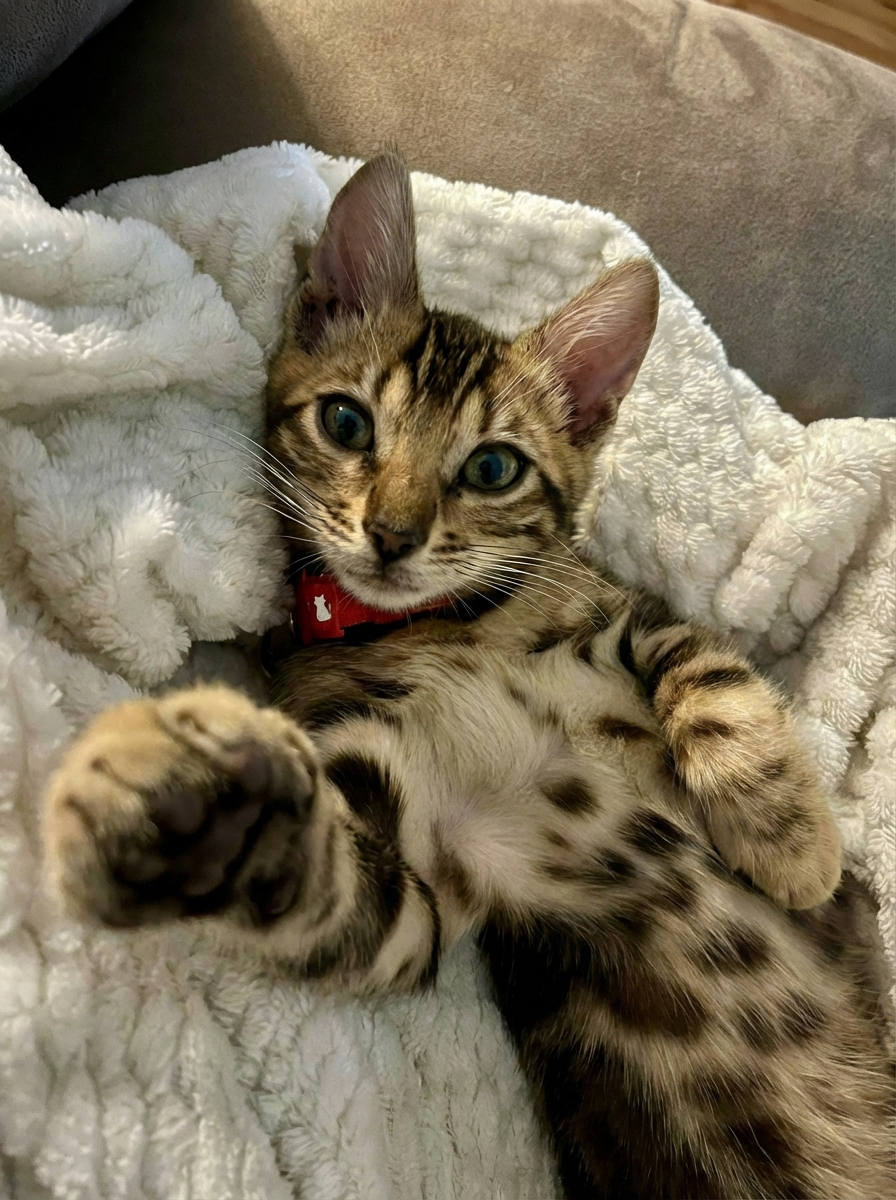
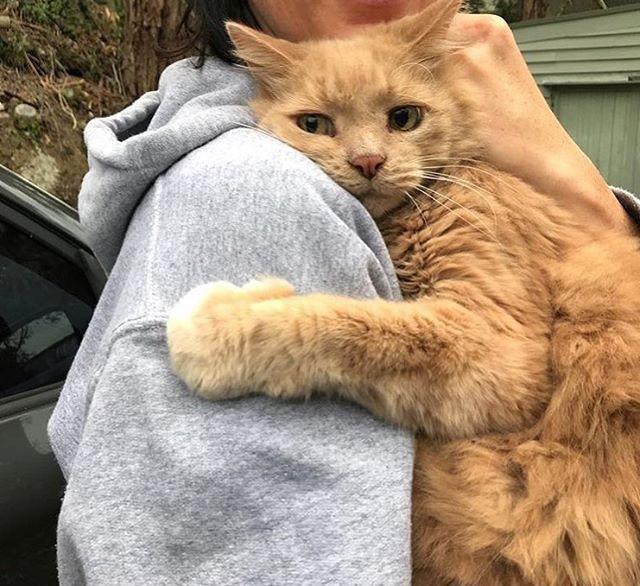
Every night at 9:12 PM, Bella would walk to her toy mouse, stare at it for exactly three seconds, then collapse beside it with a soft thud. The same ritual. Every night. For two years. I filmed it once. The timestamp still haunts me. You know that sound, don't you? When your cat walks up to their favorite toy… considers playing… then just gives up. That little exhale as they lie down instead. For two years, I thought Bella was just getting older. But she was only six. At three years old, Bella could leap from the floor to the top of the refrigerator in one bound. She'd hunt dust particles in sunbeams for hours. Once, she caught a fly mid-air with both paws. Now? She watched flies land on her paws. My vet said cats "slow down with age." My friend said "she's just lazy." My neighbor said her cat did the same thing. So I adapted. I bought premium grain-free food. $80 a bag. Tried freeze-dried raw toppers. $40 extra. Sprinkled "energy boosters" from Amazon. Don't ask. Some days she perked up. Most days she didn't. You've seen it too, haven't you? That moment when your cat gives up mid-play? I became obsessed with her health. Counting how many minutes she slept (18 hours, then 19, then 20). Checking her eyes for cloudiness. Listening for that raspy purr that wasn't quite right. My husband thought I was paranoid. "Cats sleep 16 hours a day," he'd say. But something felt wrong. Her coat looked like old carpet. Her eyes had this… permanent haze. She'd stare at walls for minutes. The vet ran bloodwork. Normal. (There's that word that kills cats.) "Slightly low taurine levels, but normal for her age." Was I really going to watch my cat slowly decline and call it "normal"? The breaking point came on a Thursday. 11:47 AM. Bella crouched, wiggled her hindquarters like always, launched... and her back legs barely left the ground. She crashed chest-first into the cushion, claws scrambling for grip, before sliding to the floor in slow motion. She landed awkwardly, sat down, and just stared at me. Her pupils were blown wide. Her breathing shallow. That look that said: "I don't understand what's happening to me." The emergency vet hooked her up to fluids. "Suspected taurine deficiency. It's affecting her heart." I wanted to scream. I'd been TRYING. I bought the best cat food money could buy. Paid double for "human-grade." Read every label twice. "It's not your fault," the vet said. "Most foods lose taurine during processing. Some ingredients block absorption. Cats can't make it themselves. They depend entirely on diet." But that felt like a cop-out. That night, Bella home but weak, I couldn't sleep. I kept thinking about something odd. At the shelter where I adopted her, they gave taurine supplements to every kitten. Mandatory. No exceptions. But at home? None. Why? I started researching at 1:42 AM. Not "best cat food" — I'd read those articles a hundred times. I searched: "why do cats lose taurine even with good food." That's when I found a veterinary nutrition study from UC Davis. It changed everything. Here's the dirty secret: Cooking destroys taurine. Period. That $80 bag of "premium" food? The taurine died when they baked it. Those peas and lentils they brag about? They literally block what little taurine is left. Your cat is eating cardboard disguised as nutrition. The study went deeper. Low taurine doesn't show up right away. It builds quietly. Month after month, year after year… until it's too late. Heart failure. Blindness. Lethargy. They call it "silent decline." I sat there at 2:18 AM, crying. For two years, I'd been feeding Bella food that wasn't giving her what she needed. And wondering why she seemed older than she was. The guilt was crushing. But then I kept reading. Later I learned: The UC Davis study I found? It's required reading at vet schools now. But somehow nobody tells cat parents. The solution was stupidly simple: direct taurine supplementation. Not "fortified kibble." Not "grain-free marketing." Pure, bioavailable taurine — the one nutrient cats can't make themselves. I thought about that shelter. Those kittens who thrived on mandatory taurine. The missing piece finally made sense. The next morning, I ordered KittySupps Taurine. Medical-grade, pure crystalline taurine powder. Nothing added. Nothing blocking absorption. When it arrived, I almost cried. The scoop was tiny. Precise. It looked like table salt. I sprinkled it over Bella's food. She ate without hesitation. Day 3: Bella's pupils stopped being constantly dilated. Day 7: She groomed herself for 20 minutes straight (first time in months). Day 12: She did that chittering thing at birds through the window. Day 18: She brought me her toy mouse at 9:12 PM. Not to stare at it. To play. Within a month: Her coat turned from old carpet to silk. She started hunting shadows again. She jumped onto the couch like it was nothing. Her next blood panel? Taurine levels fully restored. The vet actually said "remarkable." But here's what really got me. I joined a Facebook group for cat parents using taurine. Started reading their stories. I wasn't alone. Sarah from Portland messaged me: "My vet said my cat's heart murmur was permanent. Six months of taurine proved him wrong." Michael: "Two cats, both acting like kittens again at 12 years old." Linda: "My 15-year-old avoided blindness. She can see my face again." The pattern was clear. We'd all been torturing ourselves. Feeding our cats "premium" food that wasn't delivering. Blaming ourselves when they declined. Accepting "normal" as they faded. The pet food industry sold us labels. Grain-free. Human-grade. Complete and balanced. But our cats suffered in silence. Bella is 8 now. She pounces like a kitten. She drinks normally, she plays hard, she thrives. Her last three checkups have been perfect. The vet jokes she's "aging backwards." My husband doesn't mock my paranoia anymore. He saw the transformation. He scoops the taurine himself now. (It takes 5 seconds — just sprinkle and stir.) Sometimes I think about those two years. Bella trying to tell me something was wrong. Me not understanding. Both of us struggling. If I'd known about taurine earlier… If I'd understood what her instincts were screaming… If I'd just supplemented from the start… But I can't change the past. I can only share what I learned at 2:18 AM that Thursday night: Your cat isn't lazy. They're not "just getting old." They're not "fine." They're trying to survive. And that bag of "premium" food you poured tonight? It's already failing them. Listen to their instincts. Watch for the signs: - The toy they don't chase anymore - The jump they don't attempt - The 20-hour sleep days - The dull coat you blame on winter They're trying to save their own life. Don't wait for the blindness. Don't wait for the heart murmur. Don't wait for the missed jump onto the couch. The solution exists. It's just not what the pet food companies are selling you. If you want to know more about the taurine that saved Bella, here's where I got mine → https://kittysupps.com/products/taurine Your cat's been trying to tell you something. Maybe it's time to listen. P.S. - If your cat sleeps more than 16 hours a day, their body is already conserving energy. The decline has started. Here's the taurine that reversed Bella's → https://kittysupps.com/products/taurine P.P.S. - That 9:12 PM ritual? Bella still does it. Except now she brings me the mouse to throw. Every. Single. Night.
The Bedtime Habit That Almost Killed Bella
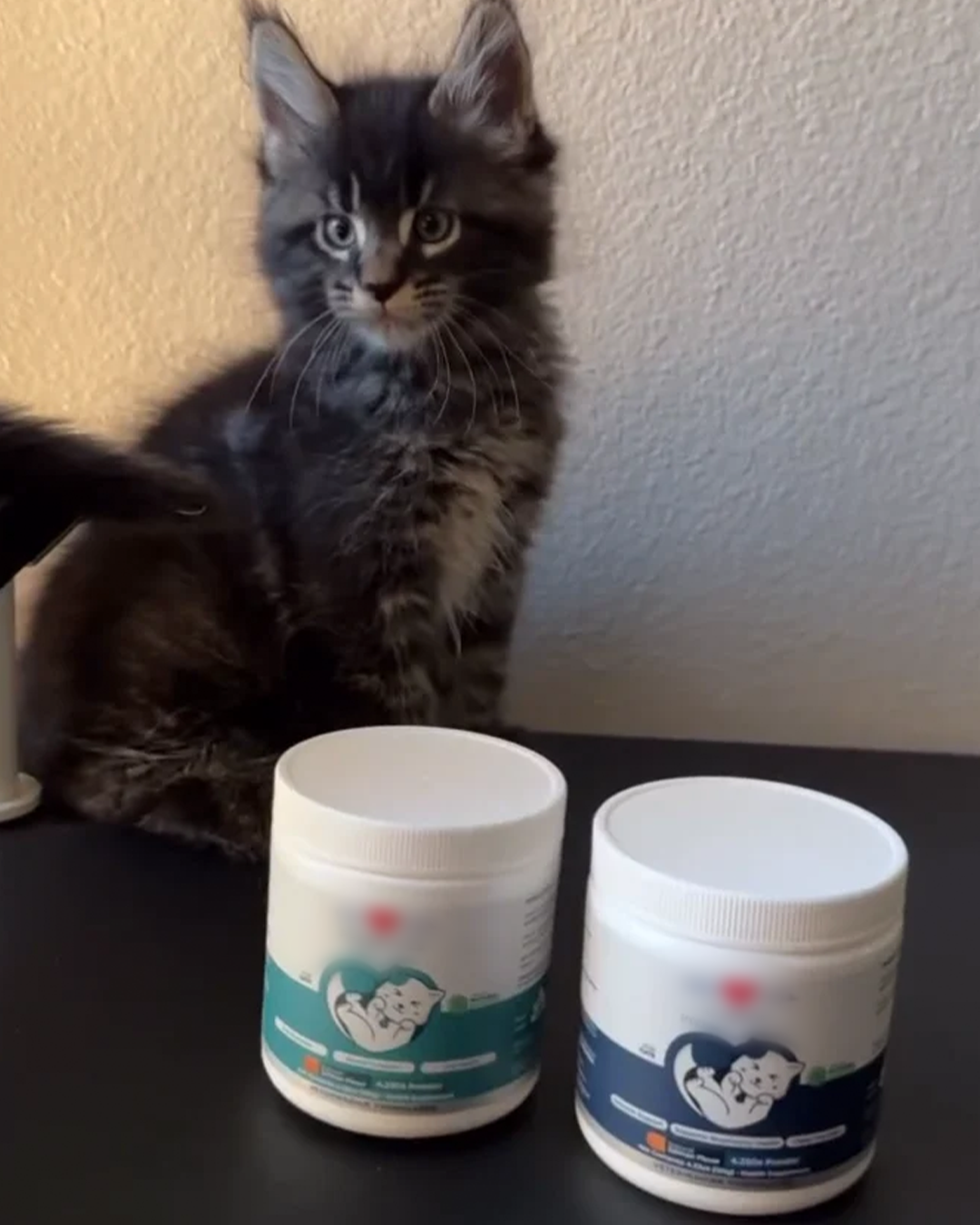
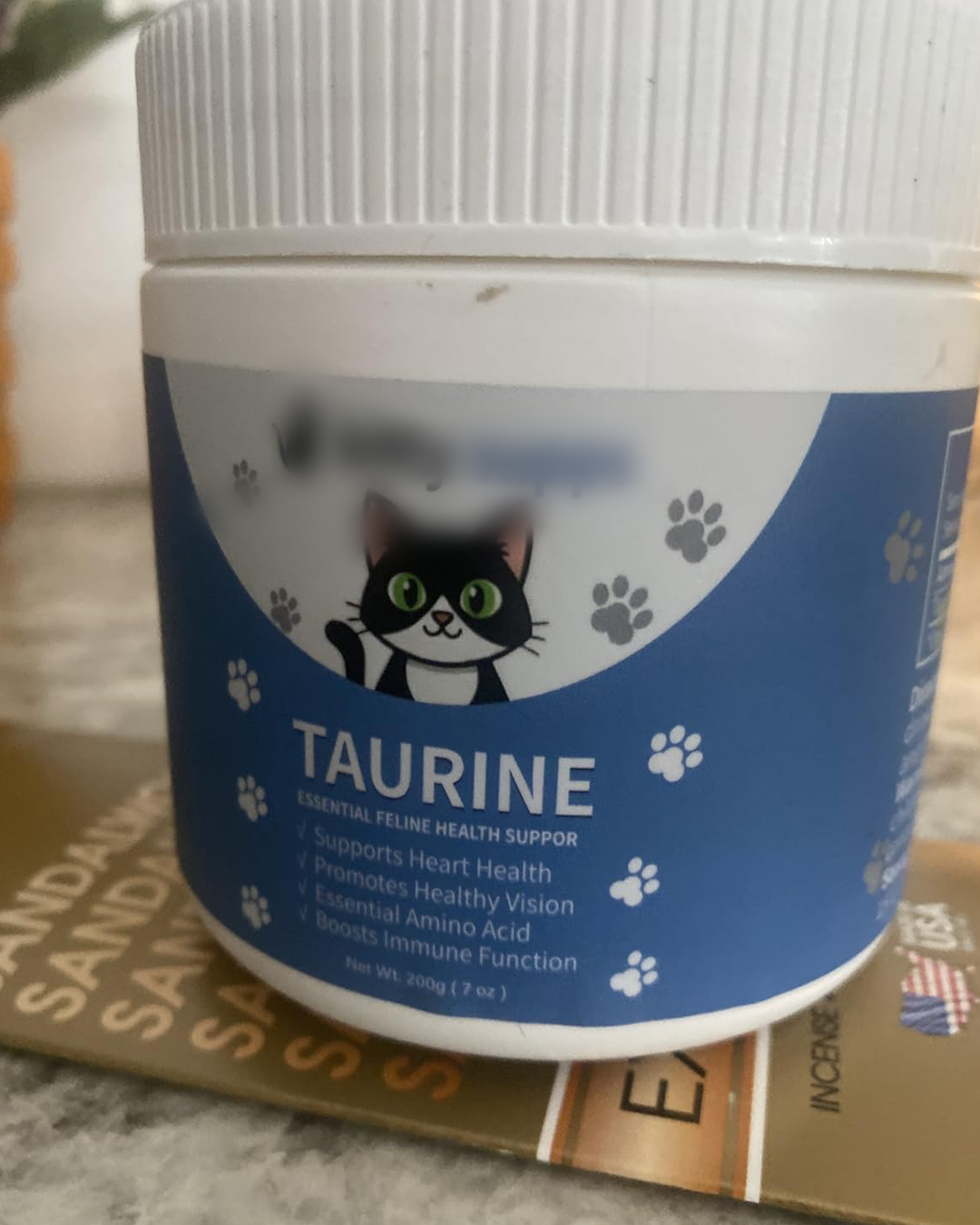
Pure Taurine Supplement for Cats - 99.9% Pharmaceutical Grade Powder with Precision Dosing Spoon | 100g (30 Servings) Is Your Cat Getting Enough Taurine? Most Aren't. Modern cat food processing destroys 50-70% of naturally occurring taurine through heat treatment, grinding, and storage. Even "comple...
SHOP NOWLike this ad? Make it yours.
Crush rebuilds this exact creative around your product — your brand, your colors, your offer — in about a minute.