
Inactive· since Apr 28, 2026
- 95
- days it ran
- 0
- relaunches
Ad copy
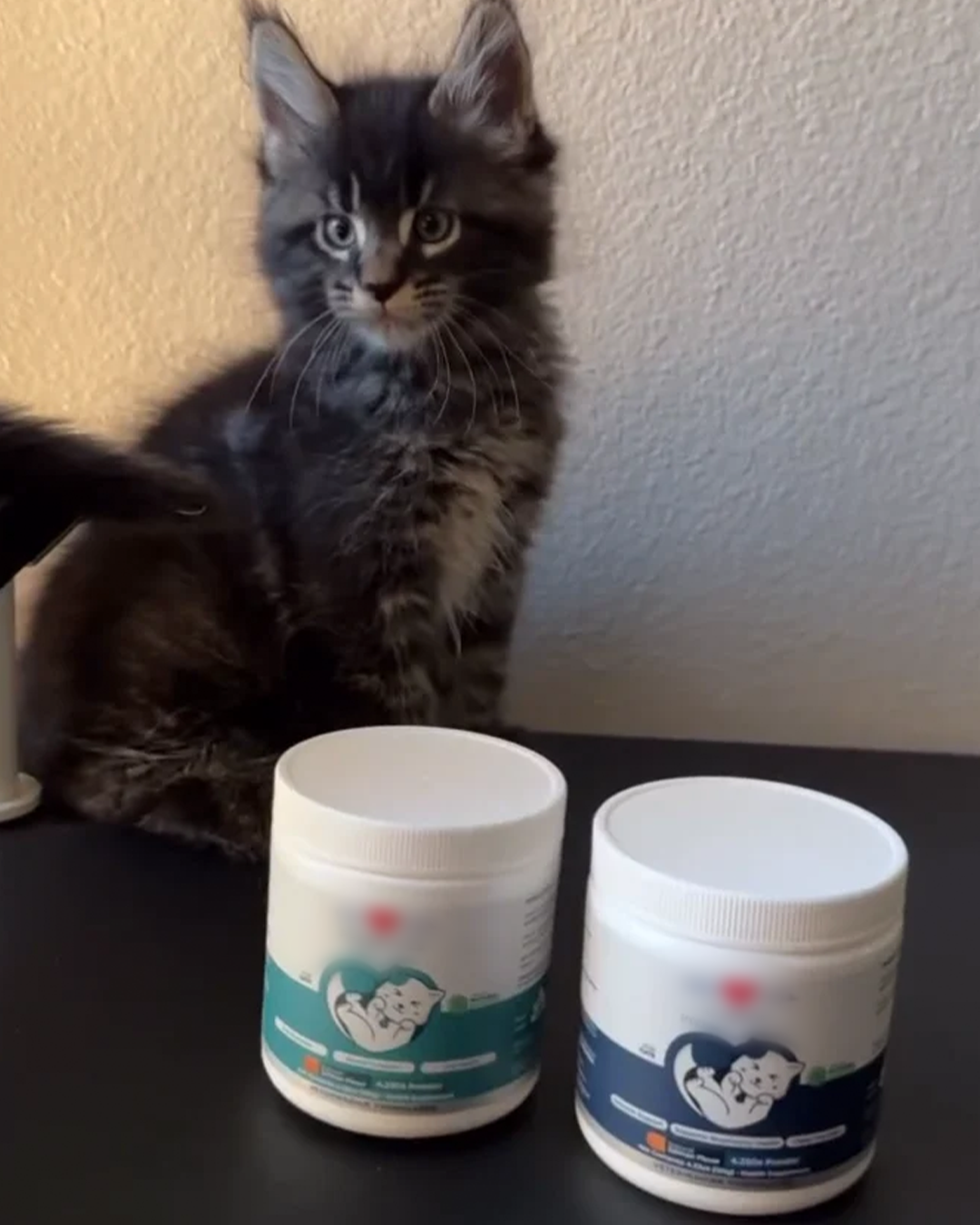
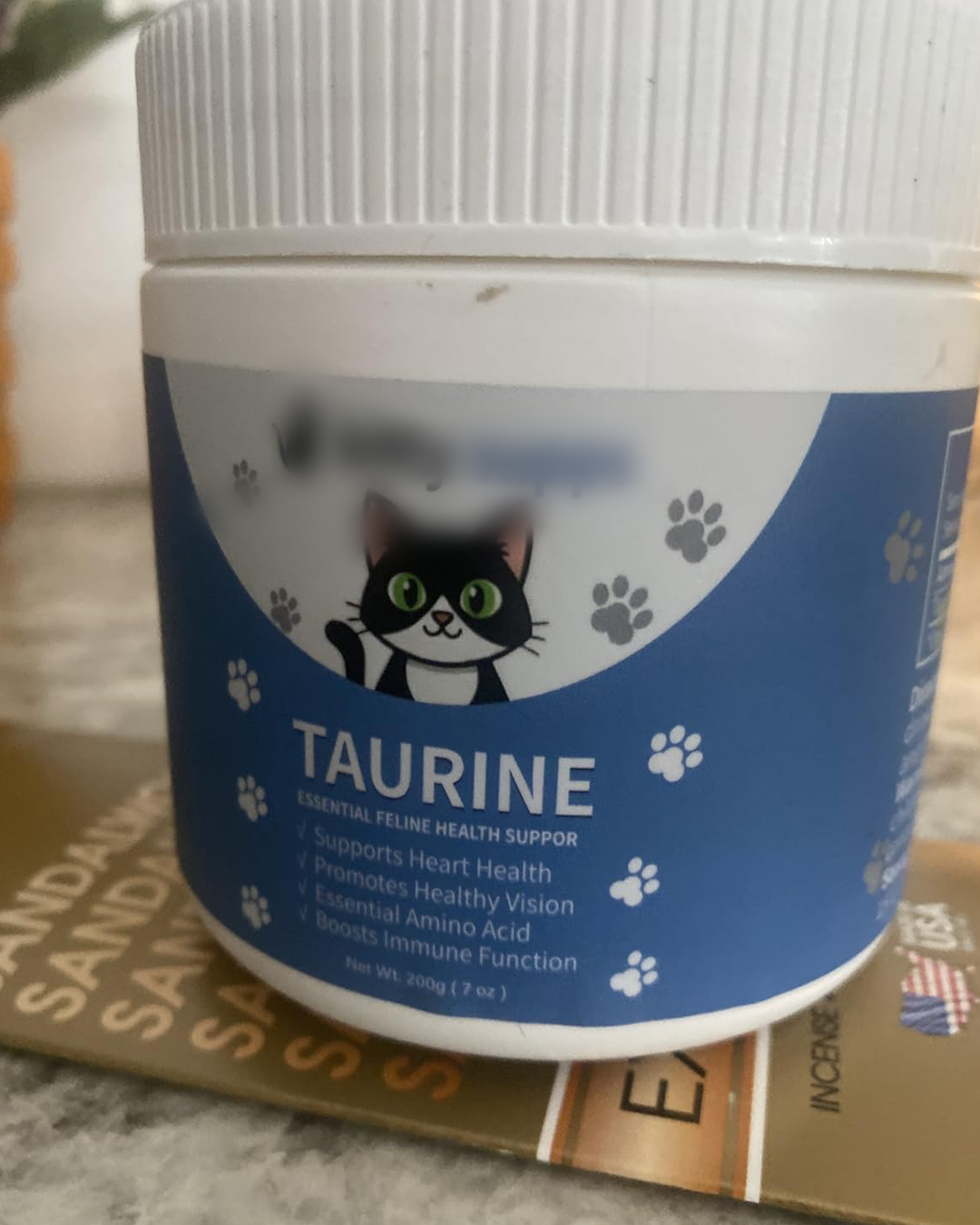
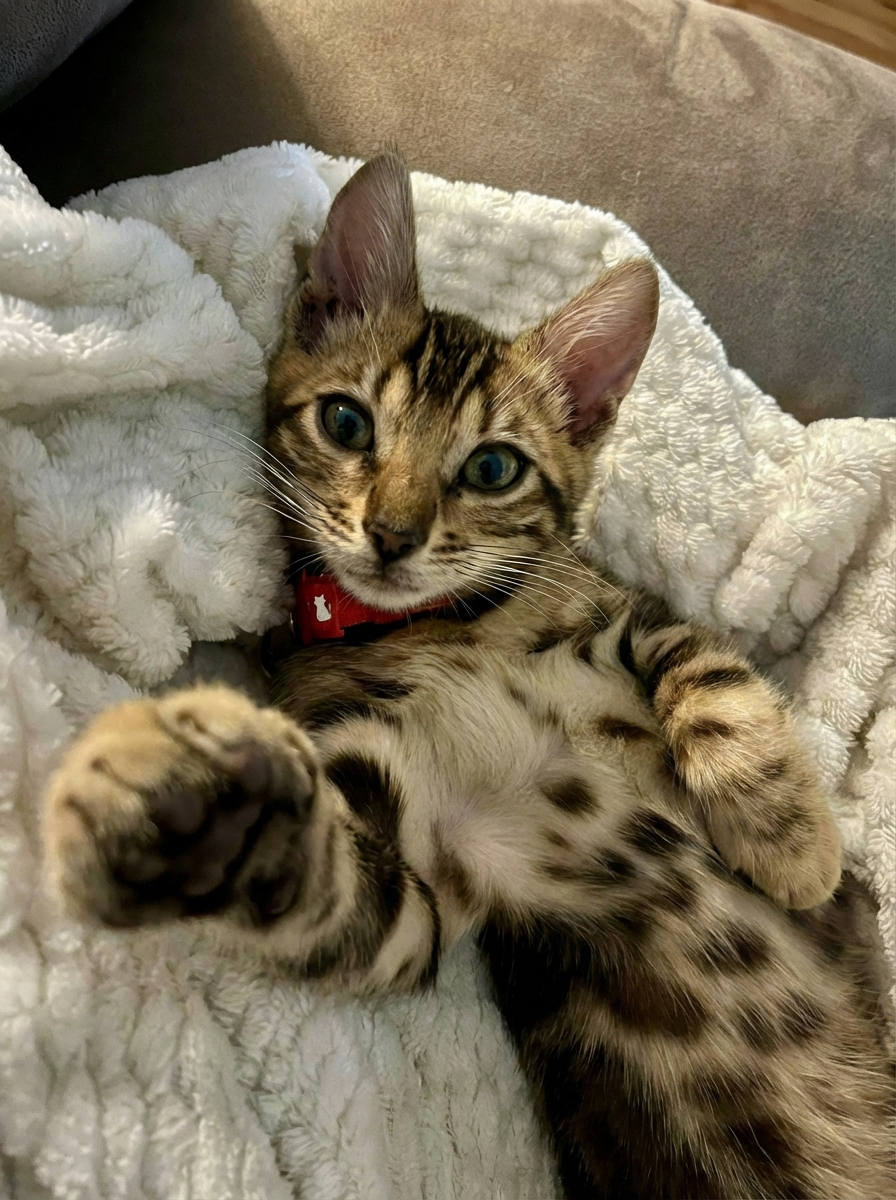
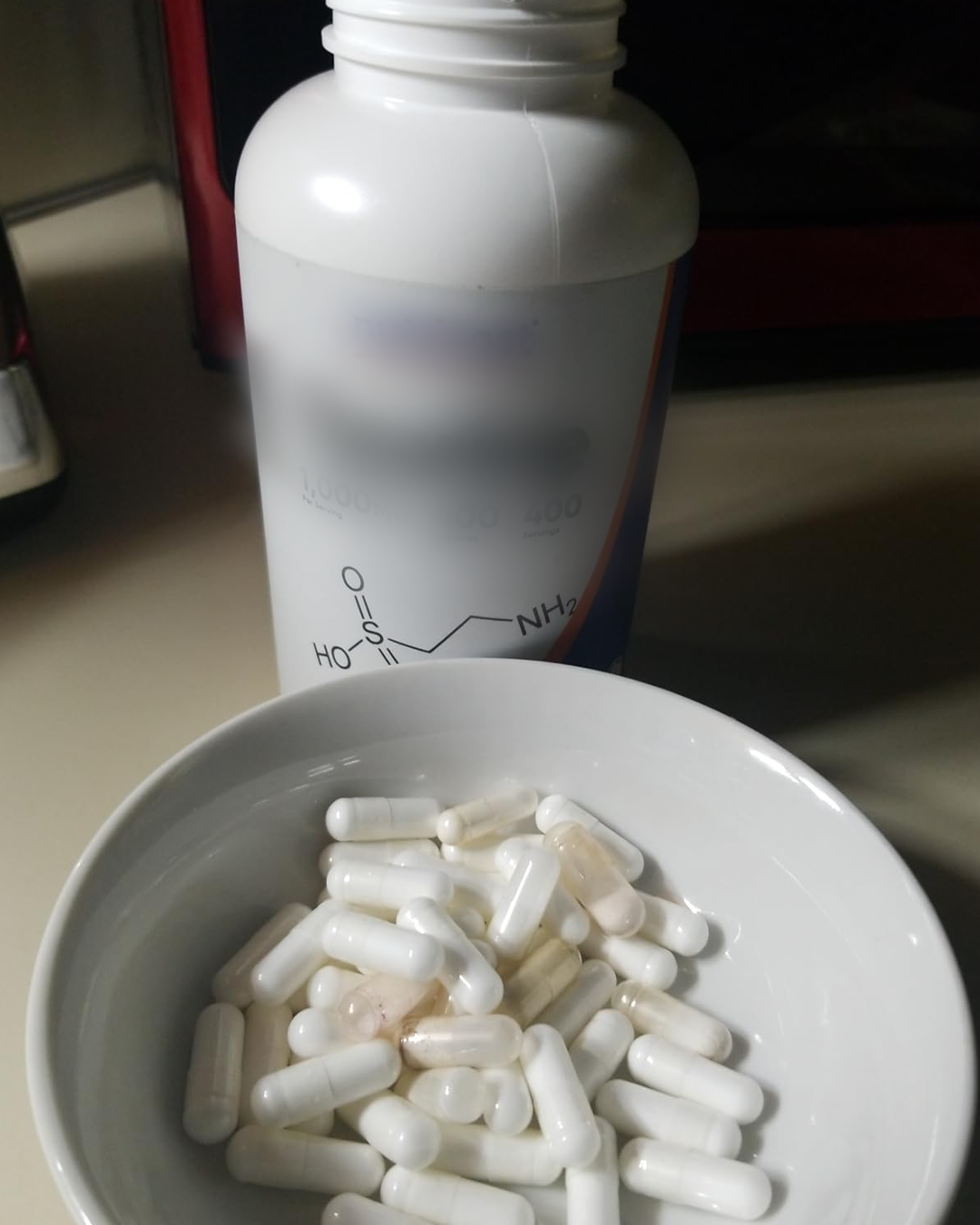
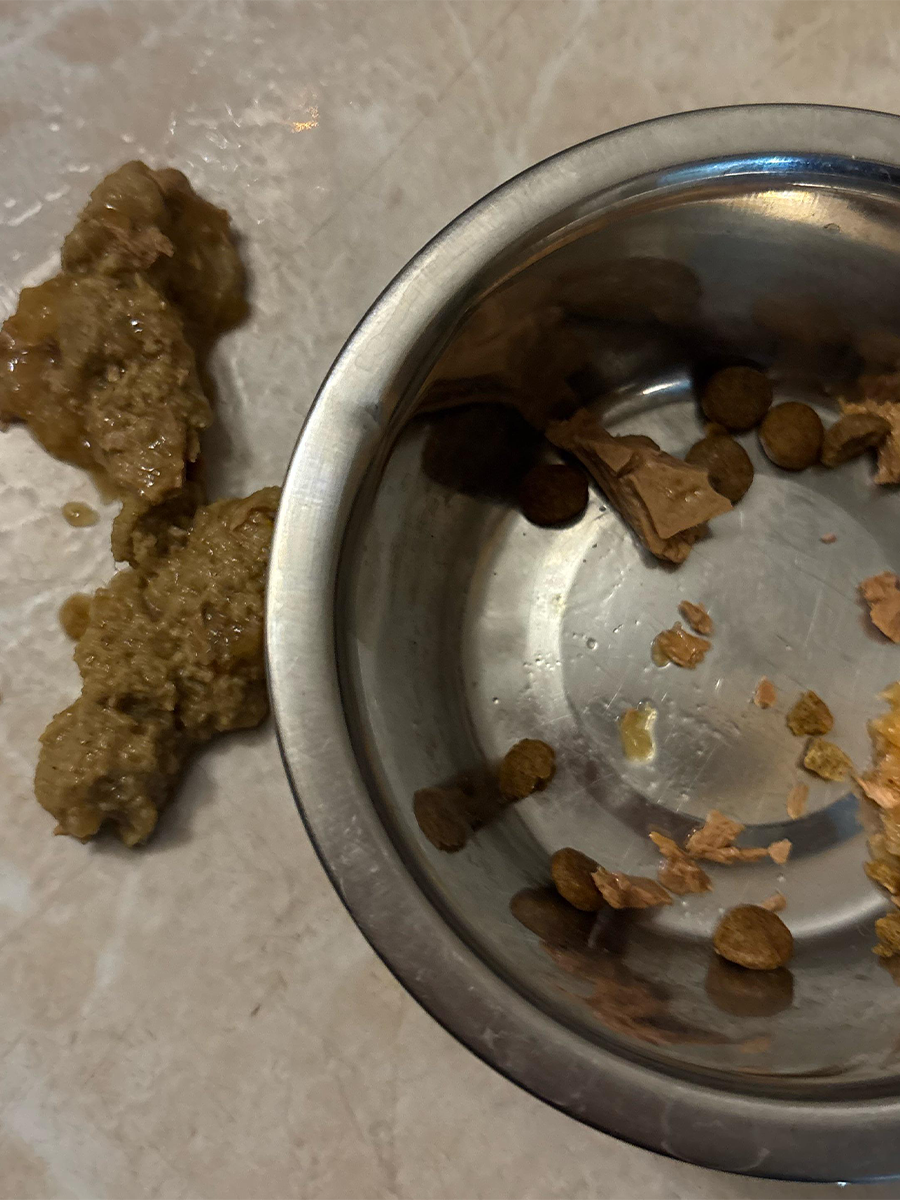
I am going to say something that nobody who owns a cat wants to hear and I don't give a f*k if it upsets you. Switching to a different brand of pate is not going to save your cat. Not Fancy Feast. Not Tiki Cat. Not Weruva. Not the $68 case of Hill's prescription your vet just recommended. NONE OF IT IS GOING TO WORK. I know because I tried ALL of it. Every brand. Every protein. Every texture. For two years. And my cat died anyway. Six years old. Kidney failure. Because I spent two years treating a food problem that was never a food problem. And here's the part that makes me sick: I'm a vet tech. I work at an animal hospital. I see sick cats every single day. And I still killed my cat because I trusted what my supervising vet told me. My other cat started doing the same thing after Apollo died. Same vomiting. Same perfect meat tubes. Same slow decline. And I almost let it happen again because I was still listening to the same garbage advice that killed my first cat. I'm done being polite about this. If your cat is vomiting and you're in here asking what brand to try next, you are wasting time your cat does not have. Read this entire post. Every word. Because the answer is in here and it is NOT another bag of cat food. My name is Lucy Jones. I'm 34. I live in Austin with my husband Jake and our two cats. Well, we used to have two cats. Apollo was a 6-year-old Siamese. Vocal. Demanding. The kind of cat who'd sit on my laptop keyboard during Zoom calls just to remind me he existed. Luna is a 4-year-old Ragdoll. Quiet. Gentle. Follows me from room to room like a silent shadow. Two completely different cats. But they had the same problem. They both vomited. Every single day. For Apollo, it started about two years ago. He'd eat his breakfast—dry kibble, Purina Pro Plan—and then 10 minutes later, there it was on the carpet. Undigested food. Perfectly formed. Like his stomach just gave up and said "nope." I asked my supervising vet about it. Dr. Morrison. I've worked under him at Oakdale Animal Hospital for six years. "Try switching to wet food. Pate is easier to digest. The moisture helps." So I switched. Fancy Feast Classic Pate. Chicken flavor. For the first week, it seemed to work. Apollo ate it. Kept it down. I thought: finally. Problem solved. Then the vomiting came back. But this time it was different. Instead of vomiting 10 minutes after eating, he'd vomit 45 minutes to an hour later. And instead of kibble, it was these perfect tubes of meat. Like the pate had just sat in his stomach, completely undigested, until his body gave up and ejected it. I posted in a Facebook group. "Switched my cat to pate. He's still vomiting. What am I doing wrong?" Everyone had suggestions. "Try salmon instead of chicken. Maybe he's allergic." "Try grain-free pate. The grains might be irritating his stomach." "Try a different brand. Fancy Feast uses fillers." So I tried. I tried salmon. Turkey. Beef. Grain-free. Limited ingredient. Tiki Cat. Weruva. Reveal. I spent over $300 on different brands of pate in three months. Apollo still vomited. And here's what makes me feel like the worst pet owner—and the worst vet tech—on the planet: I'm supposed to know this stuff. I work at an animal hospital. I see sick cats every day. I take medical histories. I assist in exams. I process bloodwork. How did I miss it in my own home? And then Luna started doing it too. She'd been fine on dry food. No vomiting. No issues. But I'd switched her to pate too—thinking if Apollo needed it, maybe she should be on it as a preventative measure. Within two weeks, Luna was vomiting too. Not every day like Apollo. But 3-4 times a week. Same thing. Perfect meat tubes. 45-60 minutes after eating. I was cleaning up vomit every single day. In the morning before work. When I got home. Middle of the night when I'd hear that awful retching sound and jump out of bed to move them off the carpet. I was exhausted. But more than that, I was terrified. Because Apollo was getting worse. His coat started looking dull. Greasy. Like he hadn't groomed himself in weeks. He lost weight. I could feel his ribs when I pet him. He stopped playing. Stopped jumping on the counters. Stopped demanding attention during my Zoom calls. He'd just... sleep. All day. On the couch. Barely moving. My baby was disappearing in front of me. And I didn't know why. I brought him to work. Dr. Morrison examined him. "Has anything changed recently?" "I switched him to wet food about four months ago. Pate. Because he was vomiting on dry food." Dr. Morrison nodded. "Sometimes it takes a while to find the right food. Let's try a prescription diet. Hill's i/d. It's formulated for sensitive stomachs." I know the drill. I'm the one who rings up these prescriptions for clients every day. $68 for a case of 24 cans. I used my employee discount and started Apollo on it that day. Week one: Still vomiting. Every day. Week two: Still vomiting. Week three: I was sitting in the break room at work, crying. Dr. Morrison walked in. "Lucy? What's wrong?" "The prescription food isn't working. Apollo's still throwing up. He's losing more weight. What do I do?" "Bring him in. Let's run some bloodwork." I brought him in the next day. I was the one who drew his blood. My hands were shaking. I ran the panel myself. The results came back three days later. I printed them out and stared at the numbers. Creatinine: 3.8. BUN: 72. I've seen these numbers before. Dozens of times. On dozens of cats. I knew exactly what they meant. Early kidney failure. Dr. Morrison called me into his office. "Lucy, I'm sorry. Apollo's kidney values are elevated. He's in early kidney failure." I felt like the floor dropped out from under me. "What? How? He's only six years old." "Kidney disease can happen at any age. We need to get him on a renal diet immediately. Royal Canin Renal. It'll help slow the progression." I nodded, numb. Royal Canin. The brand we push at the clinic because we get a percentage of every bag sold. I process those invoices. I know exactly how much the clinic makes from prescription food sales. And I was about to buy it for my own dying cat. "Will it stop the vomiting?" "It should help. The vomiting might be from the kidney disease causing nausea." I went home and started Apollo on the renal food that day. He refused to eat it. I tried warming it up. Mixing in a little bit of his old food. Adding tuna juice. He'd take a few bites and walk away. I was sitting on the kitchen floor at 11 PM, crying, trying to hand-feed him with my fingers. "Please, Apollo. Please just eat. You need this." He turned his head away. Over the next two weeks, Apollo barely ate. He lost another pound. His ribs were showing. His eyes looked sunken. I was watching my child waste away. And I was watching it with the clinical knowledge of someone who'd assisted in dozens of kidney failure cases at work. I knew what declining kidney values meant. I knew what end-stage renal failure looked like. I knew the timeline. And I still didn't connect it to the vomiting until it was too late. And then one night, I came home from work and found him lying in the corner of our bedroom. He was breathing weird. Shallow and fast. I picked him up. His body felt limp. I grabbed my keys and drove to the emergency vet. They took him back immediately. Forty-five minutes later, the vet came out. "Your cat's kidneys are functioning at less than 15%. He's in end-stage renal failure. His body is shutting down." I couldn't breathe. "Can you save him?" "We can try. IV fluids. Medications. But I need to be honest with you—at this stage, the prognosis isn't good." They kept him overnight. I went home and lay in bed, staring at the ceiling, unable to sleep. At 6:47 AM, my phone rang. "Lucy, I'm so sorry. Apollo passed about twenty minutes ago. We did everything we could." I don't remember much after that. Jake drove me to the emergency vet to pick up Apollo's body. They handed me a cardboard box. I paid the bill. $3,200. We drove home in silence. I couldn't stop thinking: I'm a vet tech. I work at an animal hospital. I'm supposed to know this stuff. I see sick cats every day. I assist in kidney failure cases. I draw blood. I run panels. I know what elevated creatinine means. For TWO YEARS, I watched Apollo vomit. First on dry food. Then on pate. Then on every brand I tried. Then on prescription food. And I told myself the same things I tell clients every day: "Some cats are just pukers." "Try a different protein." "Maybe he eats too fast." But it wasn't normal. His body was screaming for help. And I missed it. By the time I understood what it meant, his kidneys were already destroyed. The worst part? Luna was doing the exact same thing. Vomiting 3-4 times a week on pate. Losing weight. Coat getting dull. I knew what was coming. Luna was going to die the same way Apollo did. And I couldn't let that happen. I spent the next two weeks obsessively researching. I joined every cat health Facebook group. I read every Reddit thread about vomiting and kidney disease. I watched YouTube videos from vets. I even pulled up the veterinary textbooks from my vet tech program. And I kept seeing the same terrifying pattern. Cat vomits on dry food → owner switches to pate → cat still vomits → owner tries different brands → nothing works → months pass → cat's coat gets dull → cat loses weight → cat gets lethargic → bloodwork shows elevated kidney values → kidneys fail → cat dies. The vomiting wasn't just vomiting. It was the first warning sign. And I'd ignored it for two years. Then, buried in a Reddit thread at 2 AM, I found a comment that changed everything. Someone wrote: "My cat vomited for three years. Tried every food. Finally tried taurine supplements. Vomiting stopped in four weeks." Taurine. I'd heard of it—it's in energy drinks. But I had no idea cats needed it. I googled: "taurine for cats vomiting." There were articles. Studies. Forum posts. All saying the same thing: taurine deficiency can cause chronic vomiting in cats. I didn't understand the science. I didn't know how it worked. I just knew: other people's cats stopped vomiting when they gave them taurine. That was enough for me. I immediately went on Amazon and bought a taurine supplement. $22. Great reviews. "Supports digestive health." It arrived two days later. I started giving it to Luna every day, mixed into her food. Week one: Still vomiting 3-4 times. Week two: Still vomiting. Week three: Still vomiting. Week four: I was sitting on my back porch, crying, watching Luna sleep in the sun. She'd lost another half pound. Her coat looked worse. I was watching the same thing happen all over again. My neighbor, Dr. Helen Carter, came outside to water her plants. Dr. Carter is 73. She's a retired veterinarian. Used to run the city animal shelter for 30 years before she retired five years ago. She's lived next door to us since we moved in three years ago. She saw me crying and walked over. "Lucy? Honey, what's wrong?" I told her everything. About Apollo. About the vomiting. About the kidney failure. About how Luna was doing the same thing and I was terrified I was going to lose her too. "I found something online about taurine helping with vomiting," I said, showing her the Amazon bottle. "I've been giving it to her for four weeks but it's not working. She's still throwing up. I don't know what to do." "And I should know better," I added, my voice breaking. "I'm a vet tech. I work at Oakdale Animal Hospital. I'm supposed to know this stuff. But I don't. And I killed my cat because I trusted what my supervising vet told me." Dr. Carter took the bottle from my hand and looked at it. Her face changed. "Oh, honey. This is garbage. No wonder it's not working." She sat down next to me on the porch. "Can I tell you something? Something I learned in 30 years of running a shelter?" I nodded, wiping my eyes. "You were right. The vomiting is from taurine deficiency. But this supplement?" She held up the Amazon bottle. "This isn't real taurine. Or at least, not enough of it." "What do you mean?" She settled into her chair. "Let me explain what's actually happening. Cats can't make taurine on their own. They have to get it entirely from food. And taurine is what their liver needs to produce bile. Without bile, they can't digest fat. Especially the high fat in wet food like pate." "So the food just sits there?" "Exactly. It sits in their stomach, undigested, for 45-60 minutes. Then the stomach gives up and ejects it. That's why it comes up as a perfect meat tube." I thought of all those times cleaning up Apollo's vomit. Perfect tubes of meat. "But the food says taurine added. Dr. Morrison says Purina Pro Plan is complete and balanced. We recommend it to clients all the time." Dr. Carter sighed. "That's the lie they tell you. Yes, the big pet food companies—Purina, Royal Canin, Hill's, all of them—they add taurine. But here's what they don't tell you: they add the absolute bare minimum amount required by law. Just enough to put 'complete and balanced' on the label and charge you premium prices." "So it's not enough?" "Not even close. And here's the kicker: even that tiny amount doesn't matter because the high-heat cooking process they use to make the food destroys most of the taurine anyway. What's left is basically useless." My stomach dropped. "So Apollo was eating food with taurine in it, but..." "But his body wasn't getting any of it. And then—and this is the part that makes me furious—those grain-free formulas everyone recommends? They're even worse." "How?" "Because when they remove grains, they have to replace them with something cheap. So they use peas and lentils. Peas and lentils are cheap fillers that let them slap 'grain-free' on the bag and charge you an extra $20." "But aren't peas healthy?" "For humans? Sure. For cats? They're poison." She caught herself. "Not technically poison. But they contain compounds that bind to taurine in the digestive tract and prevent the cat's body from absorbing it. So even if there was enough taurine in the food—which there isn't—the cat's body can't absorb it because the legumes block it." I felt sick. "Apollo was on grain-free Purina Pro Plan. For two years." "Then he was getting more taurine deficient with every meal. I'm sorry, honey. I know that's hard to hear." I put my face in my hands. "So the food was killing him. The expensive food I thought was the best. The food we recommend at the clinic." I looked up at her. "Do you know why we push Hill's and Royal Canin at Oakdale?" Dr. Carter raised an eyebrow. "Because we get kickbacks. I process the invoices. I know exactly how much the clinic makes every time we sell a bag of prescription food. Dr. Morrison gets a percentage. The clinic gets a percentage. The pharmaceutical companies that make the food pay us to recommend it." I started crying harder. "And I still fell for it. I bought the prescription food for Apollo. I used my employee discount. I gave him Royal Canin Renal because that's what Dr. Morrison told me to do. And Apollo refused to eat it and died anyway." Dr. Carter reached over and squeezed my hand. "The vomiting was his body trying to tell you he couldn't digest it. His liver couldn't produce bile. So the food just sat there until he threw it up. But here's what's worse—when a cat can't digest their food properly, they can't absorb nutrients. So they're eating full meals every day, but their body is getting almost nothing." "That's why he lost weight." "That's why he lost weight. Their body starts breaking down muscle tissue for energy. Their organs start struggling because they're not getting the nutrients they need. Their coat gets dull and greasy because their body is prioritizing survival. And their kidneys?" She paused. "The kidneys have to work overtime trying to filter out all the waste products from the undigested food and the muscle breakdown. Week after week. Month after month. Year after year. The kidneys are under constant stress. Until they start to fail." Tears were streaming down my face. "That's what happened to Apollo. For two years, his body was slowly starving even though his bowl was full. And his kidneys were desperately trying to keep up. Until they couldn't anymore." "And I should have known," I said. "I assist in kidney failure cases at the clinic. I've seen this before. I've drawn blood from cats with creatinine at 4.0, 5.0, 6.0. I know what it means. And I still didn't connect it." Dr. Carter shook her head. "You didn't know. How could you have known? The system is designed to keep you from knowing. These big pet food companies make billions convincing people their food is healthy while cats die from malnutrition. And they pay veterinary clinics to push their products." "But I tried to fix it. I bought taurine." She looked at the Amazon bottle again. "This brand? I tested it years ago when I was still at the shelter. Sent it to a lab. You know what we found? 194mg of actual taurine per scoop. Label claims 500mg. It's 61% underdosed." "What?" "And the bioavailability—that's how much the body can actually absorb—was only 28%. So Luna isn't getting 500mg of taurine. She's getting maybe 54mg per day." "That's why it's not working." "That's why it's not working. And every day you give her this garbage, her kidneys are getting closer to failing. Just like Apollo's did." I started sobbing. "So what do I do? How do I save her?" Dr. Carter stood up. "Wait here." She went into her house and came back a minute later with a bottle. "This is what we used at the shelter. KittySupps. Over my 30 years, I tested dozens of brands. Sent them to labs. Most of them were contaminated, underdosed, or degraded from poor storage. This is the only one that passed." I took the bottle from her. "How is this different?" "503mg of pure taurine per scoop. Label says 500mg, so they actually over-deliver. 95-98% bioavailability, which means Luna's body can actually absorb it. Zero contamination. No fillers. Properly stored in pharmaceutical-grade containers to prevent degradation." "And this will stop the vomiting?" "If we're not too late—if her kidneys aren't too damaged yet—yes. One scoop per day, mixed into her food. Within 4-6 weeks, her liver should start producing bile again. The vomiting should stop. And her kidneys should stabilize." "And if we are too late?" Dr. Carter looked at me with sad eyes. "Then at least you'll know you tried. But Lucy, I need you to understand something important. You can't oversupplement taurine. It's water-soluble. If she gets too much, her kidneys just filter it out and she pees it out. There's no toxicity risk. No side effects. No danger." "So there's no harm in giving it to her?" "None. Zero. And here's what I tell every cat owner: 99% of indoor cats are taurine deficient. Most owners have no idea because the symptoms develop so slowly that by the time you notice something is wrong, the damage is already done." "99%?" "99%. So even if you're not sure if your cat is deficient—even if they're not vomiting yet—there is literally no harm in giving them pharmaceutical-grade taurine. But if they are deficient, you could be saving their life." She handed me the bottle. "Start her on this today. And Lucy? Don't blame yourself for Apollo. Your supervising vet should have known. The pet food companies should be honest. But they're not. Because sick cats are more profitable than healthy ones." She paused. "And honestly? A retired vet who hasn't practiced in five years knew more about feline nutrition than the entire clinic you work at. That should tell you something about how broken the system is." I started Luna on KittySupps that day. For the first few days, nothing changed. She still vomited 3-4 times a week. I was terrified it wasn't going to work. That I was too late. That Luna's kidneys were already too damaged, just like Apollo's. But then, around day 6, I noticed something. She only vomited twice that week instead of her usual 3-4 times. Week two: She vomited once. Week three: Zero vomits. I couldn't believe it. I kept waiting for it to come back. But it didn't. By week four, Luna hadn't vomited once. And I noticed other things changing too. Her coat got shinier. Softer. She started grooming herself more. She gained weight. Not a lot, but enough that I couldn't feel her ribs anymore. She started playing again. Chasing her feather toy. Jumping on the cat tree. My child was coming back to me. I brought her into work six weeks later for bloodwork. I drew her blood myself. I ran the panel. I was so scared. What if her kidneys were already failing? What if I was too late? The results came back. I stared at the screen. Creatinine: 1.9, down from 2.4. BUN: 38, down from 48. Her kidney values had improved. I sat in the lab room and cried. Dr. Morrison walked in. "Lucy? What's wrong?" I showed him Luna's results. "Her kidney values improved. They were elevated six weeks ago. Now they're almost normal." Dr. Morrison looked at the screen. "What are you doing differently?" "Pharmaceutical-grade taurine. Real taurine. Not the garbage on Amazon. Not the minimal amount in commercial food." There was a pause. "Well. Keep her on it. I've never seen kidney values improve like this." That was four months ago. Luna hasn't vomited once since week three. Her kidney values are stable. Her coat is beautiful. Her eyes are bright. She plays. She's happy. She's healthy. And I think about Apollo every single day. Because now I understand what happened. For two years, Apollo's body was sending me signals. The vomiting was his liver screaming: "I can't produce bile! I can't digest this food!" The weight loss was his body saying: "I'm starving! I'm not absorbing nutrients!" The dull coat was the first sign his body was prioritizing survival over everything else. The lethargy was his organs shutting down because they weren't getting what they needed. And all of it was happening so slowly. So gradually. That I didn't see it until his kidneys were already failing. And I'm a vet tech. I work at an animal hospital. I see sick cats every day. I assist in kidney failure cases. I draw blood. I run panels. I know what elevated creatinine means. And I still didn't connect it. I thought I was just dealing with a cat who vomited sometimes. I didn't know I was watching my child die in slow motion. Week by week. Month by month. Year by year. While his kidneys desperately tried to keep up with the toxic load of undigested food and muscle breakdown. Until they couldn't anymore. By the time I caught it, 85% of his kidney function was destroyed. And the worst part? Dr. Carter told me it was preventable. All of it. If the pet food companies were honest about how little bioavailable taurine is actually in their food. If Dr. Morrison had tested for taurine deficiency instead of just pushing more expensive prescription food that the clinic makes money from. If anyone at Oakdale Animal Hospital—where I work every single day—had told me that grain-free food with peas and lentils was making the deficiency worse. Apollo would still be here. But I didn't know. Because nobody told me. Not even the veterinarians I work with. I'm writing this because I see so many of you posting the same things I posted two years ago. "Switched my cat to pate. Still vomiting. Tried chicken, salmon, turkey. Nothing works." "My cat throws up perfect meat tubes 45 minutes after eating. Vet says he's fine." "Spent $500 on vet bills. No answers. Just told to keep trying different foods." "My cat is losing weight but eating full meals every day. What's wrong?" "His coat looks greasy no matter how much I brush him." You're not doing anything wrong. The food isn't the problem. Your cat's liver can't produce bile because they're taurine deficient. And the vomiting isn't "just vomiting." It's the first warning sign that their body is failing. Every vomit is a meal their body couldn't digest. Every vomit is more nutrients they didn't absorb. Every vomit is more stress on their kidneys as they try to filter out the waste. And if you don't fix it, the same thing that happened to Apollo will happen to your cat. The vomiting will continue. Their coat will get dull. They'll lose weight. They'll get lethargic. Their kidneys will start to struggle. And by the time the vet catches it, it will be too late. Dr. Carter told me something that still haunts me: 99% of indoor cats on commercial food are taurine deficient. That means your cat is probably deficient right now. Even if they're not vomiting. Even if they seem fine. Because taurine deficiency happens slowly. Silently. Until the damage is done. And here's what Dr. Carter told me that gave me so much relief: You can't oversupplement taurine. It's water-soluble. Excess gets filtered by the kidneys and peed out. No toxicity risk. No side effects. No danger. So even if you're not sure if your cat is taurine deficient—even if they're not vomiting yet—there is literally no harm in giving them pharmaceutical-grade taurine. None. But if they are deficient—and Dr. Carter said chances are 99% they are—you could be saving their life. Start them on taurine today. Real, pharmaceutical-grade taurine that actually works. Not the contaminated garbage on Amazon that's 60% underdosed with 28% bioavailability. I wasted four weeks giving Luna Amazon taurine. Four weeks where her kidney values got worse. Four weeks I'll never get back. Four weeks closer to losing her. Dr. Carter tested dozens of brands over her 30 years at the shelter. Sent them to labs. Verified what was actually in them. Most of them were contaminated, underdosed, or degraded. Only one brand passed: KittySupps. 503mg per scoop. 95-98% bioavailability. Pharmaceutical-grade. Zero contamination. One scoop per day, mixed into food. Within 4-6 weeks, bile production improves. The vomiting stops. Your cat can finally digest their food. Their body can finally absorb nutrients. Their kidneys can finally stop being under constant stress. Luna hasn't vomited in four months. Her kidney values improved. She's healthy and happy and alive. But Apollo is gone. And I'll spend the rest of my life wishing I'd known sooner. Your cat is vomiting because they can't produce bile. They can't produce bile because they're taurine deficient. And commercial cat food—even the expensive pate, even the grain-free, even the prescription food your vet recommended—doesn't provide enough bioavailable taurine. You don't need to try another brand. You don't need to switch proteins again. You don't need to spend another $500 on vet bills for tests that won't find anything. You need to fix the taurine deficiency before their kidneys start to fail. Get the taurine that saved Luna's life: https://kittysupps.com/products/taurine Because I thought switching to pate would stop the vomiting. It didn't. And two years later, Apollo's kidneys failed and he was gone. Don't let that be your story. Don't watch your child waste away for months while you try different foods that won't work. Don't wait until it's too late. Start pharmaceutical-grade taurine today. 📢 EDIT: A lot of people messaged me saying they bought KittySupps and never received it, or when they did, their cat didn't improve like Luna did. I asked where they bought it and they said either "Amazon" or "Chewy." I always buy directly from their website. They have a direct warning about counterfeits and they ONLY sell from their website. I'm sorry—I forgot to add the link. Here it is: https://kittysupps.com/products/taurine P.S. The Amazon taurine I gave Luna for 4 weeks was 61% underdosed with 28% bioavailability. Her kidney values got WORSE while I was giving it to her. The vomiting continued. Her body was still failing. Four weeks on KittySupps and the vomiting stopped completely. Six weeks and her kidney values improved for the first time. Don't waste time on supplements that don't work. Your cat's kidneys can't wait. P.P.S. Apollo vomited for 2 years before his kidneys failed. The vomiting wasn't "just vomiting"—it was the first warning sign his body was slowly starving and his kidneys were under constant stress. I thought I had time. I didn't. If your cat vomits twice a month or more, start pharmaceutical-grade taurine today: https://kittysupps.com/products/taurine
Apollo Died At 6. Luna Started Doing The Same Thing😢
Switching to a different brand of pate is not going to save your cat. I know because I tried for 2 years and my 6-year-old cat died anyway. Luna was next. Here's what actually stopped it.
SHOP NOWLike this ad? Make it yours.
Crush rebuilds this exact creative around your product — your brand, your colors, your offer — in about a minute.