
Inactive· since Aug 6, 2026
- 8
- days it ran
- 0
- relaunches
- 239
- EU reach
Ad copy
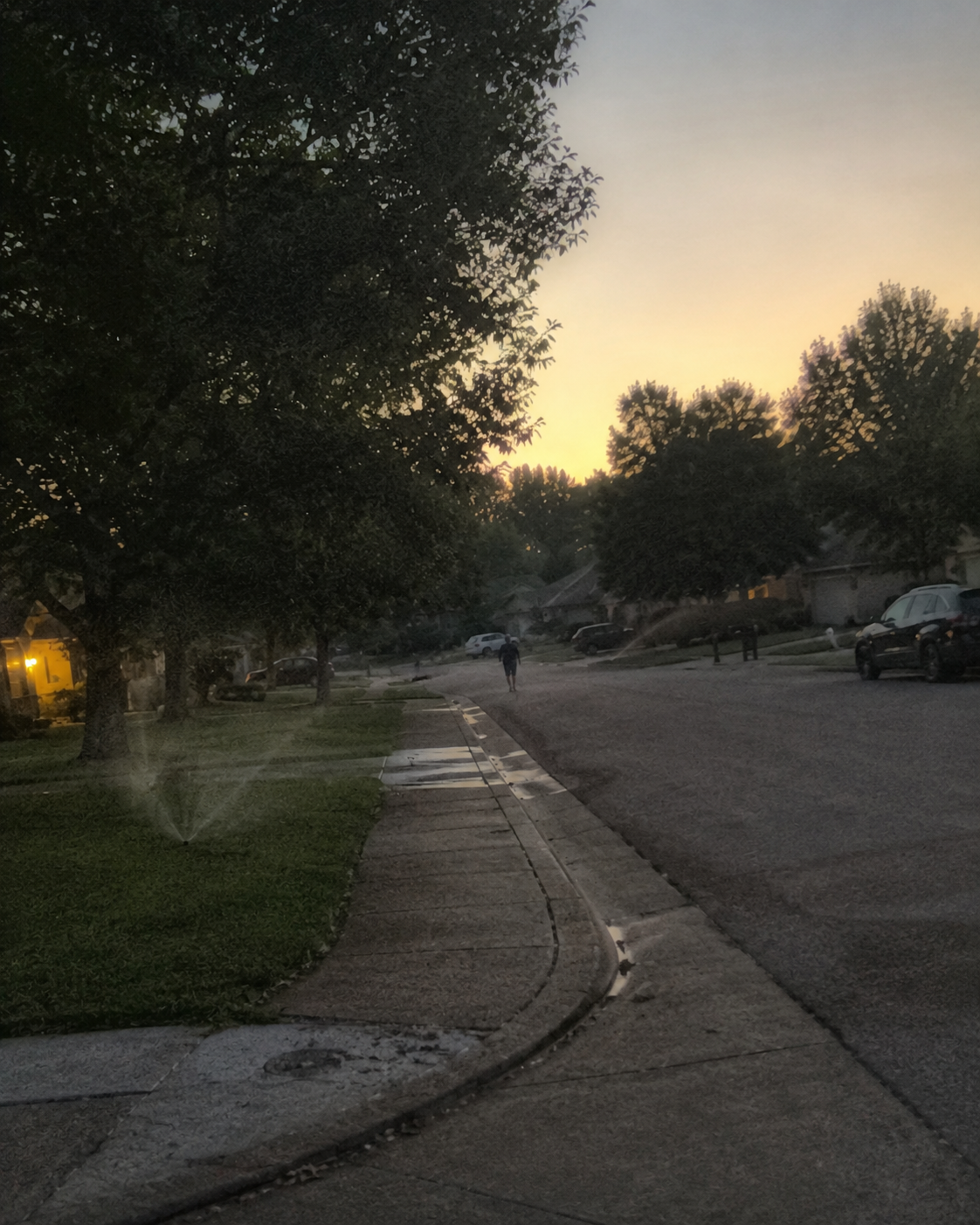
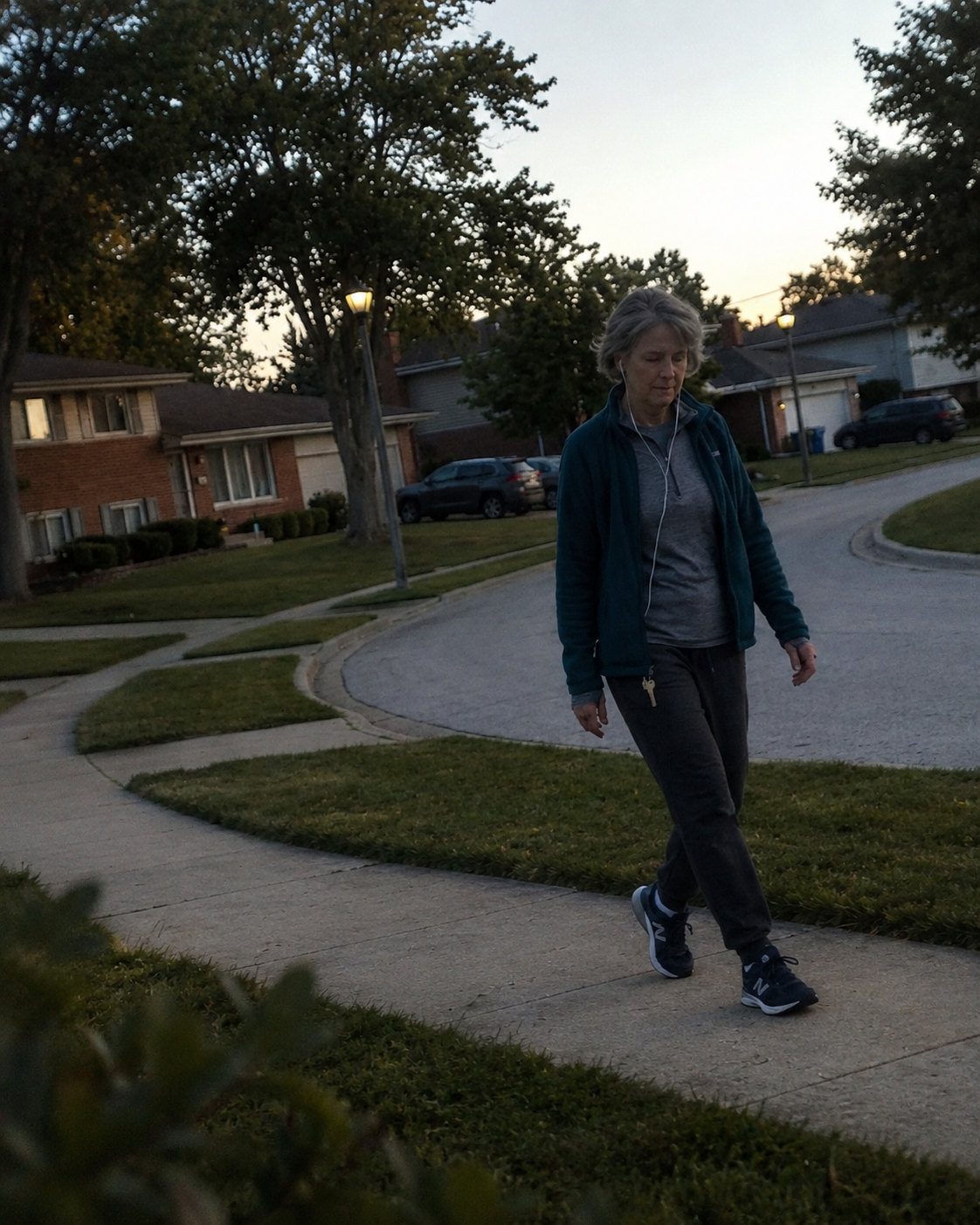
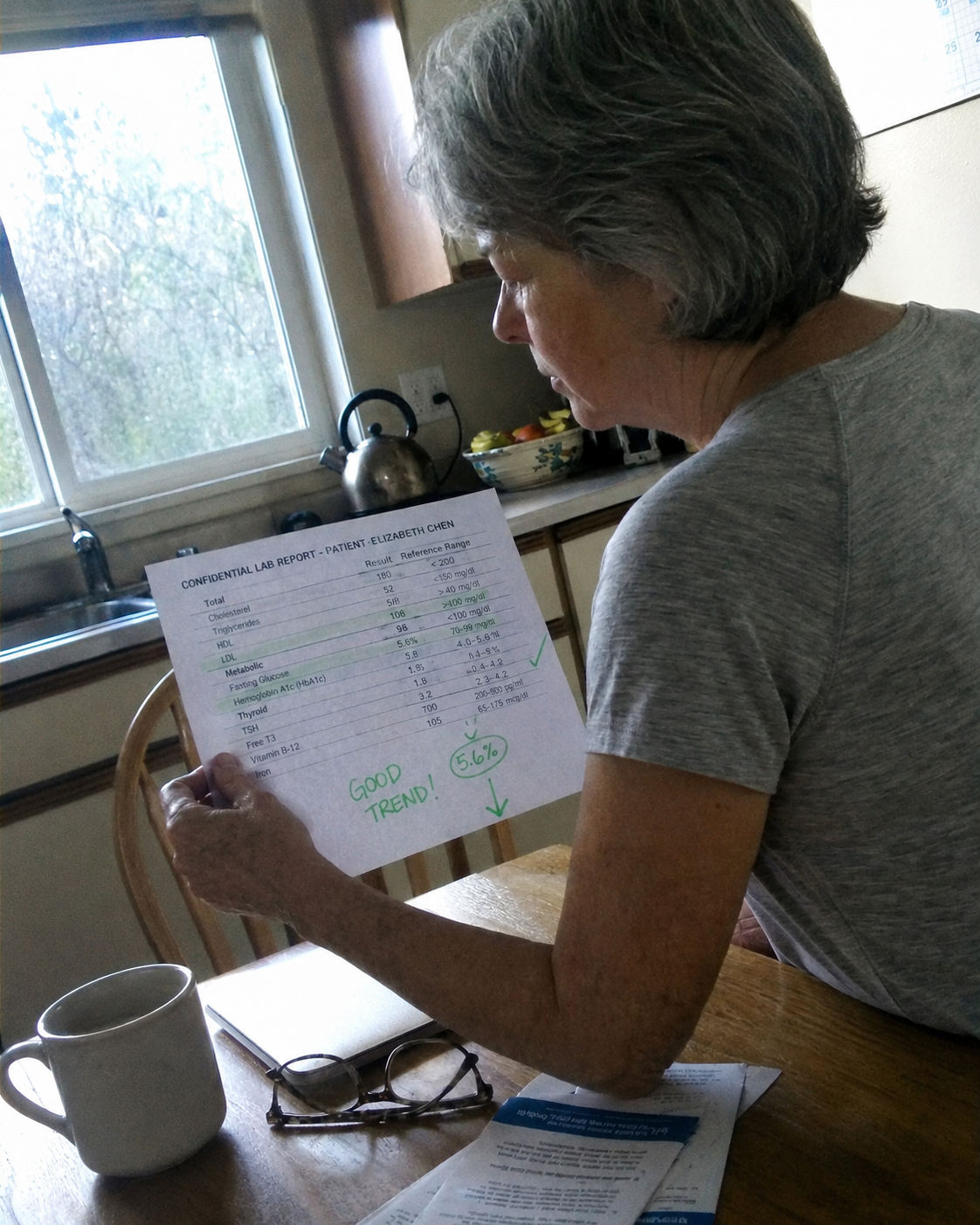
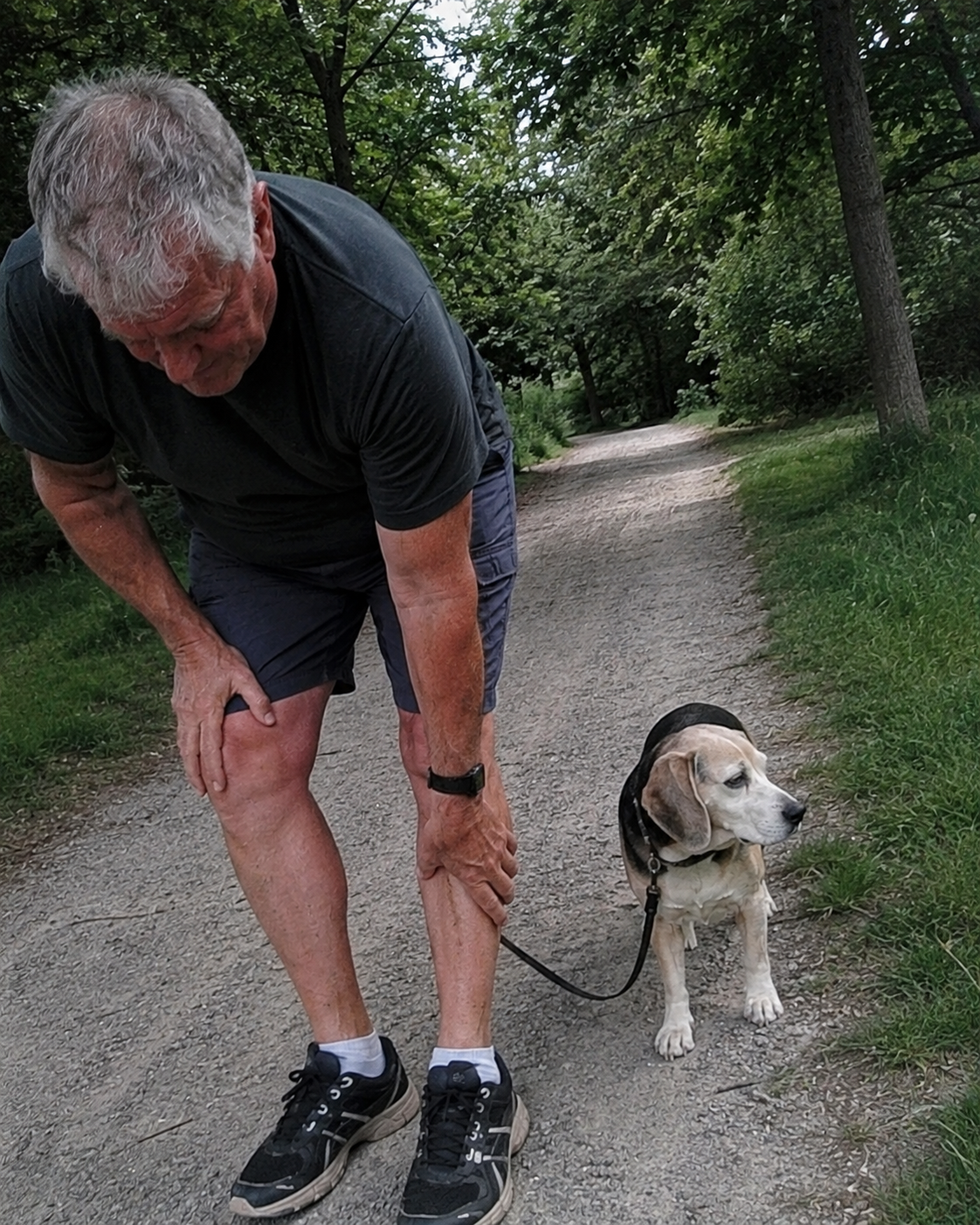
My dog used to wait by the door for our long walk. last year he stopped bothering to get up. That's the detail that finally got through to me. Not my own tiredness — I'd gotten good at explaining that away. It was Buddy. My old beagle. He used to plant himself by the front door every afternoon, leash-eyed, ready for our two-mile loop. And one day I realized he'd stopped getting up when I came in. He'd just lift his head, look at me, and put it back down. The dog had given up on the walk before I'd admitted I had. I want to tell you what I did about it. No miracle. No magic. Just one thing I tried, what I noticed, and — this part matters most — what I honestly can't prove. I'll give it to you straight, the way I'd want a friend to give it to me. I'm sixty-four. And for most of my life, I was a walker. Not a marathon man — just a guy who moved. I walked to work for thirty years. I walked the dog twice a day. I'd walk the whole golf course and carry my own bag. On vacation I was the one wearing everybody else out. My legs were good. My wind was good. The engine ran. That was just who I was. The guy who'd rather walk it than drive it. And then, somewhere in my late fifties, the engine started to labor. It came on so slowly I kept explaining it away. The two-mile loop became a mile and a half. Then a mile. I told myself I was busy. My legs started feeling heavy partway through — a kind of tired, achy fullness in the calves that made me want to stop. I told myself I'd overdone it. I started taking the cart at the golf course. Started driving the short distances I used to walk. Started finding reasons not to. Then came the bench. There's a bench about halfway around the old loop, under a maple. I never used to give it a thought. And over a couple of years it became a destination. I'd walk to the bench, sit down, give my legs a few minutes, and a lot of days I'd just turn around there and go home. Half a loop. Buddy would look at me from the end of his leash like he was disappointed in both of us. There was more to it than the walking, if I'm honest, and I'll be a grown man about it. The energy drained out of more than my legs. The current that used to run through me ran low. I pulled back from things. From the rounds of golf, from the projects, and — quietly — from my wife. Not from any lack of love. From a lack of gas. The warmth and the spark that had been part of us for nearly forty years got quiet, because by the end of most days I had nothing left to bring to it. I missed being the man with the engine. In every sense of it. And I had no idea what was draining it. So I went to the doctor. More than once. Dr. Castellano is sharp and thorough. I came in with my list — the heavy legs, the lost stamina, the feeling of being a turned-down version of myself — and he took it seriously and ran the works. Bloodwork. The whole panel. Checked my circulation, my cardiovascular markers, my blood sugar, the legs themselves. And it came back fine. "For sixty-four, this is a solid picture," he said. "Circulation's stable, nothing alarming. Some of this is just the years. Stay active, keep moving, keep doing what you're doing." Here's how that landed, and if you've heard it, you know. It should've been good news. Nothing's wrong with you. But when you can feel the engine running down — when the dog has given up on the walk — and every test says you're fine, "nothing's wrong" doesn't feel like relief. It feels like a door closing. It feels like: this is just it now. The heavy legs, the half-loop, the bench you can't get past. This is the back half, and there's nothing even to fix, because officially you're fine. The chart said stable. I felt like a man whose engine was idling lower every year. And there's no line on a chart for a dog that's stopped waiting by the door. I'd about made my peace with the word. Age. I'm in my sixties. This is what it looks like. And then one afternoon I came home, and Buddy didn't get up, and something in me just refused. I'm not ready, I thought. I'm sixty-four. The dog's not ready either. We're not done with that loop. So I sat down that night and I started reading. Not the wild stuff. I've got no patience for the cure-everything corners of the internet — the testosterone-miracle, the buy-now-or-stay-broken nonsense. I ran a small business for years; I can smell a pitch. But underneath all the noise, one plain thing kept surfacing the more I dug. Beetroot. I laughed the first time, alone at my kitchen table. Beets. That was the big secret? But I kept reading, because it wasn't what I expected. Beetroot turns out to be one of the most researched ingredients in the whole cardiovascular and wellness category. Decades of real study behind it. Not a fad somebody cooked up to sell last year. The reason it gets studied is a group of compounds called betalains. That deep red pigment — the stuff that stains the cutting board and turns your hands pink. That's the active part. One of the more potent antioxidants in the food supply. The more I read, the more I stopped smirking. Here's the part I made very sure I understood, because I wasn't going to fool myself. These compounds support things. That was the honest word in the honest sources, and it's the only one I'll use. They support healthy circulation. They support healthy blood flow. They support the body's natural antioxidant balance. They support healthy energy. Support. Not treat. Not cure. There was nothing to treat — I was healthy, the man said so himself. Not a replacement for anything. Support for the layer underneath the numbers. The exact layer that seemed to be running low on me — the circulation, the stamina, the engine-room stuff — while every test came back fine. The layer nobody at the appointment was even looking at. For the first time, I'd found something that described what I was feeling instead of telling me I shouldn't be feeling it. I learned one practical thing too. How the beets get processed matters, because betalains are heat-sensitive. The cheap, fast way runs them through high heat, and heat is hard on the active part. The cooked-out stuff goes brown. The slower, cooler way keeps more of it. You can almost see the difference — the real thing is a deep, dark crimson. So I went looking for the kind that's cold-pressed at low temperatures. And then, before I ordered anything or swallowed a single capsule, I did the one thing I'd tell any man my age to do first. I called Dr. Castellano's office. I told the nurse exactly what it was — organic beetroot, the dose, cold-pressed — and asked plainly whether it was alright to add to everything I was already doing. She put me on hold. She came back a few minutes later and said it was a sensible thing to add, that she saw no concern alongside anything I take, and to mention it at my next visit so it could go in the chart. I wasn't going to start guessing with my own body at sixty-four. I asked the people whose job it is to know. They said go ahead. Then I started. Two capsules of cold-pressed beetroot, a tall glass of water, every morning with my coffee. Added on top of everything else. Nothing taken away. Now — here's where I have to be straighter with you than the internet usually is. I can't prove a thing I'm about to tell you. I changed one thing and then I paid attention, and I genuinely cannot swear to you that what I noticed was the beetroot and not the spring warming up, or me moving a little more because I felt like it, or plain hope doing what hope does. I'm a retired man with an old beagle, not a scientist. So I won't dress it up. I'll just tell you what I noticed, in order, and you do what you want with it. The first thing was the bench. About three weeks in, I walked the old loop one afternoon and got to the bench under the maple — and I didn't need it. I slowed down to take it in, the way you do, and then I just... kept walking. Past the bench. The rest of the loop. Buddy looked back at me at the spot where we always turned around, confused, and then trotted on ahead like he'd been waiting two years for permission. It wasn't every day at first. But it started being most days. A whole loop. Past the bench. I didn't say anything to my wife. Didn't want to jinx it. The second thing was the legs. A few weeks later I noticed the heavy, achy fullness in my calves had eased off. The walks stopped feeling like wading through something. My legs felt like legs again. Like they'd go as far as I asked them to. Was it the beetroot? Was it that I was walking more because it felt good, and the walking did the rest? I can't separate those threads. I can only tell you my legs got lighter and I noticed. The third thing I'll keep. It was an ordinary evening. My wife asked, half-expecting a no, if I wanted to take Buddy out together before it got dark. And I said yes. And I meant it. And the three of us walked the whole loop as the light went down — me and my wife and the dog — and somewhere in the middle of it she reached over and took my hand, and I had the gas to hold it the whole way home instead of trudging there spent. I felt the current again. Faint, but running. The engine I thought had idled down for good. The small returns kept coming. Not all at once. One at a time, across the weeks. I started walking the short trips again instead of driving them. I carried my own bag at the golf course for the first time in two years. The easy warmth came back into the marriage — the reaching, the presence, the being there for it — not because I decided to perform it, but because I had something left at the end of the day to bring to it. I felt like her husband again. In every sense I'll mention and a couple I won't. I'm not telling you I'm thirty. I'm not. There's no magic here and I promised I wouldn't pretend there was. I'm sixty-four. Some days the legs still feel heavy. Some evenings the tank still reads low. But the walker — the man with the engine, the one who'd rather walk it than drive it, the one who can hold his wife's hand the whole way home — he's been coming back in pieces. And Buddy waits by the door again. I had a follow-up with Dr. Castellano a few months in. He ran the usual. Everything was fine, the way it had been — that was never the issue. But he looked at me, at me and not the screen, and said, "Your circulation looks good, you've got more color than last time, and you seem like you've got more life in you. Whatever you're doing, keep it up." I told him about the beetroot. Told him I hadn't changed anything else worth mentioning — just added the one thing in the morning, with the office's okay. He nodded and made a note. "Sensible thing to add," he said. "There's good research on antioxidant support and circulation. No concerns with it. Keep doing what's working." I didn't ask him to tell me it was the beetroot. He couldn't have, and he'd have been wrong to. But I walked out of there lighter than I walked in — and these days I notice when I walk out of anywhere lighter. I'm telling you all of this because there's a fair chance you're a man — or you love a man — somewhere near where I was. A guy who used to move, used to have the wind and the legs and the engine, and who's gone quietly low over a few years. Heavy legs. Lost stamina. A bench he can't get past. Pulling back from the people and the things he loves, not from any lack of love, but from a lack of gas. And going to the doctor and getting the loneliest good news there is — you're fine, it's just age, keep doing what you're doing — while you sit there knowing the man with the engine is somewhere on the other side of all this, and nobody can tell you how to reach him. If that's you, I'd just tell you what I found. Not as a promise. As a "here's what one stubborn sixty-four-year-old and his beagle tried." You're not imagining it. A clean chart and a low engine can live in the same man at the same time. I know, because I'm him. I went looking for one thing to add. Not a cure — there was nothing to cure. Not a replacement for anything. One thing, with real research behind it, that might support the layer the clean chart wasn't measuring — healthy circulation, healthy blood flow, the body's natural antioxidant balance, healthy energy. What I found was beetroot. The brand I added to my mornings is Rosabella. 1,300 milligrams of organic beetroot per serving, cold-pressed at low temperatures so the betalains stay intact — that deep dark crimson, not the cooked-out brown. Two capsules with a glass of water in the morning. Added to everything I was already doing, in place of none of it. Talk to your doctor or pharmacist before you add any new supplement — especially if you take any medication for blood pressure or your heart. That one phone call is what let me do this with a clear conscience. It's the first thing I'd tell anyone to do. That's the whole story. A dog stopped waiting by the door, a man got stubborn instead of resigned, his doctor's office said it was okay, and a few months later the two of them walked the whole loop again at sundown. P.S. If you've gone low and heavy over the back half of your fifties or sixties while every test says you're fine, and everyone keeps telling you it's just your age — you're not imagining it, and you're not being dramatic. A clean chart and a low engine can be the same man. I needed an old beagle to stop waiting by the door to make me quit accepting "that's just sixty-four." I'm telling you now, plainly, so you don't have to wait for your own dog to give up on you. What you're feeling is real, even when the bloodwork calls you fine. P.P.S. Here's the honesty I owe you. I can't prove the beetroot got me back on the loop. I changed one thing and felt better over a few months, and the two might be connected or might not. What I can tell you: it's genuinely well-researched, my doctor had no concerns, and the downside of trying was small. That's the math I ran, with clear eyes — and I ran a business on worse odds than that. I'm laying it out so you can run your own. P.P.P.S. Here's exactly what I'd tell you to do, in order. First: check with your doctor or pharmacist — this matters most if you take any blood-pressure or heart medication, so don't skip it. Second: once they've said it's a sensible addition, two capsules with a tall glass of water in the morning. Third: don't change anything else you're doing. Just add this on top. Fourth: give it a couple of weeks, at minimum, before you decide anything. Some men notice something shift early — lighter legs, a little more in the tank, a walk that goes farther than it used to. Others take much longer. Some don't notice much. Bodies are genuinely different, and anyone who promises you a timeline is selling you something. Be patient with yours. P.P.P.P.S. Rosabella has a 90-day money-back guarantee. If you're not satisfied for any reason at all, every penny comes back, no questions asked. It's a sensible policy for a supplement — it means the only thing you're really risking is a few weeks and a little patience. You get plenty of time to see for yourself before you've committed. P.P.P.P.P.S. Rosabella is a small operation. They harvest and bottle on their own schedule, so I keep an extra bottle in the cupboard just in case. I take mine every morning with my coffee — it's just part of the routine now, like clipping on Buddy's leash. The thing I keep coming back to is that the time to support what's still working is while it's still working. Not after the engine's idled all the way down and the dog's given up on you. It's late afternoon as I write this, and there's a beagle planted by the front door giving me a look. We've got a loop to walk. The whole thing. Past the bench. That's where it starts again, sometimes. A dog by the door. Light legs at sundown. Two capsules and a glass of water beside the morning coffee. Individual experiences vary. These statements have not been evaluated by the FDA. This product is not intended to diagnose, treat, cure, or prevent any disease.
Support stamina and heart health every day
LEARN MORELike this ad? Make it yours.
Crush rebuilds this exact creative around your product — your brand, your colors, your offer — in about a minute.