Orchard Health Clinic
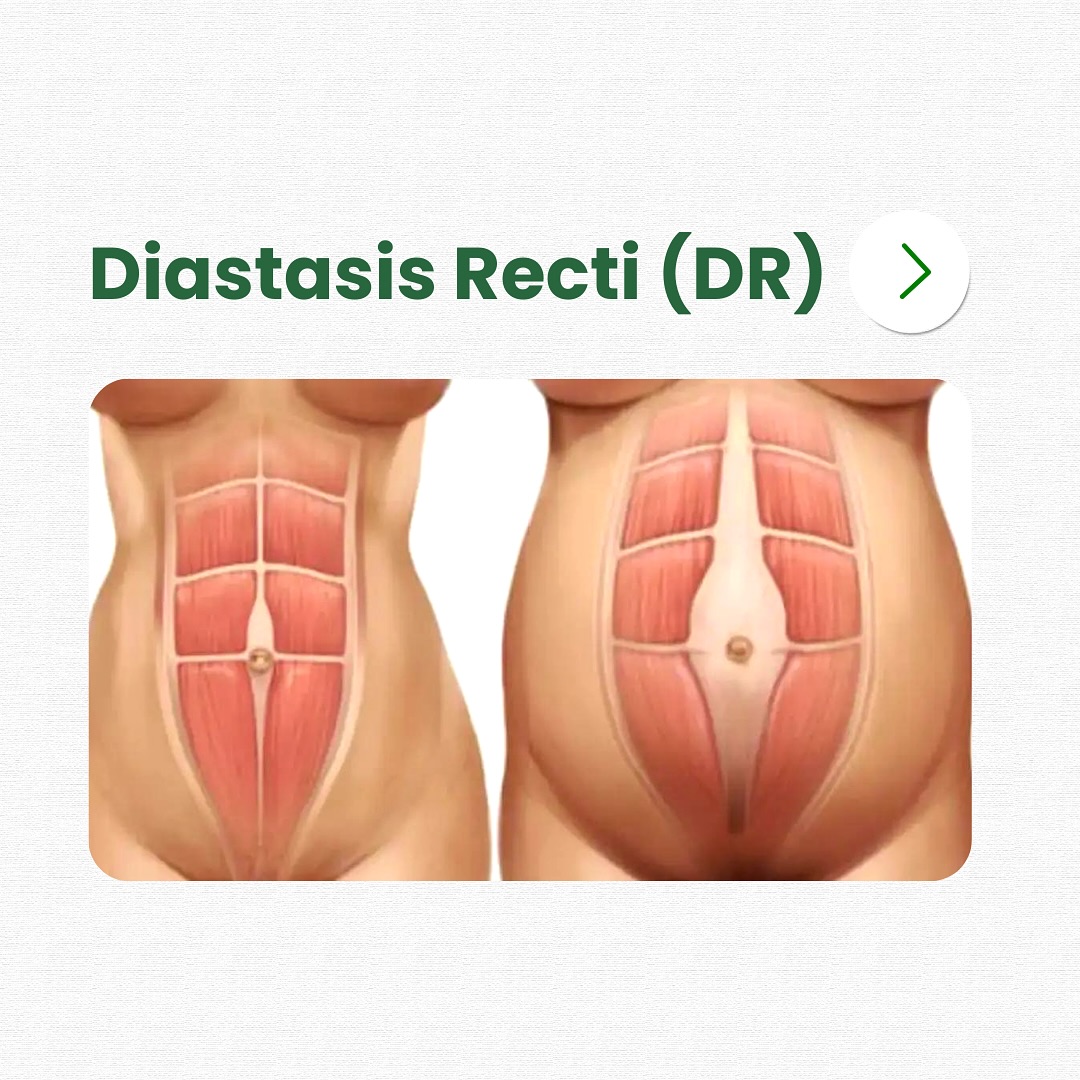
Orchard Health Clinic Facebook ad: “Did you know - Up to 60% of…”
Ran for 36 days, from January 18 to February 23, 2026, the last day Crush saw it.
Run by Orchard Health Clinic on Facebook. Crush is not the advertiser and does not verify its claims. See this ad in Meta's Ad Library(opens in a new tab)
Want an ad like this for your product?
Crush makes new ad images for your product from this ad: your logo, your product photo, your offer.
Trials from $19.95 USD, then $79.95 USD a month. Cancel anytime.
About this ad
- Meta Ad Library ID
- 1398701018384667
- Platforms
- Facebook and Instagram
- Relaunches
- 1
Ad text
Did you know - Up to 60% of women may experience Diastasis Recti (DR) during pregnancy or postpartum? 🤰🏻 Diastasis Recti (DR) is a condition involving the separation of the left and right sides of the rectus abdominis or "six-pack" muscles that stretches the connective tissue (the linea alba). There is usually a palpable midline gap of more than 2.5cm (roughly equal to 2 fingertips) or any visible bulging on exertion. A gap of 4 to 5 fingertips is considered severe Diastasis Recti (DR). This condition often occurs during the second and third trimesters of pregnancy. The separation can also make the belly stick out or bulge for months or years postpartum. During pregnancy, the abdominal muscles and connective tissue (the linea alba) are stretched out from the expanding uterus with the help of the pregnancy hormones (relaxin and estrogen) to accommodate the growing baby and prepare the body for delivery. As a result, it increases the pressure on the stomach wall forcing the tissue to widen and expand the space between the left and right sides of the rectus abdominis muscle. Common symptoms of Diastasis Recti (DR) may include weakness in the midsection or visible and palpable gap between the rectus abdominis muscle. Physical therapy is a highly effective way to manage Diastasis Recti (DR). Apart from manual therapy, any muscle imbalances and identification of which movements or activities to modify or avoid during recovery will be addressed. Modalities like electrotherapy will be incorporated to help activate deep core muscles, enhance circulation, and promote tissue healing. These approaches work together to strengthen the abdominal region and reduce pressure. As treatment progresses, posture training that targets the transverse abdominis, diaphragm, lower back, and pelvic floor muscles will be introduced to stabilise the core without overusing the rectus abdominis. Customised exercises, stretches, and diaphragm releases to help restore normal breathing patterns will also be prescribed to reduce pressure on the rectus abdominis. Safe lifestyle recommendations will then be taught to aid in regaining full function. If in doubt, please seek professional advice.
Where the ad sends people
instagram.com
Orchard Health Clinic
View instagram profile: instagram.com(opens in a new tab)