
Inactive· since Feb 20, 2026
- 15
- days it ran
- 1
- relaunches
Ad copy
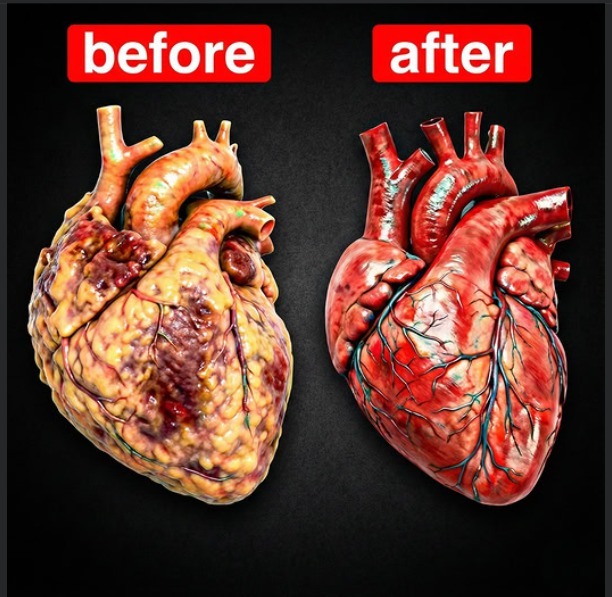
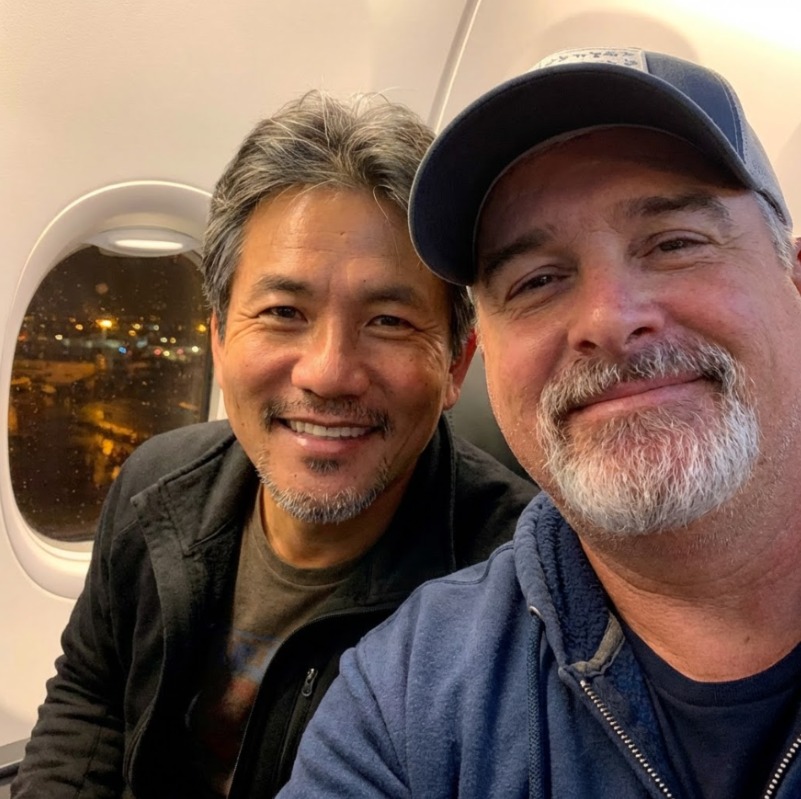
247. I should’ve been excited about two weeks in Japan. Instead I kept doing the same math my dad did right before the statins broke him. That’s the number I couldn’t stop turning over in my head — even at 35,000 feet, headed to Japan for a trip my wife had spent months planning. She’d also been the one who quietly scheduled my last cholesterol checkup without telling me. That’s the kind of worrier she is — the kind who acts instead of asks. 219 eighteen months ago. 228 a year ago. 247 at my last checkup. Trending in the same direction my dad’s numbers went — right before his doctor put him on Lipitor. I don’t talk about what happened to my dad very often. Not because it was dramatic. That’s the thing — it wasn’t one big event. It was slow. Quiet. The kind of decline that sneaks up on a family until one day someone says “when did he get so old?” and nobody has a good answer. My dad was a builder. Not professionally — he was an accountant. But weekends, he lived in his garage. Bookshelves. Birdhouses. A rocking chair for my daughter that he spent four months on, sanding every spindle by hand until it was smooth enough for her little fingers. His own hands were always nicked up, always stained with polyurethane, and he was proud of that. Eighteen months on Lipitor, those hands started shaking. Not a lot at first. Just enough that he couldn’t hold a drill steady. He’d stand in front of his workbench, stare at a half-finished project, and just walk away. I watched him do that three weekends in a row before I understood. He wasn’t taking a break. He was giving up. The brain fog was worse. He’d be telling a story at dinner — one he’d told a dozen times, one he loved telling — and mid-sentence, he’d stop. Not a pause to find a word. A full stop. Eyes unfocused. Like someone pulled the plug for a few seconds and turned him back on. The first time, my mom laughed nervously. By the third time that week, the table went quiet. He went from walking three miles every morning to napping twice a day and still looking exhausted by 6pm. His cholesterol numbers? “Perfect.” His doctor called it a success story. Everything else was falling apart. That’s why I said no when my doctor pushed the statin. That’s why I spent three years trying everything else — fish oil, red yeast rice, bergamot, cutting out eggs then bringing them back, Mediterranean diet, exercise five days a week instead of three. I had a kitchen cabinet that looked like a supplement store and a cholesterol number that didn’t care. 247. My doctor’s voice at the last appointment, tired and practiced: “We really should consider a statin.” And me, thinking about my dad’s hands. Thinking about the look on his face when he couldn’t finish his own sentence. No. So there I was. Somewhere over the Pacific, cabin lights dimmed, my wife asleep beside me, doing math I didn’t want to do — when I noticed the man in the aisle seat. Mid-60s. Japanese. Neat. Reading a medical journal with an artery diagram on the cover. Maybe it was the wine. Maybe it was the 247 sitting on my chest like a stone. But I nodded toward the journal and said: “You a heart doctor?” He smiled. “Cardiovascular researcher. I study oxidative mechanisms in lipid metabolism.” A beat. “So… close enough.” His name was Dr. Nakamura. He was heading home to Osaka. He’d been in LA for a research conference — presenting new data on hydrogen therapy and cardiovascular function. He mentioned that several American researchers had presented compelling new findings too. “The interest in the US is growing quickly,” he said. “It’s only a matter of time before this reaches the mainstream here.” I didn’t know what “hydrogen therapy” meant yet. But I had thirteen hours and a number that wouldn’t leave me alone. “My cholesterol keeps going up,” I said. “I’ve tried everything. My doctor wants me on a statin. What would you do?” He set his journal down. Looked at me for a moment — like he was deciding between the polite answer and the real one. Then he said the thing that reframed everything: “Your doctor is trying to lower a number. But the number is not the problem.” I stared at him. Isn’t the number the whole point? He shook his head. “Cholesterol performs critical functions. It builds cell membranes. Produces hormones. Your brain requires it to function. Your body makes it on purpose — it’s not a mistake.” “So what IS the problem?” “The problem is what happens to cholesterol when it gets damaged.” He pulled a pen from his jacket and drew on a cocktail napkin. A simple LDL particle — the “bad” cholesterol everyone warns about. Then little arrows attacking it from every direction. “Free radicals,” he said. “Reactive oxygen species. From stress, processed food, environmental toxins, even normal aging. When they attack an LDL particle, it becomes oxidized.” He circled the damaged particle. “This — oxidized LDL — is what damages your arteries. Regular LDL floats through your bloodstream doing its job. Oxidized LDL embeds in arterial walls, triggers inflammation, and starts plaque buildup.” I looked at that napkin for a long time. “So the danger isn’t cholesterol itself…” “The danger is oxidized cholesterol. And statins lower ALL cholesterol — the harmless kind, the helpful kind — while doing nothing to stop the oxidation process.” He tapped the arrows. “The fire is still burning. The statin just removes fuel — including fuel your body needs.” I thought about my dad. Numbers looking perfect. Body falling apart. “It’s worse than that,” he continued. “Statins block the same metabolic pathway that produces CoQ10 — the energy molecule your heart muscle depends on. Your heart beats roughly 100,000 times a day. It needs enormous cellular energy. Deplete CoQ10, and you compromise the very organ you’re supposed to be protecting.” My dad’s shaking hands. The fog rolling in mid-sentence. The naps that didn’t help. The exhaustion that never lifted. It wasn’t a mystery anymore. It was a mechanism. “But there’s another piece,” Dr. Nakamura said. “One that almost nobody talks about.” He drew a new diagram. Cells under siege from free radicals. “When your cells are under constant oxidative stress, they go into survival mode. One defense mechanism? Your body produces MORE cholesterol to reinforce damaged cell membranes. It’s trying to protect itself.” I saw it before he finished. “So oxidative stress forces more cholesterol production… and that cholesterol gets oxidized… which creates more stress…” “A vicious cycle. And nothing that only targets the cholesterol number can break it. Not statins. Not fish oil. Not bergamot. None of them address the oxidative stress driving the cascade.” He paused. “You’ve been trying to mop up water while the pipe is still burst.” Three years of supplements. Diet changes. Doctor visits. All aimed at the wrong thing. I sat with that for a minute. Then asked the only question that mattered. “What breaks the cycle?” “Molecular hydrogen.” He said it simply. Like it was obvious. “That’s what the conference in LA was about?” “Partly, yes. In Japan, we’ve been researching hydrogen’s effect on oxidative stress for decades. I presented our latest data on lipid metabolism specifically. But the American research teams are producing strong work now too — the science is converging.” My first reaction was skepticism. Hydrogen? Like… the element? He must have seen it on my face because he laughed. “The reaction is always the same. Let me explain why this is different from anything you’ve tried.” “Hydrogen is the smallest molecule in existence. Smaller than any vitamin. Smaller than any antioxidant. So small it passes directly through cell membranes, into mitochondria, even across the blood-brain barrier — places no other supplement can reach.” “Why does that matter?” “Because the oxidative damage driving your cholesterol problem isn’t happening in your stomach or bloodstream — where most supplements work. It’s happening at the cellular level. Inside your arterial walls. Deep in your tissues. The fish oil and bergamot couldn’t get there. They were working on the outside of a burning building.” “But hydrogen reaches it.” “Hydrogen reaches everywhere. And it does something no other antioxidant does.” He drew two types of circles on his napkin — small round ones and large jagged ones. “Most antioxidants neutralize ALL free radicals. But your body needs certain free radicals for signaling and healing. Wipe them out and you create new problems.” “Hydrogen is a selective antioxidant. It targets only the most damaging radicals — the hydroxyl radical and peroxynitrite — the exact ones that oxidize cholesterol and destroy arterial walls. The beneficial ones? Left untouched. Precision instead of a sledgehammer.” I ran it back. “So it goes where nothing else reaches. Neutralizes the specific radicals that turn harmless LDL into oxidized LDL. And by reducing oxidative stress, the body stops overproducing cholesterol as a defense.” “The cycle breaks,” he said. “Instead of chasing numbers after the damage starts, you address the root cause before the cascade begins.” I believed the science. But something was gnawing at me. “Dr. Nakamura — if the research is this strong, why hasn’t my doctor mentioned it once in eleven years?” He took a slow breath. “How long did doctors tell patients that dietary fat caused heart disease — while the sugar industry quietly funded research to deflect blame? That deception was documented in JAMA. It took decades to correct.” “Hydrogen doesn’t have a billion-dollar patent behind it. There’s no drug rep walking into your doctor’s office with free samples and steak dinners. The incentive structure doesn’t reward your physician for knowing about this.” “Meanwhile — in Japan, hydrogen-enriched water has been studied for years. Used in clinics. You can buy it at any 7-Eleven in Tokyo. It sits on the shelf next to the green tea. That’s how normal it is there. Over 2,000 peer-reviewed studies. More than 80 clinical trials. In a country with one of the longest life expectancies and lowest cardiovascular disease rates on earth.” “This isn’t an internet wellness trend. It’s established science that hasn’t crossed the Pacific the way it should have.” That landed. Because I know my doctor. Good man. Means well. But when I brought up magnesium supplementation last year, he waved it off. “Unnecessary if you eat well.” Meanwhile, research shows up to 75% of Americans aren’t getting enough. I asked about hard numbers. Clinical evidence. “A 24-week randomized controlled trial — the gold standard — showed subjects taking hydrogen tablets had an 18.5 mg/dL reduction in total cholesterol.” “A separate study in the Journal of Lipid Research showed a 14.8% reduction in total cholesterol, 18.2% reduction in LDL, and an 8% increase in HDL.” “And the improvements held regardless of dietary factors.” I almost asked about genetics — whether it worked for people whose cholesterol was stubbornly resistant to diet and exercise. But he’d just answered that. Regardless of dietary factors. Hydrogen works at the cellular level, below the genetic programming that controls liver cholesterol production. You’re not overriding genetics. You’re optimizing the environment in which those genes operate. “The tablets — how do they work, exactly?” “Elemental magnesium reacts with water and organic acids to produce molecular hydrogen gas. The hydrogen saturates the water. You drink it at peak concentration.” “Wait — magnesium? My wife’s been telling me for years I’m probably deficient.” “She’s likely right. Magnesium is required for over 300 enzymatic processes — including cholesterol metabolism and cardiovascular function. Your cholesterol-regulating enzymes literally cannot work without it.” He smiled. “So you get dual-action support. Hydrogen addresses oxidative stress at the cellular level. Magnesium fills the mineral gap that’s been quietly undermining your cholesterol regulation. No other single approach gives you both.” We’d been talking for hours at this point. The cabin was dark. Most passengers were asleep. I felt like I’d just taken an entire semester of cardiovascular biochemistry in one sitting. Then I looked at his bag. Remembered the foil-wrapped tablet he’d shown me earlier. “Do you… actually use these yourself?” “Every day. And especially when I fly.” He reached into his bag and pulled one out. “Long flights, recycled cabin air, jet lag — the oxidative stress is significant. I take one before every flight. Sometimes a second one halfway through.” I stared at the little foil packet. Six hours of science. Decades of research. And there it was, sitting in his palm. “Can I try one?” He looked almost pleased that I asked. Handed it over. The next time the flight attendant came through with the drink cart, I asked for a water. Tore open the foil, dropped the tablet into the plastic cup on my tray table. It started fizzing immediately. Tiny bubbles rising fast, like a more aggressive Alka-Seltzer. Within ninety seconds, it had dissolved completely. The water looked slightly cloudy. Faint mineral smell. I drank it. Dr. Nakamura went back to his journal. I put on a podcast. And honestly — I didn’t expect to feel anything. He’d told me himself that cholesterol changes happen over weeks and months, not minutes. I wasn’t waiting for a miracle. But about an hour later, something small happened. I’d been on this flight for nearly nine hours. Red-eye. I’d barely slept. Normally by hour nine I’m in that miserable no-man’s-land — too tired to focus, too restless to sleep, staring at a screen without really seeing it. That heavy, foggy, recycled-air exhaustion that makes you feel ten years older than you are. It wasn’t there. I noticed because I’d been reading an article on my phone and realized I’d gone through the whole thing — every word, retained all of it — without my eyes glazing over once. On a red-eye. That doesn’t happen to me. I almost dismissed it. Part of me thought: that’s placebo. You just spent hours talking to a convincing researcher. Your brain wants this to work. Maybe. I’m not going to sit here and tell you a single tablet on an airplane rewired my biology. That’s not how this works and I know it. But something was different. Subtle. Like the low-grade static that’s always running in the background had turned down a notch. My wife woke up an hour before landing and said I looked “weirdly awake for this deep into a flight.” Dr. Nakamura glanced over and just smiled. “Hydrogen is very effective for the fatigue of long flights. The recycled air creates considerable oxidative stress. Most people notice that effect first.” He hadn’t mentioned that before I tried it. He let me feel it on my own. That meant something to me. By the time we landed in Tokyo, I had six pages of notes on my phone. A head full of new understanding. And a product name written at the top, circled twice. PrimeCell. It’s what Dr. Nakamura recommended when I asked which tablets deliver therapeutic-grade concentration. Not all hydrogen products are equal — and that distinction matters more than most people realize. “Most hydrogen water bottles and pre-packaged products generate 1 to 1.5 parts per million,” he’d explained. “That’s well below therapeutic range. The tablets I use — and the ones used in the clinical trials — generate 8 to 12 PPM. The difference between a therapeutic dose and a marketing gimmick.” PrimeCell delivers exactly that. 12 parts per million per tablet. Therapeutic grade. Plus 80mg of elemental magnesium in a bioavailable form — not the cheap magnesium oxide that passes straight through you. The kind your body actually absorbs. No pills to swallow. No complicated regimen. One tablet in a glass of water each morning. Simpler than brewing coffee. I ordered it before I finished unpacking from the trip. My wife saw the box arrive and said, “Another supplement?” with that look she gets. I told her this one was different. She’d heard that before. But here’s what happened. That same clarity I’d felt on the plane — within the first week, it became a daily thing. Not dramatic. Not jittery. Just the low-grade fog I’d been living with started thinning out. By mid-afternoon, when I’d normally hit a wall and reach for a second coffee, I was still sharp. Still present. My wife noticed before I said anything. “You seem more… here lately,” she said one evening. Which was her kind way of saying I’d been dragging for months and she’d been worried enough to sneak checkups onto my calendar. The real test came eight weeks later. For the first time in three years, the number went down. Not up. Down. My doctor looked at the chart. Looked at me. Asked what I’d changed. I told him everything. PrimeCell. Hydrogen. Dr. Nakamura. The oxidized cholesterol mechanism. He didn’t say much. But he didn’t push the statin prescription either. First time in years. When I got home from that appointment, my wife was at the kitchen table. I didn’t have to say anything. She saw my face. “It went down?” she asked. I nodded. She was quiet for a second. Then she said: "Order more of those tablets." She said it because she understood what I now understood. Every day without addressing oxidative stress is another day of unprotected cholesterol circulating through your bloodstream. Another day of hydroxyl radicals attacking your LDL particles. Another day of harmless cholesterol being converted into the sticky, oxidized kind that clings to your artery walls. Another day of your body producing even MORE cholesterol in a desperate attempt to defend cells that are under siege. The cycle doesn't pause because you haven't found the right solution yet. It doesn't slow down because you're eating well and exercising. It doesn't care that you've tried fish oil and bergamot and red yeast rice. It runs. Every single day. While the pipe is still burst. And every day it runs is another day closer to the appointment where "we should consider a statin" becomes "you don't have a choice." That's not a scare tactic. That's biology. Dr. Nakamura didn't sugarcoat it on the plane and I'm not going to sugarcoat it here. But breaking the cycle isn't complicated. One tablet. One glass of water. Ninety seconds. That's it. Hydrogen — the smallest molecule in existence — reaches every cell, every tissue, every arterial wall in your body. Neutralizes the specific radicals that are oxidizing your cholesterol right now, as you read this. Magnesium restores the mineral foundation your cholesterol-regulating enzymes have been starving for — possibly for years. Two problems. One tablet. The vicious cycle that nothing else could break finally has something working against it. If your doctor is pushing statins and something in you keeps saying no — If you've watched someone you love deteriorate on Lipitor or Crestor and sworn you'd find a different way — If your numbers keep climbing no matter what you eat, how hard you exercise, or how many supplements you choke down — If you're tired of being told "that's just how it is" when you know in your gut that it isn't — PrimeCell. Try it. shop.getamalahealth.com P.S. — Here's my challenge to you. Drop one tablet in a glass of water. Drink it. Set a mental timer. You’ll notice that fog start to lift — that subtle clarity, like someone wiped a dirty windshield That's not placebo. That's the smallest molecule in existence crossing your blood-brain barrier for the first time. Something your statin has never done and never will. The cholesterol benefit takes weeks to measure on a lab panel. But that first-day clarity is your body telling you: finally, something that actually reaches where it needs to go. P.P.S. — PrimeCell comes with a 90-day money-back guarantee. If your numbers don't improve, you get your money back. No questions asked. P.P.P.S. — I wasted three years on fish oil, bergamot, red yeast rice, and a Mediterranean diet that was never going to address oxidative stress. Three years I spent watching the number climb toward a prescription I didn't want. Don't burn your timeline the way I burned mine. Your next lipid panel is coming whether you're ready for it or not. The question is whether you'll walk in with the same failing strategy — or with something that actually targets the mechanism driving the problem. P.P.P.P.S. — Don’t forget the 90-day money-back guarantee. shop.getamalahealth.com
Fix Yourself at the Cellular Level
PrimeCell H2 is a next-generation molecular hydrogen tablet designed to selectively neutralize the most damaging free radicals in your body - at the cellular level, right where aging actually happens.
LEARN MORELike this ad? Make it yours.
Crush rebuilds this exact creative around your product — your brand, your colors, your offer — in about a minute.