
Inactive· since Jul 24, 2026
- 16
- days it ran
- 0
- relaunches
Ad copy
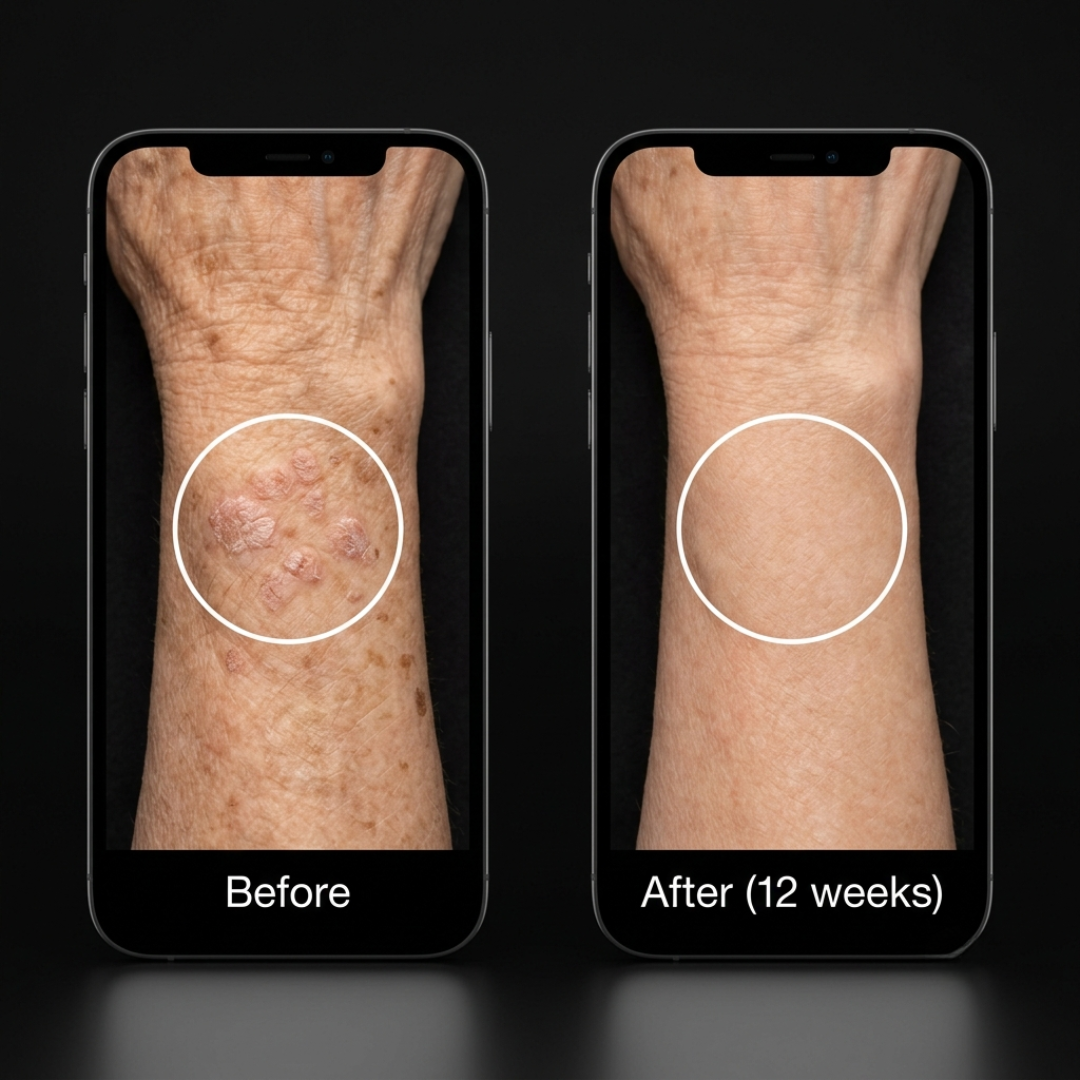
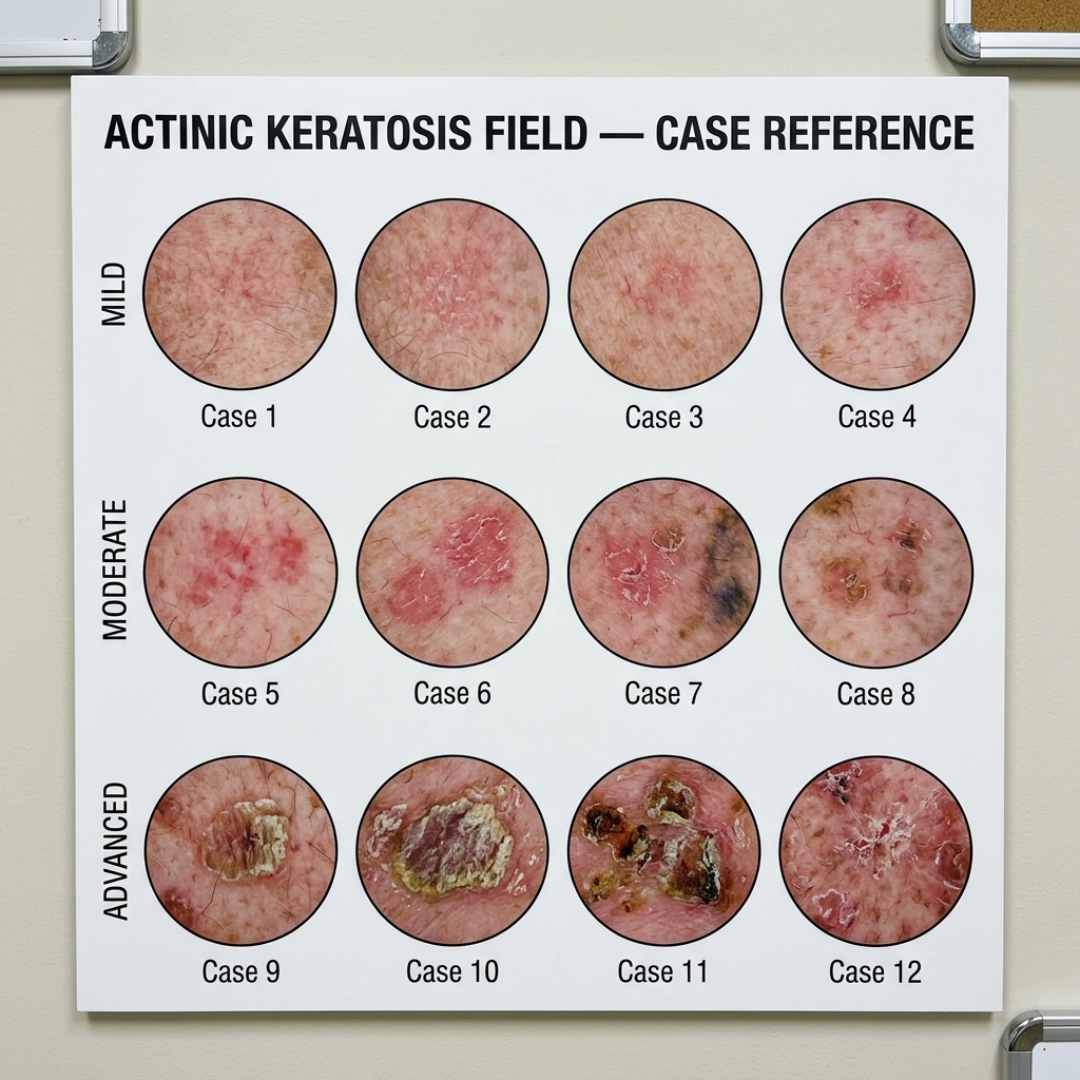
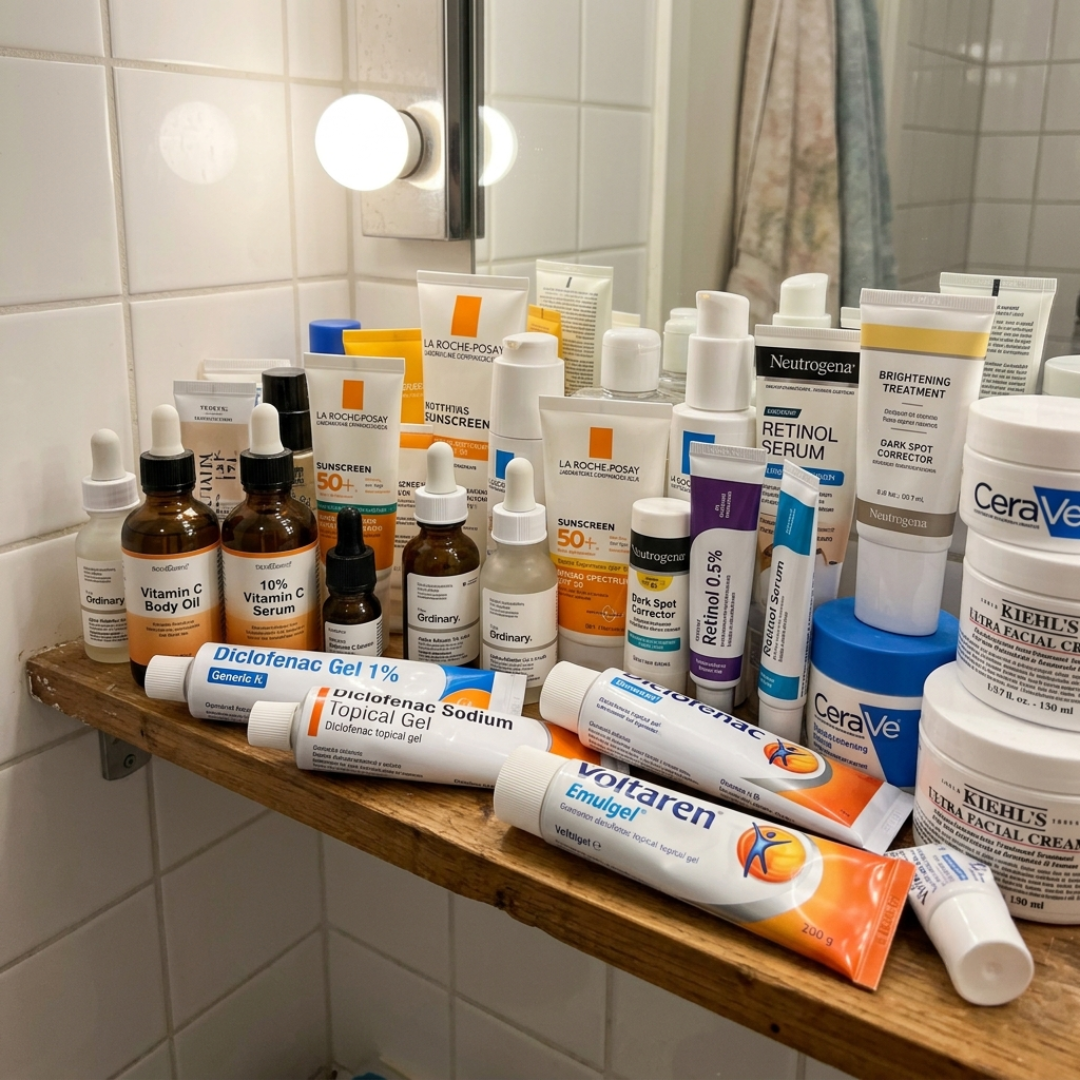
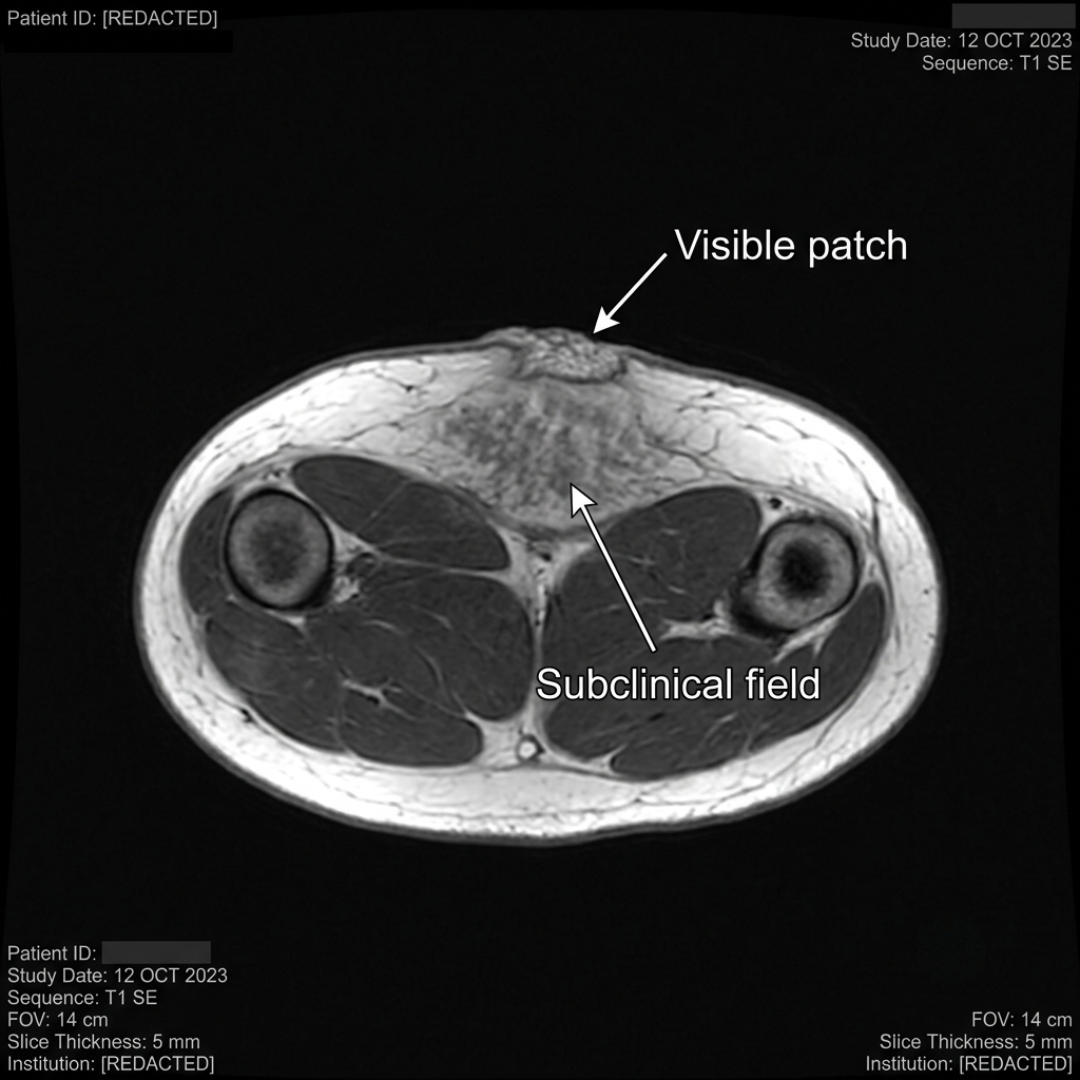
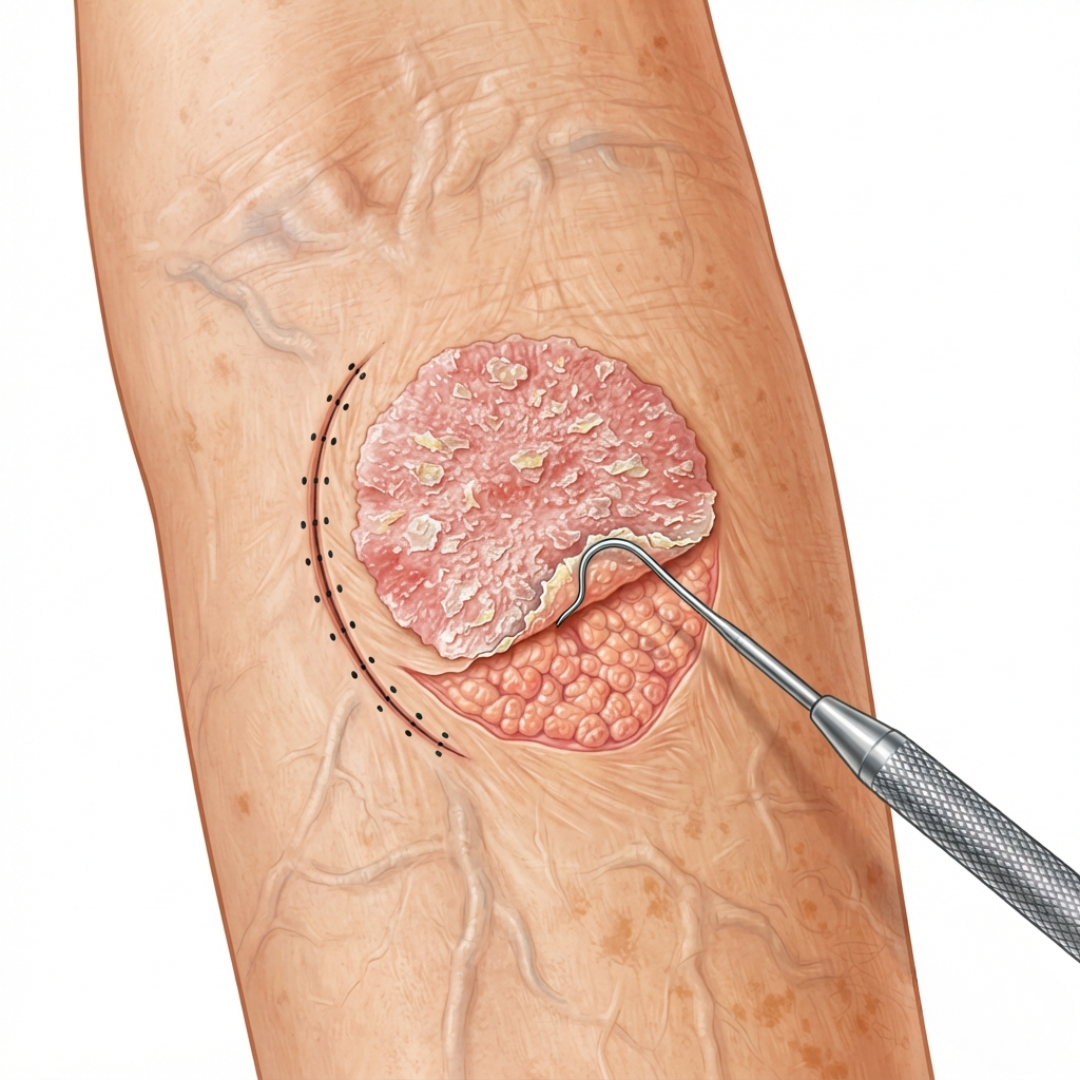
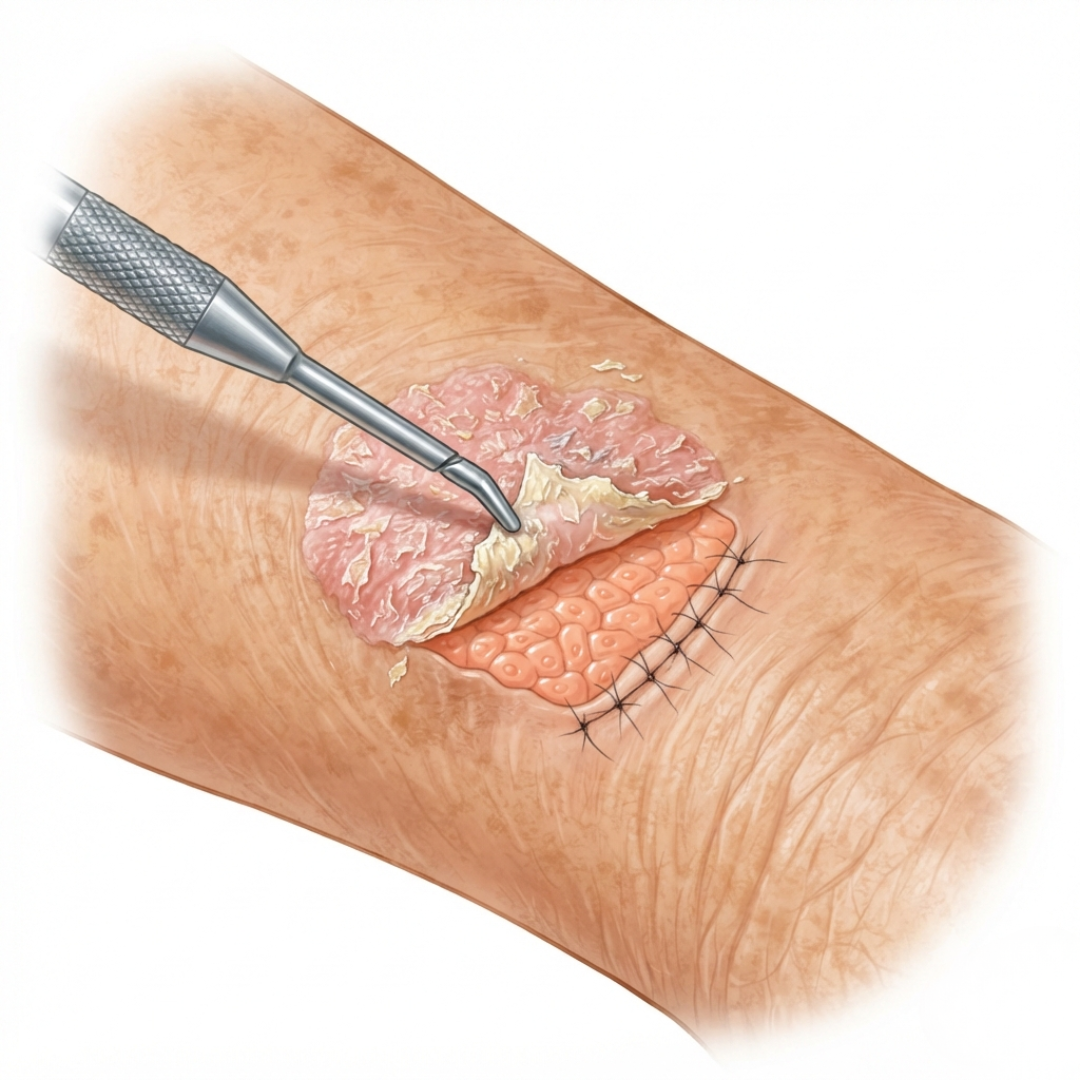
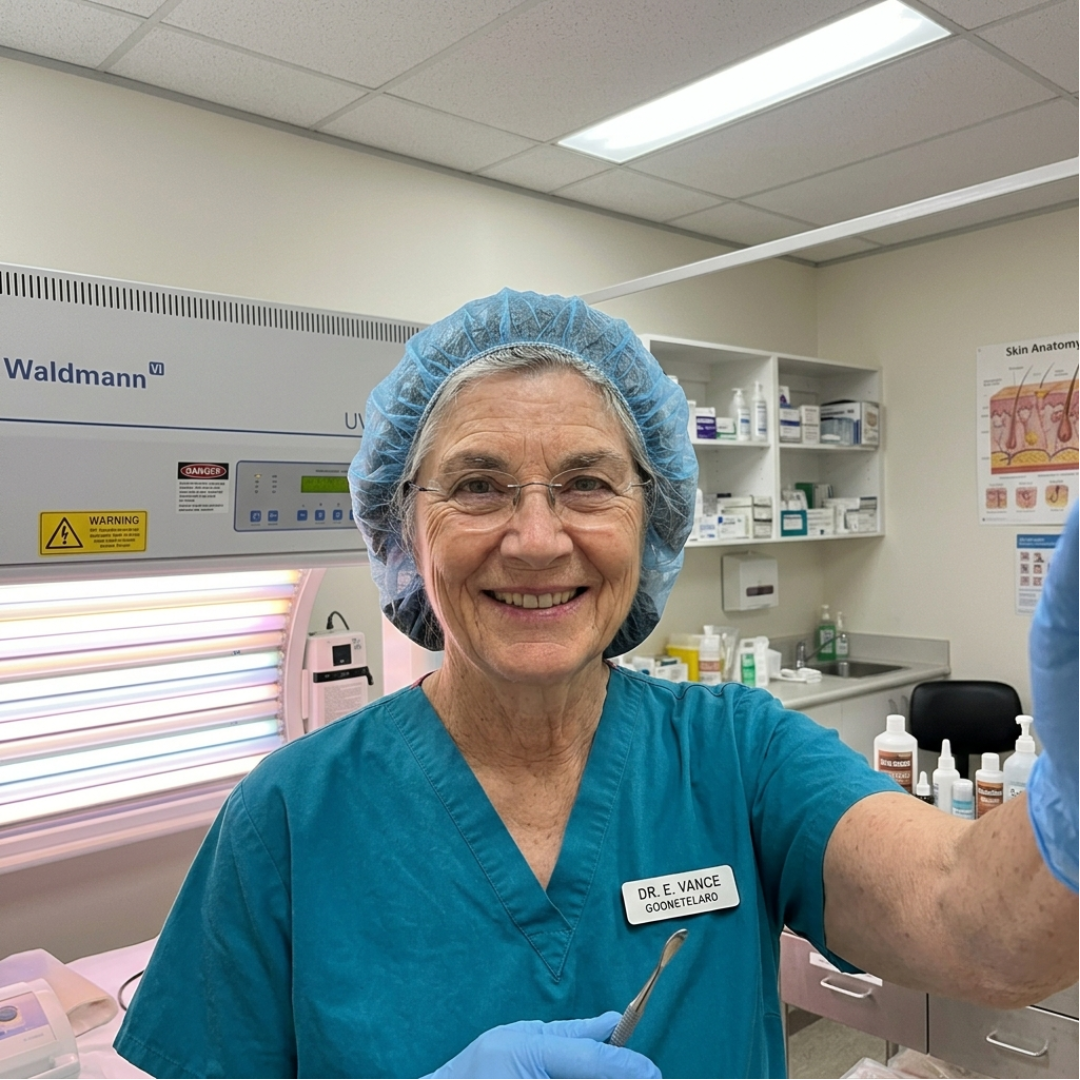
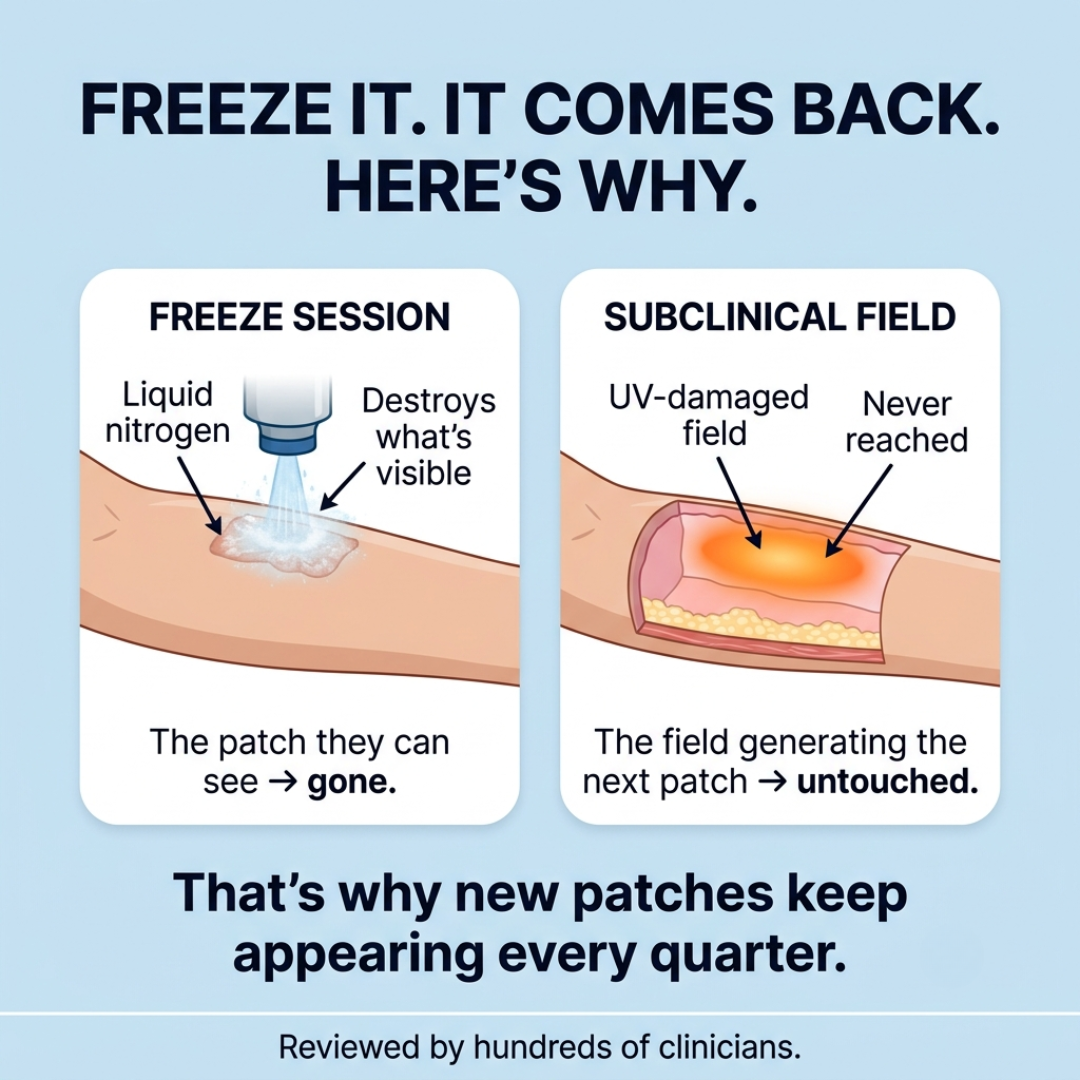
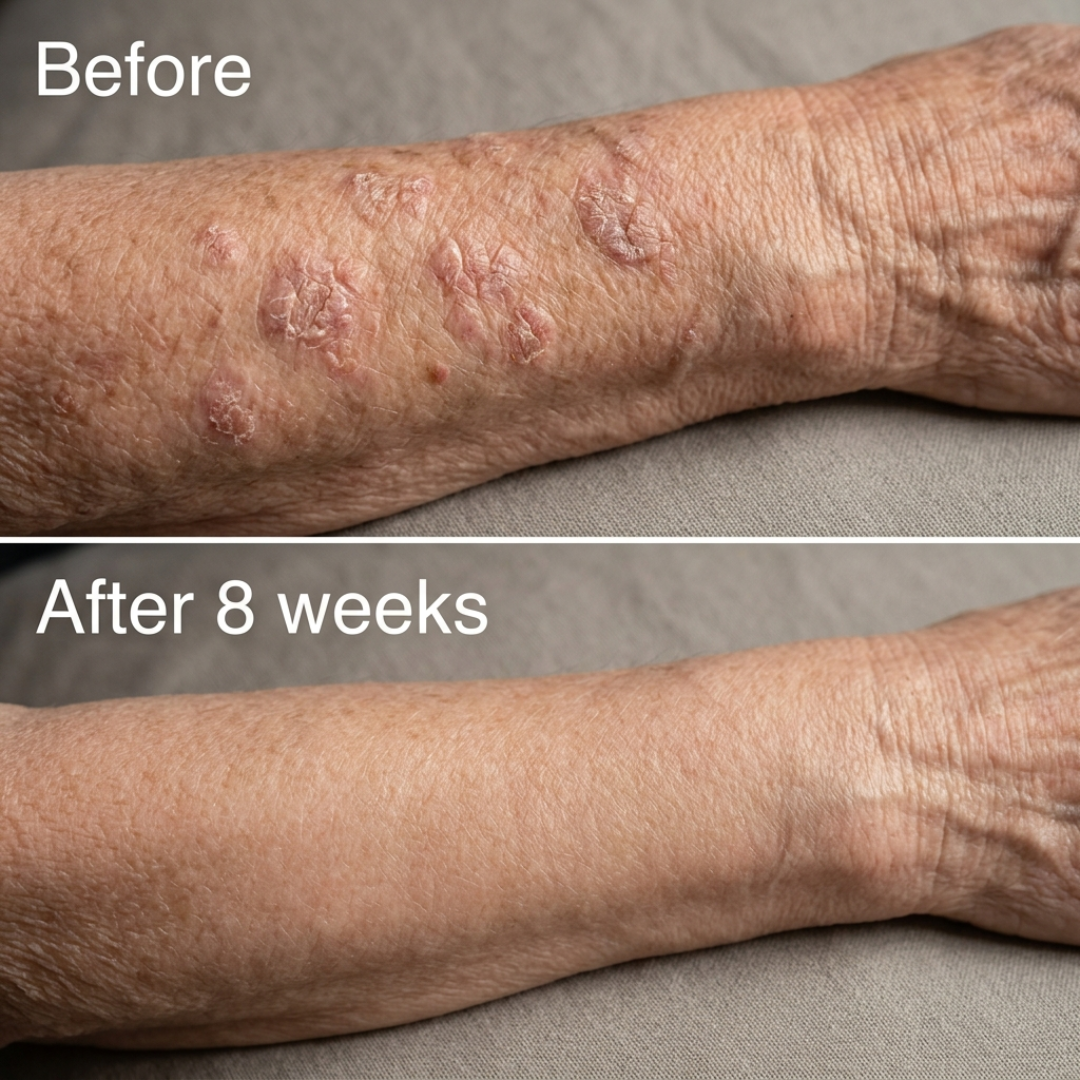
I am a dermatologist. I have been hiding my arms from my own patients for four years. I'm 58. I've been in practice for 19 years. I know exactly what actinic keratosis looks like. I've diagnosed it thousands of times. I've frozen it, prescribed diclofenac for it, scheduled the quarterly follow-ups, told patients to come back in three months. And for four years, while I was doing all of that, I was hiding my own forearms under long-sleeved shirts in my own clinic. In July. I need to tell you something about the four stages of actinic keratosis that nobody in American dermatology is trained to address. Because I didn't know them either. And I'm the one who was supposed to. --- **Stage One: The quiet beginning.** It started with one patch on my left forearm in the summer of 2020. Slightly rough. Slightly raised. I froze it myself at the clinic. Prescribed myself diclofenac. Wore SPF 50 every morning. I told myself what I tell every patient. "We caught it early. Come back in three months." I came back in three months. Two new patches. I froze those too. Here's what I didn't understand then — and what no American dermatology program teaches — is that the visible patch is the endpoint, not the beginning. Deep in the dermis, UV radiation had already created a subclinical field of damaged keratinocytes spreading invisibly across the surrounding tissue. Every patch I froze was the last stage of a process that had begun weeks or months earlier in the field I couldn't see. The freeze destroyed what was visible. The field kept generating what was coming next. --- **Stage Two: The field takes hold.** By year two, I had seven active sites. Both forearms. The backs of my hands. I escalated my own protocol the way I escalate my patients'. More frequent sessions. Diclofenac twice daily. Added a prescription retinol. Added a vitamin C serum — the expensive stabilized kind. Nothing slowed the field. Here's what I know now that I didn't know then: every compound I was applying to my own skin was water-based. Diclofenac. The vitamin C serum. The retinol formulation. All water-based. And the stratum corneum — the outermost skin layer — is a lipid barrier. Oil-based by design. Water-based compounds hit that barrier and sit on the surface. Less than 4% penetrates to the dermis where the subclinical field lives. I was applying treatment to the outside of a wall that was specifically designed to keep it out. Every morning. For two years. With perfect compliance. The field underneath never noticed. --- **Stage Three: The hiding takes over.** By year three, I had eleven active sites. The patches had spread to my upper arms. I started wearing long-sleeved shirts in my own clinic. In July. In a building with good air conditioning. My nurses never said anything. My patients never said anything. But I noticed. Every time I examined a patient's arms across the table, I was aware of my own. Every time I handed someone a treatment plan, I was conscious of pulling my sleeve down afterward. I stopped going to the beach with my grandchildren. I wore a cardigan at my daughter's graduation dinner. I declined to be in photographs at my own clinic's holiday party. I am a dermatologist. I have spent 19 years telling patients that actinic keratosis is manageable. I spent three of those years hiding my own arms from the people I was telling that to. Here's what's happening underneath during stage three that nobody explains: the subclinical field is widening. The abnormal proliferation signal is recruiting surrounding tissue. Every quarter without deep-dermis field support makes the next quarter harder to reverse. Every season I spent applying water-based compounds to the surface of a lipid barrier was another season the field expanded unimpeded in the dermis underneath. --- **Stage Four: The escalation.** In year four my own dermatologist — yes, I have one, every physician should — recommended 5-fluorouracil field therapy. Twice daily for six weeks. Then photodynamic therapy. I knew exactly what that meant. I prescribe it. I've watched patients go through it. Six weeks of weeping skin. Inability to go outside. Then new patches appearing at the edges of the treated zone because the dermis underneath was never reached. I sat in her office holding the treatment plan. And I thought about every patient I had ever handed that same plan to. And I thought: if this was going to work, wouldn't it have worked on me already? Four years of perfect freeze sessions. Four years of twice-daily diclofenac. Seven years of SPF 50 every single morning. Eleven active sites and spreading. I told her to give me ninety days. She wasn't happy. I didn't care. --- That night at 1 AM I did something I had never done in 19 years of practice. I searched the research not as a clinician looking for protocols. I searched it as a patient looking for answers. "Subclinical AK field dermis penetration lipid carrier" "Oil-soluble vitamin C stratum corneum actinic keratosis" "Cold-pressed botanical oil UV-damaged keratinocyte proliferation" What I found made me close my laptop and sit in my kitchen for twenty minutes. Study after study. Peer-reviewed. Published in journals I subscribe to. Journals I read for continuing education. Confirming what I had somehow never connected to my own treatment: The stratum corneum is a lipid barrier. Water-based compounds cannot cross it to reach the dermis. Less than 4% of any water-based topical penetrates to where the subclinical AK field lives. But cold-pressed plant oils can cross it. Lipid-soluble carriers — specifically cold-pressed camellia oil and sea buckthorn oil — penetrate all seven skin layers and deliver oil-soluble actives to the dermis. Right to where the UV-damaged keratinocytes are generating. Oil-soluble vitamin C at clinical concentration directly inhibits the UV-induced oxidative cascade driving abnormal keratinocyte proliferation. Not on the surface. In the dermis. Where the field lives. Bakuchiol at clinical concentration supports normal keratinocyte cycling — replacing the abnormal proliferation pattern with healthy cell renewal from the dermis out. Zero water in the formula. Because every drop of water dilutes penetration. Everything oil-soluble. Everything lipid-delivered. Everything reaching the field. I had been prescribing water-based compounds for a condition that lives behind a lipid barrier for nineteen years. Not because I was negligent. Because nobody taught me this. Nobody taught any of us this. --- I ordered Dermiqua that night. Cold-pressed camellia and sea buckthorn as the lipid carrier. Oil-soluble vitamin C at clinical concentration. Bakuchiol for natural cellular turnover. Sixteen botanicals. Zero water. Zero filler. $44.95. Applied morning and evening. Week one: I checked every morning the way my patients describe checking. Running fingers across the forearm. Feeling for the texture. Still rough. I kept going. Week two: The sandpaper texture on my worst patch softening. I ran my fingers across my left forearm three mornings in a row to make sure I wasn't imagining it. Smoother. Smoother. Smoother again. I am a dermatologist. I know the difference between wishful thinking and meaningful texture change. This was meaningful texture change. Week three: The raised edges on my largest lesion starting to flatten. I pressed my forearm flat against my desk. No catching. No rough edges dragging. First time in four years. Week four: I had my own nurse photograph my forearms without telling her what I'd been doing. She compared the new images to the ones from my chart. She looked up. "Dr. Harlan. Your patches improved." "I know." "What did you change?" I told her. Lipid-based carrier. Oil-soluble vitamin C. Dermis penetration. The subclinical field. The 4% number. Nineteen years of prescribing water-based compounds for a condition that lives behind a lipid barrier. She was quiet for a moment. Then she said: "Why didn't we learn this?" I didn't have a good answer. --- Week twelve: My own dermatologist photographed my forearms. Active lesion count: reduced from eleven sites to four. New lesion generation: zero at seven previously active sites. She cancelled the field chemotherapy. She cancelled the photodynamic therapy. She looked at my forearms for a long time. Then she looked at me. "What did you do?" "I reached the field." --- I am not writing this to embarrass American dermatology. My training was rigorous. My colleagues are excellent. The protocols we follow are the protocols we were taught. But our protocols were built on topical management and procedural intervention. Nobody taught us that the compounds we prescribe have less than a 4% chance of crossing the stratum corneum to reach the subclinical field driving the generation. Nobody taught us that a lipid-based botanical delivery system crosses that barrier entirely. That research exists. It has existed for years. It just wasn't in our training. So when your dermatologist hands you a freeze session schedule and a diclofenac prescription — she's not wrong. She's giving you the best of what she was taught. But now you know what she wasn't taught. The field lives in the dermis. Liquid nitrogen on the surface can't reach it. Diclofenac on the surface can't reach it. Water-based vitamin C serums can't reach it. Cold-pressed camellia and sea buckthorn oil can. Oil-soluble vitamin C at clinical concentration can. Bakuchiol at clinical concentration can. That's what Dermiqua delivers. Morning and evening. To the field. From the inside. 90-day money-back guarantee. If you don't see meaningful improvement in your skin texture and patch activity, every penny back. Your actinic keratosis field isn't permanent. The information pipeline is broken. 👉 dermiqua.com/pages/actinic-keratosis — Dr. Sarah Harlan, MD Board-Certified Dermatologist 19 years in practice P.S. — I still perform freeze sessions for isolated early-stage lesions with no subclinical field involvement. For established actinic keratosis with active field generation, only lipid-delivered dermal penetration reaches the source. I know because I spent four years proving it on my own arms. P.P.S. — If your patches have already spread to multiple body parts, every week you wait is another week the subclinical field expands into new tissue. Don't spend another year freezing patches while the field generates underneath. The freeze was never built to reach the field. P.P.P.S. — My nurse asked me last week why we don't learn this in training. I still don't have a good answer. But you don't have to wait for the training to catch up. The research exists. The formula exists. The field can be reached.
Like this ad? Make it yours.
Crush rebuilds this exact creative around your product — your brand, your colors, your offer — in about a minute.