
Active· since Aug 1, 2026
- 39
- days running
- 0
- relaunches
Ad copy
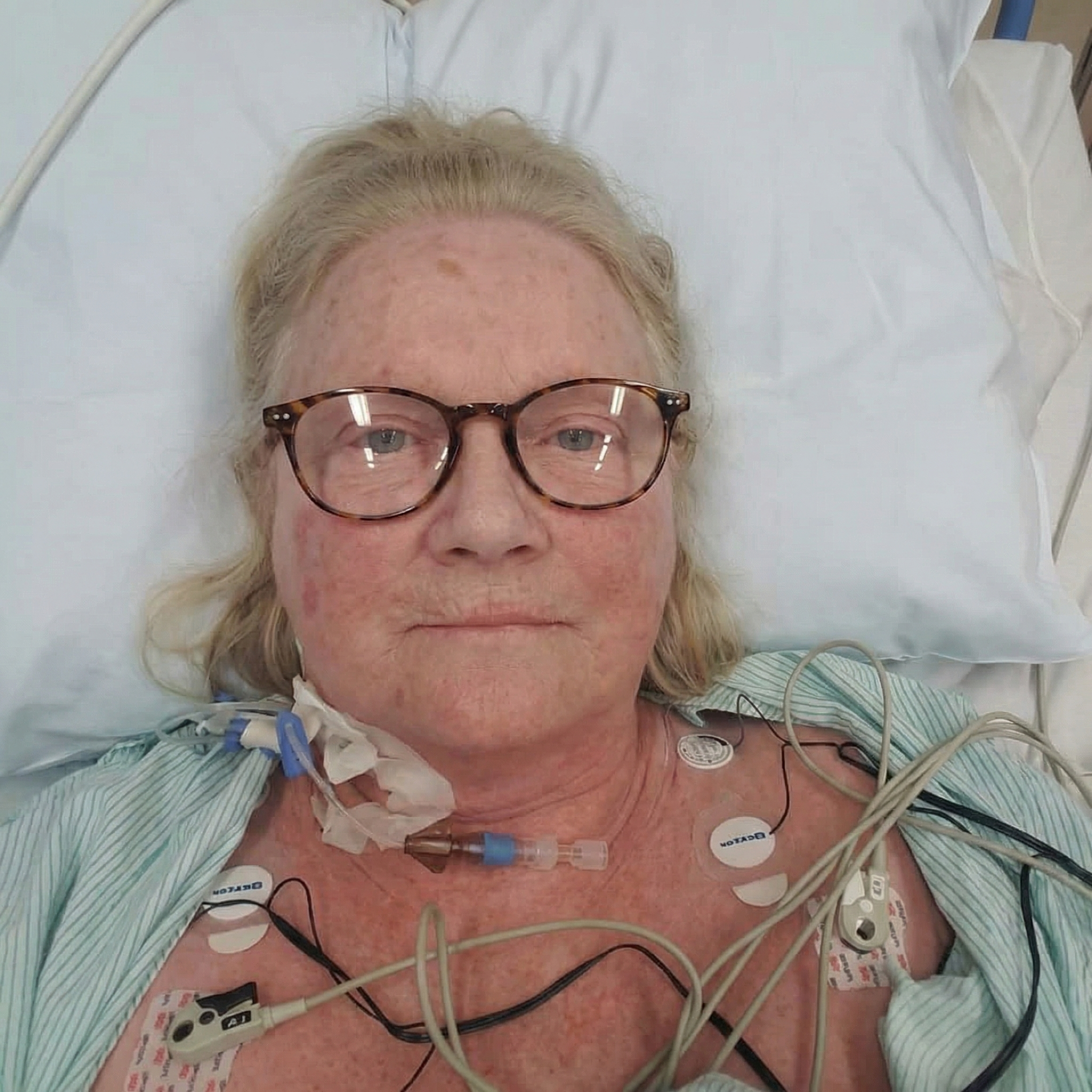
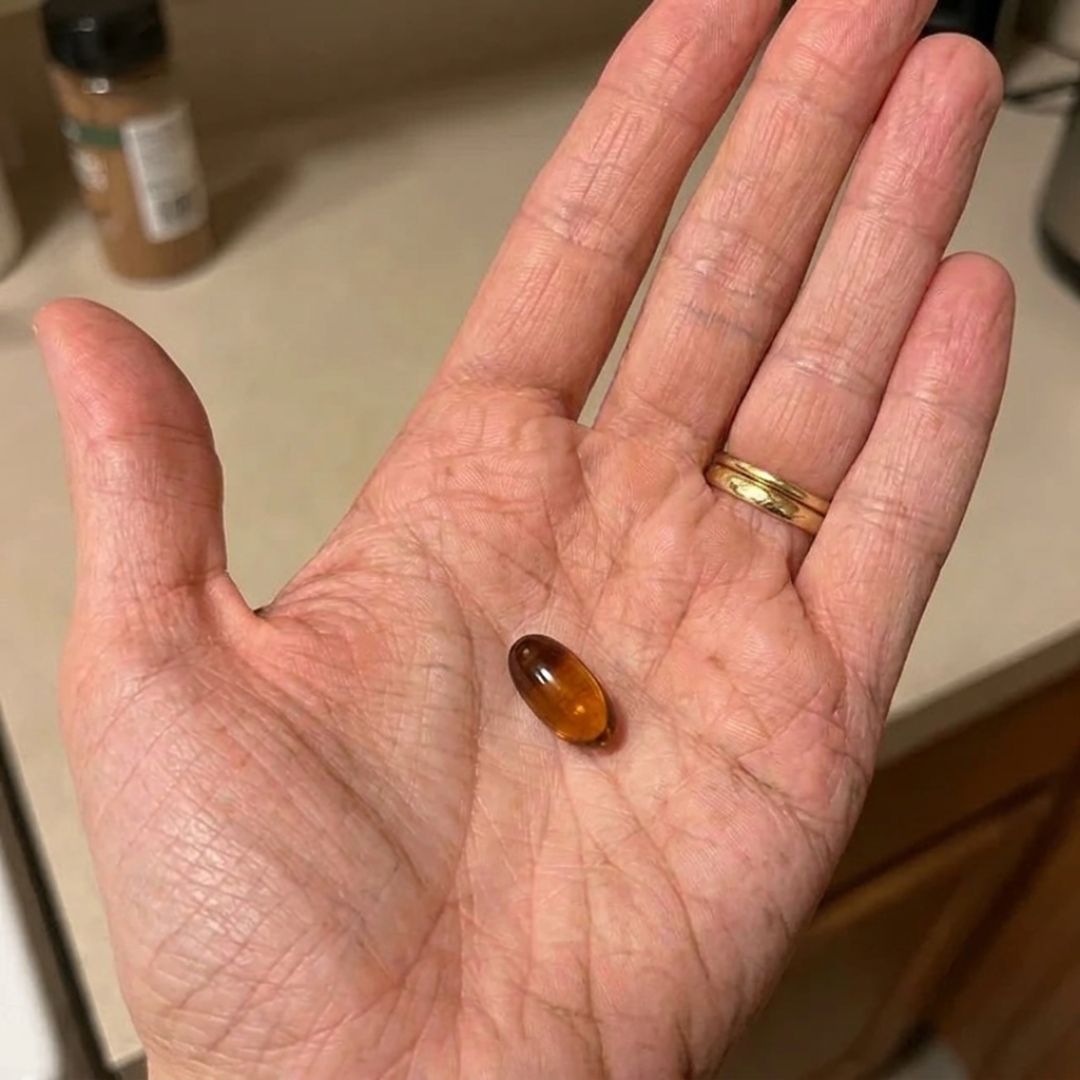
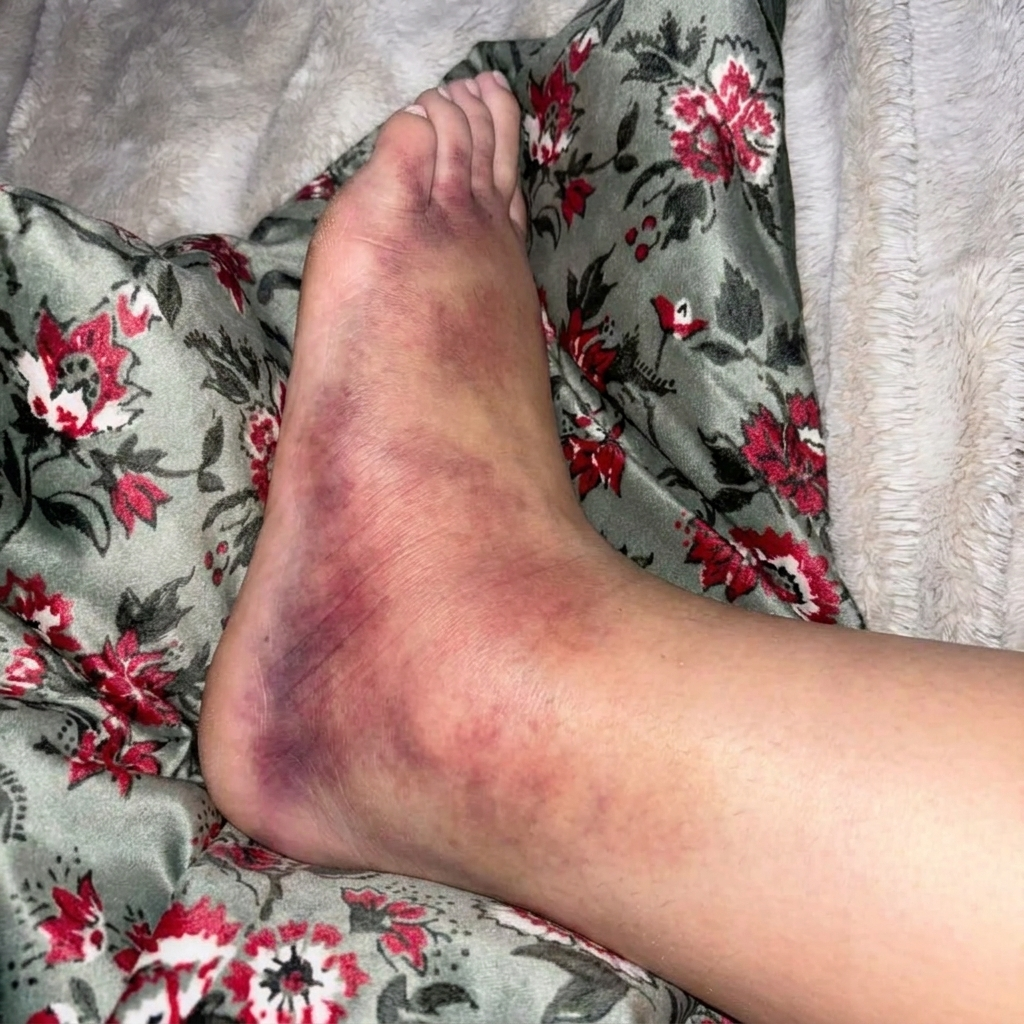
If you are on Lisinopril or Amlodipine and your blood pressure still keeps creeping up, there is a reason. Because what I am about to tell you is going to make you furious. Here is what is happening right now: One. The medication you are taking was designed to push blood pressure numbers down. But it was never designed to fix the reason those numbers keep climbing back up. Two. Every time you go back to your doctor, the answer is the same. Increase the dose. Add another pill. Try a different combination. And three. There is a metabolic process happening inside your bloodstream right now that has nothing to do with salt, stress, or how hard your heart pumps. And it may be the reason nothing has worked. My name is Caroline Moore. I am 67 years old. And I almost lost the retirement I had been planning for 30 years because everyone around me was focused on the wrong number. Let me tell you about my mother. She was on blood pressure medication for almost 15 years. Never missed a dose. Cut out salt. Walked when she had the energy. Did everything she was told. But her numbers kept creeping back up. 138 over 88. Then 142 over 90. Then higher. Every visit, the doctor would adjust her dose. Add another medication. Switch to something new. And I watched my mother disappear. Not all at once. Slowly. She used to walk the neighborhood every morning. She used to spend hours in her garden. She organized Sunday dinners for the whole family. She volunteered at the church food pantry twice a week and loved every minute of it. By her mid-70s, she barely left the house. She said she felt foggy. Tired all the time. Her ankles swelled. She had no stamina. She stopped volunteering. Stopped cooking for the family. Stopped walking. And the worst part? Her blood pressure still was not under control. I remember sitting with her one afternoon and she said, "Caroline, I have been taking these pills for years and I do not feel any better. I feel worse." That haunted me. Because I always assumed if you took the medication, you would be fine. But that is not what happened to her. And years later, it is not what happened to me. When I retired last year, I had a plan. I signed up to volunteer at the local literacy program, helping adults learn to read. Something I had wanted to do since my 40s. I joined a walking group that meets at the park three mornings a week. I told my daughter I would watch the grandkids every Friday so she could have a day to herself. I had a full life planned. A life with purpose. But three months into retirement, my body started fighting me. My blood pressure had been sitting around 146 over 90. My doctor said, "We need to keep an eye on this." She started me on medication. Said it was very well tolerated. That I would probably be on it long term but it was nothing to worry about. And at first, it did bring my numbers down a little. But within a few months, I started feeling the same things my mother had described. The fatigue. The brain fog. This heaviness in my legs that made me not want to get off the couch. I started canceling on the walking group. I told the literacy center I needed to cut back to once a week. Some Fridays with the grandkids, I was so tired by 2 PM that I would put a movie on and sit there half asleep while they played. This was not the retirement I had planned. This was my mother's life repeating itself. And my blood pressure? It started drifting back up again. 136 over 86. Then 140 over 88. I went back to my doctor. She increased my dose. A few months later, she added a second medication. I tried everything I could think of on my own. Cut sodium to almost nothing. Hibiscus tea. A "heart health" supplement from the pharmacy. Magnesium. CoQ10. More vegetables. Earlier bedtime. Walking when I had the energy. And my blood pressure still sat at 138 over 87. I was doing everything right. And nothing was changing. That is the most frustrating feeling in the world. When you are following every piece of advice and the numbers just stare back at you, unchanged. I sat there thinking: this is exactly what happened to my mother. More pills. Higher doses. And still not where we needed to be. My doctor told me it could become a serious cardiovascular risk if we did not get it under control. I asked her: "Why does it keep going back up? Is there something else going on underneath this?" She said, "Some people just have resistant hypertension. We may need to try a different combination." A different combination. Not a different explanation. Not a deeper look. Then I asked something that changed the conversation. "Could my blood sugar have anything to do with this? My fasting glucose has been in the high range for a while." She glanced at my chart. "Your A1C is still in the normal range. We are focused on the blood pressure right now." That sentence stayed with me for weeks. Focused on the blood pressure. But what if blood pressure was not the cause? What if it was the symptom? What if something upstream was pushing the pressure up, and nobody was looking there because the blood pressure number was the only thing on the screen? That question led me down a path I never expected. I started reading. Not health blogs. Published metabolic research. Studies connecting blood sugar and vascular function in ways nobody had mentioned to me. And what I found made me angry. For decades, the approach to high blood pressure has been the same. Relax the blood vessels. Reduce the fluid. Slow the heart. Push the number down. But that approach treats blood pressure like it exists in isolation. What the research showed me is that for millions of people over 50, blood pressure may not be a standalone issue. It may be a downstream consequence of something metabolic. Here is what I mean. And it is simpler than you might think. Every cell in your body needs glucose for energy. To get glucose out of the bloodstream and into the cells, your body uses insulin as a signal. Insulin arrives at the cell, and tiny glucose gateways on the surface are supposed to open. Sugar moves in. The bloodstream clears. Everything stays in balance. But as we age, especially after 50, those gateways can lose their sensitivity to insulin. They stop opening the way they should. Researchers call this insulin resistance. And here is the part nobody connected to blood pressure for me. When those gateways are sluggish, glucose stays in your bloodstream for hours longer than normal. Your cells are not getting the energy they need. That is the fatigue. The fog. The heaviness. But the sugar sitting in your blood is not just making you tired. It may be quietly irritating the walls of your blood vessels. Over time, that irritation can cause your arteries to stiffen. They lose their ability to flex naturally. When arteries stiffen, your heart has to push harder. That is when blood pressure starts climbing. Not because of salt. Not because of stress. Because the vessels themselves may be stiffening from the inside. And suddenly, everything made sense. Why so many people with rising blood pressure also carry stubborn belly fat. Why they feel exhausted for no reason. Why their A1C looks "normal" but sits at the high end. Why nothing moves the needle on blood pressure for long. They may be dealing with a metabolic issue that blood pressure medication was never designed to address. You can force the vessels open with medication. But if excess glucose is still sitting in the blood, still contributing to that slow stiffening, the pressure may keep coming back. So I started asking a different question. If poor glucose regulation was part of what was driving my blood pressure up, was there anything natural that could help support my body's ability to clear glucose more efficiently? Not a drug. Not a replacement for medication. But something that addressed the metabolic side that nobody was looking at. I started searching for natural compounds with actual published research on glucose metabolism and insulin sensitivity. Not folk remedies. Not trending supplements. One ingredient kept appearing. Over and over. In studies on glucose metabolism. In papers on insulin signaling. In reviews on vascular health. Ceylon cinnamon. Not the common cinnamon you buy at the grocery store. That is Cassia cinnamon, a different species entirely. Cassia contains high levels of coumarin, which can stress the liver with daily use, and it lacks the active compounds that have been studied. True Ceylon cinnamon comes from Sri Lanka. And the research on it was far more specific than I expected. Multiple published studies suggest that compounds in Ceylon cinnamon may help support healthy insulin sensitivity and glucose metabolism. Not by acting like a drug. But by supporting the body's own signaling pathways, the ones that tell those glucose gateways to open and let sugar move into the cells where it belongs. Instead of only pushing blood pressure numbers down from the outside, Ceylon cinnamon may help support the metabolic system underneath. The one that influences glucose load, vascular flexibility, and strain on the heart. But here is where I almost made a costly mistake. I went to the drugstore and bought two different cinnamon supplements. Took them for over a month. Nothing changed. Blood pressure still 142 over 88. Energy still flat. I almost gave up entirely. Then something happened that I was not expecting. One of the other volunteers at the literacy center was a woman named Patricia. Retired nurse. 38 years in clinical practice. We had talked a few times during breaks. One afternoon I mentioned what I had been going through. The blood pressure. The fatigue. The cinnamon supplements that did nothing. She looked at me. "Caroline, which cinnamon did you buy?" I told her. Two brands from the drugstore. She shook her head. "That is almost certainly Cassia. Not Ceylon. And even if it were Ceylon, the form matters just as much as the type." She explained that most cinnamon supplements fail for two reasons. First: the type. Most use cheap Cassia cinnamon with up to 250 times more coumarin than Ceylon. Poor choice for daily use and lacks the compounds studied for metabolic support. Second: the delivery. Cinnamon's active compounds are fat-soluble. They need oil to absorb properly. Dry powder in hard capsules passes through your system without reaching your bloodstream. She said it is like swallowing a locked box and expecting your body to get what is inside. Patricia told me about a product she had found after doing her own research. One that solved both problems. It uses authentic Ceylon cinnamon from Sri Lanka, concentrated 12-to-1 into a liquid extract. Each softgel delivers the equivalent of 7,200 mg of raw Ceylon cinnamon, the same concentration range used in published research on glucose metabolism. The key difference is the delivery. The extract is infused with MCT oil, a natural absorption carrier. When the softgel dissolves, the compounds are already suspended in oil, ready for your body to absorb. No powder to break down. No compounds left behind. Every batch is third-party tested for purity and potency. Verified coumarin-free. Non-GMO. Gluten-free. No fillers. Patricia said that kind of independent testing is rare in the supplement industry, and it is one of the reasons she trusted it. Metabolae Ceylon Cinnamon. With a 90-day money-back guarantee. I ordered it that evening. Week one, I did not notice much. Blood pressure still around 140 over 88. I reminded myself to be patient. Week two, my energy felt steadier. I was not crashing in the afternoon the way I usually did. Blood pressure: 136 over 86. Subtle, but something was shifting. Week three, I checked my fasting glucose on a home monitor. It had come down from the high 120s to 114. Next morning: 112. Consistent. Week four, blood pressure: 130 over 82. The brain fog was lifting. I felt clearer. More like myself. Week six, I had a follow-up with my doctor. Blood pressure: 124 over 78. She looked at the reading. Looked at me. "Whatever you are doing, keep doing it. This is the best reading you have had in two years." I told her about the Ceylon cinnamon. She did not dismiss it. She said, "If your glucose is coming down, that could absolutely be helping your vascular health. Let us keep monitoring." Over the next few months, with my doctor supervising, we were able to reduce my medication. Not eliminate it. But reduce it. And here is what mattered most to me. My energy came back. The fog cleared. I went back to the walking group three mornings a week. I picked my volunteer hours back up at the literacy center. I started cooking Sunday dinners again. Friday afternoons with my grandkids, I am the one chasing them around the yard, not falling asleep on the couch. My daughter noticed. She said, "Mom, you seem like yourself again." That was 11 months ago. My blood pressure stays in a range my doctor is happy with. My glucose readings are steady. And I take one Metabolae Ceylon Cinnamon softgel every morning with my first meal. Here is what I need you to understand. If your blood pressure keeps rising and nobody can explain why, it may not be about salt or stress or getting older. It may be a metabolic issue hiding underneath the blood pressure. Sluggish glucose gateways. Sugar staying in the blood too long. Silent stiffening of the vessels from the inside. And every blood pressure medication you have ever taken was designed to push the number down. Not one of them was designed to support the metabolic system that may be pushing it back up. That is the missing piece. That is why nothing worked. Metabolae Ceylon Cinnamon is designed to support your body where blood pressure medications do not reach. True Ceylon cinnamon from Sri Lanka. Concentrated 12-to-1. Infused with MCT oil for real absorption. 7,200 mg equivalent per softgel. Third-party tested. Coumarin-free. One softgel a day. Try it for 90 days. Take one softgel with your first meal. Keep taking whatever your doctor has prescribed. Monitor your blood pressure. Pay attention to how you feel. If you do not notice a difference, you get a full refund. 90-day money-back guarantee. You do not have to accept a blood pressure number that keeps climbing with no explanation. You do not have to keep stacking pills and hoping the next combination finally works. You do not have to watch your energy, your independence, and your purpose slowly slip away the way I watched it happen to my mother. You do not have to give up the retirement you earned. The volunteering. The walks. The grandchildren. The medications push the number down. But nobody addressed the reason it keeps going back up. Right now, you can still address it at the root. Your glucose regulation. Your insulin sensitivity. Your vascular health. Every month that passes is another month of glucose sitting in the bloodstream longer than it should. Another month of silent stiffening. Another month your heart may be working harder than it needs to. Give your body what it has been missing. ~ Caroline Moore
Like this ad? Make it yours.
Crush rebuilds this exact creative around your product — your brand, your colors, your offer — in about a minute.