Tasha Williams
Tasha Williams Facebook ad: “Read this if your kid has ADHD”
Ran for 23 days, from June 8 to July 1, 2026, the last day Crush saw it.
Run by Tasha Williams on Facebook. Crush is not the advertiser and does not verify its claims. See this ad in Meta's Ad Library(opens in a new tab)
Want an ad like this for your product?
Crush makes new ad images for your product from this ad: your logo, your product photo, your offer.
Trials from $19.95 USD, then $79.95 USD a month. Cancel anytime.
About this ad
- Meta Ad Library ID
- 1406672384815274
- Platforms
- Facebook, Instagram, Audience Network, Messenger and Threads
- Relaunches
- 0
Ad text
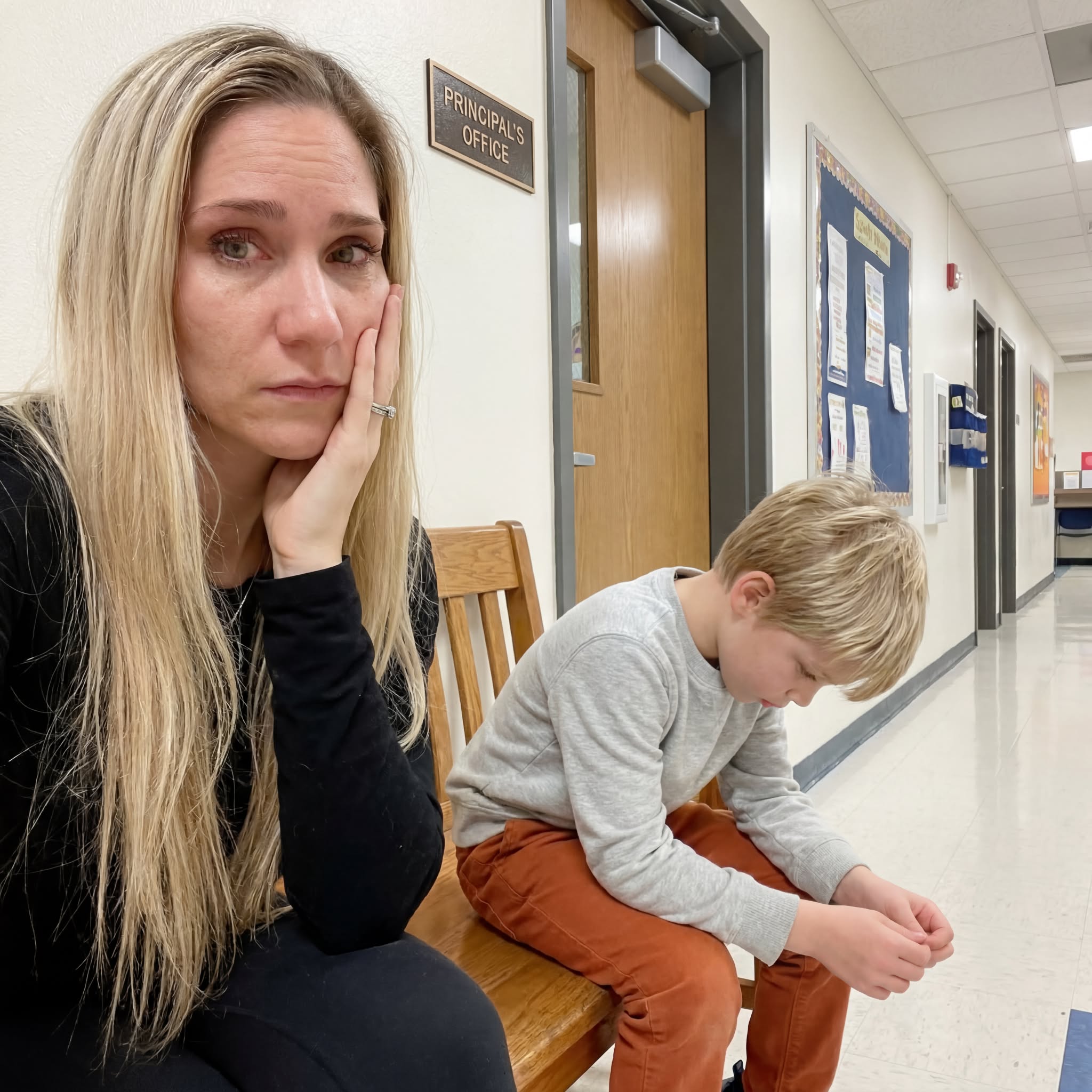
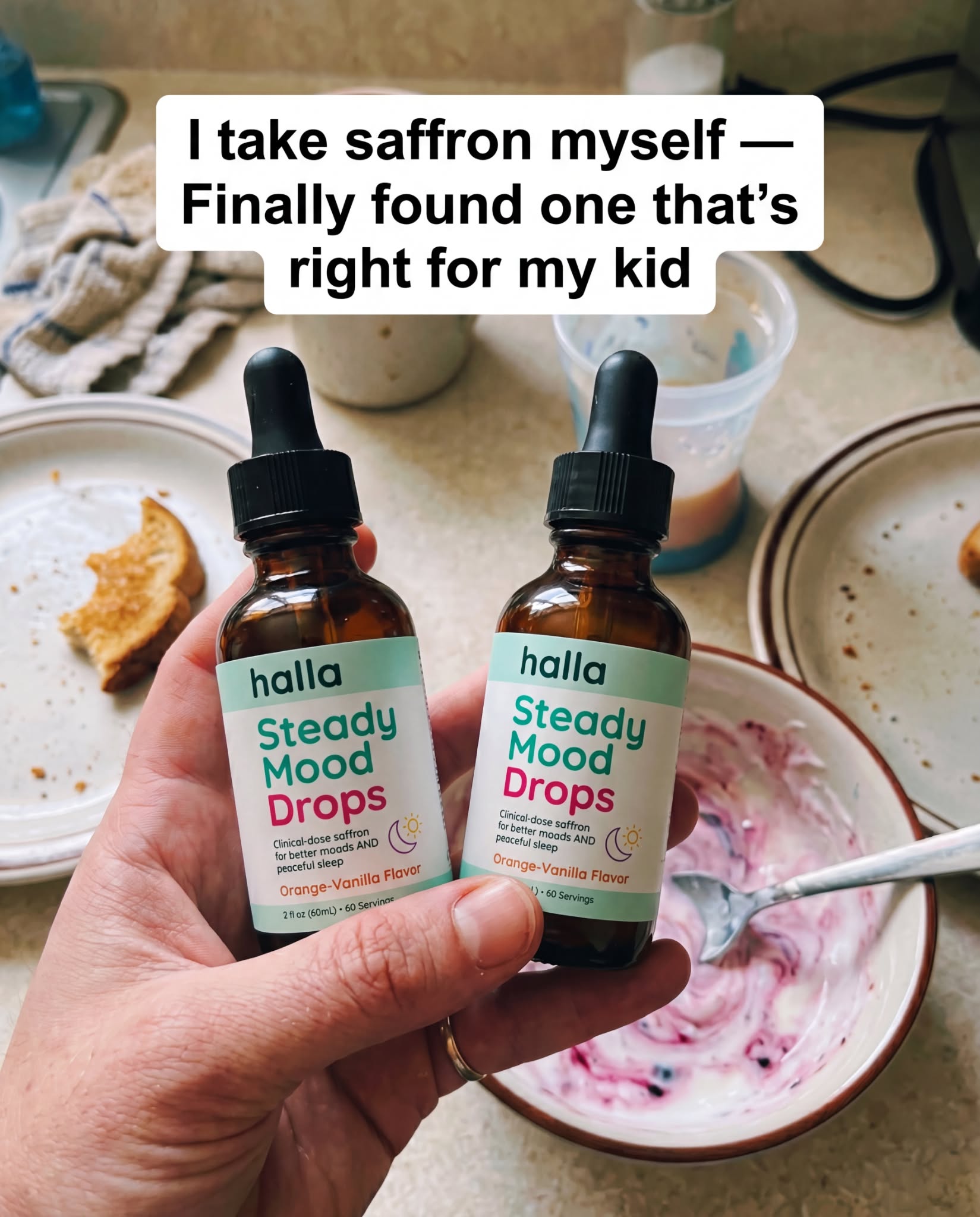
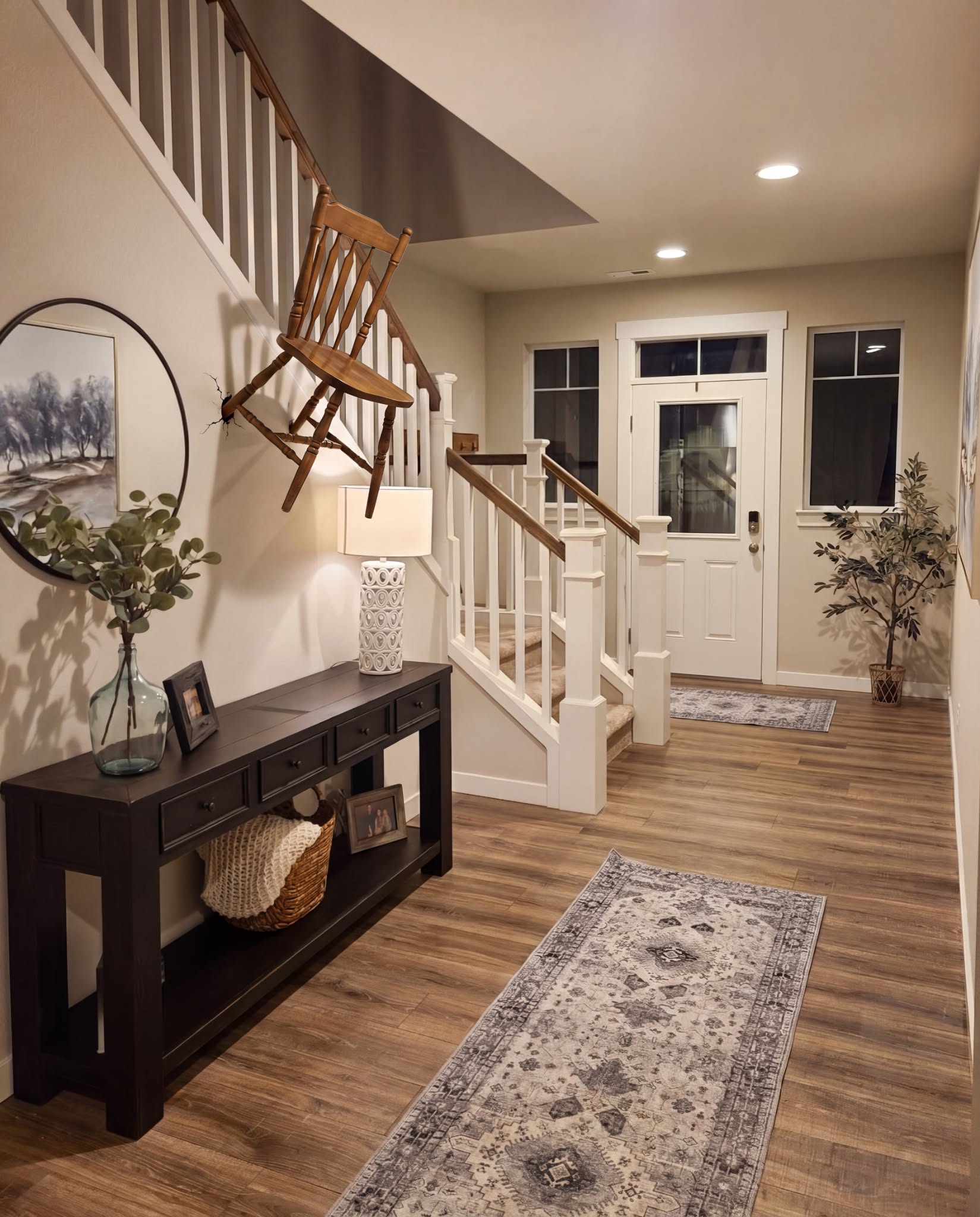
Confession time. My daughter has been on a stimulant for 18 months. ⠀ It helped with a lot of things. But it never touched the rage. ⠀ And I haven't told anyone. ⠀ She's 9. ⠀ This isn't an anti-medication rant. I actually believe in it. The stimulant gave my daughter back things I'd watched her lose. ⠀ She can start her homework now without the forty-five-minute standoff at the table. She finishes a worksheet instead of chewing the pencil and staring out the window. Her teacher went from emailing me twice a week to telling me she's a pleasure to have. She sits through dinner. The reading log gets done. ⠀ For the part of her that school kept marking her down on, the medication brought it back. ⠀ But it never did anything for the big stuff. ⠀ And I haven't told the moms in my ADHD group. ⠀ I haven't told the friend who walked me through getting her diagnosed in the first place. I haven't really even told my husband, except sideways, the night he asked why I looked so wrung out by the time the kids were finally asleep. ⠀ Because here's the thing about being a mom whose kid is still coming apart on the medication everyone swore would fix it. ⠀ You're not allowed to say it out loud. ⠀ Every ADHD group I'm in, every parenting account I follow, every comment thread I've read for eighteen months runs the same script. If it isn't working, you're on the wrong dose. The wrong medication. The wrong timing. Add a second one for the afternoon. Ask about a non-stimulant. It's just rebound, move the dose earlier. Push your pediatrician. Get back in with the psychiatrist. Give it another three months. ⠀ The one thing nobody says is: maybe the stimulant is doing exactly what a stimulant is built to do - and the explosions were never something a stimulant was going to fix. ⠀ So I stayed quiet. ⠀ I'd assumed the medication would handle all of it. The focus AND the feelings. That's how it gets talked about, like the right pill turns the whole kid down to a volume you can live with. The pediatrician had basically implied it. The internet told me the right medication was the answer to everything (and I read this stuff online way more than I should). ⠀ But eighteen months in, my daughter still detonated at 4 o'clock every single afternoon. ⠀ She threw a kitchen chair across the room last month because I wouldn't let her watch YouTube at dinner. I'd been trying to hold one screen-free meal a day - just basic table manners - and "put the iPad away" was all it took. It hit the wall hard enough to chip the paint. Her little brother was sitting two feet from where it landed. He's started flinching when she raises her voice. He's seven. ⠀ There's a hole in her bedroom door from a shoe. She hit me across the face the first time when she was eight and I stood in the kitchen too stunned to move. ⠀ And the part that made me feel like I was losing my mind: at school, perfect. Polite, calm, holds it together for six straight hours. Then she gets in my car and the whole day comes down on us, like she's been holding her breath since drop-off and finally gets to let go where it's safe. ⠀ I went back to the prescriber after giving the medication a whole year. She nudged the dose. We talked about adding a second medication for the afternoons. She told me to give it time. ⠀ I gave it time. ⠀ The focus held. The afternoons, if anything, got worse as the days got longer and the medication wore off earlier than the day could end. ⠀ Now, full disclosure, I think she's a good doctor. But she only seemed to have the one lever. More medication, or different medication. Nobody had ever taught her that focus and emotional regulation aren't the same system in a kid's brain, and that the thing fixing the first one was never built to reach the second. ⠀ So I went looking for someone who could see the whole picture. Quietly. Without telling my ADHD group, because I already knew exactly what they'd say. ⠀ And what I found was that the stimulant does part of the job. Maybe a big part. But there's a part of a kid like mine the stimulant doesn't reach. ⠀ It puts the focus system back online. That part really does work. It does not do one single thing for the system that decides whether a small disappointment stays small or becomes a chair against the wall. ⠀ A kid coming apart like this needs two systems supported. ⠀ The stimulant supports one of them. ⠀ I'd spent eighteen months waiting for the other one without knowing it was a separate thing I was allowed to help. ⠀ Six months after I added what the medication couldn't, my daughter was the kid I'd been waiting on since the first month of the prescription. ⠀ It turns out the stimulant wasn't the whole answer. It addressed one part of why she was falling apart. It ignored the part that mattered most. ⠀ The part nobody in any of my groups was talking about, because everybody was too busy defending the medication to notice it was only ever built to do half the job. ⠀ And I'd been one of them. ⠀ ... ⠀ So that's how the late nights started. ⠀ Not the wellness-influencer kind. The boring kind. Studies with too many footnotes and not enough plain English. ⠀ Two weeks in, I had a picture of what was actually happening. ⠀ Here's the thing nobody tells you. A kid's brain is really running two jobs that look like one from the outside. ⠀ The first is the "go" system - paying attention, sitting still, starting a task, getting through a school day. That one runs largely on dopamine, and it's the one the stimulant works on. For that, it genuinely works. My daughter is proof. ⠀ The second is the "brakes" system - staying in her own body when something goes wrong, riding out a "no" without flooding straight into fight-or-flight. That one runs on the brain's stress-and-mood circuitry. A completely separate system. And it can be underpowered at the exact same time the focus system is. ⠀ From the outside it all just looks like one difficult kid. It isn't. It's two different systems struggling in the same child, in the same afternoon, in the same second. ⠀ That was a real mechanism, and most doctors had never been taught to separate the two. ⠀ ... ⠀ Here's the part that stopped me cold. ⠀ Even on the stimulant, the help only reaches the first system. ⠀ The stimulant puts the focus system back online. That part really works. It does not put anything into the brakes system. That's not what it's for. It was never what it was for. ⠀ And there's a timing piece on top of it. As the medication clears in the late afternoon, the focus quiets back down - but the brakes system was never supported in the first place. So the worst crashes land right as the medication is leaving. ⠀ Which, no wonder. 4 o'clock was always our worst hour. ⠀ That was what I'd been missing for a year. ⠀ ... ⠀ I'd tried a lot of stuff already. ⠀ The sticker chart. The zones-of-regulation poster taped inside the pantry door. A "calm corner" with a beanbag she never once used while she was actually upset. Occupational therapy on Thursdays for a season. A weighted blanket. Magnesium gummies that tasted like candy and did nothing I could measure. Fish oil in the smoothies for three months. Two parenting books about connection over correction that were genuinely good and still left me on the floor of her room at 5 p.m. ⠀ A second medication for the afternoons that turned her into a flat, glassy version of herself I somehow liked even less. ⠀ Every one of them helped a little or not at all. None of them touched the actual mechanism, because I didn't know what the mechanism was. ⠀ ... ⠀ I'd been to doctors too. More than I want to count. ⠀ The kind who ask whether she's getting enough sleep. The kind who order nothing, look at a polite child in the office, and tell you it sounds behavioral. One psychiatrist told me to start reading books about childhood bipolar, because she couldn't understand why a nine-year-old's reactions were that big. I drove home from that appointment and cried in the parking lot for twenty minutes. ⠀ What I needed wasn't another one of those. ⠀ I needed someone who actually saw kids like mine every week. Kids doing well on a stimulant and still falling apart the second they got home. Someone who understood why. ⠀ A mom from my daughter's swim class, Steph, had been seeing someone she called "the one who finally listened." After her own son and his own afternoons, she'd found a practitioner who worked on the nutritional and regulation side of ADHD, alongside whatever medication a kid was already on. Not instead of. Alongside. ⠀ Steph had handed me the name on a slip of paper at the pool months earlier, and I'd put it in the drawer with the takeout menus. ⠀ I dug it out. ⠀ Dr. Hale. ⠀ It took six weeks to get the appointment. ⠀ ... ⠀ Dr. Hale didn't look at her computer for the first ten minutes. She just listened. ⠀ I told her about the chair. The hole in the door. The afternoons. The way "no" lands on my daughter like a physical blow. The angel at school and the explosion in the car. The doctors who hadn't named it. The psychiatrist and the bipolar books. The second medication that flattened her. ⠀ When I finished, she nodded once and pulled an exam sheet across the desk. Then she started drawing. ⠀ Two circles. One on the left, one on the right. ⠀ She tapped the left one. ⠀ "This is the focus system. Attention, starting a task, sitting still, getting through school. This runs on dopamine, and this is the one the stimulant is built for. It's doing its job. Your daughter at school is proof." ⠀ She tapped the right one. ⠀ "And this is the regulation system. This is the one that decides whether a small thing stays small. It runs on her stress-and-mood circuitry. Completely separate wiring." ⠀ She drew a line between the two and then crossed it out. ⠀ "The stimulant works over here." She tapped the left circle. "It does nothing over here." She tapped the right one. "It's not a failure of the medication. It was never built to reach this side. And when it wears off in the afternoon, the focus quiets down and this side is still completely unsupported. That's your 4 o'clock." ⠀ I sat there. Eighteen months, and that was the first time anyone had drawn me the actual reason. ⠀ ... ⠀ She turned the sheet over and drew a little notepad on the back. ⠀ "There are a few things the regulation system uses to settle. I can't prescribe these, by the way. Nobody can. They're food and supplements, not drugs. And I want to be very clear before I write a single one down - keep her on the stimulant. This is not instead of anything. It's for the side the medication doesn't reach." ⠀ Then she started writing. ⠀ One. Saffron. ⠀ She saw my face. ⠀ "The spice, yes. But there's a real body of research on saffron and children's mood and emotional regulation. Here's what most parents don't know, though. The saffron in most supplements is basically useless. It's underdosed, or it isn't standardized for safranal, the active compound. You're paying for the cooking pinch. Without a real dose, standardized, the rest is just packaging. ⠀ Same reason most magnesium does nothing for the brain, by the way. The common forms don't actually cross into it. Most of what's on the shelf is wishful thinking in a bottle." ⠀ She kept writing. ⠀ Two. Maritime pine bark. ⠀ "This one has its own research in kids with attention and regulation challenges. It works on a different part of the same problem. It belongs next to the saffron, not on its own." ⠀ Three. Phosphatidylserine, and a form of magnesium that actually reaches the brain. ⠀ "Phosphatidylserine supports a steadier baseline. And the magnesium has to be the form that crosses into the brain, or you're back to the wishful thinking. These two are the floor the other two stand on." ⠀ She pushed the sheet across. ⠀ "Most parents I see have already tried a saffron pill, a magnesium gummy, and a fish oil, separately, and felt nothing. They decided supplements don't work for their kid. ⠀ That's not because the ingredients don't work. It's because they were the wrong dose, the wrong form, and nothing aimed at the right system. ⠀ Find a formula that has them together. Give it six weeks. You'll know." ⠀ The last thing she said before I left was the part I held onto all week. ⠀ "This isn't a forever problem. The regulation system can settle. It just needs what it's been missing. Keep the medication doing its job. This is the other half." ⠀ ... ⠀ I went home and searched. ⠀ What I wasn't expecting was the size of the community I walked into. Parents whose kids were on a stimulant, doing great at school, and still putting holes in walls at home. Private groups I didn't know existed, all talking about a saffron formula made for exactly this. ⠀ The things on Dr. Hale's notepad were in the bottle. With the real doses and the right forms. ⠀ I'd been burned by supplements before, so I read the label before I ordered anything. ⠀ Saffron extract, 30mg, standardized to 6% safranal - the active piece, at a real dose, not the cooking pinch. Maritime pine bark extract. Phosphatidylserine. Magnesium L-threonate - the form that actually crosses into the brain. Orange-vanilla, a liquid you add to juice or water. ⠀ Nothing was a sprinkle for the label. ⠀ It's called Steady Mood Drops. A few drops in juice or water at breakfast - one morning dose, riding alongside the whole day, not something that knocks her out at night. ⠀ The parents in the groups were saying things like: ⠀ "Homework went from 3-hour fights to 30 minutes of actual focus. My son can finally sit through reading time without getting up every 2 minutes. This is literally life-changing for our family." - Rachel B ⠀ "I was at my wits' end with daily meltdowns. After just 2 weeks, my 7-year-old's teacher asked 'what changed at home?' because he was sitting still and participating in class. Finally something that actually works!" - Lisa K ⠀ ... ⠀ Here's what the first six weeks actually looked like for us. ⠀ Week 1. Almost nothing I could point to. The groups had warned me that's normal. This isn't a pill that hits in an hour. It builds. ⠀ Day 9. The afternoon flared sharper than it had in months. I sat at the kitchen table with the bottle in my hand and almost threw it out. My husband sat across from me and said, "you told me six weeks. It's day 9." So I kept going. ⠀ Week 2. The first quiet thing. She lost a card game and her face crumpled, and then it didn't go all the way down. She huffed, threw the cards, and ninety seconds later asked to play again. Ninety seconds. I stood in the kitchen and counted it. ⠀ Weeks 3 to 4. The 4 o'clock hour started landing softer. The wear-off still came, but the landing wasn't as hard. A "no" could happen without the whole evening going up behind it. ⠀ Around week 5. The iPad. "No screens at the table" - the exact thing that put a chair through the wall. She started to wind up, said it wasn't fair - and then she just put it down and ate. I had to walk into the laundry room so she wouldn't see me lose it. ⠀ Weeks 5 to 6. The holes stopped. Her brother stopped flinching when she got loud. She's still nine, she still has bad days, she's still her - but the bad days got shorter, and she came back from them faster, and she stopped looking so frightened of herself afterward. ⠀ By the second month I realized I'd stopped bracing every time I heard her footsteps coming up the hall. ⠀ ... ⠀ One review I kept coming back to, from a mom whose daughter sounded exactly like mine. ⠀ "Morning battles used to take an hour of screaming and tears. Now my daughter gets ready cooperatively and even asks for her saffron drops. Our whole family is calmer and I have my sweet girl back." - Jennifer M ⠀ ... ⠀ A few weeks ago we went out to dinner. A real restaurant, not the drive-through we'd defaulted to for a year because we couldn't risk a meltdown somewhere with witnesses. ⠀ She didn't like her pasta. The old version of that night ends with us carrying her out to the car while the whole room watches. ⠀ She made a face, said it was gross, ate the bread instead, and asked if her brother wanted to split a dessert. ⠀ I sat across the table and watched my two kids share a brownie, and I had to look at the menu for a long time so nobody would see what my face was doing. ⠀ ... ⠀ This is the part I want every parent reading this to understand. ⠀ If your kid is an angel at school and comes apart the second they're home with you - you're not making it up, you're not a bad parent, and it does not automatically mean you have the wrong dose. ⠀ The medication may be doing exactly what it was built to do. It was only ever built to do one of the two jobs. The explosions were always going to need something aimed at the other system. And the only reason nobody named that for you is that most of the doctors you've sat in front of were never taught to separate the two. ⠀ The stimulant is right, for the kids it helps. So is the therapy. So is the OT. ⠀ They're just not the only thing, and they were never going to reach this side on their own. ⠀ First the regulation system gets the thing it's been missing. Then everything else has something to hold onto. ⠀ Keep the medication if it's working. I did. My daughter still takes hers every single morning. This was never about taking it away. It was about the half nobody told me was missing. ⠀ If you're stuck where I was, here's the link I used. ⠀ tryhalla.com/products/steady-mood-drops-1 ⠀ ... ⠀ Quick version if you skipped ahead. ⠀ Steady Mood Drops is a daily liquid you add to juice or water at breakfast, made for kids 6 and up. It's built for the emotional-regulation side - the part a stimulant isn't aimed at. Here's what's in it and what each piece does: ⠀ - Saffron, standardized for safranal, at a real dose - the studied piece for mood and emotional regulation - Maritime pine bark extract - its own body of ADHD research - Phosphatidylserine - supports focus and a steadier baseline - Magnesium L-threonate - the form of magnesium that actually reaches the brain ⠀ It's a complement, not a replacement. Keep your kid on whatever's already working. This is for the part that isn't. ⠀ A quick recap: ⠀ Made for kids 6+, no prescription needed Built for the emotional-regulation side a stimulant doesn't reach One morning dose - all-day support, not a sleep aid Saffron at a real dose, standardized for safranal, with pine bark, phosphatidylserine, and brain-form magnesium A complement to your current approach, never a replacement 60-day money-back guarantee - if it doesn't help, you get your money back ⠀ If you've been where I was, here's the link: ⠀ tryhalla.com/products/steady-mood-drops-1 ⠀ P.S. I told her no iPad at dinner again tonight. She rolled her eyes, said dinner is boring, and ate her dinner anyway. A year ago those exact words put a chair through the wall. My seven-year-old doesn't flinch anymore. I'm not telling you it's all gone. I'm telling you that's enough.
Where the ad sends people
quiz2.tryhalla.com
Read this if your kid has ADHD⬆️
Over 60,000 Bottles Sold.
Learn more: quiz2.tryhalla.com(opens in a new tab)