Tasha Williams
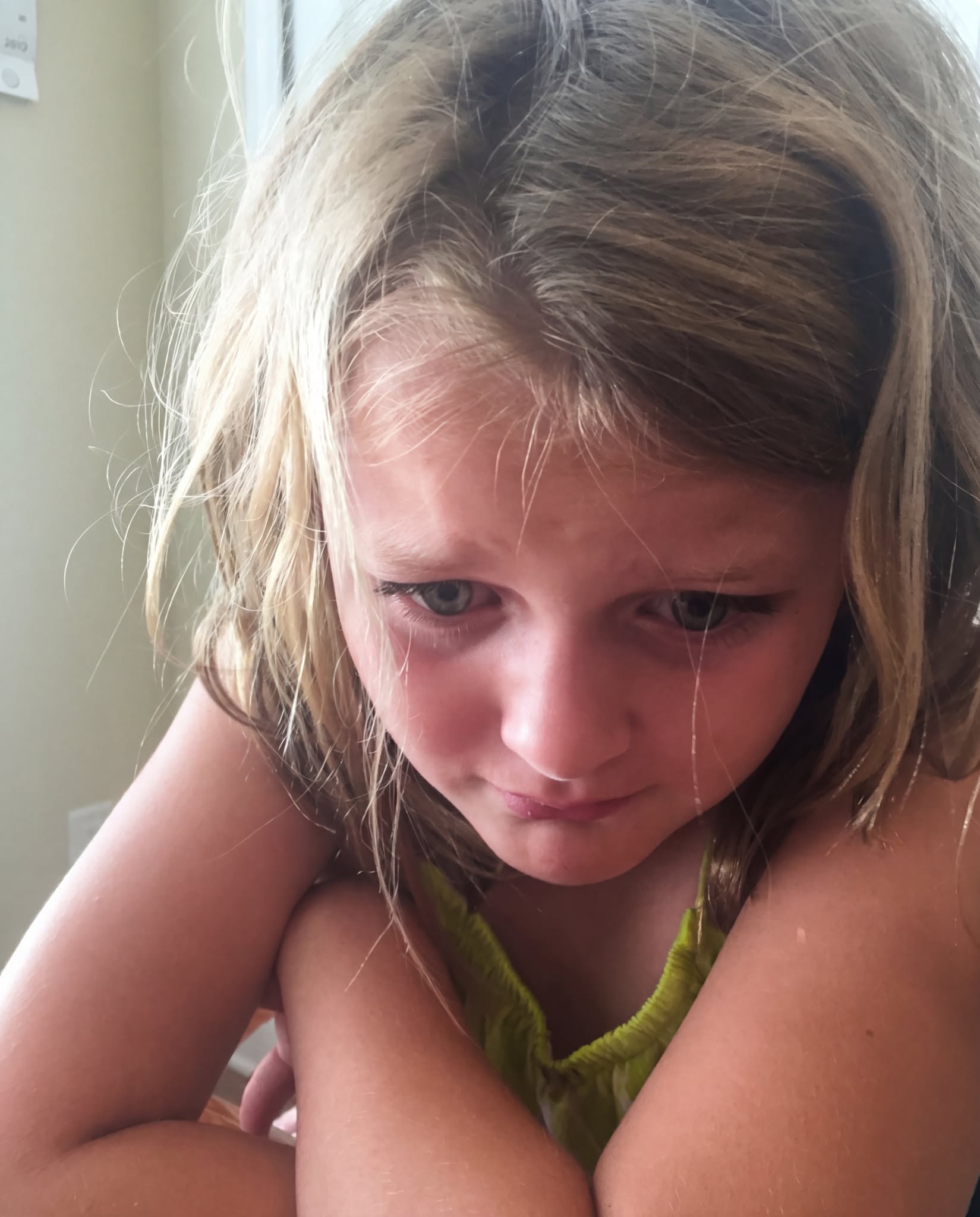
Tasha Williams Facebook ad: “They saw a delight. I saw a mask.”
Ran for 30 days, from July 2 to August 1, 2026, the last day Crush saw it.
Run by Tasha Williams on Facebook. Crush is not the advertiser and does not verify its claims. See this ad in Meta's Ad Library(opens in a new tab)
Want an ad like this for your product?
Crush makes new ad images for your product from this ad: your logo, your product photo, your offer.
Trials from $19.95 USD, then $79.95 USD a month. Cancel anytime.
About this ad
- Meta Ad Library ID
- 2162759570938045
- Platforms
- Facebook, Instagram, Audience Network, Messenger and Threads
- Relaunches
- 0
Ad text
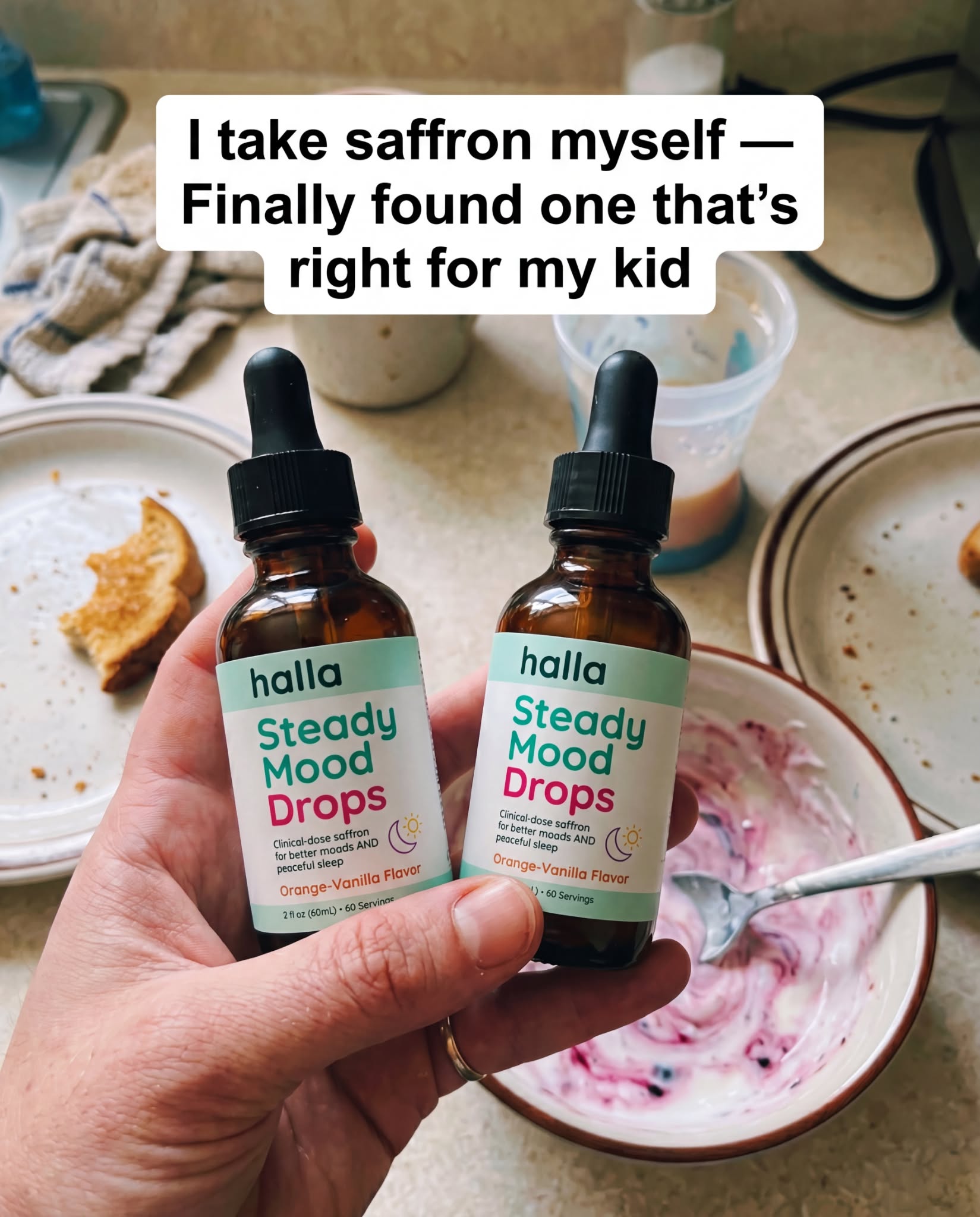
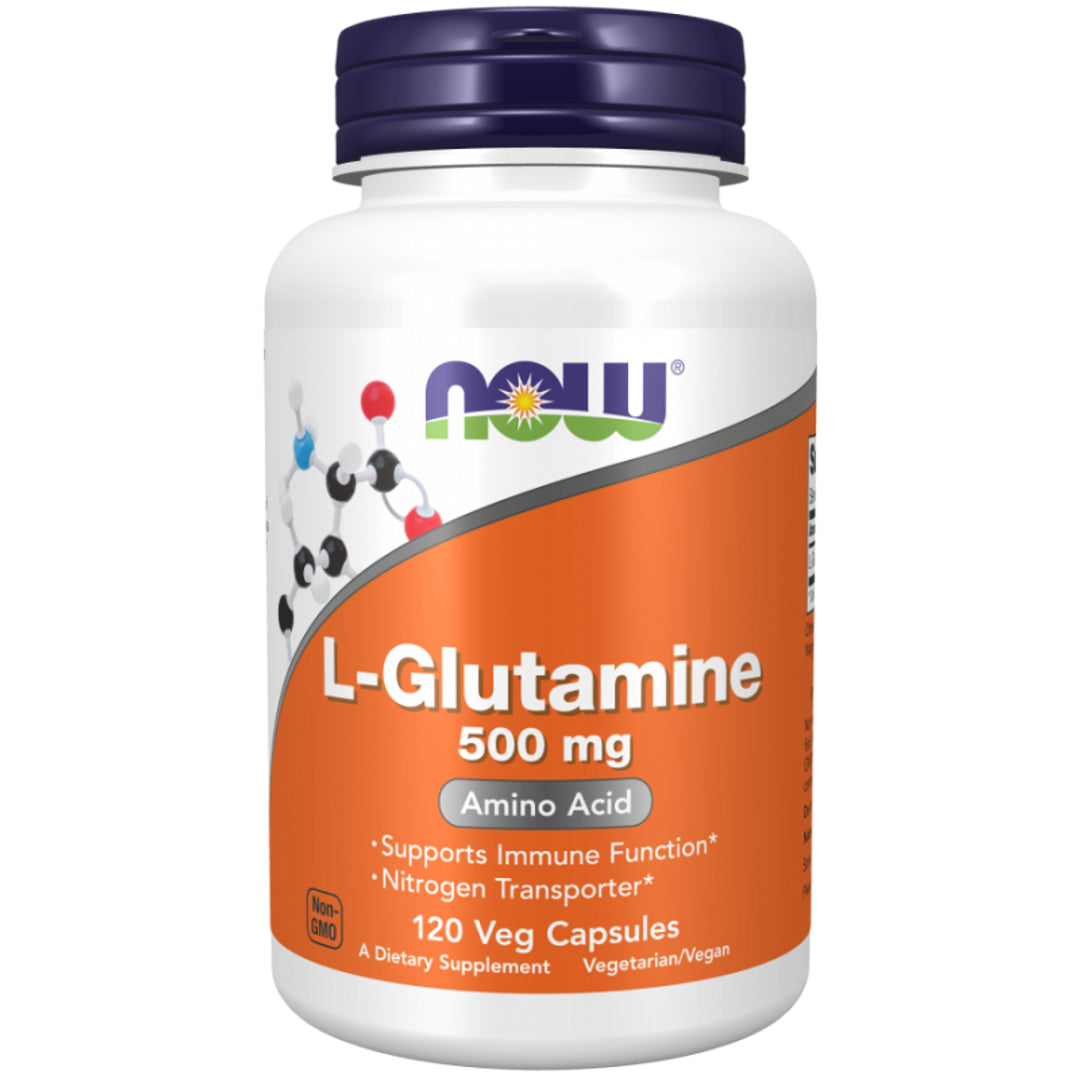
1 in 4 children with ADHD in the United States also have an anxiety disorder, according to CDC data. ⠀ Most parents will never realize how bad it is until it's too late. ⠀ Because it doesn't look like "anxiety." It looks like a kid with a sensitive stomach. It looks like a girl who's just hard on herself. It looks like a perfectionist. It looks like a child who falls apart the second she walks through the door after school, and you can't figure out why. ⠀ It looks exactly like what my daughter has been dealing with for ten months. ⠀ She's nine. ADHD diagnosis at seven. Combined type, inattentive lean. The school called her "a delight" at every conference. Sweet, smart, hilarious. ⠀ She says "mommy, my tummy hurts" almost every single day. ⠀ Before school. At dinner. At bedtime. On weekends. On vacation. I can't remember the last morning she got dressed without saying it. ⠀ I asked her pediatrician about it. She ordered bloodwork. Everything came back normal. She said sensitive stomach is really common in ADHD kids — gut-brain connection, school nerves, totally normal. She'd grow out of it. ⠀ She hasn't grown out of it. And I spent ten months trying everything I could think of before I found out what was actually going on. ⠀ I tried what made sense at first. ⠀ Smaller meals. Slow chewing. Cut out anything spicy or acidic. She still woke up holding her stomach. ⠀ Cut dairy for two weeks. She seemed a little better for three days, then right back to it. ⠀ Cut gluten for a month. Same arc. A few good days. Then "mommy, my tummy hurts." ⠀ Kids' probiotics every morning for two months straight. Florastor, then Culturelle, then a brand my naturopath recommended. Nothing changed. ⠀ I bought her a heating pad shaped like a bunny that microwaves in 90 seconds. She loved it. It didn't fix anything. ⠀ Peppermint tea. Ginger chews. A "calm tummy" guided meditation app. L-glutamine. Slippery elm. ⠀ Some of it helped for a day, maybe two. A little window where I'd think… finally. ⠀ Then it closed right back. ⠀ "Mommy, my tummy hurts." ⠀ Like nothing I did mattered. ⠀ I brought it up at her next checkup. ⠀ Same answer. Sensitive stomach. Same bloodwork. Same normal results. Same dead end. ⠀ This time she referred us to a pediatric GI specialist. ⠀ Two months later we sat in his office. He ordered more bloodwork. An ultrasound. Stool tests. Everything came back normal. ⠀ "This looks like what we call functional abdominal pain," he said. "It's very common in school-age kids, especially kids with ADHD or anxiety. The pain is real but there's no structural issue. Often it's stress-related. I'd recommend speaking with a therapist." ⠀ He said it kindly. But he said it like the conversation was over. ⠀ I sat in the parking lot thinking… my daughter has been saying her tummy hurts every day for ten months, and the answer is "it's stress, see a therapist." ⠀ A kid who tells you her belly hurts every single day isn't "fine." ⠀ I just couldn't prove it to anyone. ⠀ Then the anxiety theory showed up. ⠀ Her teacher mentioned it first, gently. "Sometimes children express anxiety through their stomachs. Is anything going on at home?" ⠀ My face went hot. ⠀ I looked it up that night. Article after article. "Children don't say they have anxiety… they say their stomach hurts." All of them pointed in the same direction. ⠀ And the direction was me. ⠀ Because if her belly pain is anxiety, then something in her world is causing it. And I'm the one responsible for her world. ⠀ I replayed everything. Is it school? Is it bedtime? Is something happening that I'm not seeing? Am I too hard on her? Too soft? ⠀ That was the lowest point in all of this. Not feeling helpless. Feeling like maybe I was the reason my daughter hurts. ⠀ But then I started paying attention to WHEN she said it. ⠀ She said it on Saturday morning building Legos with her best friend. ⠀ It came out at her own birthday party. While opening presents. ⠀ She said it on the third day of our beach vacation. No school, no homework, no stress in sight. Just a kid who'd been swimming all morning. ⠀ If this were anxiety about school, it would cluster around school. Drop-off. Sunday nights. The morning of a test. ⠀ It was showing up during the best parts of her life instead. ⠀ This wasn't coming from her head. Something was physically happening inside her body. And nobody had figured out what. ⠀ A week later I was looking through my phone for a recipe. ⠀ Ellie had borrowed it earlier for a homework thing and I tapped into the notes app to add an ingredient. Two new notes at the top. ⠀ The first one was titled "rules for school." Six bullet points. ⠀ — Smile when Miss tells you something — Don't ask too many questions — Praise Sabrina so you don't get singled out — You can't cry when you get a low test score — Don't be dramatic ⠀ I stared at it. ⠀ The second note was open right underneath. Two lines. ⠀ I'm so tired I just want to be gone ⠀ I sat down at the kitchen table and I couldn't breathe. ⠀ Nine years old. ⠀ She'd written herself a survival manual for being a different person from 8 a.m. to 3 p.m., five days a week. Six rules. Six things she'd taught herself to suppress, to hide, to fake. And at the bottom of all of it, two years of holding it together had given her a thought my daughter shouldn't have words for yet. ⠀ I'd been treating this like a stomach problem for ten months. Tracking foods. Trying probiotics. Reading message boards. Believing every doctor who told me it was nothing. ⠀ The whole time, my kid had been running a six-rule checklist in her head every minute of every school day. The "delight" the teachers saw at conferences was a performance she'd practiced. Nobody at that school had ever met the real version of her. ⠀ The stomach wasn't the problem. It was the only part of her body still allowed to scream. ⠀ I made an emergency appointment with a child psychologist that night. We started intensive therapy the next week. I told her teacher. I told her psychiatrist. Everyone moved fast. ⠀ But underneath the panic of getting her professional help, I had this question I couldn't shake. ⠀ Why is my nine-year-old daughter writing herself rules to survive a normal school day? And why has every doctor I've taken her to looked at her stomach instead of looking at what she's been carrying? ⠀ I'd been in a Facebook group for ADHD moms for months and someone in there kept mentioning a functional medicine practitioner who specialized in neurodivergent kids. I'd half-ignored the posts. After the notes I made an appointment. ⠀ I described Ellie's last ten months. The daily stomach pain. The pediatrician. The GI specialist. The probiotics and elimination diets. The therapy. The notes on my phone. ⠀ The practitioner was nodding before I finished. ⠀ "Anything else you've noticed?" she asked. "Anything besides the stomach." ⠀ I almost said no. ⠀ Then I stopped. ⠀ "She picks at her lips until they bleed. I've been buying chapstick for a year. And she peels the skin around her fingernails. The other girls at school noticed so she switched to the inside of her cheek where nobody could see." ⠀ She nodded. Wrote something down. ⠀ "What else?" ⠀ "Her stuffed bunny is going bald. She pulls fur out of it and rolls the tufts into little balls and hides them in her sock drawer. I noticed two months ago." ⠀ "What else?" ⠀ "She asks the same questions at bedtime. Every single night. What if there's a fire at school. What if you don't pick me up. What if I have to throw up and there's nobody around. She's not asking because she forgot the answer. She's asking because she needs to hear it again." ⠀ "And her schoolwork?" ⠀ "Her teacher told me she cried at her desk for ten minutes over a 19 out of 20 on a spelling quiz. She locks herself in the bathroom after school sometimes and tells me through the door that she's the worst at everything." ⠀ The practitioner closed her notebook slowly. ⠀ "That list you found on your phone," she said. "Is what masking looks like when you can actually see it. Most of these girls run that system in their heads. She's the rare one who wrote it down. Every one of those rules is a correction she's received from teachers, from peers, from the world — and learned to enforce on herself before anyone else has to. She's been her own surveillance system for two years." ⠀ "And that's where the cortisol comes from." ⠀ I blinked. "Cortisol? The stress hormone?" ⠀ "Exactly that. The same one you've heard about your whole life. The reason adults can't sleep. The reason every wellness account on Instagram is suddenly talking about it. Cortisol is the body's chronic stress signal." ⠀ "Girls with ADHD who mask at school live in a cortisol bath every day. From drop-off to pickup, their nervous system is in low-grade fight-or-flight. Holding themselves together. Running the rules. Suppressing every impulse. Trying not to slip. For a neurotypical kid, school is hard. For her, it's a six-hour cortisol surge. Day after day for two years." ⠀ "Here's what most parents don't know about chronic cortisol in kids. It doesn't just make them feel stressed. It physically inflames the body. And the inflammation hits two places first." ⠀ She held up two fingers. ⠀ "The gut. And the brain." ⠀ She pulled up research on her tablet. ⠀ "The gut is the most cortisol-sensitive organ in the body. Chronic stress hormone makes the intestinal lining inflamed, permeable, hypersensitive. That's why she has stomach aches every day. It's not a 'sensitive stomach.' It's an inflamed one. Her gut has been on fire for two years." ⠀ "And the brain — particularly the structures that handle emotional regulation — gets inflamed alongside it. Chronic cortisol triggers microglial activation. The brain's immune cells go into overdrive. They treat normal feedback as threats. They make every small frustration feel enormous. They make positive reinforcement literally harder to process." ⠀ "The stomach is the canary in the coal mine. The earliest, loudest sign that the cortisol has gotten out of control. Everything else you just told me — the picking, the pulling, the bedtime questions, the meltdowns, the note — that's the same inflammation showing up in different places in her nervous system." ⠀ I stared at the screen. ⠀ "You haven't been dealing with a stomach problem and a self-esteem problem and a behavior problem. You've been dealing with one fire driving all of them. And that's why nothing has worked." ⠀ "You've been doing everything right," she said. "The probiotics, the diet changes, the therapy, the reinforcement. But think of it like trying to fill a bucket with holes punched in the bottom — and the holes are inflammation." ⠀ "Every probiotic, every coping skill, every 'I'm proud of you' — those were good water. But they drained out faster than you could pour them in. Her body was inflamed. Her brain was inflamed. There was no calm system left to hold any of it." ⠀ "You can't probiotic your way out of cortisol-driven inflammation. You can't reward your way out. You have to bring the cortisol down and clear the inflammation first. Once the fire is out, all the work you've been doing will finally start landing." ⠀ "Why didn't her pediatrician or GI specialist catch this?" ⠀ "They're looking at each symptom in isolation. The stomach doctor treats the stomach. The pediatrician runs bloodwork that doesn't measure cortisol load or neuroinflammation. Nobody is looking at the loop driving all of it. Stimulants help focus. SSRIs help serotonin. Neither one brings down cortisol. Neither one clears the inflammation. They can quiet symptoms above the surface, but the fire underneath keeps burning." ⠀ "There's a third path that addresses the root, and it isn't on the standard medication checklist." ⠀ She told me what to look for. ⠀ The headline ingredient — the one with the strongest research for mood and emotional regulation in children — is saffron. Specifically 30 milligrams, standardized to 6 percent safranal. Clinically studied in kids for anxiety, mood, and emotional reactivity. Saffron is the calming anchor. ⠀ But saffron alone doesn't break the cortisol-inflammation loop. For that, the formula needs Maritime Pine Bark extract. ⠀ Most parents have never heard of it. It's been used in Europe for decades, originally by French sailors. The standardized extract — Pycnogenol — has clinical research in children with ADHD showing significant reductions in oxidative stress and inflammation. It's a cortisol killer in the most literal sense. It clears the fire in the gut and the brain at the same time. ⠀ Alongside those two, you want: ⠀ Phosphatidylserine — clinically shown to lower cortisol production at the source. ⠀ Magnesium L-threonate — the only form of magnesium that crosses the blood-brain barrier. Calms the hyperactive nervous system driving the cortisol in the first place. ⠀ The four work together. Saffron calms the mood and emotional response. Pine bark clears the cortisol-driven inflammation in the gut and brain. Phosphatidylserine and threonate bring down the cortisol at the source. ⠀ Liquid drops only. Not gummies — sugar adds to inflammation, dose is almost always sub-clinical. Not capsules — kids absorb capsules poorly, especially when their gut is already inflamed. ⠀ Most of what I found online was adult formulas at sub-clinical doses, or kids' formulas with one ingredient and no support. ⠀ Then I found Steady Mood by Halla. ⠀ The only kids' liquid dropper I could find with clinical-dose saffron, pine bark for cortisol-driven inflammation, AND both supporting nutrients. Add a few drops to juice or water in the morning, that's it. ⠀ I ordered it that night. Kept her in therapy. Kept her on her stimulant. Told her psychiatrist what I was doing. ⠀ Week one — she still said her tummy hurt three times. Same as always. ⠀ Week two — she ate breakfast without mentioning her stomach two mornings in a row. I almost didn't notice because I was so used to bracing for it. ⠀ Week three — she got a 16 out of 20 on a math quiz. She showed it to me at dinner. She said "I missed four but I got sixteen, I think that's still pretty good." I had to leave the kitchen because I started crying at the sink. ⠀ Week four — at bedtime she said "today was a hard day but it wasn't a bad day." She rolled over and went to sleep without asking me to stay. No "what ifs." ⠀ Week six — she ate breakfast every morning that week. Her lips didn't have scabs. Her bunny stopped losing fur. She told me one night, "I don't feel as heavy as I used to." ⠀ I'll never forget that sentence as long as I live. ⠀ She still has ADHD. She still has hard moments. She still goes to therapy and takes her stimulant and works on her stuff. ⠀ She just isn't running the six rules anymore. The fire is out. ⠀ I think about all those months now. ⠀ The stomach doctor who said sensitive stomach. The pediatrician who told me to see a therapist. The teacher who told me it was anxiety. The probiotics and elimination diets and heating pads and apps that didn't fix anything because none of them were aimed at the actual problem. ⠀ I wasn't doing it wrong. I was pouring into a bucket that couldn't hold anything yet. ⠀ And my daughter wasn't broken. Her body was on fire, and nobody had thought to put it out. ⠀ If your kid has been telling you her stomach hurts every day… ⠀ And the pediatrician keeps running bloodwork that comes back normal… ⠀ And the elimination diets help for a few days and then stop… ⠀ And you've started to suspect it's not really about food at all… ⠀ And if she's also a perfectionist, melting down at home, running rules in her head you can almost see her checking off… ⠀ You're not looking at five separate problems. You're not failing as a parent. You're not waiting for her to "grow into" anything. ⠀ You're looking at a child whose body has been on fire from the cortisol, in too many places, for far too long. ⠀ Most kids' calm or focus supplements aren't designed to break the cortisol-inflammation loop. ⠀ They're gummies — sub-clinical doses, sugar that adds to inflammation, the wrong delivery for an inflamed gut. ⠀ They're adult capsules at half a dose — wrong form, wrong absorption, formulated for a different system. ⠀ Some have saffron but skip the cortisol-clearing ingredient, so the saffron calms the mood without addressing the inflammation underneath. ⠀ Some have one anti-inflammatory but no clinical-dose saffron, so the emotional reactivity never quiets down. ⠀ Steady Mood by Halla does all of it. ⠀ Clinical-dose saffron for emotional regulation and mood. Maritime Pine Bark to clear the cortisol-driven inflammation in the gut and brain. Phosphatidylserine to lower cortisol production. Magnesium L-threonate to calm the hyperactive nervous system that's driving the whole loop. Liquid drops in an MCT oil carrier for maximum absorption. ⠀ Add a few drops to juice or water in the morning. Morning dose, all-day effect. ⠀ It doesn't replace anything she's already doing. The medication, the therapy, the school support, the work you've put in — all of that is still working. Steady Mood just clears the cortisol and inflammation that's been keeping any of it from landing. ⠀ 30-day money-back guarantee. If you don't see a change, you get every cent back. ⠀ I saw it by week three. ⠀ If your kid has been telling you her tummy hurts every day and nobody can tell you why — and you're starting to suspect something bigger is going on under the surface — this is what finally let us put the fire out. ⠀ Click Learn More to try Steady Mood Drops by Halla.
Where the ad sends people
quiz2.tryhalla.com
They saw a delight. I saw a mask.
There's more to just "sensitive stomach"
Learn more: quiz2.tryhalla.com(opens in a new tab)