
Active· since Aug 25, 2026
- 15
- days running
- 0
- relaunches
Ad copy
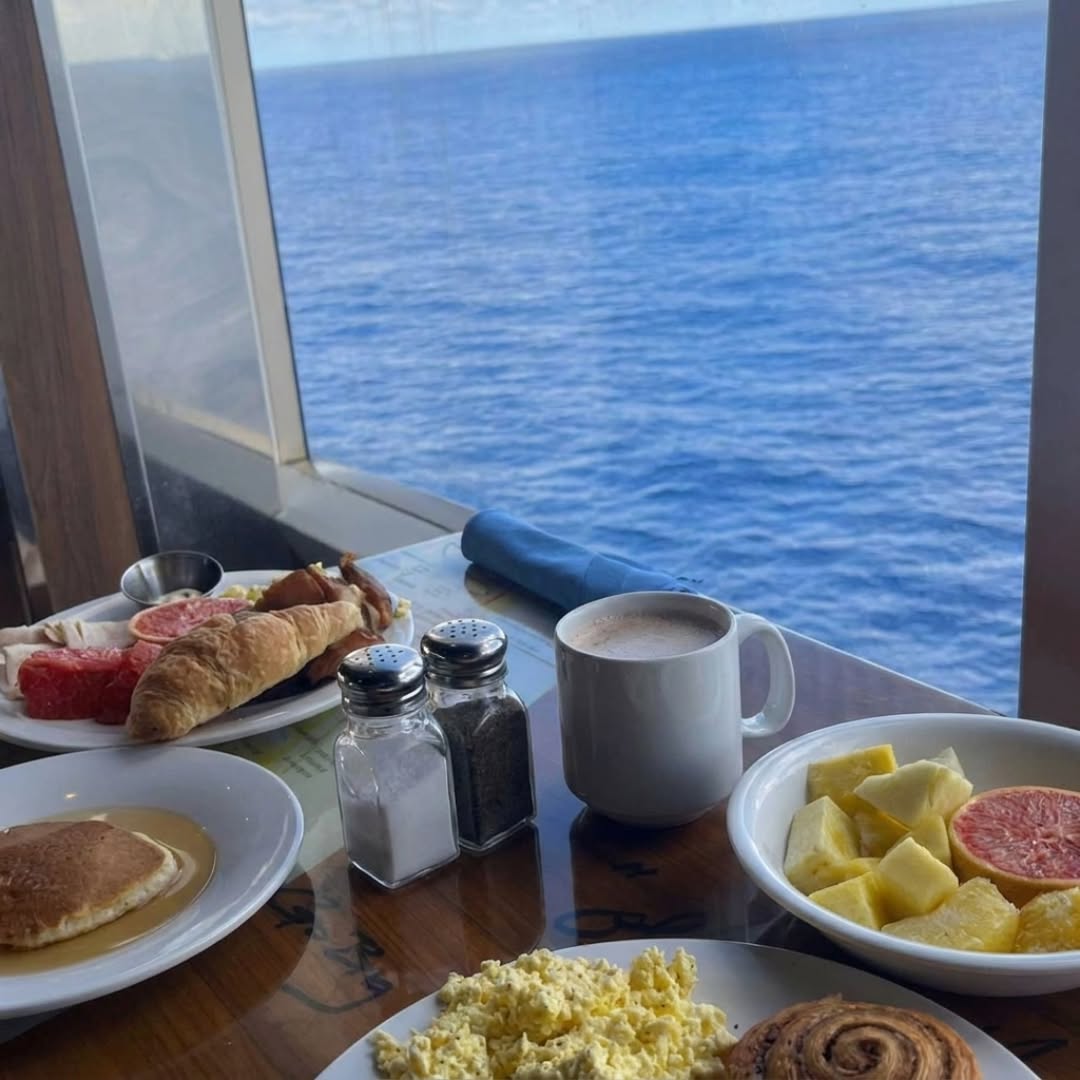
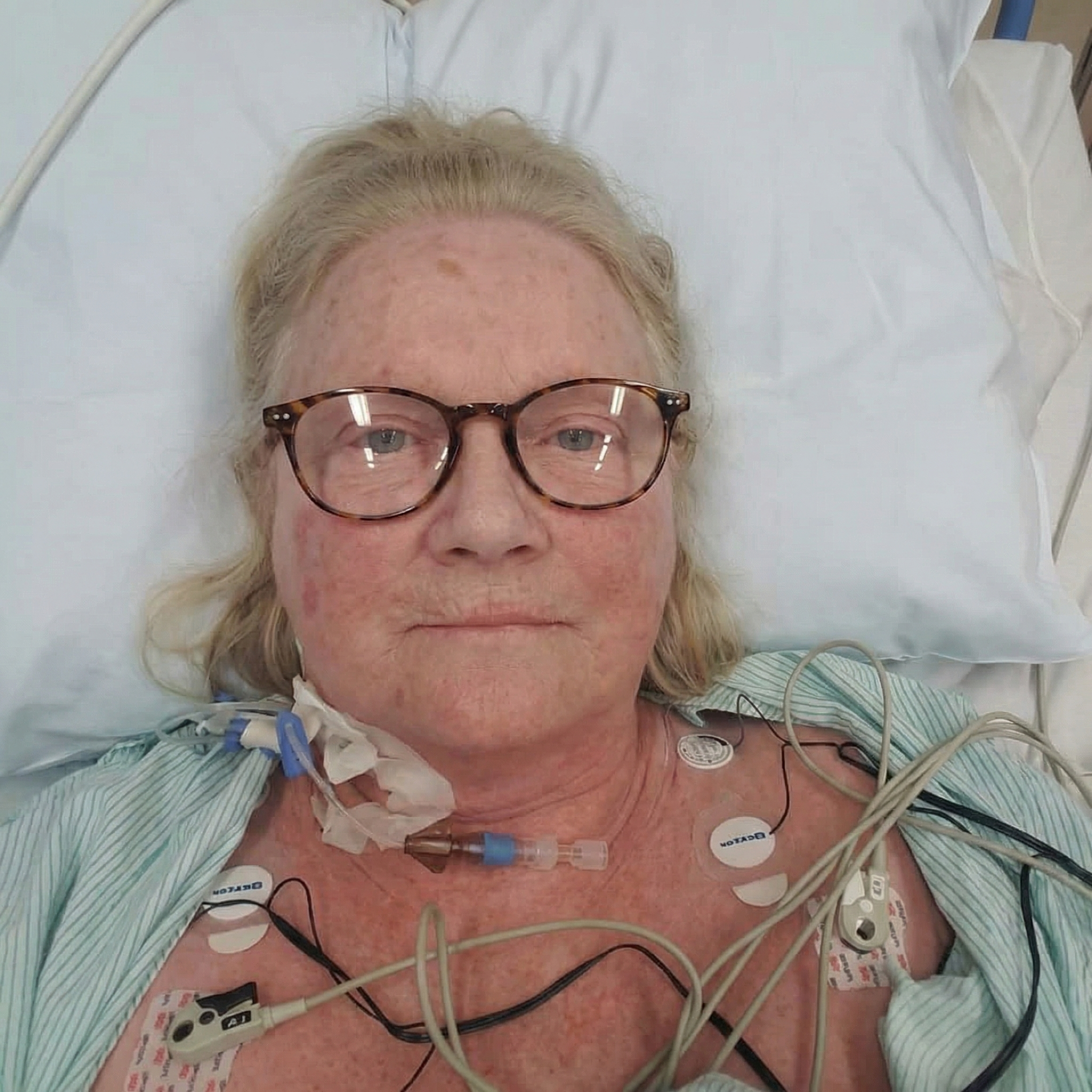
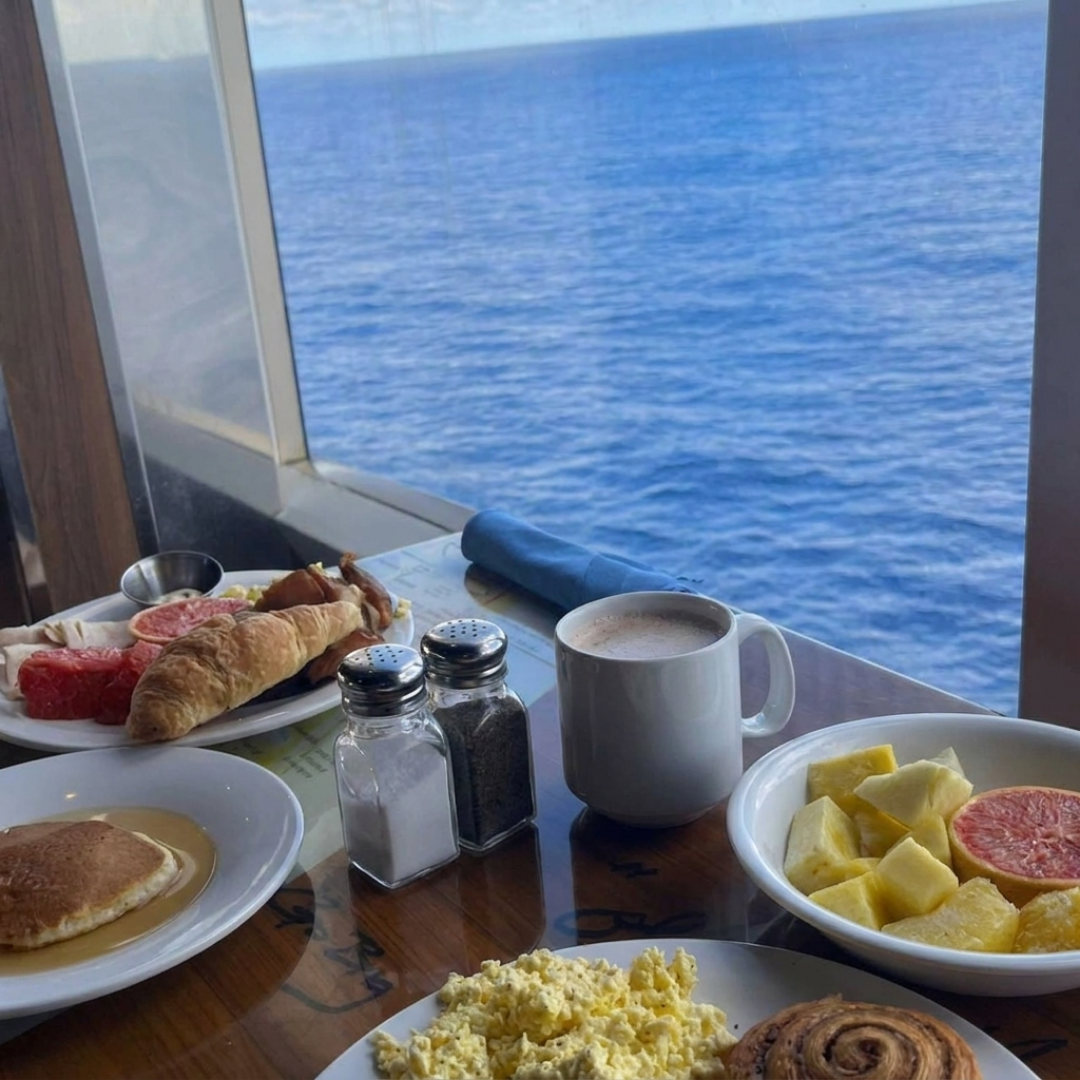
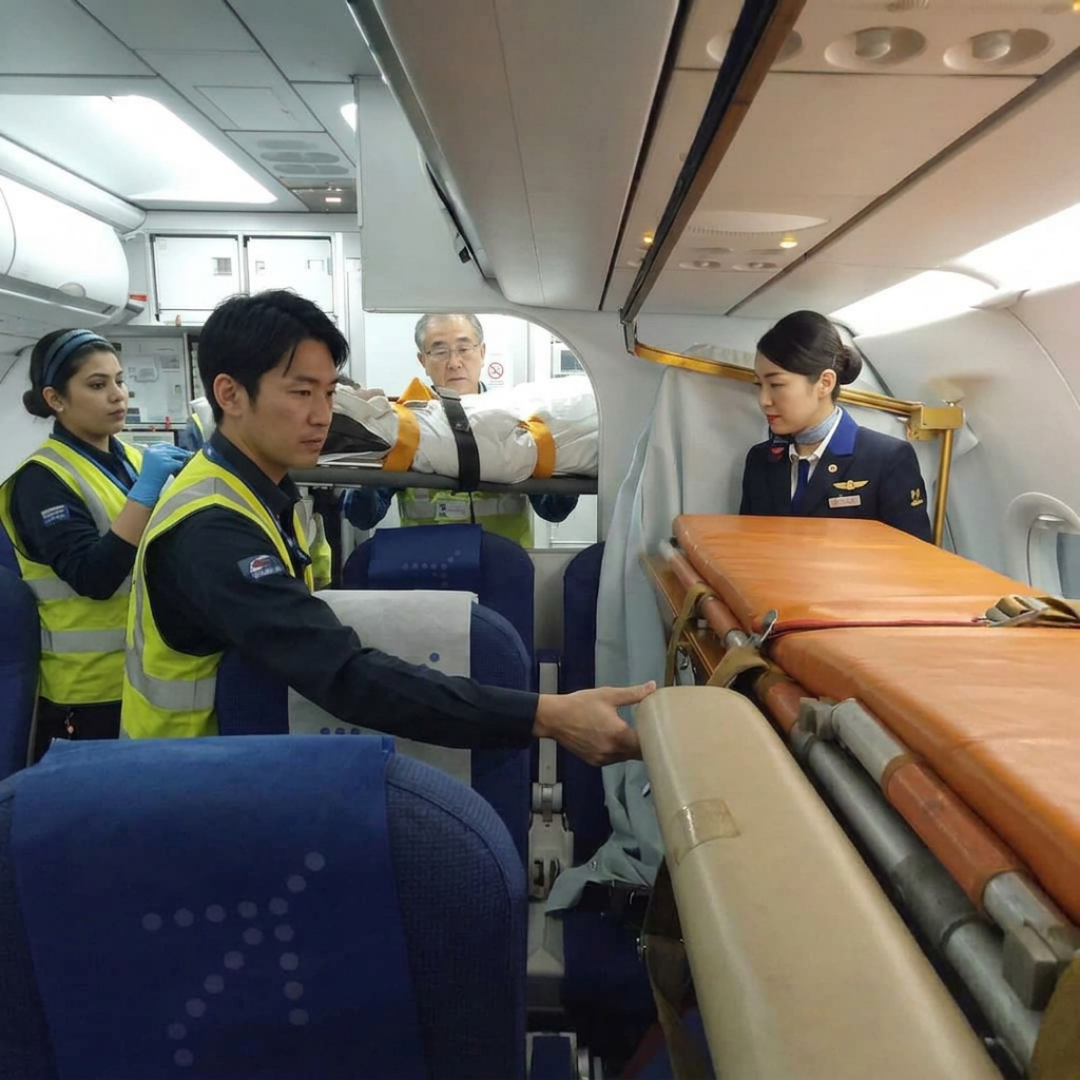
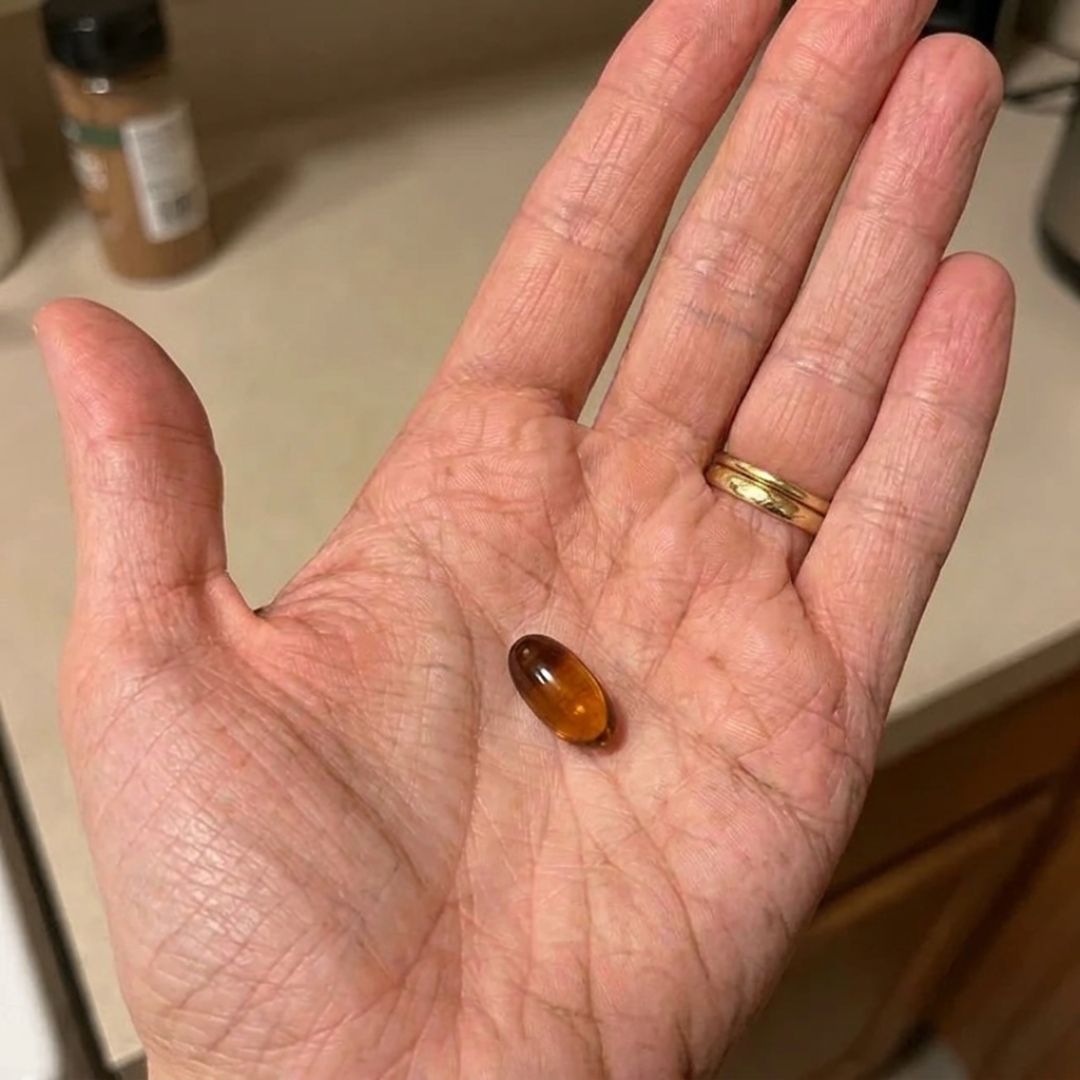
My husband nearly needed emergency dialysis during our cruise. The Swiss doctor onboard noticed one thing about the Ceylon cinnamon he'd been taking that his nephrologist had never mentioned. I want to tell you what she told us, because it changed everything. His name is not what matters here. What matters is that he is sixty-one years old, that he has had type 2 diabetes for eleven years, and that for the last three of those years his nephrologist had been using the same word every visit to describe what was happening to his kidneys. Watching. We are watching your creatinine. We are watching the protein. We are watching the GFR. He said it the way someone says they are watching a house to make sure nothing goes wrong. Not the way someone says they are actively doing something to protect it. I am Caroline Moore. My husband and I have been married for thirty-three years. I taught high school English for twenty-six of them. He ran a plumbing business for thirty. We raised two daughters. We have four grandchildren. We are not people who ignore medical advice. He takes his Metformin. He takes his Lisinopril. He shows up to every appointment. He does what he is told. We saved for this cruise for two years. Ten days in the Mediterranean. Barcelona, Marseille, Genoa, Rome, Dubrovnik, Athens. We had been talking about it since the girls were teenagers. The kind of trip you plan for later and then keep pushing to later because life is happening and money is tight and there is always a reason to wait. He was diagnosed with type 2 diabetes eleven years ago. His A1C had been between 6.4 and 6.9 for the last three years. His nephrologist told him every time that his numbers were managed. He got a prescription adjustment here and there. He added a Lisinopril two years ago when his blood pressure started climbing. He added a statin eight months ago when his cholesterol crept up. Every appointment ended the same way: see you in three months, keep doing what you are doing. We stopped waiting and booked the cruise. Three months before we left, he started taking a Ceylon cinnamon supplement. He had been reading about it. He found articles about cinnamon and blood sugar that seemed credible, and he wanted to give his kidneys extra support before the trip because he was worried about the walking and the heat and the meals he would not be able to control the way he could at home. He bought a bag, finished it, and bought another. He told his nephrologist about it. The doctor said, fine, it probably will not hurt. He took one capsule every morning for twelve weeks before we boarded. We boarded in Barcelona on a Sunday afternoon. The first two days were everything we had planned them to be. The harbor. The old city. Dinner on the deck while the Mediterranean went pink at sunset. He was tired, but we blamed the flight. We blamed the time zone. We blamed the simple fact of being sixty-one. Day three was Marseille. We walked the old port. Had lunch outside. He needed to rest twice in the afternoon and his ankles were noticeably puffier than usual by the time we got back to the ship. He had been having tingling in his feet at night for most of the past year, but we had both stopped mentioning it the way you stop mentioning something that is always there. I noticed his color was off. Not dramatically. Just slightly gray, slightly not-right, the way people look when something beneath the surface has been going on too long. He told me he was fine. Day four was the day we ended up in the medical center. He woke up at five in the morning and went to the bathroom. When he came back to bed he sat on the edge for a long moment before lying down. I was awake. I asked him what was wrong. He said he was not sure. He said the toilet water had been foaming. Not a little. Significantly. He said it had looked like the head on a beer. I sat up. He said it had been doing that for most of the trip. He had been hoping it would clear on its own. He had been telling himself it was nothing. I had read about protein in urine months earlier when his nephrologist first mentioned it as something that might eventually become a concern. I had gone home from that appointment and looked it up at eleven at night, the way you do when something frightens you and you cannot sleep. I knew what foam in the toilet water meant. I said: we are going to the medical center. He said it was five in the morning. I said: I know. The medical center was small. Two exam rooms, a narrow waiting area, a young nurse who took us in immediately when I described the foam and mentioned that he had been lightheaded and fatigued for three days. The doctor arrived twenty minutes later. Her name was Dr. Steiner. Swiss accent. White hair pulled back neatly. Early sixties, precise movements, the kind of calm that comes from decades of working in small rooms with frightened people. She sat down and asked him to describe what he had noticed. He told her about the foam, the ankle swelling, the fatigue, the tingling feet. He told her about the diabetes, eleven years, A1C managed, Metformin twice daily. He mentioned the Lisinopril. He mentioned that his nephrologist had flagged kidney concerns two years earlier when his creatinine started to rise, that the last reading had been 1.9, that his doctor had said they would watch it. She did not interrupt. She wrote everything down. Then she said she wanted to run a urinalysis and a quick blood panel. We waited forty minutes. He looked out the porthole at the Ligurian Sea turning gold in the early morning. I held his hand and tried not to think too hard. Dr. Steiner came back with a tablet. She pulled a chair close to the exam table and sat down. She said: your urine protein is elevated. Significantly. Your creatinine this morning is 2.1. Your eGFR is 41. That puts you at Stage 3 chronic kidney disease. Based on what you have described, this trajectory has been moving for some time. My husband did not say anything. She said: you were not going to need emergency dialysis this morning. But I want you to understand that you are not at the edge of a problem. You are inside a problem that has been progressing. Those are different things, and understanding that difference matters for what comes next. She looked at him for a moment. Then she said: I also want to ask you about the Ceylon cinnamon supplement you mentioned. What form is it in. He said: powder capsules, from a health food store. She set the tablet on her knee and folded her hands. She said: that is the thing I want to explain to you, because I see diabetic patients with kidney concerns come through this medical center regularly, and almost every one who is taking Ceylon cinnamon and still declining is taking it in a form that cannot reach the kidneys. The label is correct. The form is wrong. And the form is the entire problem. She had trained in Zurich, she told us. Practiced internal medicine at the university hospital for sixteen years before taking this position. She had been following the research on Ceylon cinnamon and metabolic disease for a long time, and what the research showed was real. But what was being sold in pharmacies and health food stores was almost never what the research had actually used. She started from the beginning. She said: your kidneys contain approximately one million tiny filtering units. Each one is a microscopic coil of blood vessels wrapped around a drainage tube. Their job is to filter your blood continuously, every heartbeat, all day, all night. The blood flowing through those tiny vessels carries whatever your blood carries. Including sugar. In a healthy person, she said, insulin knocks on the doors of your cells and those doors open and sugar moves from the blood into the cells where it gets used for energy. The blood stays clean. The filters stay clear. In type 2 diabetes and insulin resistance, she said, those cellular doors stop responding to the knock. They jam. Sugar cannot move into the cells. It stays in the blood, trapped, and with every heartbeat it circulates through every vessel in your body, including those microscopic coils in your kidney filters. The sugar grinds against the interior lining of those vessels. Over months and years it causes inflammation and scarring inside the filters. The filters start to leak. Protein that should stay in the blood passes through the damaged filters and into the urine. That is the foam, she said. That is what foaming toilet water is. It is not something minor. It is the visible evidence that your kidney filters are structurally damaged and leaking. She paused. She said: the critical thing to understand is that your A1C is a three-month average. It does not tell you what your blood sugar did in the hours after any individual meal. Diabetic patients whose A1C reads 6.5 or 6.7 often have blood sugar spikes after eating that reach 180 or higher for one to two hours before coming back down. The average looks managed. But those spikes are moving through your glomeruli, your kidney filters, every time they happen. Year after year. That is what causes the scarring. Not the average. The spikes. She looked at him directly. She said: your Metformin tells your liver to make less new glucose. Your A1C drops. Your nephrologist is satisfied. But Metformin does not open the cellular doors. The spikes still happen after every meal. The grinding continues. Your Lisinopril manages the blood pressure inside your kidney vessels. It reduces the mechanical stress on the damaged glomeruli. It is not nothing. But it does not repair the vessel lining. The scarring keeps progressing underneath it. This is what has been happening to your kidneys for eleven years, she said, while your A1C has looked managed and your nephrologist has been watching. She said it without anger. Without drama. Just as a fact that had apparently been sitting in the medical literature while his creatinine climbed from 1.4 to 1.9 to 2.1. She picked up her tablet again. She said: now, Ceylon cinnamon. True Ceylon. Cinnamomum verum. Grown in Sri Lanka. Not cassia, which is a different tree from China and fills most supplement shelves under the cinnamon label. True Ceylon contains two active compounds that are directly relevant to what is happening to your kidneys. The first is called MHCP, she said. Methylhydroxychalcone polymer. What MHCP does is signal those stuck cellular doors to start responding to insulin again. These doors are called GLUT4 transporters. When they begin opening properly, sugar that was trapped in the blood finally moves into the cells. The real-time spikes after meals come down. The grinding through the kidney vessel walls reduces. The filters face less damage with every heartbeat. The second compound is cinnamaldehyde, she said. The compound responsible for the smell of cinnamon. What cinnamaldehyde does is support the inner lining of the blood vessels, including the microscopic vessels inside the kidney filters. It helps the damaged lining begin producing nitric oxide again. Nitric oxide tells blood vessels to relax and allows blood to flow the way it should. When the endothelium inside the kidney filters begins to repair and produce nitric oxide, the inflammation inside those filters starts to come down. The scarring process slows. In some patients it stabilizes entirely. Together, she said, these two compounds address the kidney damage at its cause rather than managing the downstream markers while the cause continues. She looked at my husband. She said: the supplement you have been taking contains neither of these compounds in a form your body can use. Ceylon cinnamon's active compounds are fat-soluble. They do not dissolve in water. They dissolve in fat. A dry powder capsule lands in your stomach, enters your small intestine, and the active compounds have no fat environment to dissolve into. They pass through largely unused. You have been taking Ceylon cinnamon every morning for twelve weeks and absorbing almost none of what makes it work. He was quiet. She said: beyond the absorption problem, most supplements sold as Ceylon cinnamon are not Ceylon cinnamon at all. They are cassia. Cassia does nothing for blood sugar and contains a compound called coumarin that stresses the liver at daily doses. The ones that are real Ceylon are frequently at doses too low to reproduce the research results even if the form were correct. There are three things that have to be right simultaneously. The species has to be genuine Ceylon. The dose has to be at clinical research range. And the form has to deliver the compounds into the bloodstream. Most products sold in health food stores get at least one of those three wrong. Many get all three wrong. She said there was a formula her colleague at the university hospital in Zurich had been recommending to his diabetic patients with kidney concerns for two years. She said she called the company herself before telling any patient about it, because that was how she was trained. You verify before you recommend. She wrote the name on a small notepad page and handed it to my husband. Metabolae. She said: the formula uses 12 to 1 concentrated Ceylon cinnamon extract, suspended in MCT oil from coconut. The MCT oil provides the fat environment that allows the active compounds to dissolve and cross into the bloodstream. The raw-equivalent dose per softgel is 7,200 milligrams. That is within the range the clinical research used. One softgel per day with breakfast. Thirty softgels per bag. That is one month of consistent daily protocol. I asked about Ozempic. My husband's nephrologist had been suggesting it at his last two appointments. Dr. Steiner nodded slowly. She said: the GLP-1 medications, Ozempic, Mounjaro, they slow how fast the stomach empties so less sugar enters the blood after eating. Some patients see real reductions in blood sugar and weight in the early months. But what they cannot do is open the cellular doors that have stopped responding to insulin. The trapped sugar is still trapped between meals. The spikes may be smaller but the mechanism driving the kidney damage is still operating underneath. And the lawsuits accumulating around them right now, the gastroparesis, the muscle wasting, the bone density loss, are real outcomes appearing in patients who were told they were safe. They drain a flooded basement while the pipe is still leaking. She said: what the Ceylon cinnamon compounds do is different. They go to the cellular level and address the door problem directly. When the doors open and the trapped sugar clears, the real-time grinding through the kidney vessels reduces, and the filters have a genuine chance to stabilize. That is treating the cause. That is what monitoring has not been doing. She told us to take the rest of the cruise slowly. Skip the full-day excursions. Stay out of the midday heat. Eat grilled protein and vegetables. Stay hydrated. Before we left she said one more thing. She said: your husband does not need dialysis today. But the road he has been on leads there, and the speed of the decline suggests the road is shorter than your nephrologist's appointment schedule implies. The question is whether you address the cause or continue monitoring the decline. Those are genuinely different choices, and you have time to make the right one. We went back to our cabin. My husband sat on the edge of the bed. He held the piece of paper with the name on it in both hands. His mother had been on dialysis for the last three years of her life. Three sessions a week in a dialysis center. Four hours per session. She could not travel. She could not eat most of what she had eaten her whole life. She spent those years exhausted and restricted and waiting. He had driven her to those sessions himself. He knew exactly what that trajectory looked like for a family. He folded the paper and put it in his shirt pocket and did not say anything for a long time. We skipped Genoa that day. We sat on the deck and watched the Italian coastline from the railing. We ordered grilled fish for dinner and ate it quietly. That night I lay awake while he slept and I thought about the eleven years. The appointments. The A1C readings that always came back managed. The Metformin prescriptions refilled year after year. The Lisinopril added, then the statin. The creatinine climbing from 1.4 to 1.7 to 1.9 to 2.1. His nephrologist saying, each time, that we were watching it. I thought about the twelve weeks of Ceylon cinnamon capsules he had taken every morning before this trip. Doing everything he was supposed to do. Absorbing almost none of what he thought he was getting. We got home on a Saturday. He went to bed early. I went downstairs at eleven and opened the laptop. MHCP. Cinnamaldehyde. GLUT4 transporters. Ceylon cinnamon and kidney function. Glomerular filtration. Fat-soluble compounds and MCT oil delivery. I typed in every phrase Dr. Steiner had used and followed every thread. The research was there. All of it. A 2003 clinical trial in Diabetes Care, the American Diabetes Association's own journal. Type 2 diabetic patients given concentrated cinnamon extract showed reductions in fasting glucose of up to twenty-nine percent over twelve weeks. A 2024 meta-analysis covering twenty-eight randomized controlled trials and more than three thousand patients confirmed the pattern across different study populations and designs. Studies specifically examining kidney markers in diabetic patients on cinnamon supplementation showed measurable improvements in creatinine and urinary protein over twelve to sixteen weeks in patients receiving the compound at clinical dose in a bioavailable form. I sat at the kitchen table at one in the morning reading through study after study. The mechanism was exactly what Dr. Steiner had described. The GLUT4 transporters. The stuck cellular doors. The trapped sugar. The glomerular exposure to glucose spikes. The endothelial repair from cinnamaldehyde. All of it published. All of it sitting in the literature while his nephrologist had been watching his creatinine climb for three years. I felt something that was not quite anger. Something that starts in the chest and sits there without a name for a while before you figure out what to call it. I searched for Metabolae. Most products labeled Ceylon cinnamon were cassia. Some were real Ceylon but in dry powder capsules that could not absorb. A few were real Ceylon and genuine capsule form but at doses too low to match the research. I found reviews from diabetic patients who had bought supplement after supplement and seen nothing move in their labs. Metabolae was the only formula I found that solved all three problems. True Cinnamomum verum, verified source. 12 to 1 concentrated extract. Suspended in MCT oil from coconut so the fat-soluble compounds could cross into the bloodstream the way the research required. One softgel per day with breakfast. Thirty softgels per bag, which is one month of consistent daily protocol. I read the customer reviews for an hour. Diabetic patients with elevated creatinine describing the foam in the toilet clearing within two to three weeks. Creatinine readings stabilizing and then declining over two to three months. GFR numbers holding or climbing for the first time in years. Tingling in the feet easing. Fatigue lifting. Over and over, the same pattern from people describing exactly what my husband had been experiencing. I ordered three bags at one in the morning. The bags arrived six days later. I set one on his nightstand without explaining it. He picked it up, read the label, set it down. The next morning he took one softgel with breakfast. I want to be honest about what the first week felt like. Nothing obvious. Cinnamon does not announce itself the way caffeine does. He took the softgel each morning and noted nothing particular. He said there was no smell, no stomach upset, no aftertaste. That last part surprised him because he had looked up cinnamon supplements years earlier and stopped because of what he had read about digestive problems and a persistent smell. The MCT oil delivery apparently eliminates both. The compound passes the stomach directly and there is no raw powder sitting in a capsule to cause the problems raw powder causes. Week two. He came downstairs on a Wednesday morning and said he had been watching the toilet water for three days and the foam was significantly less. He said he had not wanted to say anything until he was sure he was not imagining it. I said: tell me sooner next time. He said: I wanted to be sure. Week three. He took his blood pressure every morning with the home cuff his cardiologist recommended after the cruise. The reading when we returned had been 162 over 97. By the end of week three it was 148 over 89. Down fourteen points on the top number in three weeks without changing the Lisinopril dose. The tingling in his feet at night was quieter. He mentioned it at dinner one Thursday. He said it had not disappeared entirely but it was less, noticeably less. He said the night before he had fallen asleep without noticing his feet at all. He said: that has not happened in a long time. Week four. He bought a finger-stick glucose meter at the pharmacy and started testing his fasting glucose every morning. First reading: 147. By the end of week four: 121. Blood pressure 141 over 84. The foam in the morning toilet water was dramatically reduced. He called me in to see one morning. We both looked at it. Clear water. Week six. Fasting glucose 98. Then 94. Blood pressure 131 over 77. He had more energy in the afternoons than he described having in over a year. He was cooking dinner again. He had stopped doing that in the third year of the kidney monitoring because he said standing at the stove exhausted him by five in the evening. Week eight. He walked up the stairs to our bedroom one evening and came back down and went up again. I asked what he was doing. He said: checking something. He went up a third time and came back to the kitchen. He said: my heart is not pounding on those stairs anymore. I looked at him. He said: I have been stopping on the landing for months. I just went up three times without stopping. Week twelve. His scheduled nephrologist appointment was the third month after our return. I went with him for the first time in two years. We sat in the waiting room while they ran his labs. I looked at the CKD stage chart on the wall and knew every number on it by then. His nephrologist came in and pulled up the results. He looked at them. Then he looked at them again. He said: your creatinine is 1.7. That is down from 2.1 on the cruise. He pulled up the protein excretion. He said it was down significantly. He pulled up the eGFR. He said: 48. Four months ago it was 41 from the ship's labs and 42 at your last appointment here. For a Stage 3 CKD patient, an eGFR of 48 moving in the right direction is not something I see regularly. My husband told him everything. Dr. Steiner. The ship's medical center. The urinalysis and the blood panel. The absorption problem with the capsule form. The three things that have to be right simultaneously. The Metabolae formula. The doctor listened without interrupting. When my husband finished, he was quiet for a moment. He said: I was not aware of the delivery form research at this level of specificity. What I can tell you is that your numbers have moved in a direction I was not expecting. I would like you to continue what you are doing and come back in three months. We walked out into the parking lot. My husband stood in the sun with his hands in his pockets. He said: 48. I said: 48. He said: she said the trajectory we were on leads to dialysis. I said: yes. He said: 48 is not dialysis. I said: no. It is not. He was quiet for a moment. He said: I want to go back. On the cruise. I want to find Dr. Steiner and tell her. I said: we will. I am writing this because I spent three months wondering whether to say anything at all. My husband is private. He did not want his kidney disease to be something we talked about publicly. I understand that. I have respected it. But I keep thinking about one specific thing Dr. Steiner said in that small room while the sea moved outside the porthole. She said: monitoring a decline and treating its cause are not the same thing. I keep thinking about how many people are sitting in nephrology waiting rooms right now being told their creatinine is something to watch. Their protein is elevated. Their GFR is declining. We will see you in three months. They go home and take their Metformin and their Lisinopril and whatever Ceylon cinnamon capsules they found at the health food store and they wait. Not knowing that the dry powder in the capsule cannot deliver the compounds the research used. Not knowing that the species on the label might be cassia and not Ceylon at all. Not knowing that even if the species is right and the form is right, the dose might be far too low to do anything. Three things have to be right at the same time. My husband had one of them right, the species, and two of them wrong, the form and the dose, for twelve weeks before we ever got on that ship. If your nephrologist has mentioned protein in your urine, or rising creatinine, or declining GFR, or Stage 2 or Stage 3 kidney disease, and you are a type 2 diabetic whose A1C has looked managed for years while those numbers have climbed, I want you to understand one thing clearly. The managed A1C is not protecting your kidneys. Your Metformin is reducing how much glucose your liver makes. It is not opening the cellular doors. The trapped sugar keeps grinding through your glomeruli with every heartbeat, every meal, every day. Your Lisinopril is managing the pressure on your kidney vessels. It is not repairing the vessel lining. The scarring continues underneath both medications. Watching your creatinine climb and adjusting the Metformin dose is not the same as addressing what is causing the creatinine to climb. Metabolae is the product Dr. Steiner wrote down for us on that notepad page in the ship's medical center. True Ceylon cinnamon at 12 to 1 concentrated extract, suspended in MCT oil from coconut so the fat-soluble compounds actually cross into the bloodstream. The raw-equivalent dose per softgel is 7,200 milligrams, which is within the range the clinical research used. One softgel with breakfast every morning. Thirty softgels per bag. One bag, one month of the daily protocol that moved my husband's numbers for the first time in three years. It comes with a 90-day money-back guarantee. Open the bag. Take it every day for 90 days. If your creatinine and protein markers and eGFR have not shifted in the direction his nephrologist's did, send back what is left and get every dollar back. No conditions on the refund. The guarantee is 90 days and it is complete. I have ordered Metabolae every month since we got home from that cruise. I will keep ordering it until his nephrologist tells me his kidneys have stabilized and there is nothing more to do. That conversation has not happened yet. But the numbers are moving in the right direction for the first time in three years, and I am not going to stop now. P.S. We have booked another cruise. Eastern Mediterranean this time. Greece, Turkey, Croatia. We leave in four months if his numbers keep moving the way they have been. My husband has already looked up restaurants in Dubrovnik. I told him we are going to walk every street in every port we dock at. He said: then I had better not stop taking the softgels. I said: you had better not. Caroline Moore
Like this ad? Make it yours.
Crush rebuilds this exact creative around your product — your brand, your colors, your offer — in about a minute.