
Active· since Aug 4, 2026
- 36
- days running
- 0
- relaunches
Ad copy
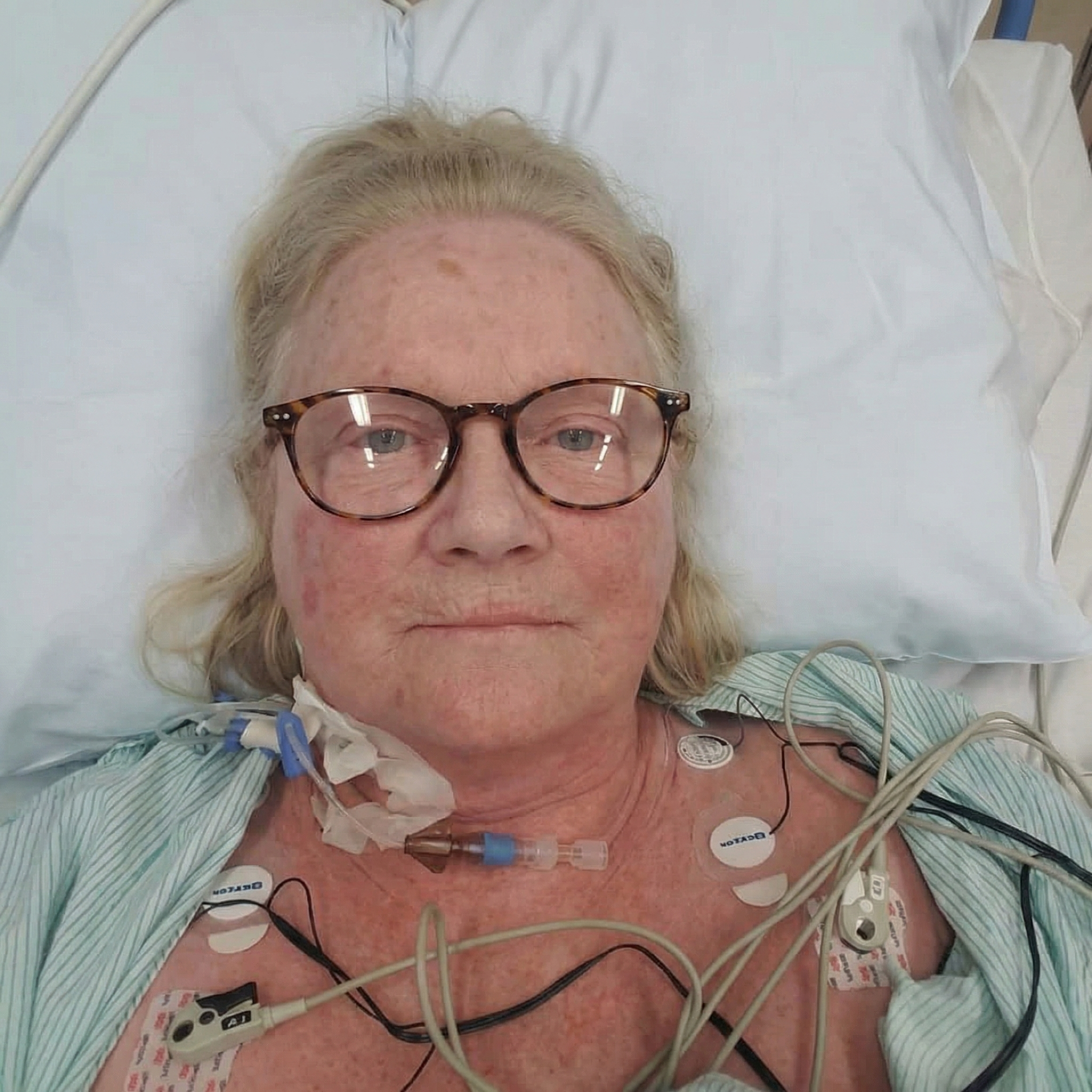
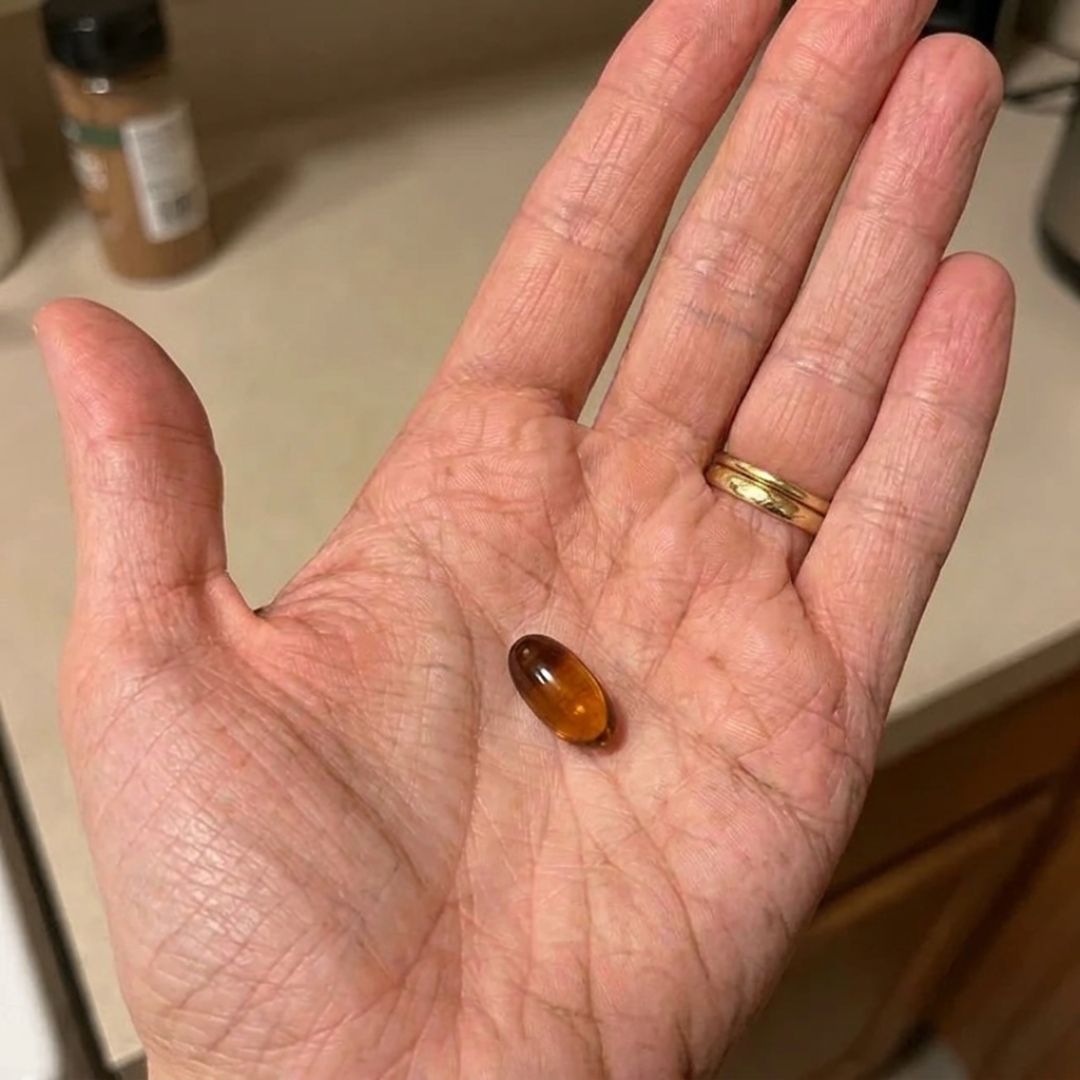
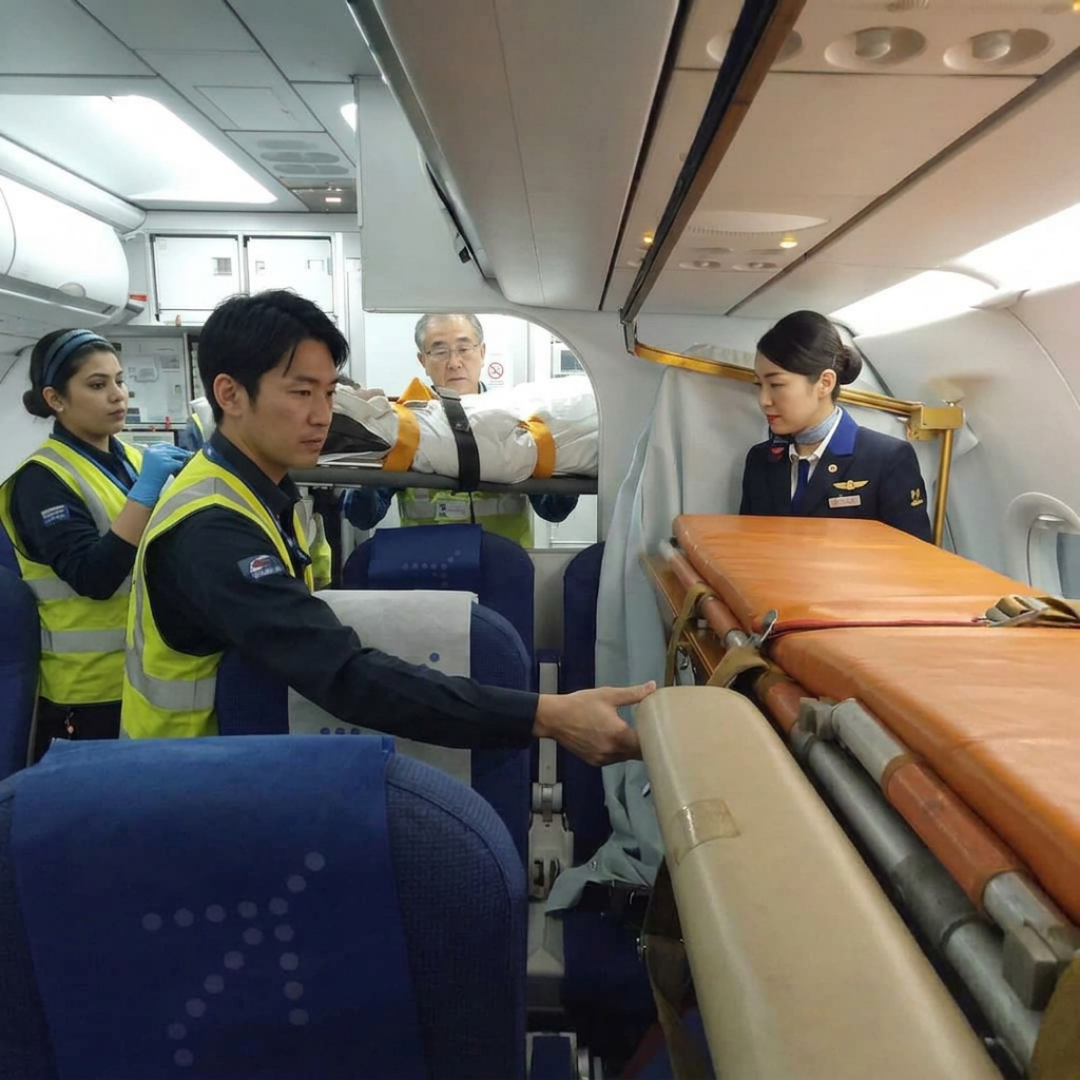
I had a heart attack on a flight to Japan. The man next to me was a Japanese researcher who just discovered the root cause of diabetes. And what treats it. I am 61 years old. My husband and I had been planning this trip for almost five years. Two weeks in Japan. Tokyo, Kyoto, Osaka, Hiroshima. Cherry blossom season. We had talked about this trip the way some couples talk about retirement. Not as a plan. As a promise. Something you hold onto through the years you spend sitting under fluorescent lights doing work that stopped meaning anything to you a long time ago. The kind of trip you earn by showing up to a life you stopped loving so the person you do love can have the trip they deserve. We were eight hours into the flight. Somewhere over the northern Pacific. The cabin lights were dimmed. Most of the passengers were asleep. My husband had his headphones in, watching a movie with his glasses halfway down his nose the way he does. I had been reading a novel I bought at the airport bookshop. Something about a woman traveling alone through Italy. I put it down because my chest felt tight. Not painful exactly. Just tight. Like someone was pressing a hand flat against my sternum and holding it there. I had been feeling this on and off for the last six months. Walking up the stairs to our bedroom. Carrying groceries from the car. Standing too quickly after sitting for an hour. A heaviness in my chest that I had been calling out of shape. But this was different. The tightness deepened. My heart started pounding. Not the normal hard you feel when you are nervous or exerting yourself. The deep pounding I had been ignoring for months. Like my heart was working harder than it should have to just to keep blood moving. I started sweating. Through my blouse, through the thin airline blanket. I felt the color drain from my face. I tried to reach for my husband. My hand was shaking. I could not get his attention. The man to my left noticed before my husband did. He was maybe sixty-five. Thin. Wire-rimmed glasses. A stack of academic journals in his lap with the kind of dense formatting you see in medical research papers. He had been highlighting passages in green ink for most of the flight. He looked at me. Looked at my hand on my chest. Set his journals down immediately. He pressed the call button. Told the flight attendant to bring oxygen and ask if there was a doctor on board. He loosened the collar of my blouse. Told me to breathe slowly through my nose. My husband pulled off his headphones. His face went white. Caroline. Caroline what is happening. I could not speak. They got me stable. The flight crew brought an emergency medical kit. There was no doctor on board but the man next to me seemed to know exactly what he was doing. He checked my pulse. He counted something on his watch. He talked to the crew in calm, precise English and told them not to divert the flight. She is stable now, he said. But she needs to be seen when we land. My husband held my hand for the remaining four hours across the Pacific. He did not say anything. He just held my hand and looked at me with the face I had been seeing in nightmares for twenty years since my father died. My father had a heart attack at 68. In his driveway. He had just come home from a routine checkup where his doctor told him his numbers were all managed. He was dead before the ambulance crossed the overpass. I was 41 when that happened. And here I was, 61 years old, 35,000 feet above the Pacific Ocean, doing the same thing. I told my husband I was okay. I was not. We landed at Narita. The crew had radioed ahead. A medical team met us at the gate with a wheelchair. They took me by ambulance to a hospital in Tokyo. My husband rode with me. He held my hand the whole way through traffic I could not see because I was staring at the ceiling of the ambulance thinking about my father's driveway. They admitted me. Ran an EKG. Drew blood. Took my blood pressure twice. Frowned at the reading. Ran a finger-prick glucose. The attending cardiologist told me I had experienced a minor myocardial event. Not a full heart attack. But close. Close enough that the muscle had been stressed and the rhythm had been disrupted and if the flight had been two hours longer the outcome might have been different. My blood pressure was 184 over 108. My resting pulse was irregular. My blood sugar was 246. You are diabetic, he said. Type 2. Eleven years. I take Metformin. And blood pressure medication. Lisinopril. Three years. And a statin. Started eight months ago. He nodded. Wrote something on his chart. Told me they would keep me overnight for observation. The next morning, the man from the airplane came to the hospital. He walked in with a small bag of tangerines and a folder of papers. He told me his name was Dr. Hayashi. He was a metabolic researcher at a university hospital in Osaka. He had spent the last nineteen years studying one thing. The relationship between insulin resistance and vascular destruction. He asked if I would like to know why I had nearly died on that airplane. I said yes. He pulled up a chair. I want to explain something to you that your American doctor has never explained, he said. Not because he is a bad doctor. Because he was never trained to see it. He set his folder on the edge of the bed. Your blood pressure has been climbing for years. Your cholesterol required a statin. Your blood sugar has been managed with Metformin for over a decade. Your heart just failed you on an airplane over the Pacific. Every one of those things is the same disease. Nobody has treated it. Everyone has managed it. I told him my doctor had always said my A1C was in the managed range. Between 6.6 and 7.1 for years. He had been talking about adding Ozempic at my last appointment. Dr. Hayashi looked at me for a moment. Your A1C reads managed on paper, he said. Your arteries are telling a different story. He opened the folder. Every cell in your body has doors on its surface. They are called GLUT4 transporters. Their job is to respond to insulin, open up, pull glucose out of your bloodstream, and convert it to energy inside the cell. When this system works, blood sugar comes down after meals, energy stays level, and every blood vessel in your body receives clean supply. In insulin resistance, those doors stop responding to the signal. Insulin arrives. The doors do not open. The pancreas sends more insulin. Still nothing. The glucose has nowhere to go. It stays in your bloodstream. Trapped. And once it is trapped, it does not sit still. He paused. It moves through every blood vessel in your body with every heartbeat. And in your arteries, it does something very specific. Your arteries are not rigid pipes, he said. They are living tissue. Three layers of cells with a smooth inner lining called the endothelium. That lining regulates everything from blood pressure to clotting to how easily your blood flows. When it is healthy, your arteries are flexible. They expand and contract with each heartbeat. Blood flows through them the way it should. When glucose cannot clear the bloodstream because the GLUT4 doors are stuck, that sugar-saturated blood grinds through your arteries continuously. Hour after hour. Year after year. Glucose inflames the endothelial cells that line the inside walls. It triggers oxidative stress. It activates NF-kB — your body's master inflammation switch — which sends inflammatory proteins directly into the arterial wall. The wall thickens. It stiffens. It loses the flexibility that normally allows it to give way with each heartbeat. Your heart has to push harder to move blood through vessels that no longer cooperate. He looked at me. That is what elevated blood pressure is in a diabetic patient. Not salt. Not stress. Not genetics alone. It is the arterial wall being stiffened from the inside by sugar that never entered the cells it was supposed to feed. And your heart compensating by generating more force to push blood through vessels that stopped giving way. That is what happened to you on that airplane. Your Lisinopril manages the force, he said. It tells your vessels to relax. It does not repair the wall. The sugar keeps circulating. The stiffening continues. The Lisinopril dose creeps up. Eventually a second blood pressure medication gets added. Then a third. The wall keeps stiffening because the cause of the stiffening has never been addressed. At the same time, insulin resistance is sending your liver a signal to overproduce VLDL — the precursor to LDL cholesterol. That is why your cholesterol climbed. It is the same problem coming through a different door. Your statin reduces how much cholesterol your liver makes. It does not fix the insulin signal driving your liver to overproduce it. The statin dose eventually creeps up too. I asked him what the Metformin had been doing for me if all of this was happening underneath it. Metformin tells your liver to make less new sugar, he said. It reduces the supply coming in. Your A1C drops a little. Your doctor is satisfied. But it does not open the cellular doors. The trapped sugar that remains keeps grinding through the arteries. Your blood pressure keeps climbing. Your cholesterol keeps climbing. Every prescription is treating a downstream number. Nothing is treating the upstream cause. He paused. You can shut off the faucet. If the drain is still clogged, the water does not drain. I lay there staring at the ceiling of a hospital room in Tokyo and felt the same thing I had felt on that airplane. Not pain. Something worse. The slow understanding that I had been following every instruction for eleven years and the system giving those instructions had been watching me walk toward the same ending as my father while writing it down in a chart and calling it managed. I asked about the Ozempic. My doctor had wanted to put me on it next. Dr. Hayashi nodded slowly. The GLP-1 injections, he said. They slow how fast your stomach empties so less new sugar enters your blood after a meal. They take some weight off. But they cannot open the cellular doors that have stopped responding to insulin. The trapped sugar is still trapped. The grinding does not stop. The arterial walls keep stiffening behind the improved number on the chart. He set down the folder. And the lawsuits stacking up right now — the gastroparesis, the muscle wasting, the bone density loss — are real problems appearing in people who trusted the injections were safe. Those drugs are draining a flooded basement while the pipe is still leaking. They do not fix the pipe. I asked him what does. This is what I have been researching for nineteen years, he said. He pulled out a separate sheet of paper. Started writing. There are two compounds found together in one plant. The first is called MHCP. It signals the dormant GLUT4 doors on cell surfaces to begin responding to insulin again. Once those doors reopen, the trapped sugar finally moves out of the bloodstream and into the cells where it gets burned for energy. The sugar clears. The grinding stops. The arteries begin receiving clean blood supply. The second compound is cinnamaldehyde. It supports the endothelial lining of your arteries — the layer that has been damaged for years by the circulating sugar. It helps the endothelium begin producing nitric oxide again. Nitric oxide is what tells your arteries to relax and allow blood to flow the way it should. When the endothelium starts producing nitric oxide again, blood pressure drops on its own. Not because a drug is forcing it. Because the wall is repairing. He wrote both names down. Two compounds, he said. From one plant. One opens the doors so the trapped sugar clears. The other helps the arterial wall repair itself from the damage the trapped sugar has been doing for a decade. Together they address the disease where it actually lives instead of managing the three numbers your doctor keeps writing prescriptions for. I asked what plant. True Ceylon cinnamon, he said. Cinnamomum verum. The species grown in Sri Lanka. Not the cassia variety that fills most supplement shelves and most grocery stores. Cassia is a completely different tree from a completely different part of the world. It contains almost none of the active compounds. And it contains up to 250 times more coumarin — a compound that stresses the liver at daily supplement doses. Most of what is sold as cinnamon in America is cassia. Most people do not know there is a difference. He kept writing. There is one more thing. These compounds are fat-soluble. They need a fat carrier to cross the intestinal wall and reach the bloodstream. A dry powder capsule has no fat. The compounds reach the gut, find no carrier, and pass through without absorbing. The research on this is not ambiguous. Without a lipid carrier, most of what you swallow leaves your body unused. He tore off the sheet and handed it to me. It has to be true Ceylon at clinical research concentration, suspended in an oil that actually delivers it. Not a capsule. Not a powder. Not cassia mislabeled as Ceylon. There is one formulation his colleagues had been following in their research for the past three years. The only one that matched the specifications the clinical literature used. Metabolae. He wrote that name on the paper. I called this company myself before I would mention it to any patient I met, he said. That is how I was trained. You do not put your name behind a supplement the way you would not put your name behind a medication. You verify the source. You read the lab testing. You confirm the patient is taking what the label says they are taking. He looked at me one more time. Your body is not failing you. The protocol treating your compliance as the solution is failing you. The trapped sugar is the barrier. The cellular doors are the lock. The MHCP and the cinnamaldehyde are the key and the repair. That is what my research has confirmed. That is what your American doctor has never been trained to tell you. He told me to rest. He left the tangerines on the bedside table. He gave me his card and said to contact him if I had questions. My husband and I spent four days in the hospital. They discharged me with a stronger beta blocker and instructions to follow up with my cardiologist at home. We did not go to Kyoto. We did not see the cherry blossoms. We sat in the hotel in Tokyo for the remaining days and watched the city from the window of a room on the fourteenth floor. I did not feel sorry for the missed itinerary. I felt sorry for the eleven years. We flew home on a Sunday. That night I could not sleep. My husband was already in bed. I went downstairs at 11:30 PM and opened my laptop at the kitchen table. I typed in what Dr. Hayashi had written down. True Ceylon cinnamon. MHCP. Cinnamaldehyde. GLUT4 transporters. Endothelial repair. I went down the rabbit hole. The 2003 Diabetes Care trial. Published by the American Diabetes Association's own journal. Real human patients. Type 2 diabetics. Fasting glucose drops of up to 29 percent. A 2024 meta-analysis. Twenty-eight randomized controlled trials. Over three thousand patients. Same results across the board. Peer-reviewed research on cinnamaldehyde and endothelial function. Nitric oxide production restoring. Arterial compliance improving. Blood pressure responding without a drug forcing it. I sat there at my kitchen table at 1 AM reading study after study. The mechanism was exactly what Dr. Hayashi had described. The dormant cellular doors. The trapped sugar. The endothelial damage. The arterial stiffening. All of it published. All of it in journals my American doctor should have been reading. All of it sitting there in the medical literature while my doctor wrote me Metformin scripts for eleven years and added a Lisinopril and then a statin and watched every number climb without ever asking what was causing them to climb. I felt something rising in my chest. Not anger. Not exactly. Something closer to grief. The same thing I had felt lying on my back in a hospital room in Tokyo knowing my father had died this way. I searched for the formulation Dr. Hayashi had named. Metabolae. Most cinnamon supplements online were wrong. Cassia at the drugstore. Dry capsules at the health food store. Generic powders with no species verification and no fat carrier and a fraction of the dose the research used. Nothing matching the specifications Dr. Hayashi had described. Metabolae was the only one I found that matched. True Ceylon cinnamon. Cinnamomum verum. A 12:1 concentrated extract delivering 7,200 milligrams of raw cinnamon equivalent per softgel. Suspended in MCT oil from coconuts. Third-party tested per batch. GMP-certified facility. Every bottle verified for species, potency, and coumarin levels. I read the reviews. Diabetics describing exactly what I had been going through. Years of Metformin and Lisinopril and a statin that never moved the underlying problem. Then blood pressure dropping and blood sugar dropping and energy returning within weeks once the cellular doors were fed the compounds the research said they needed. I ordered three bottles at 2:15 AM. I was not going to do this halfway. The bottles arrived six days later. One softgel with breakfast. That was the whole protocol. Week one. I want to be honest about what the first week felt like. It was not much. No buzz. No surge. Cinnamon is not caffeine. It does not announce itself. I just took my softgel in the morning. Came home. Took it again the next morning. Week two. The pressure headaches started easing. The dull ache behind my eyes I had been waking up with every morning for the past two years, the one I blamed on poor sleep and screen time, started fading. I came home from work on a Wednesday and did not collapse into the couch the way I had every weekday for the last decade. I cooked dinner with my husband. Sat at the table afterward. Watched a full movie awake. The afternoon fatigue that had been dropping on me every day at 2 PM like a curtain started lifting. I was still standing at 4 PM. Still thinking clearly. Still present. Week three. I took my blood pressure at home like I do every morning. 152 over 94. Down from 172 over 100 the week before we left for Japan. My husband said I looked different. He could not explain what he meant. He said the color in my face was different. Like the inflammation was dropping. Week four. Blood pressure 142 over 86. The tingling in my feet at night — something I had been blaming on standing too much, something I had never mentioned to my doctor — was easing. I lay in bed one night and realized my feet were just my feet. Not buzzing. Not pins and needles. Just warm and quiet. Fasting glucose still high. 138. But the trend was starting. Week five. Fasting glucose 118. Down from 148 the morning before we left for Japan. Blood pressure 134 over 82. Week six. Fasting glucose 96. Then 92 the next morning. Then 94. I checked it three times that first morning because I had not seen a number below 100 in over four years. Blood pressure 128 over 78. Week eight. The stairs. I came up the stairs to our bedroom one night and realized halfway up that my heart was not pounding. The same stairs that had been making me stop on the landing for the past year. The same heaviness I had been calling out of shape. The same deep pounding that had nearly killed me at 35,000 feet over the Pacific. I went up. Then back down. Then up again. Just to make sure. My husband was already in bed reading. He looked up at me confused. I told him what I had just done. He set his book down. We both just sat there for a minute. Week twelve. I went to my regular doctor for a follow-up. Full panel. A1C: 5.8. Down from 7.0 at my last appointment three months earlier. Fasting glucose: averaging 94 across two weeks of morning tests. Blood pressure: 124 over 76. LDL: down 22 points. Triglycerides: down 36 points. The nurse ran the A1C twice because the first result came back so different from my prior numbers that she thought the lab had made a mistake. My doctor walked in. Pulled up my chart. Stopped scrolling. Looked at me. Caroline. What did you change. I told him. The flight to Japan. The cardiac event over the Pacific. The researcher in the seat next to me. The trapped sugar. The cellular doors. The two compounds. The 2003 Diabetes Care trial. I talked for twenty minutes. He did not interrupt once. He was quiet for a long time. Then he said, I have not been trained on this. But your numbers have come down significantly. Your blood pressure alone is remarkable. Let us cut the Lisinopril in half and see where the pressure holds at the next panel. And let us talk about reducing the statin at your next visit if the lipid numbers hold. I walked out of his office with my Lisinopril halved and my statin reduction on the table. I never started the Ozempic. I am writing this because I almost died on an airplane and my American doctor would never have known why. If I had died on that flight, my husband would have flown my body home and buried me next to my father. The report would have said the same thing my father's said. Cardiac event in a Type 2 diabetic patient with managed A1C. Common in patients her age. Nothing that could have been done. Nobody would have asked why a woman with a managed A1C had been steadily losing her arteries and her heart and her kidneys and her nerves for eleven years while her doctor wrote prescriptions for a drug that only addressed the number on the chart, then added another prescription for her blood pressure, then added another for her cholesterol, and had been about to add another for her weight. It took a Japanese researcher on an airplane twenty minutes to explain what my American doctor never explained in eleven years. It took a heart attack at 35,000 feet to make me listen. If you are a Type 2 diabetic and your A1C has been managed for years while your blood pressure has been climbing, your cholesterol required a statin, and you have been quietly losing function — heart pounding on the stairs, tingling feet, blurry vision, liver enzymes climbing, fatigue you have been blaming on getting older — please listen. The same disease that nearly killed me on that airplane is doing the same thing to you right now. The Metformin is not stopping it. The Lisinopril is not stopping it. The statin is not stopping it. The Ozempic will not stop it. They manage the numbers on the chart. They do not open the cellular doors. They do not move the trapped sugar that has been grinding through your arteries and destroying your endothelium every day for years. There is something that does. Metabolae is the product Dr. Hayashi wrote down for me on a sheet of paper in a hospital room in Tokyo. One softgel every morning. True Ceylon cinnamon. 12:1 concentrated extract. 7,200 milligrams raw equivalent per serving. Suspended in MCT oil from coconuts. Third-party tested per batch. That is the whole protocol. They offer a 90-day money-back guarantee. Every cent returned if you see no improvement. You can send back empty bottles. No questions asked. I have been ordering Metabolae monthly since I got home from Japan. P.S. My husband and I went back to Japan seven months after that first flight. I told him I needed to walk through Tokyo again on my own terms. Not from a hospital bed. Not from a hotel window watching a city I had come 6,000 miles to see and never set foot in. We flew into Narita. Took the express train into the city. Checked into a hotel in Shinjuku. The next morning we walked to Meiji Shrine through the forested path with the towering torii gates. Then across Shibuya. Then up through Harajuku. Then along the canal in Nakameguro where the cherry trees were in full bloom and the branches hung over the water and the petals drifted downstream in the current. I walked for four hours without stopping. My heart did not pound once. My chest did not tighten. My husband walked beside me and did not say anything. He just held my hand and we stood on the bridge over the canal looking at the view I had almost not been alive to see. — Caroline Moore
Like this ad? Make it yours.
Crush rebuilds this exact creative around your product — your brand, your colors, your offer — in about a minute.