
Inactive· since May 14, 2026
- 59
- days it ran
- 1
- relaunches
Ad copy
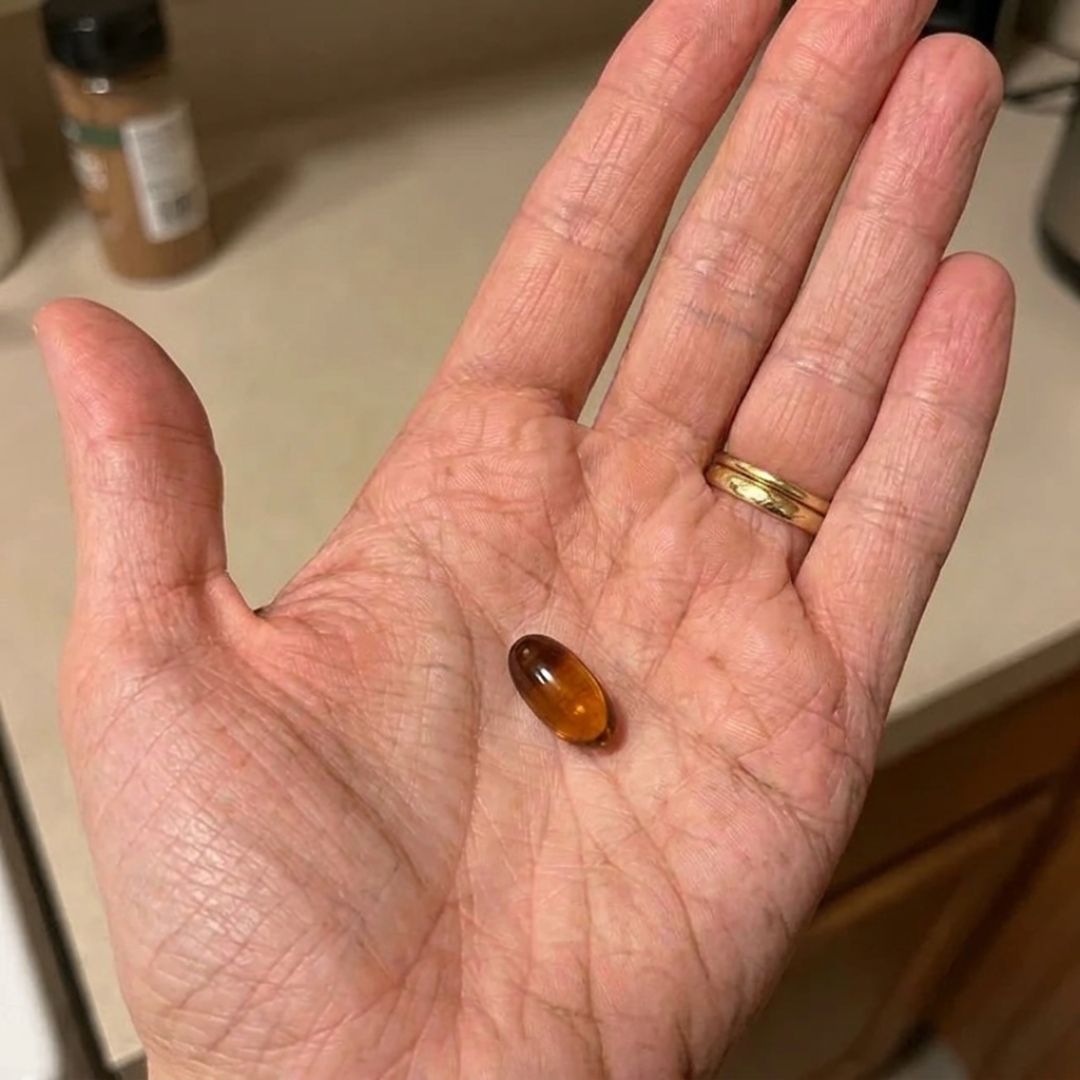
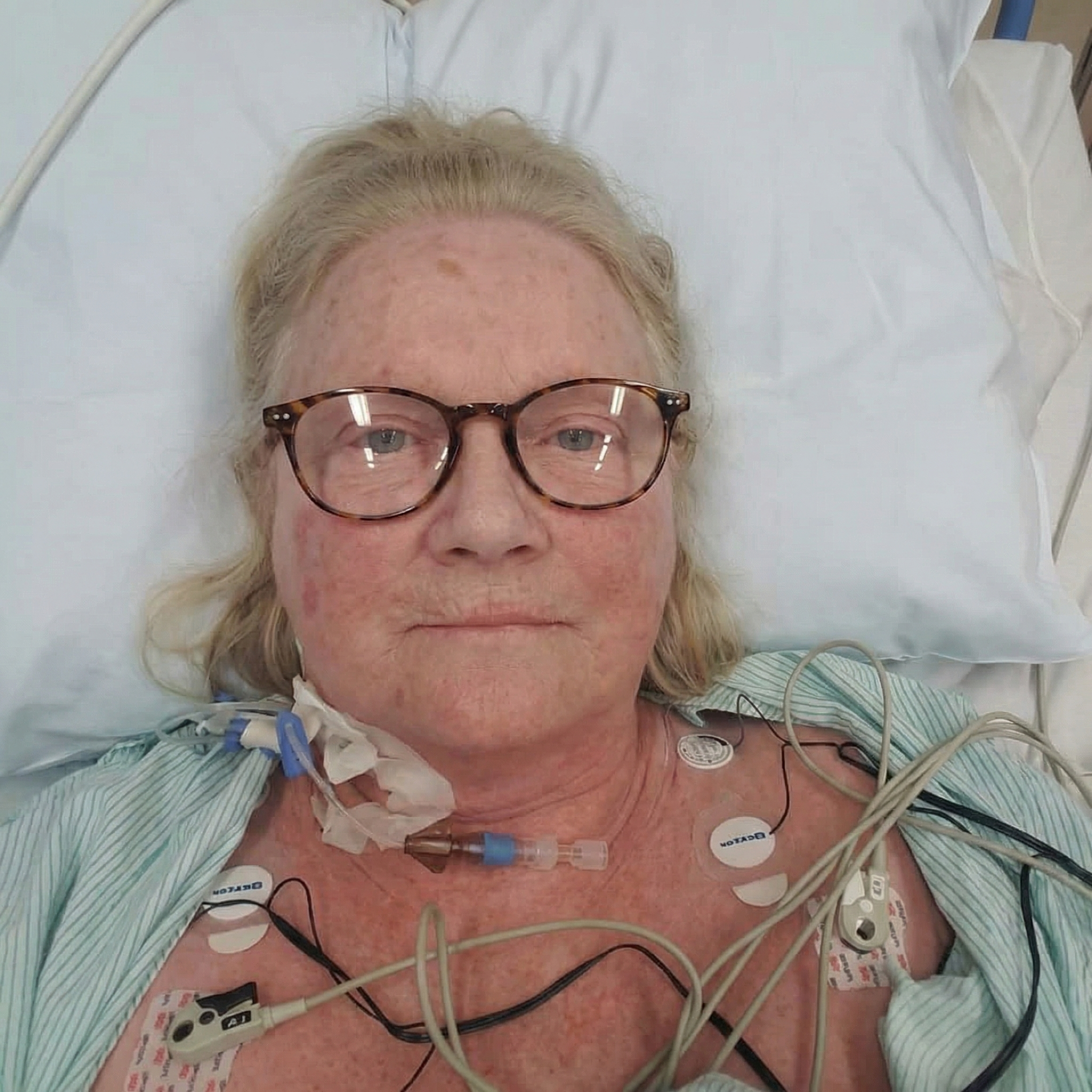
"My daughter sat me down and told me she was putting me in a care home, and what happened next nearly killed me. Literally. Hello, my name is Caroline. I'm a 63-year-old grandmother of four. And right here in this post, I'm going to share the most devastating conversation of my entire life... and what happened immediately after that almost ended it. So let me start from the beginning. I wasn't always like this. In my forties and early fifties, I was active. I walked the dog every morning. I did the garden at weekends. I kept up with my grandchildren. I wasn't running marathons — I was just living my life, moving through it the way you do. I'd wake up a bit achy some mornings, but I thought nothing of it. That's just what happens, isn't it? You get a little stiff, you stretch, you carry on. Then around 55, my right knee started giving me trouble. Not badly at first. Just a twinge going down stairs. A bit of stiffness in the morning that took longer and longer to shake off. My doctor said it was wear and tear and gave me some ibuprofen. I stopped the morning walks because the knee would swell up afterwards. Then my left hip started. A deep ache that radiated down my thigh. Some days I couldn't sit in a car for more than twenty minutes without it seizing up. I stopped doing the garden. Kneeling was out of the question, and even standing too long made my back scream. My fingers started swelling in the mornings. Stiff, puffy knuckles that took an hour to loosen. Some days I felt like I'd been hit by a truck before I'd even had my coffee. I tried turmeric because my friend Janet swore by it. I tried omega-3 capsules. I tried glucosamine pills the size of horse tablets. Nothing made much difference. I went back to my doctor. He looked at my chart, looked at my age, and gave me the same answer: ""It's wear and tear, Caroline. Welcome to your sixties."" He wrote me another prescription for ibuprofen and sent me on my way. By 58, I wasn't really doing much at all. Not by choice. Because everything I used to do now cost me two or three days of pain afterwards. And that's when the weight started creeping on. Thirty pounds. Then forty. Then I stopped stepping on the scale because I couldn't face the number. I wasn't eating more. If anything, I was eating less. But my body seemed to be hoarding every calorie like it was preparing for a famine. I'd look in the mirror and not recognize myself. This wasn't me. This heavy, tired, stiff woman staring back — she wasn't who I was. But she was who I'd become. I went to my doctor. Told him I was gaining weight despite eating less than I ever had in my life. He looked at my chart, looked at my age, and said the words I'd hear a hundred times: ""Your metabolism slows down as you get older, Caroline. It's perfectly normal. Try to keep active and watch your portions."" Keep active. With knees that swell and a hip that locks and a back that punishes me for standing too long. Thanks. Very helpful. So I did what you do. I tried harder. I cut carbs. Gained weight. I cut portions. Gained weight. I tried the diet from the magazine. Gained weight. I ate nothing but soup for two weeks. Gained weight. Every Monday was a fresh start. Every Friday was the same disappointment. Every month, my clothes got tighter and my hope got smaller. I was eating less than I'd ever eaten in my life. Watching every single thing I put in my mouth. And the scale kept going up. Do you know what that does to you? When you're starving yourself, you're exhausted all the time, you're craving sweets every evening, and your body just refuses to respond? You start to think there's something fundamentally broken inside you. I had bloodwork done. Thyroid? Normal. Blood sugar? Normal. Everything? ""Normal for your age."" Everything was always ""normal for my age."" I wanted to scream. At 60, I gave up. Not dramatically. Just quietly. I stopped weighing myself. Stopped starting new diets on Monday. Stopped taking the turmeric and the omega-3s — they weren't doing anything anyway. Started accepting that this was just my body now. That the woman I used to be was gone and this heavier, slower, stiffer version was who I'd be for the rest of my life. My daughter Sarah said she didn't mind. ""You're still you, Mom."" Sweet girl. But I minded. Here's the thing about losing your body gradually — you don't notice the accumulation. First it was Sarah picking up the heavy groceries for me. ""I'm going to the store anyway, Mom. I'll drop yours off."" Then she started driving me to my doctor appointments. ""It's no trouble. I'm in the area."" Then she was coming over on trash day because I couldn't wheel the cans to the curb without my back flaring. Then she was cleaning my bathroom because I couldn't kneel to scrub the tub. Then she was cooking meals in batches and bringing them over because standing at the stove for more than ten minutes made my hip seize. Each thing was so small on its own. So reasonable. So gradual. I didn't see what was happening. I just thought my daughter was being kind. She was. But she was also watching her mother disappear. And then one Thursday afternoon — and this is the part that changed everything — Sarah came over with the groceries. She put the bags on the counter. Started the coffee maker the way she always did. Set out two mugs. But she didn't start unpacking the bags. She pulled out a chair at the kitchen table and sat down. Her face looked different. She looked nervous. She looked like she'd been rehearsing what she was about to say. She told me we needed to talk. The way she said it made my stomach drop. I sat down across from her, my heart already racing. She couldn't look me in the eye at first. She stared at the table. Then she took a breath. She said she'd been thinking about this for months. That she'd been worried about me. That she'd noticed things getting harder — the stairs, the bath, getting out of chairs. That she'd been coming over more and more, and she didn't mind, she really didn't, but she wasn't always going to be ten minutes away. Her husband David had been offered a job. In Denver. They were seriously considering it. And she said — and I can still hear every word — ""Mom, I've been looking at places. Places where you'd have real support. Where you wouldn't have to struggle with everything on your own."" I stared at her. A care home. My daughter, my Sarah, was telling me she was putting me in a care home. At 63 years old. Time stopped. I remember sitting there, gripping the edge of the kitchen table, trying to process what I'd just heard. My mind raced. Was I really that bad? Had it really come to this? I still made my own coffee. I still watched my shows. I still... what? What did I actually do anymore without help? The answer hit me like a wall. Almost nothing. And then, as that realization sank in, something happened. Something physical. A wave of dizziness slammed into me without warning. My vision blurred. I pushed back from the table and tried to stand — I don't know why, maybe to prove I could, maybe just to move, maybe to get away from what she'd just said. My right knee locked. My left hip buckled. I reached for the counter to steady myself but my hand missed. And then I was falling. I hit the kitchen floor hard. My shoulder. My hip. The side of my face against cold tile. I lay there, winded, disoriented, the fluorescent light above me swimming in circles. I could hear Sarah screaming. ""Mom! MUM! Oh God—"" I tried to get up. I put my hands flat on the tile and pushed. My arms shook. My legs wouldn't engage. I couldn't lift myself. I was on my own kitchen floor and I could not get up. Sarah was on her knees beside me, one hand on my back, the other fumbling for her phone. ""Don't move, Mom. Don't try to move. I'm calling an ambulance."" I wanted to tell her I was fine. That I'd just lost my balance. That she didn't need to call anyone. But the room was going dark around the edges. Her voice sounded distant, like she was underwater. Then everything went black. The next thing I know, I'm waking up in a hospital bed. Bright lights. Beeping machines. That chemical smell. Wires attached to my chest. A clip on my finger. A brace around my left wrist. Sarah was in a chair beside me, her eyes red and swollen from crying. David was standing behind her with his hand on her shoulder. I had no idea how long I'd been there. Sarah saw my eyes open and grabbed my hand. ""Mom, oh thank God. You've been out for hours."" A few minutes later, a woman in a white coat walked in. She introduced herself as Dr. Sarah Langston, a specialist in metabolic and inflammatory medicine. I looked at her, confused and frightened, and asked what happened. Why was I in the hospital? I just fell. People fall. Dr. Langston pulled up a chair next to my bed and spoke calmly but directly. She told me I'd fractured my left wrist in the fall and hit my head hard enough to lose consciousness. They'd run a CT scan to check for brain bleeding — thankfully clear — but in the process, they'd run additional imaging and bloodwork. And what they found concerned her. She said the fall itself wasn't the main issue. The main issue was WHY I fell. She said my bone density was significantly below where it should be for a woman my age. My muscle mass — particularly in my legs, hips, and core — was severely depleted. My balance and proprioception scores were in the bottom percentile. But there was something else. My bloodwork showed chronic inflammatory markers that were far above where they should be. C-reactive protein elevated. Interleukin-6 elevated. Markers she said should have been flagged years ago. She looked at me and said: ""Caroline, I believe the inflammation is what started everything."" I had no idea what she meant. Then she said something I'll never forget. She said: ""Even if your daughter hadn't told you about the care home... even if you'd just been having a normal Thursday... that fall was coming."" She said it could have happened getting out of my car. Stepping off a curb. Reaching for something on a high shelf. Standing up too quickly from the couch. ""Your body has been losing the ability to support itself for years. What happened in your kitchen wasn't bad luck. It wasn't the shock of the conversation. It was inevitable. And the reason it was inevitable is something that's been quietly driving everything for nearly a decade."" At this point I was still confused. Because in my mind, I might be 63 years old and overweight, but I'm not an invalid. I'm not someone who falls. I'm not frail. I still live on my own. Or so I thought. Because upon hearing me say that, Dr. Langston nodded slowly — like she'd had this conversation a hundred times — and asked if she could explain what was actually happening inside my body. I nodded. She asked me how long I'd been dealing with joint pain. I told her years. Since my mid-fifties. She asked me when I'd stopped being physically active. I told her around the same time. Because of the joints. She nodded again, like she'd expected that exact answer. Then she told me to bear with her, because what she was about to explain is something most doctors never tell their patients. She said: ""Caroline, every single week I see women in their 50s, 60s, and 70s get brought into this hospital. Broken hips. Fractured wrists. Head injuries. Some of them never walk properly again. Some of them go from their own home to a care facility and never come back. And the vast majority of them have one thing in common: years of unchecked chronic inflammation."" I stared at her. Inflammation? I thought that was just a buzzword. Something you see on supplement labels and health blogs. She could see my confusion. She said: ""Bear with me. Let me walk you through what's been happening to you."" She held up one finger. ""It starts with inflammation. Not the kind you get when you cut your finger — that's temporary, that's healthy. I'm talking about chronic inflammation. The kind that never switches off."" She explained that the immune system is designed to respond to threats — an infection, an injury, a toxin. It sends out inflammatory molecules called cytokines and prostaglandins to deal with the damage. Once the threat passes, the inflammation is supposed to shut off. But for most people over 40, the inflammation never shuts off. Modern life keeps it switched on permanently. Processed food loaded with refined sugars and seed oils damages the lining of your blood vessels — and your immune system interprets that damage as an injury, so it sends inflammatory signals to ""fix"" it. Chronic stress floods your body with cortisol, which keeps your immune system on high alert, continuously pumping out cytokines as if you're under attack 24 hours a day. Poor sleep prevents your body from clearing out inflammatory waste. During deep sleep, your body is supposed to flush out inflammatory molecules and reset your immune response. Without enough sleep, that cleanup never happens. Environmental toxins — from polluted air to household chemicals — enter your bloodstream, and your immune system attacks them with more inflammatory signals. Because these triggers are constant rather than temporary, the inflammatory response never shuts off. Your body gets stuck in attack mode. ""And THAT,"" Dr. Langston said, ""is where your problems began."" She held up a second finger. ""When chronic inflammation stays active for years, it attacks your joint tissue. Not wear and tear, Caroline. Active immune destruction. The cytokines that are supposed to be protecting you are instead breaking down the cartilage in your knees, the tissue in your hips, the discs in your spine. Your joints aren't wearing out from use. They're being destroyed by your own immune system."" I sat there, stunned. My doctor had told me for years it was wear and tear. Normal aging. She was telling me it was an immune attack. She continued. ""When your joints start hurting — and for most women this begins in their late forties or early fifties — the natural response is to move less. You stop the morning walks because the knee swells afterwards. You stop the garden because kneeling is agony. You stop taking the stairs because the hip can't handle it. You're not being lazy. You're protecting yourself from pain caused by inflammation. But here's what nobody tells you about what happens next."" She said when the body stops moving, the metabolism doesn't just slow down. It goes into hibernation. She explained it like this: the human metabolism is adaptive. It adjusts its energy burn rate based on how much movement the body is doing. When you're active — walking, gardening, climbing stairs — your metabolism runs at a level that matches that activity. It burns fuel because you're using fuel. But when you stop moving — not because you chose to, but because your joints forced you to — your metabolism interprets the inactivity as a signal. Not a signal that your knees hurt. A survival signal. It reads the sudden drop in movement as: ""Something is wrong. Conserve energy. Prepare for the worst."" So it lowers your basal metabolic rate. Dramatically. Your body starts burning fewer calories at rest. Then it increases fat-storage efficiency. The same meal that used to pass through your system now gets converted to fat and locked away. Your body is hoarding energy because it believes a crisis is happening. And then — this is the part that made my jaw drop — it ramps up your cravings for sweets and high-calorie food. Not because you're weak. Not because you lack willpower. Because your brain is receiving chemical signals that say: ""We need more energy reserves. Eat more. Store more."" Dr. Langston looked at me and said: ""Every evening when you crave cookies or chocolate and hate yourself for giving in — that's not a character flaw. That's your metabolism, in survival mode, screaming at you to feed it."" She said this is metabolic hibernation. And it's the reason every diet I'd ever tried had failed. Because every time I cut calories, my body didn't think ""oh good, we're losing weight."" It thought: ""FAMINE. We're already in crisis mode and now there's no food either."" So it dug deeper into hibernation. Lowered the metabolic rate even further. Stored fat even more aggressively. Ramped the cravings up even higher. She said: ""Every diet you ever tried didn't just fail. It trained your metabolism to become better at hoarding fat. The more times you've dieted, the deeper the hibernation."" She used an analogy that made my stomach turn. ""It's like pouring water on a grease fire. Water seems like it should help. It's what you'd do for any other fire. But grease fires are different. The water explodes on contact and sprays burning oil everywhere. You haven't put out the fire. You've made it worse. That's what dieting does to a metabolism in hibernation. It seems like the right move. It makes it catastrophically worse."" I sat there staring at her. Sarah was gripping my hand. That explained the weight. Years of it. But then Dr. Langston said there was another layer. And this is the part that makes the cycle so vicious. She told me that fat tissue isn't passive. Fat doesn't just sit there. Fat is an active inflammatory organ. She said: ""The more weight you gain, the more inflammatory molecules your fat cells produce. Cytokines. The same molecules that are destroying your joints. Your fat tissue is literally feeding inflammation back into your system."" She let that sink in. ""So now the cycle tightens. Chronic inflammation destroyed your joints. The joint pain forced you to stop moving. The inactivity put your metabolism into hibernation. The hibernation added the weight. And now the weight itself is producing MORE inflammatory molecules — feeding MORE inflammation back to your joints. Making them worse. Making you move less. Making the hibernation deeper. Making the weight harder to lose. Making the inflammation worse."" She looked me in the eye. ""The cycle doesn't just continue, Caroline. It accelerates. Every year, the loop gets tighter."" I felt sick. But she wasn't finished. She said there were three more things happening simultaneously. All caused by the same cycle. First: my muscles were atrophying. She explained that muscles need to be used to maintain themselves. When they're not loaded, not activated, not working — they break down. The body reabsorbs the tissue. She said the technical term is sarcopenia — age-related muscle loss. But in her experience, it has almost nothing to do with age and everything to do with inflammation-driven inactivity. ""Women come in here and I test their leg strength. Women in their sixties with the muscle mass of a woman in her eighties. Not because they're old. Because they haven't walked properly in five years. Because their joints wouldn't let them. Because inflammation wouldn't let their joints let them."" And chronic inflammation makes it worse. She said inflammatory signaling directly interferes with muscle protein synthesis — the body's ability to build and maintain muscle tissue. So it wasn't just the inactivity breaking down my muscles. The inflammation itself was attacking them too. Second: my bone density had dropped significantly. Bones need load-bearing movement to maintain themselves. Every time you walk, climb stairs, stand and move — microscopic stress signals travel through your bones and tell them to stay strong. To keep rebuilding. To maintain density. When you stop moving, those signals stop. And your bones quietly begin to thin. But again — inflammation makes it worse. She said cytokines activate cells called osteoclasts that actively break down bone tissue. My immune system wasn't just causing inactivity that thinned my bones. It was directly attacking my bones at the same time. ""You don't feel it,"" she said. ""Bone loss is completely silent. You don't wake up one morning and think 'my bones are thinner today.' You find out when you fall and something breaks that shouldn't have broken."" Third: my proprioception — my body's sense of where it is in space, its ability to balance, to correct itself mid-step — had deteriorated. She explained that balance isn't a fixed ability. It's a skill your body maintains through constant micro-adjustments. Tiny muscle activations, sensory signals from your feet, feedback loops between your inner ear and your brain. All of this requires regular movement to stay calibrated. When you sit for years, those systems don't just pause. They degrade. ""Think of it like a pilot who hasn't flown in five years,"" she said. ""Technically they know how to fly. But their reflexes are gone. Their instrument readings are off. Their reaction time has doubled. Put them in turbulence and they can't respond fast enough."" She looked me in the eye. ""That's your body, Caroline. Your muscles can't hold you. Your bones can't absorb a fall. Your balance can't save you from one. You stood up from that kitchen table and everything failed at once."" She paused. ""This isn't ageing. This is a cycle. And the cycle starts with chronic inflammation. Inflammation destroyed your joints. Your joints stopped your movement. The inactivity collapsed your metabolism and added the weight. The weight fed more inflammation back to your joints. The inactivity atrophied your muscles, thinned your bones, and destroyed your balance. Every year it's been getting worse. And what happened in your kitchen was the first time you felt it all catch up."" She paused again. ""But it won't be the last. Unless you break the cycle at the root."" I lay there, trying to process everything she'd just told me. And all I could think was: my mother. My mother had a fall at 67. Broke her hip. She had the surgery but she never walked properly again. She was in a care home by 69. She died there at 74. My grandmother. Same thing. Fall at 65. Walker by 66. Home by 70. Everyone in our family said it was just what happens. You get old. Your body gives out. It's in the genes. I said this to Dr. Langston. She shook her head. She said it wasn't genes. It was the cycle. The exact same cycle. ""Your mother likely had the same chronic inflammation. She had the same joint pain. She stopped moving. Her metabolism collapsed. Her muscles wasted. Her bones thinned. And she fell. Nobody ever checked her inflammatory markers. Nobody connected her joint pain to her weight gain to her muscle loss to her balance failure. They treated each piece as a separate problem. They're not separate. They're one cycle. And the cycle is driven by one thing: chronic inflammation that was never addressed."" She said: ""Your mother didn't end up in a care home because she was old. She ended up there because the cycle was never broken. Her doctor treated her knee pain with painkillers. Told her to lose weight. When she fell, they did the hip surgery and sent her to rehab. But nobody ever addressed the inflammation driving the CYCLE. Nobody connected the pieces."" She told me the only reason she understood this connection was because she'd spent fifteen years watching women come through her hospital. And too many of them never went home. So she'd started doing her own research. Studying the link between chronic inflammation, joint-driven inactivity, metabolic adaptation, and musculoskeletal collapse. Reading immunology journals, metabolic studies, geriatric fall prevention research. And that's where she found the cycle. Documented across dozens of studies. Affecting millions of women. Barely discussed in standard clinical practice. After hearing all that, I lay there in that hospital bed, completely overwhelmed. Sarah squeezed my hand and I could feel her shaking. All I could think was: I'm 63 years old. My mother was 67 when she fell. My grandmother was 65. I'm already in the cycle. I might have even less time than they did. I asked Dr. Langston what I needed to do. She pulled her chair closer and said there were two things that needed to happen simultaneously if I wanted to break the cycle and protect myself from what happened to my mother. She held up one finger. ""First, you need to calm the chronic inflammation. The cytokines, the enzymes, the free radicals — they're the fire. They've been destroying your joints, collapsing your metabolism, wasting your muscles, thinning your bones for years. You need to put that fire out. Otherwise the cycle keeps tightening. The inflammation keeps attacking your joints, your joints keep you inactive, the inactivity keeps your metabolism in hibernation, and the weight keeps producing more inflammation."" Then she held up a second finger. ""Second, you need to restore your cells' ability to absorb energy properly. Your cells have been bombarded by inflammatory signals for so long that they've become resistant to the very hormones trying to help them. They're like a locked door. Nutrients and fuel are piling up on the outside. Your cells are starving even while they're surrounded by energy. You need to unlock that door so your metabolism can finally start working with you again instead of against you."" Then she said the part that changed everything for me. ""Caroline, you need BOTH. One without the other doesn't work."" I asked her what she meant. She explained it with an analogy I will never forget. ""Imagine a flooding river and a broken dam. If you reduce the flood but the dam is still cracked — it will fail eventually anyway. But if you repair the dam without reducing the flood — the pressure builds until it breaks again. You need to reduce the flood AND repair the dam. At the same time."" She said: ""The flood is chronic inflammation. Every meal, every sleepless night, every stressful day is sending more inflammatory signals through your body — overwhelming your cells and keeping the cycle turning. The broken dam is what happens to your cells after years of that inflammatory assault. They stop responding properly. They resist the signals that are supposed to help them absorb and use energy. The door stays locked. Calm the inflammation but leave the cellular resistance untouched — your cells are still locked. The fire goes down but the door won't open. Open the cellular door but leave the inflammation active — you're flooding a repaired dam. The pressure will break it again."" I understood immediately. She said both problems needed to be addressed at once. And she told me there's one natural compound that does both. I asked her what it was. She said: ""Ceylon cinnamon."" I almost laughed. Cinnamon? The spice? She told me she gets that reaction every time. But then she explained why, and it made complete sense. She said Ceylon cinnamon contains two things that work together in a way no other single food or supplement does. The first is cinnamaldehyde. Cinnamaldehyde is the compound that gives cinnamon its distinctive smell and taste. But it does something remarkable inside the body. It contains a molecule called MHCP — methylhydroxychalcone polymer — that directly mimics the action of insulin. It activates the same cellular doorways that insulin is supposed to unlock, allowing energy to flow into cells even when years of inflammation have made those cells resistant. Dr. Langston said: ""That's the dam being repaired. Your cells can finally absorb energy the way they're designed to. The door unlocks. Your metabolism starts receiving the signal that things are safe — and the hibernation begins to lift."" The second thing in Ceylon cinnamon is its polyphenols. Ceylon cinnamon is extraordinarily rich in antioxidant polyphenols — specifically proanthocyanidins and other compounds — that do something your own immune system has been failing to do for years. They block the specific enzymes and proteins that keep chronic inflammation switched on: COX-2, which produces the prostaglandins driving constant pain and swelling; and NF-kB, the master protein that activates cytokine production and keeps your immune system stuck in permanent attack mode. By blocking these pathways, cinnamon polyphenols reduce the production of the inflammatory messengers that have been destroying your joints, your muscles, and your bones for nearly a decade. Dr. Langston said: ""That's the flood being reduced. The inflammatory assault on your joints, your tissues, your cells — it starts to ease. The fire comes down."" She leaned back and said: ""Cinnamaldehyde repairs the dam. The polyphenols reduce the flood. Ceylon cinnamon does both. From one source."" She said: ""When the inflammation calms, your joints stop being attacked. When your joints stop being attacked, movement becomes possible again without punishment. When movement restarts, your metabolism receives the safety signal. The hibernation begins to lift. Your body starts releasing the fat it's been hoarding. The weight comes down. And as the weight drops, the fat tissue stops producing those extra inflammatory molecules. The cycle that's been tightening for years starts to reverse."" I asked her about the things I'd already tried. What about ibuprofen? I'd been taking that for years. Dr. Langston nodded. She said NSAIDs like ibuprofen block the COX enzyme, which cuts off prostaglandin production and reduces pain. And yes, the pain goes away. Quickly. But NSAIDs only block ONE pathway. And they come with devastating side effects over time — stomach ulcers, kidney damage, increased cardiovascular risk. And here's the critical problem: NSAIDs cannot unlock your cells. They cannot reverse cellular resistance. They cannot restart your metabolism. They cannot break the cycle. ""They silence the alarm,"" she said, ""but the fire keeps burning."" She said women are prescribed ibuprofen for their joint pain, and they feel better, so they think the problem is handled. Meanwhile, the chronic inflammation is still running the cycle. The joints are still being destroyed. The metabolism is still in hibernation. The muscles are still wasting. The bones are still thinning. And the fall is still coming. Then I asked about turmeric. I'd been taking that for months before it stopped seeming to do anything. Dr. Langston nodded. She said turmeric — specifically curcumin — does address some cytokine production. It has legitimate anti-inflammatory properties. But it only works on part of the inflammatory signaling side. It cannot unlock your cells. It cannot reverse the cellular resistance that years of inflammation have created. She said: ""Turmeric can help reduce the flood. But it can't repair the dam."" What about omega-3s? I'd taken those too. She said omega-3 fatty acids can reduce some oxidative stress and lower certain inflammatory markers. But they can't unlock cellular resistance. They can't restart the metabolic signal that tells your body to release stored fat. They can't reactivate the energy pathways your cells have been shutting down for years. Same problem. Working on one half. Missing the other. What about glucosamine? My doctor had recommended that for my joints. Dr. Langston said glucosamine can help rebuild cartilage in joints. But it does absolutely nothing for the inflammatory cascade driving the destruction. It does nothing for the cellular resistance. Nothing for the metabolic hibernation. Nothing for the muscle loss or bone thinning. ""It treats the symptom in your knee,"" she said, ""while the cycle keeps tightening around you."" What about dieting? Eating less? She looked at me directly. ""Every diet you've ever done has dug your metabolism deeper into hibernation. It was the wrong tool for the wrong problem. Pouring water on a grease fire. You need to stop dieting permanently."" What about exercise? Just forcing myself to move more? She paused on that one. She said exercise is wonderful for people with healthy joints. For me, it was a trap. I'd tried walking programs. My knee swelled. My hip flared. I stopped. ""That's not failure,"" she said. ""That's your body telling you it can't handle the impact while the inflammation is still active. Your joints are under immune attack. Loading them with weight-bearing exercise while they're inflamed doesn't heal them — it damages them further. You stop because of pain, and you're right back in the cycle."" She said: ""None of them address both sides, Caroline. You need something that calms the inflammation AND unlocks the cells that have been resisting for years. You need both. Ceylon cinnamon is the only thing I've found that does both. From one compound."" But then she held up a finger and said there's a problem. She said most Ceylon cinnamon supplements on the market are essentially useless. I asked why. She explained three issues. First: it's often not even real Ceylon. She said ConsumerLab found that some products labeled as Ceylon cinnamon contained significant coumarin — meaning they were actually Cassia cinnamon in disguise. Cassia contains up to 250 times more coumarin than Ceylon, a compound linked to liver damage with regular use. Without a published Certificate of Analysis from an independent lab verifying coumarin levels, you have no way of knowing what's actually in the capsule. ""You might be taking the right idea,"" she said, ""and slowly damaging your liver."" Second: dosage. She said most cinnamon supplements on the market contain 500 to 1,000 milligrams of raw powder. But clinical research on inflammatory and metabolic benefits uses doses equivalent to 3,000 to 7,200 milligrams of whole cinnamon. A quality 12:1 concentrated extract — where twelve parts of cinnamon are reduced to one — delivers 7,200 milligrams equivalent in a single softgel. At 500 milligrams of raw powder, you're not getting anywhere near the concentration of cinnamaldehyde and polyphenols needed to meaningfully suppress the inflammatory cascade or activate the MHCP pathway in your cells. She said: ""It's like trying to put out a house fire with a cup of water. Technically the right idea. Completely inadequate execution."" Third: absorption. The active compounds in Ceylon cinnamon — particularly the polyphenols and cinnamaldehyde — are fat-soluble. In a dry powder capsule, a large proportion passes through your digestive system without being absorbed at all. Research shows that delivering these compounds in a fat-based carrier improves bioavailability by up to two and a half times. The right format matters as much as the right dose. I asked her what I should take. She told me there's one brand she's found that gets all three things right. A 12:1 concentrated Ceylon extract — delivering 7,200 milligrams equivalent per softgel. Suspended in MCT oil for maximum absorption — so the cinnamaldehyde and polyphenols actually reach your cells instead of passing straight through. Third-party tested for coumarin with published results. Verified True Ceylon. No guessing. She said she takes it herself every morning. She recommends it to her patients. She gives it to her own mother, who had the same cycle three years ago. Then she wrote the name on a piece of paper and handed it to Sarah and told her to order it for me as soon as I was discharged. It's called Metabolae Ceylon Cinnamon. 7,200mg equivalent. One softgel daily. She said it's not something you'll find in a CVS or Walgreens. So Sarah would have to order it online. But she told me this is essential for any woman over 45 dealing with chronic inflammation who wants to break the cycle before it puts her in a care home or worse. She could prescribe anti-inflammatory medications to manage symptoms, but unless I addressed the root cause — the chronic inflammation driving the entire cycle — it would happen again. And next time, it might not be a wrist. Sarah ordered it for me the day I was discharged. The bottles arrived three days later, with instructions to take one softgel daily with food. I started that evening. And here's what happened in the first eight weeks: Week 1: I took the first softgel with dinner. Easy to swallow — no aftertaste, no stomach issues, which I always got with ibuprofen and turmeric. Nothing dramatic happened that first week, but I was committed. Dr. Langston said to give it time. The polyphenols need to start breaking the inflammatory cycle, and the MHCP needs to build up in your system. So I took it religiously. Week 2: The morning stiffness was less. Not gone — but less. My knees didn't scream when I got out of bed. I could grip my coffee mug without wincing. I wasn't thinking about my joints constantly — which, when you've been in pain for years, is its own kind of miracle. I slept through the night for the first time in months. And the brain fog — that thick, heavy feeling behind my forehead that I'd been living with for years — was starting to clear. Week 3: I noticed something I hadn't expected. My cravings for sweets in the evening were fading. Not through willpower — I wasn't fighting them. They just... weren't as loud. I didn't reach for cookies after dinner one night and only noticed because it was unusual. The heavy, exhausted feeling that had been sitting on me for years was lifting. I felt a surge of energy I hadn't felt since my forties. I even took the dog for a short walk — and felt good doing it. Not exhausted. Not stiff. Good. I stepped on the scale out of curiosity. Four pounds down. I hadn't changed what I was eating. Week 4: I went back to see Dr. Langston for a follow-up. She ran the bloodwork. My inflammatory markers had dropped significantly. The C-reactive protein was coming down. She smiled — genuinely smiled — and said she was very happy with my progress. I put on a pair of trousers I hadn't worn in over a year. They buttoned. Not comfortably — but they buttoned. I walked to the mailbox at the end of my driveway without thinking about it. That sounds pathetic, I know. But I hadn't walked to my mailbox in months. I'd been waiting for Sarah to bring in the mail. Week 6: Sarah came over on Saturday. I made her a cup of coffee. She looked at me strangely. I asked what was wrong. She said: ""Mom, you just stood at the stove for twenty minutes and you didn't sit down once."" I hadn't noticed. I genuinely hadn't noticed. Twelve pounds down. Week 8: I walked to the grocery store on the corner. First time in over a year. There and back. My hip ached a bit on the way home but it was manageable. Not the three-day flare I used to get. Manageable. I told Sarah on the phone that evening. She went quiet. Then she said something I'll never forget: ""I'm so sorry I said what I said about the care home, Mom."" She was crying. I was crying. Seventeen pounds down. It's been four months now. I'm down 26 pounds. Not where I want to be yet — but I'm getting there. And for the first time in eight years, I actually believe I will. But here's what matters more than the number on the scale: I can get out of a chair without grabbing anything. I can walk to the store. I can stand at the stove and cook my own dinner. I take the trash out myself on garbage day. I do my garden again. Not the heavy stuff — but I'm out there. On my knees. In the soil. Something I thought was gone forever. Last week, my granddaughter Lily — she's four — was playing on the living room floor. She held up her arms and said ""Nana, come down here."" I got down on the floor with her. And I got back up. Without grabbing the couch. Without asking for help. Without pain. I nearly cried. Because six months ago, I couldn't have done that. And I thought I'd never do it again. Sarah hasn't mentioned the care home since. Denver is still on the table for David's job. And when she brought it up last week, she said something that made me laugh and cry at the same time. ""I think you'll be fine on your own, Mom. More than fine."" The care home is off the table. I'm telling you this because I nearly lost everything. Not to a disease. Not to an accident. To a cycle driven by chronic inflammation I couldn't see — that shut down my joints, collapsed my metabolism, added the weight, wasted my muscles, thinned my bones, destroyed my balance. And nobody told me. Not my doctor. Not any of the diets. Not the turmeric. Not the magazines. Nobody connected the pieces. My mother wasn't told either. My grandmother wasn't told. And both of them ended up in care homes. I am not going to end up in a care home. So if you're a woman over 45 and you've been dealing with joint pain, weight gain, fatigue, brain fog, stiffness, and the creeping feeling that your body is giving up on you — you need to hear this. It might not be your age. It might not be your metabolism ""slowing down."" It might not be ""wear and tear."" It might be a cycle your body has been stuck in for years — chronic inflammation destroying your joints, forcing inactivity, collapsing your metabolism into hibernation, adding weight that feeds more inflammation — while your muscles waste, your bones thin, and your balance quietly fails. The weight you can see is not the most dangerous part. The muscle loss, the bone thinning, the balance deterioration you CAN'T see — that's what puts you on the floor. Or in a wheelchair. Or in a home. You might not feel it yet. I didn't either. Until I was lying on my kitchen floor and my own legs wouldn't hold me. According to Dr. Langston, the most effective way to break the cycle is to address both sides simultaneously — calm the chronic inflammation AND unlock the cellular resistance that years of inflammatory assault have created. And the only natural compound she's found that does both is Ceylon cinnamon — concentrated, verified, delivered in MCT oil at a clinical dose. That means Metabolae. Now here's the thing. If you were to buy a separate anti-inflammatory supplement, a separate metabolism support formula, a quality turmeric, and a pharmaceutical-grade omega-3 — and still not get both sides covered — you'd be spending upwards of $120 a month. And you'd be swallowing a handful of pills every day, hoping they work together the way research says they should. Metabolae puts the complete dual-mechanism solution into one daily softgel. 7,200mg equivalent of third-party verified Ceylon cinnamon, concentrated 12:1, suspended in MCT oil for up to 2.5 times greater absorption. Both the cinnamaldehyde and the polyphenols intact and bioavailable. A single bottle costs less than what most people spend on ibuprofen and turmeric combined. But right now, for women reading this post, Metabolae is offering a special introductory price that makes it even more accessible. I'm not going to pretend I negotiated some deal. The truth is, after I shared my story with the Metabolae team, they wanted to make it as easy as possible for women dealing with chronic inflammation to try it. So they've set up a special link where you can get Metabolae at a significant discount from the regular price. And because they know that if you're dealing with chronic inflammation, there's a good chance your mother, your sister, or a close friend is dealing with it too — they're including bundle pricing that lets you stock up and share. Click here to check the current pricing and availability. I know they sell out regularly — third-party verified, 12:1 concentrated Ceylon at this quality level isn't mass-produced — so I'd encourage you to check while it's still in stock. And here's what makes this a no-brainer. Metabolae offers a full 90-day money-back guarantee. That means you can try it for 90 days. See if your joint stiffness improves. See if the swelling goes down. See if the brain fog clears. See if you sleep better. See if the cravings quieten. See if the weight starts to shift. See if you wake up with more energy than you've felt in years. And if for any reason you don't feel a difference, they'll refund every penny. No questions asked. 90 days. That's three full months to decide if it works for you. There is zero risk. So don't wait until you're the one on the kitchen floor. Don't wait until your children are having that conversation about you. Don't wait until the cycle puts you in a care home the way it did to my mother and my grandmother. The cycle doesn't stop on its own. It only gets tighter. Every month you wait, the rust goes deeper. But it can be broken. I'm living proof. Take control of your health now. Click the link below to check if Metabolae still has the Ceylon Cinnamon 7,200mg softgels in stock. If they're in stock, grab a supply. You'll be glad you did. I wish I had found this before I ended up on my kitchen floor. I wish my mother had found it before she ended up in that care home. Don't wait until you're the one who can't get up. The cycle can be broken. But only if you break it."
Like this ad? Make it yours.
Crush rebuilds this exact creative around your product — your brand, your colors, your offer — in about a minute.