Blood Pressure Insider
Blood Pressure Insider Facebook ad: “read this if you have hypertension”
Ran for 17 days, from August 25 to September 11, 2026, the last day Crush saw it.
Run by Blood Pressure Insider on Facebook. Crush is not the advertiser and does not verify its claims. See this ad in Meta's Ad Library(opens in a new tab)
Want an ad like this for your product?
Crush makes new ad images for your product from this ad: your logo, your product photo, your offer.
Trials from $19.95 USD, then $79.95 USD a month. Cancel anytime.
About this ad
- Meta Ad Library ID
- 1421766709828755
- Platforms
- Facebook, Instagram, Audience Network, Messenger and Threads
- Relaunches
- 1
Ad text
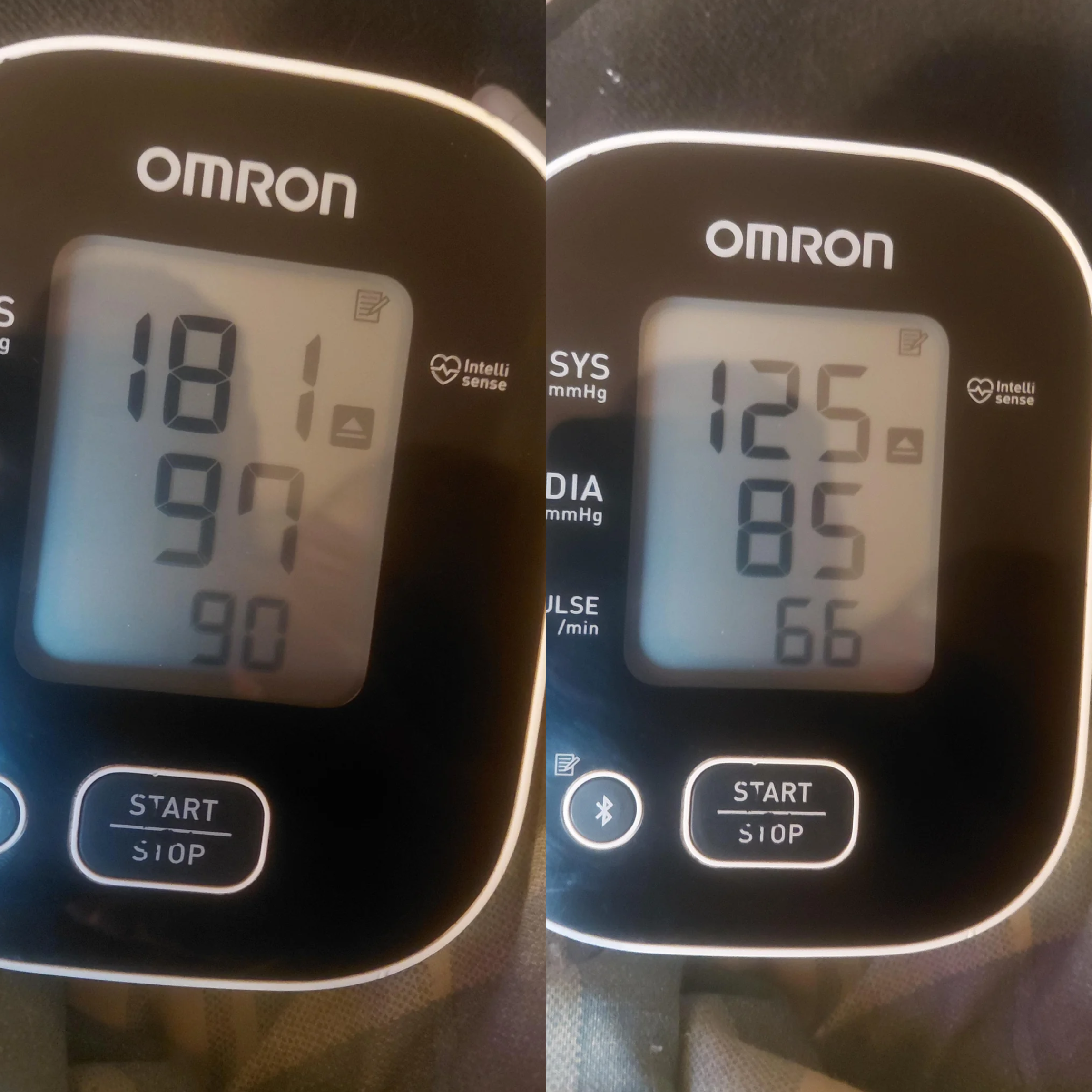
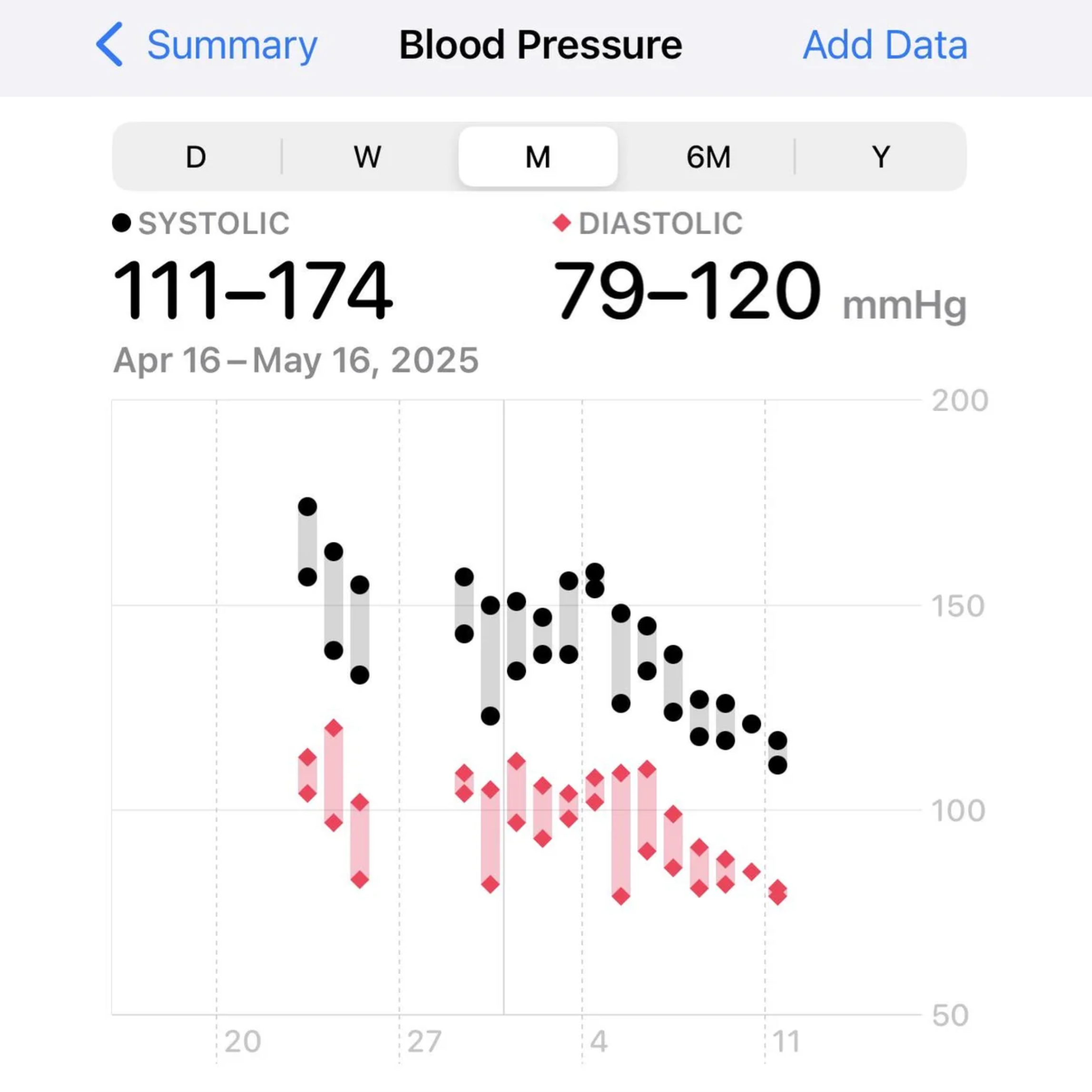
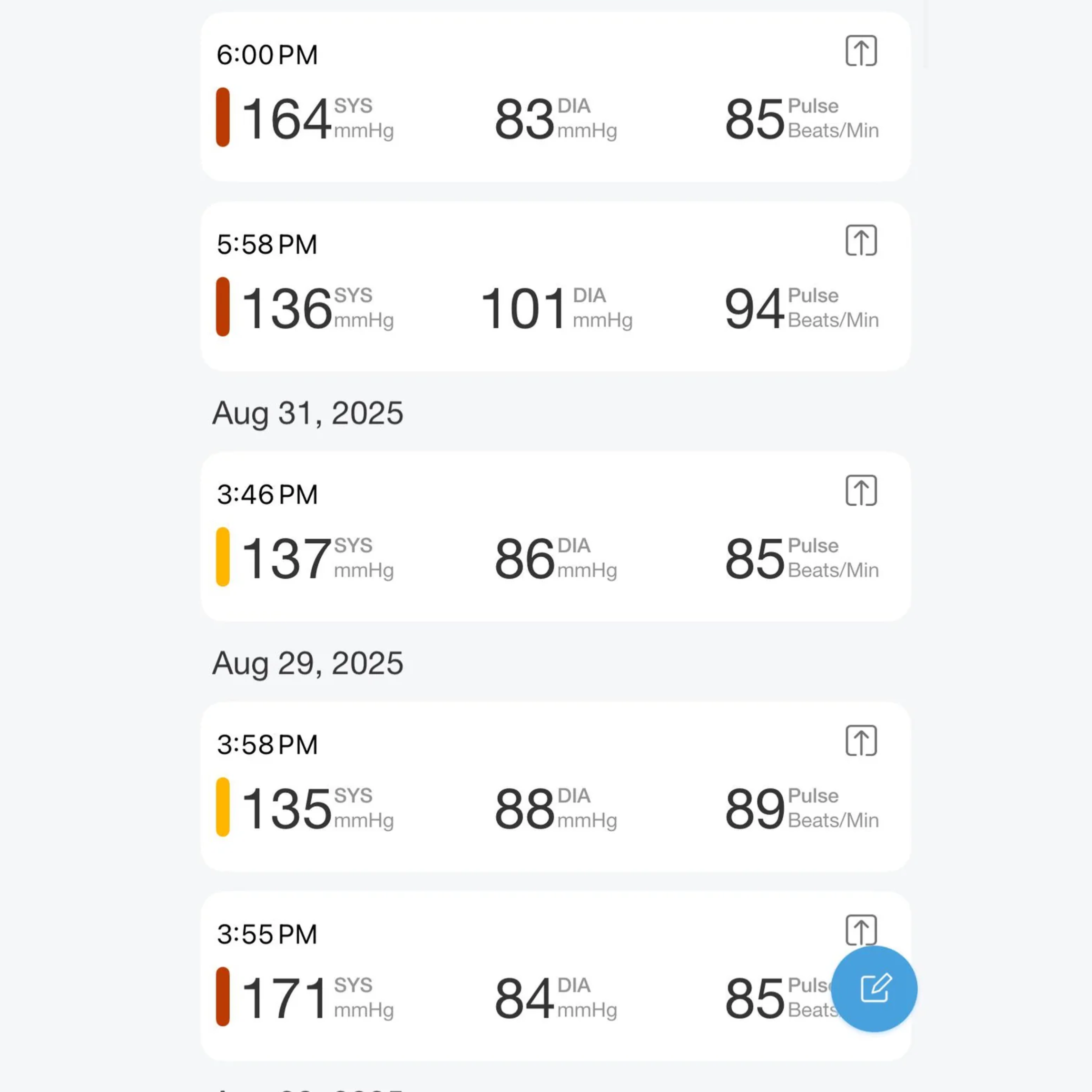
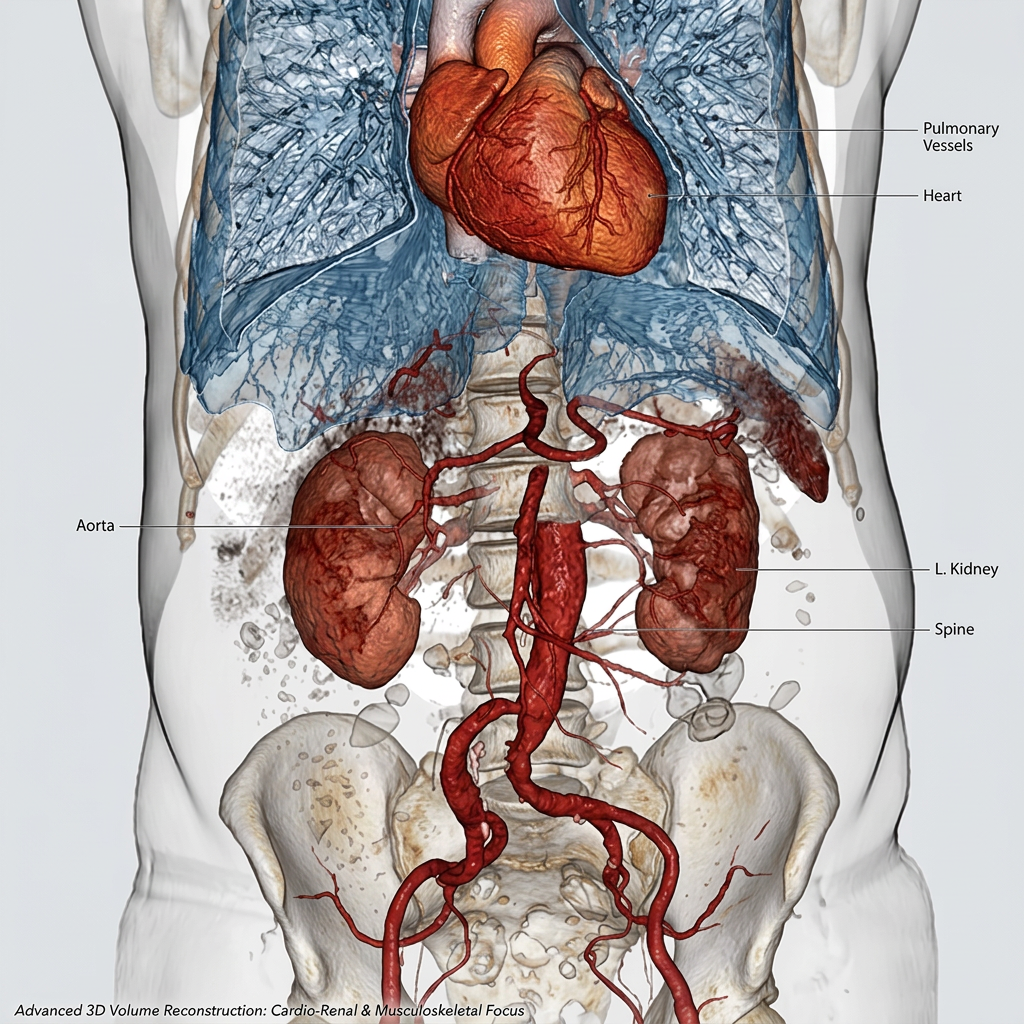
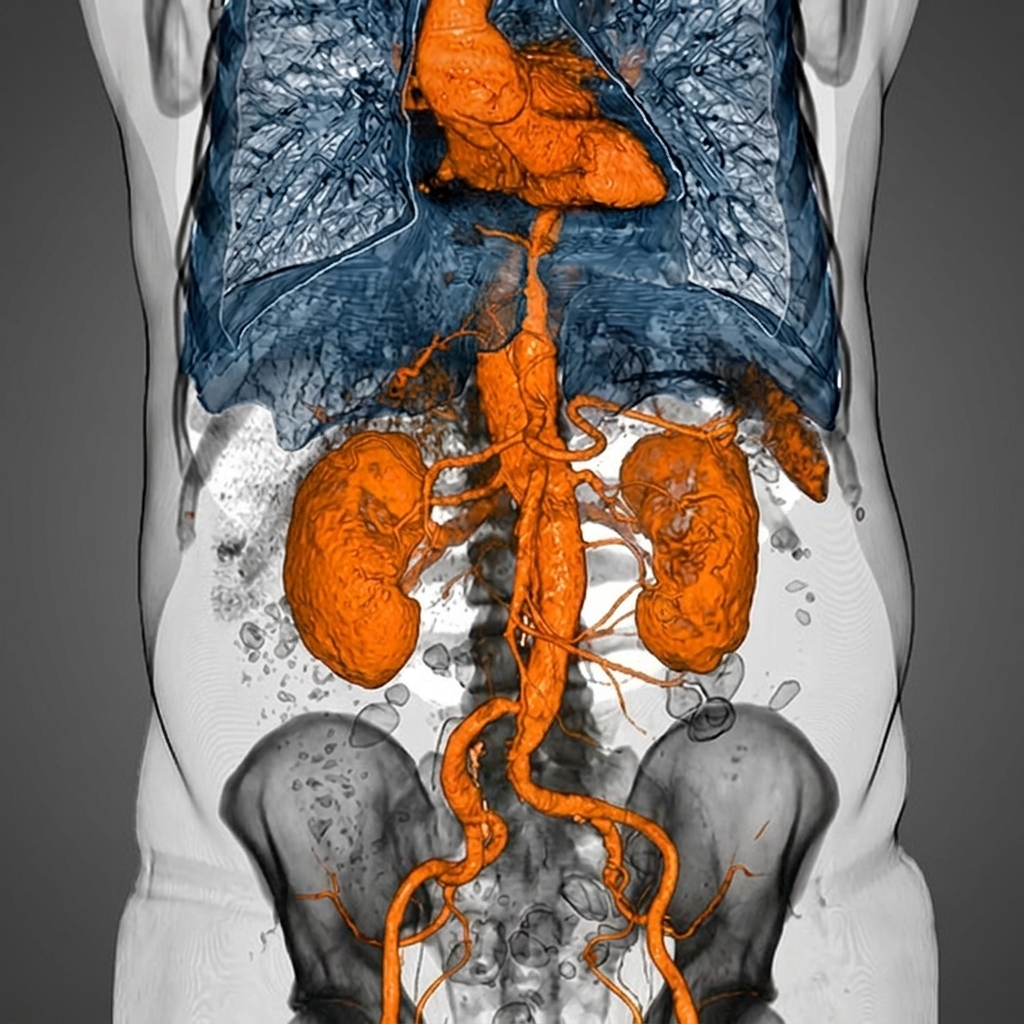
When a man with high blood pressure dies, the coroner doesn't write "high blood pressure" on the death certificate. He writes heart attack. Or stroke. Or kidney failure. High blood pressure is almost never the official cause of death, even though it's almost always the actual one. There is a reason for that, and it has nothing to do with paperwork. It has to do with where high blood pressure does its real damage. And once you understand where, you understand why lisinopril, amlodipine, and the rest of your list have never once "fixed" anyone. And why a Nobel Prize awarded in 1998 may matter more to you, personally, than any pill your doctor has ever prescribed. I want to tell you what high blood pressure actually is. Not the textbook definition. The real one. High blood pressure is a disease of the vessel wall disguised as a disease of numbers. The reading is the symptom you can measure. It's the number on the cuff. It's the thing your chart tracks. It's what every pill in the standard protocol is built to bring down. But the actual damage, the damage that takes kidneys, takes sight, takes memory, takes what happens in the bedroom, and eventually takes lives, is happening one layer underneath. In the lining of the smallest arteries in your body. In a single sheet of cells called the endothelium, wrapping the inside of every vessel you have, from your aorta down to the capillaries feeding your eyes and your kidneys. The endothelium is, by surface area, the largest organ you own. About the size of a tennis court if you laid it flat. And its job is to release a tiny molecule called nitric oxide. The signal that tells your blood vessels when to relax and let blood flow through. Nitric oxide is what keeps your pressure stable. It's what delivers oxygen to your kidneys, your eyes, your brain, and yes, your erectile tissue. When the endothelium is healthy, nitric oxide flows. The vessels stay soft. Your feet stay warm. Your kidneys filter. Your pressure sits where it should without anyone forcing it there. But here's what happens when that lining stops getting what it needs. The raw material for nitric oxide is dietary nitrate, and the modern plate barely carries any. Output falls with age on top of that. The signal fades. The vessels sit tighter. The pressure climbs. And then the pressure becomes the second problem. Year after year of blood slamming through vessels that won't relax scars the very lining that was supposed to relax them. Doctors call it endothelial dysfunction. Rust, basically. It's a loop. The wall tightens, the pressure rises, the pressure batters the wall, the wall tightens more. Blood starts straining through the filters in your kidneys. That is why creatinine creeps up on the lab report nobody explains to you. It strains through the fine vessels behind your eyes. That is why the eye doctor frowns and asks what your pressure is running. It strains through the chambers of erectile tissue, the narrowest vessels in your body. That is why things changed in the bedroom, and why nobody ever connected that to your heart. It strains through the small arteries feeding your heart muscle and your brain. That is why the words stroke and heart attack sit in the back of your mind at 3 a.m. It's all the same disease. The climbing reading. The bedroom. The kidney panel. The stroke risk your doctor keeps mentioning. They are not separate problems collecting in your file. They are faces of one problem. A vessel wall that stopped being told to relax. This isn't fringe. Look up endothelial dysfunction on any major clinic's patient pages and the words "blood vessel lining" are right there. Your doctor knows this. Your doctor has known it since medical school. Now here is the part that should make you angry. There is not a single pill in the standard protocol whose job is to feed that lining. The ACE inhibitor relaxes vessels by blocking a hormone. The calcium channel blocker relaxes them by blocking a channel. The water pill pulls fluid off. The beta blocker slows the heart down. Every one of them does its one job, and those jobs matter. I'll say that again before we're done, because I mean it. But not one of them was ever assigned to the wall itself. The standard protocol manages your number while the actual machinery, the tennis-court-sized organ that decides whether you keep your kidneys, your sight, your memory, and your sex life, goes quietly underfed. And when a new number creeps, another pill gets added to manage that number. That is not fixing. That is a treadmill. I've started calling it the walking pharmacy treadmill. You may have been on it for years. You started on lisinopril. Then came the cough, so they switched you to losartan. Then amlodipine got added, because one "wasn't enough anymore," and your ankles have never looked the same. Then the water pill, and now you know where every bathroom in town is. Then, at the last visit, your doctor said the word statin, and you went quiet. Maybe right now, this morning, you are four pills deep before your first cup of coffee. And you have started to rattle when you walk. And the conversation at every appointment is the same. The top number is creeping again. Let's adjust the dose and see you in three months. Add. Add. Add. Never take away. Never fix. Never finish. Just one more pill. And one more. Forever. Your doctor is not the one who is going to step you off this treadmill. I want to say that carefully, because I respect doctors. Most of them are good people working inside a machine with no room in it. But I have to be honest with you about how the machine works. Your doctor has 7 minutes with you. Maybe 12 if you're lucky. Your doctor was trained, four years of medical school and three to five more of residency, in a system that teaches high blood pressure as a condition you manage. Not investigate. Manage. Find the number, pick the pill, adjust the dose, next patient. And medical curricula update on a 20-to-30-year lag. What a first-year resident learns about the vessel wall today reaches your exam room decades from now. There are doctors who work differently. Doctors who ask why the wall is tight before deciding what to layer on top of it. There are not enough of them to go around, and you are probably not going to get one. You are going to get the family doc who has 11 minutes for you and another patient already in the waiting room. So you are going to have to take the lead. Not by firing your doctor. Not by stopping your medications. Not by doing anything reckless. By learning what the system was never set up to teach you. How to support the one organ that decides whether the next 20 years of your life look like your father's last 5, or whether you walk your daughter down the aisle and dance at her wedding instead. The endothelium. In 1998, three American researchers, Louis Ignarro, Robert Furchgott, and Ferid Murad, were awarded the Nobel Prize in Medicine. What they worked out was what nitric oxide actually does in the human body. That this one small molecule is the signal that tells the vessel wall to relax. It had already been named "molecule of the year" by the journal Science. This is not fringe science. It is Nobel science, more than a quarter century old. Here's the part almost nobody ever told you. Your body makes nitric oxide from dietary nitrates. Mostly from vegetables, and from one vegetable more than nearly any other. Beetroot. You eat the nitrates, bacteria on your tongue start the conversion, and your body finishes the job. Nitrate to nitrite to nitric oxide. The signal that relaxes the wall, built from food. The university trials that tested this pathway against blood pressure used 300 to 500 milligrams of dietary nitrate a day. The reductions came in at 8 to 10 systolic points, over weeks and months. Not a miracle number. A real one. And it involves food, not patents. Which is one reason no pharmaceutical company has spent $400 million bringing it to market as a drug. And one reason your doctor has probably never once mentioned it in 7 minutes. I want to be careful and honest with you here, the way I wish more people in this industry were. This pathway is not a cure for high blood pressure. It is not a replacement for working with your doctor. The trial reductions are real but modest. 8 to 10 points, not 40. Anybody who promises a capsule will fix your pressure in days is lying to you, and you should close their page immediately. But what this research does support is something more useful than another miracle claim. A real, Nobel-recognized pathway for feeding the organ your pressure has spent years battering. A pathway your doctor was almost certainly never trained on. A pathway that starts with something as unglamorous as a beet. Now, some of you just leaned back. Because you have already tried beetroot. The powder from TV. The gummies. The $10 organic bag from Amazon. Months of it. And your cuff never moved a point. Same story with the rest of the drawer. The garlic pills, the magnesium, the CoQ10, the fish oil. $150 of supplements and you can't tell if they did a damn thing. You're right. They didn't. Here's why the beetroot in particular came up empty. Independent testing of store-bought beet capsules and powders found 5 to 10 milligrams of actual nitrate inside. The trials used 300 to 500 a day. You were taking roughly one fortieth of the studied dose and concluding beets don't work. Two reasons the shelf products fail. The first is heat. Most are spray dried at high temperature because it's cheap and fast, and heat destroys nitrates. Whatever the label promised, most of it was gone before the lid went on. The second is the label itself. "1,200mg beetroot extract" is a weight, not a dose. It tells you how much powder is in the capsule. It tells you nothing about whether a single milligram of nitrate survived. And no, you can't fix it by just eating more beets. Today's soil is too depleted for store beets to carry much nitrate, and what little they have breaks down fast. This is where BeetWise comes in. I'm not going to insult your intelligence with a "secret formula" pitch. You've seen too many of those. The ancient village ritual. The 60-second trick. The one weird spice that terrifies cardiologists. You've been burned. So have your friends. So have your brothers-in-law. I'm going to do the opposite. I'm going to tell you exactly what's in the capsule, exactly how much, and exactly why. BeetWise is built around one number. 400 milligrams of dietary nitrates per serving. Standardized, which means every batch is measured to hit that number. Inside the 300-to-500 range the trials actually used. Not one fortieth of it. It gets there because of how it's made. Cold extraction instead of high-heat spray drying. Cold extraction takes about four times longer, which is why almost nobody does it. It is also why the nitrates are still in the capsule when it reaches you. And you don't have to take our word for the number. Every batch is third-party tested, and the Certificate of Analysis is published where anyone can read it. The exact nitrate content. Heavy metal screening. All of it. No proprietary blend hiding behind a fairy-tale name. If a beet company won't show you a nitrate number, you have just learned everything you need to know about that beet company. Two capsules a day, with food. That is the entire program. One practical note almost nobody mentions. The conversion starts with bacteria in your mouth. Strong antiseptic mouthwash kills them, and with them a piece of the pathway. If you're going to do this, do it with the mouthwash out of the morning routine. I want to draw a hard line here, because if I don't, I'm no better than the miracle-powder crowd. BeetWise is not a cure for high blood pressure. There is no such thing as a capsule cure for high blood pressure. It is not a replacement for the medications your doctor has prescribed. Do not stop your lisinopril, your amlodipine, your water pill, or anything else on your list. When your numbers start to move, and for many men they do, bring your log to your doctor and ask about the list. That is the right path, and it is the only one I will put our name near. It is not a license to keep living the way that got you here. Salt, sleep, walking, weight. Those levers still matter most. This is built to support them, not replace them. And it is not instant. Your vessel wall has been underfed and battered for somewhere between 5 and 20 years. It is not going to reset in 5 days. The nitrate pathway starts engaging within days, and you may feel that as energy inside the first week. But the cuff is slower. The first few points typically show at two to four weeks. The movement worth showing a doctor takes 60 to 90 days. That is why the money-back guarantee is 90 days, not 30. We want you to have enough time to actually see what happens. That is the line. Now let me tell you what men taking it tend to notice, in the order they tend to notice it. I'm required to say that results vary and that none of this is medical advice. Good. That sentence should be in every ad you ever read. The first thing is energy, somewhere inside the first week. The afternoon wall doesn't show up the same way. Men describe walking past the coffee machine at 3:30 and not needing it. Nothing on the cuff yet. That part is normal, and I just told you why. The second is warmth. Cold hands and cold feet warming up across the first few weeks. Circulation you can feel before you can measure it. The third is sleep. Fewer of the 2:45 a.m. wide-awake-with-your-heart-going wake-ups. Not gone for everyone. Quieter. Enough to sleep through. The fourth is the bedroom. I'm not going to dress this up. The narrowest vessels in your body respond to the same signal as the biggest ones. Many men report that things their wife had stopped expecting started happening again. The fifth thing, and this is the one that takes two to four months, is the log. Men come back from the next checkup with a top number in the single digits lower than the visit before, sometimes better, and a doctor squinting at the chart asking what changed. They tell them. Some doctors are intrigued. Some are skeptical. Almost all of them say the same six words. Keep doing whatever you're doing. There's a line from a man in our research files I think about a lot: "I've reached the age at which my father experienced his first heart attack (53), and beating that age has been a personal goal for three decades." Thirty years of doing math against a dead man's age. That is who we built this for. I know you're skeptical. You should be. The supplement industry has earned every ounce of your distrust, and the blood pressure corner of it has been worse than most. So here is why I think this is different. Then I'm going to give you a guarantee that takes the risk off your shoulders. The mechanism is real. Nitric oxide won the Nobel Prize in Medicine in 1998. The pathway from dietary nitrate to a relaxed vessel wall is published, replicated, and taught in physiology courses. We did not make any of this up. We assembled what was already there. The label is transparent. The nitrate number is on it, and the third-party Certificate of Analysis is published. And where the science is modest, I already told you so. 8 to 10 points is the honest range. I would rather you hear that from me than be promised 40 by somebody else. The format is simple. Two capsules with food. No juicer on the counter. No powder that tastes like a garden floor. No choking down three whole beets a day that wouldn't carry the dose anyway. The guarantee is 90 days. Not 30. Ninety. Long enough to cover the entire timeline I just described. Take it. Log your cuff, same chair, same arm, same time. Bring the log to your doctor. If you don't see and feel progress that matters to you, the energy, the sleep, the numbers on the log, return it, even empty bottles, and every dollar comes back. No interrogation. No restocking fee. No "are you sure" upsell. That is not a marketing trick. If it doesn't work for you, we lose money on your order. The only way that math works for us is if it works for most men. I want you to picture two different futures. In one future, you keep doing what you're doing. The pills keep getting added. The top number keeps creeping. The 2:45 a.m. wake-ups keep coming. Your daughter gets engaged, and you start doing the math on whether you'll still have your energy, your kidneys, your memory when she walks down the aisle. Your dad's anniversary comes around again. And one Tuesday afternoon, sitting in your truck in the clinic parking lot, you're replaying the word your doctor just used. Damage. And you go quiet, because you knew it was coming. You just didn't know it would be this soon. And eventually, ten or fifteen years from now, a coroner sits at a desk and writes "stroke" or "heart attack" or "kidney failure" on a piece of paper, and the disease that actually did it never appears. In the other future, you start feeding the wall. Today. Alongside every pill your doctor has you on. You give it 90 days. The energy comes back first. Then the log bends the right direction for the first time in years. You sit across from your doctor with twelve weeks of dated readings and ask, for the first time in your adult life, can we talk about taking one of these off the list. You play catch with your grandson without sitting down halfway through. You book the trip to Italy without checking where the hospitals are. You walk your daughter down the aisle. You outlive your father. You break the family pattern. You become the man who broke it for everyone after you. That is not a guarantee. I'm not allowed to make that guarantee, and I wouldn't even if I were. But it is what is possible. And it is what is not possible if you stay on the treadmill. If you've read this far, you already know. You knew before you started reading. You knew when the reading came back high last quarter and your doctor said let's adjust and see you in three months. You knew at 2:45 a.m. in February, sitting on the edge of the bed with the cuff on. You knew when you watched your dad's last years and felt something cold turn over in your chest. You don't need another piece of evidence. You need permission and a path. This is both. Tap below to claim your bottles of BeetWise, backed by the 90-day money-back guarantee. Two capsules a day. One pathway your doctor was never trained on. One Nobel Prize you were never told mattered to you. One chance, at 52, 58, 64, to be the man whose death certificate says something true about him, twenty or thirty years from now, instead of repeating his father's. I'll see you on the other side of 90 days.
Where the ad sends people
zenther.co
read this if you have hypertension
Zenther Beetwise, 400mg verified nitrates per serving not 5mg like most brands. Cold-extracted beetroot supplement with published lab results. 90-day guarantee. Try BeetWise today.
Learn more: zenther.co(opens in a new tab)