Blood Pressure Insider
Blood Pressure Insider Facebook ad: “BP Is Unpredicatable”
Ran for 135 days, from May 23 to October 5, 2026, the last day Crush saw it.
Run by Blood Pressure Insider on Facebook. Crush is not the advertiser and does not verify its claims. See this ad in Meta's Ad Library(opens in a new tab)
Want an ad like this for your product?
Crush makes new ad images for your product from this ad: your logo, your product photo, your offer.
Trials from $19.95 USD, then $79.95 USD a month. Cancel anytime.
About this ad
- Meta Ad Library ID
- 4482762365341817
- Platforms
- Facebook, Instagram, Audience Network, Messenger and Threads
- Relaunches
- 1
- EU reach
- 682
Ad text
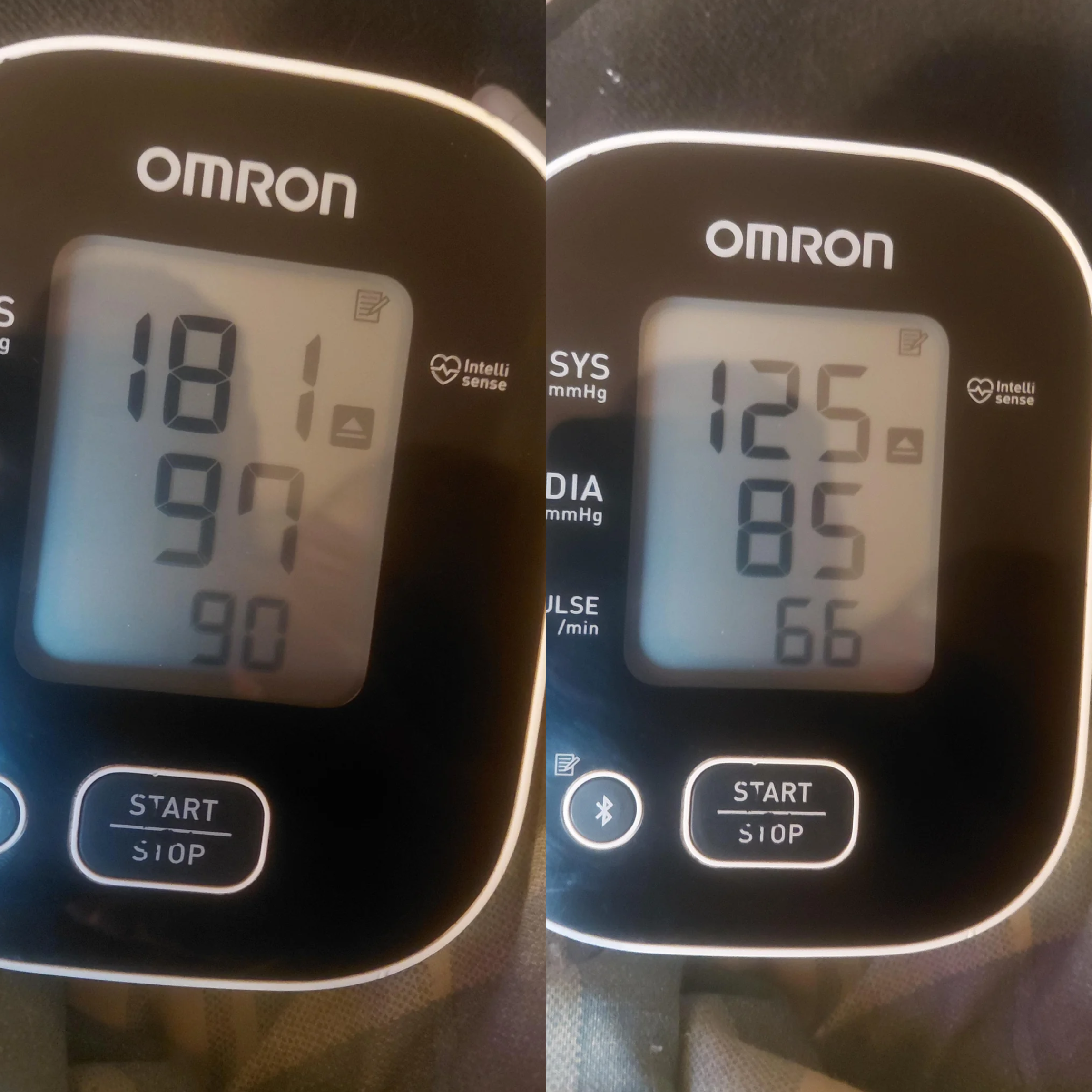
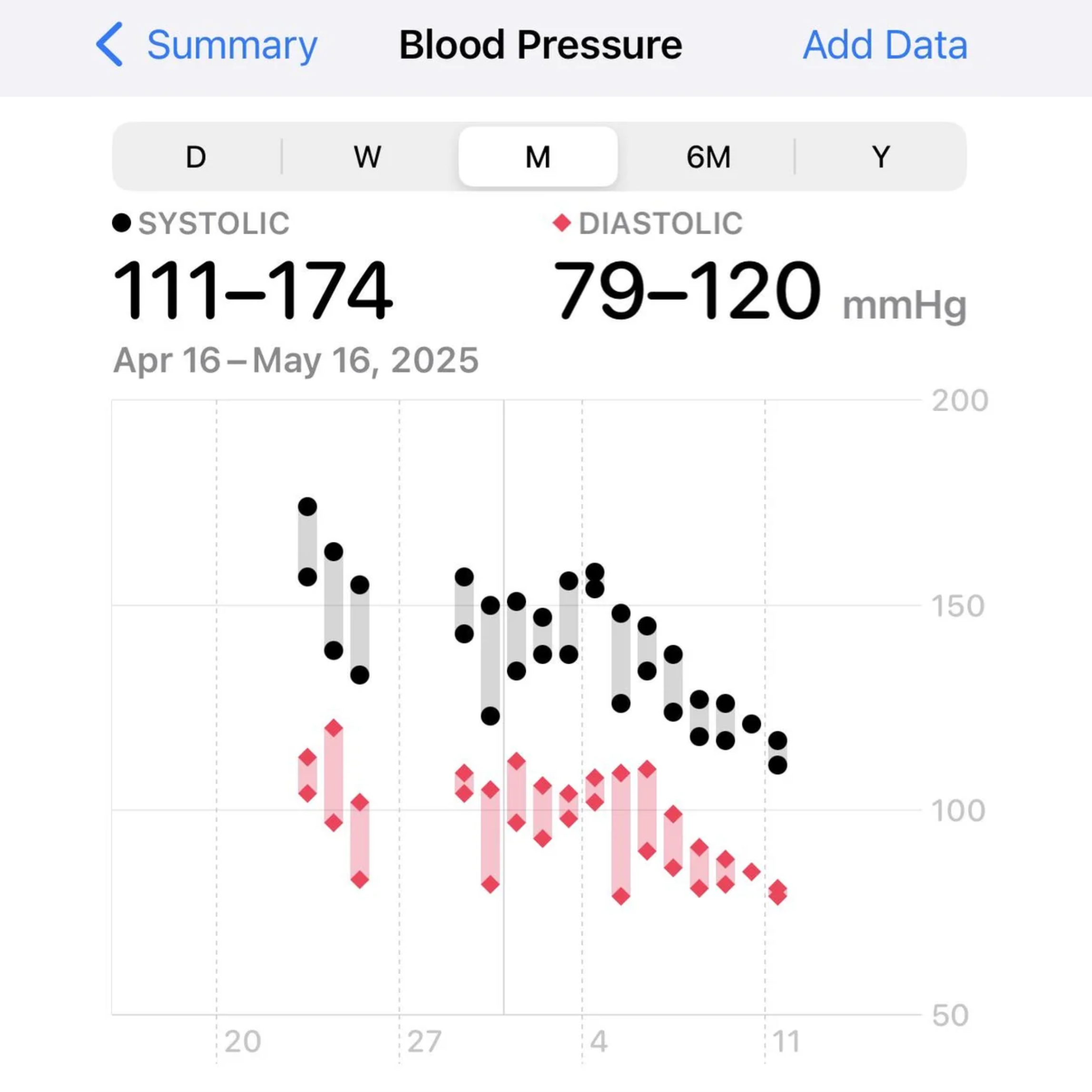
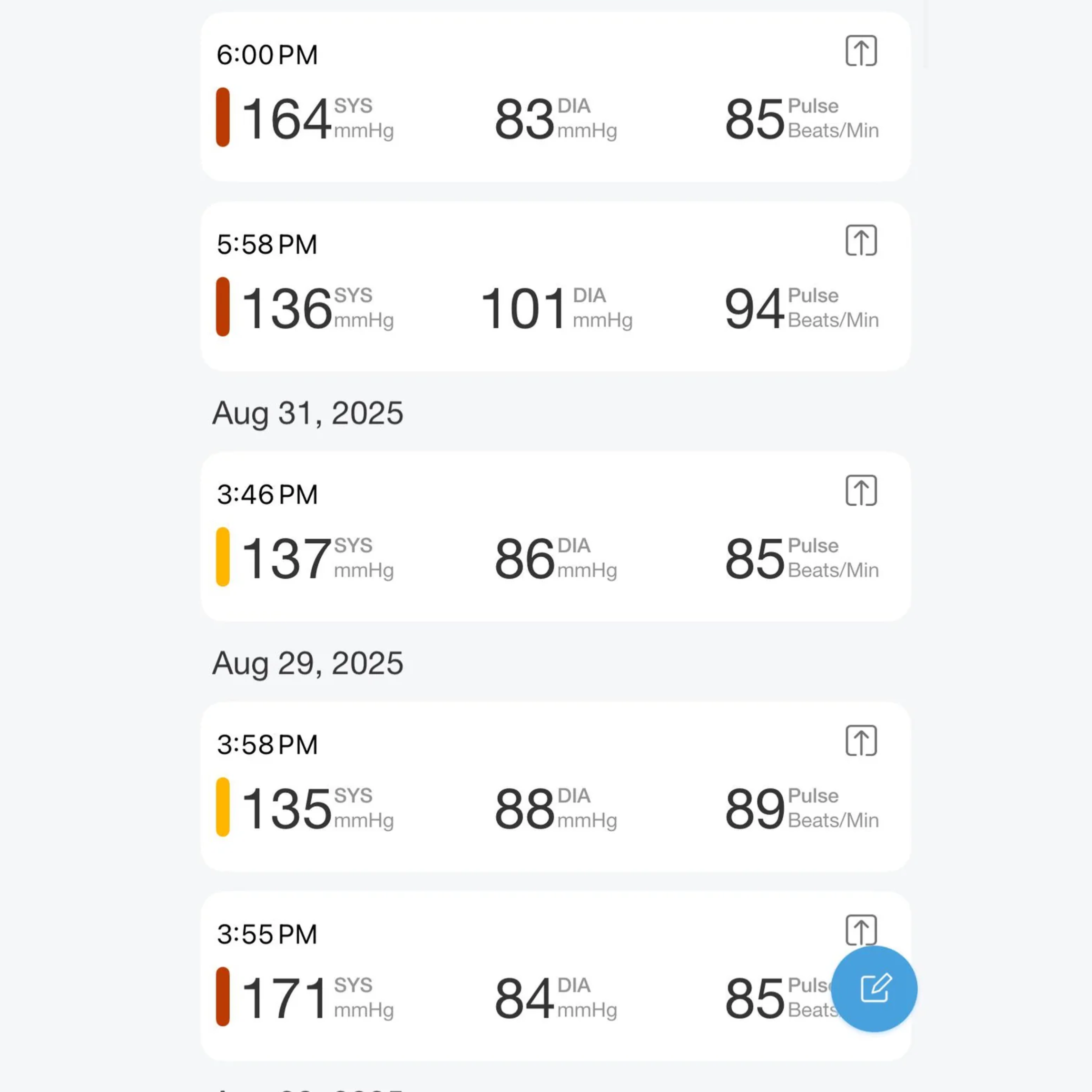
If your blood pressure swings 50 points in an hour and every doctor keeps telling you that you are fine, you do not have hypertension. You have something else, and almost no one will explain it to you I am 52 years old. For 18 months I thought I had hypertension. My blood pressure would read 161 over 98 at 8 in the morning. By 10:30 the same morning it would be 106 over 73. By the afternoon it would climb back to 132 over 84. By bedtime it could be anything. I checked it constantly. I bought three different home monitors thinking the first two were broken. I drove to two different urgent cares last winter convinced I was about to have a stroke. Every reading was real. The cuff worked fine. The monitors worked fine. I did not have hypertension. What I had was something my cardiologist eventually called labile blood pressure, which sounded made up to me at the time but is a real condition that almost no doctor explains properly to the people living through it. What was actually happening was that my nervous system was stuck in a loop, and the missing piece I needed to break the loop was a single molecule I had no idea my body had stopped making. This is the story of how I figured that out, and what I take every morning now to keep my readings boring again. It started after a routine physical in 2024. The nurse strapped on the cuff, the monitor beeped 154 over 92, and she casually said I should "keep an eye on that." I bought a home BP monitor from CVS that night. The next morning I took it three times in a row. 148 over 90. Then 158 over 95. Then 142 over 87. I assumed the monitor was broken. I bought a better one. Same kind of readings. Within two weeks I was checking my pressure 8 to 10 times a day. I would wake up, take it, lie back down with a number I did not like, take it again 5 minutes later, get a different number, take it again 5 minutes after that. I started keeping a Note on my iPhone with every reading. I would scroll back through the column at night looking for patterns that would explain what was happening to me. The patterns made no sense. 165 over 96 sitting still on the couch. Then 118 over 72 walking the dog twenty minutes later. The afternoon reading would come in at 144 over 88 watching TV. By the time I hit the gym at 6 PM it was 102 over 68. A blood pressure that could swing 60 points in an hour did not match anything I had ever read about hypertension. But I kept checking. I could not stop checking. I went back to my primary care. She took it in the office. 158 over 96. Elevated. We should monitor it. I told her about the swings. She told me home monitors are not always accurate. I told her about the swings I was getting at her own office. She said sometimes nerves at the doctor cause higher readings. I asked her why I would get 105 over 70 an hour after a 160 over 95 reading on the same machine at home. She said she did not know. She referred me to a cardiologist. The cardiologist ran an EKG, then a stress test, then an echocardiogram, then a 24 hour ambulatory monitor that took a reading every 30 minutes for a full day. Every single structural test came back clean. He told me my heart was fine, my arteries were fine, and that my pressure was indeed swinging by 40 to 60 points throughout the day for no clear structural reason. He used the words labile blood pressure. He prescribed me a low dose of amlodipine just to "blunt the spikes." The amlodipine made my ankles swell up like grapefruits within a week. My readings still swung wildly on it. I stopped taking it. I sat at my kitchen table one night with 8 months of iPhone Notes BP data scrolling on my screen and I decided if no one else was going to figure this out, I was going to figure it out myself. This is the night that changed everything for me. I had read about high blood pressure for months. I had read almost nothing about why blood pressure swings. So I changed my search. I typed in "blood pressure changes 60 points in an hour" and a completely different world of articles opened up. I learned three things that night that not one of the five doctors I had seen had ever told me. First. A structurally damaged artery cannot relax in 20 minutes. Arteries that are actually stiff or actually narrowed cannot produce a 55 point pressure drop in less than an hour on their own. The hardware does not move that fast. So if my pressure was dropping that fast, my hardware was not actually the problem. Second. What was moving that fast was the signal from my nervous system telling the arteries to clamp down or relax. That signal comes from the sympathetic nervous system, which is the part of you that flips on during fight or flight, and the parasympathetic nervous system, which is the part that turns it back off. When the sympathetic side is stuck on, your arteries stay constricted. Your pressure rises. Your heart rate climbs. When the parasympathetic side finally takes over, the arteries open back up, the pressure drops, and you feel calm. For 18 months my system had been swinging back and forth between those two states all day long, and the BP numbers were just the report card. Third. There is a molecule called nitric oxide that sits at the center of this whole loop. Nitric oxide is the chemical signal that tells your arteries to relax. It is also the same molecule that calms down sympathetic nerve activity at the brain level. One molecule. Two jobs. Both jobs are exactly the two jobs my body had been failing to do. After age 40 the body produces less and less of this molecule on its own. Under chronic stress, the drop is even faster. That was the moment I sat at my kitchen table and started crying. For the first time in 18 months something actually made sense. The next morning I went looking for proof. There is a peer reviewed study out of the University of Exeter, published in a journal called Free Radical Biology and Medicine. They gave older adults dietary nitrates from beetroot every day for two weeks. Systolic pressure dropped by an average of 7 points. 7 points in 14 days. No medication. No side effects. Then I found a 2017 study in the American Journal of Physiology that proved the part that mattered most for what was happening to me. Dietary nitrates from beetroot do not just open arteries directly. They also reduce muscle sympathetic nerve activity at the brain level. In plain English, dietary nitrates calm the stuck signal that was making my arteries clamp down in the first place. I had finally found a mechanism that matched my actual problem. I bought beetroot powder from the grocery store the next morning. I took it for two weeks. Nothing changed in my readings. I tried Force Factor Total Beets next. Then a powder called HumanN SuperBeets. Two weeks each. Nothing. I went back to the studies and read them more carefully this time. Every study that showed real results used between 300 and 500 milligrams of dietary nitrates per day. I flipped the bottles over. Neither one listed the dietary nitrate content. Only the total beetroot powder amount. It turns out most commercial beetroot supplements use heat processed beetroot powder, and heat destroys the nitrate compounds before the powder ever makes it into the bottle. The product on the shelf looks like beetroot. Tastes like beetroot. Contains almost no usable nitrates. A 2020 industry review found that nitrate content between commercial beetroot products varies by up to 50 times. Two bottles can sit next to each other on the same shelf, with one containing a clinical dose and the other containing essentially zero. This was why every beetroot powder I had tried did nothing for me. I made a list of what actually mattered based on the research. The label had to list the dietary nitrate content in actual milligrams, not just total beetroot powder. The processing had to be cold extraction so the nitrates survived to the bottle. A third party laboratory had to verify the dose with a Certificate of Analysis I could read. The total dose had to land between 300 and 500 milligrams per serving to match the clinical studies. I compared more than 30 different products. One brand checked every box. It was called BeetWise. 400 milligrams of dietary nitrates per serving. Cold extracted to preserve the nitrate content. Third party tested with a COA available on the website. The dose matched the studies. Cold extraction protected the nitrates. A third party had already verified the content. I ordered it. I started taking two capsules every morning with a glass of water. The first week the readings still swung but the spikes did not climb as high. My usual 165 over 95 morning peak came in at 148 over 90 instead. My lows stayed about the same. By the end of week two my morning readings sat between 128 and 134. The afternoon readings sat between 118 and 124. The swings were still there but the range had compressed by half. By the end of week six the swings had mostly stopped. I would wake up to 122 over 78. At lunch the next reading was 124 over 80. At dinner, 121 over 79. For the first time in 18 months my BP looked boring on the screen. The most surprising part was not the numbers. It was that I stopped wanting to check. The constant pull to grab the cuff every hour quieted on its own. The background hum of low level panic that had been with me since the first 154 over 92 reading was gone. I had not just lowered my blood pressure. I had given my nervous system the raw material it needed to stop running in overdrive. If you are reading this it is probably because you have been living the same pattern I was living. The morning reading that scares you. Five minutes later the recheck shows something different. Another five minutes after that, a third number. Then an hour of trying to decide whether to drive to urgent care or lie still on the couch and wait it out. The doctor visits where you walk out with either "you are fine" or a prescription that swells your ankles and does nothing for the swings. You are not crazy. The readings on your monitor are not in your head. They are real. You also probably do not have hypertension in the classical sense. You have a nervous system stuck in overdrive and a body that has run out of the one molecule it needs to calm itself back down. This is not a sales pitch. I am a 52 year old woman who spent 18 months thinking she was about to have a stroke and figured out she was wrong. The link below is the BeetWise page. Same product I ordered. 400 milligrams of dietary nitrates per serving. Cold extracted. Third party tested with a COA you can request before you buy. If a different brand looks better to you, that is fine. Just check the dietary nitrate dose on the label, not just the total beetroot powder amount. Ask for the third party COA before you spend a dollar. The heat processed powders cost me two months and a lot of hope. I take BeetWise every morning. I do not check my BP anymore unless something genuinely feels off. Weeks go by between readings. This is what calm felt like the whole time.
Where the ad sends people
zenther.co
BP Is Unpredicatable
Zenther Beetwise, 400mg verified nitrates per serving not 5mg like most brands. Cold-extracted beetroot supplement with published lab results. 90-day guarantee. Try BeetWise today.
Shop now: zenther.co(opens in a new tab)