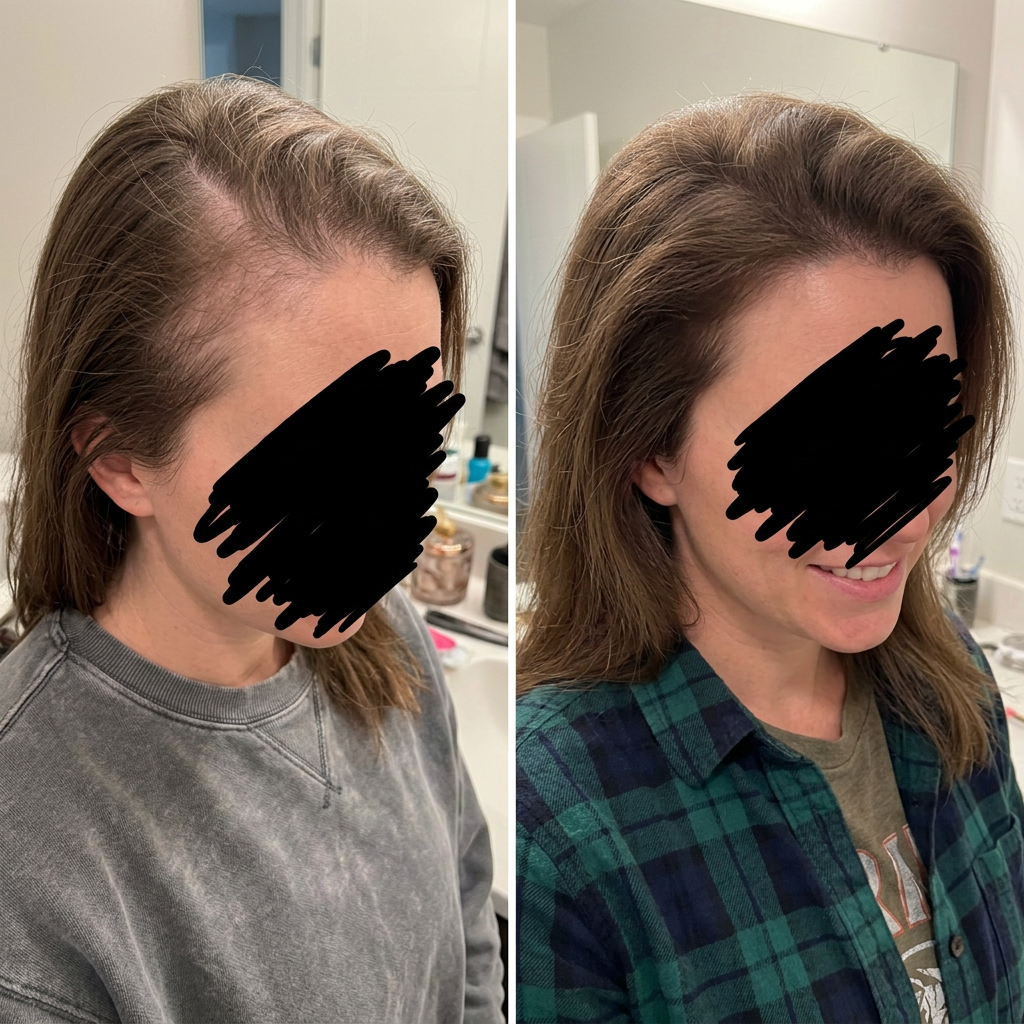
Dr. Karen Whitfield
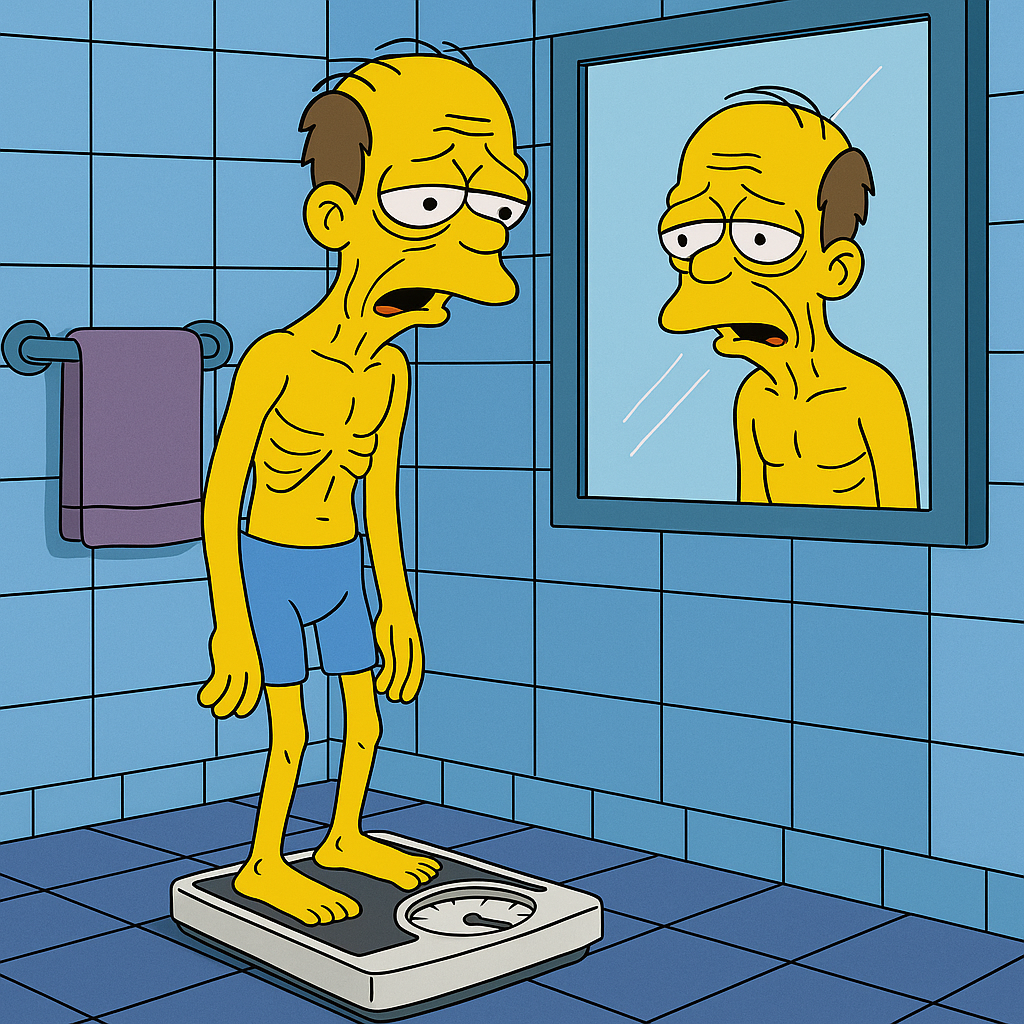
Dr. Karen Whitfield Facebook ad: “Your appetite off switch is broken. Here is how to fix it.”
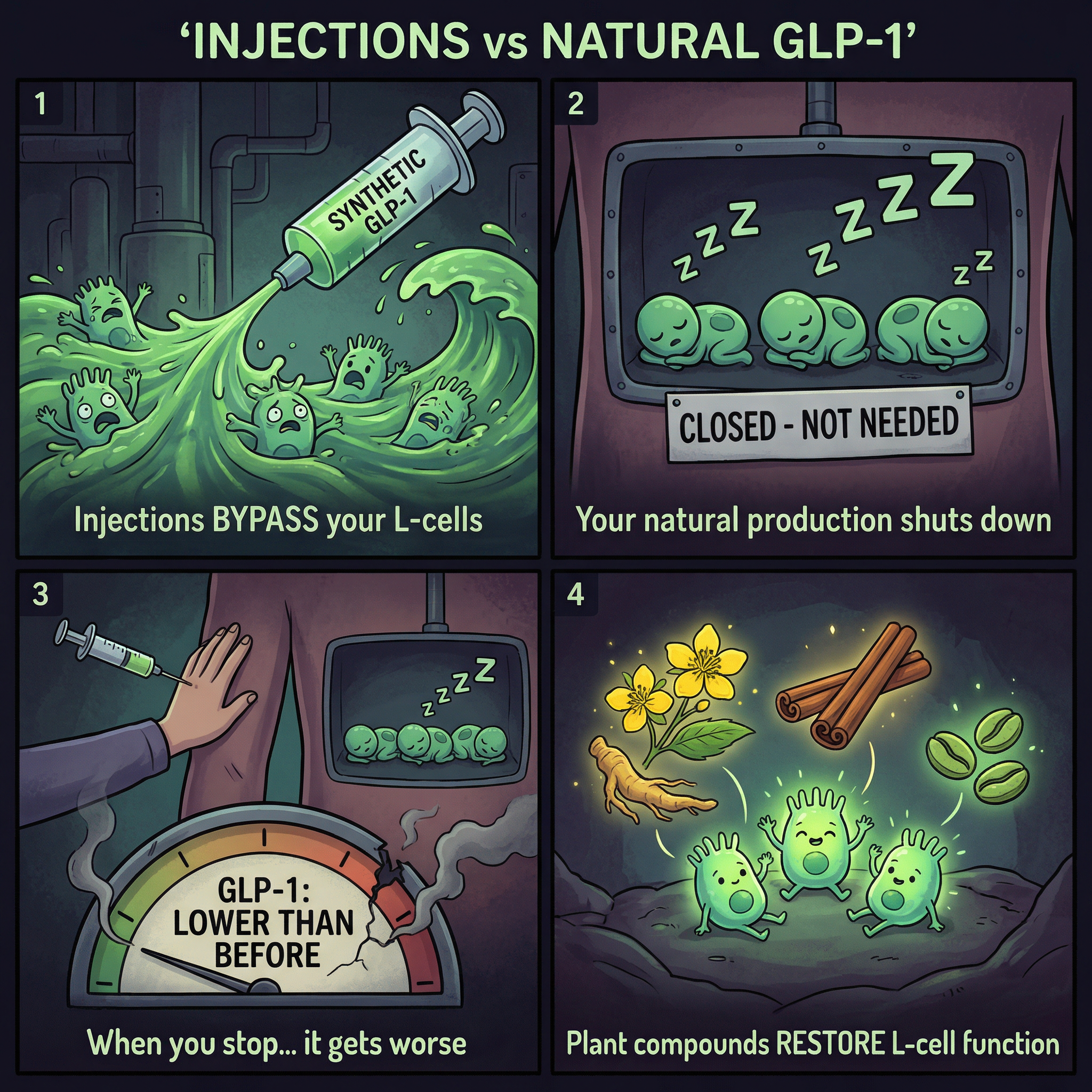
Ran for 14 days, from March 10 to March 24, 2026, the last day Crush saw it.
Run by Dr. Karen Whitfield on Facebook. Crush is not the advertiser and does not verify its claims. See this ad in Meta's Ad Library(opens in a new tab)
Want an ad like this for your product?
Crush makes new ad images for your product from this ad: your logo, your product photo, your offer.
Trials from $19.95 USD, then $79.95 USD a month. Cancel anytime.
About this ad
- Meta Ad Library ID
- 1422143442925965
- Platforms
- Facebook, Instagram, Audience Network, Messenger and Threads
- Relaunches
- 1
Ad text
Your body has a built-in appetite off switch. And in most overweight adults, it's broken. I'm not being dramatic. I'm being clinical. I've spent 22 years in endocrinology, and what I'm about to explain is something most doctors never tell their patients because the pharmaceutical industry would rather sell you a $1,300 injection than teach you how your own body works. My name is Dr. Karen Whitfield. I'm a board-certified endocrinologist. And I need you to understand what's actually happening inside your gut right now, because once you see it, you can't unsee it. Deep inside the lining of your small intestine, there are specialized cells called L-cells. You have millions of them. And their entire job, their only purpose, is to produce a hormone called GLP-1. GLP-1 is your body's natural appetite off switch. When you eat a meal, your L-cells detect the nutrients passing through your gut and they release GLP-1 into your bloodstream. That GLP-1 travels to your brain and delivers a simple message: "You're full. Stop eating. You've had enough." That's the signal that makes a naturally thin person push their plate away halfway through dinner and say, "I'm done." They're not more disciplined than you. They're not trying harder. Their L-cells are just working properly. The signal is arriving on time, at the right strength, and their brain is receiving it loud and clear. In people who struggle with their weight, this system is compromised. The L-cells are still there. They're still alive. But they're underperforming. They're producing less GLP-1 than they should. Sometimes dramatically less. Studies have shown that overweight individuals can have GLP-1 levels 30 to 50 percent lower than their lean counterparts. Think about what that means. Your appetite off switch is only working at half power. The signal that's supposed to tell your brain "you're full" is arriving late, arriving weak, or not arriving at all. So your brain never gets the message. And it keeps telling you to eat. Not because you're weak. Not because you lack willpower. Because the signal is broken. That constant mental chatter about food? The thinking about dinner while you're eating lunch? The inability to walk past the kitchen without opening the fridge? That's not a character flaw. That's a hormone deficiency. Your L-cells aren't producing enough GLP-1 to tell your brain to stop. This is what I call the GLP-1 gap. The difference between what your body should be producing and what it actually is producing. And the wider that gap, the louder the food noise, the stronger the cravings, and the harder it is to lose weight no matter what diet you follow. Now here's where it gets interesting. And where the pharmaceutical industry made a very calculated decision. When Novo Nordisk developed semaglutide, the drug behind Ozempic and Wegovy, they didn't try to fix the L-cells. They didn't try to restore the body's natural GLP-1 production. They bypassed the entire system. They created a synthetic version of GLP-1 that's injected directly into the bloodstream at concentrations your body would never produce on its own. It works. I'm not going to pretend it doesn't. The synthetic GLP-1 floods your system, overwhelms the receptors in your brain, and the food noise stops. Appetite drops. Weight comes off. But it's a sledgehammer approach to a dimmer switch problem. Your L-cells needed a tune-up. Instead, the pharmaceutical industry built a bypass. And that bypass comes with a cost. Not just the $1,300 a month price tag. A biological cost. When you flood the body with synthetic GLP-1, your own L-cells get the message that they're not needed anymore. They downregulate. They produce even less natural GLP-1 than they did before. So when you stop the injection, and most people eventually stop, whether because of cost, side effects, or insurance changes, your GLP-1 levels don't just return to where they were. They can drop even lower. That's why people regain the weight so fast after stopping. Their natural system, which was already underperforming, has been further suppressed by months or years of synthetic override. The injections don't fix the problem. They mask it. And they can make the underlying problem worse. I've been saying this at conferences for three years. Most of my colleagues nod politely and change the subject. Because there's no pharmaceutical company funding research into L-cell restoration. There's no billion-dollar marketing campaign for "help your body make its own GLP-1." The money is in the injections. The money is in the monthly prescriptions. The money is in the dependency. But the science is clear. And it points in a different direction. There are plant-based compounds that have been shown in peer-reviewed research to stimulate L-cell activity and increase natural GLP-1 production. Not by a little. Meaningfully. Berberine, a compound found in several plants, has been shown to activate AMPK pathways that directly stimulate L-cell GLP-1 secretion. Green Coffee Bean extract contains chlorogenic acid, which has been demonstrated to enhance GLP-1 release after meals. Bitter Melon contains compounds that mimic insulin's action and support L-cell function. Ceylon Cinnamon improves insulin sensitivity, which creates a more favorable environment for L-cell activity. These aren't fringe ingredients. These are well-studied compounds with real data behind them. The problem is that nobody can patent a plant. So nobody spends billions marketing them. A company called Lipovia has done something I find genuinely interesting from a clinical perspective. They've combined these four compounds into a transdermal patch. Through the skin. Which means the ingredients bypass the stomach and liver entirely, avoiding first-pass metabolism, and enter the bloodstream directly. This matters because many of these compounds lose significant potency when taken orally. Berberine, for example, has notoriously poor oral bioavailability. Most of it gets destroyed in the gut before it ever reaches the bloodstream. Transdermal delivery solves that problem. The approach is fundamentally different from the injections. Instead of bypassing your L-cells with a synthetic flood, Lipovia supports your L-cells to do what they're supposed to do. It's not an override. It's a restoration. I've been recommending it to patients who can't take the injections, whether due to thyroid concerns, GI sensitivity, cost, or personal preference. And the results have been consistent. The food noise reduces within the first week for most patients. Not because a synthetic drug is overwhelming their brain receptors. Because their own GLP-1 production is increasing. Their own appetite off switch is starting to work again. Weight loss is more gradual than the injections. Typically 3 to 5 pounds in the first week, then 2 to 4 pounds per week after that. But it's sustainable. Because when you stop using the patch, your L-cells don't crash. They've been strengthened, not suppressed. I had a patient last month, a 51-year-old woman named Margaret, who'd been on Lipovia for three months. She'd lost 28 pounds. Her A1C dropped from 6.4 to 5.7. Her food noise was gone. And when I tested her fasting GLP-1 levels, they were higher than they'd been at her baseline measurement before she started. Her body was producing more GLP-1 on its own. Not less. More. That's the difference between restoration and override. One builds you up. The other creates dependency. I'm not telling you to avoid the injections if they're right for your situation. I'm telling you to understand what they actually do, and to know that there's another option. One that works with your biology instead of around it. Lipovia is about $20 for a month's supply. No prescription needed. No insurance approval. No waiting list. And they offer a 60-day money-back guarantee. If you want to understand whether your GLP-1 levels might be the reason you're struggling, take the quiz on their site. It's a good starting point. Your body knows how to do this. It just needs the right support. 👉 https://quiz.lipoviapatches.com/q1v102meta
Where the ad sends people
quiz.lipoviapatches.com
Your appetite off switch is broken. Here is how to fix it.
Quiz is powered by an algorithm built in cooperation with researchers from Harvard Medical School and Stanford Medical School.
Learn more: quiz.lipoviapatches.com(opens in a new tab)