
Inactive· since Aug 13, 2026
- 27
- days it ran
- 0
- relaunches
Ad copy
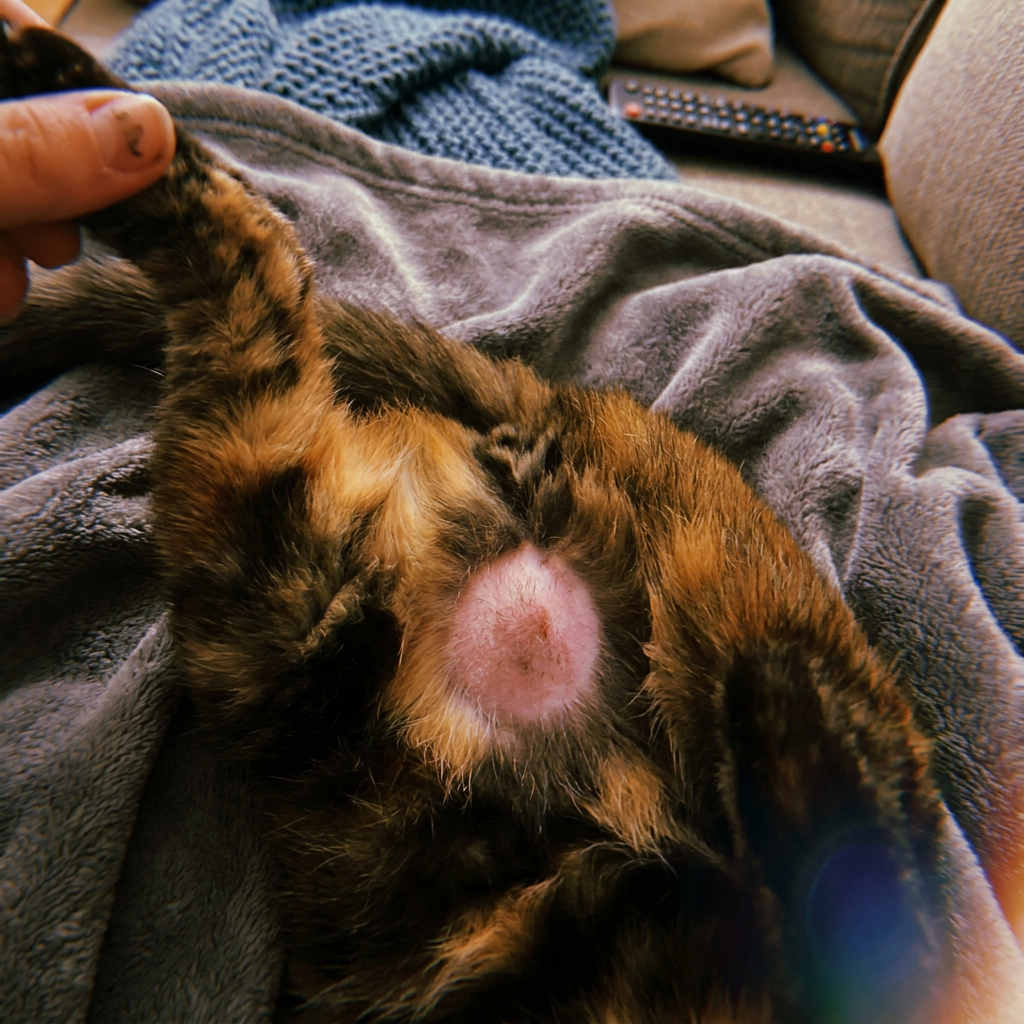
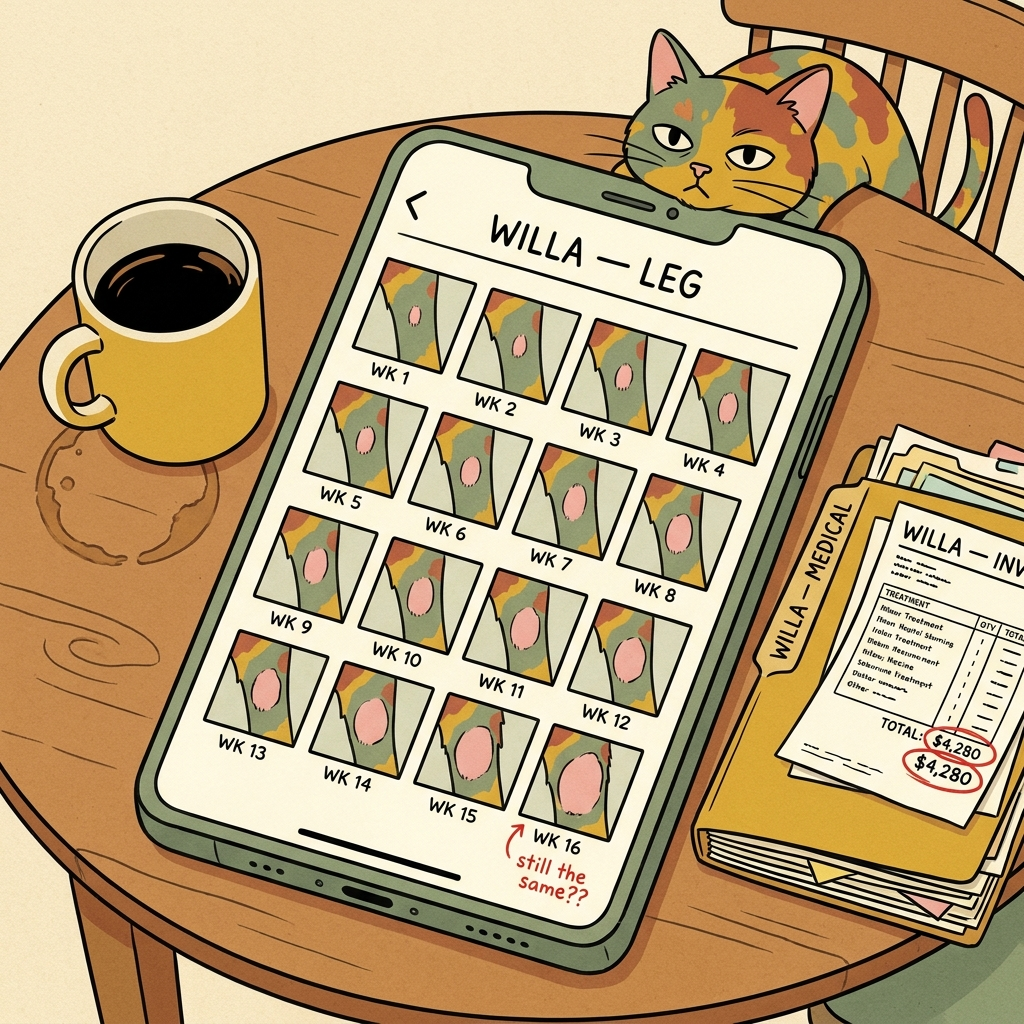
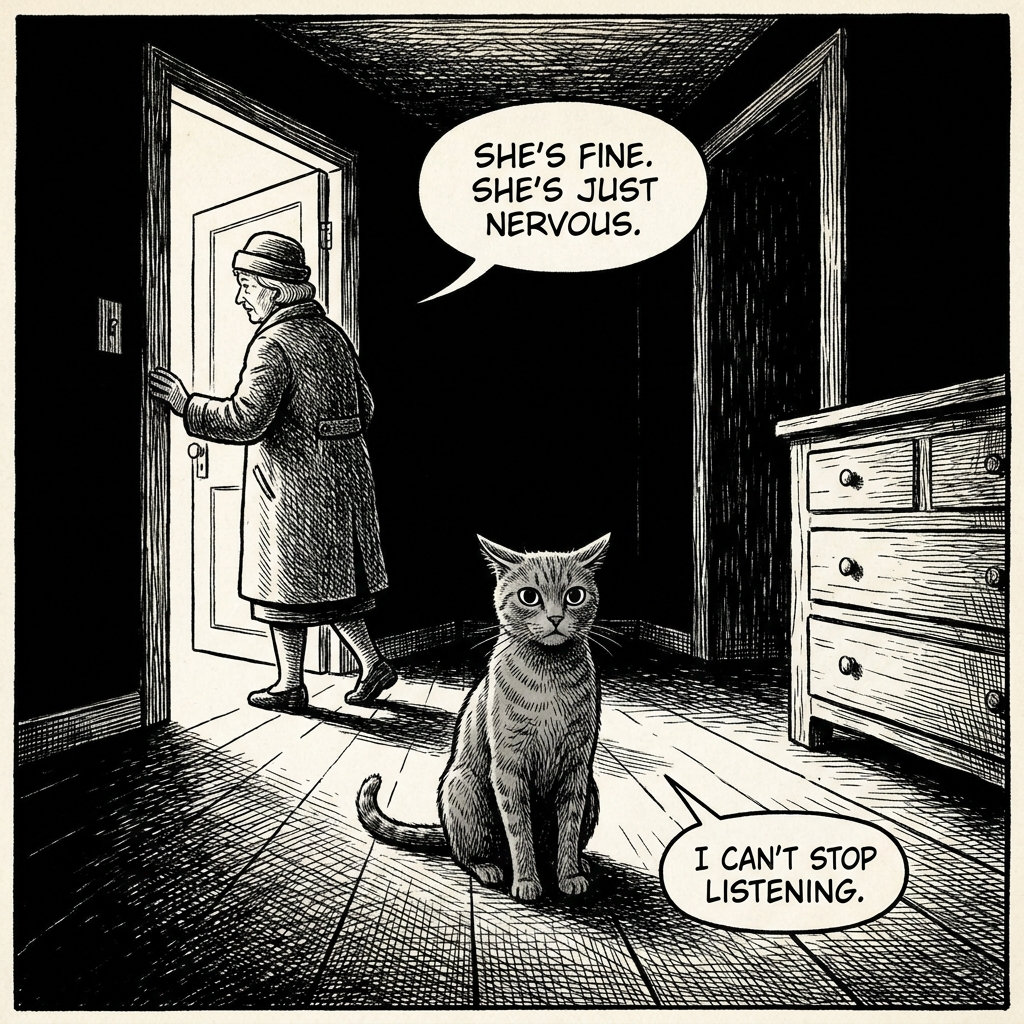
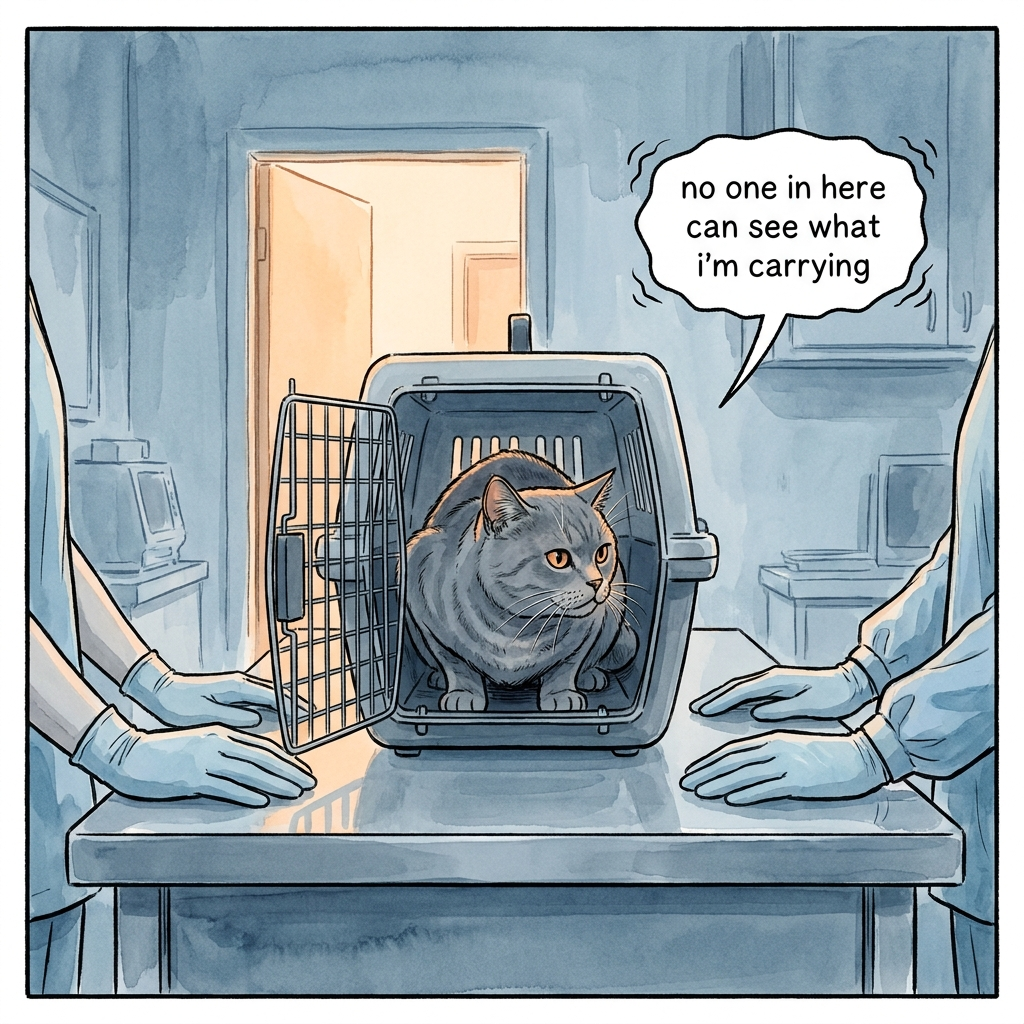
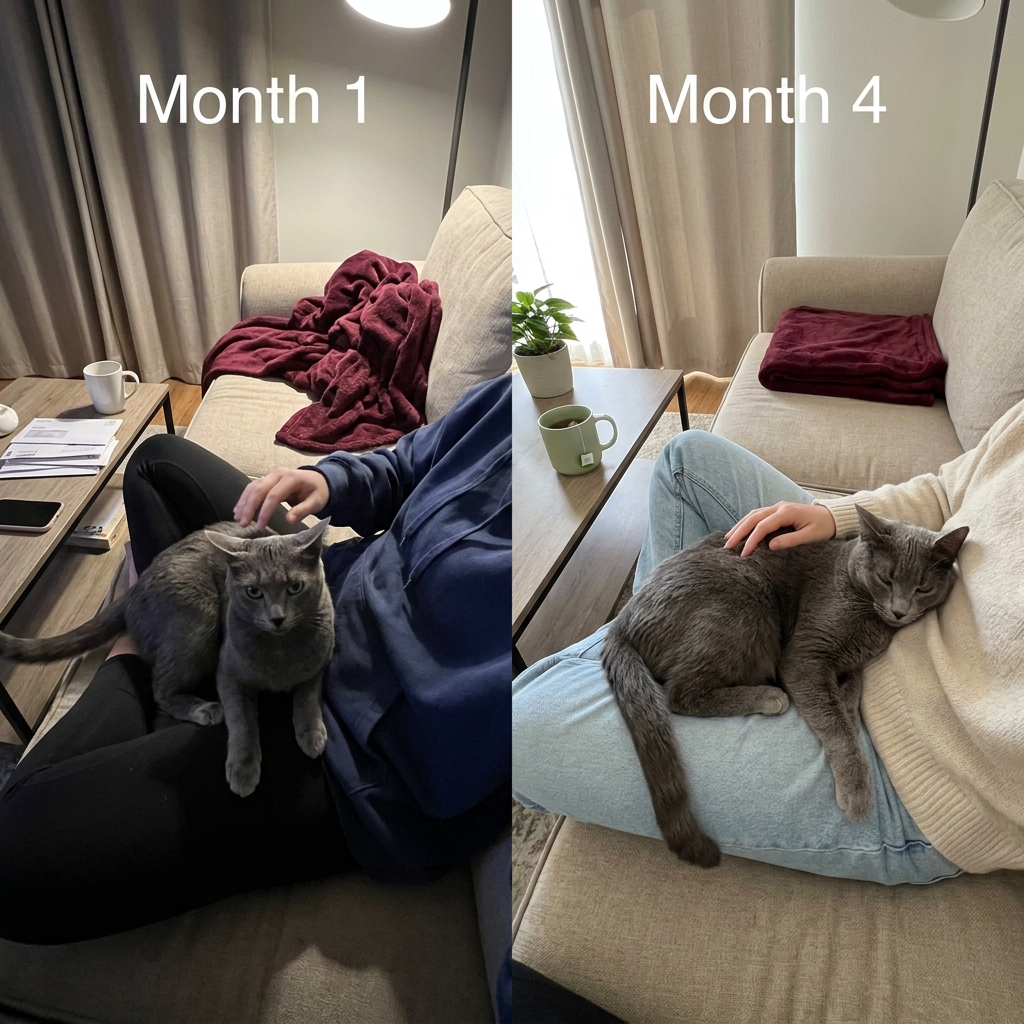
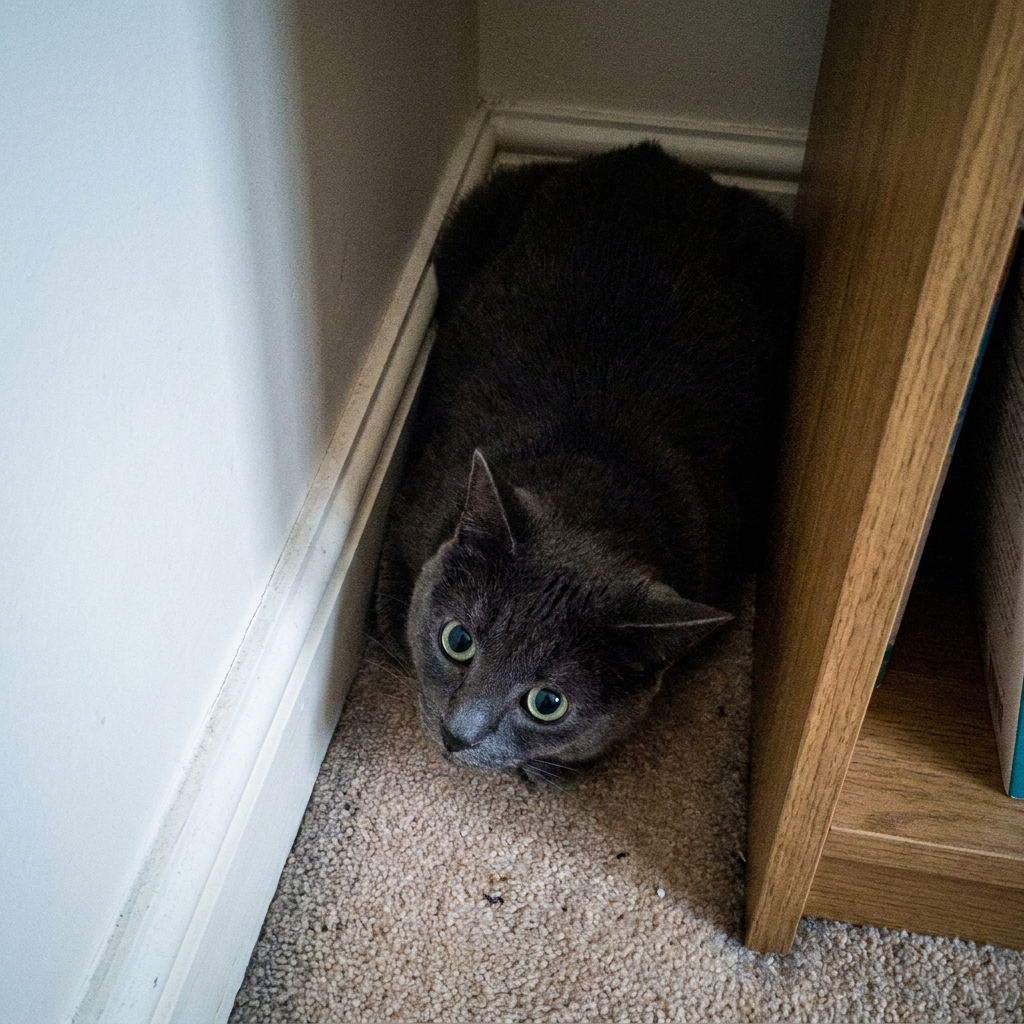
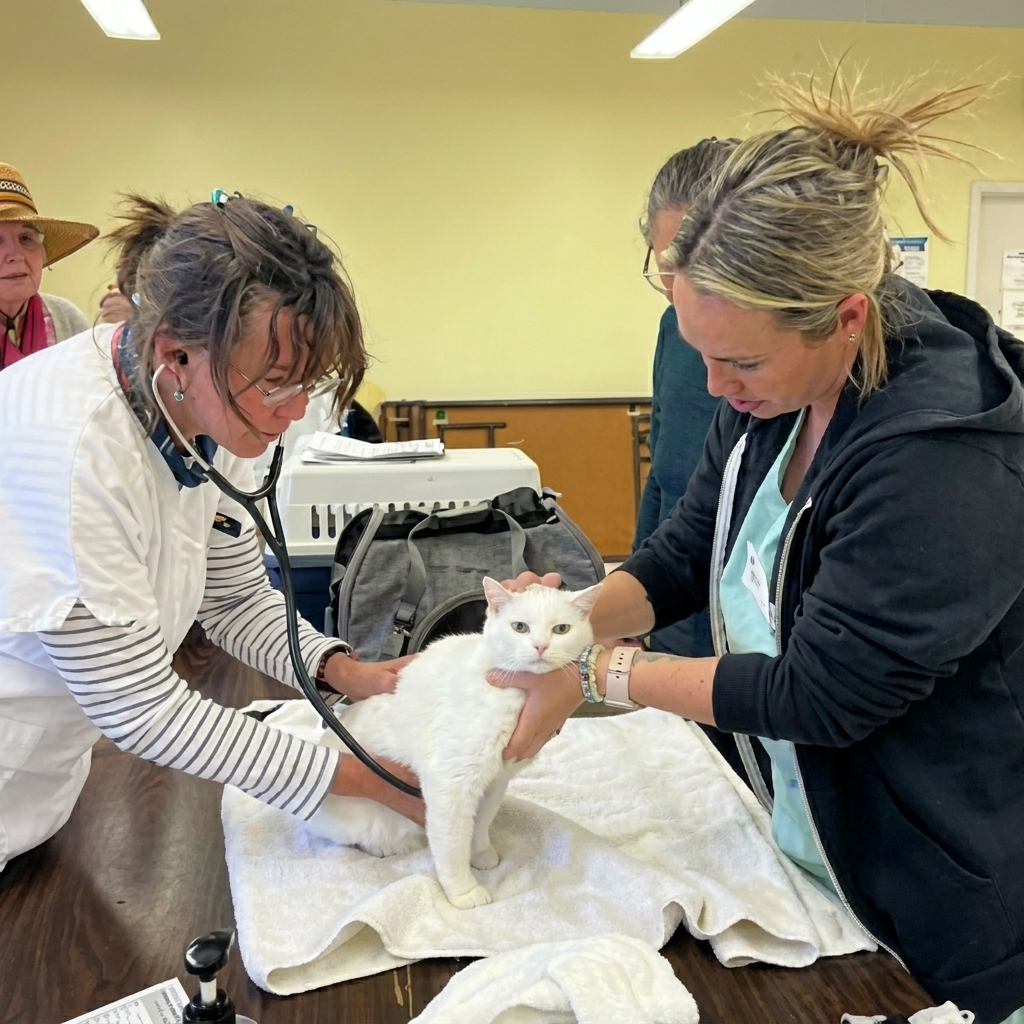
I am going to lose my mind if one more person posts "my cat has licked a bald patch on her belly and the vet says it's stress, has anyone tried a calming chew?" and gets forty replies saying try coconut oil and have you switched her food and mine grew back when I changed litter. YOU ARE NOT DOING ANYTHING WRONG. AND IT IS NOT THE FOOD. She is not licking because her skin itches. She is licking because it is the only thing that makes her feel better, and it works — for about ninety seconds. Then she needs it again. And a coping mechanism is not something you take away by putting a cone on it. My name is Dr. Demitro. I've been a small-animal veterinarian for twenty-two years, northern Colorado. In that time I have seen more overgrooming cats than I could count, and for most of my career I handled them almost exactly wrong. I need to tell you something about bald patches that will change what you do next. Because for years, I watched the same conversation repeat. Someone brings in a cat with a stripe of missing fur on the belly or the inside of a back leg. We do the work, and the work is correct and necessary. Flea comb. Skin scrape. Cytology. Ringworm culture if it looks like it. Food trial, eight to twelve weeks, strict. Sometimes we find something. Fleas, genuinely, more often than owners believe. Allergy. Mites. And when we find it, we treat it and the cat gets better and everyone's happy. Do that part. Every time. Do not skip it, and do not let anyone on the internet talk you out of it, including me. But then there's the other group. Everything clean. Nothing on the comb, nothing on the slide, nothing on the culture, no change on the diet trial. And I'd say: "There's no medical cause here. It's behavioural. Probably stress." And they'd say: "Okay — so what do I do about that?" And I'd say some version of: reduce stress at home, try a diffuser, get a cone on her so it can heal, and here's a spray for the skin. That conversation happened so many times I stopped hearing myself say it. And every time, I was treating the patch. Not one thing I did in that room went anywhere near why she was licking. A few years ago I went back through my own records. Not a study. I want to be precise about that, because I'm about to tell you what I found and you should know exactly what it is and isn't. I pulled every behavioural overgrooming case I'd seen where the medical workup came back clean, and I looked at what had actually happened to those cats afterward. The pattern was uncomfortable. Almost none of them were solved. Some had improved and relapsed. Some had rotated through four or five products. A handful had ended up on medication. Several had simply stopped coming, which in this job usually means the owner gave up, and occasionally means something worse. And here's what I found when I started phoning owners and asking a question I had never once thought to ask in an exam room. I asked them when she licks. Not what she licks. When. Almost every single one of them could tell me. Immediately. Without hesitating. After we've had people over. When the other cat comes into the room. In the evening, once the house has gone quiet. When I'm packing a bag. At about three in the morning. Not one of them said randomly. Not one said all the time. Every one of them described a trigger and a delay — something happened, and then twenty minutes later she was on the bed, working at the same spot. That's not what skin does. Skin itches on its own schedule. Allergy doesn't wait for the guests to leave. That's what a coping mechanism does. And I had been putting cones on it for the better part of two decades. Here's what's actually happening, and it's simpler than my twenty-two years of missing it would suggest. When a cat's stress system fires, cortisol and adrenaline go up and she gets an unpleasant internal state she has no way to explain or escape. Grooming releases endorphins. That's not marketing language, it's why cats groom each other and why a stressed cat grooms herself. It's self-soothing, and it genuinely works — for a short time. So the sequence goes: something raises her arousal, she licks, she feels measurably better for a minute or two, and the relief fades. Then she's back where she started, except now her nervous system has been handed a very clear lesson. When I feel bad, licking helps. Do that a few hundred times over a few months and it stops being a response and becomes a reflex. The gap between the discomfort and the licking gets shorter and shorter, until eventually there's barely a trigger at all — she just does it, because it's the route her brain has worn in. That's a compulsive loop. It's the same architecture as a person biting their nails to the quick, and it responds to the same things and ignores the same things. And here's the part that made me want to phone every client I'd ever seen. Once it's a loop, the skin is no longer the point. The fur can be perfectly healthy and she'll keep licking, because the licking isn't about the fur. It never was. By the time you're looking at a bald patch you're looking at the evidence of the problem, and every single thing sold for overgrooming is aimed squarely at the evidence. Now let me tell you about the two things I recommended for twenty years that I would now take back. The cone. Perfectly reasonable idea. She can't reach it, so it heals. Except a compulsion doesn't stop because you block it. It builds. You have removed the one self-soothing behaviour a stressed cat has access to and given her nothing in return, and she is now both stressed and prevented from doing the only thing that helps, wearing a plastic collar that stops her navigating her own house. I have watched cats come out of a cone after three weeks with beautiful healed skin and go straight back to the same spot within an hour. I used to find that mystifying. It isn't mystifying at all. The skin healed. The reason never got touched. And the medicated spray. Also reasonable. Also, in the wrong cat, actively counterproductive — because the bitter ones are aversive, and adding a small unpleasant experience to a cat who is licking because she's already overwhelmed is not a neutral intervention. I did both of those things, for years, in good faith, because that's what the appointment allows for. Eight minutes, a worried owner, and a visible bald patch. You treat what you can see. I know exactly what you're thinking, because I've heard it in the room a thousand times. My vet ran everything and said it was stress. Mine did too, when it happened in my own house. And she was right. The problem is that "it's stress" is where the conversation stops, and it should be where it starts. There is no test for this. Nothing on a panel tells you how long a cat has been braced or whether a behaviour has crossed over into compulsive. There's no number to hand you. So the workup comes back clean — which is genuinely good news that does not feel like good news — and you get environmental advice you've already exhausted, or a cone, or a prescription. You did not fail her. You did the flea treatment. The food trial, properly, for twelve weeks, which most people cannot manage. The vet visits, the scrapes, the cultures, the diffusers, the chews she wouldn't eat. You have probably taken photographs of the patch on your phone to compare week to week, which is more careful than most of what I see. And you have watched an animal you love do something to herself every day that you cannot stop, which is a specific kind of helplessness, and nobody has told you it wasn't within your power in the first place. She is not hurting herself. She is calming herself, with the only tool she has. That's not a comforting reframe. It's the mechanism. And it's why the entire approach has to change. So the question stops being how do I stop the licking and becomes how do I give her another way down. Three things have to move, and they have to move together, because this loop is held up by three separate legs. The pressure underneath it. The chronic cortisol load that generates the discomfort in the first place. If that stays where it is, she'll keep needing relief, and you can block the behaviour all you like — the demand doesn't go anywhere. The trigger sensitivity. How readily small things flip her into the state that starts a session. A bag on the floor. The other cat crossing the hall. A voice she doesn't recognise. If she's flinching at everything, she gets a dozen chances a day to start. And sleep. This is the leg everyone leaves out and it's the one that quietly holds the whole thing up. A cat who doesn't sleep properly arrives at the next day with yesterday's arousal still loaded, and the loop tightens by a notch every night. You will not break this in a cat who's up at three. Remove one leg and the structure stands. That's why single-ingredient calming products produce a partial result and a lot of disappointment — not because they're bad, but because a three-legged problem does not fall over when you kick one leg. Which is what I spent two years building, after it happened to my own cat and I discovered I couldn't fix it either. Four ingredients. For this problem specifically, three of them are doing the work. Ashwagandha, KSM-66 extract, the form with the most published research behind it. It works on the stress axis and brings down chronic cortisol output. That's the pressure leg. It is slow, deliberately — it took a year to climb and it does not come down in a fortnight. L-theanine, the green tea molecule. Takes the edge off hypervigilance without sedating. That's the trigger leg. She stops answering every small change in the room, which means fewer sessions get started at all. Valerian root, which supports the transition from alert into actual rest. That's the sleep leg — deeper rest, lower overall arousal, so she isn't compounding yesterday into today. Melatonin sits alongside valerian on the night side, restoring the light–dark rhythm indoor life quietly flattens. Three legs, three levers, all at once, every day. I'll be straight about what I can't tell you, because you should expect that from anyone selling you something for your animal. Most of the mechanistic work on cortisol, endorphin-mediated grooming and these compounds comes from human and rodent research. It's solid science, but the feline-specific literature is thinner than I'd like, and thinnest of all for ashwagandha. That's why the doses sit well below any threshold associated with reported adverse effects in companion animals, and why the full dosing rationale ships in the booklet with every bottle. Email us and we'll send the formulation document to your vet's office directly. And it's drops, not a chew. That is not a packaging preference. It's the difference between a supplement and a supplement she actually receives. My own cat wouldn't eat a chew — wouldn't approach one — and a great many won't. A formula she refuses is a formula at zero dose regardless of what's in it. The drops go into the food she already eats, wet or dry. The actives sit in MCT oil from coconut, nearly odourless to a cat, and once mixed the flavour stays under most cats' detection threshold. She tastes her dinner. Not the drops. Now — the part I need you to read twice, because this is where people quit. The licking stops long before the fur comes back. And you will not notice the licking stopping. You will be watching the patch. Everybody watches the patch. And the patch will look identical at week two, and at week three, and probably at week five, because fur grows on its own schedule and does not care what her nervous system is doing. So here is what to actually watch, in order. Sleep first. Usually week one. Deeper, longer, less waking. That's the arousal coming down and it's the earliest thing you can see. Then the sessions get shorter. Not gone — shorter. Two minutes instead of ten. She stops mid-session and looks up and wanders off, which she never used to do. That is the loop loosening and it is the single most important sign in this entire process. Then the trigger stops working. The guests leave and she doesn't go straight to the bed. The other cat walks through and nothing happens. This is usually somewhere in weeks two to four. Then she comes back. Present in the room. Out during dinner. This is the one cat parents email about. Then, last, the fur. Stubble first, and you'll feel it before you see it — it's rough under your thumb where it was smooth. That is typically six to twelve weeks out, and it can be longer, and it being slow does not mean it isn't working. If you judge this by the bald patch you will conclude at week three that nothing is happening, while quite a lot is happening. Full effect on the underlying baseline lands around week four. That's how long the ashwagandha needs. Anyone promising you faster doesn't understand what's being moved. In a survey of 1,283 verified Kitly customers after 30 days of daily use: 89% showed less stress behaviour by week four. 82% reported their cat sleeping through the night by week three. 94% stopped considering a prescription. I read the posts every week. These are close to verbatim. "Bald stripe on her belly. Vet ruled out fleas, mites, ringworm, did a full food trial. Says it's stress." "She's been on and off a cone for four months. The second it comes off she goes right back." "I've tried three calming chews and she won't eat any of them." "I can hear her doing it at night and I don't know how to make her stop." "I've started to dread the sound. Is that awful?" No. It isn't awful. It's what happens to anyone who has to listen, every night, to something they can't fix. If your cat has a bald patch and you haven't done the medical workup, do that first. Fleas, mites, ringworm, allergy. It is genuinely more often medical than the internet believes, and a treatable skin problem is a much better outcome than this one. But if you've done all of it, and it's all come back clean, and you've been told it's stress and handed a cone — you are not dealing with a skin problem that needs blocking. You're dealing with a coping mechanism that needs replacing. One dropper. Into the food she already eats. Once or twice a day. That is the entire change to your routine. Nothing else moves. Give it 90 days. If she isn't grooming normally, sleeping better, less reactive — email [email protected] and we send every dollar back. No returning the bottle. No form. No proving anything. Within 48 hours. The reason it's 90 days and not 30 is precisely this problem. Fur takes months. Thirty days is long enough to know whether the behaviour is changing and nowhere near long enough to see the coat, and I'm not going to sell you a guarantee that expires before the thing you're actually looking for arrives. $34.95. Less than the workup. Less than the two things in the cupboard above your fridge. Not Amazon, not Chewy. We don't license third-party sellers, so anything on those platforms claiming to be Kitly wasn't formulated by me and wasn't tested in our facility, and I can't tell you what's inside it. A note, because people ask: Whether this is safe alongside something she's already on. Talk to your vet first. That isn't a brush-off — it's the correct answer and I'd give it in an exam room. Valerian and melatonin can interact with sedative or psychiatric medications, and a lot of overgrooming cats are on one. That's a real consideration, not a disclaimer. If she's on something you're hoping to taper, your vet can sequence it safely, and plenty of our customers have done exactly that under supervision. Same answer for diagnosed liver or kidney conditions, and for pregnancy. Not for kittens under twelve weeks. And if the skin is broken, raw, or infected — that's a vet visit today, not a supplement. A secondary skin infection is its own problem and needs its own treatment. Fix that, then fix the reason. P.S. I want to come back to the cone. I recommended it for twenty years and I would take almost all of it back. There is one situation where it's right: broken, infected skin that has to be protected while it heals and treated properly. In that case, use it, and use it while you're addressing the cause underneath. Outside that — understand what you're doing. She is licking because she is overwhelmed and it is the only relief she has access to. Putting a cone on that removes the relief and leaves the overwhelm, and adds the experience of being unable to navigate her own house. The skin heals. The pressure builds. You take it off and she is back at the same spot inside the hour, and you conclude she's stubborn. She isn't stubborn. You blocked the exit and left the fire. P.P.S. Here's the question I'd hand my past self, and it takes about ten seconds. When does she lick? Not what. Not how much. When. If you can answer that — after guests, when the other cat comes in, in the evening once it goes quiet, at three in the morning, when you get the suitcase out — then you already have your answer, and you have had it the whole time. Skin doesn't wait for the guests to leave. Allergies don't check who's in the room. A trigger and a delay is not a dermatological finding. It's a coping mechanism, and no cone, spray, food, shampoo, or supplement aimed at her skin will touch it, because none of them are aimed at the thing that starts it. I asked hundreds of owners that question after twenty years of never asking it once. Almost all of them knew the answer immediately. Ask yourself tonight. — Dr. Demitro, DVM
Like this ad? Make it yours.
Crush rebuilds this exact creative around your product — your brand, your colors, your offer — in about a minute.