
Inactive· since Aug 13, 2026
- 27
- days it ran
- 0
- relaunches
Ad copy
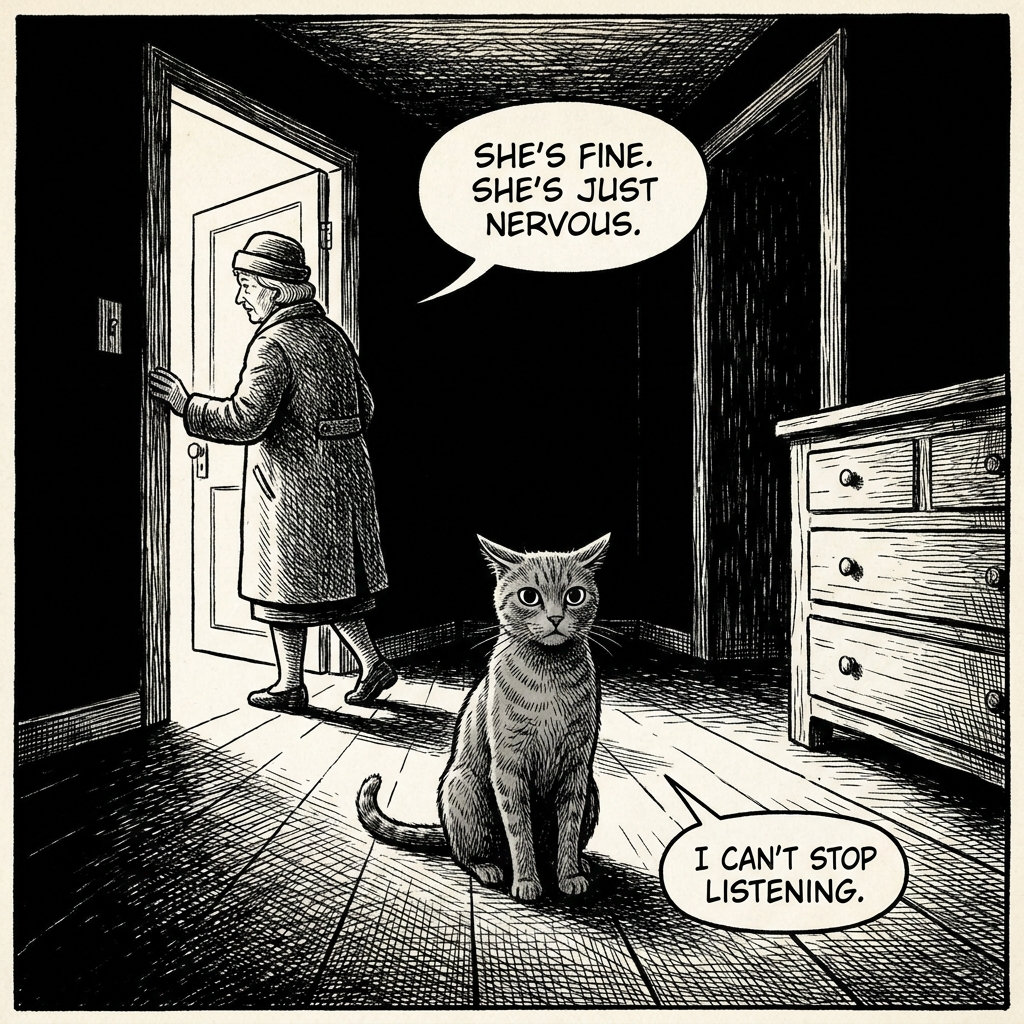
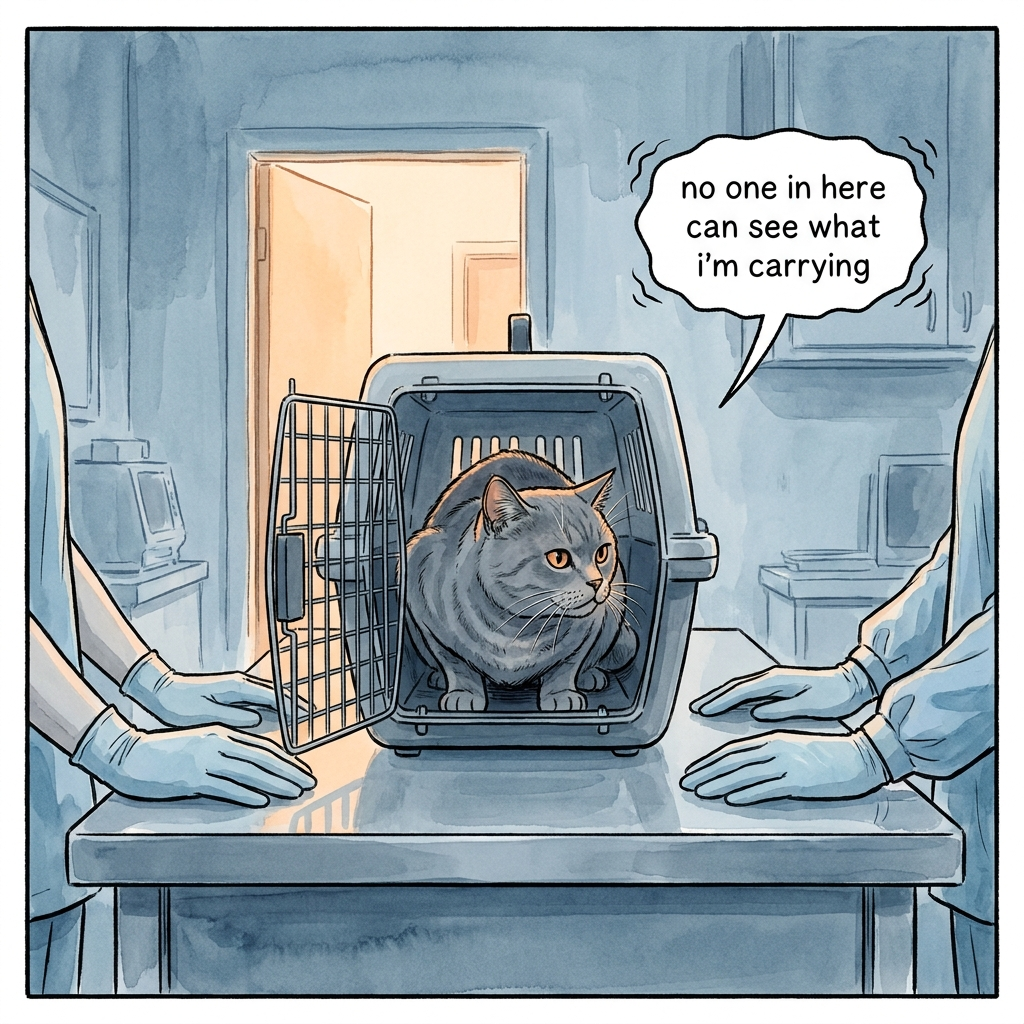
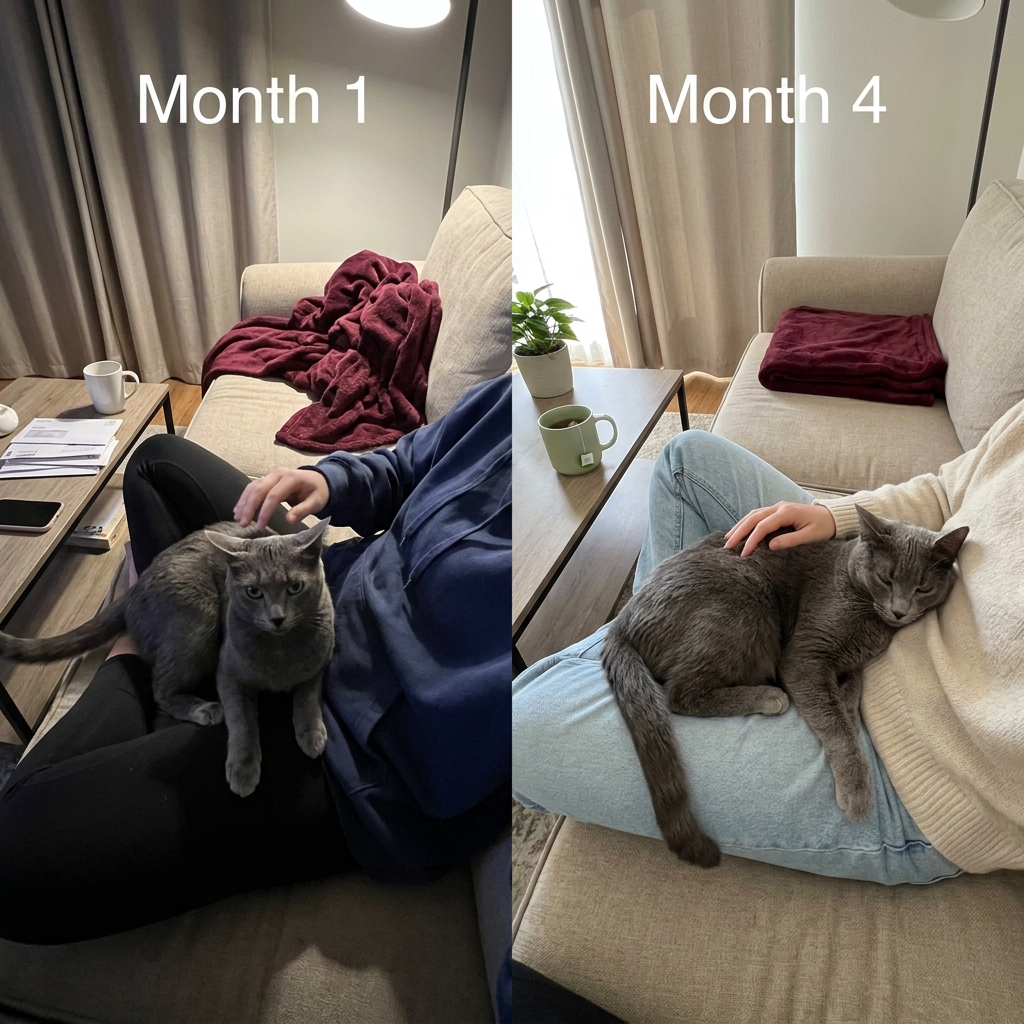
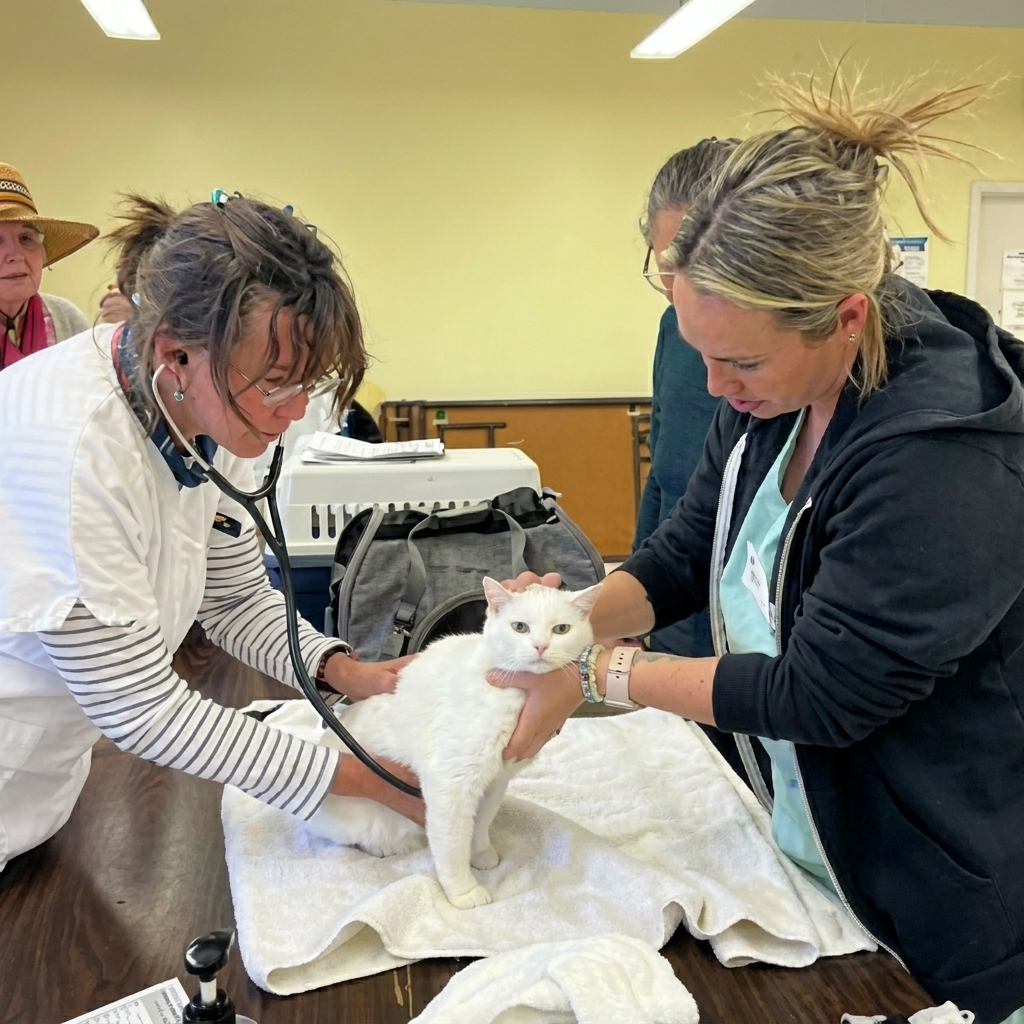
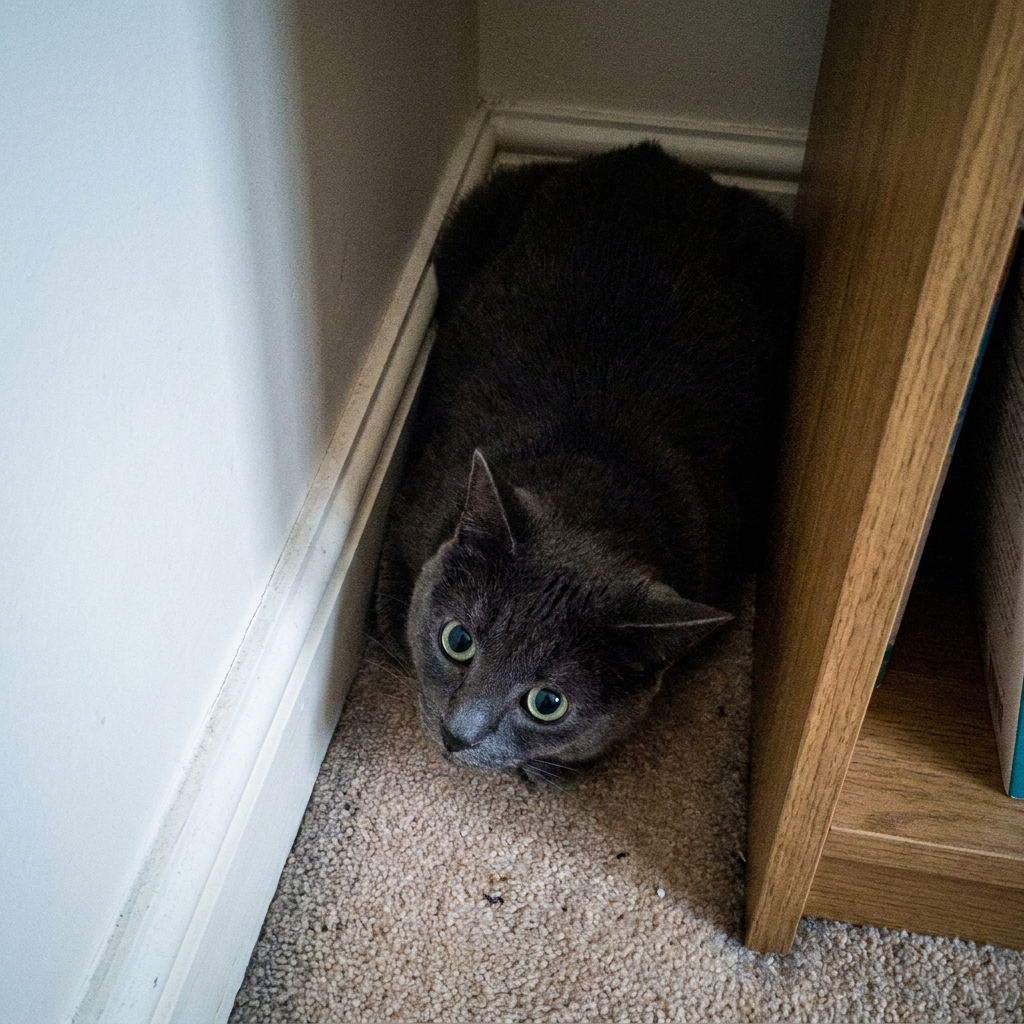
I am going to say something to every cat owner who has been given an ultimatum about their cat. Your cat is not attacking you. She is defending herself. From you. In a house where nothing is chasing her. And I know this because I spent twelve years telling people their cat was "just aggressive." Then it happened in my own home, to my own cat, and I could not fix it either. What I finally worked out — after two years of being frightened in my own hallway — is not what I was taught. Read every word of this. Before you make a decision you cannot take back. But first — one thing, and it is more urgent than anything else in this post. If she has bitten you and broken the skin, stop reading and see a doctor. Today. I am a veterinarian, not a physician, and I am not going to give you medical advice beyond this: cat bites are puncture wounds. They are narrow and deep, they seal at the surface within hours, and they carry bacteria straight into tissue that then closes over the top of it. Hands and joints are the worst of it. Infections from cat bites can move fast, and the wound looking small is not reassurance — that's the mechanism. Wash it, and get it looked at by a person qualified to look at it. Nothing in this post is a substitute for that, and if anyone tells you otherwise, including me, stop listening to them. My name is Dr. Demitro. I have been a small-animal veterinarian for twenty-two years. Northern Colorado. I have three cats of my own. The oldest is fifteen. I have said the words "some cats are just aggressive" to frightened people more times than I could count. I said it kindly. I believed it. I want to tell you about Juniper. Juniper is my grey shorthair. She was nine when it started, and from the day I brought her home she slept on my chest every night. Not near me. On me — she'd wait for me to stop moving before she stepped up. The first time she growled at me I thought I'd misheard. She was on the cat tree. I walked past — not toward her, past her — and she went flat. Ears back against her skull. Pupils completely round and black. And a low sound I had never heard from her in nine years. I said her name and she opened her mouth. No sound came out. Just open. I ran every test I would run on any patient. Full bloodwork. Thyroid panel. Kidney values. Urinalysis. Blood pressure. A proper dental exam, and a slow palpation of every joint she had, because pain makes cats aggressive and it is the single most missed cause there is. Everything came back normal. "She's just got a low tolerance," I told myself. I said that to owners every single week. I believed it. But Juniper wasn't attacking anything. That's what I couldn't square. She never came across a room at me. She never followed me. Every single incident happened when I got closer to her. And she was doing it from her own cat tree, in a house with no other animals in it, at four in the afternoon. I did everything I'd have told a client to do. Vertical space. Escape routes. Never corner her. Feed her away from the doorway. Nothing. I did the thing I'd been told my whole career, which is that you don't back down or you reward it. So when she growled, I stood there. I clapped once, hard, to break it up. And here's what happened, and it is the most important thing in this post. She stopped growling. For about a week I thought it had worked. Then she started swatting with no warning at all. I had taken away her warning system. She had been telling me stay back in the only language she had, I had punished her for saying it, and she had learned there was no point saying it anymore. So she skipped to the part she'd been trying to avoid. She caught the back of my hand in October. Three lines, one of them deep enough that I cleaned it properly and watched it for two days, which is more than most people do. I remember hiding it at work. By month eighteen she lived under the bed and I checked the hallway before I walked down it. In my own house. Past a cat who had slept on my chest for nine years. I called a colleague — a feline behaviour specialist I'd known for twenty years. She went through everything. "Workup's clean. Some cats are wired this way. You could look at medication." I sat in the car afterwards and understood that I had run out of road, and that I was a veterinarian. It took me two more years to understand what I had actually been looking at. And then something happened I did not expect. I went back through my own case files. Every aggression case where the medical exam came back clean. Not a study. I want to be precise about that, because I'm about to tell you what I found and you should know exactly what it is and isn't. But the pattern was ugly. Almost none of those cats were only aggressive. Overgrooming. Night vocalising. Hiding. Spraying. Litter box avoidance. A second cat they'd stopped tolerating. Different presentations, same file, over and over — and I had written every one of those other things down in my own notes and never once put them together. And then I started phoning owners and asking a question I had never asked in an exam room. Not how aggressive is she. What does she do first? The answers split into two groups so cleanly it was uncomfortable. Group one described a sequence. "She flicks her tail, then she goes stiff, then she growls, and if I don't stop she'll swat." Group two said, almost word for word: "There's no warning. She just goes." Group two was worse. Every time. More incidents. More injuries. More ultimatums at home. And for twelve years I had read group two as more aggressive cats. They weren't. They were the same cats, further along. Cats who had lost the warning system — which is a completely different thing from cats who never had one. Exactly like Juniper. After I clapped at her. Here is the part that destroyed me. Every one of those cats had a defence. Every cat does. A cat's stress response is built to spike and then come down. Something moves in the grass — heart rate, pupils, muscles, everything switches on. Then nothing happens, and it switches off. Forty times a day. You never see any of it, because the coming-down part is invisible. The coming-down is the system. Not a break from it. Some cats lose it. Not the spike — the reset. And once that goes, she isn't a frightened cat anymore. She is an animal braced permanently at a low level, with no headroom at all. Which means she does not arrive at any moment starting from zero. She arrives already three-quarters full. So you walking past the cat tree — the same hallway, the same hand, the same eight strokes that meant nothing a year ago — now lands at the top of the tank. She is not overreacting to you. She is reacting normally, from a starting point you cannot see. And here's the thing I should have understood in my first year of practice. Growling, hissing, flattened ears, an open mouth with no sound — every single one of those is a defensive signal. Not one of them is an attack signal. A cat who intends to hurt you does not announce it. She is silent and she is already moving. What you are describing to your family as aggression is a terrified animal shouting stop in the only language available to her. And growling is expensive for her. It announces her position to something she's frightened of. She only does it because it's cheaper than fighting. Punish it — spray bottle, clap, standing your ground, scruffing — and you have not removed one gram of her fear. You have removed the gap between the growl and the bite. Which is how a manageable problem becomes an ER visit. Now I need to address something directly, because I know what you are thinking. You're thinking: my vet ran everything and said it's behavioural. Mine did too. And she was right, and she wasn't being lazy. Because here is the truth I learned the hard way. There is no test for this. Nothing on a panel measures how long a cat has been braced, or how much headroom she has left. There is no line item. There is no number to hand a client. So the workup comes back clean — which is genuinely good news that does not feel like good news — and you get handling advice you have already tried, or a prescription. And in between those two things is where you have been living, while somebody at home says it's her or us. After that, I spent two years on the formulation problem. Not because I wanted a product — because answering the question eventually required making one. I tried everything on the shelf first. Diffusers, chews, capsules, one at a time, the way we're taught. Week two: nothing. Week four: nothing. Week eight: maybe slightly fewer incidents. Same story every time, and it isn't because those products are frauds. It's arithmetic. A cat braced this long is not out in one place. She is out in four. She is scanning a room where nothing is happening — that's one. Her day-night rhythm is flattened by years of indoor light with no real dusk — that's two. Her stress load has been climbing since whatever your start date was — that's three. And she physically cannot settle. Cannot lie down and stay down — that's four. Four legs, holding each other up. Every product on that shelf pulls one. So she responds to a quarter of it, and you conclude at week five that nothing works. It isn't that nothing works. It wasn't enough of the problem. There's a second reason, and it's printed on the back of every box in the aisle. They tell you when to give it. Before travel. Before the storm. Before the vet. Fireworks. Moving house. Every one of those has a start and a finish. Your cat does not have an event. She has a level. So: four ingredients, one for each leg. Ashwagandha, KSM-66 extract, the form with the most published research behind it. Works on the underlying stress load — the biggest single contributor to where she starts from. Slow on purpose. It took a year to build. L-theanine, the green tea molecule. Takes the edge off hypervigilance without sedating. You walking past stops registering as something she has to answer. Valerian root, supporting the transition from alert into actual rest. Melatonin, low and daily, restoring the light-dark rhythm indoor living quietly flattens. Those two are the sleep half — a cat who doesn't sleep starts tomorrow with today's arousal still loaded, which is exactly how headroom disappears over months. Gentle doses, daily rather than before a trigger. You are not putting out a fire. You are bringing a level down. I'll be straight about what I can't tell you, because you should expect that from anyone selling you something for your animal. Most of the mechanistic work on these compounds comes from human and rodent research. It's solid science, but the feline-specific literature is thinner than I'd like and thinnest of all for ashwagandha. That's why the doses sit well below any threshold associated with reported adverse effects in companion animals, and why the full dosing rationale ships in the booklet. Email us and we'll send the formulation document to your vet's office directly. And it's drops, not a chew. Juniper wouldn't eat a chew — wouldn't approach one — and a great many won't. A formula she refuses is a formula at zero dose no matter what's in it. These go into the food she already eats, suspended in MCT oil that's nearly odourless to a cat. She tastes her dinner. Not the drops. Now — what to watch for, and it will confuse you if nobody warns you first. The warnings come back first. If she has been going with no warning, the earliest thing you will see is more growling. Every owner I've had at that stage has emailed me around week two convinced it's got worse. It hasn't. That is the runway returning. She is telling you again, earlier, from further away, instead of going straight to your hand. That is the single best thing that can happen and it looks exactly like the worst thing. Then it unwinds backwards. Growl before swat. Stiffness before growl. Tail flick before stiffness — until you're back where a cat is supposed to live, which is telling you three moves ahead. Sleep changes first, usually week one. Then the distance — she stops leaving the room when you enter it. Then she starts it. Comes to you. Gets in your lap uninvited. That last one usually lands around week four. Full effect on the underlying load is week four, because that's how long the ashwagandha needs. Anyone promising faster does not understand what is being moved. In a survey of 1,283 verified customers after 30 days of daily use: 89% showed less stress behaviour by week four. 82% reported their cat sleeping through the night by week three. 94% stopped considering a prescription. I see the posts every week. "She bit me and I ended up in urgent care and now my husband wants her gone." "There's no warning. She just goes." "I tell guests not to make eye contact. I apologise for her before they come in." "My mother said it's the cat or the grandkids visiting." "I've started looking at rescues and I hate myself. Please don't tell anyone I said that." You did not fail her. You did the workup. The vertical space. The escape routes. The chews she wouldn't eat. You have been bitten and you cleaned it and you went to work anyway. And the advice you were given about standing your ground came from people trying to help, and it is the exact thing that removed her warnings. Nobody told you that. Nobody told me either, and I had twenty-two years of training. If someone in your house has given you an ultimatum, here is what I would actually do. Today: if there's a wound, see a doctor. Separate her — a room with her litter, food, water and somewhere high. Not as punishment. She needs the room to come down and so does everyone else. This week: stop punishing the warning. No spray bottle, no clapping, no scruffing, no standing your ground to make a point. When she growls: stop moving, don't stare — staring is a threat — turn side-on, blink slowly, leave. You are not losing. You are proving her right about the one thing she needs to be right about, which is that saying stop works. And if she has drawn blood more than once, or there are children in the house — see a veterinary behaviourist. Not instead of this. Alongside it. I am not going to pretend a supplement is the whole answer for a cat who is putting someone in danger, and anyone who tells you it is, is selling you something they shouldn't. Then start lowering what she's carrying. One dropper. Into the food she already eats. Once or twice a day. That is the entire change. Give it ninety days. I am not promising you a different cat. I am promising you a real chance at the one you had — and a warning system back, which is what keeps you out of urgent care while you get there. Give her that before you make a decision you cannot take back. https://kitlypet.com/products/kitly-calm $34.95. Less than the panel. Less than one urgent care visit. Ninety-day guarantee. If she isn't calmer, sleeping better, more herself — email [email protected] and we send every dollar back. No returning the bottle. No form. No proving anything. Within 48 hours. Not Amazon, not Chewy. We don't license third-party sellers, so anything on those platforms claiming to be Kitly wasn't formulated by me and wasn't tested in our facility. P.S. I want to come back to the clap. One clap. To break up a growl. That's all it was. I want you to really sit with that, because I was twelve years into practice when I did it. I knew — I have known since school — that growling is a distance-increasing signal. I could have written a paragraph on it in an exam. And I clapped at my own cat to make her stop saying it, because somebody had told me that backing off rewards aggression, and I had no reason to question it. That is how this works. Every single thing that made it worse was something a reasonable person does on reasonable advice. Standing your ground. Not letting her win. A spray bottle on the bookshelf. None of it is cruelty. All of it together is a cat who stops telling you. And while you believe you're establishing boundaries, the load underneath keeps climbing, and the gap between the growl and the bite closes. Every week spent suppressing the warning is a week closer to the bite that ends this. 👉 https://kitlypet.com/products/kitly-calm P.P.S. Juniper spent four years under a bed. I want you to sit with that. Four years. I ran the panels. I ran them twice. I did the environmental work properly. I called a specialist. And I kept telling myself what I had told frightened owners for twelve years. Some cats are just wired this way. I was a veterinarian. Twenty-two years of practice, more access to this information than almost anyone reading this will ever have. And I did not know. Not because I was negligent. Not because I didn't love her. Not because I didn't try. I did not know because it does not appear on any panel, at any price, in any lab — and because everything I could reach for was aimed at controlling the behaviour instead of the state she was in, and nobody had ever told me those were different. I found out late for Juniper. Four years late. But your cat is still here. She is still in the house. Still in whatever spot she's picked. Still making the sound she makes when she hears your voice, even if she makes it from under something now. You have not run out of time. I am not asking you to believe everything I've written here on faith. I am asking you to try one thing for ninety days, and to stop punishing the growl while you do it. Watch the warnings first. They come back before anything else does. When she tells you three moves ahead again, you will know. https://kitlypet.com/products/kitly-calm P.P.P.S. One thing I should say plainly. I formulated this. I am not a neutral third party who came across it and I won't arrange the story so it sounds that way. I have an interest in you buying it. If that makes you take everything above with a grain of salt, that's fair, and I'd rather you knew. What I'd point at instead is the guarantee. Ninety days. No returning the bottle, no form, nothing to prove. If I'm wrong about your cat, it costs you one email. I am writing this because I spent four years frightened of an animal who was frightened of me, in a house I had made as kind as I knew how to make it — and because I said the same wrong sentence to other people's cat parents for twelve years before that. Kindly. In an exam room. While they nodded and carried her back out to the car, with an ultimatum waiting for them at home. I think about that more than the four years. She sleeps on the end of my bed now. Not on my chest — she's older, she gets warm. She flicks her tail when she's had enough. I stop. That's the whole arrangement. One dropper. Her food. Once a day. https://kitlypet.com/products/kitly-calm Your cat is still here. That is everything. — Dr. Demitro, DVM
Like this ad? Make it yours.
Crush rebuilds this exact creative around your product — your brand, your colors, your offer — in about a minute.