Raising Toddlers with Bec
Raising Toddlers with Bec Facebook ad: “How I discovered the cause of my potty training issues.”
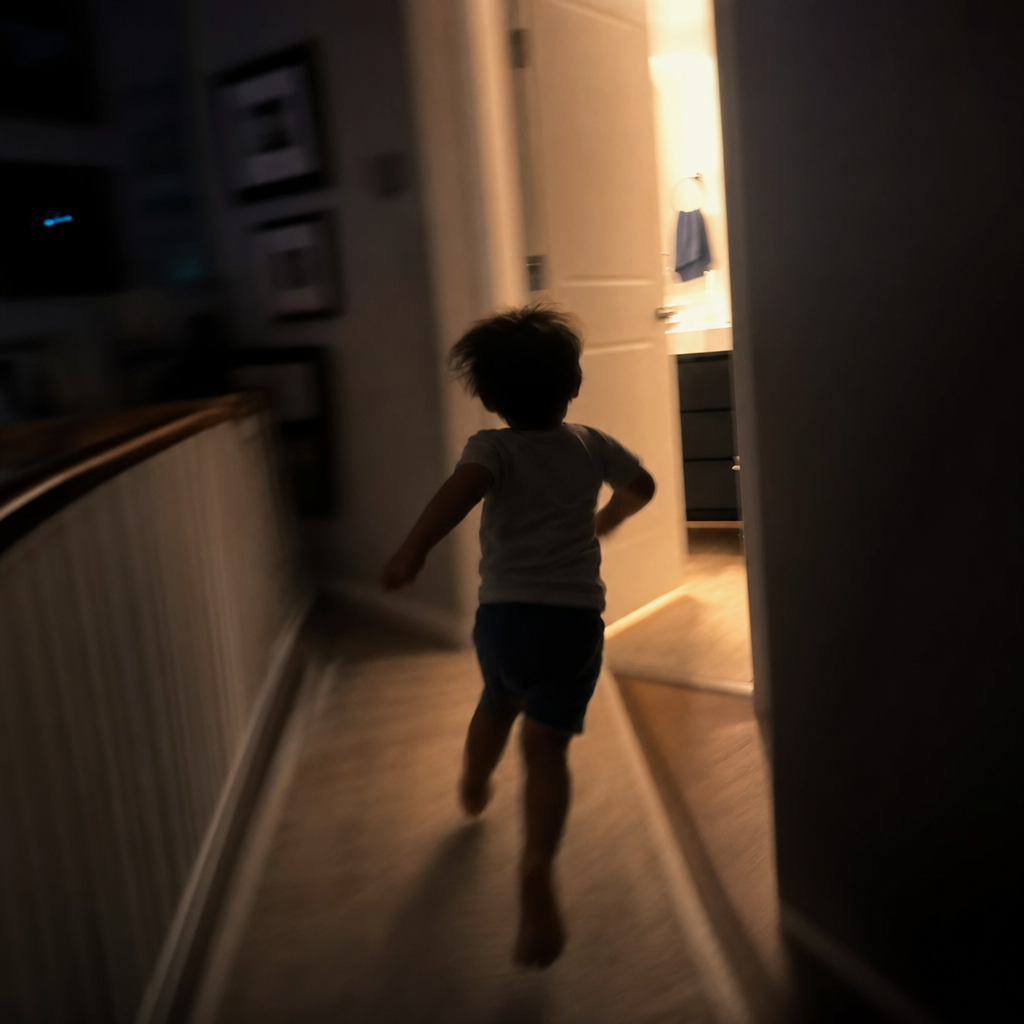
Ran for 85 days, from July 12 to October 5, 2026, the last day Crush saw it.
Run by Raising Toddlers with Bec on Facebook. Crush is not the advertiser and does not verify its claims. See this ad in Meta's Ad Library(opens in a new tab)
Want an ad like this for your product?
Crush makes new ad images for your product from this ad: your logo, your product photo, your offer.
Trials from $19.95 USD, then $79.95 USD a month. Cancel anytime.
About this ad
- Meta Ad Library ID
- 1427292859238369
- Platforms
- Facebook, Instagram, Audience Network and Messenger
- Relaunches
- 0
- Niche
- Parenting & Kids
Ad text
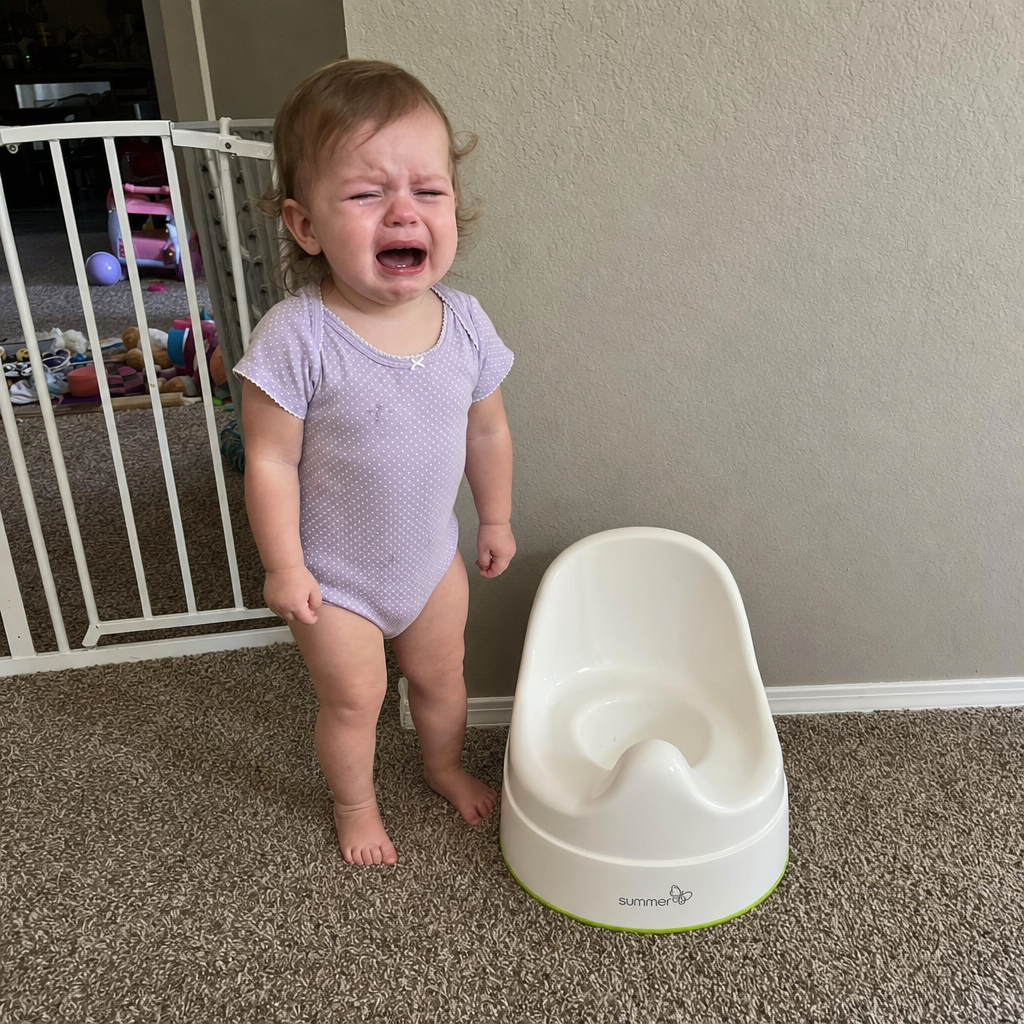
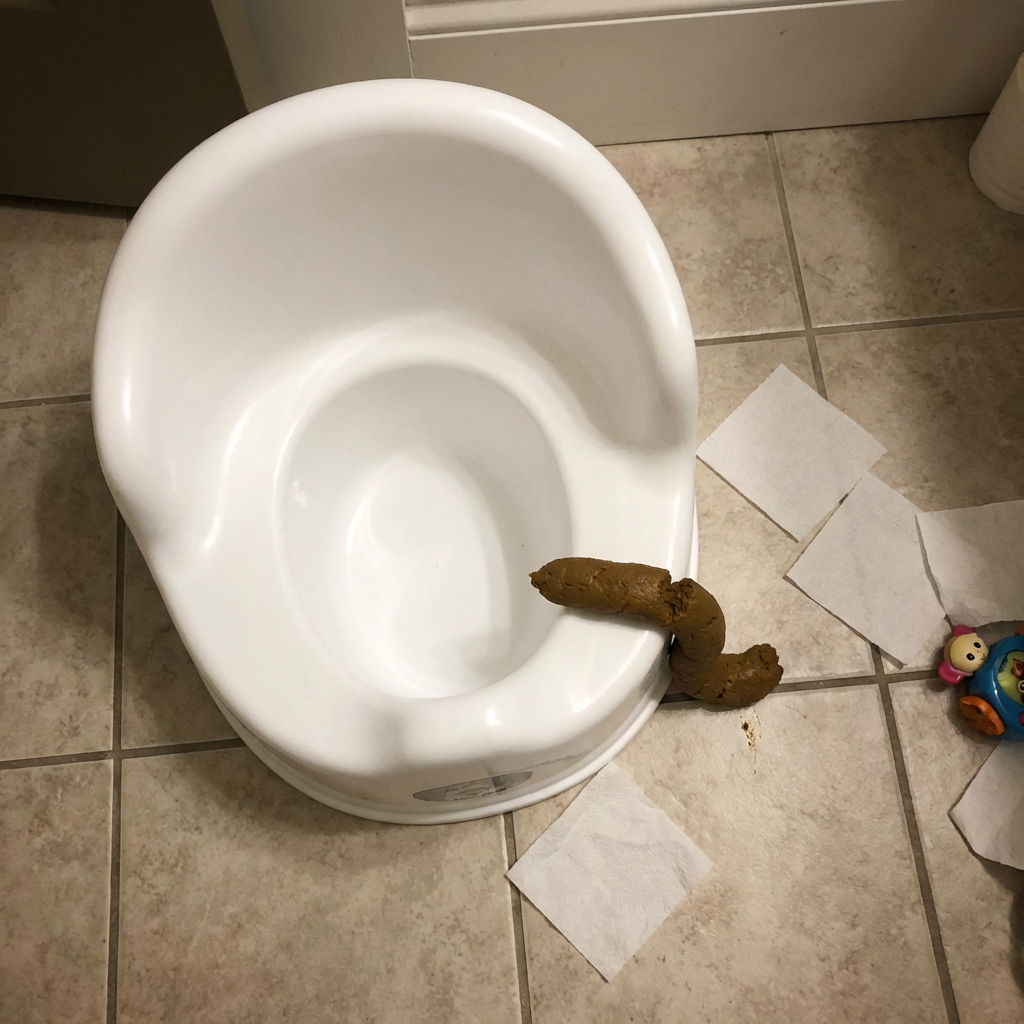
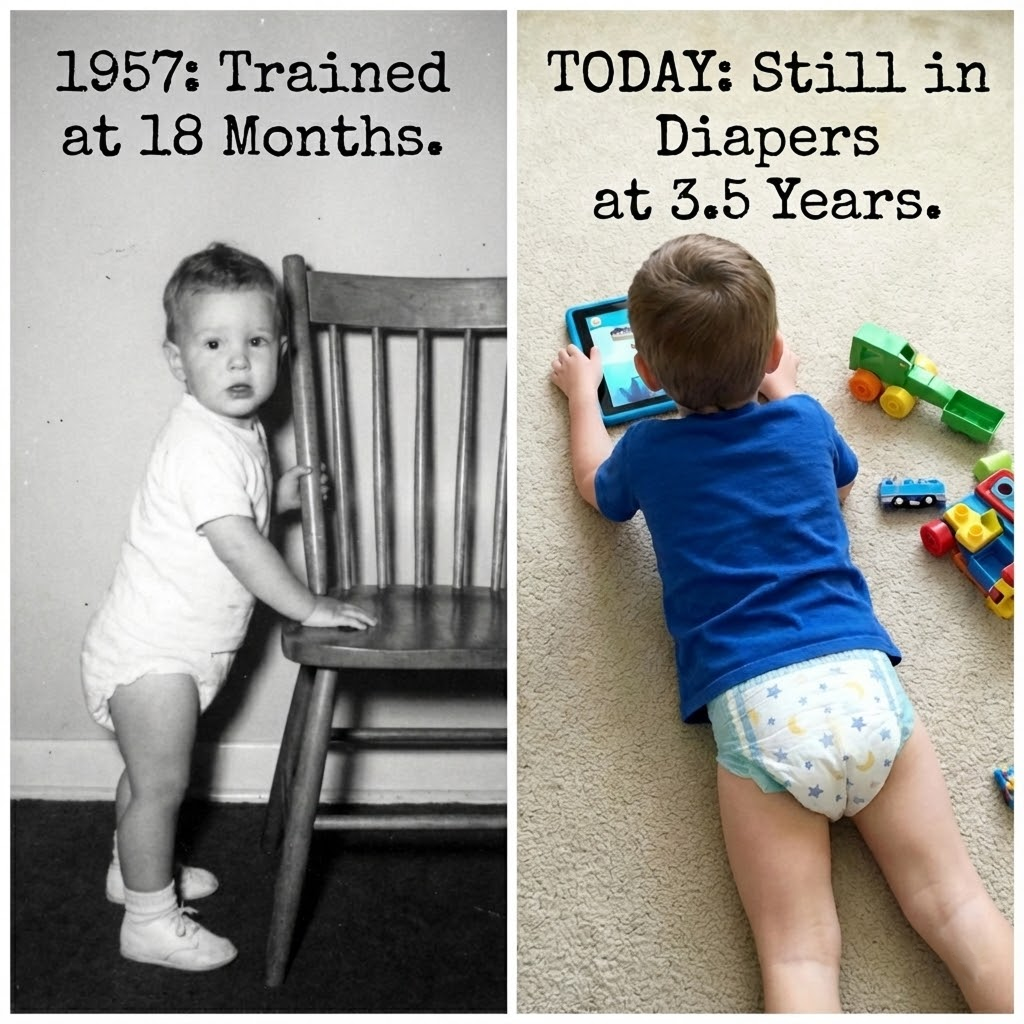
On our 4th attempt potty training and it's finally clicking. Here's what we did differently this time. We waited until he was ready. That was the difference. But not in the way you're thinking. Not "we waited until he showed signs" or "we waited until he asked." We'd been doing that. We'd been watching for signs since he was eighteen months old. What I mean is — we finally figured out what "ready" actually means. And it's not what anyone told us. Let me back up. My name is Bec, im a 32 year old mother with a 4 year old son. We first started potty training when he was 22 months. Everyone said that's a good age to start. His pediatrician said go for it. We bought the potty — a green one, the kind that looks like a little toilet with a flusher that makes a sound. He loved it. S at on it fully clothed for a week. We did Oh Crap. Followed it exactly. Three days naked, then commando, then pants. Day one went fine. Day two was chaos. Day three he screamed when we brought him near the bathroom. We stopped. Attempt two. He was 26 months. We tried a gentler approach. Child-led. Let him come to it. Read him the books. Let him watch us. Put the potty in the living room so it was always there. He sat on it maybe four times in two months. Never went in it. Not once. Attempt three. He was 2 years and 10 months. We went hard. Timer every 20 minutes. Sticker chart. M&Ms. Big reactions when he went. The whole production. He'd have one success and we'd celebrate like he'd graduated medical school. Then nothing for three days. Then one more success. Then nothing for a week. After six weeks of that, we had a total of maybe eight successful trips to the potty. All of them happened because I caught the signs and rushed him there. Not because he felt anything or told me anything. He turned three. Still in diapers. Still no awareness. Still looking surprised every time he had an accident, like he genuinely didn't know it was happening until he was standing in it. And I kept thinking — what am I doing wrong? Why can other kids figure this out in a weekend and mine can't get it in six months? His preschool wasn't pressuring us. His teachers said wait until he's ready. My mom said boys are slower. The pediatrician said some kids just take longer. And all of that is probably true. But none of it explained WHY. It wasn't that he was resistant. He'd sit on the potty happily. He just... didn't seem to know what he was supposed to feel while he was sitting there. That's the part that kept nagging at me. He wasn't fighting it. He was confused by it. — Between attempt three and attempt four, about two months passed. During those two months I wasn't trying anything. I'd given up for a while. He was back in diapers full time and I was just... done thinking about it. But I LOVE going on reddit, so many good reddit posts on there. A post about potty training popped up around why some kids get stuck. Not what to do — why it happens. And I found something that reframed the entire thing for me. I was reading a thread — one of those long ones where parents are sharing what finally worked after months of nothing — and it was written by a woman who works in child development. I thought it was as least worth a look… She said most potty training methods assume the child can already feel the urge to go. They assume the signal — the feeling of a full bladder, the sensation of pee starting — is reaching the child's brain and the child just needs to learn what to do with it. But for a lot of kids, especially kids who've been in diapers since birth, that signal isn't reaching their brain at all. She explained it like this. Disposables are engineered to absorb in under two seconds. The child's skin stays completely dry. Every single time they pee from birth to age two or three — thousands of times — their brain receives zero feedback. No wetness. No discomfort. No sensation that anything happened. And after thousands of repetitions of that signal producing nothing — no consequence, no feeling, no change — the brain does what brains do. It stops paying attention. The nerve still fires. The bladder still fills. But the brain has learned to classify that signal as background noise. Not worth reacting to. She said it's the same thing that happens when you put a watch or piece of jewlery on, you notice it for 5 minutes of so but then it becomes apart of you. The jewelry hasn't been removed, your brain just stopped noticing it. That's what's happened to these kids. Their brain tuned out the bladder signal because, in a disposable, there was never any reason to pay attention to it. That's why they can sit on the potty and feel nothing. The signal is there — the bladder is full — but their brain isn't registering it as something that requires action. And that's why they pee ten minutes later with no warning. By the time the signal finally breaks through the brain's filter, it's already happening. That's why they look surprised. They ARE surprised. They didn't feel it coming. I read that and I sat back in my chair and thought about three attempts over fourteen months and every single one of them assumed he could feel it. Every timer I set assumed he could feel it building and just needed a reminder. Every sticker chart assumed he was choosing not to go and needed motivation. Every "rush him to the potty when you see the signs" was ME feeling it for him. He never felt it. Not once. He never once felt the urge and responded to it on his own. Because his brain wasn't hearing it. That's not a readiness problem. That's not a stubbornness problem. That's a feedback problem. — So for attempt four, we didn't try a new method. We fixed the feedback. The woman in that thread said the only way to get the brain listening again is to give it the sensation it's been missing. The child needs to feel wet against their skin when they pee. Not after thirty seconds. Not partially. Immediately. So the brain starts connecting "that feeling in my bladder" with "this is what happens next." She said once the brain starts getting that feedback consistently — without going back to disposables in between — most kids reconnect within days. Because the neural pathway already exists. It's just been muted. You're not building something new. You're turning the volume back up. But she said you can't just do naked. Most families try it, burn out in 48 hours because of the mess, put the diaper back on, and the brain goes right back to ignoring the signal. You need something you can actually sustain for the week or two it takes. She said the ones she recommends are from a company called UpAiry. She said she'd been recommending them for about two years at that point because they're the only training pants she'd found that actually work the way they need to. They have a special cotton inner layer that holds wetness against the skin immediately so the brain registers it, absorbent layer underneath so it doesn't reach the furniture, and they feel nothing like a diaper so the child doesn't treat them as one. She said she'd tried recommending other brands before — the ones from Amazon, a few from Target — and parents kept coming back saying they either leaked through on the first accident or the material wicked moisture away so fast that the child never felt wet. Which defeats the entire point. I looked them up. They had a 75-day guarantee. After fourteen months and three failed attempts, that felt like nothing to lose. — They arrived Thursday. Friday morning I put them on him. He didn't care I didn't set a timer. I didn't hover. I didn't watch for signs. I just let him play. At 9:40 he had an accident. And something happened that had not happened in fourteen months. He stopped. He was holding a train in each hand and he just... froze. Looked down. His whole body went still for about two seconds. Then he looked up at me and said "Mama. I'm wet." Not "I peed." Not after the fact. Not me noticing a puddle and telling him. He felt it. On his skin. Happening to his body. And he told me. In three years of diapers and fourteen months of trying, he had never once said that. He had never once stopped playing. He had never once reacted to his own pee. I didn't make a big deal of it. I said "Yep. You're wet. That's what it feels like. Next time, that feeling means go sit on the potty." Changed him. Let him go back to playing. Day two. Two accidents. But both times he stopped BEFORE he finished. Felt it start. Looked panicked. Ran toward the bathroom. Didn't make it either time — but he was trying to get there. His brain heard the signal mid-stream and his body tried to respond. Day three. One accident in the morning. Then after his snack he stood up, said "I need to go," walked to the bathroom, pulled them down, and went in the potty. No timer. No sticker. No M&M. No me watching for the wiggle. He felt it. He knew what it meant. He went. The same potty. The green one with the flusher. The one he'd been sitting on since he was 22 months old. He just finally understood what it was for. Because he could finally feel the thing that's supposed to send him there. Day five. Telling me before every time. "I need to go." Running. Making it. Day eight. Going on his own without telling me. I'd just hear the flusher sound from the other room. Week two. Dry all day. Dry at the park. Dry in the car. Asking to use bathrooms at stores. Week three. Regular underwear. He picked the ones with diggers on them. No accidents in five days. — Four attempts over fourteen months. And the fourth one took eight days. The difference wasn't the method. We didn't use a method. We didn't do Oh Crap or three-day or sticker charts or timers. The difference was that for the first time, his brain could actually hear the signal. And once it could hear it, he figured out what to do with it on his own. In days. Not months. Days. I think about the fourteen months before that. The frustration. The "why won't he just get it." The three attempts that all failed the same way for the same reason that nobody ever explained to us. Every single method we tried was asking him to respond to something he couldn't feel. It's like handing someone a phone and saying "answer it when it rings" but the ringer is off. They're not ignoring it. They're not being difficult. They can't hear it. We turned the ringer back on. That's all we did. And he answered it immediately. If you're on attempt two or three or four and nothing is clicking — it might not be the method. It might not be readiness. It might just be that their brain can't hear the signal yet because disposables have been muting it since birth. Give them the feedback. Let them feel it. The rest happens faster than you'd believe after months of nothing. EDIT: Getting a lot of DMs asking what brand. They're called UpAiry. Here's the link: https://www.upairy.com/pages/weeks-not-months 75-day guarantee. After fourteen months of failed attempts that's what made me finally just try them. P.S. — I genuinely believe if someone had explained the feedback thing to us before attempt one, we would have been done in a week at 22 months. Instead we spent fourteen months trying methods that couldn't work because the foundation wasn't there. I'm not angry about it but I do wish someone — the pediatrician, the preschool, anyone — had said "check whether he can actually feel it first before you start trying to train him to respond to it." Would have saved us a year.
Where the ad sends people
upairy.com
How I discovered the cause of my potty training issues...
"I wish I found these sooner"
Learn more: upairy.com(opens in a new tab)