
Inactive· since Mar 18, 2026
- 45
- days it ran
- 0
- relaunches
Ad copy
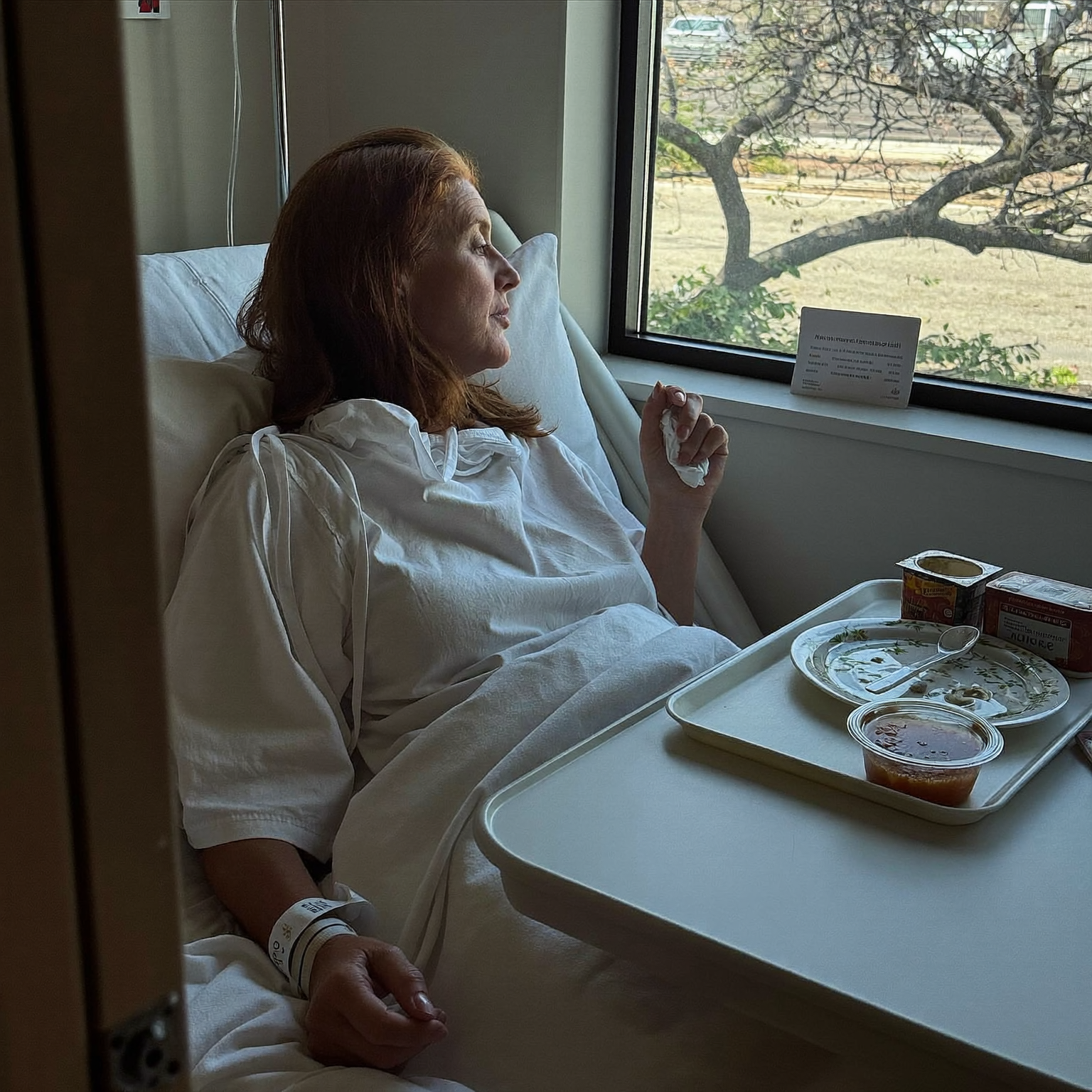
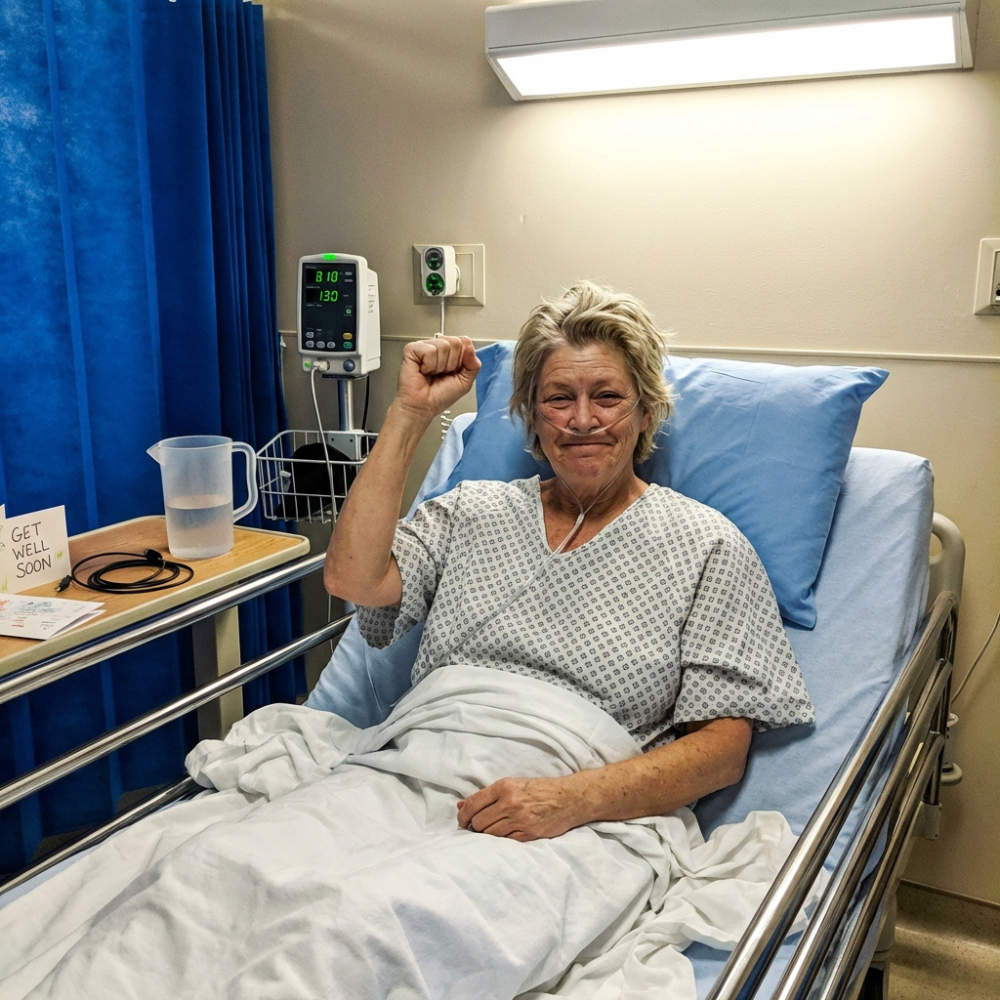
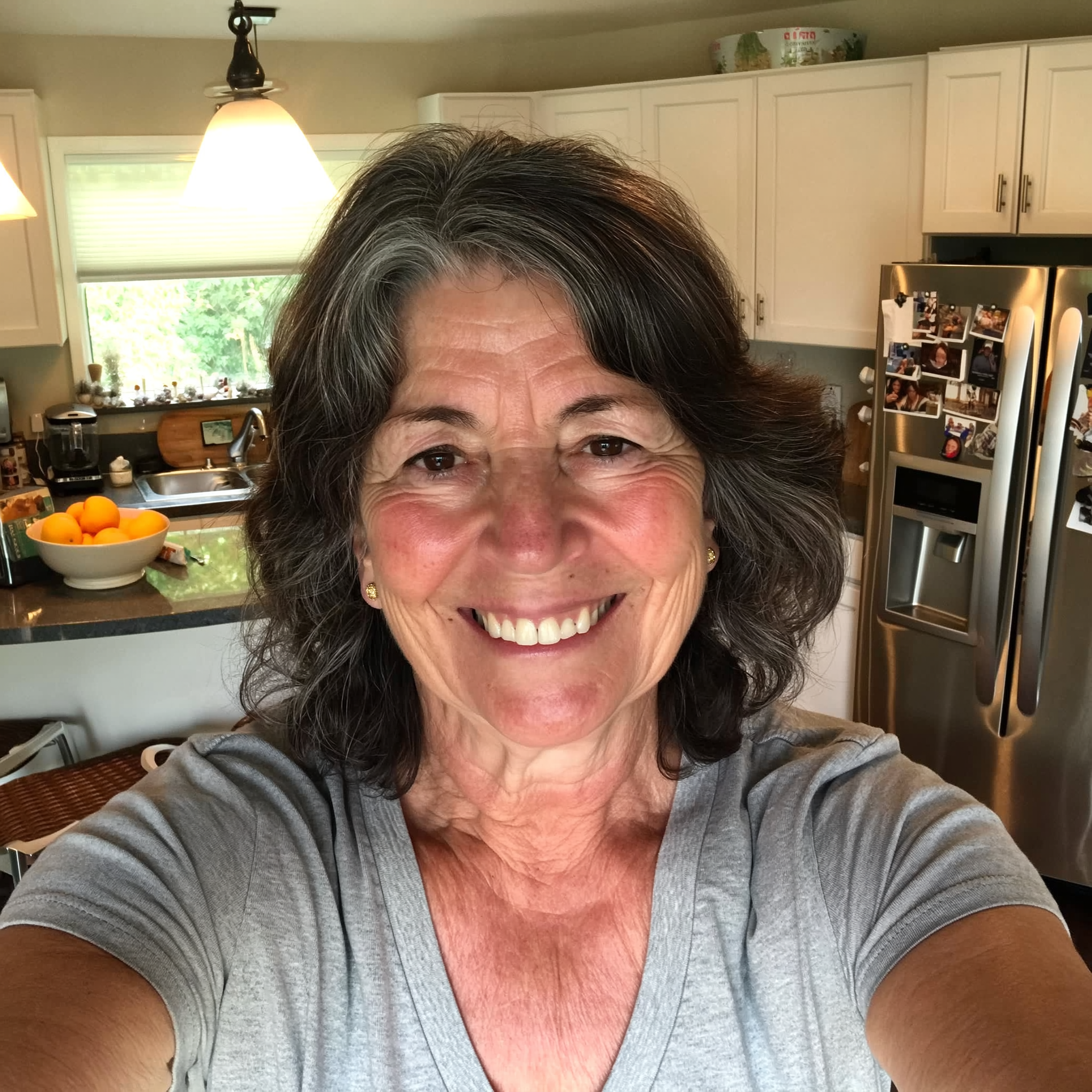
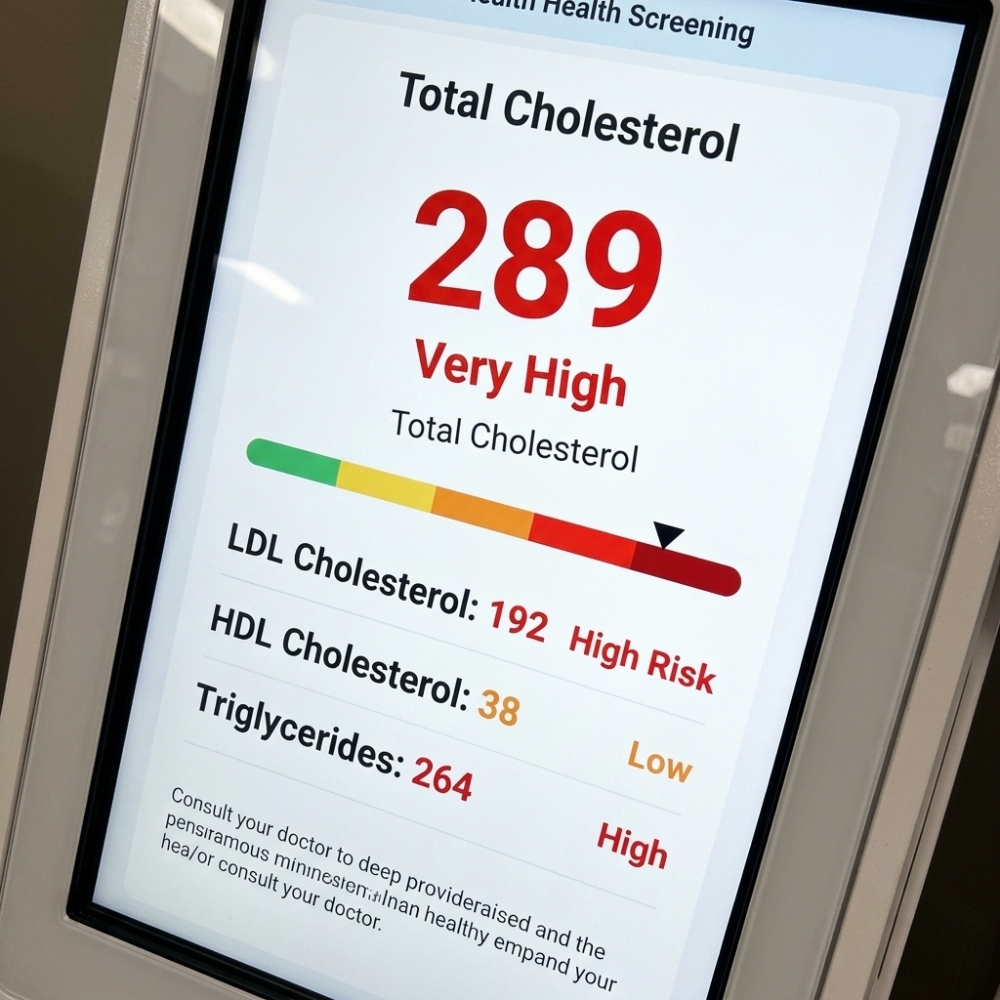
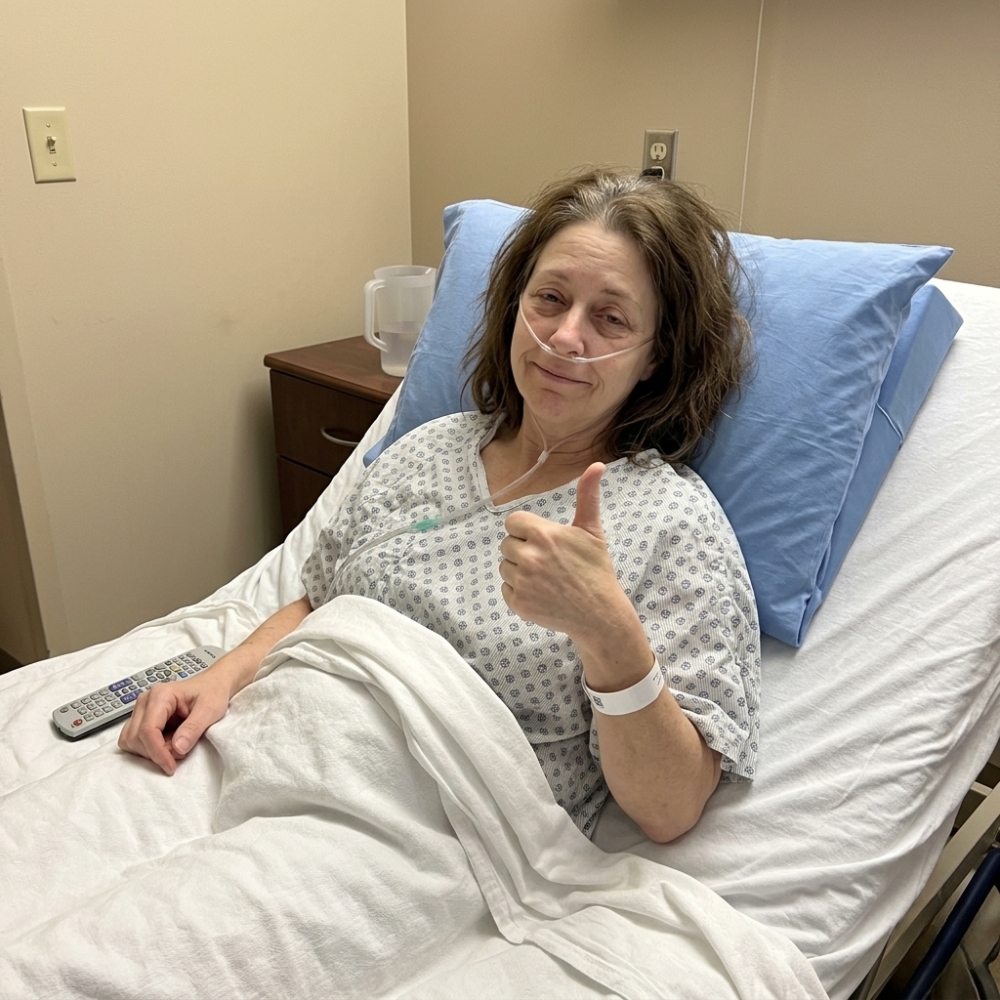
I cancelled date night for 10 months straight because the restaurant menu was "too risky." I packed my own meals to my daughter's wedding rehearsal dinner. I turned down birthday cake at my own granddaughter's party. My LDL went from 191 to 183. My marriage almost didn't survive the other eight points. And by the end of this, you're going to be furious. Because there are three things happening right now: One — You've been told your cholesterol is a food problem, and you've been punishing yourself with restriction that was never going to fix it. Two — When your doctor sees those numbers haven't moved, her only answer will be statins — pills you'll take for the rest of your life that force the number down without fixing why it went up. Three — There is a biological reason your cholesterol spiked that has nothing to do with what's on your plate, and the moment you understand it, the last 10 months of sacrifice will finally make a horrible kind of sense. --- Let me be specific about what I gave up. Because I need you to understand the scale of what I sacrificed for eight points. I'm 57. Married 31 years. My husband and I used to have a Friday night tradition — dinner at a restaurant. Anywhere. Italian. Thai. The little French place on Oak Street. It was our thing. Thirty-one years of Friday nights. I cancelled every single one for 10 months. Because I couldn't control what they cooked with. Couldn't measure the oil. Couldn't verify the sodium. Couldn't guarantee the saturated fat was under the limit I'd set for myself. So I stayed home. Cooked my own meals. Measured every tablespoon of olive oil. Weighed my salmon on a kitchen scale. Logged every meal in an app that tracked grams of saturated fat, fiber, sodium, and cholesterol to the decimal point. Starting numbers: LDL 191. Total cholesterol 271. My doctor didn't say "statin." She said "statin immediately." Wanted me on rosuvastatin that day. I asked for time. She gave me six months. Six months to fix it myself. Or medication for the rest of my life. I know what statins do. My neighbor Janet — 62, retired teacher, kindest woman on our street — started atorvastatin three years ago. Within five months she stopped coming to our Sunday walking group. Said her legs hurt too much. Then she stopped coming to book club. Said she couldn't concentrate on the pages anymore. Then she stopped hosting Thanksgiving — something she'd done every year for two decades. Said she was "just too tired." Her husband mows the lawn and she sits on the porch and watches. She used to do the lawn herself. She liked it. Said it was meditative. She told me last spring, on one of the rare days she felt okay enough to walk to the end of the cul-de-sac with me: "I don't know if the medication is keeping me alive or just keeping me existing. There's a difference." I was not going to become Janet. --- Month 1: Full dietary overhaul. Cut saturated fat to under 10 grams a day. No butter. No cheese. No cream. No red meat. No fried food. No baked goods I didn't make myself so I could control every ingredient. Oatmeal with ground flaxseed and walnuts every morning. Every. Single. Morning. For ten months. I can still taste it when I close my eyes and I don't want to. Walked 45 minutes a day. Started yoga twice a week. Month 1 test: LDL 188. Three points. Okay. Early days. Month 2: Added psyllium husk fiber every night. The texture made me gag. I mixed it with water and drank it like someone taking cough syrup — fast, with my eyes closed. Every night. Lost 5 pounds. Month 2 test: LDL 187. One more point. Month 3: Cut eggs entirely. Not even whites. Went fully plant-based three days a week. Added artichokes, beans, lentils — every food that every heart-health article says lowers cholesterol. I ate so many lentils my husband said the kitchen permanently smelled like a health food store. Month 3 test: LDL 186. One. Point. This was the night my husband said something that landed like a brick. We were in the kitchen. He'd just ordered takeout for himself — pad thai, something I used to love and hadn't touched in three months — and he was eating it at the counter while I ate my grilled salmon and steamed broccoli for the fourth time that week. He put down his fork and said: "I miss you." Not "I miss going out." Not "I miss normal food." "I miss YOU. You used to laugh at dinner. Now you calculate. You used to enjoy food. Now you measure it. I eat pad thai in front of you and you look at it like it's a grenade." I started to argue. He held up his hand. "I'm not saying stop. I know this matters. I'm saying... the woman I married liked her life. And I'm watching you hate yours. And the number is barely moving. And I'm scared that this is what we are now." I didn't sleep that night. Because he was right. --- Month 4 through Month 6: I pushed harder. Because that's what I do. I don't quit. I don't adjust expectations. I escalate. Added intermittent fasting. 16:8. No food before noon. This from a woman who'd eaten breakfast every day of her adult life. Added apple cider vinegar every morning. Tasted terrible. Drank it anyway. Added turmeric capsules. Someone in a menopause Facebook group said it "changed her life." Lost another 4 pounds. Total: 9 pounds. Waist smaller. Arms leaner. I looked healthy. My doctor at the six-month check said my weight and body composition were "excellent." LDL at six months: 185. Six points. My doctor looked at the number. Looked at my food journal — a notebook with 182 daily entries, each one meticulously logged. Looked at the 9 pounds I'd lost. Looked at me. "I can see the effort. It's extraordinary. But your LDL isn't responding the way we need. I really think it's time for the rosuvastatin." I asked for four more months. She gave me a speech about cardiovascular risk in postmenopausal women. About how every month of elevated LDL increases plaque accumulation. About how she'd "seen too many women wait too long." She gave me three months. Not four. "If you're not below 150 by March, we start medication. I won't negotiate on this again." March 8th. That was the date she circled. --- Month 7: I reached the point where there was nothing left to cut. My diet was flawless. My exercise was consistent. My weight was down. My discipline was absolute. And my LDL was 184. It went UP one point. I stood in my bathroom on a Tuesday morning, holding my home cholesterol meter, and I swear I could feel something inside me break. Not my heart. My belief in the premise. The foundational belief I'd held for seven months — that if I just tried hard enough, restricted enough, sacrificed enough, my body would cooperate. It wasn't cooperating. And I had no idea why. That night — a Wednesday, 11 PM — I was sitting on the couch. My husband was asleep. I had my laptop and a cup of tea that was getting cold because I'd forgotten about it three separate times. I wasn't searching "how to lower cholesterol with diet" anymore. I'd lived that search for seven months. I could write the results page myself. Oats. Fiber. Omega-3. Exercise. Plant sterols. I knew all of it. I'd done all of it. It didn't work. Instead I typed something different: "Why doesn't cholesterol respond to diet in postmenopausal women" And the results that came back rearranged everything I thought I understood about my own body. --- I found a medical explanation that no doctor, no nutritionist, no wellness article, and no Facebook group had ever given me. Estrogen — the hormone I'd only associated with hot flashes and mood swings and periods — plays a direct, critical role in how your liver removes LDL cholesterol from your bloodstream. Your liver has LDL receptors. They work like a drain in a sink. They pull LDL out of your blood and process it for removal. Estrogen keeps those drains open. Keeps them functioning. For your entire adult life — from puberty through your forties — estrogen has been quietly making sure cholesterol doesn't build up. When you go through menopause and estrogen drops, those drains start closing. Slowly. Some shut completely. LDL that used to flow out of your blood and get processed just... stays. Accumulates. Rises. Week after week. Month after month. Regardless of what you eat. I read that and my whole body went still. Ten months. No restaurants. No date nights. No birthday cake. No butter, no cheese, no pad thai, no joy at the dinner table. My husband saying "I miss you." All of it — ALL of it — to fight a problem that had nothing to do with food. My cholesterol didn't go up because I was eating wrong. It went up because my estrogen dropped at 51 and the system that removes cholesterol from my blood started shutting down. And no amount of oatmeal or flaxseed or psyllium husk or fasting or lentils was going to switch it back on. I'd been starving myself of pleasure to fix a hormonal problem with a dietary solution. Like turning off every light in the house to lower the water bill. I sat on that couch and cried. Not delicate crying. The ugly, heaving kind where you can't breathe right and your face gets hot and you don't even try to be quiet anymore. My husband came downstairs. Saw me. Sat down. Didn't say anything. Just put his hand on my back. "It was never the food," I said. "None of it was the food." --- But the anger came fast. Because if the problem is dormant LDL receptors — if the problem is hormonal, not dietary — then why is the only medical solution a drug that doesn't fix that either? Statins don't reopen those drains. They don't touch LDL receptors. They force your liver to produce LESS cholesterol through a chemical sledgehammer. Completely different mechanism. That's why they come with muscle pain, brain fog, fatigue — they're brute-forcing an intervention on a system that needs something much more targeted. The number on your lab report drops. The underlying cause — dormant receptors — remains. And you take the pill every day, forever, while the problem that actually caused the spike is never addressed. That's why Janet can't walk to the end of the street. Her number is "managed." Her body is deteriorating. Her drains are still closed. The medication just turned down the faucet while the sink stays clogged. And every refill is another month of revenue for someone who isn't her. --- Same night. Probably 1 AM by then. I found research from UCLA. Dr. Matthew Budoff. Cardiologist. Published in peer-reviewed journals. Four clinical trials. He was studying a compound called S-allylcysteine — SAC. It exists only in garlic that's been aged for 20 to 24 months. Not raw garlic. Not the garlic supplements at CVS. Specifically, garlic where a slow molecular conversion over two years produces a compound that raw garlic doesn't contain in any useful amount. What he found: SAC supports the LDL-clearance pathways that estrogen used to run. Not blocking production like statins. Not blocking absorption like plant sterols. Not binding bile acids like fiber. Supporting the actual receptors. The drains. The system that menopause shut down. The one thing — out of everything I'd tried for ten months — that was designed to address the actual problem. Four trials. Peer-reviewed. Significant LDL reductions in patients who weren't responding to lifestyle changes. Improved arterial flexibility. Reduced plaque. No muscle pain. No brain fog. No sitting on the porch watching someone else mow your lawn. I had until March 8th. --- I went looking for aged garlic extract the next day. And I almost wasted more time I didn't have. Because the conversion from raw garlic compounds to S-allylcysteine requires 20 to 24 months of aging. Most supplement brands age for 6 months. Cheaper. Faster. The bottle still says "aged garlic extract" and the customer doesn't know the difference. But 6 months doesn't produce meaningful SAC. It's garlic in a capsule. Nothing more. I tried Kyolic first. It's the most recognized brand. Took it for three weeks. Home test: LDL 184. Zero. Tried another brand from a health food store. "Premium aged garlic." Nice packaging. Ten days. Home test: LDL 186. Went up. I almost threw the meter across the bathroom. March 8th was five weeks away. I could feel the prescription pad waiting. Then I found a post from a woman with a biochemistry background breaking down why most aged garlic fails. The aging duration. The verified SAC concentration. Why "garlic equivalent" on a label means nothing. She named BotanicVault. 24-month aging. Full duration. Not shortened. Not "accelerated process." The actual, complete biochemical conversion that the UCLA trials were based on. Verified S-allylcysteine content. Not a proxy measurement. Actual SAC, third-party tested, Certificate of Analysis published. I ordered it that night with rush shipping. --- I started January 29th. My appointment was March 8th. Thirty-eight days. I knew from the research that full results build over 8-12 weeks. I wasn't expecting a miracle. I just needed enough movement to buy more time. To show my doctor the line was going in the right direction. I kept my diet. Kept walking. Kept everything the same. Added one capsule a day. Two weeks in — home test: LDL 174. Ten points. In two weeks. After ten months of dietary restriction gave me seven. My hands were shaking so hard I almost dropped the meter. I tested again. 172. I sat on the edge of the tub and pressed my palms against my eyes and just breathed. Something was happening. Week 3: LDL 165. Week 4: LDL 156. Week 5 — three days before March 8th: LDL 148. I did the math. Forty-three points in five weeks. After ten months of lifestyle changes gave me seven total. March 8th. My doctor's office. She ran the full panel. I sat in the chair gripping the armrests like I was on a plane during turbulence. She turned the monitor toward me. LDL: 144. Total cholesterol: 221. HDL: 69. She looked at my chart. Scrolled through ten months of 183-191. Then this. She took her glasses off. "What happened between December and now?" I told her everything. The estrogen connection. The dormant LDL receptors. The SAC compound. The 24-month aging process. Why the first two brands didn't work. Why diet couldn't fix a hormonal problem. She listened. Pulled up the UCLA trials on her screen. Read silently for what felt like two minutes. Then: "These numbers are moving in exactly the right direction. I'm not prescribing anything today." She paused. "I want to see you in three months. If this trajectory holds, we're in excellent shape. And I want the name of what you're taking — I have other patients who should know about this." I made it to the elevator before the tears started. --- That was eight months ago. Last month's bloodwork: LDL 119. Total cholesterol: 198. 119. Lower than any reading I've had since my early forties. My bathroom has one bottle of aged garlic and a fish oil. That's it. No food journal. No app tracking grams of saturated fat to the decimal. No kitchen scale for salmon portions. I still eat healthy. More vegetables than before. Olive oil. Fish twice a week. But I eat it because I want to, not because I'm terrified that a tablespoon of butter will kill me. And last Friday — for the first time in almost a year — my husband and I went to the little French place on Oak Street. I ordered the duck confit. He ordered a bottle of wine. We split a crème brûlée. He reached across the table and held my hand and said: "There you are." I almost lost that. I almost lost Friday nights for the rest of my life. I almost lost the pleasure of sharing a meal with the man I've loved for 31 years because I was fighting the wrong war with the wrong weapons and nobody told me. Ten months of restriction. Ten months of measuring and calculating and refusing and sacrificing. And the answer was never on my plate. --- Last week I ran into Janet at the mailbox. My neighbor. Still on statins. Still can't walk past the cul-de-sac. Still watching her husband mow the lawn from the porch. She said something that made my stomach drop. "My doctor increased my dose. My numbers went up again. She says I might need a second medication." Her voice was flat. Not scared anymore. Just... resigned. I put my hand on her arm and said: "Janet, can I come over this weekend? There's something I need to tell you. And you're going to be angry that nobody told you sooner." I'm telling you now too. --- If you see yourself in this story — if you've been cutting and restricting and measuring and sacrificing and watching your LDL sit there like it's mocking you — please hear me. It's not the food. It was never the food. Your cholesterol spiked because menopause shut down your body's LDL-removal system. And no diet on earth can restart it. You've been punishing yourself for a hormonal problem that requires a biological solution. S-allylcysteine. From garlic aged the full 24 months. Not 6. The complete conversion. **BotanicVault.** Verified SAC content. Third-party tested. Certificate of Analysis published. The same form used in four UCLA clinical trials. Try it for 60 days. Keep eating well — not because you have to, but because you want to. Add what's actually been missing. Give your body back what menopause took away. If you're not satisfied for ANY reason — full refund. No questions. But I don't think you'll need it. Because I went from LDL 191 to 119. After ten months of restriction gave me 8 points, this gave me 72. My doctor asked for the name so she could tell her other patients. And last Friday I ate duck confit with my husband and didn't calculate a single gram. 👉 botanicvault.com/products/aged-garlic-extract — Teresa Moretti, 57 Married 31 years. 10-month oatmeal survivor. Finally back at the French place on Friday nights. P.S. — My healthy eating habits actually help BotanicVault work better. Diet reduces the cholesterol LOAD on your system. SAC restores the CLEARANCE system that menopause disabled. Together they do what neither can alone. Don't stop eating well. Just stop believing that food is the only answer. It's not. It never was.
High Cholesterol After Menopause? Read this 👆
Odorless aged garlic extract dietary supplement.
LEARN MORELike this ad? Make it yours.
Crush rebuilds this exact creative around your product — your brand, your colors, your offer — in about a minute.