
Active· since Mar 30, 2026
- 167
- days running
- 0
- relaunches
Ad copy
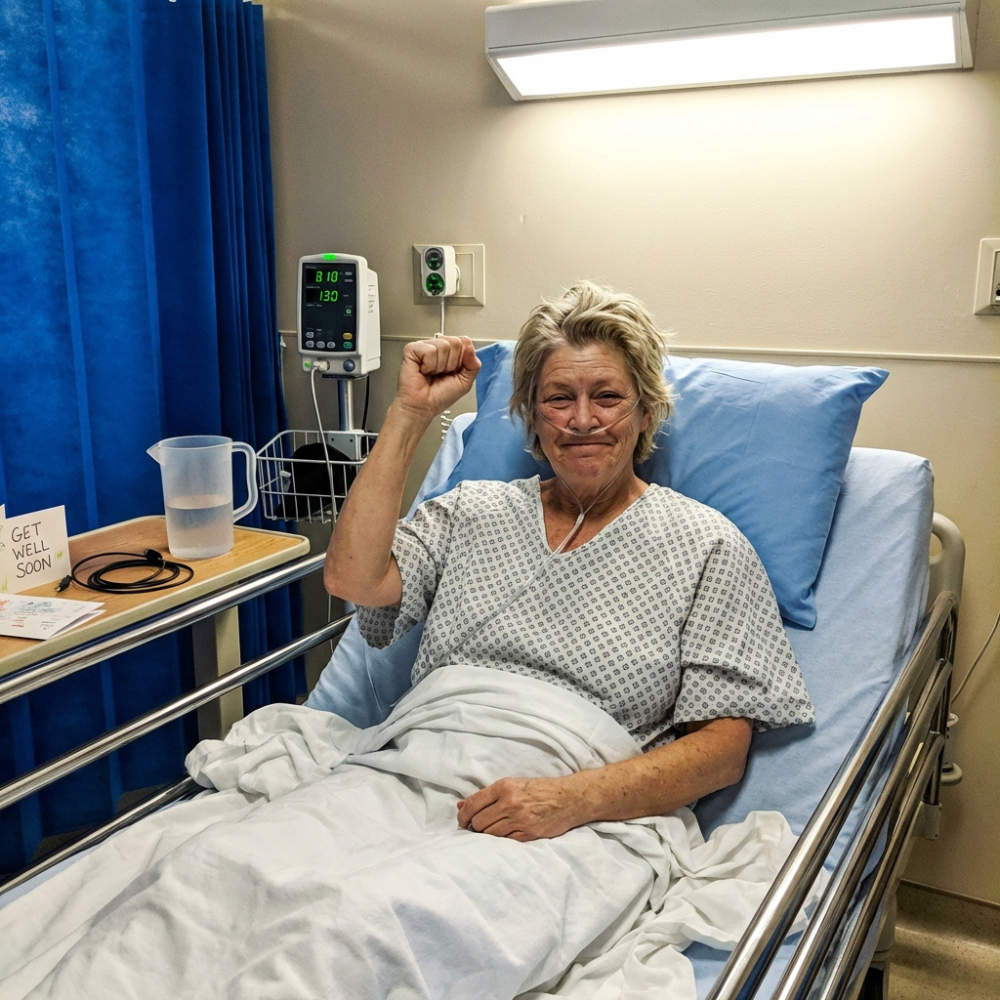
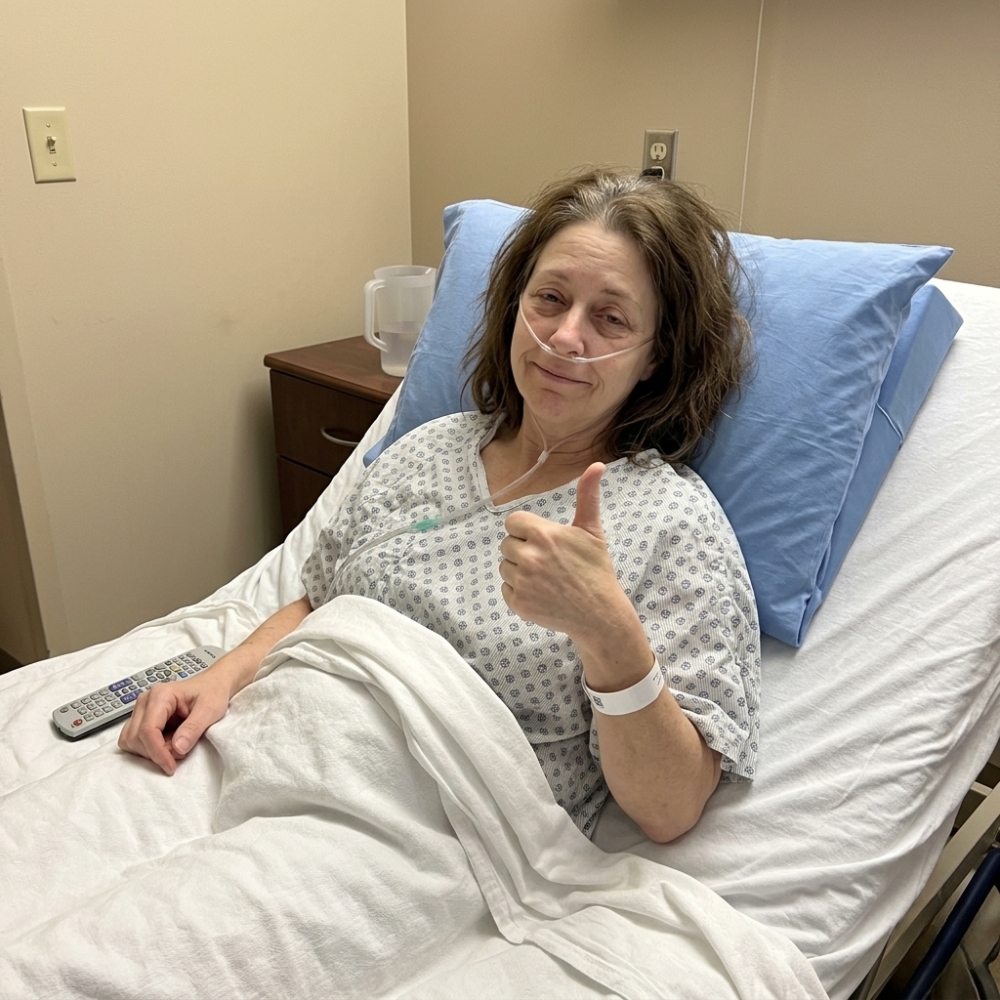
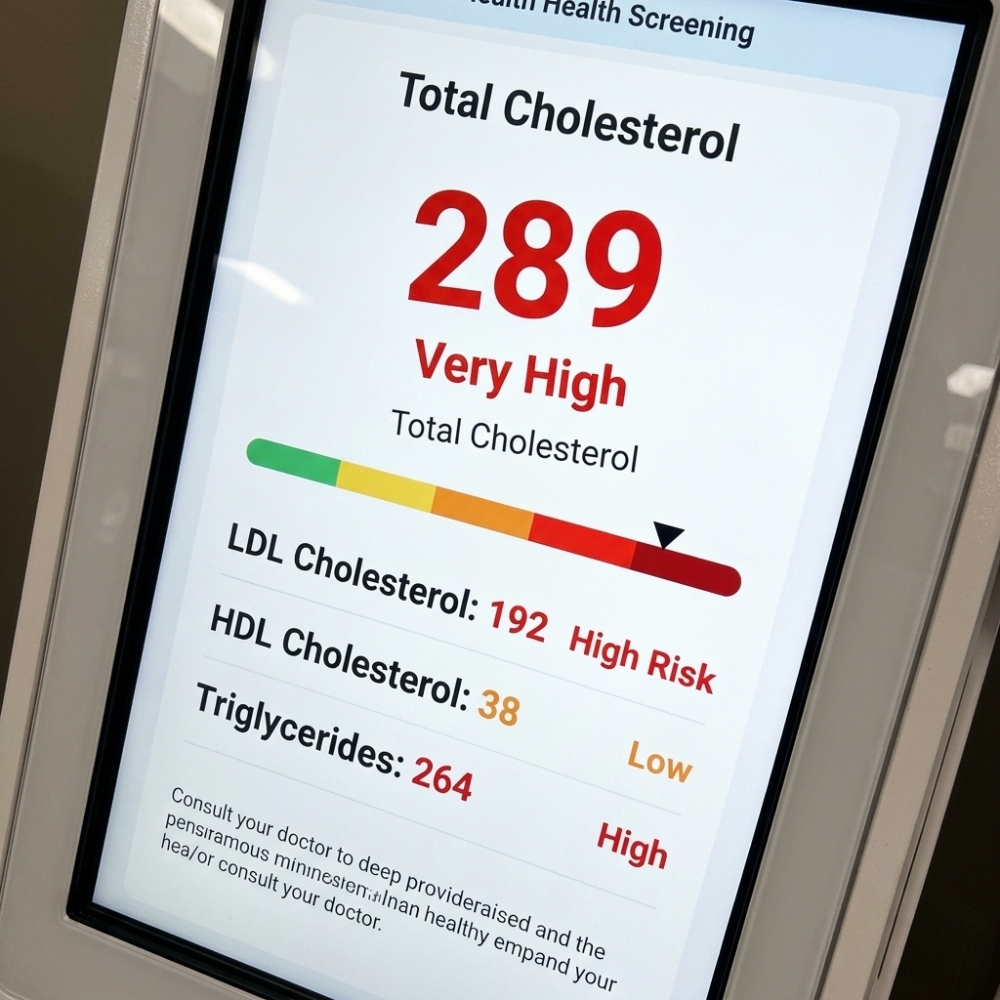
My father had his first heart attack at 53. His brother dropped dead at 48. Their father didn't make it to 60. I've been eating like my life depends on it since I was 32 years old — because it does. I'm 54 now, postmenopausal, and last month my LDL came back at 196. Twenty-two years of fighting my genetics. And my genetics are winning. And by the end of this, you're going to be furious. Because there are three things happening right now: One — You've spent years, maybe decades, eating and living the opposite of your family — and menopause is undoing all of it. Two — The medical system's answer is the same pill they gave the family members you've been trying not to become — medication that manages the number but never fixes why it keeps climbing. Three — There's a biological reason menopause is accelerating the exact thing you've spent your whole life trying to outrun, and once you understand it, you'll realize why your lifelong fight was never going to be enough on its own. --- I need you to understand something before I tell you the rest. I need you to understand that I didn't start fighting cholesterol last year. I didn't start when a doctor told me my numbers were high. I started when I was 32 years old, standing in a hospital hallway, watching my father recover from a heart attack that almost killed him. He was 53. Active. Not overweight. Didn't smoke. Ate reasonably well. None of that mattered. His father had died of a heart attack at 59. His brother would drop dead of one at 48 — six years after my father's. I stood in that hallway and looked at my dad through the glass — tubes in his arms, monitor beeping, the gray color of his skin — and I did the math every woman with a family history does. His father: 59. His brother: 48. Him: 53. My math. My countdown. The ages I'd been carrying in my head like a clock I couldn't turn off. I was 32. I had — what? Twenty years? Twenty-five? Before my body did what every body in my family does? That night I threw out everything in my kitchen that my father would have eaten. The chips. The frozen dinners. The deli meat. The butter. I bought olive oil, salmon, vegetables, whole grains. I started running. I'd never run before in my life, but I ran because my father didn't run and look what happened. I was 32 years old and I was running from a heart attack that hadn't happened yet. --- For twenty-two years, I didn't stop. Not once. Not for a holiday. Not for a birthday. Not for a vacation. Other women my age relaxed about food. Enjoyed meals without thinking. Ordered dessert. I couldn't. Because every time I reached for something I "shouldn't" eat, I saw my father's face through that hospital glass. Gray. Still. Fifty-three. Let me be specific about what twenty-two years of genetic fear looks like: No red meat since I was 33. Not a single steak. Not a burger at a barbecue. Not a slice of roast beef at Christmas. No butter since I was 35. I switched to olive oil for everything. I watched my mother-in-law cook with butter and felt my chest tighten — not for her, for me. Fish twice a week. Minimum. For twenty-two years. That's roughly 2,200 servings of salmon, sardines, mackerel, and cod. I could write a cookbook. Oatmeal every morning from 36 onward. Eighteen years of oatmeal. With flaxseed. With walnuts. With blueberries. The same breakfast. Every single day. Because oatmeal lowers cholesterol and my family tree is a graveyard. Exercise six days a week. Running became walking when my knees gave out at 45. Walking became walking plus yoga. Plus resistance bands. Plus swimming. Whatever it took to keep my heart working harder than my genetics. I tracked my cholesterol the way other people track their retirement accounts. Every six months. Blood test. Numbers. The relief when they were stable. The panic when they ticked up. And for twenty years, it worked. Not perfectly. My LDL was never low. It sat in the 140s, sometimes 150s. My doctor said it was "borderline" but that my lifestyle was "clearly making a difference." She'd look at my family history, look at my numbers, and say, "You're doing better than your genetics would predict." Better than your genetics would predict. That sentence was the closest thing I had to a victory. Not winning. Just not losing as fast as expected. I held onto that for twenty years. --- Then menopause hit. Perimenopause started at 49. Gradual. Hot flashes. Sleep disruption. The weight that crept on around my midsection despite not changing a single thing about my diet. Full menopause by 51. My first post-menopausal blood test: LDL 168. Up from 147 six months earlier. Twenty-one points. In six months. After twenty years of holding it steady. I panicked. Cut saturated fat even further — under 10 grams a day. Added plant sterols. Added psyllium husk fiber every night. Lost 8 pounds I didn't really have to lose. Six months later: LDL 174. It went UP. I stared at that number and felt something I'd been holding at bay for twenty-two years start to crack open. The math. The countdown. My father: 53. His brother: 48. Their father: 59. I was 52. And my numbers were moving in the direction every number in my family moves. I escalated. Went plant-based four days a week. Cut eggs entirely. Added berberine because someone in a heart health forum swore by it. Added niacin. Added CoQ10. Lost another 3 pounds. Total: 11. I was the leanest I'd been in a decade. LDL at 53: 181. LDL at 54 — last month: 196. One hundred and ninety-six. Higher than it's been in my entire adult life. Higher than when I started fighting at 32. Higher than before twenty-two years of sacrifice and discipline and fish and oatmeal and running from a ghost. I sat in my car in the lab parking lot and I felt the floor give way. Twenty-two years. I'd been fighting this since before I had kids. Since before I was married. Since I stood in a hospital hallway at 32 and swore I would not let my family's story become mine. And my genetics were winning. --- My doctor didn't hesitate. "Given your family history and these numbers, I'm strongly recommending we start rosuvastatin. Frankly, I should have recommended it sooner." Rosuvastatin. I thought of my father. After his heart attack at 53, they put him on atorvastatin. He took it for the rest of his life. Eleven years. It saved him — maybe. He made it to 64. Longer than his brother. Longer than his father. But those eleven years came with muscle pain so bad he stopped mowing the lawn. Brain fog that made him give up crossword puzzles — the crossword puzzles he'd done every morning with his coffee for as long as I could remember. Fatigue that put him in his recliner by 7 PM. My father was alive. But the man who coached my softball team, who danced at my wedding, who could fix anything with his hands — that man was gone years before the second heart attack took what was left. His cholesterol was "managed" the entire time. I looked at my doctor. "My father was on statins for eleven years. His cholesterol was managed. He still died of a heart attack at 64." She was quiet for a moment. "Statins reduce risk. They don't eliminate it." "What does eliminate it?" "Nothing eliminates it entirely with your family history. But statins are the gold standard for—" "For managing it. I know. My father managed it. He's dead." She flinched. I didn't mean to be sharp. But I was watching the same script play out in a different office, twenty years later, with a different doctor, about to write the same prescription for the same family. "Can I have three months?" "With your numbers and your history, I'm not comfortable with—" "Three months. I've been fighting this for twenty-two years. Give me three months to try something I just found." She circled a date. January 15th. "If you're not below 160 by then, we start medication. With your genetics, I'm not willing to wait longer." --- I'd already found it. Not that night. Three weeks earlier. At 11 PM on a Sunday, sitting at my kitchen table, not searching "how to lower cholesterol naturally" — I'd been searching that for twenty-two years — but asking a question I'd never thought to ask: "Why does cholesterol spike during menopause even with family history prevention" And the answer cracked open twenty-two years of assumption. Because I'd always believed my cholesterol was about GENETICS. About the cards I was dealt. About my father's arteries and his father's arteries and the family tree that read like an obituary page. And genetics IS a factor. A real one. My family does have elevated baseline cholesterol. That's real. But here's what nobody — not my doctor, not my cardiologist, not twenty-two years of research — had ever explained to me: Genetics loaded the gun. Menopause pulled the trigger. My cholesterol didn't jump from 147 to 196 because my genes suddenly got worse. Genes don't change at 51. What changed was my estrogen. Estrogen directly controls how the liver removes LDL cholesterol from the blood. The liver has LDL receptors — tiny hands that reach into the bloodstream, grab LDL particles, and pull them in for processing and removal. Estrogen keeps those hands active. For women with normal genetics, those hands do the job easily. Cholesterol stays low. Menopause slows the hands down, and cholesterol rises moderately. For women with MY genetics — the "mayonnaise artery family," as my cousin calls us — those hands were already working overtime. My liver was already fighting harder to clear cholesterol because my body produces more of it. Estrogen was the only reason I was winning. When menopause took my estrogen, it didn't just slow the hands down. It took away the one thing that was keeping my genetic predisposition in check. My twenty-two years of diet and exercise weren't fighting genetics alone. They were supporting an estrogen-powered system that was doing the real work. When that system shut down, diet and exercise were never going to be enough. Not for me. Not for any woman with a family history. I'd spent twenty-two years thinking I was outrunning my genetics with willpower. The truth is, estrogen was carrying me. And now it was gone. That's why my LDL was 147 at 50 and 196 at 54. Same discipline. Same diet. Same exercise. Different estrogen. I sat at my kitchen table and felt twenty-two years of identity collapse and rebuild in the same moment. The collapse: I wasn't beating my genetics. Estrogen was. The rebuild: If the problem is that my estrogen-powered LDL clearance system shut down, then maybe — for the first time in my life — there's something I can do that actually targets the CAUSE. Not the cholesterol my body makes. The cholesterol my body can't REMOVE. --- Because statins don't target the cause either. Statins don't reactivate dormant LDL receptors. They block the liver from PRODUCING cholesterol. Different mechanism entirely. For a woman with genetic hypercholesterolemia whose body already overproduces cholesterol, blocking production is a constant chemical war. That's why the side effects are brutal. That's why my father's eleven years on statins looked the way they did. The drug was fighting his genetics head-on. Pushing production down while his body pushed it up. A tug-of-war that destroyed his muscles, his cognition, and his quality of life. But what if you could support the OTHER side of the equation? Not block what the body makes, but help the body CLEAR what it makes? That's what estrogen used to do. And that's what I found at 11 PM on a Sunday. --- UCLA. Dr. Matthew Budoff. Cardiologist. Four randomized clinical trials. Peer-reviewed. A compound called S-allylcysteine — SAC. Found only in garlic aged for 20 to 24 months. Not raw garlic. Not garlic pills. A specific compound created by a slow molecular conversion over two years. SAC supports the LDL-clearance pathways that estrogen used to maintain. The receptors. The hands. The system that was carrying me for twenty years and stopped when menopause arrived. Not blocking production. Not fighting genetics head-on. Supporting the removal system that menopause disabled. Four trials. Significant LDL reductions. Improved arterial flexibility. Reduced plaque progression. In patients whose cholesterol wasn't responding to lifestyle changes — exactly the patients doctors put on statins. No muscle pain. No brain fog. No giving up crossword puzzles. No recliner by 7 PM. I had until January 15th. --- Most aged garlic doesn't work. I learned this the hard way. The conversion from allicin to S-allylcysteine requires 20 to 24 months. Most brands age for 6 months. The label says "aged garlic extract." The bottle contains almost no therapeutic SAC. I tried Kyolic. Three weeks. LDL 194. Nothing. Tried a "premium" brand from a health food store. Two weeks. LDL 197. Went up. January 15th was six weeks away. I could feel the prescription waiting. I could feel my father's story circling back. Then I found a post from a biochemist explaining why most aged garlic fails. The aging duration. The verified SAC content. Why "garlic equivalent" means nothing. She mentioned BotanicVault. 24-month aging. Full duration. Verified S-allylcysteine — actual measured SAC, not marketing numbers. Third-party tested. Certificate of Analysis published. The same form used in Dr. Budoff's UCLA trials. I ordered it that night. --- Changed nothing else. Same diet I'd been eating for twenty-two years. Same exercise. Same supplements. One capsule a day. One new variable. Week 2: Home test. LDL 183. Thirteen points in two weeks. I tested again. 181. I'd been fighting my cholesterol for twenty-two years. Twenty-two years of discipline moved my LDL by maybe 30 points from wherever my genetic baseline would have put it. This moved it 13 points in fourteen days. Something was working. Not something fighting my genetics harder. Something supporting what menopause had taken away. Week 4: LDL 168. Week 6 — January 15th, my doctor's deadline. I drove to the office. Full lipid panel. LDL: 149. Total cholesterol: 224. HDL: 68. She pulled up my chart. Four years of numbers: 147, 152, 168, 174, 181, 196. The relentless climb. The genetic march. Then 149. She stared at the screen. "This is... below where you were five years ago." "Before menopause accelerated everything, yes." She looked at me. "What happened?" I told her. Not the short version. Everything. The estrogen connection. The LDL receptors. Why menopause didn't change my genetics — it removed the system that was compensating for them. Why SAC supports that system while statins fight a different war. Why the first two brands didn't work. Why the 24-month aging matters. She listened longer than any doctor has ever listened to me. "Your numbers are markedly improved. I'm not prescribing anything today." She paused. "But given your family history, I want bloodwork every eight weeks. And I want you to stay on this. If these numbers hold — or improve — we're in a very different conversation than we were three months ago." She closed the chart. "And I'd like the name of what you're taking. I have other patients with familial patterns who aren't responding to lifestyle changes." --- That was five months ago. Last month's bloodwork: LDL 131. Total cholesterol: 209. HDL: 72. 131. Lower than any reading since my early forties. Lower than the "better than your genetics would predict" numbers I'd been clinging to for twenty years. Lower than anything I'd ever achieved with diet and exercise alone. And here's what I want you to understand — the number matters. Of course it matters. With my family history, every point is a year. Every point is distance between me and 53 and 48 and 59. But the number isn't what changed my life. What changed my life was understanding — finally, at 54, after twenty-two years of fighting — that I wasn't losing to my genetics. I was losing to menopause. And that the solution wasn't to fight harder. It was to replace what menopause took. I'm still eating the Mediterranean diet. Still walking. Still doing everything I've done for twenty-two years. Not because I'm terrified anymore. Because these habits support my body and I actually enjoy them now that they're not the only thing standing between me and a heart attack. BotanicVault handles what my estrogen used to handle. My lifestyle handles the rest. Together they do what neither — not diet, not statins, not twenty-two years of fear-driven discipline — could do alone. --- Last month I went to visit my father's grave. I hadn't been in a while. I stood there and did the math one more time. His father: 59. Heart attack. His brother: 48. Heart attack. Him: 64. Heart attack. Eleven years on statins. Managed. Me: 54. LDL 131. No statins. Not managed. Supported. Alive. Healthy. Still walking. Still sharp. Still doing the crossword every morning with my coffee. I'm not doing the math anymore. Not because the risk is gone. It's not. My genetics are still my genetics. My family tree still reads the way it reads. But for twenty-two years, the only tools I had were food and exercise and fear. Now I have something that actually addresses the system that was protecting me and stopped. I'm not outrunning my genetics. I'm supporting the system that kept them in check. For the first time in twenty-two years, I'm not counting. --- If you carry a family history in your head — if you know the ages, the surgeries, the people you lost — and your cholesterol has been climbing since menopause despite doing everything right for years or decades, please hear me. You're not losing the fight. The fight changed when menopause arrived. The weapon you were using — discipline — was being carried by a system that shut down. And no one told you. Your genetics loaded it. Menopause pulled the trigger. And diet can't undo either one alone. But you can support the system that used to keep your genetics in check. S-allylcysteine. From garlic aged the full 24 months. Not 6. The complete conversion. **BotanicVault.** Verified SAC content. Third-party tested. Certificate of Analysis published. The same form used in four UCLA clinical trials. Try it for 60 days. Keep doing everything you've been doing — you've earned those habits. But add the one thing your habits can't provide. Give your body back what menopause took. Get bloodwork before. Get bloodwork after. Do the math one more time. But this time, let the math surprise you. If you're not satisfied for ANY reason — full refund. No questions. Because I went from LDL 196 to 131. After twenty-two years of lifestyle gave me a holding pattern, this gave me the first real drop I've seen since menopause shut down the system that was saving me. My father fought with the tools he had. They weren't enough. I found a better tool. You can too. 👉 botanicvault.com/products/aged-garlic-extract — Marie Petrov, 54 Daughter of a heart attack at 53. Sister of a family tree she's rewriting. Twenty-two years of fighting. Finally winning. P.S. — My father's doctor never once explained the role of estrogen in cholesterol clearance. Not to my father. Not to my mother. Not to me when I asked about my own risk. Twenty-two years of appointments. Not one conversation about the system that was actually protecting me and would eventually stop. If you have a family history, you've probably had the same experience — doctors who see the genetics, prescribe the statin, and never explain the mechanism. You deserve the full picture. This is it. P.P.S. — If you're in perimenopause and your numbers are just starting to climb — if you can feel the genetic countdown getting louder — you have a window right now. My LDL went from 147 to 196 in four years. That acceleration is estrogen leaving. Address it now, while the gap between where you are and where your family ended up is still wide. Don't wait until the number forces a prescription. I waited. I almost ran out of time.
Like this ad? Make it yours.
Crush rebuilds this exact creative around your product — your brand, your colors, your offer — in about a minute.