
Inactive· since Mar 15, 2026
- 50
- days it ran
- 0
- relaunches
Ad copy
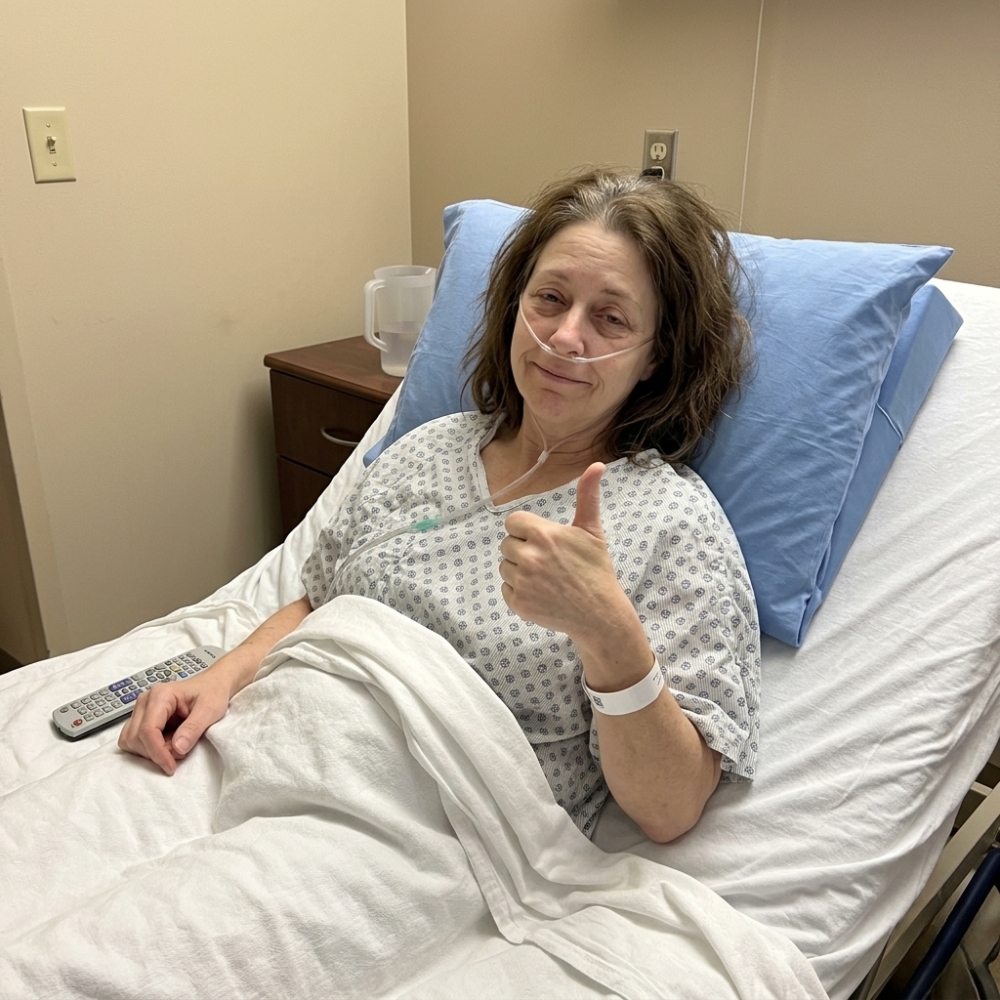
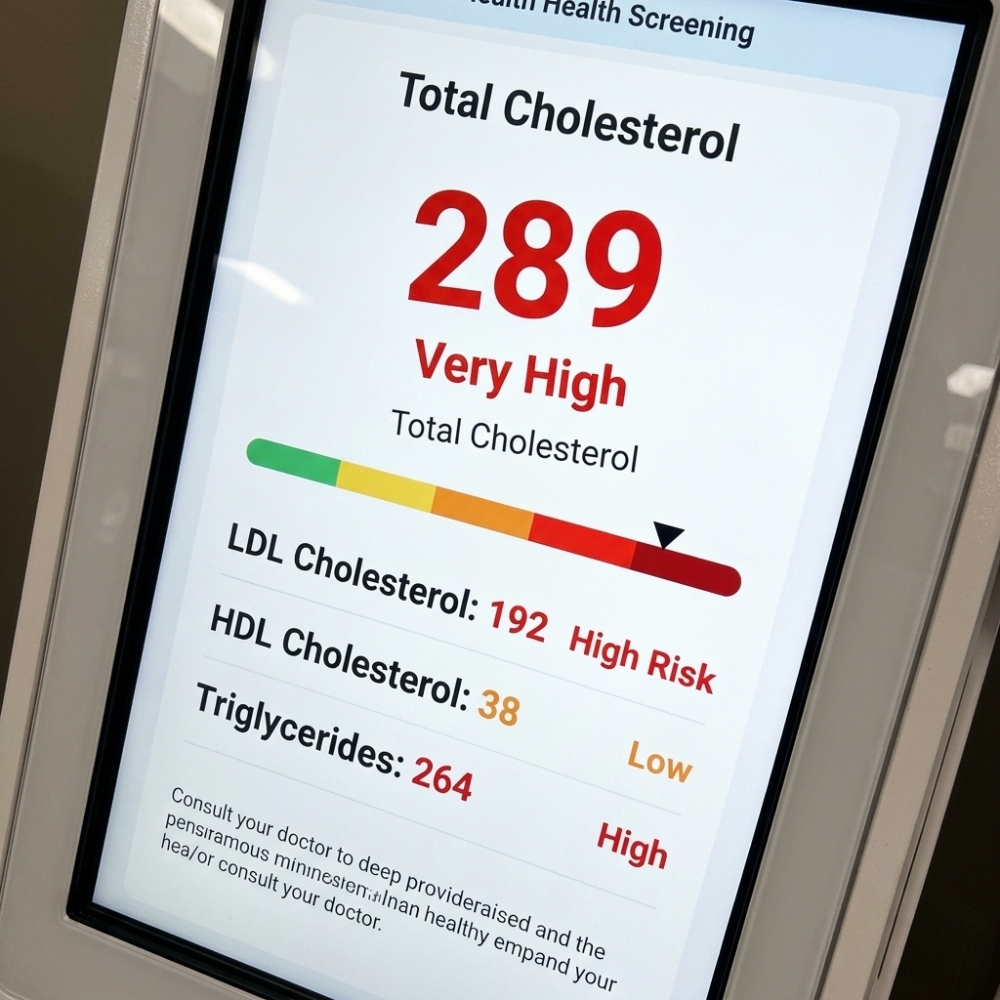
I just did the math on what I spent trying to lower my cholesterol naturally. $4,311. In 19 months. And my LDL went from 179 to 168. Eleven points. That's $392 per point. I could have flown to Paris for what it cost me to move a number that my doctor still called "dangerously high." I'm 54. I teach fourth grade. I am not a reckless person. I plan my meals on Sunday. I grade papers in colored pens by category. I have a binder — an actual physical binder — where I kept printouts of every study behind every supplement I was taking. Seven supplements. Exposed. Exposed as me throwing money at a problem I didn't actually understand. But I'm getting ahead of myself. When my cholesterol came back at 261 total, LDL 179, I was 52. It was the first blood test I'd had since turning 50. Before that, my numbers had always been fine. Always. My doctor didn't even blink. Pulled out her pad. "I'd like to start you on rosuvastatin." I said no. Politely. But firmly. Because I'd watched what statins did to my mother-in-law. Carol was 59 when she started. She was one of those women who never sat still. Organized the church bake sale every year. Ran the neighborhood book club. Babysat three grandchildren on Wednesdays and kept them all alive and entertained for eight hours straight. Eighteen months on atorvastatin and she stopped hosting book club because she couldn't follow the discussions anymore. Stopped babysitting because her legs ached so badly by noon she couldn't chase a toddler. Stopped organizing the bake sale because she couldn't remember who'd signed up for what. Her husband said to me at Thanksgiving — quietly, while she was in the other room: "I don't know where my wife went." She's 67 now. Still on the medication. Still managed. Still missing. I looked at my doctor and thought: That will not be me. She gave me three months. Diet and exercise. Then we'd "revisit." I did the diet. Cut saturated fat to almost nothing. More fiber. More vegetables. Lost six pounds. Three months later: LDL 174. Five points. She reached for her pad again. I asked for more time. She wasn't happy. But she agreed. That's when I went deep. --- I built my stack the way a teacher builds a lesson plan. Methodically. Evidence-based. Every supplement chosen because I'd read the studies. Red yeast rice. The "natural statin." Monacolin K inhibits the same enzyme that prescription statins do, but gentler. $32 a month. Studies showed LDL reductions of 15-25%. After two months: LDL 168. Okay. Progress. After four months: 167. Stopped. Plant sterols. $24 a month. Compete with cholesterol for absorption in the gut. Clinically shown to reduce LDL by 6-15%. Added them on top of the red yeast rice. Sprinkled them on my yogurt every single morning. After two months: 165. Two points. Berberine. $29 a month. Activates an enzyme called AMPK. Facebook groups full of women swearing it dropped their numbers 30, 40, 50 points. After six weeks: 168. Went UP. I added it to the binder anyway. Gave it more time. After three months total: 166. Back to basically where I was. Psyllium husk fiber. $11 a month. "Binds to bile acids and escorts cholesterol out." I mixed it into water every night. The texture made me gag every single time but I drank it because I was desperate. Omega-3. $34 a month. High-potency. For triglycerides and inflammation. Citrus bergamot. $28 a month. The "Italian secret." Someone in a menopause Facebook group posted a screenshot of her lab results and said this one supplement changed her life. It did not change mine. LDL after two months of bergamot: 169. I stood at my kitchen counter every morning and every evening. Morning stack. Evening stack. Seven bottles in a row. A pill organizer because without it I'd forget whether I'd taken the berberine or just thought about taking it. My husband bought me a label maker for Christmas as a joke. "For your pharmacy," he said. I didn't laugh. Because here's what nobody tells you about being a woman spending $227 a month on supplements that aren't working: You feel ashamed. You feel ashamed because you're supposed to be smart. You did the research. You read the studies. You built the plan. And it's not working and you can't explain why and you start wondering if you're the kind of person who falls for things. My daughter — she's 28, works in biotech — saw the bottles on my counter during a visit and said, very carefully: "Mom, that's… a lot." I changed the subject. At month nineteen I got bloodwork done. LDL: 168. Nineteen months. Seven supplements. $4,311. Eleven points total. And my doctor was now officially out of patience. "I really think it's time for the rosuvastatin," she said. Not unkindly. But firmly. I asked for one more month. She sighed. Wrote in my chart. I drove home knowing I was out of moves. --- That week I had dinner with my cousin Angela. She's a pharmacist. We're close but we don't talk about health stuff much because I think she quietly judges the supplement thing. After two glasses of wine I told her everything. All of it. The stack. The cost. The binder. The numbers. The fact that my doctor was about to force the statin conversation. She didn't judge me. She put down her wine and said: "Can I ask you a question?" "Sure." "Do you know why your cholesterol went up?" "I mean… diet? Genetics? I'm getting older?" "When did it go up?" "After 50. My last normal test was at 49." "And what changed around 50?" I knew where she was going. "Menopause." "Right. And what did menopause take away?" "Estrogen." "And do you know what estrogen was doing for your cholesterol?" I didn't. In nineteen months of research, seven supplements, a physical binder full of studies, and $4,311 — I had never once researched what estrogen actually does for cholesterol metabolism. I just sat there. "Your liver has LDL receptors," she said. "Think of them like tiny vacuum cleaners that suck LDL cholesterol out of your blood so your body can break it down and get rid of it. Estrogen is what powers those vacuum cleaners. Keeps them running. Keeps them active." She leaned forward. "When your estrogen dropped during menopause, those vacuum cleaners slowed down. Some of them shut off entirely. LDL that used to get sucked up and cleared out just stays in your blood now. Floats around. Accumulates." I felt my face getting hot. "Now think about your seven supplements. Red yeast rice tells your liver to MAKE less cholesterol. Plant sterols block your gut from ABSORBING cholesterol. Berberine tweaks your metabolic signaling. Fiber carries some cholesterol out through digestion. Fish oil calms inflammation. Bergamot does a little of everything." She counted on her fingers. "Six different strategies. Not one of them turns those vacuum cleaners back on." The restaurant noise faded. I could hear my own heartbeat. "You've been trying to manage the mess. But the machine that was supposed to CLEAN the mess has been off for four years. And nothing you're taking is designed to switch it back on." I wanted to cry right there at the table. Not because I was sad. Because I was furious. At every website. Every Facebook group. Every supplement company. Every "protocol" I'd followed. Every confident person online who told me to add one more thing to the stack. Not one of them — not one — ever said: "The reason your cholesterol spiked is that menopause disabled your body's LDL-removal system, and most supplements don't address that." "So what turns them back on?" My voice was shaking. "There's a compound called S-allylcysteine. SAC. It's found in garlic that's been aged for about two years. There's a researcher at UCLA, a cardiologist named Budoff, who's published clinical trials on it. What he found is that SAC supports the same LDL-clearance pathways that estrogen used to maintain." She saw my face. "I know. Garlic. It sounds like the least serious thing I could possibly say to you right now. But this isn't the garlic on your pasta. The aging process converts the compounds into something completely different. And the clinical data is real. Peer-reviewed. Published." "Why didn't I find this in nineteen months of research?" She gave me a look. The pharmacist look. "Because every supplement company makes more money selling you seven bottles than one. And you can't patent aged garlic, so no pharmaceutical company funds awareness campaigns for it. The system isn't designed to point you toward the simple answer. It's designed to keep you buying." --- I went home and looked up the UCLA research. Read every trial I could find. Then I looked for aged garlic extract. And I nearly wasted more money. Because most aged garlic extract on the market is barely aged at all. The molecular conversion from raw garlic compounds to S-allylcysteine takes 20 to 24 months minimum. It's a slow, specific biochemical process. There are no shortcuts. But most supplement brands age for 6 months because it's faster and cheaper and the label can still legally say "aged garlic extract." Six months doesn't produce therapeutic SAC levels. It's garlic with a premium price tag. I bought Kyolic first. It's the biggest name. Most reviews. In every health food store. Took it for a month on top of my reduced stack. LDL: 167. Nothing. Tried a "high-potency" aged garlic from a brand I found on Amazon. Good reviews. Nice label. Took it for three weeks. LDL: 169. Backwards. I texted Angela: "The garlic thing isn't working." She texted back: "How long was it aged? What's the verified SAC content?" I looked at both bottles. Neither one listed aging duration. Neither one listed actual SAC content. One said "garlic equivalent." The other said "allicin potential." Angela: "Those are marketing terms. They don't mean SAC. Check if there's a Certificate of Analysis." There wasn't. For either brand. She sent me a link. BotanicVault. Full 24-month aging. The complete duration required for molecular transformation. Verified S-allylcysteine content — not garlic equivalent, not allicin potential. Actual measured SAC. Third-party tested. Certificate of Analysis published on their site. The same form of aged garlic used in the UCLA trials. I ordered it that night. Dropped everything except fish oil. My supplement cost went from $227 a month to $48. --- First month. Bloodwork. LDL: 153. I read the number on the lab portal three times. Showed it to my husband. He didn't understand why I was shaking. Fifteen points. In one month. After nineteen months of moving eleven points total. I texted Angela a screenshot with no words. She sent back: "Keep going." Month two: LDL 141. Month three: LDL 131. I went to my doctor. Full lipid panel. Total cholesterol: 212. LDL: 127. HDL: 71. She looked at the screen for a long time. Scrolled through nineteen months of readings between 165 and 179. Then this one. 127. "I don't know what changed. But I'm not prescribing anything today." She closed my chart. "Come back in six months. If this holds, we're in great shape." I held it together until I got to my car. Then I called Angela and just sobbed. "127." "I know," she said. "I know." --- That was eight months ago. My LDL last month: 122. Stable. Consistent. Better than any reading I've had since my mid-forties. My bathroom counter has two bottles. Fish oil and BotanicVault. That's it. The binder is in a drawer. The pill organizer is in the trash. The label maker is now used for actual kitchen organization like a normal person. Last month Carol came to my daughter's birthday dinner. My mother-in-law. Sixty-seven, still on statins, still hurting. She sat at the table and twice asked my daughter what she'd just said because she couldn't track the conversation. Later she pulled me aside in the kitchen. "My doctor wants to increase my dose. My numbers went up again." She looked at me with this expression I recognized. Because I'd worn it for nineteen months. Exhausted. Afraid. Trapped between a number and a medication that's stealing who she is. I held her hands and said: "Carol, I need to tell you something. And you're going to be angry that nobody told you sooner." I'm telling you now too. --- If you see your bathroom counter in this story — if you've got a row of bottles, a system, a cost you don't let yourself calculate, and an LDL number that won't move no matter what you add — please listen. Your supplements aren't the problem. Your discipline isn't the problem. Your diet isn't the problem. The problem is that menopause shut down your body's LDL-clearing system. And nothing in your stack was designed to turn it back on. S-allylcysteine. From garlic aged 24 months. Not 6. The full conversion. **BotanicVault** Verified SAC content. Third-party tested. Certificate of Analysis. The same form used in the UCLA clinical trials. Try it for 60 days. Get bloodwork before. Get bloodwork after. Track the number. Full refund if you're not satisfied. Any reason. No questions. But I don't think you'll need that refund. Because I went from LDL 179 to 122. My supplement bill dropped from $227 to $48. My binder is in a drawer and my doctor closed my chart. Try it. Do the bloodwork. See for yourself. 👉 botanicvault.com/products/aged-garlic-extract
6 supplements. $178/month. My LDL didn't move.
Odorless aged garlic extract dietary supplement.
LEARN MORELike this ad? Make it yours.
Crush rebuilds this exact creative around your product — your brand, your colors, your offer — in about a minute.