
Inactive· since Dec 19, 2025
- 70
- days it ran
- 1
- relaunches
Ad copy
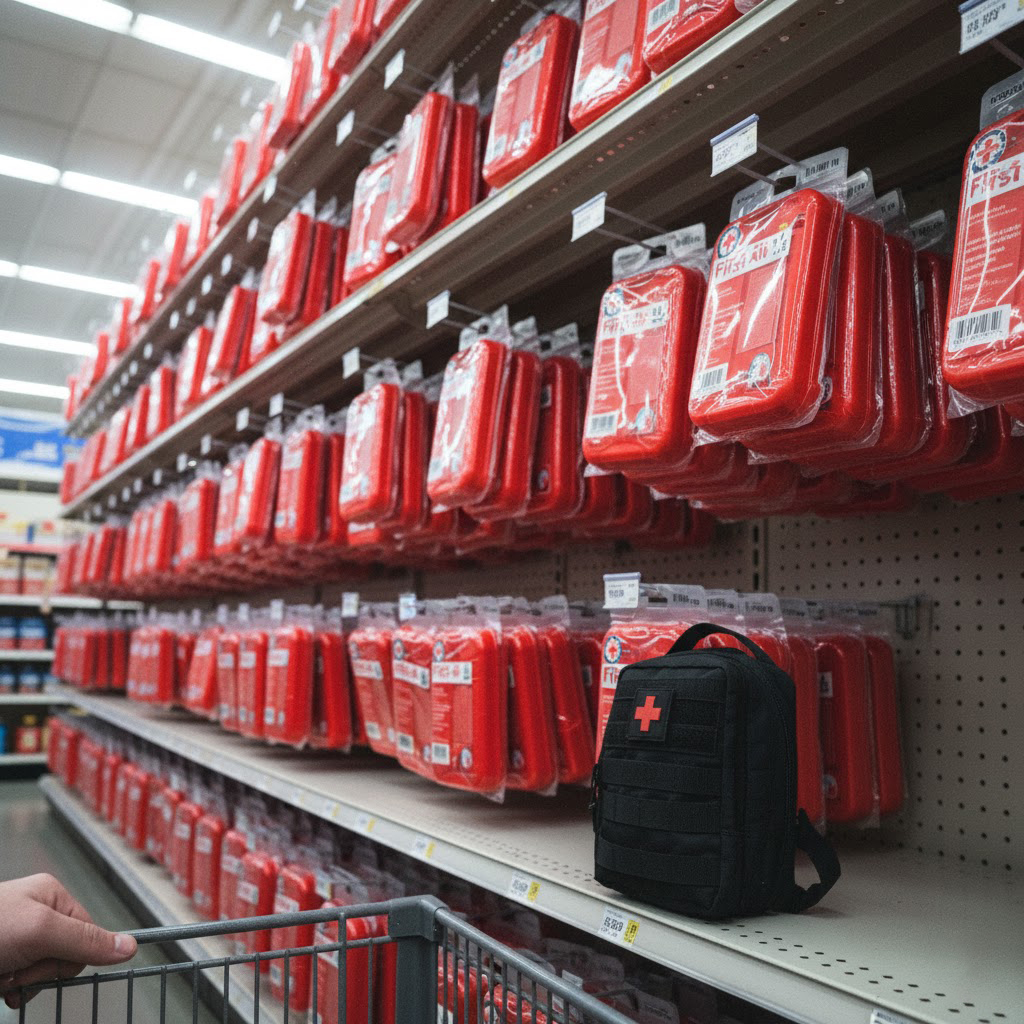
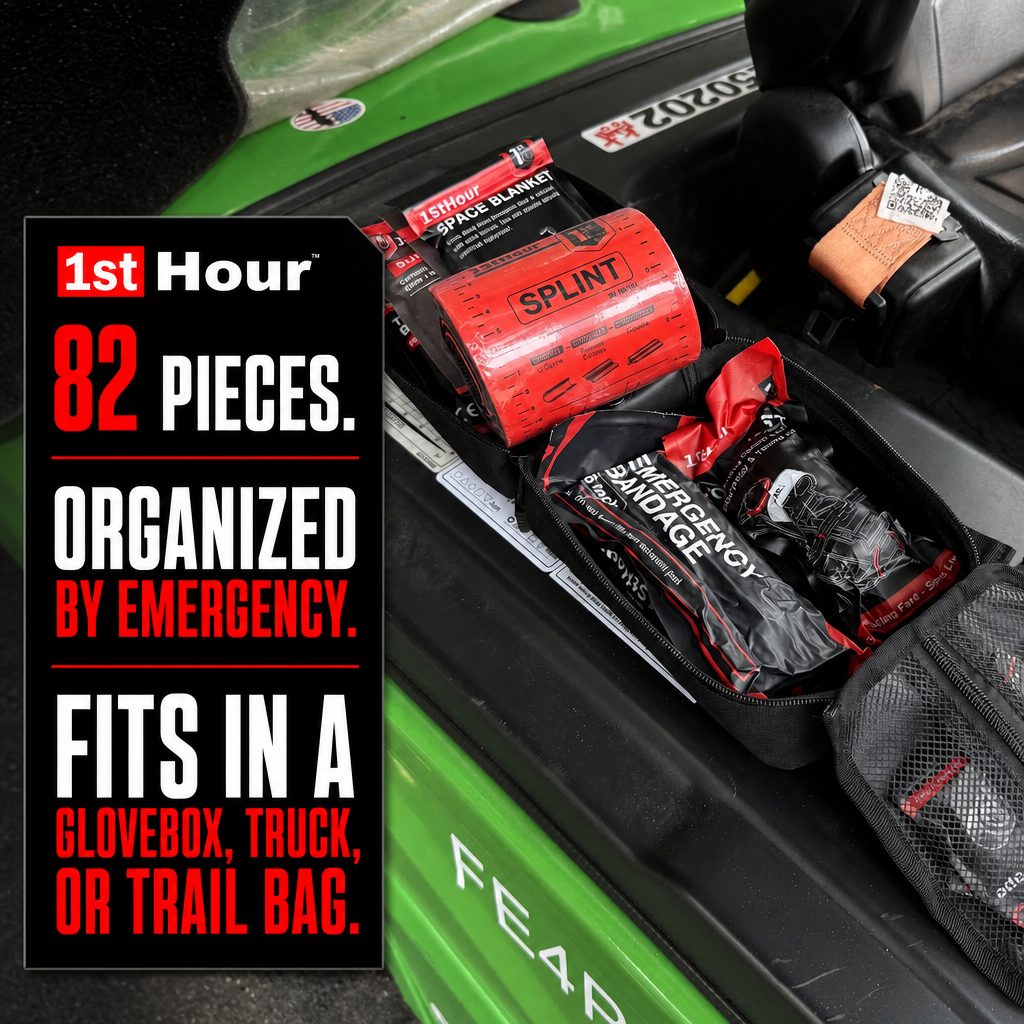
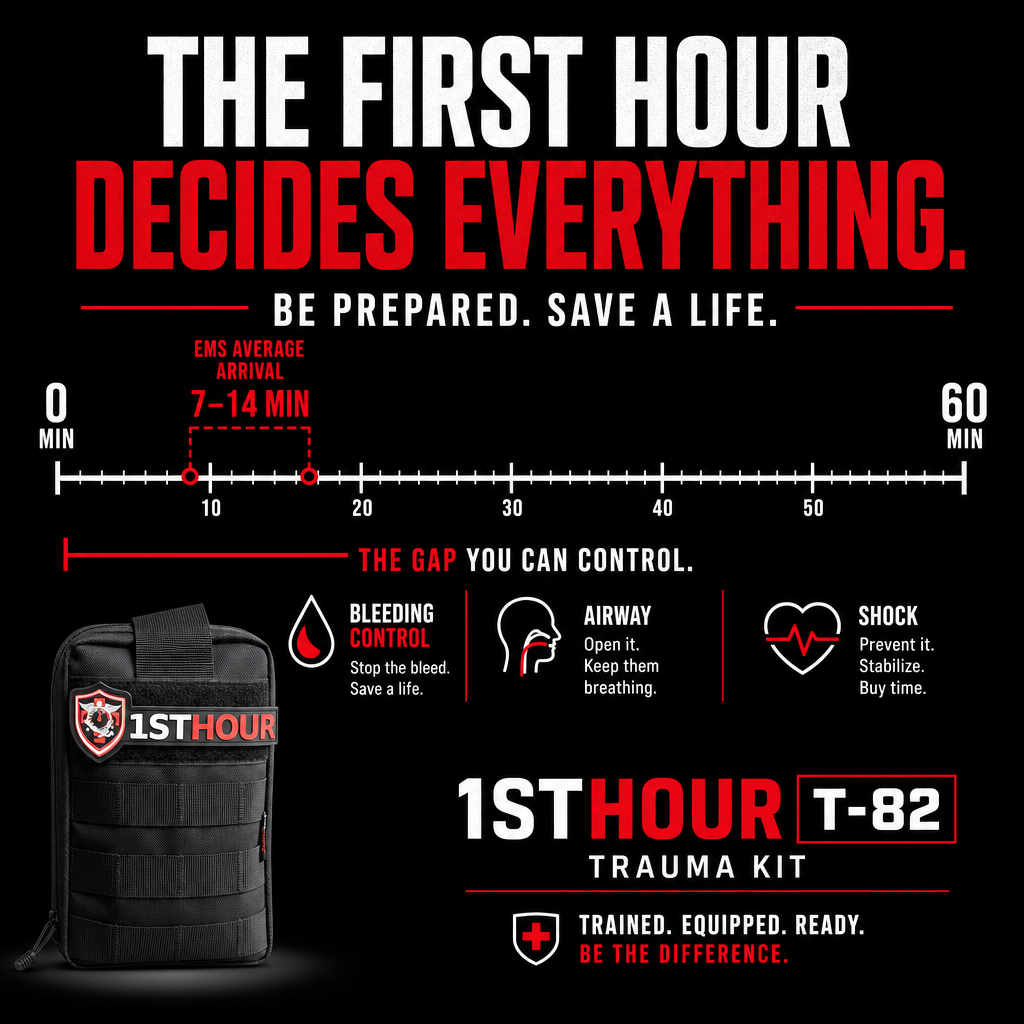
I watched my hunting buddy nearly bleed out in 4 minutes while waiting for the helicopter—and the one thing that could have saved him was sitting in my truck, unused, because I didn't know it was there. His name was Derek. We'd been hunting together for eleven years. Same weekend every November. Our wives joked that we talked more on those trips than we did at home. The fall happened so fast. One second he was navigating a steep embankment with his rifle. The next, he was on the ground with a compound fracture—his femur snapped clean through, bone visible, blood pulsing out in rhythmic spurts. I remember my hands shaking as I pulled out my phone. No service. I ran to the truck. Grabbed my first aid kit. The one I'd bought on Amazon three years ago. The one with 200 pieces. The one that had a 4.7-star rating. I tore it open. Bandaids. Alcohol wipes. Gauze pads. Antibiotic ointment. A little CPR face shield. Tweezers. Nothing that could stop what was happening to Derek. I pressed gauze against the wound. It soaked through in seconds. I added more. And more. My hands were covered in his blood and I could see the fear in his eyes. "Stay with me," I kept saying. "Helicopter's coming. Just stay with me." Those four minutes felt like four hours. The helicopter finally arrived. The flight medic jumped out, took one look, and pulled something from his kit I'd never seen before. Within 15 seconds, the bleeding stopped. Derek survived. But I couldn't sleep for weeks. I kept replaying it. The blood. The helplessness. The feeling of holding gauze against a femoral artery like I was trying to stop a river with my hands. At 2 AM on a Tuesday, two weeks after it happened, I was sitting at my kitchen table googling "how to stop severe bleeding." That's when I started learning things that made me angry. The first article I found said that the number one cause of preventable death in trauma is massive hemorrhage. Not heart attacks. Not strokes. Bleeding. And that most of those deaths happen because nobody around the victim knew how to stop it. I thought about that word. Preventable. I kept reading. I found a Department of Defense study. It said that in combat situations, soldiers were dying from extremity wounds—arms and legs—not because the injuries were unsurvivable, but because they bled out before they reached medical care. That's when the military developed the modern tourniquet. The CAT—Combat Application Tourniquet. The same device the flight medic had used on Derek. I sat there staring at my screen. That tourniquet costs $30. Derek almost died because I didn't have a $30 piece of equipment. I started looking at my first aid kit differently. I dumped it out on my kitchen table and really looked at what was inside. 47 adhesive bandages. Various sizes. Antibiotic ointment packets. A triangular bandage that I didn't even know how to use. A little booklet with diagrams. Scissors that could barely cut paper. I realized something that made my stomach turn: This kit wasn't designed to save a life. It was designed to handle a scraped knee. A small cut. A splinter. It was a boo-boo box. I started reading everything I could find. Studies. Medical journals. Military trauma protocols. I learned that in severe trauma, you have what's called the "Golden Hour"—but with arterial bleeding, it's not an hour. It's minutes. 3-5 minutes before someone bleeds to death. The average EMS response time in the U.S. is 7-14 minutes. Do the math. If someone near you has catastrophic bleeding, the paramedics can't save them. They'll arrive too late. The only person who can save them is you. Right there. In those first 60 seconds. I found something else that changed how I understood this. There's a national program called Stop the Bleed. Started by the Department of Defense and the American College of Surgeons after mass casualty events. They teach civilians—regular people—how to stop life-threatening bleeding. Over 5 million Americans have taken the training. The program exists because of a simple truth: Massive bleeding is survivable if someone acts immediately. And you don't need to be a paramedic to do it. You just need the right tools. And 60 seconds of knowledge. I took the class. The instructor was a former Army medic. He held up a standard first aid kit—one that looked exactly like mine. "This," he said, "is what most Americans have in their car. And if your wife is bleeding out in your driveway, there's nothing in here that will save her." He paused. "But this will." He held up a tourniquet. Then he showed us hemostatic gauze—gauze treated with clotting agents that stops bleeding in deep wounds where you can't use a tourniquet. Then pressure dressings. Chest seals for penetrating injuries. These weren't exotic medical devices. They were simple, proven tools that have saved thousands of lives in combat. And now they're available to anyone. But most people don't know they exist. I thought about Derek. About how close we came. I thought about my daughter. She just got her driver's license. Statistics say that car accidents are one of the leading causes of death for teenagers. And the primary killer in car accidents? Hemorrhage. I thought about my wife. About our camping trips. About the kitchen where she uses sharp knives every day. About our son who plays hockey. I thought about all the moments where catastrophic bleeding could happen. Not in some far-off wilderness, but in driveways and kitchens and roads five minutes from home. And I thought about how absolutely unprepared I was. Not anymore. I replaced my first aid kit. Not with another Amazon boo-boo box, but with actual trauma supplies. A CAT tourniquet—the same one used by the military, recommended by the Committee on Tactical Combat Casualty Care. QuikClot hemostatic gauze. An Israeli pressure dressing. Trauma shears that could actually cut through clothing to reach a wound. Chest seals. And instructions. Simple, clear instructions for how to use each item. I put one kit in my truck. One in my wife's car. One in our home. It cost me less than a nice dinner out. And now I know that if something happens—to Derek, to my daughter, to a stranger I pass on the highway—I'm not helpless. I can stop the bleeding. I can buy time for the paramedics to arrive. I can save a life. Derek and I went hunting again this year. Same weekend in November. Before we left, I showed him what I now carry. He got quiet for a minute. "I didn't know this stuff existed," he said. "Neither did I," I told him. Most people don't. They have the same first aid kit I had. The one that's useless when seconds count. The one that makes you watch someone you love bleed out while you press gauze against an arterial wound and pray. I don't want anyone to go through what I went through. The feeling of standing there, helpless, watching someone's life drain away, knowing that if you just had the right tool—a $30 piece of equipment—they'd be okay. You don't need to be a paramedic. You don't need years of training. You just need to understand one thing: The difference between someone surviving catastrophic bleeding and dying from it usually comes down to what someone did in the first minute. Not what the ER doctors do an hour later. What you do right now. If you have a standard first aid kit in your car or home, I want you to think about something. If someone you love was bleeding to death right now—arterial bleeding, like Derek—what item in that kit would you actually use? If the answer is nothing, then you don't have a first aid kit. You have a collection of bandaids. And there's a simple fix. A real trauma kit—with a tourniquet, hemostatic gauze, and pressure dressings—costs less than you'd spend on takeout this week. But it's the difference between standing there helpless and knowing you can act. Between watching someone die and saving their life. Between four minutes of horror and 60 seconds of decisive action. I can't go back and change what happened to Derek. But I'll never be unprepared like that again. And if you're reading this, you don't have to be either.
Read If You Need Quality Emergency Gear
Prepare for emergencies with the Tacright Trauma First Aid Kit, designed for rapid response in critical situations. This compact and durable kit includes all the essential tools needed for trauma care, making it perfect for outdoor enthusiasts, tactical professionals, and anyone who values safety an...
LEARN MORELike this ad? Make it yours.
Crush rebuilds this exact creative around your product — your brand, your colors, your offer — in about a minute.