
Active· since Sep 2, 2026
- 12
- days running
- 0
- relaunches
Ad copy
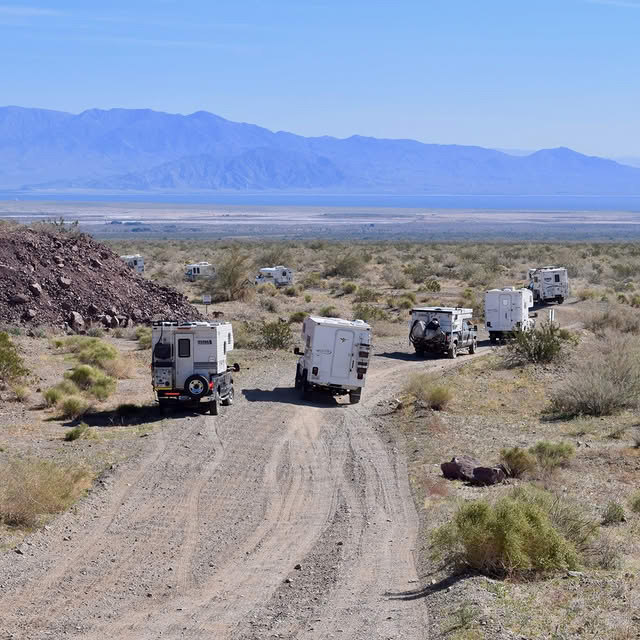
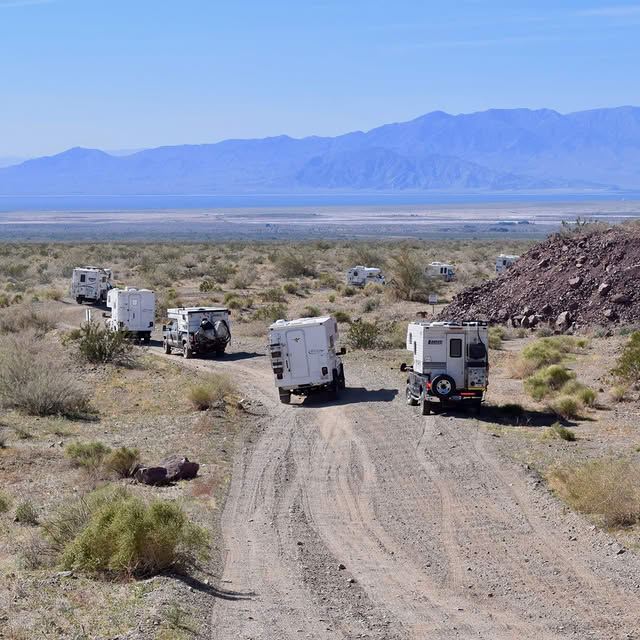
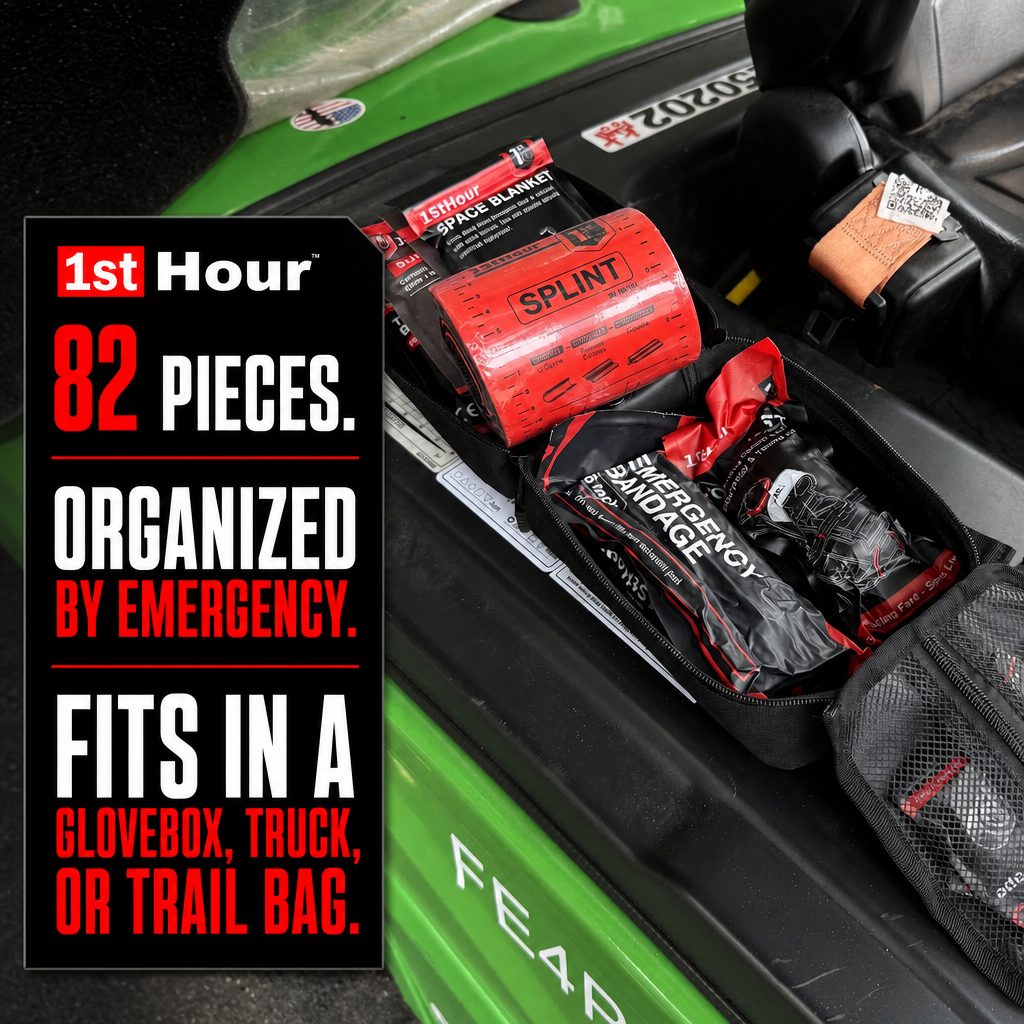
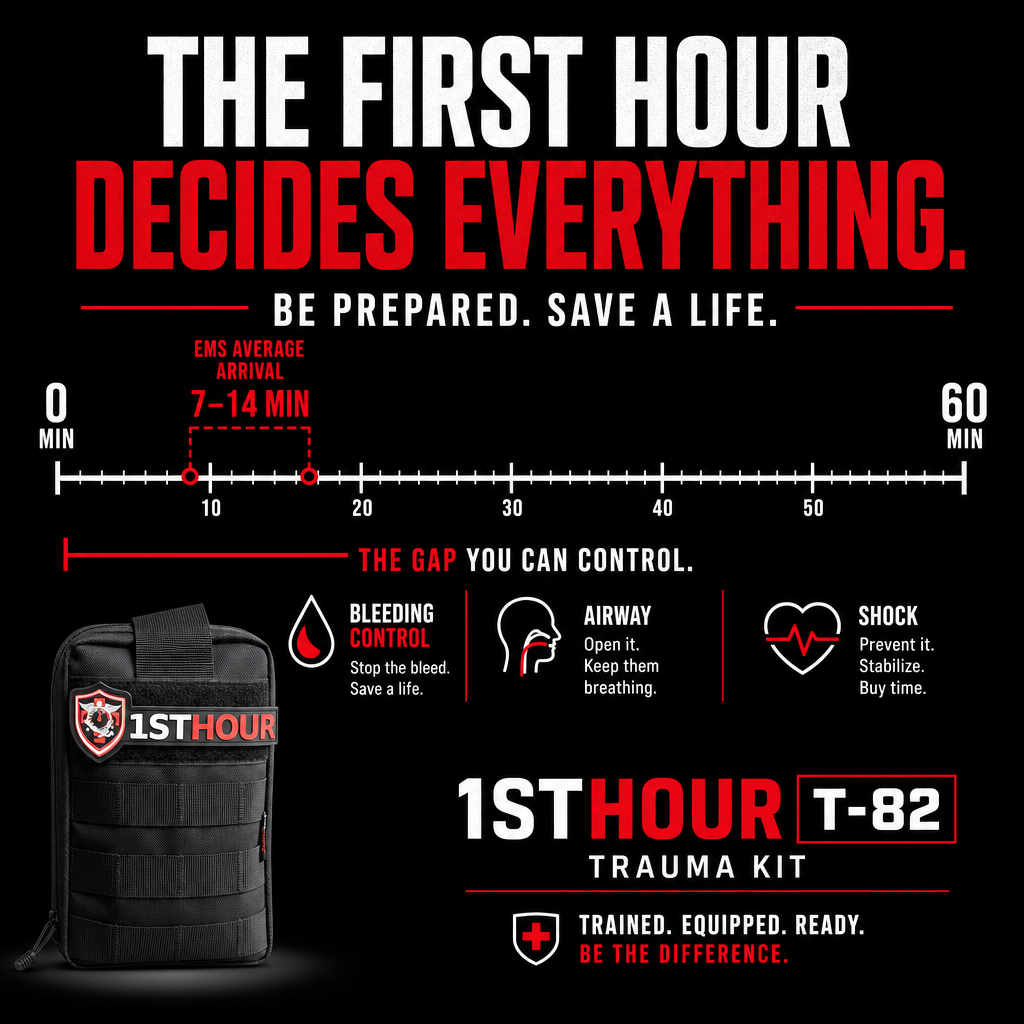
A rusted step on our motorhome opened my wife's ankle to the bone on July 1st. I had known about that edge since May. I ran my thumb along it, told her I would take a grinder to it, and then never did. I am writing this because of a number. A man I met in the dirt that evening told it to me, and I have since verified it through the National Institute of Health. The number is 59 percent. I will get to it. First, you should know who we are. I am 64. Linda is 62. I retired last fall after 34 years with the county road department, and in March we finally did the thing we had discussed across the kitchen table for a decade. We bought a used Class C motorhome. A 2011, twenty six feet, one previous owner, the bed up over the cab. If you own one of these rigs you already understand. It is a small house that goes where you point it. Stove. Refrigerator. A proper bed. Solar on the roof so the batteries hold without shore power. Our plan was the West. No hookups, no campground reservations, no crowds. The forums call it boondocking. You find a quiet piece of public land out in the sage, you park, and you live off what the rig carries. And the rig carried everything. Sixty gallons of fresh water. Food for two weeks. A full drawer of tools, because 34 years around heavy equipment taught me to fix most problems with what I have on hand. I went through that motorhome bumper to bumper before we left home. The significant expense was tires. Four new ones, 480 dollars, because I would not run decade old rubber down washboard roads with my wife aboard. I considered myself a careful man. That is worth remembering, because of what happened next. On the evening of July 1st we were parked at a small Forest Service campground in northern Nevada. A gravel loop, twelve sites, vault toilets, juniper and sage running clear to the hills. The nearest hospital sat 50 minutes away, and most of that is two lane road behind cattle trucks. Around seven, Linda stepped down from the rig with a trash bag in one hand. Our entry step is metal. The outside edge had rusted rough and sharp, and here is the fact that is difficult to put down. I knew it was there. I had felt it under my thumb in May. Her sandal slid on the grit. Her leg dropped between the step and the frame, and that rusted edge caught her ankle on the way down and tore it open along the outside. Deep. Five inches at least. She made a sound I had not heard in 39 years of marriage. By the time I reached the door she was sitting in the dirt with both hands around her leg, and the blood was coming up between her fingers and running off into the dust. Darker than I expected. Faster than I expected. And it did not slow down. I did the only thing I could think of. I went back inside our house on wheels, the one with everything, and I came out with a beach towel and a roll of paper towels. That was it. That was the entire rescue. Sixty gallons of water. Two weeks of food. Solar power. Tools that could pull an engine. And when my wife was bleeding into the ground, the best thing I owned was a towel with a fish printed on it. I wrapped her ankle and pressed down with both hands. The towel grew warm and heavy under my palms. Linda kept saying my name in a voice that was getting quieter. I found one bar of signal standing on the back bumper. The dispatcher was calm. She said the ambulance was coming out from town. Fifty minutes. I want you to understand what 50 minutes actually means when you are holding a towel against someone you love. It means you kneel there long enough to watch an entire film. It means you count the pulse in your own hands and wonder whether the wetness spreading past your fingers is slowing down or whether you are just telling yourself it is. But we were lucky that evening, and I can tell you exactly what our luck looked like. Our luck was the camp host. His name is Walt. He is 66 years old. He ran ambulance calls in Sacramento for 28 years. Now he and his wife host that campground every summer in exchange for a free site and, in his words, something useful to do. He came up the loop road at a jog carrying a small bag, because the woman in site 4 had heard Linda cry out and gone pounding on his trailer door. He knelt down in the dirt, lifted my soggy towel away, and went to work. Real gauze, packed firm into the wound. A pressure bandage that cinched down tight and held. Gloves on his hands before I understood what was happening. He did the whole thing in roughly two minutes, talking gently to Linda about where she grew up, and the bleeding slowed, and then it stopped. Then the three of us sat in the dust waiting for the ambulance. That is when Walt started saying the things I have not been able to put down since. He said most people believe the ambulance is the rescue. It is not, he said. The ambulance is a ride. The rescue is whatever happens in the first hour, and the rescue is performed by whoever is standing there when the blood starts. He said people reach for towels and belts, same as I did, and it fails almost every time. Here is the fact I went home and verified. Improvised tourniquets, belts, torn shirts, the things people grab in an emergency, fail to stop bleeding in 99 percent of tests. The National Institute of Health published peer reviewed studies confirming that even the Boston Marathon bombing responders, trained firefighters and police with twenty years of field experience, could not make improvised tourniquets work under real conditions. The actual tourniquets, the ones engineered for the job, work 92 percent of the time. That is not a small gap. That is the difference between a rescue and a funeral. Then Walt gave me the number I opened with. Fifty nine percent of deaths from injury may have been prevented if first aid had been given before emergency medical services arrived. More than half. I sat there in the dirt next to a rig with solar panels and 60 gallons of water and two weeks of food, and I understood that I had prepared for every inconvenience and not one catastrophe. The ambulance took Linda into town. Twenty two stitches, inside and outside, plus a tetanus shot on account of the rust. She was back in the rig in two days with her foot up on a pillow, irritated at me about that step in the way that is mostly love. I did not sleep either of those nights. So I sat up in the cab with my phone on one bar and I read. The same forums where we had learned about boondocking and solar and dump stations back when all of this was still a kitchen table dream. Turns out Walt was not exaggerating a single detail. The threads are full of it. RV couples, people exactly like us, trading the same numbers Walt quoted me, citing the same studies, telling the same kind of stories. A husband and a jack stand. A grandchild and a fire ring. Mile markers on dirt roads and the same short arithmetic every single time. Help is far away. Blood is fast. There is a whole dimension of this life that nobody mentions at the RV lot. That was the night I stopped being a man who was going to get to it. Buried in one of those threads, recommended again and again by people who sounded exactly like Walt, was a kit. Not a first aid kit. Not the bandage box we kept under the sink like everybody else. A trauma kit, built for the kind of bleeding I had just held in my hands, from a small outfit called 1stHour. After that evening in the dirt, I consider that about the most accurate product name in America. I read their page in the cab at some time past two in the morning. It is 82 pieces of the real gear. The tourniquet you can work with one hand. Compressed gauze like Walt packed into Linda's wound. A pressure bandage. Chest seals, a splint roll, gloves, all of it. The steps are printed on each piece, right where your eyes land while your hands work, so the first time you touch it you are not guessing. Here is a fact I found worth noting. Their site says over 58,000 of these kits have sold in 2026 alone. When I read through the reviews I kept finding people like Walt. Ambulance crews. ER nurses. Trauma surgeons. Retired combat medics. A police officer who wrote that he keeps one in each family car. The whole kit is waterproof with a sealed inner lining, which anyone who has owned a rig through one storm will understand without another word from me. Linda looked at the screen over my shoulder, pointed at the page, and said order it. That was the entire discussion. Some decisions do not require deliberation. I ordered one for the rig and one for our daughter's minivan. Now here is the small detail that sold me before the price ever did. The kit has a quick release buckle on the back. You strap the mount wherever you want, and the whole kit pops free with one hand, one motion. Mine is on the grab bar just inside the rig door, directly above the step that started all of this. Linda can reach it without climbing a single stair. Nobody has to go digging through a basement compartment while someone they love is on the ground. And the price. Those four new tires cost me 480 dollars, and I paid it without a thought, because tires keep us safe on the road. This kit, the thing that keeps us alive until help finishes driving 50 minutes of two lane, cost about half of what one single tire cost me. Half of one tire. That arithmetic has not left my head since. Because here is the question I had to answer, and now it belongs to you. If the person you love most went down bleeding next to your rig tonight, what exactly would you press against the wound? I know what my old answer was. A beach towel with a fish on it. You either have a real answer to that question or you have a towel. I learned the difference in the dirt in Nevada with my wife's blood between my fingers. The kit is only sold on their own site. The link is right below this post. But first, tonight, go run your thumb along the edge of your own entry step. The link will be here when you get back. EDITED: We are two campgrounds farther west now. Linda's ankle is healing clean. The first thing we did at the new site was walk the rig with fresh eyes. Ground down the step edge. Checked both awning arms. The kit hangs by the door on its quick release, and I touch it once every morning the way I used to touch my badge before a shift. P.S. Our daughter sent a photo the day hers arrived, already in the minivan glovebox between the registration and the granola bars. Under it she wrote, the kids asked what it was. I told them it is the thing we hope stays boring. That is the best description anyone in this family has managed yet. P.P.S. It keeps for five years. The page one tap below is where both of ours came from.
Why First Aid Kits Kill RVers
ClickFunnels gives you everything you need to market, sell, and deliver your products and services online! Without having to hire or rely on a tech team!
LEARN MORELike this ad? Make it yours.
Crush rebuilds this exact creative around your product — your brand, your colors, your offer — in about a minute.