
Inactive· since Jun 2, 2026
- 44
- days it ran
- 1
- relaunches
Ad copy
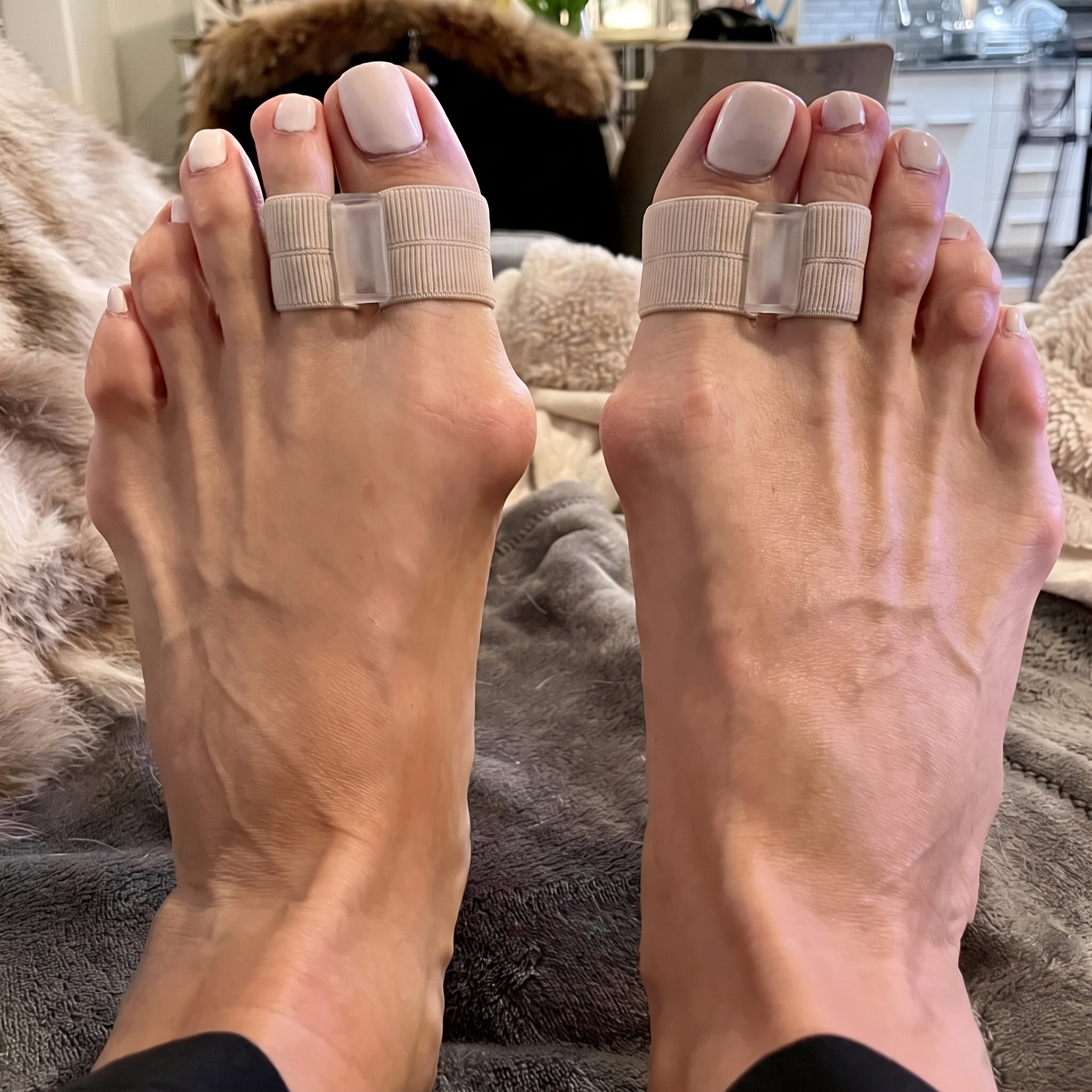
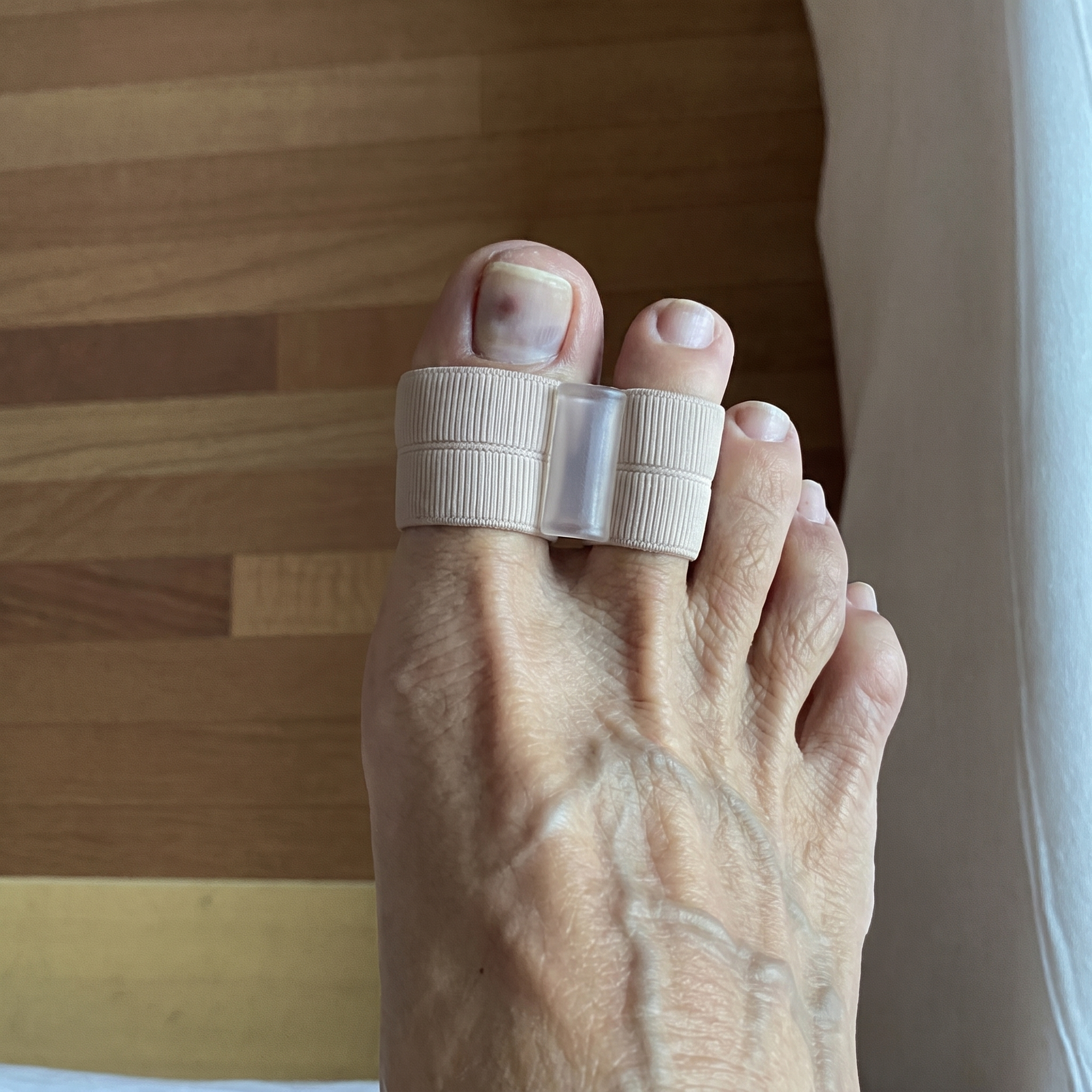
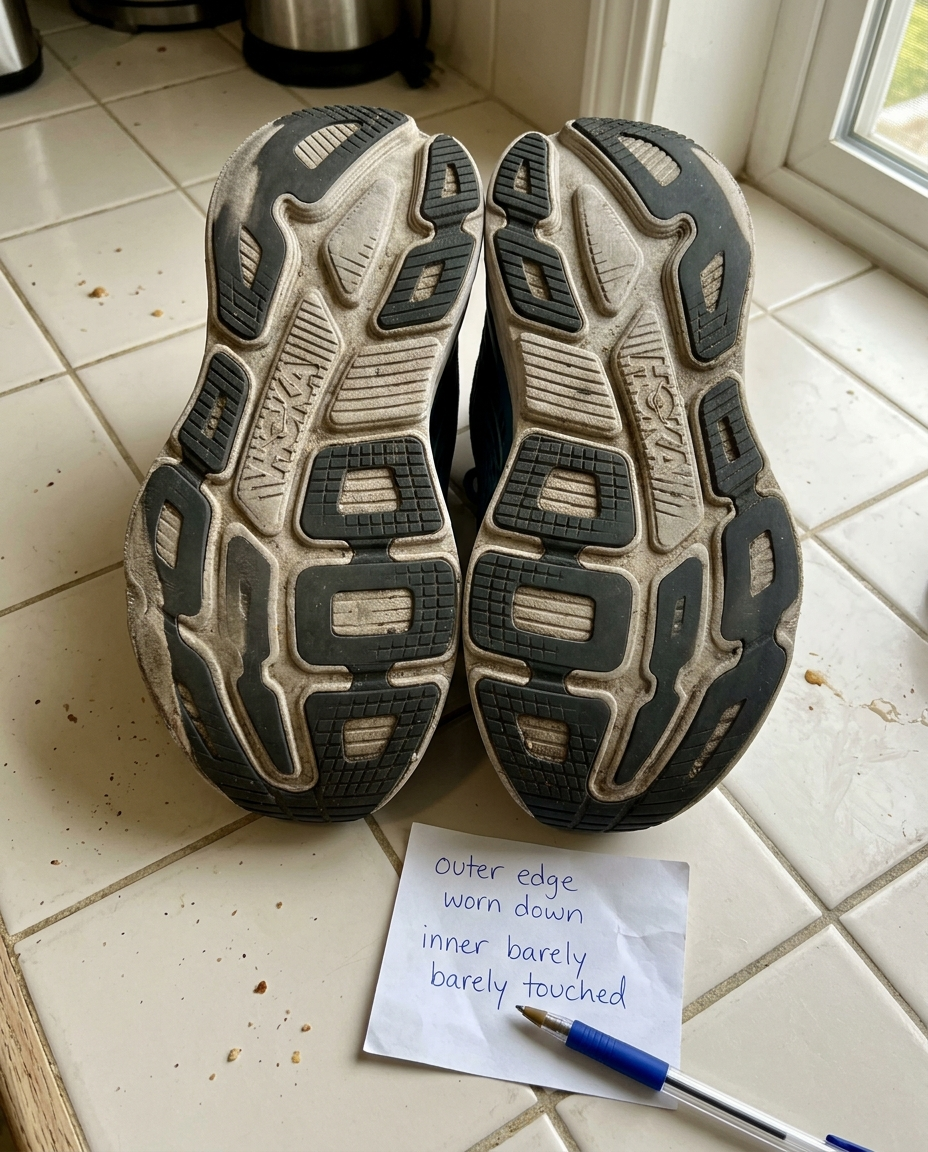
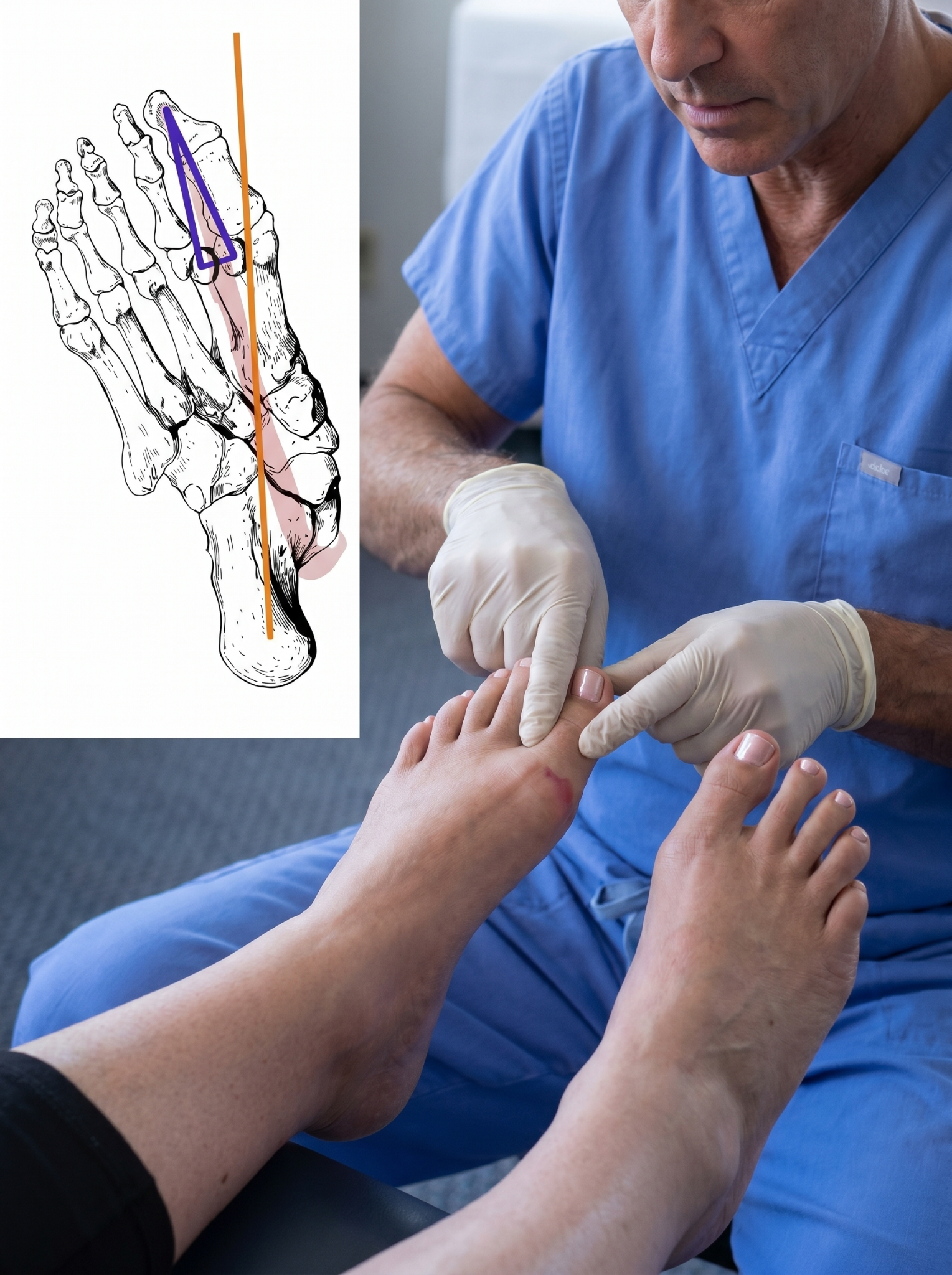
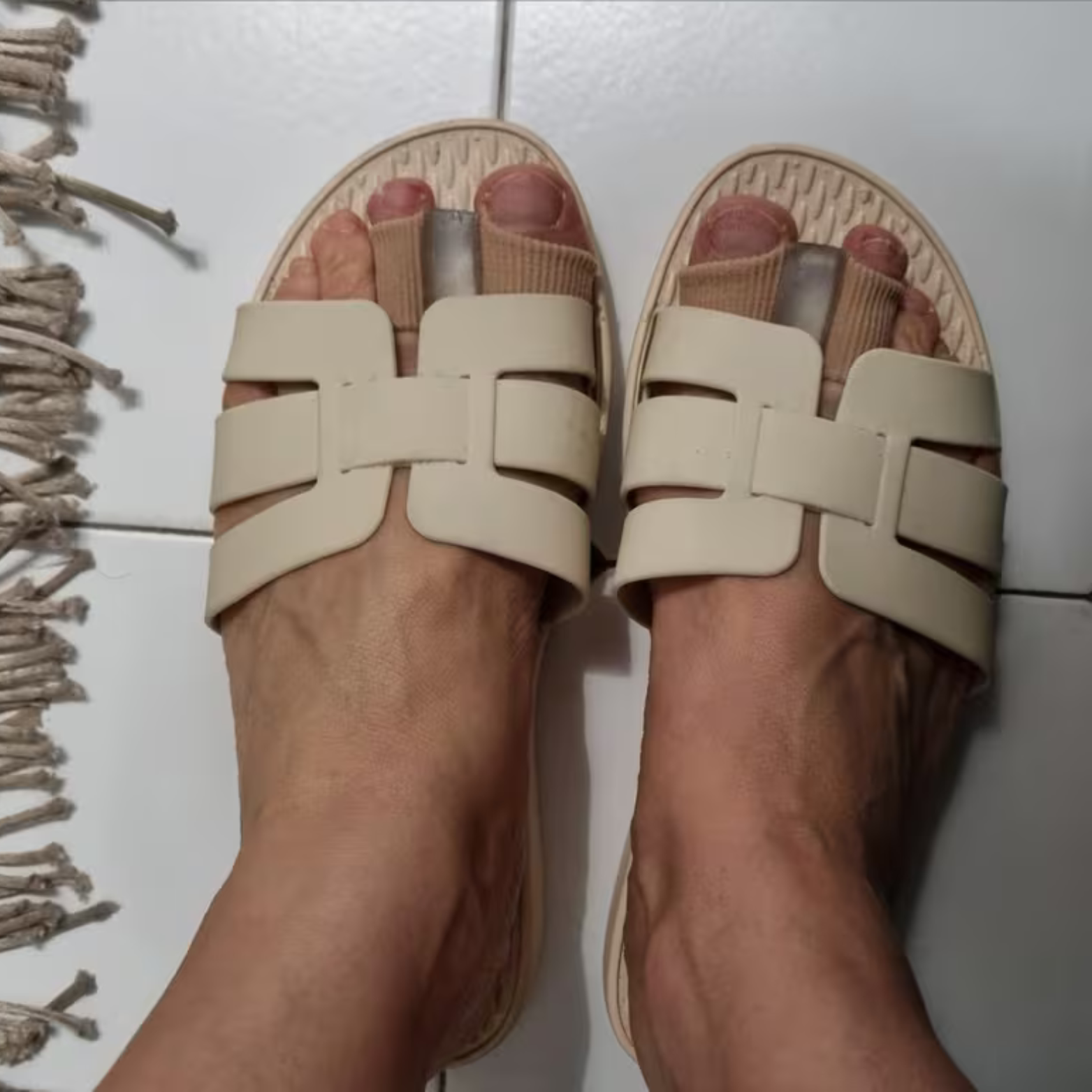
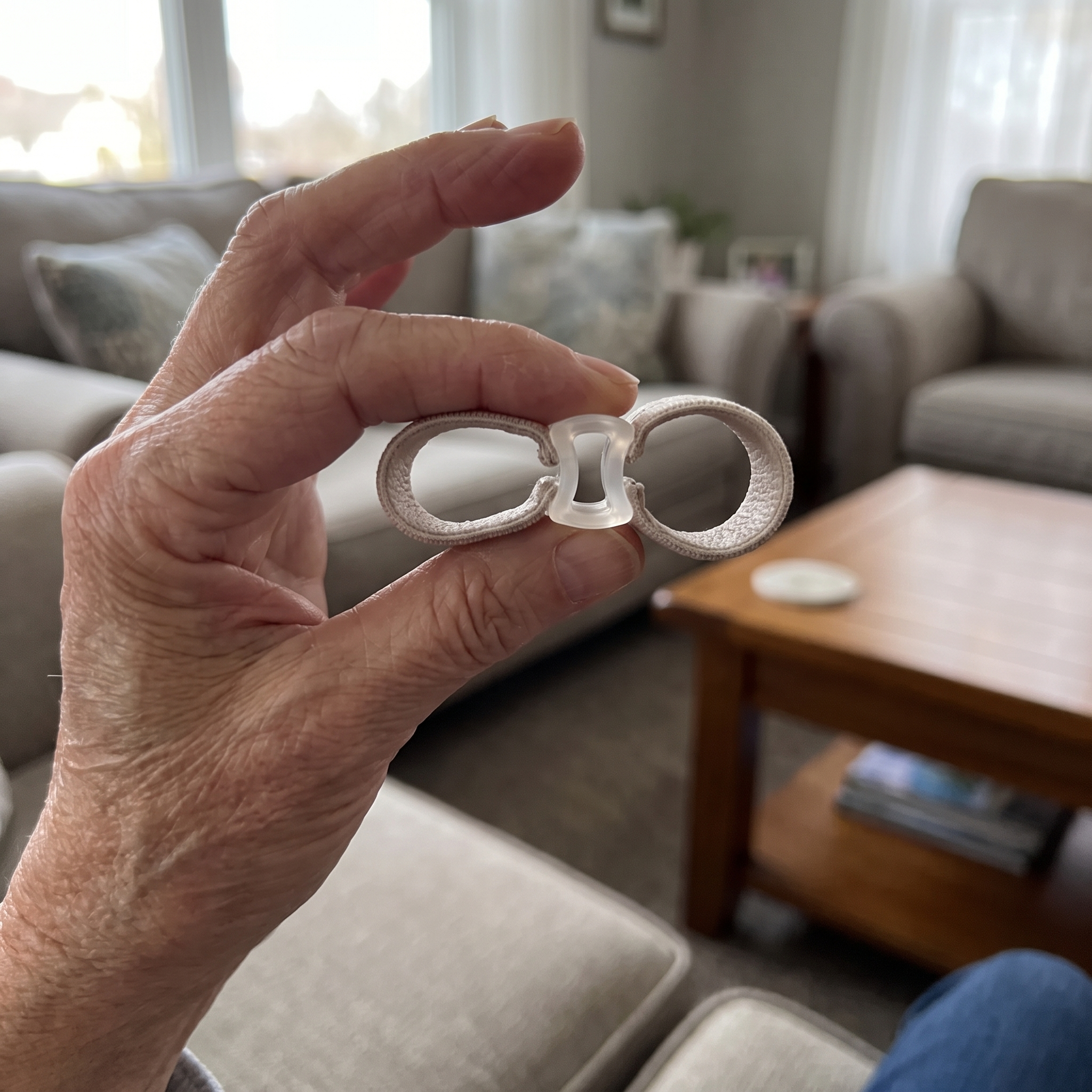
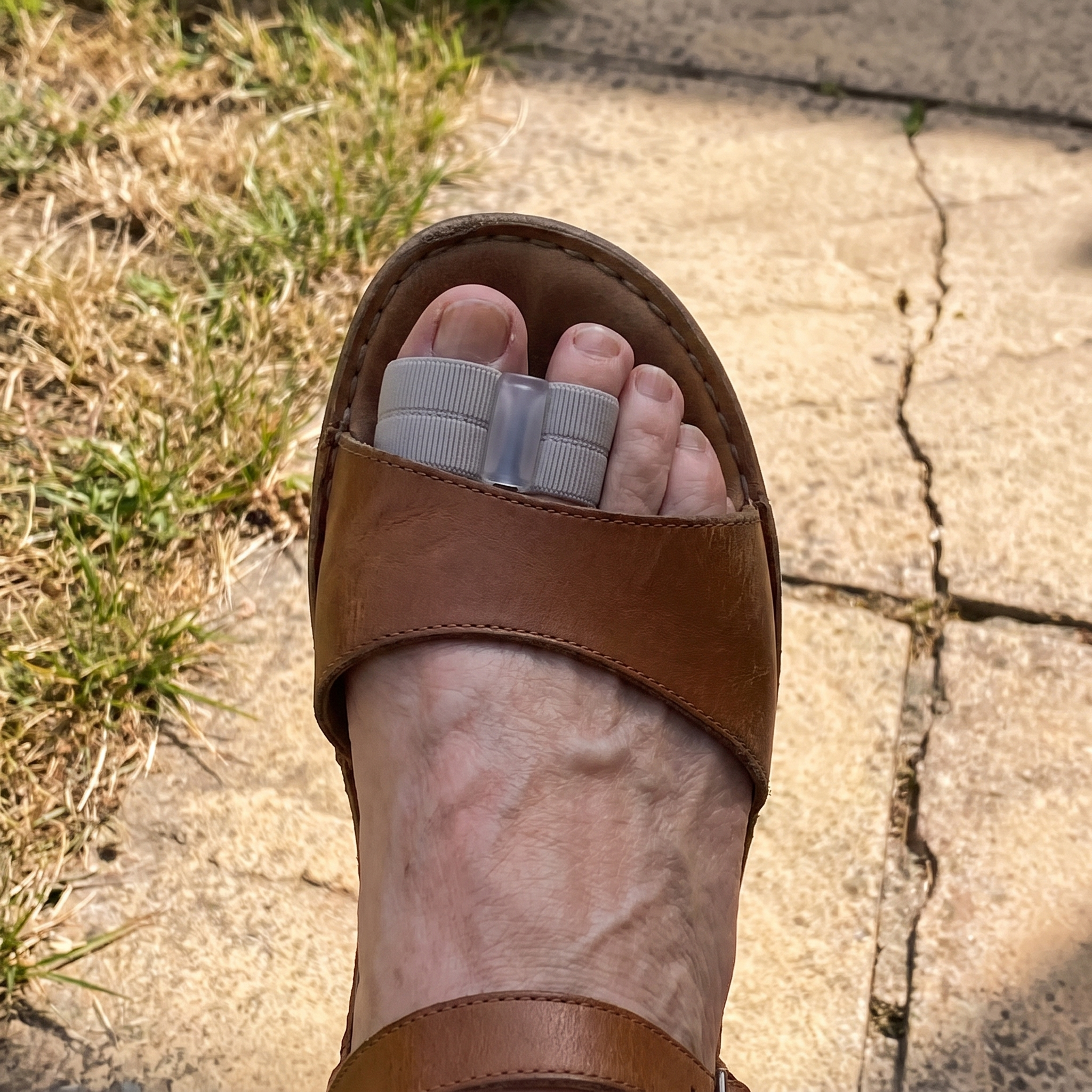
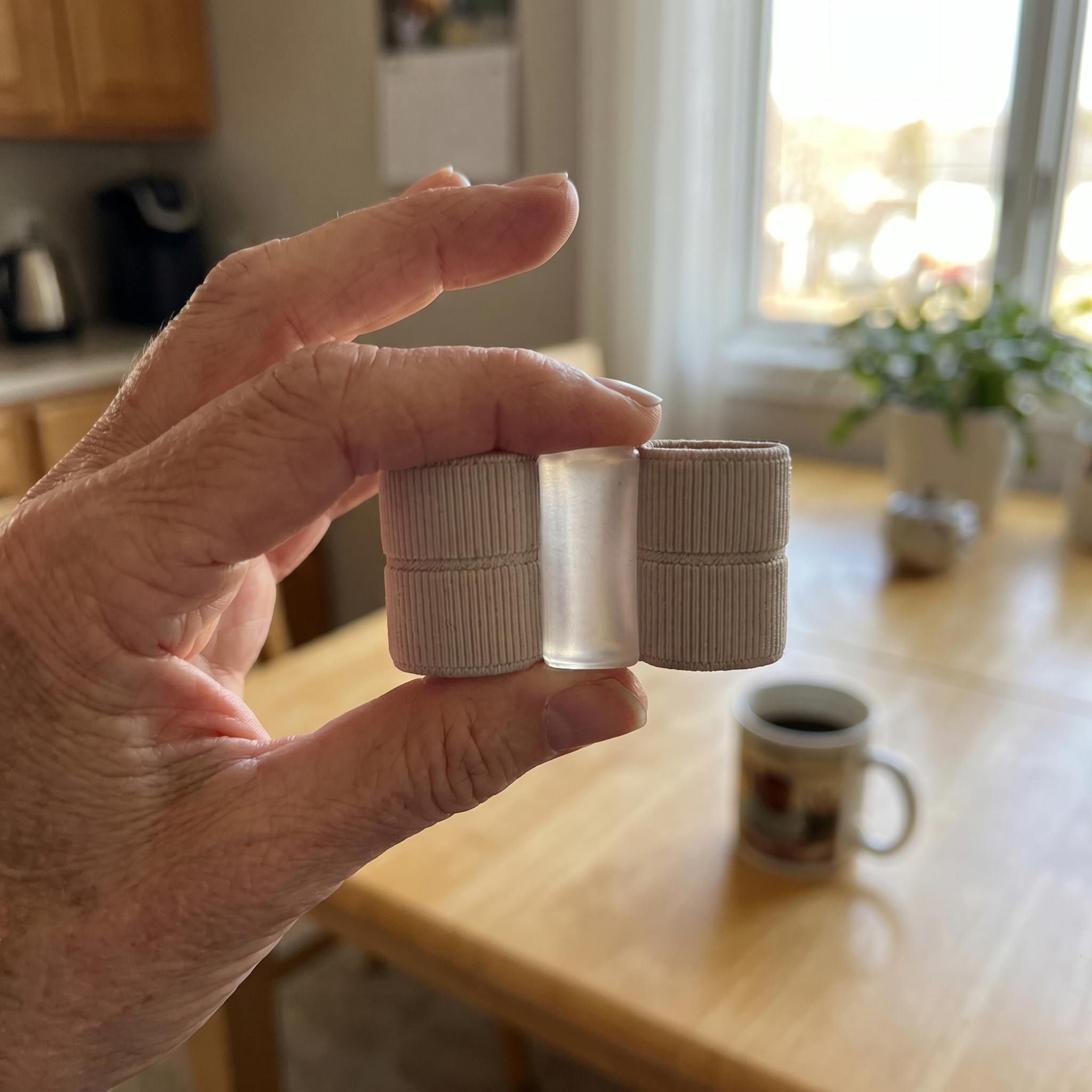
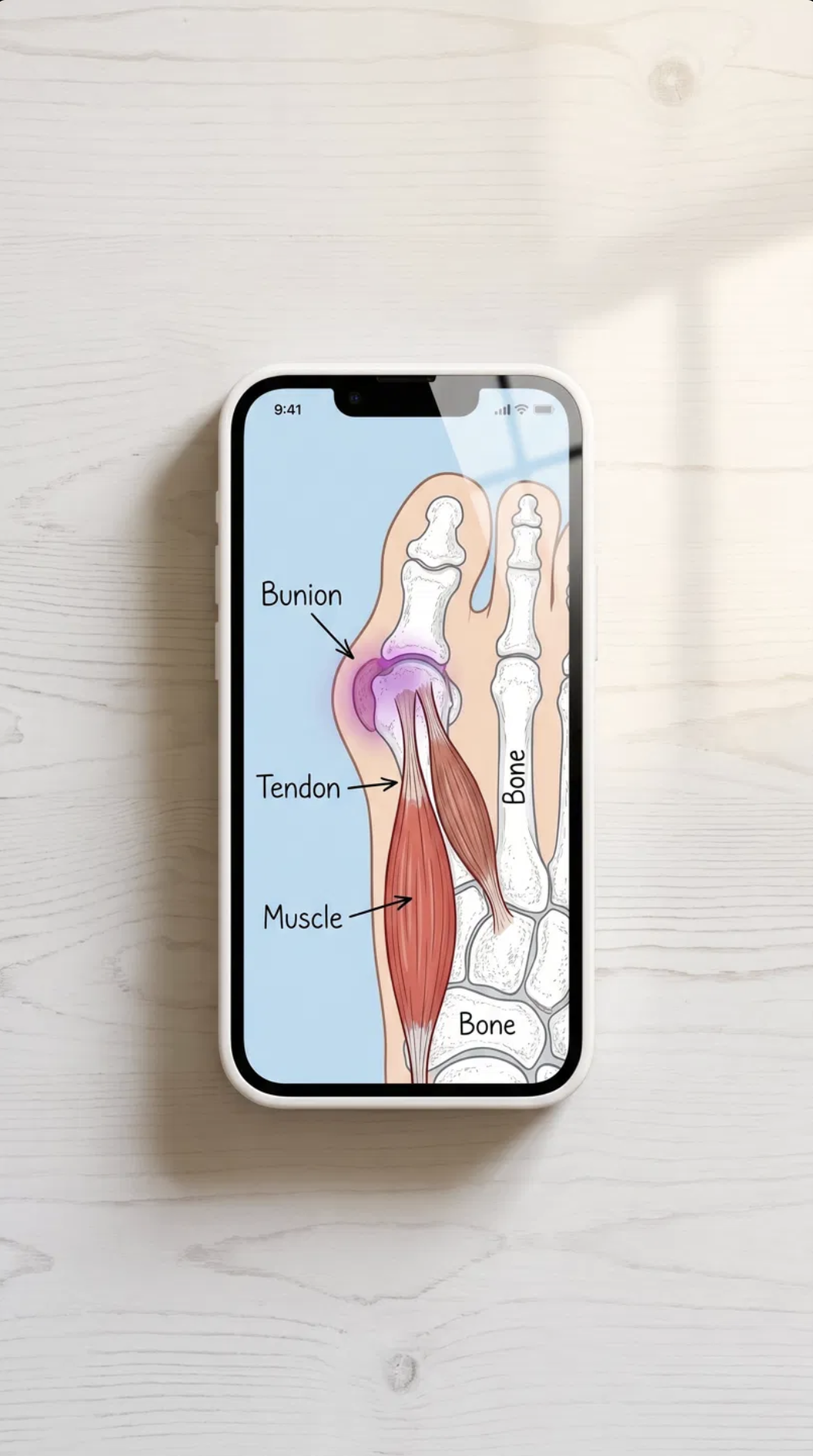
I want to show you something that changed how I think about bunions entirely. That image is a diagram I kept coming back to after a conversation I had with a physical therapist about eight months ago. I'd been dealing with a bunion for years. I thought I understood what it was. A bone that grows sideways. A bump that gets bigger over time. Something you either live with or eventually have cut. She told me that's not really what's happening. The bone in a bunion hasn't grown. It hasn't changed shape. If you took an x-ray of my foot before the bunion developed and compared it to one taken now, the first metatarsal bone itself would look identical. Same length, same shape, same structure. What changed is everything around it. The tendons and ligaments that attach to the base of the big toe gradually shifted over years. One side shortened. The other side stretched. And the bone, which is held in position entirely by the soft tissue surrounding it, went where the tension took it. Slowly. Over a decade or more. So slowly you don't notice it happening until one day the bump is there and it's been there long enough that you've forgotten what your foot looked like without it. She pointed to the tendon in that diagram. The one running along the medial side of the joint. That's the tissue that shortens first, she said. That's the pull. Everything else follows. This matters because of what it means for treatment. Most bunion products are designed around the bone. They push against the bump. They hold the toe away from the second toe. They try to force the joint back into alignment from the outside. And they mostly don't work, or they work temporarily while you're wearing them and stop working the moment you take them off, because they're not addressing the thing that caused the drift in the first place. The tissue. And there's a second problem that she explained that I hadn't considered before. Most of the products people try, gel spacers, night splints, rigid correctors, are designed to be worn while you're sitting or sleeping. While the foot is unloaded. While there's no weight on the joint. She said this is exactly backwards from when correction is actually useful. "The joint needs corrective pressure when it's loaded," she told me. "When you're walking. When there's force going through it. That's when counter-pressure actually has something to work against. Eight hours of a night splint doesn't beat sixteen hours of walking pressure. It never wins that math." What she described instead was a device worn inside a shoe during normal daily activity. A separator that sits between the first and second toe at the metatarsophalangeal joint, held in position by a fabric sleeve so it can't migrate toward the arch the way loose silicone always does. Gentle, consistent counter-pressure applied through every step. Working with the load on the foot rather than fighting it during the hours when there's no load at all. The clinical term is sustained mechanical counter-pressure during weight-bearing activity. She said it more plainly: doing the right thing, in the right place, at the right time. She said nothing else does all three. She mentioned a company called Askelo. I went home and read everything on their website. The explanation matched her description so closely that I wondered if she'd read it herself or just arrived at the same conclusions through the same anatomy. I ordered it because the 90-day guarantee made the risk feel manageable. I had a drawer full of things that hadn't worked and I was skeptical. But I also couldn't find a flaw in the reasoning she'd laid out. The tissue pulls. The bone follows. Fix the tissue pull. Do it during the hours when the pull is actually happening. Week two, the device was still sitting where it was supposed to sit, which was already different from every gel spacer I'd ever tried. Week five, the morning stiffness I'd had for two years was noticeably reduced. Not gone. Reduced. Week nine, I compared photos. The angle of the toe had shifted a few degrees toward a normal position. Small. Real. Month four, I went back to a podiatrist for a follow-up I'd had scheduled before I started. He looked at the x-ray. He looked at the previous x-ray. He asked what I'd been doing. I showed him the diagram. https://getaskelo.com/pages/askelo-bunion-aligner-adv — 90-day money-back guarantee.
Like this ad? Make it yours.
Crush rebuilds this exact creative around your product — your brand, your colors, your offer — in about a minute.