
Active· since Aug 5, 2026
- 40
- days running
- 0
- relaunches
Ad copy
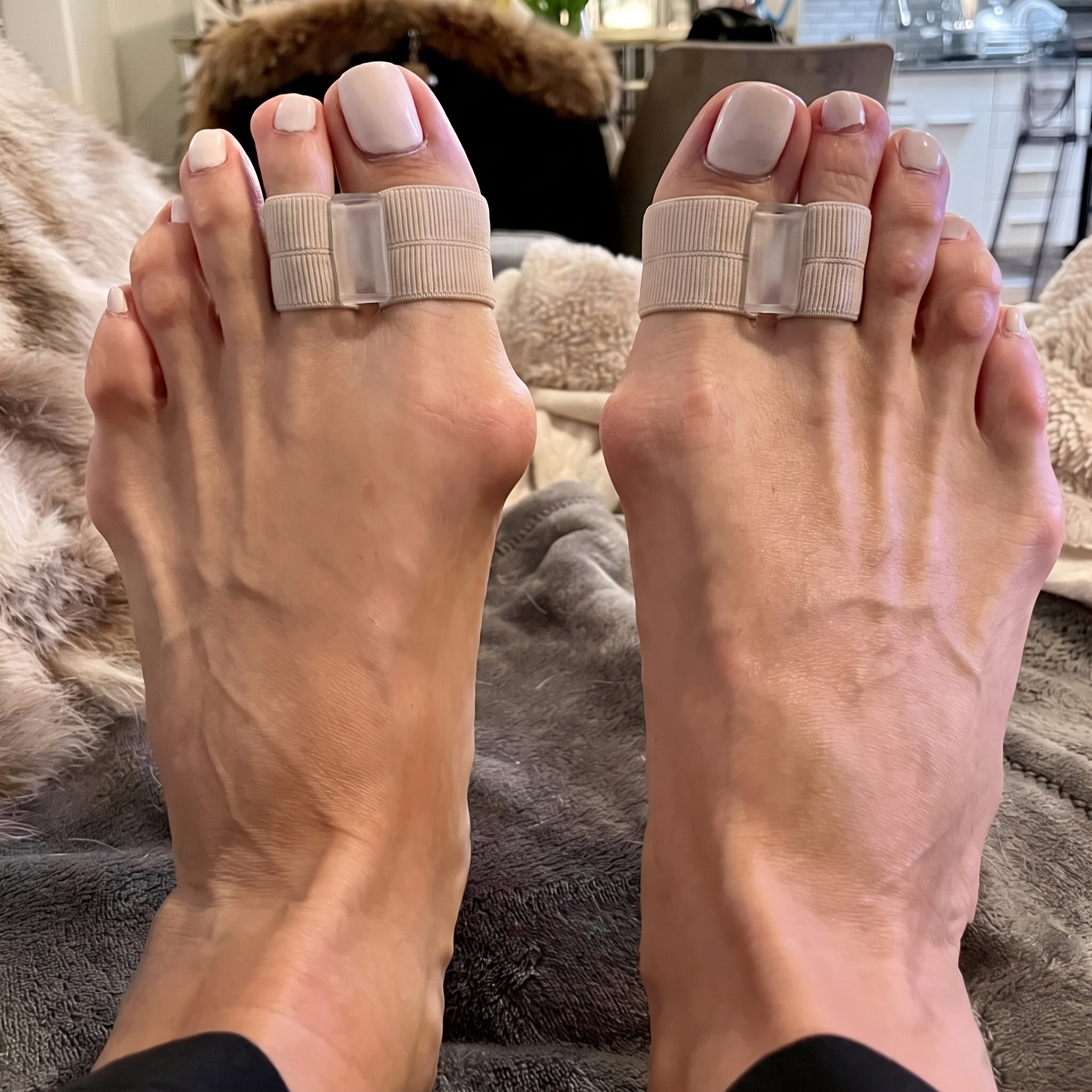
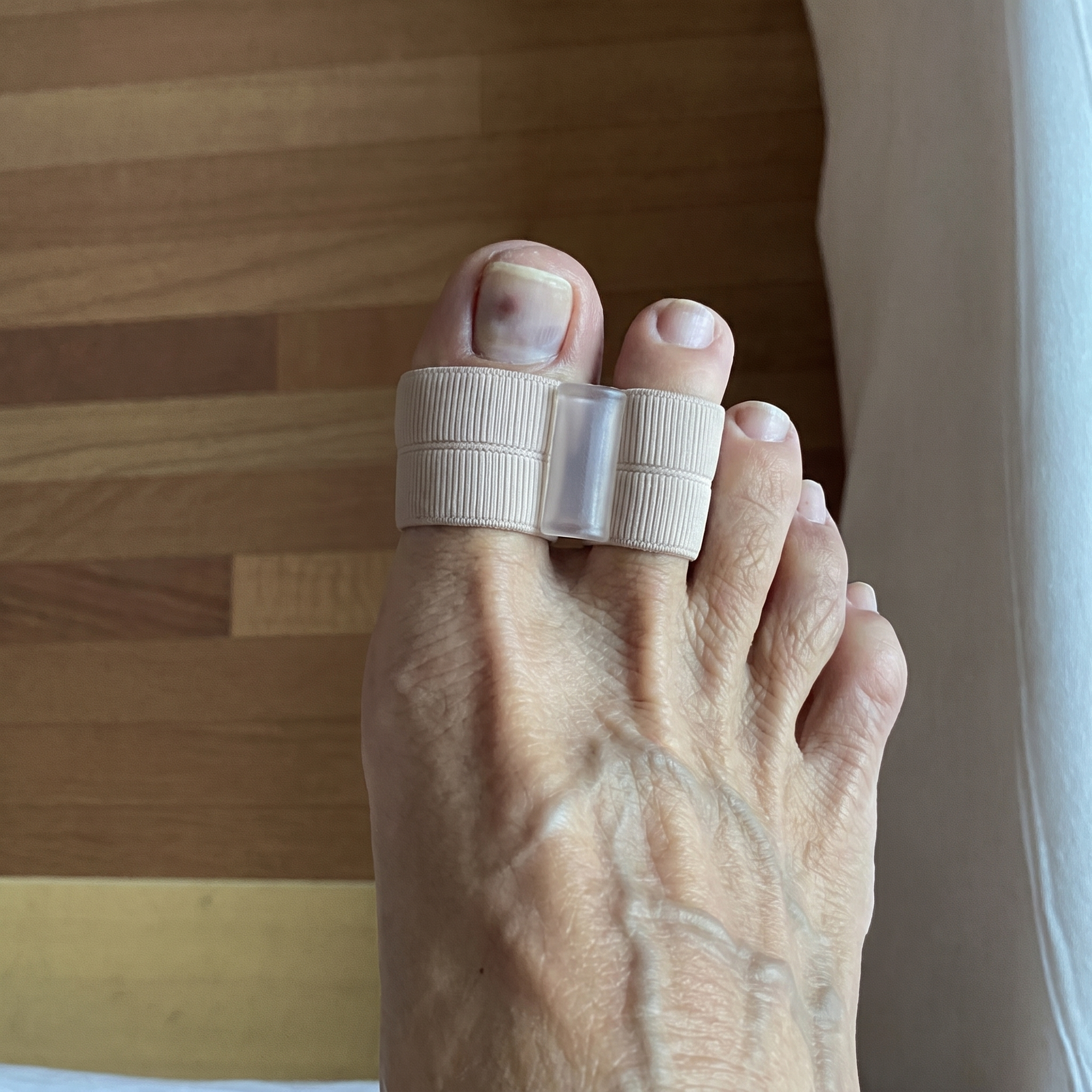
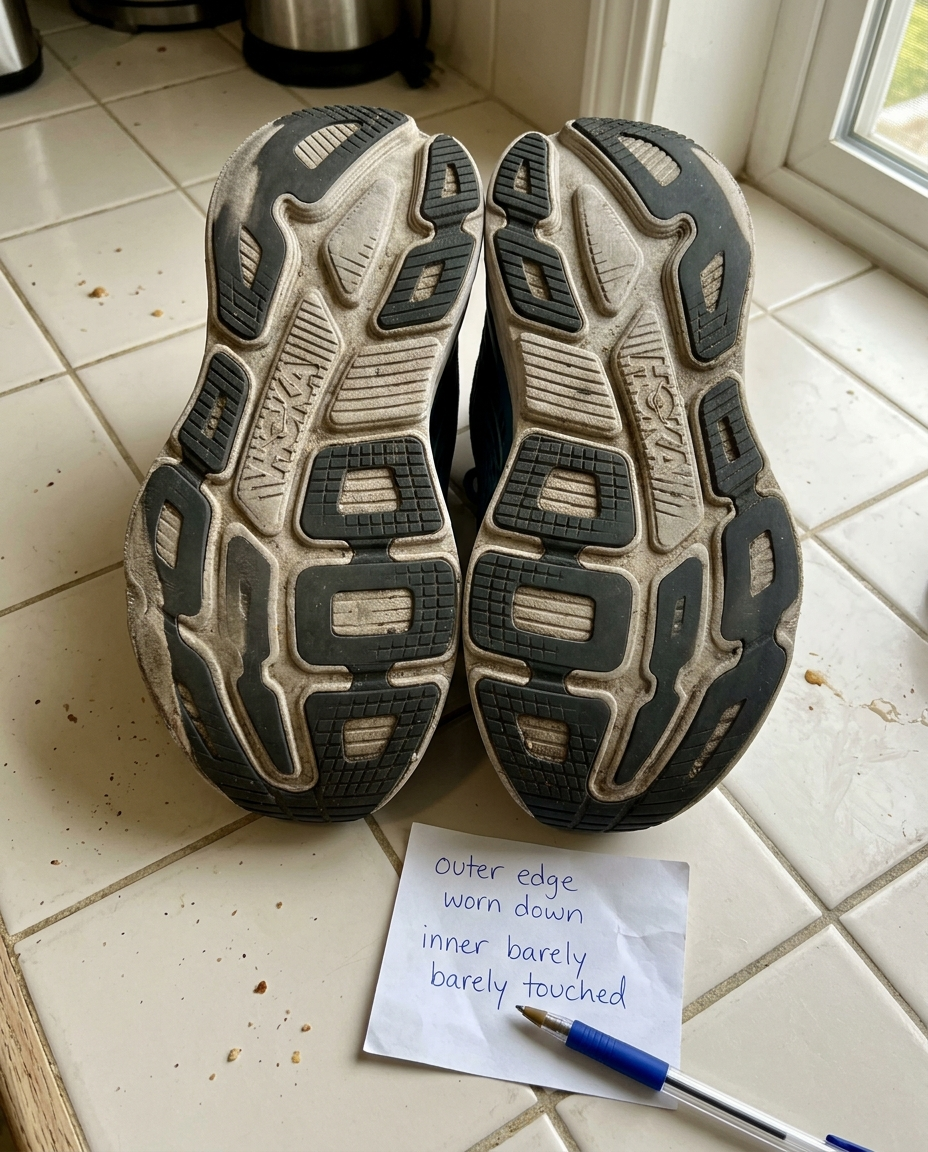
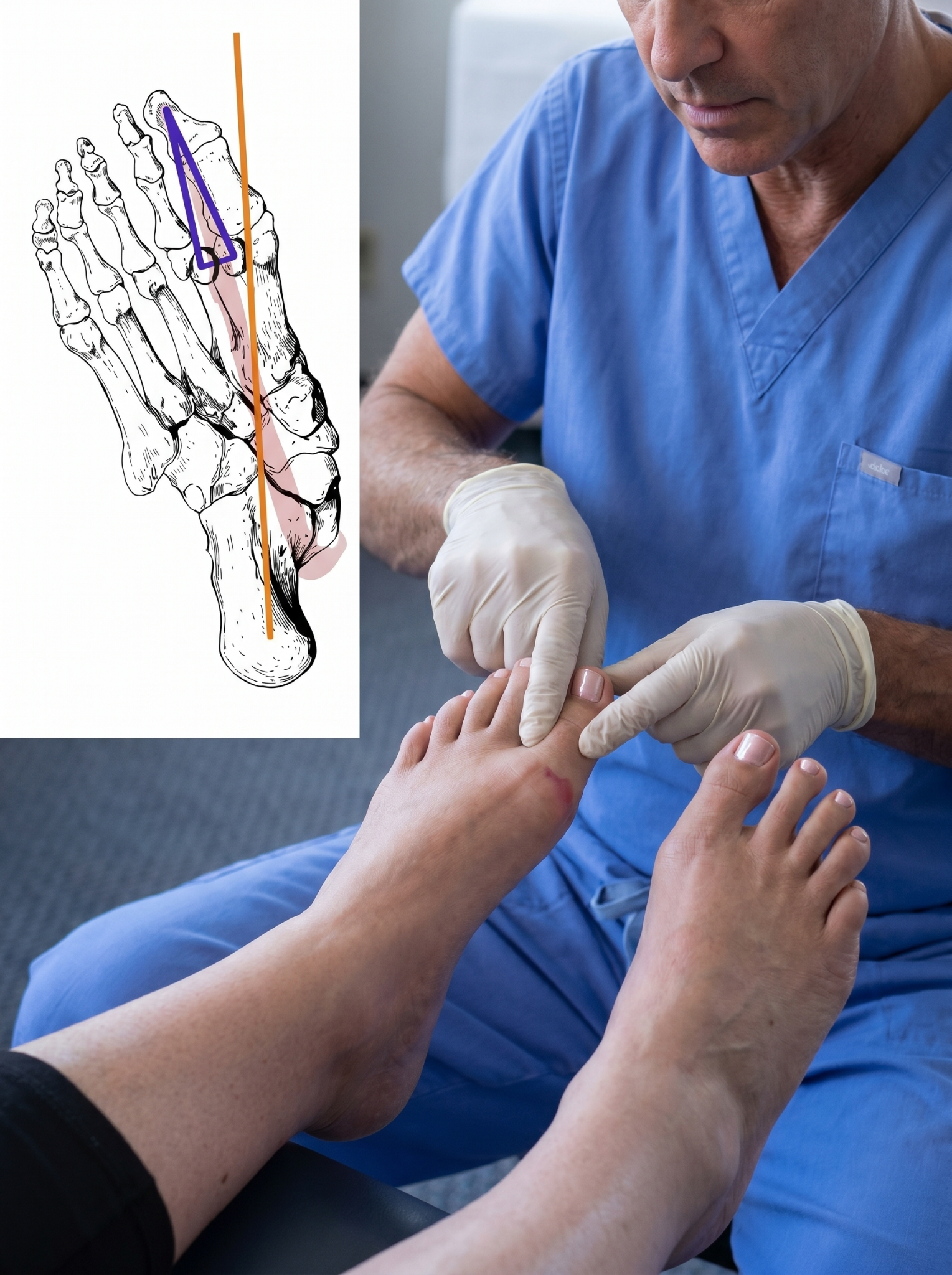
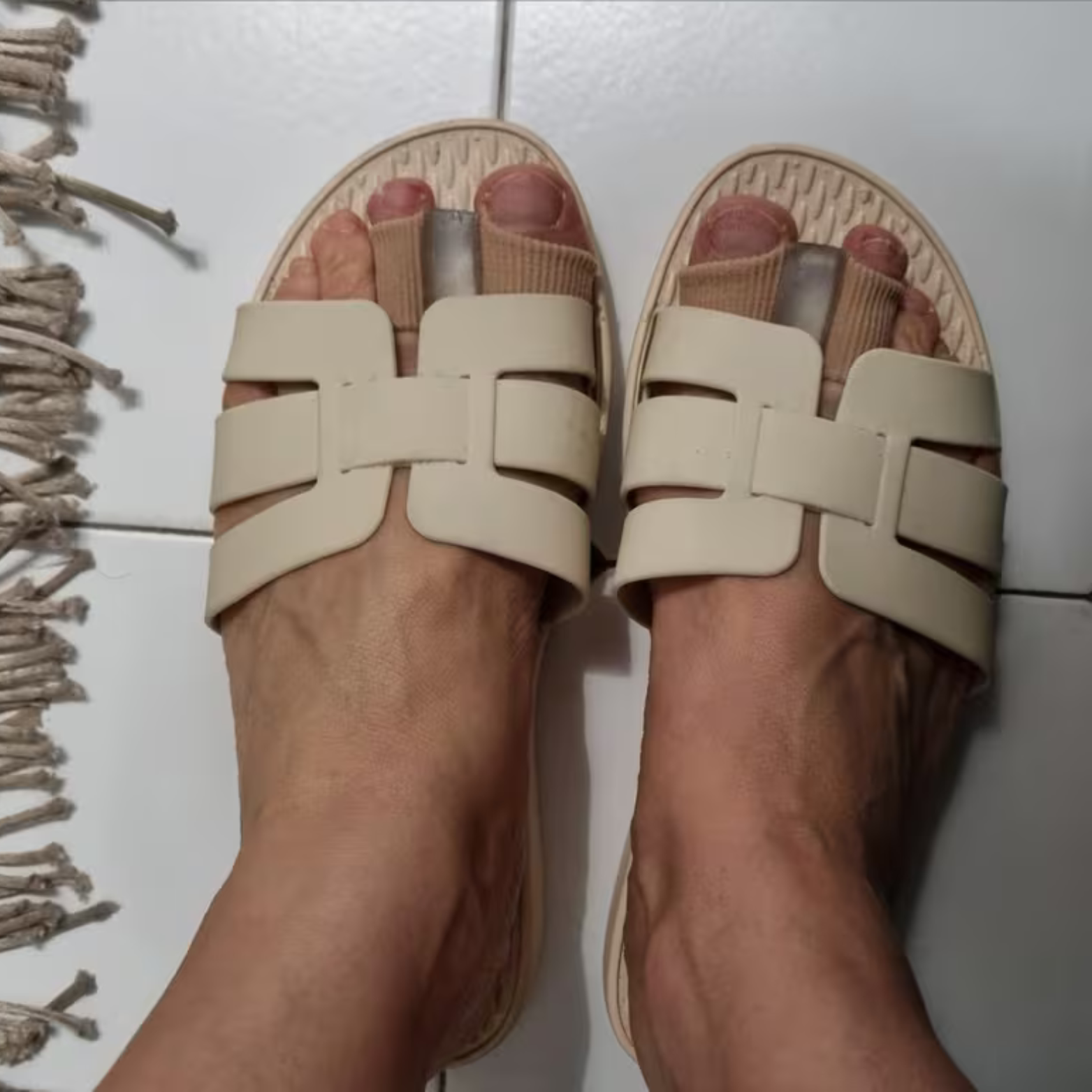
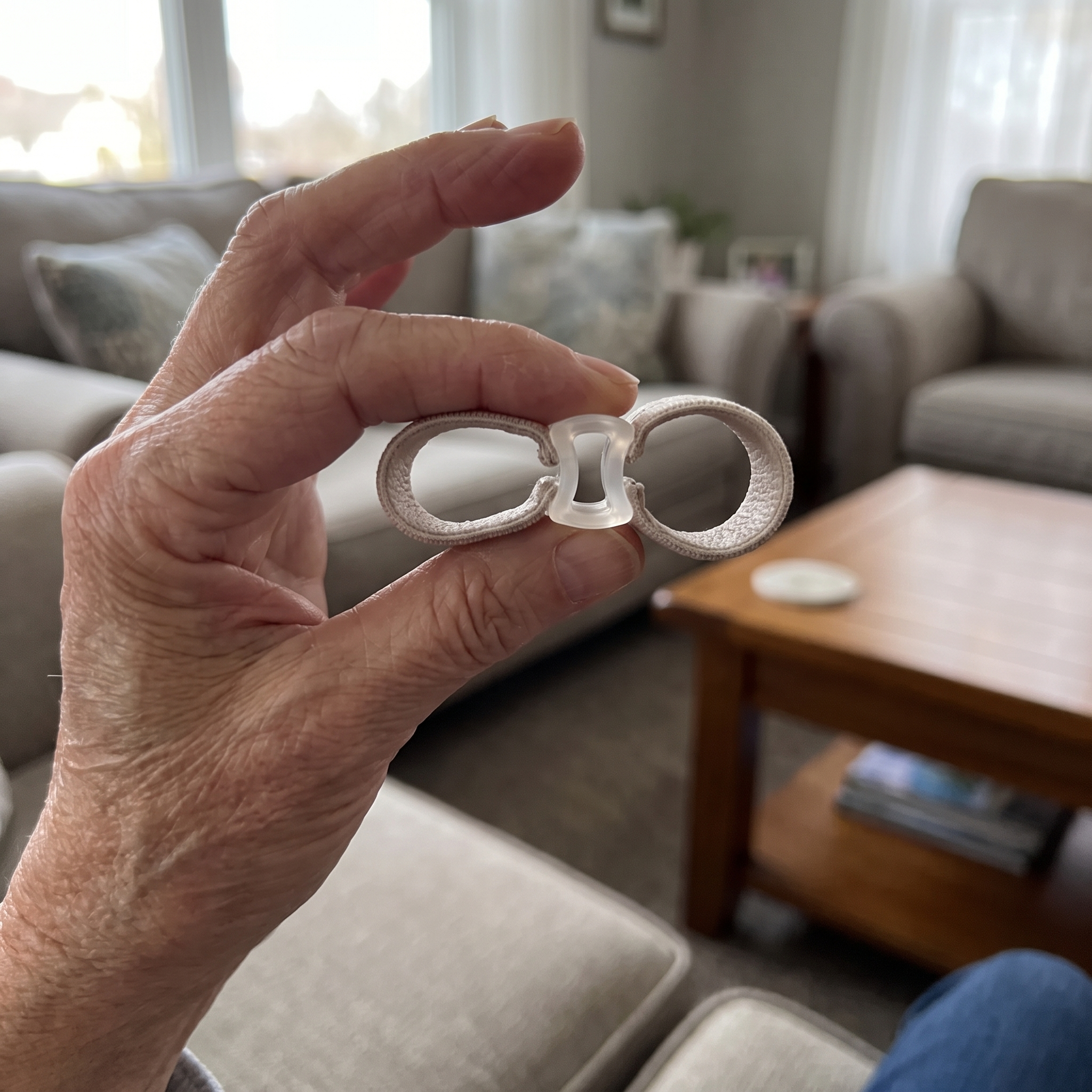
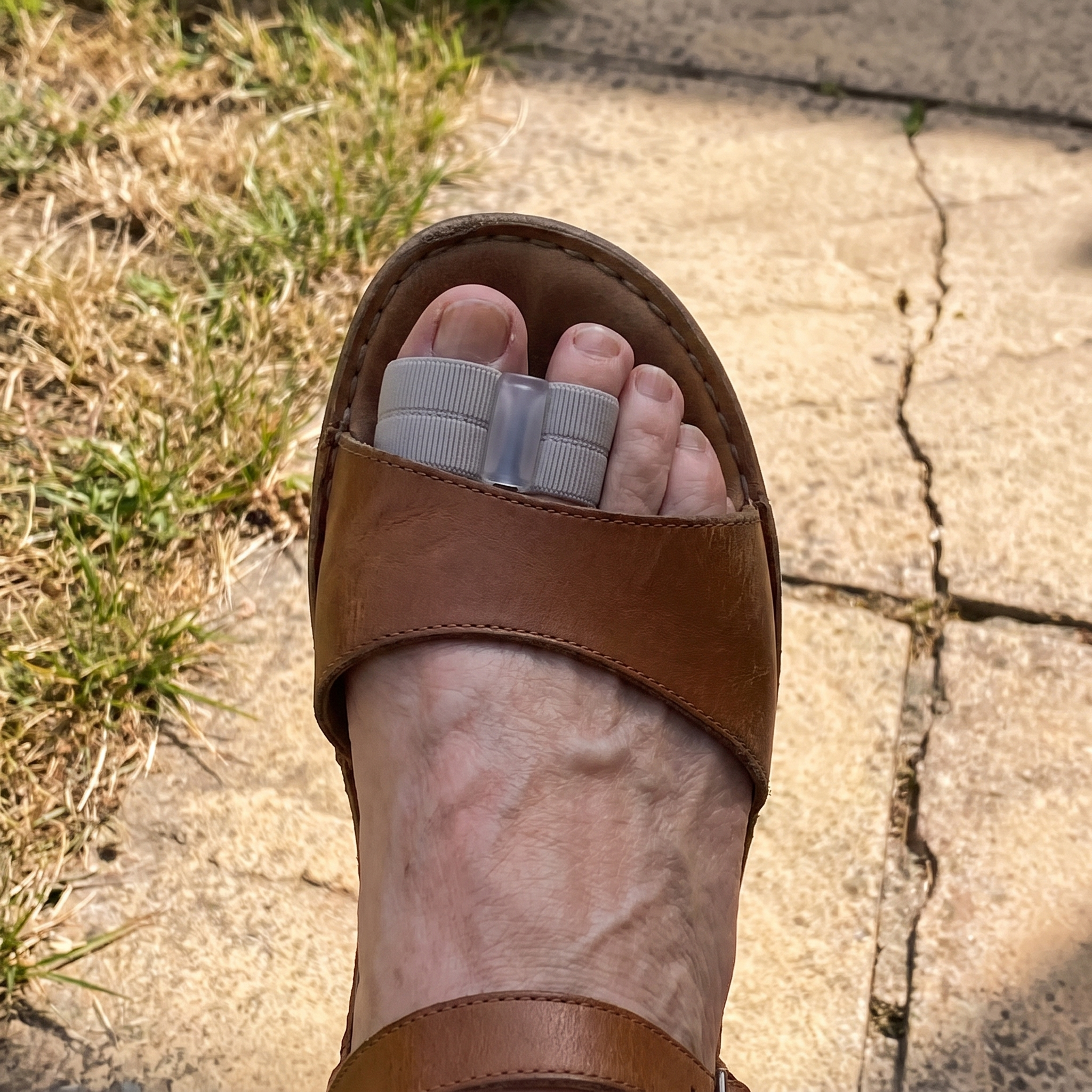
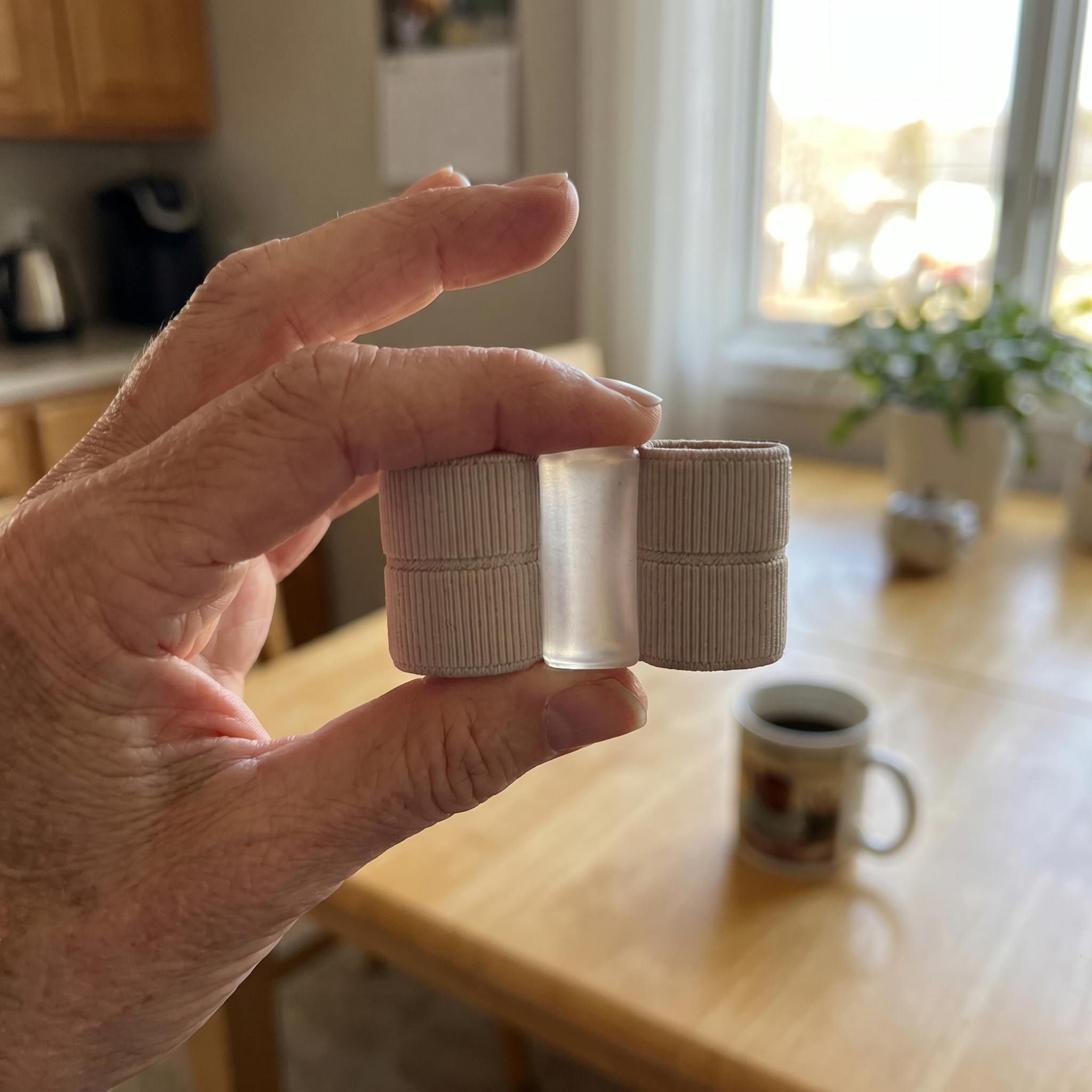
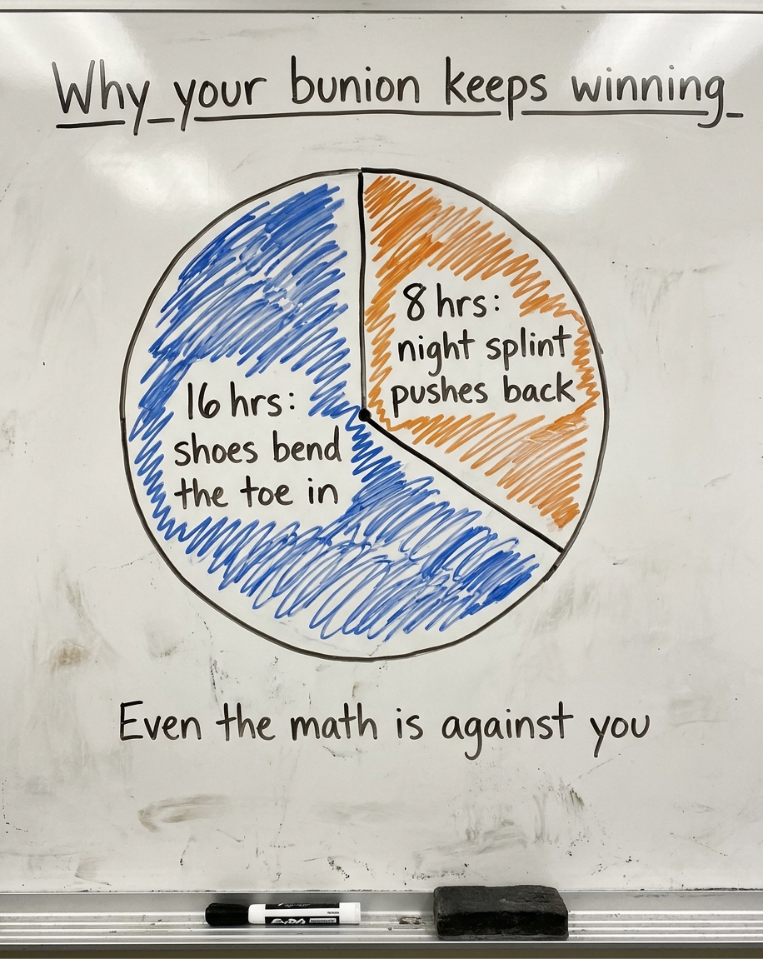
Patients ask me why nothing they try seems to hold. I draw them a simple clock, and the whole thing stops being a mystery. I have spent most of my career looking at the same problem from every angle, and I have watched a lot of good, motivated patients get discouraged. They buy the splint, they buy the spacers, they do what the box says, and the bunion drifts along anyway. They assume they are doing something wrong. Usually they are not. They are just fighting the clock and losing. So I started drawing it for them. One circle, split in two. Here is what the circle shows. A bunion is not really a bone that decided to grow sideways on its own. The joint sits inside a balance of soft tissue, the tendons and ligaments and small muscles that decide where the big toe rests. When that balance gets pulled off line for long enough, the bone follows, and the bump you can see is the end of that process, not the start of it. Now think about a normal day. For roughly sixteen waking hours, the foot is in a shoe, and most shoes narrow at the front and hold the big toe angled inward. That is gentle pressure, but it is constant, and it runs in exactly the direction the bunion is already heading. Sixteen hours a day, every day, of the toe being trained further out of line. Against that, what does the typical patient have. A splint they wear at night. Eight hours, lying still, doing nothing else. So the correction gets eight passive hours and the deformity gets sixteen active ones. When I put it that way, patients stop blaming themselves. The tool was never the problem. The timing was. You cannot out-splint a full day of the opposite pressure in a third of the time. That is the entire reason I pay attention to the newer daytime correctors. The idea is simple and, honestly, overdue. Instead of a rigid brace built only for bed, it is a lighter device made to hold the toe in a corrected line while a person is actually up and moving. Reading, cooking, walking around the house. Even half an hour to a few hours a day changes the arithmetic, because now some of the corrective time is landing during the sixteen hours that would otherwise be working against you. I want to be careful here. This is not a claim that surgery is never needed. A severe, rigid joint is a different conversation, and I have sent plenty of patients to a surgeon without hesitation. But for the milder and moderate bunions I see most often, the ones where the toe still moves, the math is not hopeless. It is just lopsided, and lopsided can be corrected. If you have tried things and wondered why they never seemed to hold, look at your own clock first. Then look at what happens when you finally put some of the correction on the same side as the pressure. Click link down below if you want get relief to your bunion NOW !
Like this ad? Make it yours.
Crush rebuilds this exact creative around your product — your brand, your colors, your offer — in about a minute.