
Active· since Jul 25, 2026
- 48
- days running
- 1
- relaunches
Ad copy
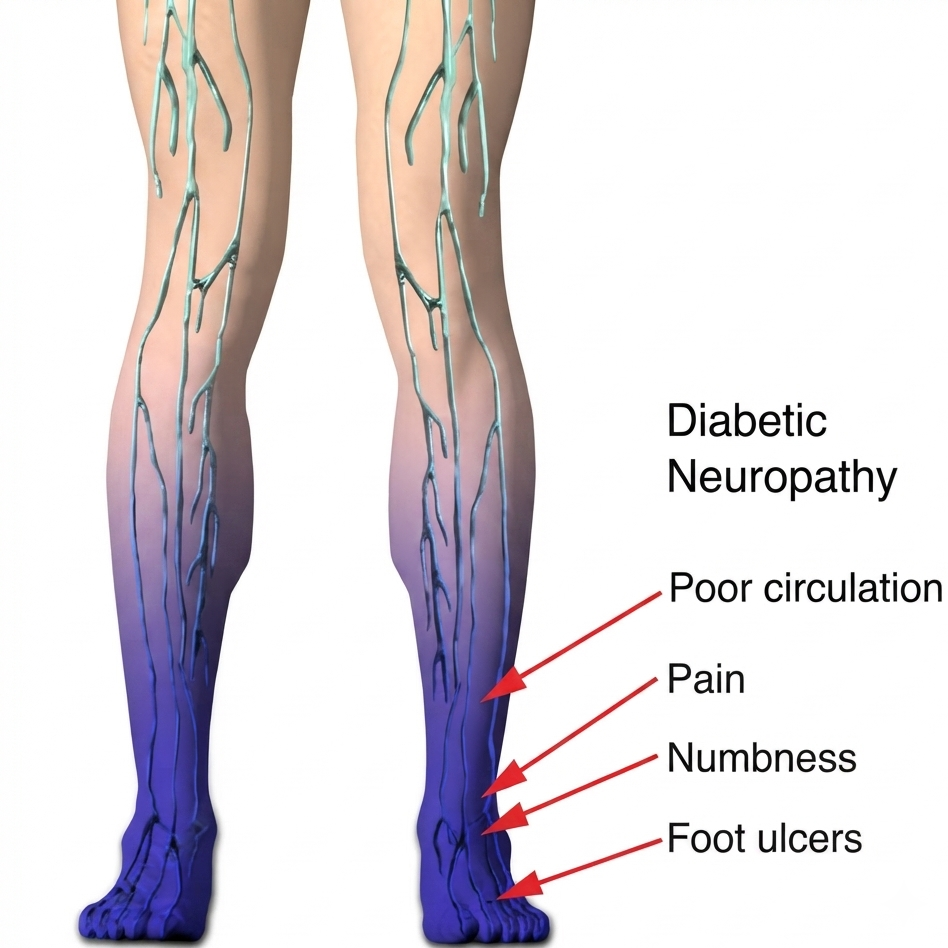
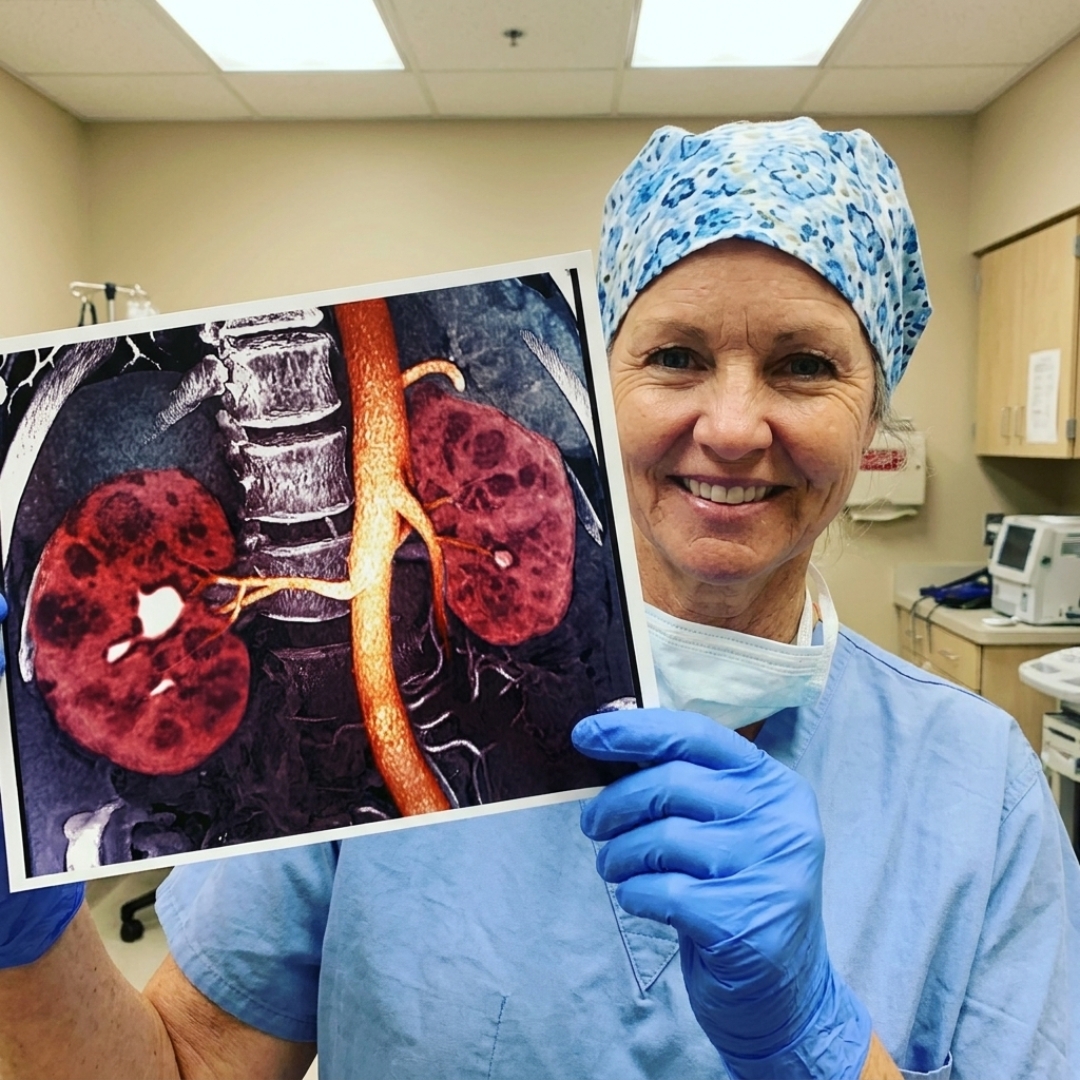
I am going to say something that no woman who is 60+ with Type 2 diabetes wants to hear and I don't give a f*ck if it upsets you. My sister Diane cut out carbs and sweets on July 8th, 2024. Threw out every loaf of bread, every snack, every box of pasta in her house. Went full keto. Walked three miles a day. Started juicing kale, of all things. She did everything the doctor told her. She had a massive heart attack on October 19th at 2 AM. She was 62 years old. The paramedics got her back. The cardiologist put in two stents. But we almost lost her. Three minutes later to the hospital and she was gone. Her heart stopped on the table for thirty seconds before they brought her back. Thank God she survived. The hospital bill was $63,000. The cardiac rehab was another $8,400. Her favorite coffee mug is on the counter this morning. Her hand is around it right now. Fifteen months ago I thought I was going to lose that too. I need to tell you what happened to Diane. Because I have been a diabetes educator for 22 years, and I am seeing the same posts on Facebook that my own sister was making just months before her heart attack — my A1C is a little high, any tips — and it makes me physically ill. If you are a woman over 60 and you have Type 2 diabetes, or someone you love does, please read this entire thing. I know it is long. I know you are scrolling. I know you have things to do. Fifteen months ago I would have given anything, everything, for someone to tell me what I am about to tell you. And I am telling you this as a diabetes educator with over two decades in the field. I thought I knew everything about Type 2 diabetes. I taught it. I lectured on it. I sat across from thousands of patients and told them what to eat and when to check their sugar and how to take their medication. And I still could not save my own sister from what was about to happen. Diane went in for a routine physical on June 28th, 2024. She felt fine. Better than fine. She had just turned 62. She still tended her own garden — the roses she and our mother had planted 40 years ago. She still went antiquing every Saturday with her friend Judy. She thought she was indestructible and honestly so did I. Two days later her doctor called. A1C of 10.3. Fasting glucose of 232. — Your blood sugar numbers are very elevated, Diane. We need to talk about your diet. Diane was quiet on the call. I was in her kitchen pretending not to listen. I had been staying with her most nights since her husband Frank died three years earlier from lung cancer. She had that big house all to herself and I had a small apartment I barely used. — What does breakfast usually look like for you? — Toast with jam. Oatmeal with brown sugar and raisins if I have time. Pancakes with the grandkids on Saturdays. — And dinner? — Meat and potatoes or rice most nights. Pasta on Sundays. On the weekends I go out with the ladies. — And in between? — Sandwich for lunch. Slice of pie in the afternoon with my coffee. I bake my own. — That is enough to do this. You need to cut all of it. The bread. The rice. The pasta. The potatoes. The pancakes. The pie. Everything with carbs. Completely. No exceptions. We are starting Metformin today. We will retest in three months. Diane hung up the phone and sat at her kitchen table for forty minutes without saying anything. Then she stood up, walked to the pantry, and took everything out. I watched her throw out three loaves of bread. Two boxes of her mother-in-law's favorite pasta. A five-pound bag of jasmine rice. Four boxes of cereal. The English muffins in the freezer. The tortillas we used for taco Tuesdays. The bag of potatoes on the counter. The pecan pie she had made yesterday from our grandmother's recipe. All of it went in the trash. The whole pantry, gone in under an hour. I asked her what she was doing. — That is it. I am done. And she was. For 103 days, she didn't touch a bite of it. No bread. No rice. No pasta. No pancakes. No pie. Not at her granddaughter's engagement dinner in August where the entire menu was pasta and bread and Diane asked the waiter for a plain grilled chicken breast. Not at the Cubs game in September where our brother ordered a hot dog with a bun and Diane ate a bunless burger with a pile of lettuce. Not at her own 62nd birthday luncheon in October where her daughter had baked her signature lemon layer cake, the one Diane had made for every family member's birthday for 35 years, and Diane had a cup of black coffee and a bowl of berries while everyone else ate. She stopped going to her Tuesday afternoon bridge club because she could not sit there while the other ladies ate homemade cookies and the cheese board Marcia brought every week. She lost her best friend Judy, who told her — you are no fun anymore — and stopped inviting her antiquing. She lost the Friday night dinner club at the country club, where her standing order was the salmon with rice pilaf and a basket of biscuits. She lost a piece of herself she had been carrying for 35 years. And she did it anyway. Because the doctor said to. She was miserable the whole time. I want to be honest about that. The cravings never went away. She would stand in the kitchen at 9 PM looking at the empty bread drawer like it had personally wronged her. She opened the pantry 3-4 times a day to see if something had magically spawned. She was agitated in the afternoons when she had a craving, so she would snap at me. I don't blame her and honestly, who wouldn't. I could not have done what she was doing. I could not picture myself eating no bread, no pasta, no dessert for that long. Not for one week. Let alone 103 days. But she kept going. She lost 22 pounds in those three months. She bought a juicer. Diane, with the juicer, I still cannot picture it. She started walking three miles every morning before the sun came up. She took the Metformin the doctor prescribed. She took a blood sugar complex she found on Amazon. She ate a salad every day, the woman who used to say salads were what her food ate. She learned to eat cauliflower rice instead of jasmine rice. She learned to eat zucchini noodles instead of our mother's Sunday spaghetti. She learned to say no to desserts she used to bake herself. She did everything right. The follow-up labs came back on October 7th. A1C: 9.6. Fasting glucose: 198. She had quit carbs entirely for 90 days and the numbers had barely moved. The doctor said give it more time. Diabetes management is slow. We will retest in 6 months. Keep doing what you are doing. If nothing changes we will add Ozempic at the next visit. Diane came home that night and sat at the kitchen table again. The same table she had sat at after the first call. She did not say anything for a long time. Then she said — Caroline. I gave up everything. Everything. And it didn't work. I told her to give it time. I told her the doctor said six months. I told her to trust the process. Because that is what a diabetes educator says. Trust the process. Give the medication time. Stay compliant. Every word out of my mouth was the same script I had recited to a thousand patients across two decades. She nodded. She kept walking. She kept juicing. She kept taking the Metformin. Five days later, five days, I woke up at 2 AM to a sound I had never heard come out of her in the 58 years we had been sisters. She was in the hallway outside the guest room where I was sleeping. Clutching her chest. Both hands. Her face was white. I did not ask questions. I grabbed my keys and drove her to the ER. By the time they admitted her at 2:47 AM, she was gray. Not a little pale. Gray. Like the color had drained out of her face. Like the light behind her eyes had gone dim. The ER doctor, a young woman, could not have been 35, looked at Diane's EKG and her face did this thing. — Ms. Baker, you are having a massive heart attack. Your left anterior descending artery is 95 percent blocked. We are taking you to the cath lab. Now. The doctor just looked at me. — I know, Ms. Moore. I am sorry. They rolled her down the hallway. I ran alongside the gurney holding her hand until the doors of the cath lab closed and a nurse gently pulled me back into the waiting room. I sat in that plastic chair for three hours and forty minutes. I called Diane's daughter. I called our brother in Arizona. I called our other sister. I could not stop shaking. At 6:42 AM the cardiologist walked into the waiting room. I stood up so fast I nearly fell over. — She is stable. We placed two stents in the LAD. She coded once on the table but we got her back within thirty seconds. She is in the ICU now. You can see her in about an hour. Thirty seconds. Thirty seconds is what stood between me and losing my only sister. The person who had known me longer than anyone else on this earth. Diane spent four days in the ICU. Another five days on the cardiac step-down floor. She came home on October 28th with two stents, a walker, and a shopping bag full of prescriptions. That was the day the second nightmare started. Because the cardiologist did not just want to see Diane back in her office for cardiac follow-up. She wanted a full body diabetic workup done, because in her words — when a Type 2 diabetic has a cardiac event this severe, the disease is almost never confined to the heart. We need to know what else is going on. Over the next three weeks, Diane had: A kidney panel with a nephrologist. A dilated eye exam with an ophthalmologist. A liver ultrasound and hepatology consult. A nerve conduction study on her feet with a neurologist. And every single one of them came back with a problem. The nephrologist showed us Diane's creatinine had been climbing quietly on her last three panels. Her kidney function was already declining. She called it early stage 3 diabetic nephropathy. Nobody had told us. And I am a diabetes educator. This was on her chart the whole time and even I had not caught it. The ophthalmologist noted small hemorrhages in both retinas. Early diabetic retinopathy, she said, consistent with several years of elevated blood sugar. Diane had been complaining about blurry vision that came and went. I had told her it was her reading glasses. The liver ultrasound showed moderate fatty liver disease. Her enzymes had been elevated for two years. Her previous doctor had said — we will keep an eye on it. The nerve conduction study showed measurable peripheral neuropathy in both feet. The tingling Diane had been complaining about for six months, the tingling she blamed on her gardening clogs, was diabetic neuropathy. And it had already been damaging her nerves for years. Same disease. Same trapped sugar. Damage in her feet. Damage in her kidneys. Damage in her eyes. Damage in her liver. And finally, damage in her heart. The cardiologist called it a massive heart attack in a Type 2 diabetic with previously managed A1C. Managed A1C. That word again. Diane sat on the edge of her bed that night, thirty-nine days after her heart attack, holding the folders of specialists' reports in her lap, and she looked up at me and said the words I will never forget. — Caroline. My body was falling apart for years and nobody was watching for it. My A1C was managed. That is when I stopped being a diabetes educator and started being a scared sister who was not going to sit and wait for the next one. I started researching. Not because I wanted to. Because I had to. Because Diane had survived by thirty seconds. And because I realized that in 22 years of educating patients, I had been teaching them exactly what my sister's doctors had taught her. Watch your carbs. Take your Metformin. Keep your A1C down. I had never once, not in one lecture, not in one patient consult, addressed what actually damages the body underneath a managed A1C. I started reading everything I could find on Type 2 diabetes at 2 AM when I could not sleep. Medical journals I understood too well, if I am being honest. Endocrinology forums. Studies out of Japan and Germany. And one thing kept coming up, over and over, that I had never taught anyone in two decades of educating diabetics. The reason Diane's numbers didn't come down when she cut carbs is that cutting the carbs only stops the incoming sugar. It does not move the sugar already trapped in the bloodstream. But I could not fully understand the mechanism from the papers alone. It was too clinical. Too abstract. Then I found a thread on a diabetes forum with over 4,000 comments. The title. Why does my Sri Lankan grandmother not have diabetes despite eating rice every day? I almost scrolled past. Something made me click. The post was from a woman whose grandmother had immigrated from Sri Lanka in the 60s. She was 84, ate rice with every meal, drank tea with sugar, had never been on Metformin, had never had elevated blood sugar. The post asked why Sri Lankan women in her grandmother's village rarely developed Type 2 diabetes despite their carb-heavy diet. Comment after comment. Stories. Studies. Cinnamon. True Ceylon cinnamon. The kind that grows wild in Sri Lanka. The kind that has been used in their traditional medicine for over a thousand years. Someone posted a name. Kumari. A grandmother who lived in a small Sri Lankan community in central New Jersey. People in the thread said she had helped their family members reverse their A1Cs. I looked at the clock. 2:39 AM. By 5:30 AM I was in my car. By noon I was in New Jersey. I did not have an address. Just a town name and a description of the street. I drove until I saw a small house with a garden of unusual plants. Bushes I did not recognize. A small tree by the front door I had never seen before. There was an older woman on the porch. Had to be pushing 80. Small. Thin. Dark hair pulled back with gray streaks running through it. She was sorting through something in a large wooden bowl on her lap, her fingers moving so fast they blurred. No swollen knuckles. No brace. Just easy, steady work. I parked and walked up to the porch. — Excuse me. I do not want to bother you. But how old are you? She looked up with sharp, clear eyes. — Seventy-nine. I stood there staring at her. Seventy-nine. My sister was 62 and had just come home from a nine-day hospital stay with two stents in her heart. — My name is Caroline. My sister is Diane. She had a massive heart attack six weeks ago. She almost died. She has Type 2 diabetes. Managed A1C. Her body was falling apart underneath the number for years and none of her doctors were looking. I read a thread online. Your name was in it. I am a diabetes educator with 22 years in this field and I could not save my own sister. I drove eight hours to find you. She set down the bowl. Looked at me for a long moment. — You came here for a reason. Come inside. Her kitchen smelled like cardamom and cinnamon and rising bread. She poured me a cup of tea without asking. Pulled out a chair. — Tell me about your sister. I told her everything. The heart attack. The stents. The 103 days of no bread that did not save her. The follow-up labs that barely moved. The five specialists we had seen since she came home from the hospital. The kidneys. The eyes. The liver. The feet. The heart. She nodded through every complication like she was checking items off a list she already had in her head. When I finished, she was quiet for a moment. Then she said — your sister's medication is fighting the wrong battle. I blinked. Not what I expected her to say. — Metformin quiets the number on Diane's chart enough that her doctor stays calm. That is all it does. The reason her numbers keep climbing. The reason her feet burn. The reason her blood pressure creeps. The reason her heart almost stopped six weeks ago. Nobody is touching that. — I know it is blood sugar. She cut the bread. She cut the sugar. She tried berberine. She tried apple cider vinegar. That is not new to us. I am a diabetes educator, Kumari. I have been teaching people this for 22 years. She smiled. — Then you know more than most. But you do not know what that sugar is actually doing. Because nobody teaches it. Not in the schools that trained you either. And without that, none of the rest matters. She folded her hands on the table. — There are two things happening in your sister's diabetes. The number on her chart. And the damage underneath it. They are NOT the same thing. She held up two fingers, separated. — The pill works on the first one. The number. The damage, it never touches. The number is just the reading. Underneath it, the sugar from every meal Diane eats is trapped in her blood. It cannot get into her cells anymore. The doors are closed. So the sugar stays in her blood. And every heartbeat, it moves. Every meal, more piles on. The pill silences the number on the chart. But it never opens the doors. The sugar keeps grinding. I stared at her. — You do not feel the grinding. You only see the number. So when the pill quiets the number, the doctor thinks Diane is managed. She was not. The sugar was grinding through her vessels every day for years. Whether she felt it or not. She leaned forward. — And here is the part no one has told you. Not in your training. Not in your continuing education courses. That trapped sugar is not only damaging one part of the body. It moves through every blood vessel she has. The smallest ones go first. The vessels feeding the nerves in her feet. That is the tingling. The vessels filtering her kidneys. That is the creatinine climbing. The vessels in the back of her eyes. That is the retinopathy. The vessels feeding her liver. That is the fatty liver. And then. The arteries feeding her heart. She picked up two small pieces of cinnamon bark from her bowl. Then a third. Then a fourth. Then a fifth. — This one is her feet. This one is her kidneys. This one is her eyes. This one is her liver. This one is her heart. Same trapped sugar grinding through all five. Your specialists have been treating five different problems. It was always one. My chest tightened. — That is why her A1C would not come down when she cut the bread. That is why her blood pressure was climbing. That is why the heart attack came anyway. The Metformin did nothing for any of it. The Ozempic they wanted to add would do nothing for it. The carb cutting. They just lower the supply of new sugar. They do nothing about the sugar already trapped in her blood. They never open a single door. She looked me straight in the eye. — Her A1C measures what is in her blood right now. It cannot measure what the trapped sugar has been doing to the vessels feeding her heart for years. Those are two different things. And the one that matters, the grinding in her blood vessels, her doctor was not measuring at all. Neither were you. She reached across the table. — Now here is what Type 2 diabetes really is. It was never just a sugar number. Years of trapped sugar that started moving through her blood the day the doors first closed. Like a fire moving through a house one room at a time. Every meal. Every day. The same trapped sugar working on her feet and her kidneys and her eyes and her liver and her heart at the same time. Her A1C looked managed. Her body was falling apart underneath it. She tapped the table once. — And here is the piece that will make you angry. Every part of her has been feeling this damage. But one place paid the highest price. Her heart. The same trapped sugar damaging the smallest vessels has been stiffening the arteries feeding her heart muscle. Year after year. That is where her blood pressure came from. That is where the heart attack came from. The numbers her doctor wanted to medicate one at a time. Never once asking what was causing all of them. My eyes started to water. — That is what almost killed your sister. Not her diabetes. Not her A1C. The trapped sugar nobody addressed. A heart that took that grinding every single day for years while her doctor read her A1C and told her she was managed. I could not speak. I sat there and thought about the thousands of patients I had sent home with the same instructions Diane's doctor had given her. — Now hear me clearly. I am not telling you to throw the Metformin in the trash. A blood sugar number is a blood sugar number, and that is between Diane and her doctor. Metformin can help. But understand what the medication is. It quiets the number on the chart. It never opens the doors. It never moves the trapped sugar. And taken every morning, year after year, it lowers her B12 and adds its own strain to a body that is already damaged underneath. I asked her what does open the doors. She smiled. A small smile. — The doors have a key. For over a thousand years the people in Sri Lanka have used one thing for them. My grandmother grew it. Her grandmother before her. Generations of Sri Lankan women living into their eighties without diabetes despite eating rice with every meal. She stood. Walked to a shelf along the wall. Pulled down a dark glass jar. Inside were curled pieces of bark, deep red-brown, layered like rolled paper. — True Ceylon cinnamon. I told her Diane had already tried cinnamon capsules from Amazon and they did nothing. She must have read my face. — That is not what you think it is. What is in the drugstore and on Amazon is not even cinnamon. It is cassia. A cheaper plant from China. It does nothing for blood sugar. And it contains a compound called coumarin that puts strain on your liver in daily doses. She held up the jar. — Real Ceylon cinnamon is a completely different tree. Cinnamomum verum. It has two compounds Diane's body needs. The first is called MHCP. MHCP is what opens the cellular doors back up. The doors that stopped responding to insulin years ago. Once those doors open, the trapped sugar finally moves out of her blood and into her cells where it gets used as energy. The grinding through her vessels stops. She set the jar down. — And the second compound is called cinnamaldehyde. The one that gives cinnamon its smell. Cinnamaldehyde repairs the lining of the blood vessels that the trapped sugar has been damaging for years. The vessels feeding her feet. Her kidneys. Her eyes. Her liver. The arteries feeding her heart. The ones her cardiologist put stents in. All of them. She looked at me. — Two compounds. From one plant. One opens the doors. The other heals what the trapped sugar damaged while the doors were closed. That is why the people in my grandmother's village do not have heart attacks like Diane almost had. I asked her if it had to be a special form. She nodded. — It has to be real Ceylon at the right dose, suspended in the right oil. The cinnamon in capsules at the drugstore is mostly cassia. And even the real Ceylon at the drugstore is in dry capsule form. The compounds are fat-soluble. Without an oil to carry them, they pass straight through the body and never reach the bloodstream. This is why we eat coconut with cinnamon in Sri Lanka. The coconut oil carries the cinnamon into the blood. My grandmother did not know the science. She just knew that in our kitchen, coconut and cinnamon go together in every dish. That is why our women live into their nineties without heart disease. She paused. — There is a company my niece in Boston told me about. They source the real species, DNA-verified. They concentrate it twelve to one to match the dose in the published research. They suspend it in MCT oil, which comes from coconut. The same oil my grandmother used. Just concentrated into a small softgel so it actually absorbs. Third-party tested. Made in the USA. She wrote the name on a piece of paper and handed it to me. Metabolae. I ordered three bottles from her kitchen table before I left New Jersey. I drove eight hours home. Got in at midnight. Diane was asleep in her recliner. I sat on the couch across from her and watched her breathe for two hours before I went to bed. The bottles arrived seven days later. Diane took the first softgel with her breakfast the next morning. Sat at our kitchen table with the coffee I made her. Looked at the softgel in her palm. — You believe her, don't you. — I do. She looked up at me. — Because I am your sister. Then she swallowed it. Week one. Diane's afternoon energy came back first. She had been napping every afternoon since the heart attack, exhausted after lunch. On day five of Metabolae, she sat at the kitchen table at 3 PM and read the paper cover to cover without dozing off. She looked up at me and said — Caroline. I have not felt this awake in the afternoon in months. Week two. The tingling in her feet started to quiet. She had been sleeping with her feet outside the covers for over a year because the burning would wake her up at 3 AM. That week she pulled the covers up over her feet for the first time. Week three. The 22 pounds Diane had lost during her 103 days of misery had been muscle as much as fat. Her color was back. Her face looked like herself again. Diane's daughter came for dinner and I saw her face when she walked in. She had been watching her mother look sick for months. That night she pulled me aside and said — Aunt Caroline. Mom looks like Mom again. Week four. Diane was reading the paper at the kitchen table one morning and looked up at me with a strange expression. She held the paper out at arm's length. Then brought it closer. Then closer still. — Caroline. I can read the small print. She had been holding the paper at arm's length for over a year. Her ophthalmologist had noted the retinopathy at her workup. Her vision had been slowly getting blurrier for months and she had blamed her glasses. Now she was reading the local news section without squinting. Week six. Diane bought a home glucose meter and started tracking her fasting numbers. 138 on day one. 124 by the end of the week. 108 the week after. She was cheating on her diet occasionally now, a piece of bread here, a little slice of pie there, and her numbers kept coming down. Week twelve. Full lab panel. A1C: 5.9. Down from 9.6 twelve weeks earlier. Fasting glucose: 96. Down from 198. Triglycerides: down 78 points. Blood pressure: 118 over 74. Down from 148 over 92 the week she came home from the ICU. Kidney creatinine back in normal range. Liver enzymes back in normal range. Her cardiologist called us in for a special appointment to review the numbers. She looked at Diane. Looked at me. Looked at the chart. Looked at Diane again. — Diane. What did you do? She told her. The Sri Lankan woman. The kitchen table. The two compounds. The trapped sugar. All of it. She listened for twenty minutes without interrupting. When Diane finished, she was quiet for a long time. Then she said — I have not been trained on this. But your numbers have improved more than I have ever seen in a patient at this stage. Your cardiac risk markers are dropping. Your kidney and liver function is recovering. Your neuropathy is reversing. Whatever you are doing, keep doing it. She cut Diane's Metformin in half at that appointment. She is still on the two stents. Still on her blood pressure medication. Still walking three miles every morning. But she eats bread now. Occasionally. She had pancakes with the grandkids last Saturday for the first time in fifteen months. Her A1C at her last panel four weeks ago was 5.7. We came within thirty seconds of me writing you a very different letter. I am writing this because I still have my sister. And I have watched every symptom in her body reverse. And I have watched her cardiologist, a woman who has been practicing for twenty-two years, look at her labs and say the word we had been waiting to hear for a year and a half. Improving. Not managed. Improving. If you, your mother, your sister, your best friend, or any other woman you love, is Type 2 diabetic and has been told her A1C is managed while her body is quietly falling apart, please listen to what I am telling you. And I am telling you this not just as Diane's sister. As a diabetes educator with 22 years in this field who was teaching the wrong thing for two decades and did not know it until my own sister nearly died in front of me. The trapped sugar is what is killing you. Not the number on the chart. The Metformin lowers the number. It does not open the doors. It does not move the trapped sugar. It does not repair the damage the trapped sugar has already done to your feet, your kidneys, your eyes, your liver, and your heart. Cutting the bread does not save you. Diane did that for 103 days and it did not stop what was coming. Ozempic does not save you. Same idea, different lever. Neither one opens the doors. There is one thing I know of that opens the doors and heals the damage. The two compounds in real Ceylon cinnamon. MHCP opens the doors. Cinnamaldehyde repairs the vessels. Together, at the right dose, in the right delivery form, they address what Diane's medications never touched. Metabolae. DNA-verified true Ceylon from Sri Lanka. Concentrated 12 to 1 to match the dose in the clinical research. Suspended in organic MCT oil so the active compounds actually absorb. Third-party tested. Made in the USA. One softgel every morning with breakfast. That is the whole protocol. 90-day money-back guarantee. If the numbers do not move, you pay nothing. Diane almost died on October 19th, 2024, at 2 AM in the back of an ambulance. Our father died at 71. Our mother died at 68. Diane is 62 today. Her grandkids call her almost every day. I still have her because a Sri Lankan woman I found in a Facebook group sat me down at her kitchen table for two hours and told me what my sister's doctors would never have told her. And what I, in 22 years of teaching diabetes education, had never known to teach. I want that for you. I want your sister, your mother, your best friend, or any other woman you love to still be here five years from now. Please do not wait for the ambulance ride to figure this out. ~ Caroline Moore, age 58, diabetes educator, Springfield, IL P.S. Diane's cardiologist told us at her last appointment that if she had come in that October morning even fifteen minutes later, she would not have survived. Fifteen minutes. That is the margin the trapped sugar left us with after ten years of doctors calling her managed. Please do not let your sister's margin, or your own, be shorter than ours was. P.P.S. I do not work for Metabolae. I do not get a penny from this. I am writing this at 2:14 AM because I woke up in a panic and had to check that Diane was still breathing in the next room. That does not go away. Fifteen months later and I still check. Share this with any woman you love who is Type 2 diabetic. Even a little. Even borderline. Even if she already cut carbs. Please.
Like this ad? Make it yours.
Crush rebuilds this exact creative around your product — your brand, your colors, your offer — in about a minute.