
Inactive· since Feb 20, 2026
- 121
- days it ran
- 0
- relaunches
Ad copy
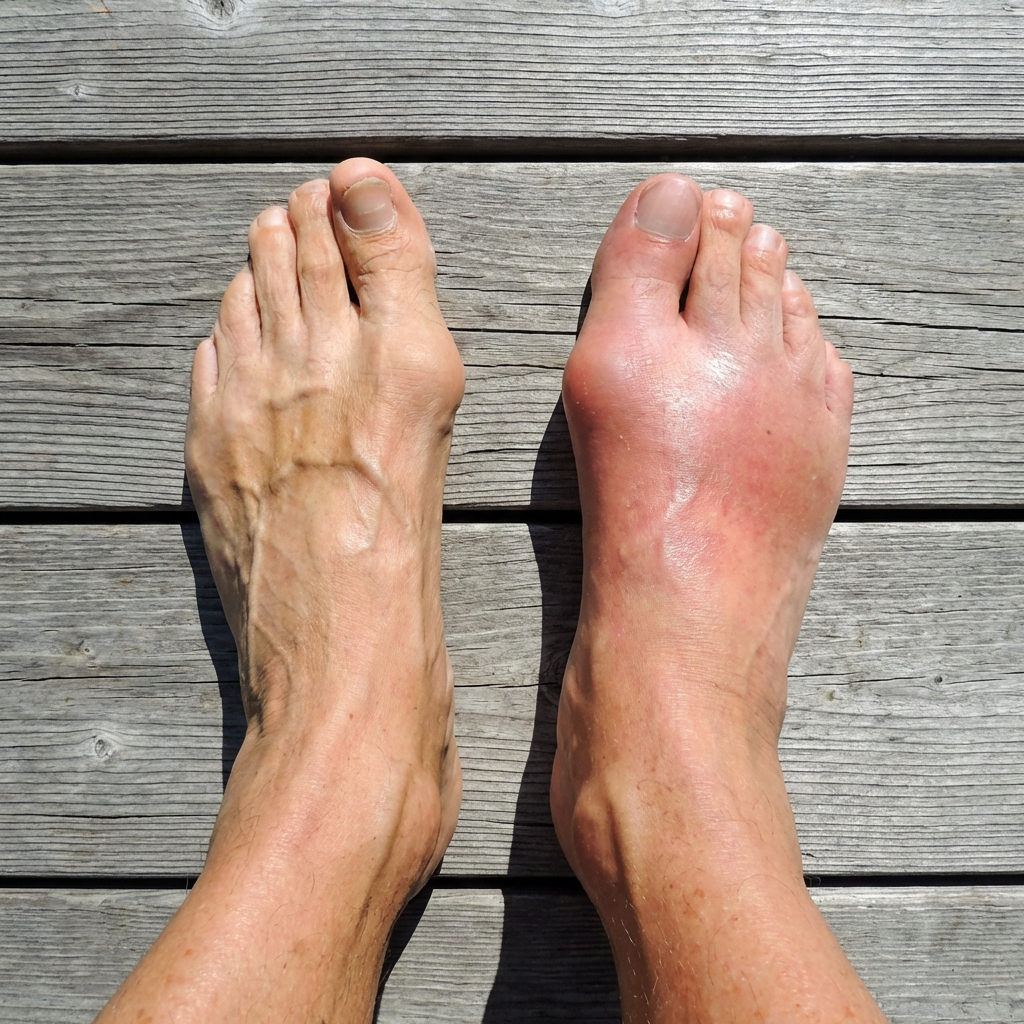
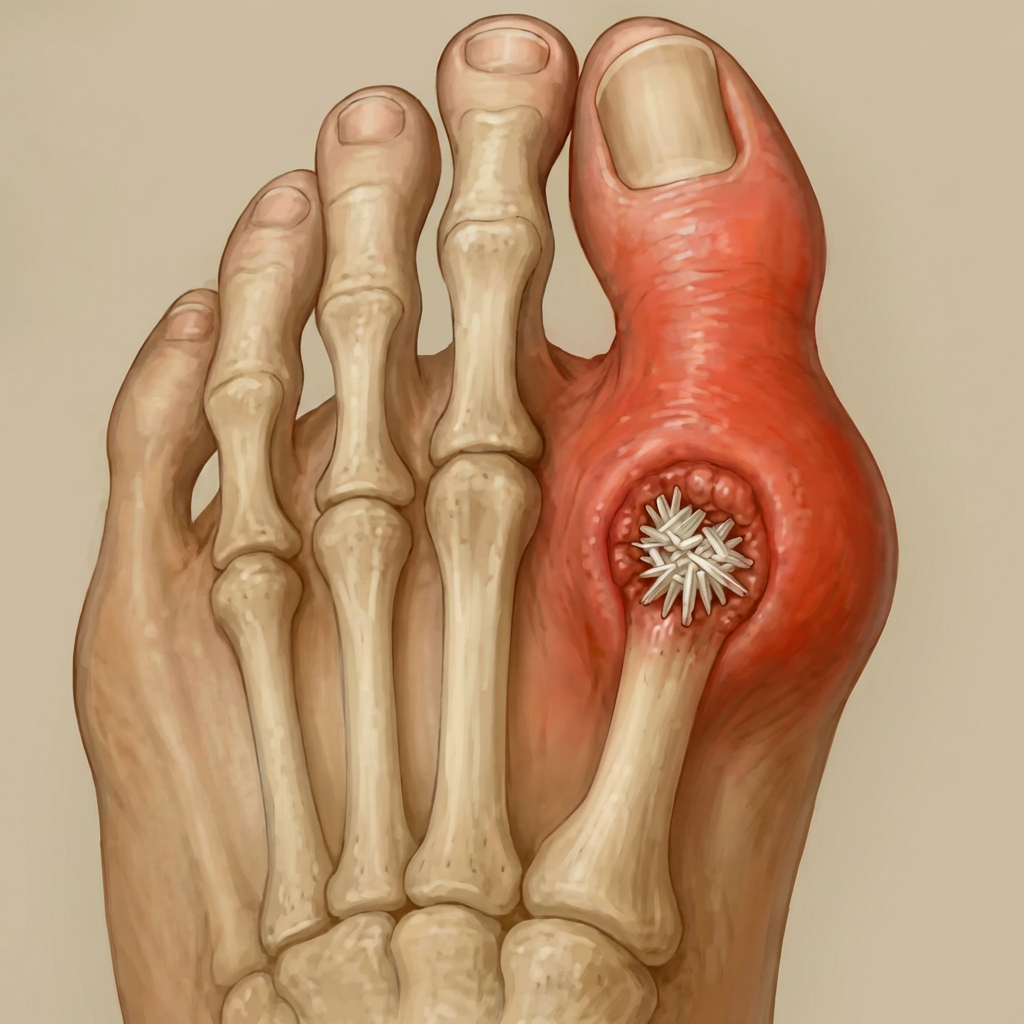
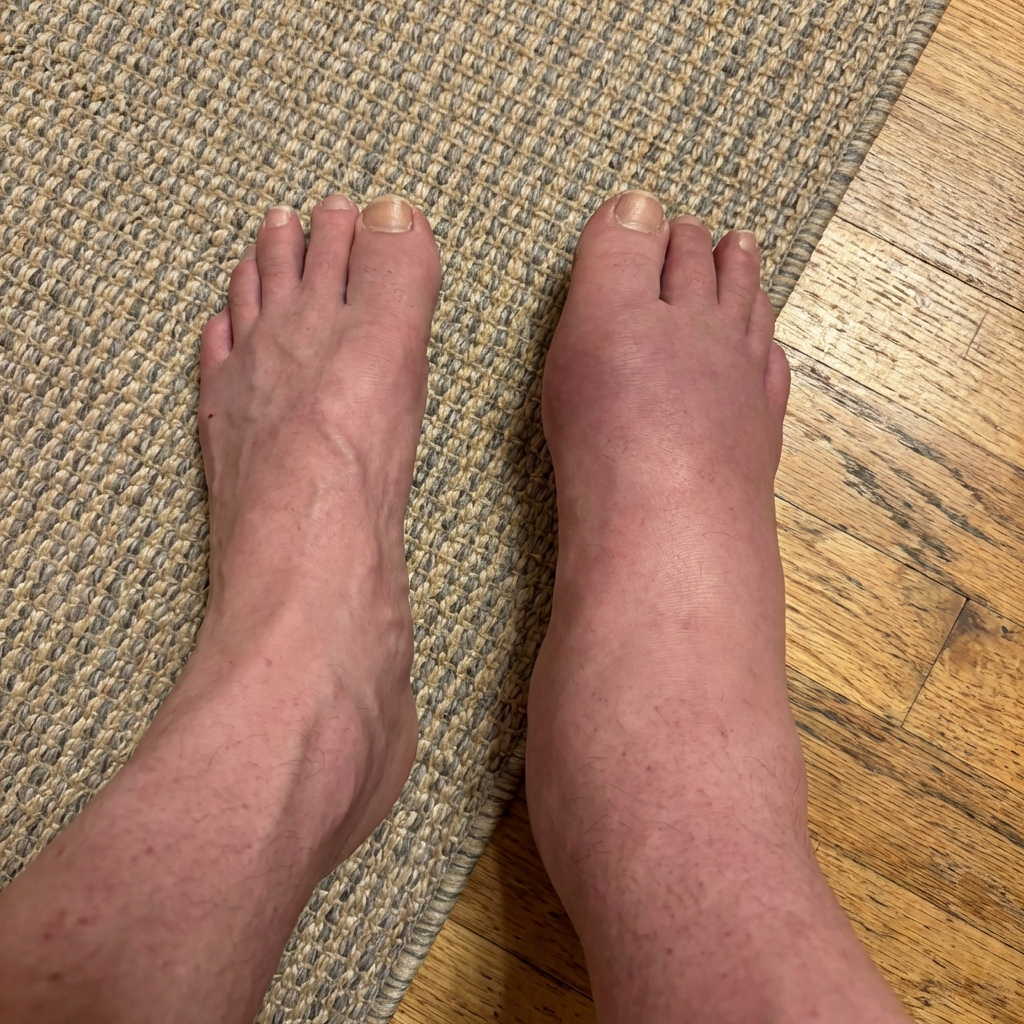
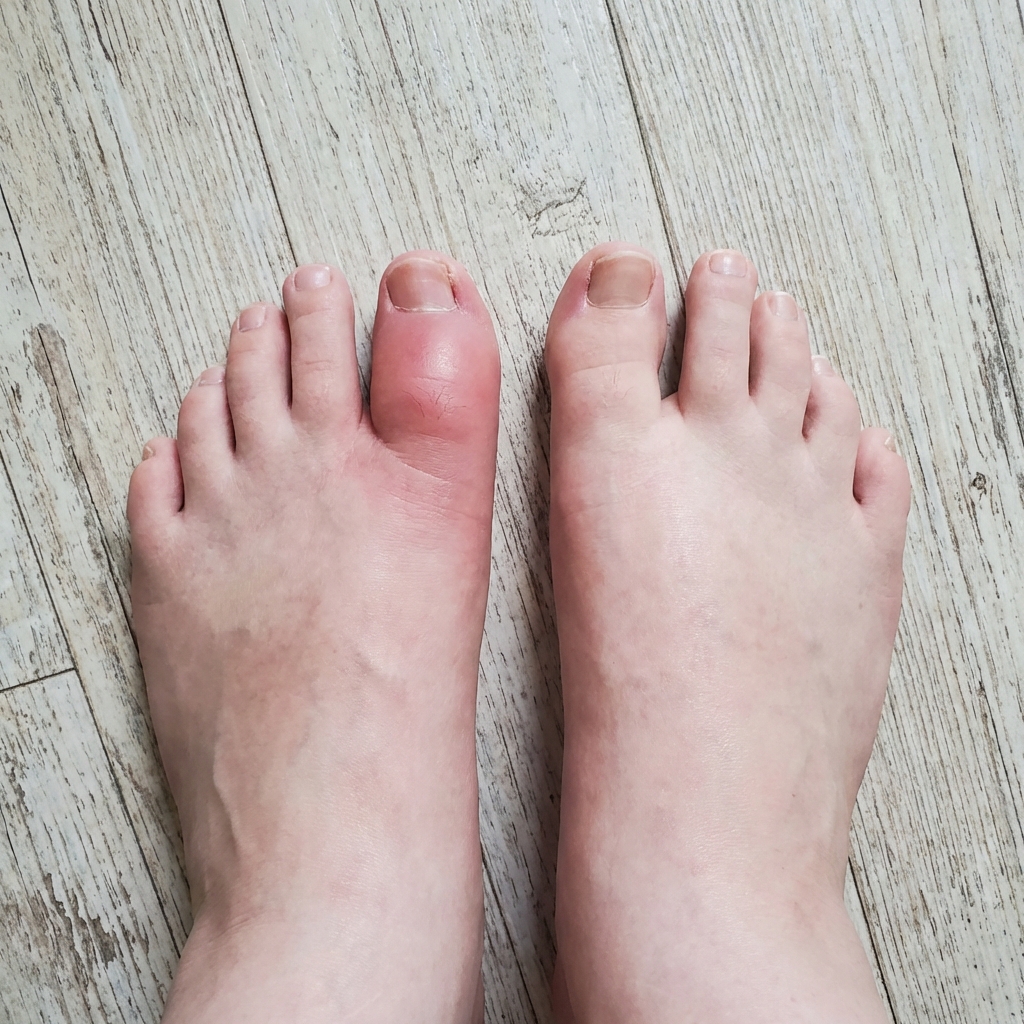
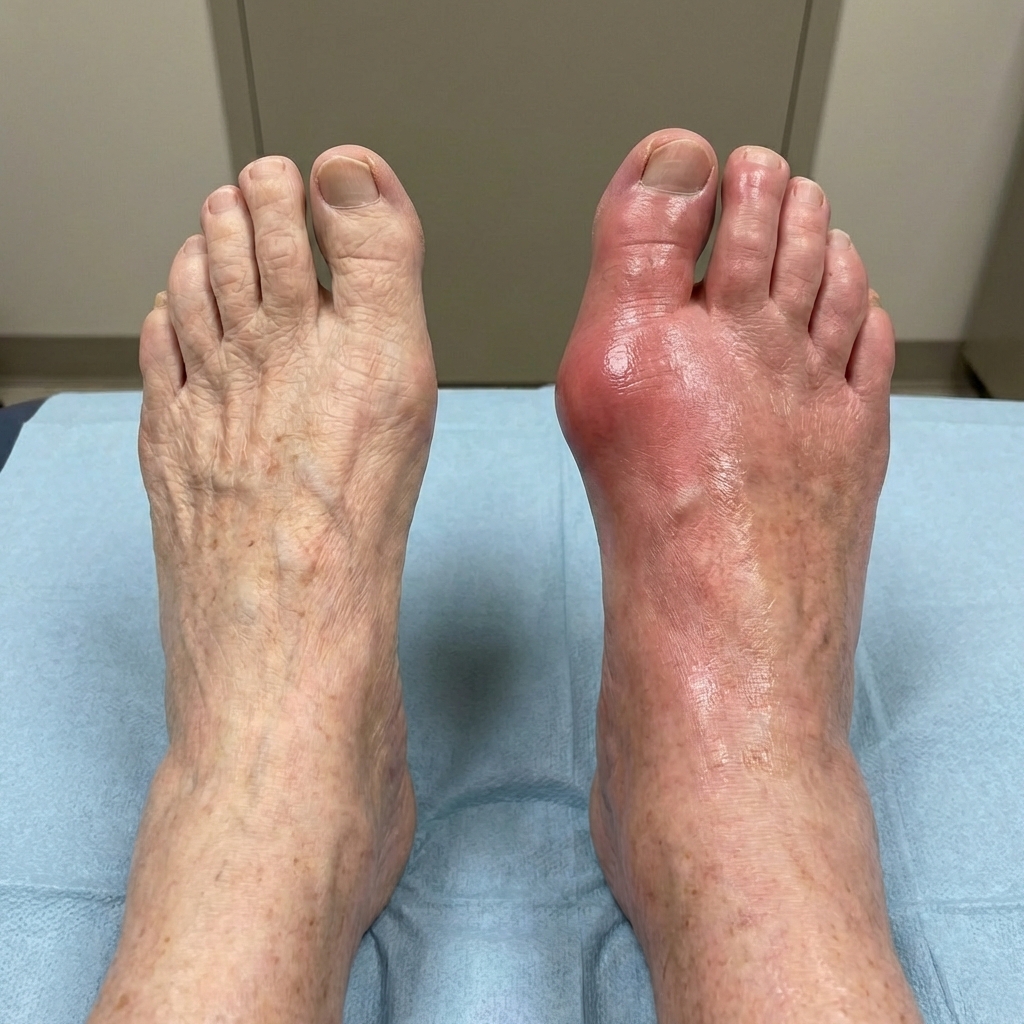
I watched gout medication slowly kill my father. Then my doctor tried to put me on the same pills. And by the end of this, you're gonna be pissed. Because there are three things happening right now: One — Your uric acid is giving you a countdown to medication you don't want. Two — The medical system is pushing you toward pills for life instead of fixing the root cause. And three — There's a multi-billion-dollar pharmaceutical industry that profits every single day you stay on gout medication. So let me tell you what happened with my father. Because his story is gonna open your eyes to how messed up this really is. For 11 YEARS — and I mean over a decade straight — my father was trapped on Allopurinol. His doctor said it was "the standard treatment" for gout. Said he'd likely need it long-term but it was "well-tolerated and safe." The attacks didn't stop. That's the part nobody tells you. He started the medication, got his uric acid numbers "under control" on paper, and the attacks kept coming anyway. Just his big toe at first — swollen so badly the joint looked like it would split through the skin. Then his ankles. Then his knee swelled to the size of a grapefruit one night and he couldn't walk for four days. Just laid there. Emergency room. Again. And every year, the bloodwork told a darker story. Year four: kidney function declining. Doctors said monitor it. Year seven: tophi. Hard, chalky lumps forming under the skin of his fingers and along his joints. His hands started looking like something was living under the surface trying to get out. Year nine: Joint deformities. The crystals had been depositing for so long they'd started changing the actual shape of his joints. A man who'd spent his life working with his hands couldn't grip a wrench anymore. Year eleven: kidney failure. Dialysis twice a week. Four hours a session. My mom said it was like watching the person she married slowly disappear. And here's the part that made me sick to my stomach years later when I figured this out. They had him on that medication for ELEVEN YEARS. Eleven years of attacks that kept coming anyway. Eleven years of watching his kidney function numbers on every bloodwork printout creeping in the wrong direction. Eleven years of doctor appointments where they'd adjust the dose, run more labs, tell him to stay hydrated — but not once, not ONE TIME, did anyone say "Hey, maybe we should look at what's CAUSING your high uric acid instead of just medicating it forever." Fast forward to eight months ago. I'm 57 years old. I go in for my annual physical. Routine bloodwork. My doctor calls me back two days later. "Your uric acid is elevated. Significantly. I want you to come in." I sat in that exam room while she pulled up my chart. And she said the words I'd been dreading since I watched my father's decline begin with the exact same conversation. "I think it's time we talk about Allopurinol." I felt the blood drain out of my face. She kept talking. Something about uric acid levels and kidney risk and chronic inflammation and long-term joint damage. I heard maybe half of it. Because I kept seeing my father's hands. The tophi under his skin. The dialysis chair. I drove home in silence. Sat in the driveway for twenty minutes. I did not fill the prescription. I did everything else they told me to do. Cut out red meat. Stopped drinking beer entirely. Drank water constantly. Started taking long walks every morning. Cut out shellfish. Avoided high-fructose corn syrup. Went back three months later. Uric acid? Still dangerously high. My doctor pulled up the lab results. Didn't look surprised. "Diet and exercise help, but with levels like yours, we really do need medication. The risk of kidney damage and chronic joint destruction increases significantly the longer we wait." She pulled out the prescription pad. I looked at it and felt something rise in my chest. Not just fear. Rage. Because I'd done everything right. Everything they told me. And the only answer they had was the exact same medication that had given my father eleven years of attacks, joint deformities, and kidney failure before it killed him. And now I was nine years younger than he was when that process started. So I started asking questions nobody wanted me to ask. Why does Allopurinol get prescribed as a lifelong medication if it doesn't actually stop attacks for most people? Why does the medical system treat gout like something you manage forever instead of something you address at the source? Why does nobody talk about WHY some people's bodies produce excess uric acid — and what you can actually do about the underlying mechanism? I told my doctor I wanted more time. She was not happy about it. Gave me a speech about risk and urgency and how elevated uric acid causes irreversible joint damage and kidney strain. But I stood my ground. More time. And I went down a rabbit hole. A deep one. I started reading everything. Clinical studies. Research papers. Biochemistry journals. Forums full of people who'd managed their gout without — or in spite of — medication. Every mainstream medical site gave me the same answers: low purine diet, stay hydrated, lose weight, take medication if that doesn't work. But then I found something buried in a research summary that I'd never seen discussed anywhere. Anthocyanins. Not the word you hear in your doctor's office. Not what they taught us in health class. But here's what stopped me cold: Anthocyanins — specific compounds found in tart cherries — had been studied in peer-reviewed research at Boston University, Johns Hopkins, and UC Davis. And the results showed significant, measurable reductions in uric acid levels and gout attack frequency. Not 2% reductions. Not statistical noise. Real, meaningful reductions in the studies that used the right concentration of these compounds. And here's the mechanism that changed everything for me. Uric acid forms when your body breaks down purines. Most treatments — including Allopurinol — try to block that process using a synthetic inhibitor. But anthocyanins work differently. They help your body actually clear uric acid more efficiently. Supporting the natural pathway instead of chemically overriding it. That distinction matters. Because when you support a natural process instead of chemically suppressing it, your body isn't fighting against the intervention. It's working with it. Now here's where my blood started to boil. The research existed. Real universities. Real clinical data. Real results. But you will never hear your doctor mention it. Why? You can't patent a tart cherry. There's no money in telling patients their body might respond to the right concentration of a natural compound. There IS money in prescribing a synthetic drug for life — managing numbers on paper while joint damage continues in the background. See how that works? So I started looking for tart cherry supplements. And here's where I hit a wall. Most tart cherry supplements are garbage. The anthocyanin content is never verified — you're basically paying for cherry-flavored powder with no idea if the compounds that matter are even in there. You're taking it and hoping it works, but you have no idea what you're actually getting. I picked the two highest-rated ones and ordered both. Took them every single day. Never missed a dose. Six weeks later: uric acid barely budged. Eight weeks: still in dangerous territory. I was furious. And scared. Because my next doctor's appointment was coming. And I knew what was waiting for me there. I almost gave up. Almost called the pharmacy and filled the prescription. But then I found a forum thread where someone mentioned they'd actually gotten their uric acid down from dangerously high to normal range using a specific tart cherry supplement — one that was cold-extracted instead of heat-processed. Said it was the only brand where they could actually verify the anthocyanin content. The brand was GoodGrove. The product was GoodGrove Tart Cherry. So I went to their website, ready to be disappointed the way I had been with everything else I'd tried. I wasn't. They laid out exactly what made them different from everything else I'd tried: Cold-extracted. Not heat-processed. The method that preserves anthocyanins instead of destroying them before the product reaches you. Standardized to 25% anthocyanins — the concentration actually used in the clinical studies. Not the 3-5% most supplements quietly contain. The dose that the research was built on. Third-party tested. Certificate of Analysis published. Not hidden behind a customer service email. Not vague claims about "quality." Actual lab results, available, verifiable. Exact anthocyanin content. Heavy metal screening. Microbial testing. And here's what really got me: they offer a 90-day money back guarantee. If you don't notice a difference within 90 days, just reach out and they'll refund you. No questions asked. That's how confident they are in what they're selling. So I ordered it. I'm not going to pretend I wasn't skeptical. Week one: I checked my uric acid with my home monitor. Numbers still elevated. I told myself to give it time. Week two: Something shifted. My toe — which had been a constant low-grade ache every morning, that dull throb I'd learned to ignore while putting on socks — felt different. The stiffness when I first stood up was lighter. I didn't want to get excited. Could have been placebo. But I noticed. Week three: Uric acid down. Not dramatically. But down. First time in months the number had moved in the right direction without me doing anything different. Week four: Down again. I called my brother, who'd been following my situation since the diagnosis. Told him the number. Silence on the other end of the phone for a long moment. "Are you serious?" I was serious. Week six: The number had dropped enough that I started allowing myself to believe this was real. My wife noticed I'd stopped unconsciously limping after sitting for long periods. She didn't say anything. Just watched me move around the kitchen like she was looking for something to confirm. Week eight: I walked the dog for an hour on rough trail terrain. No attack. No swelling. Joints felt like they belonged to a younger version of me. I went back to my doctor. She ran the labs herself. Called me with results. The number was in normal range. She pulled up my history. Looked at the progression. Looked at me. "Whatever you've been doing — keep doing it. We're going to hold off on the Allopurinol." Hold off on the Allopurinol. I sat in my car in the parking lot and called my wife. She cried. I'm not ashamed to say I did too. That was seven months ago. My uric acid this morning? Still in normal range. Still no medication. Still no attacks. I'm not my father. Last month I hiked with my son. Four hours. Rocky terrain, steep elevation changes, the kind of trail I'd written off as something my joints would never tolerate again. Finished strong. No swelling. No aftermath. He looked at me at the top and said, "Dad — we doing this every month?" And I said yes. If you're reading this, you know why it's hitting you the way it is. Your uric acid numbers are in dangerous territory. Your doctor has said the word Allopurinol. You've Googled the side effects at 2 AM — the rash, the liver damage, the kidney function decline, the hypersensitivity reactions, the Stevens-Johnson syndrome forum posts that made your chest tighten. You've tried other tart cherry supplements. Nothing moved the needle. And you're running out of time before your next appointment. Here's what I want you to know. I was two supplements deep, out of options, with a prescription I'd refused to fill and a doctor losing patience with me. The difference wasn't tart cherry. I'd been taking tart cherry. The difference was concentration. Extraction method. The actual anthocyanin content your body needs to do what the clinical studies showed. The supplements that failed me weren't lying, exactly. They had tart cherry in them. But the heat processing had gutted the compounds that actually matter before the product ever reached me. GoodGrove is different. Cold-extracted. Standardized to 25% anthocyanins. Third-party verified with published results. Try it for 90 days. Track your uric acid levels. If you don't see your numbers move — if you don't feel the inflammation shift — contact them for a full refund. You risk nothing. Because the medical system isn't going to offer you this. There's no profit in it for them. They'll keep that prescription pad ready and tell you the medication is safe while your kidneys quietly pay the price. You have to find this yourself. I did. Just barely in time. Go get it. And use the healthy joints you get back to finally stop worrying and start living again. https://trygoodgrove.com/tart-cherry
Like this ad? Make it yours.
Crush rebuilds this exact creative around your product — your brand, your colors, your offer — in about a minute.