
Active· since Feb 12, 2026
- 166
- days running
- 1
- relaunches
Ad copy
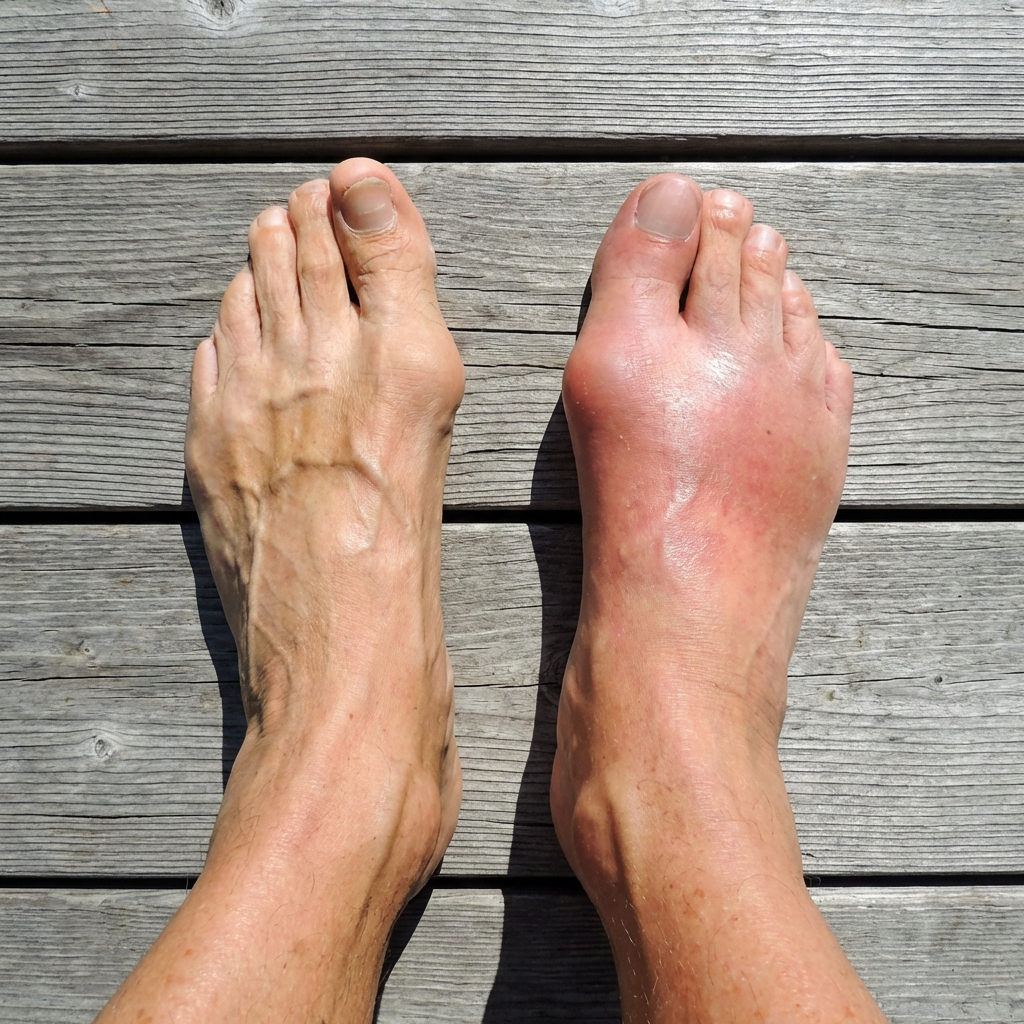
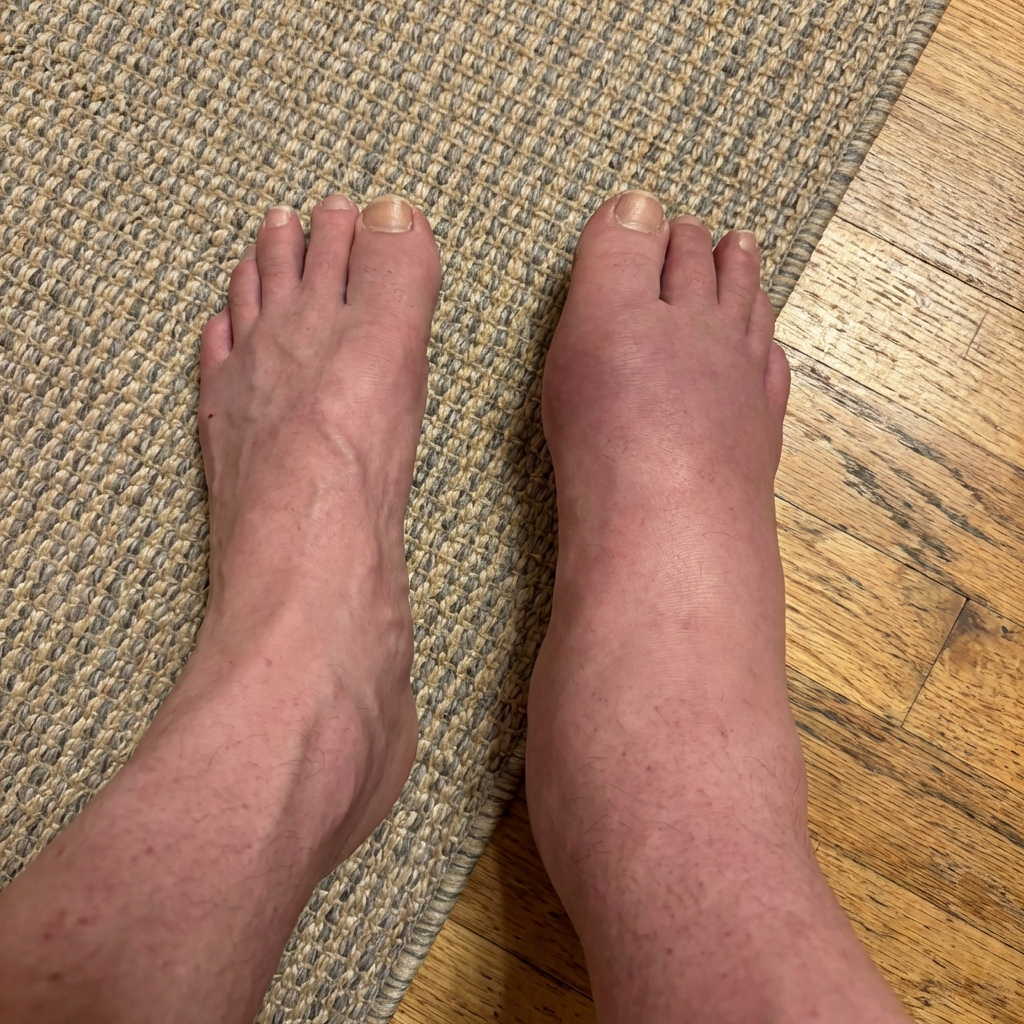
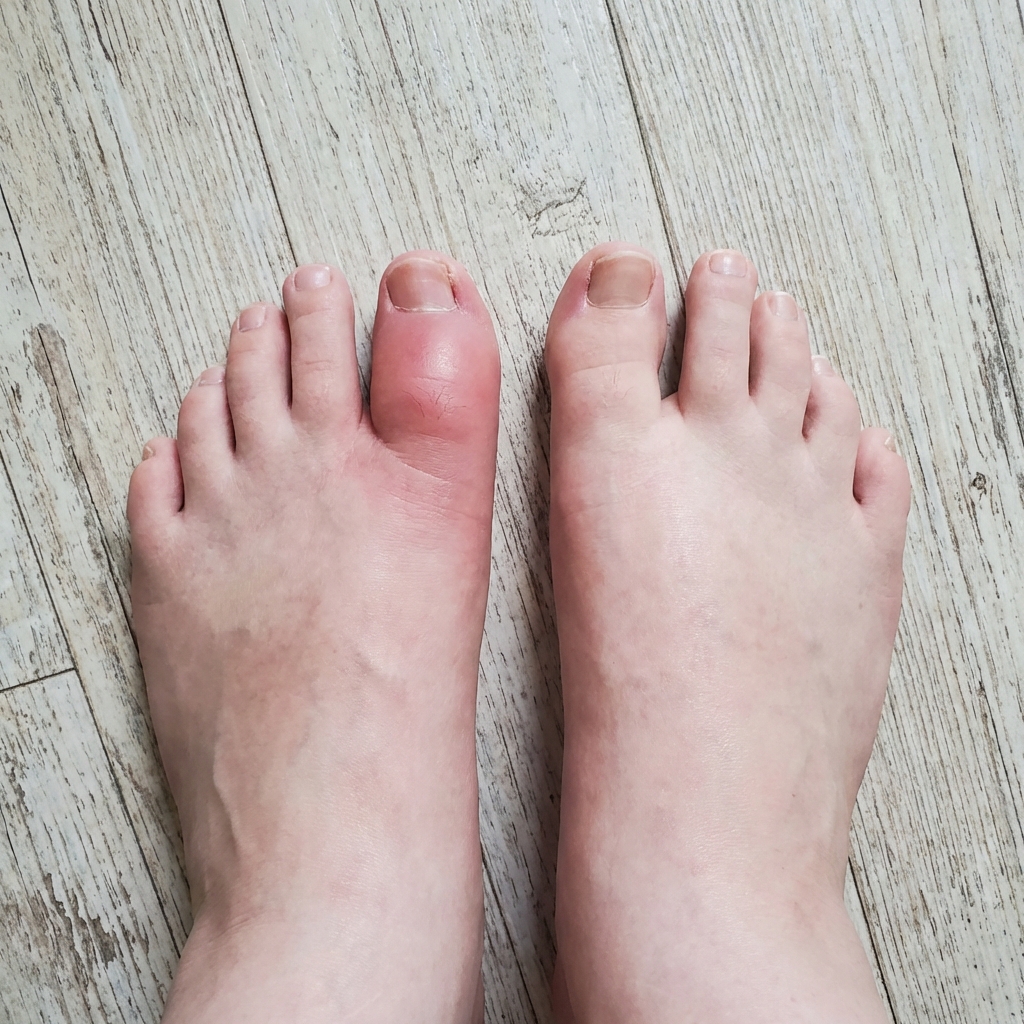
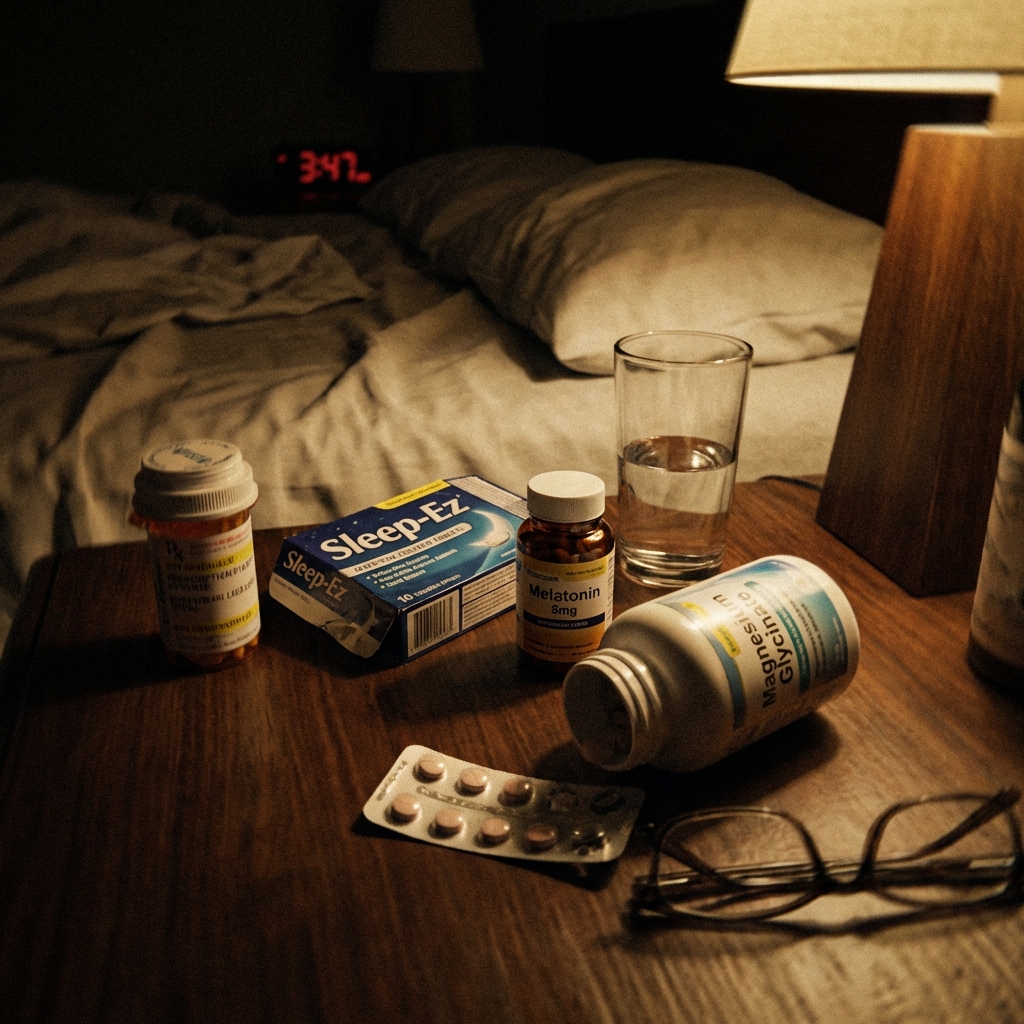
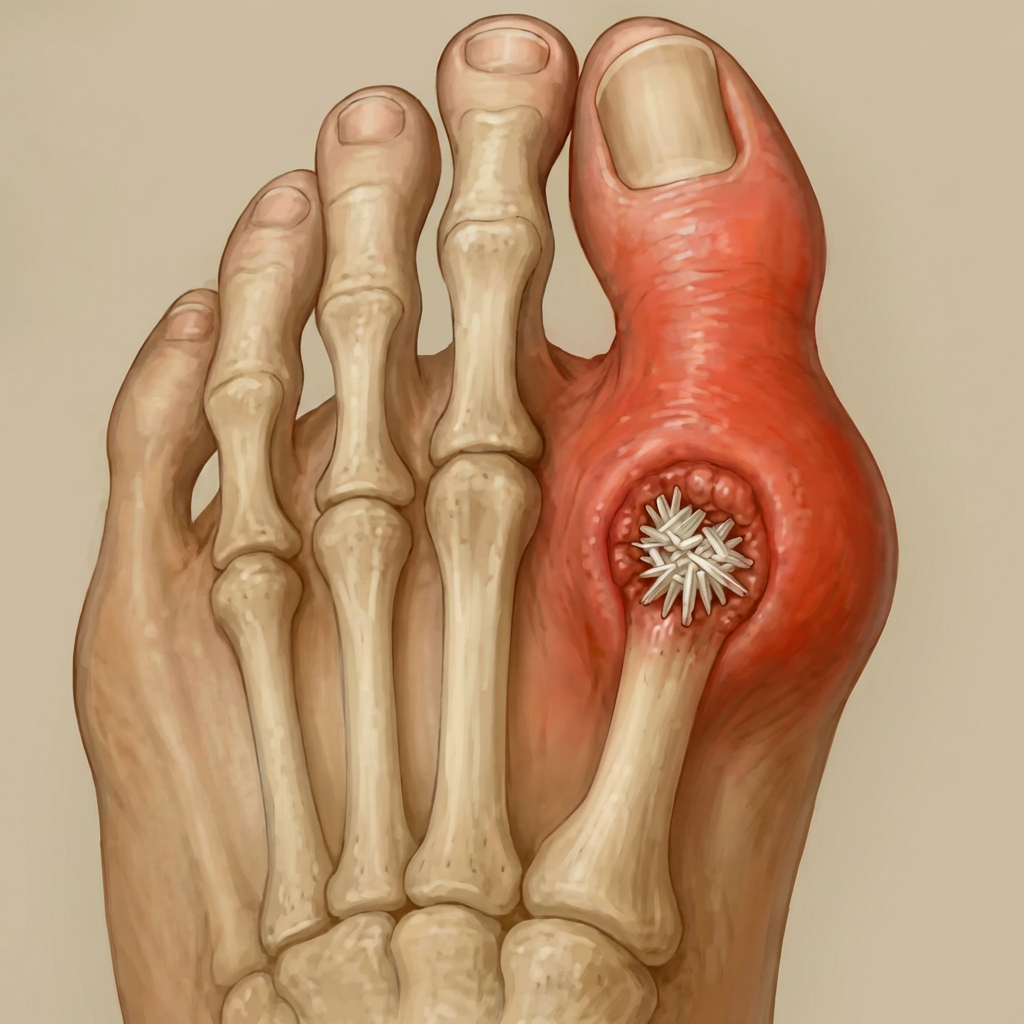
It was 3:47 AM when I heard my husband screaming from the bathroom floor, gripping his foot like something had shattered inside it, his face white, teeth clenched so hard I thought they'd crack. I'm Karen, a 57-year-old registered nurse from Michigan. For 23 years, I've worked in a hospital. I've seen compound fractures, kidney stones, post-surgical recoveries. I've held the hands of patients in some of the worst pain a body can produce. But nothing prepared me for what gout did to my husband. David had been dealing with elevated uric acid for years. "It's just a little stiffness," he'd say. "Probably overdid it at the gym." He'd rub his big toe, wince getting out of bed, and wave it off. That Tuesday night was different. I woke to a crash. Then a sound I'd never heard him make — this guttural, animal moan that came from somewhere deep in his chest. I found him on the bathroom tile, both hands wrapped around his right foot, rocking back and forth. "Don't touch it," he gasped. "Karen — please — don't touch it." His big toe was swollen to nearly twice its size. The skin stretched tight, shiny, deep red turning purple. The joint looked like it was going to burst through the skin. I knelt beside him. I could feel the heat radiating off his foot from six inches away. In 23 years of nursing, I'd never felt inflammation like that from a joint. "We need to go to the ER," I said. "I can't walk. I can't even stand. The weight of the sheet was making me scream." He wasn't exaggerating. I'd seen this before in patients — the ones who couldn't tolerate even a bedsheet touching their foot during a gout flare. But seeing it in my husband, on our bathroom floor at 4 AM, was something entirely different. The ER doctor confirmed it. Acute gouty arthritis. Uric acid: 8.6 mg/dL. Crystals forming in his joints. He prescribed colchicine for the immediate attack. Then came the words I'd been dreading. "We need to start him on Allopurinol. 300 milligrams daily." My stomach dropped. Because I knew what Allopurinol does. Not from a pamphlet. Not from a quick Google search at 2 AM. From 23 years of watching it happen to my patients. I've administered Allopurinol to hundreds of patients. I've watched the ones who tolerate it — and the ones who don't. The rashes that start small and spread. The liver panels that creep upward. The kidney function that declines year after year while the medication that's supposed to protect them quietly accelerates the damage. I've held the chart of a 54-year-old man whose Allopurinol triggered Stevens-Johnson syndrome three weeks into therapy. Skin peeling off in sheets. ICU for eleven days. Nearly died from the medication prescribed to help him. I've watched patients develop hypersensitivity reactions months — sometimes years — into treatment, with no warning. I've seen the ones on dialysis. The ones whose kidneys couldn't handle years of processing the drug. Twice a week. Four hours per session. Their faces gray. Their lives shrinking to the distance between their house and the dialysis center. And now a doctor was telling me to put my husband on the same medication I'd watched damage patient after patient for over two decades. I drove us home in silence. David stared out the window. The prescription sat between us on the center console like a grenade with the pin pulled. At home, he lowered himself onto the couch. Couldn't put weight on his foot. Couldn't wear a shoe. The colchicine was barely touching the pain. "So I just take this pill every day?" he asked, turning the prescription over in his hands. I didn't answer right away. "Karen?" "I've seen what that medication does." "The doctor said—" "I know what the doctor said. I also know what I've seen in 23 years of nursing. With my own eyes. On my own patients." He went quiet. That night, I couldn't sleep. Lay there in the dark, listening to David's breathing, hearing him shift and groan every time the sheet grazed his foot. The rash risk. The nausea. The liver monitoring. The kidney function tests that would need to happen every few months for the rest of his life. The possibility — small but real — of a hypersensitivity reaction that could kill him. And underneath all of that, the question I couldn't stop turning over in my mind: Even if he tolerates it, does it actually fix anything? Because I'd seen that too. Patients on Allopurinol for years whose uric acid numbers looked fine on paper. Controlled. Managed. But the attacks still came. The joints still deteriorated. The kidneys still declined. The medication managed numbers. It didn't fix the problem. At 2:14 AM, I gave up trying to sleep. Went downstairs. Made tea. Opened my laptop at the kitchen table. And I did what I'd spent two decades training to do: I researched. Not a casual Google search. Not skimming WebMD. I pulled up PubMed. Clinical databases. Peer-reviewed journals. The same sources I'd used for patient care my entire career. Allopurinol side effects. I read the clinical data I already knew in my bones. Common: Rash. Nausea. Diarrhea. Elevated liver enzymes. Serious: Stevens-Johnson syndrome. Toxic epidermal necrolysis. Hepatitis. Renal failure. Hypersensitivity syndrome with multi-organ involvement. "Allopurinol hypersensitivity syndrome affects approximately 2% of patients. Can be fatal. Characterized by fever, rash, eosinophilia, hepatitis, and progressive renal failure." Two percent doesn't sound like much until it's your husband. I searched for alternatives. Spent hours reading. Cross-referencing. Following citations the way I'd been trained. And one compound kept appearing in study after study after study. Tart cherry. Specifically, the anthocyanins in tart cherry extract. Boston University: Tart cherry consumption reduced gout flares by 35% in a study of 633 patients. Published research showing serum uric acid reductions of 19.2% after four weeks. Studies demonstrating anthocyanins inhibit COX-1 and COX-2 enzymes — the same inflammatory pathway targeted by prescription NSAIDs like Celebrex — through down-regulation of NF-κB signaling. A 36% reduction in serum urate levels at peak absorption. These weren't blog posts. These weren't wellness influencers. These were peer-reviewed studies from real universities, published in real journals. The mechanism made sense to me as a nurse. Anthocyanins don't just mask inflammation. They interrupt the enzymatic pathway that produces it. They help the body process and excrete uric acid rather than allowing it to crystallize in the joints. They address the root cause. Not just the number on a lab report. That morning I told David: "Give me six weeks before you fill that prescription. Let me try something." He looked at me for a long time. "You're the nurse," he said. I ordered the highest-rated tart cherry supplement on Amazon that afternoon. Cherry Active. 4.2 stars. Over 6,000 reviews. David took it every day. Didn't miss a single dose. Seven weeks later, I drove him to the lab for blood work. 8.4 mg/dL. Down from 8.6. Barely a dent. Still in the danger zone. Still at risk for another attack that could come any night without warning. I tried CherryFlex next. The one from the health food store with the clinical studies printed right on the label. Nine weeks. Every single day. 8.1 mg/dL. Marginal. Nowhere near safe range. David didn't say it, but I could see it in his face. The doubt. The morning stiffness coming back. The way he'd pause at the bottom of the stairs and grip the railing before taking the first step. His follow-up was in three weeks. I was running out of time. And running out of options. The part that tortured me was knowing the science was real. The studies were solid. Tart cherry anthocyanins genuinely lower uric acid through a legitimate biochemical mechanism. I'd read the research. I understood the pathways. The evidence was there. So why wasn't it working? That question consumed me. I went back to the studies. Read them again. Slower this time. Paid attention to the details I'd glossed over. And there it was. Buried in the methodology sections. The clinical studies that showed real results — the 35% reduction in flares, the significant uric acid drops — they all used tart cherry extract with high, verified anthocyanin content. The kind you only get with careful, cold-processed extraction. That was the key. I went to the kitchen. Picked up the Cherry Active bottle. Read every word on the label. "Tart Cherry Extract. 500mg." No anthocyanin content listed. No verification of how much survived processing. No Certificate of Analysis. Just "tart cherry extract" and a dosage. I checked the CherryFlex bottle. Same thing. "Tart Cherry Extract." No anthocyanin verification. No third-party testing. Nothing. I got online. Started digging into supplement manufacturing. And what I found made me furious. Most tart cherry supplements use high-heat spray drying to process the extract. It's the cheapest method. The fastest. And it destroys up to 80% of the anthocyanins — the exact compounds that make tart cherry work. The labels don't tell you this. They don't have to. "Tart cherry extract" can mean a supplement loaded with anthocyanins or one where the heat destroyed nearly all of them. The label looks the same. The marketing sounds the same. But the product inside the capsule is completely different. I'd been giving my husband the equivalent of charred remains. Tart cherry with the active compounds burned out of it. For four months. I was a nurse who'd spent weeks researching the science, who understood the biochemistry, who'd read the actual studies — and I'd still been fooled by labels that technically weren't lying but weren't telling the truth either. If I couldn't navigate this, what chance did anyone else have? I spent the next three days searching for a tart cherry supplement that matched what the clinical studies actually used. Cold-processed — not heat-destroyed. Verified anthocyanin content. Third-party tested. Most companies wouldn't even disclose their anthocyanin content when I emailed them. Some didn't respond. One told me that information was "proprietary." Proprietary. They wouldn't tell me what was actually in the supplement they wanted me to put in my husband's body. Then I found GoodGrove. Cold-extracted. Not heat-processed. The anthocyanins preserved intact — the way the clinical studies required them to be. Verified anthocyanin content — confirmed through third-party testing to contain the concentration used in the research that showed real, measurable uric acid reduction. Third-party tested. Certificate of Analysis verified. Exact anthocyanin content confirmed through independent testing. Heavy metal screening. Microbial testing. Not hidden. Not "proprietary." Just verified data. For the first time in four months, I was looking at a supplement that matched the clinical research. Not approximately. Not close enough. Exactly. I ordered it that night. When it arrived, David took the first dose with breakfast. I didn't tell him what I expected. Didn't want to create a placebo effect. Just watched. That afternoon — roughly two hours later — he stood up from his desk and walked to the kitchen without pausing at the doorway the way he always did. Without that half-second hesitation where he'd shift his weight off his right foot before stepping forward. He didn't notice. I did. "How are you feeling?" I asked. Casual. Pouring coffee. He shrugged. "Fine. Actually... my toe feels less stiff. I don't know. Maybe it's just a good day." It wasn't just a good day. By the third day, the morning stiffness that had become part of his routine — the slow, careful process of getting out of bed, testing his foot on the floor, wincing through the first few steps — was noticeably less. He was getting up and walking to the bathroom without thinking about it. One week in, I took him for blood work. 7.8 mg/dL. Down from 8.1. In one week. After four months of virtually no movement with two other supplements. I didn't celebrate yet. One reading doesn't make a trend. I needed data. Two weeks: 7.3 mg/dL. David started going for walks again. Short ones. Around the neighborhood. He hadn't done that in months. Three weeks: 6.7 mg/dL. His shoes fit again. Not loosely, the way he'd been wearing them untied with the tongue pushed forward to avoid pressure on his toe. Actually laced up. Properly. Four weeks: 6.3 mg/dL. I called his doctor's office. Scheduled the follow-up. The morning of the appointment, I checked one last time with his home monitor: 6.1 mg/dL. The lab confirmed it: 6.0 mg/dL. Dr. Reeves pulled up David's history. Scrolled through the numbers. Looked at the trend line. Looked at David. Looked at me. "What changed?" I told her. GoodGrove tart cherry extract. Cold-extracted. Verified anthocyanin content. Third-party tested. Certificate of Analysis confirmed. She typed notes. Nodded slowly. "Continue what you're doing. These numbers are where we want them. No Allopurinol at this time." No Allopurinol. No rash risk. No liver monitoring. No kidney function decline. No hypersensitivity reactions. No Stevens-Johnson syndrome. No dialysis. No years of side effects while watching the medication slowly damage the organs it was supposed to protect. David reached over and squeezed my hand. Didn't say anything. Didn't need to. I sat in the car afterward. He'd gone back inside to schedule his next check-up. I had a moment alone. And I cried. Not from relief. Not exactly. From the weight of knowing how close we'd come. How easily I could have just filled that prescription and hoped for the best. How four months of the wrong supplements had almost convinced me there was no alternative. How many people fill that prescription because they don't know there's a third option? Because they tried a tart cherry supplement from Amazon that was heat-destroyed with most of the anthocyanins burned out of it, watched it fail, and concluded that natural alternatives don't work? They do work. The science is real. The mechanism is proven. But only if the supplement actually contains what the studies used. And almost none of them do. That was ten weeks ago. David's uric acid this morning: 5.7 mg/dL. Normal. Healthy. Stable. He went golfing with his brother last Saturday. Eighteen holes. Walking, not riding. First time in over a year. He came home sunburned and grinning. Dropped his bag in the garage. Kicked off his shoes without wincing. Poured himself iced tea and stood in the kitchen telling me about every shot for twenty minutes. Stood. In the kitchen. On his feet. For twenty minutes. Without shifting his weight. Without leaning against the counter. Without a single mention of his toe, his ankle, his foot. Like gout had never happened. If you're reading this, you see yourself in our story. Your uric acid is elevated. Maybe dangerously so. Your doctor has prescribed Allopurinol — or is about to. You've read the side effects. The liver damage. The kidney risks. The rashes. The hypersensitivity reactions that can come without warning, even after years on the medication. You've felt trapped between two terrible options: take the medication and accept the risks, or refuse it and accept the consequences of uncontrolled uric acid. Maybe you've already tried tart cherry supplements. Bought the best-reviewed one on Amazon. Took it faithfully. Watched your numbers barely move. Concluded it doesn't work. It wasn't the tart cherry that failed you. It was the processing that destroyed it before it reached your bloodstream. Here's what I want you to understand — as a nurse, as a researcher, as a wife who almost watched her husband start down a path I've seen destroy patients for two decades: The difference between a tart cherry supplement that works and one that doesn't comes down to three things. And I didn't understand this until it almost cost David his only alternative to medication. Cold-Extracted, Not Heat-Destroyed. Standard manufacturing uses high-heat spray drying. Cheap. Fast. Destroys up to 80% of the anthocyanins — the compounds that actually lower uric acid. GoodGrove uses cold-extraction that preserves anthocyanins intact. They reach your bloodstream. They inhibit the COX enzymes that drive inflammation. They help your body process and excrete uric acid instead of allowing it to crystallize in your joints. I felt the difference in David within two hours. That's not faith. That's pharmacokinetics. Verified Anthocyanin Content — The Clinical Dose. The studies that showed real uric acid reduction — the ones from Boston University, the peer-reviewed research published in legitimate journals — used tart cherry extract with high, verified anthocyanin concentrations. Most supplements don't even test for anthocyanin content. Some use processing methods that destroy the majority of it. The label says "tart cherry extract" and you assume you're getting what the studies used. You're not. Not even close. GoodGrove delivers verified anthocyanin levels that match the clinical research. Confirmed through third-party testing. The dose that actually produces measurable results. Third-Party Tested and Verified. Most companies hide their test results. Or don't test at all. When I emailed three manufacturers asking for anthocyanin content, one ghosted me, one said "proprietary," and one sent a marketing PDF with no actual data. GoodGrove has their product independently tested and verified. Certificate of Analysis confirmed. Exact anthocyanin content. Heavy metal screening. Microbial testing. You can trust exactly what you're getting. No guessing. No trusting a label. Just verified data. Here's what I know after 23 years of nursing: The body tells you the truth faster than any lab report. Within 2-3 hours of the first dose, David felt reduced inflammation and less joint stiffness. That's not a placebo. That's anthocyanins reaching peak absorption and inhibiting inflammatory enzymes at the cellular level. Proof it's working — the same day. Over 2-4 weeks, uric acid drops measurably. Consistently. You can track it with a home monitor. Watch the numbers move in the right direction for the first time. You don't have to wonder if it's working. You don't have to hope. You can measure it. Try GoodGrove for up to 90 days. Track your uric acid weekly. If you don't see improvement in your numbers — if you don't feel the reduction in inflammation — if you don't believe this is the alternative you've been looking for — contact customer service for a full refund. No questions asked. You risk nothing. You're at a crossroads right now. One path: Fill the prescription. Start Allopurinol. Hope you're one of the lucky ones who doesn't develop the rash. Or the liver damage. Or the kidney decline. Or the hypersensitivity reaction that can come at any time — even after years without incident. Accept the side effects. Schedule the monitoring. Watch your numbers on paper while your body tells a different story. The other path: Do what I did for David. Try a tart cherry supplement that's actually formulated correctly — cold-extracted, with verified anthocyanin content, third-party tested. Track your numbers. Give it an honest 90-day trial with zero financial risk. I chose the second path. Not on a hunch. Not on hope. On 23 years of clinical experience that taught me the difference between managing a number and fixing a problem. That choice kept my husband off medication. Off the side effects. Off the path I've watched destroy patients for two decades. It gave him his life back. His golf game. His walks. His mornings without pain. His future without dialysis, without liver monitoring, without the slow, quiet damage that medications like Allopurinol can do to the organs they're supposed to protect. Ten weeks ago, I was lying awake at 2 AM, terrified. My husband's uric acid was 8.6. His doctor prescribed Allopurinol. I'd spent 23 years watching that medication damage the patients I was supposed to be helping. And I was out of alternatives that worked. Today his uric acid is 5.7. No medication. No side effects. No risk. He's outside right now, actually. Washing the car. On his feet. In the sun. Completely unbothered by a disease that had him screaming on our bathroom floor three months ago. If you're where I was — terrified of medication, frustrated by supplements that didn't work, running out of time before your next appointment — try GoodGrove. Track your numbers. Give it an honest trial. Your body will tell you the truth. https://trygoodgrove.com/tart-cherry — Karen Mitchell, RN P.S. — David felt anti-inflammatory relief within 2 hours of the first dose. We saw measurable uric acid improvement by week 2. He reached healthy range by week 4. Avoided Allopurinol entirely. Your timeline may be different. But you won't know unless you try. P.P.S. — Every day you wait is another day of dangerously elevated uric acid. Every day the crystals build. Every day the joints take more damage. Every day closer to a prescription you might never be able to stop taking. Don't wait for your bathroom floor moment. Order GoodGrove now. https://trygoodgrove.com/tart-cherry
Like this ad? Make it yours.
Crush rebuilds this exact creative around your product — your brand, your colors, your offer — in about a minute.