
Active· since Feb 5, 2026
- 173
- days running
- 2
- relaunches
Ad copy
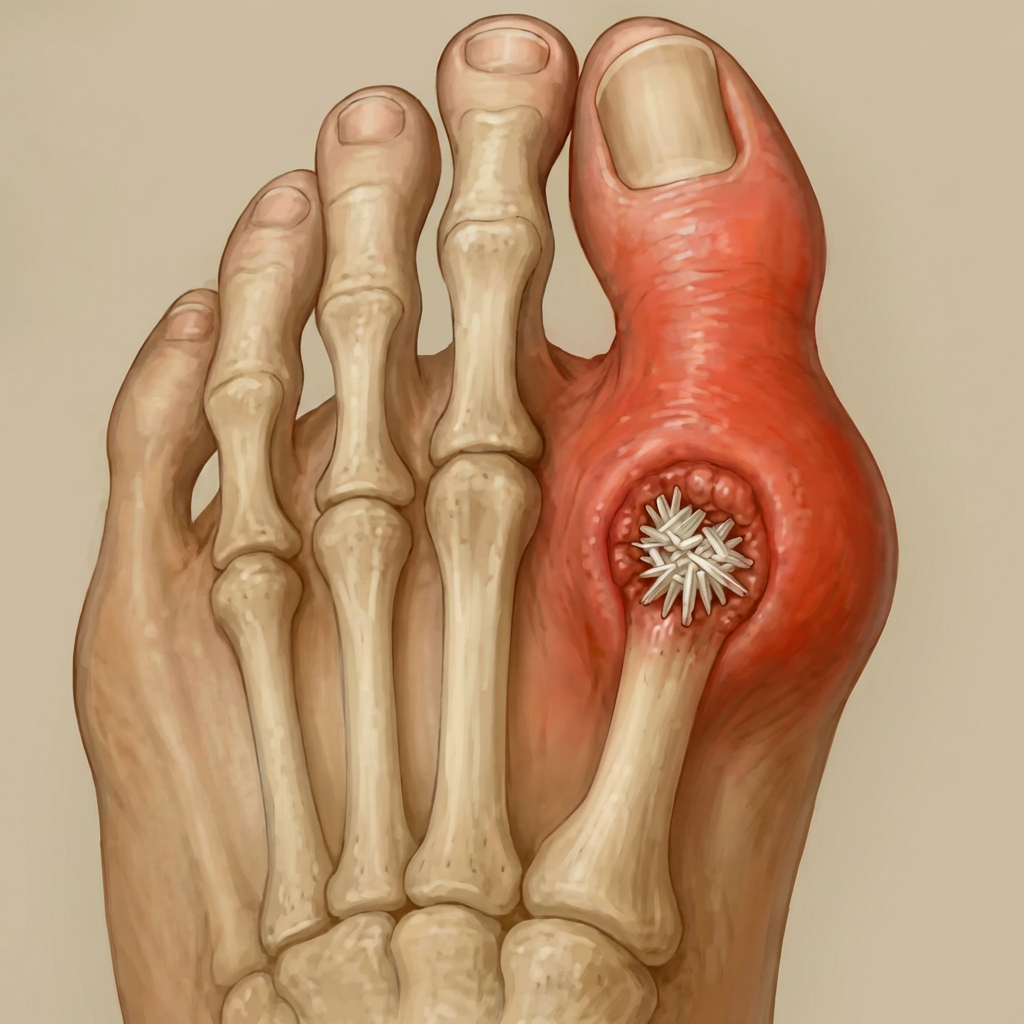
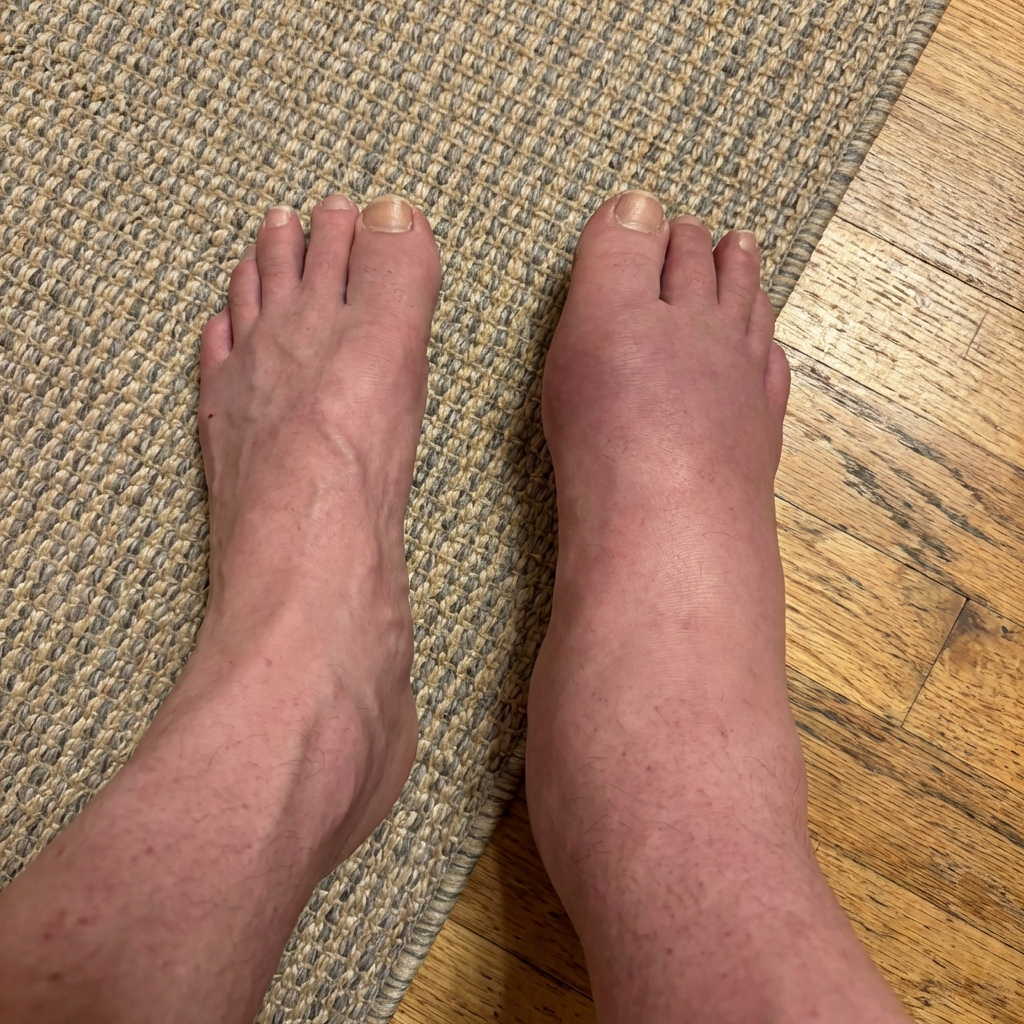
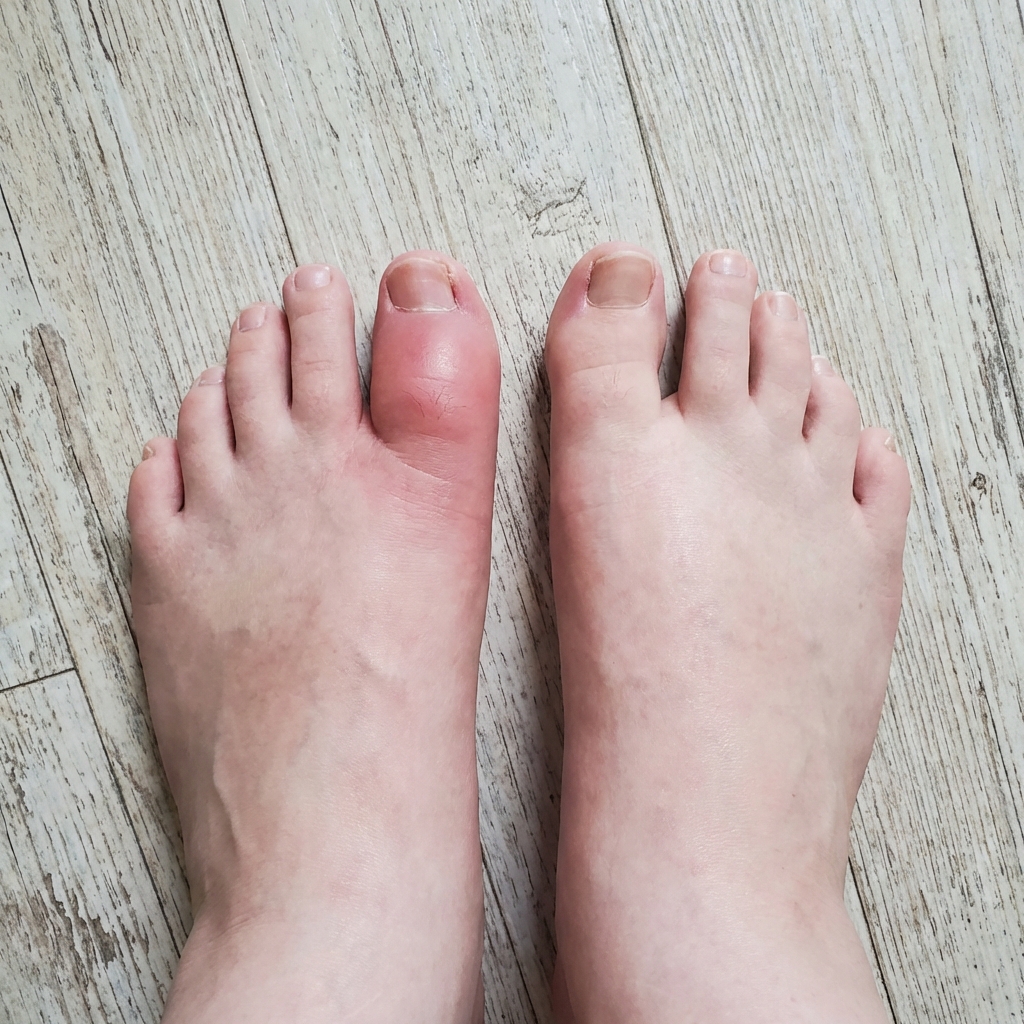
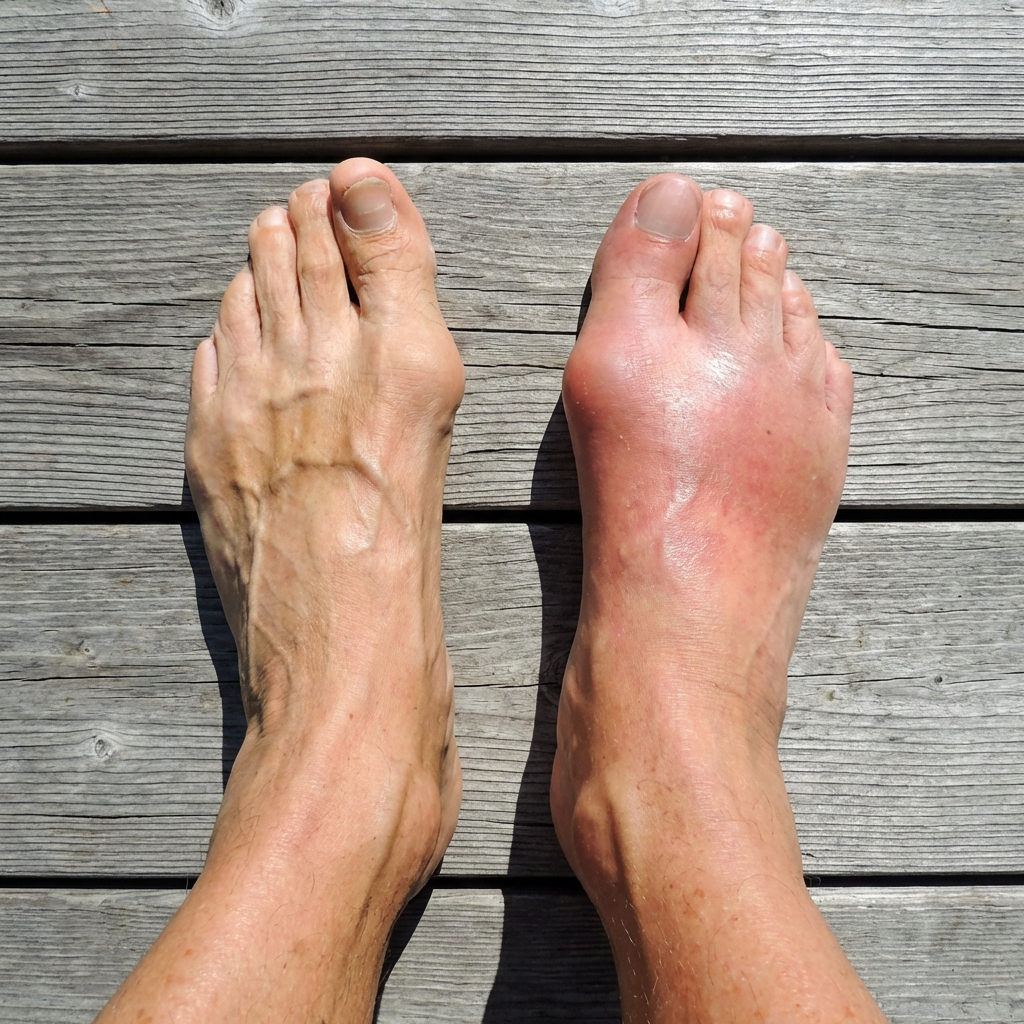
My Father's Joints Failed After 11 Years on Allopurinol. I Have the Same Uric Acid Levels He Had. The Same Family History. My Doctor Wants to Start Me on the Same Drug. My father died at 68. I'm 59. Three weeks ago, my doctor closed the exam room door. The click echoed. She sat down. Pulled up my chart without looking at me. "Robert. We can't wait anymore. I'm prescribing Allopurinol. 300 milligrams daily. You'll start today." My throat constricted. The walls tilted. Allopurinol. The same medication they gave my father. Eleven years of it. His big toe first—swollen so badly the joint looked like it would burst through the skin. Then his ankles. Shoes stopped fitting by month eight. Just house slippers. Every day. Shuffling around like an old man at 58. The afternoon my father woke up screaming—another gout attack—and his knee had swollen to the size of a grapefruit. Couldn't walk for three days. Just laid there, writhing in agony. Emergency room visit number seven. The uric acid tests that got worse. And worse. And worse. Uric acid climbing. Kidney function dropping. Year 8: Tophi formations under his skin. Year 10: Joint deformities. Year 11: Multiple organ complications. His kidneys failing from the medication that was supposed to protect them. Dialysis twice a week. A man who used to work construction couldn't hold a coffee cup without pain shooting through his fingers. My mother's words at the funeral, barely audible over my own sobs: "The pills didn't save him. They just made him suffer longer." Eleven years of medication. Eleven years of side effects. My father died anyway. Kidney failure. In his sleep. The Allopurinol controlled his uric acid numbers on paper. Didn't stop the attacks. Didn't prevent his death. I sat in my car in the parking lot. Couldn't turn the key. Just gripped the steering wheel. The prescription crinkled in my jacket pocket. I pulled it out. Stared at it. Allopurinol 300mg. Take one tablet daily. My hands shook. My wife was unloading groceries when I walked through the door. "Hey. How was your checkup?" The words stuck. I handed her the prescription without speaking. 8.4 mg/dL. The grocery bag hit the floor. Eggs shattered. Milk carton split. She didn't notice. Both hands covered her mouth. Tears streaming down her face. "No." Her voice broke. "Robert, I watched what that medication did to your father. I can't. I can't watch you go through that. I can't—" She couldn't finish. Turned away. Shoulders shaking. That night I lay awake. The ceiling fan rotated. Over. And over. And over. Red numbers glowed on the clock: 11:52 PM. Rolled over. 12:41 AM. Again. 1:38 AM. At 2:23 AM I gave up. Went downstairs. Sat at the kitchen table. Opened my laptop. The screen's blue glow hurt my eyes. I typed: allopurinol side effects The search results loaded. My chest tightened. Common side effects: Rash. Nausea. Diarrhea. Liver problems. Serious side effects: Severe allergic reactions. Stevens-Johnson syndrome. Liver damage. Kidney failure. I clicked the first result. Medical journal. Clinical study. "Allopurinol hypersensitivity syndrome affects 2% of patients. Can be fatal. Typically develops within first few weeks of therapy. Characterized by rash, fever, eosinophilia, hepatitis, and progressive renal failure." Two percent. I searched again: allopurinol kidney damage Article after article. "Long-term allopurinol use associated with progressive decline in renal function in susceptible patients..." "Allopurinol-induced kidney injury more common in patients with pre-existing renal impairment..." "Monitor liver and kidney function regularly..." My father's face flashed in my mind. The dialysis center. Twice a week. Four hours per session. For two years before his kidneys completely shut down. I searched: allopurinol stevens johnson syndrome Images loaded. Skin peeling off in sheets. Bodies covered in blistering rash. Eyes swollen shut. One caption: "52-year-old male. Allopurinol-induced Stevens-Johnson syndrome after 3 weeks of therapy. Required ICU admission." Another: "Allopurinol hypersensitivity can occur at any time during therapy—even after years of use without incident." A forum post: "My brother died from Allopurinol. Allergic reaction spread to his organs. Age 45. No warning. Just... gone." My heart hammered against my ribs. I closed the laptop. Rubbed my face with both hands. What do I do? The prescription sat on the counter. Five feet away. Mocking me. I didn't fill it. Three days passed. The doctor's office called. "Mr. Patterson, you haven't picked up your prescription. Dr. Martinez needs confirmation you're taking the medication." "I need more time." "Sir, your uric acid is dangerously high. This is urgent. Dr. Martinez was very clear—" "I said I need more time." I hung up. Five days. Seven. My wife found me in the garage one evening. "Robert. What are you doing out here?" "Thinking." "About?" "Options." "The doctor said you need medication." "The doctor said my father needed medication too. Didn't save him. Just made his last eleven years unbearable." Her chin trembled. "But what if she's right? What if you have another attack? What if the uric acid crystals destroy your kidneys?" "What if the medication destroys my kidneys like it did his? What if I end up on dialysis? What if I die anyway but only after years of suffering?" She had no answer. That weekend I searched everything. Natural alternatives. Clinical studies. Research papers. Tart cherry appeared everywhere. Anthocyanins. Anti-inflammatory compounds. Studies from Boston University, Johns Hopkins, UC Davis showing significant uric acid reductions. Real universities. Real science. Not fringe pseudoscience. Monday morning I ordered Cherry Active. Highest rated on Amazon. 4.2 stars. Over 6,000 reviews. Seven weeks later: Still 8.3 mg/dL. I tried CherryFlex next. The one from the health food store. Nine weeks. Never missed a day. 8.1 mg/dL. Still dangerously high. My follow-up appointment was in three weeks. Then two. Then one. Every time my toe throbbed—putting on socks, walking upstairs—I saw my father. The attacks that came without warning. The screaming in pain at 3 AM. The joints permanently deformed from crystal deposits. Ten days before my appointment, I stood in Whole Foods. Supplement aisle. Twenty different tart cherry products. All useless. Two men talking one aisle over. "—problem isn't tart cherry. Most supplements destroy the anthocyanins with heat processing. You need cold-extraction." I walked over. "What did you say about heat destroying anthocyanins?" The older man turned. Name badge: "Clinical Nutritionist." "High-heat spray drying—cheap and fast. Destroys 80% of the anthocyanins that actually lower uric acid." My chest tightened. "I've been taking them for four months. Numbers haven't moved." "The clinical studies used tart cherry standardized to 25% anthocyanins. Most supplements contain less than 5%. Some don't even test for it." "The label doesn't say that." "They don't have to disclose anthocyanin content. Just 'tart cherry extract.'" He pulled out his phone. "Only one brand I recommend. GoodGrove. Cold-extracted. Standardized to 25% anthocyanins—the clinical dose. Published test results. Made in the USA." Certificate of Analysis. Lab testing. Exact anthocyanin content verified. "How do I know it works? I'm out of time." "Within 2-3 hours you'll notice reduced inflammation. Joints feel different. Less stiff. Then over 2-4 weeks, uric acid drops. You'll know immediately." I pulled out my phone. Ordered it standing there. When it arrived, I took the first dose immediately. Sat on the deck. Waited. Two hours and seventeen minutes. Then— The dull ache in my big toe... eased. The stiffness in my ankle when I flexed it... loosened. The inflammation that made every step uncomfortable... faded. I walked inside. Called my doctor's office. Scheduled a blood draw for the next morning. Sat at the kitchen table. Waited for the lab results. 8.2 mg/dL. I stared. Not much change yet. Too early. One week: 7.9 mg/dL. I checked it with my home uric acid monitor morning and evening. Numbers trending down. My wife noticed I stopped limping after sitting for a while. Didn't comment. Just watched me move around without wincing every time I put weight on my foot. Two weeks: 7.4 mg/dL. Three weeks: 6.8 mg/dL. I called my brother one evening. His uric acid had been creeping up too. "6.8," I told him. Silence on the other end. "Rob... how?" I explained everything. The cold extraction. The standardized anthocyanins. The Certificate of Analysis. The third-party testing. The difference between processed garbage and the real thing. "I'm sending you a bottle," I said. "Your numbers were 7.6 last month. Try it." His voice cracked. "If this works—if you don't have to go through what Dad went through—" "It's working. I promise." The morning of my follow-up, I checked one last time: 6.5 mg/dL. At the doctor's office, the nurse drew blood. Sent it to the lab. Called me two hours later with results. "6.4 mg/dL." Silence. Dr. Martinez pulled up my history. Stared at the numbers. Looked at me. "Robert. What happened?" I told her. GoodGrove tart cherry. Cold-extracted. Standardized to 25% anthocyanins. Third-party verified. Published test results. Certificate of Analysis. She typed notes. Nodding. "Well." She closed the laptop. "Whatever you're doing, continue. These numbers are excellent. No Allopurinol necessary at this time." No Allopurinol necessary. I walked to my car. Got in. Sat there. Then called my wife. "6.4 mg/dL." I heard her breath catch. Then a sob. "Thank God. Thank God, Robert." That was nine weeks ago. My uric acid this morning? 5.9 mg/dL. Normal. Healthy. No medication. No rash risk. No liver damage. No kidney function decline. No hypersensitivity reactions. No dialysis. No years of suffering while slowly dying anyway. I'm not following my father's path. Yesterday I went hiking with my son for three hours. Steep trails. Rocky terrain. Uneven ground. Not even a twinge in my joints afterward. He grabbed me in a hug when we finished. "Dad! That was awesome! Can we do this every weekend?" My throat tightened. My eyes burned. Because the answer was yes. If you're reading this, you see yourself in my story. Your uric acid is in the danger zone. Your father or mother suffered from medication side effects—or died from them. Your doctor's prescribed Allopurinol or another uric acid medication. You've Googled the side effects at 3 AM. Seen the kidney damage studies. Read about Stevens-Johnson syndrome. Felt paralyzed between two horrible choices. You've tried other tart cherry supplements. Nothing worked. Here's what I want you to know: If I hadn't overheard that conversation in Whole Foods, I'd be on Allopurinol right now. For life. Living with the same side effects that tortured my father for eleven years. The rash risk. The nausea. Watching my kidney function decline year after year. Dialysis. All while knowing the medication couldn't actually prevent the joint destruction that would cripple me anyway. But I had a choice I didn't know existed. I chose to try one more thing. To find a supplement actually formulated correctly—not just labeled correctly. That choice changed everything. If you're where I was nine weeks ago—terrified of medication, desperate for an alternative that actually works—try GoodGrove. Track your numbers. Give it an honest trial. Your future self will thank you. I tried two other tart cherry supplements before GoodGrove. None worked. Here's why GoodGrove did: Cold-Extracted (Not Heat-Destroyed) Standard manufacturing uses high-heat spray drying. Cheap and fast. But heat destroys anthocyanins—the compounds that lower uric acid. GoodGrove uses cold-extraction that preserves anthocyanins. They reach your bloodstream. They work. I felt the difference within 2 hours. Standardized to 25% Anthocyanins (The Clinical Dose) Research studies used tart cherry extract standardized to 20-25% anthocyanins daily. Most supplements contain less than 5% anthocyanins. Some don't even test for it. GoodGrove delivers exactly 25% anthocyanins per serving. The dose that works. Third-Party Tested (With Published Certificate of Analysis) Most companies hide test results. Or don't test at all. GoodGrove publishes everything: Certificate of Analysis. Exact anthocyanin content. Heavy metal screening. Microbial testing. All results available online. I could see exactly what I was getting. No guessing. Just data. Dual-Phase Proof System Within 2-3 hours: Reduced inflammation and joint stiffness. Proof it's working. Over 2-4 weeks: Uric acid levels drop consistently. I didn't have to wonder. I could measure it. Feel it. Track it. Try GoodGrove for up to 90 days. Track your uric acid levels weekly. If you're not satisfied for ANY reason—if you don't see improvement in your readings—if you don't feel the reduction in inflammation—if you don't believe this is the breakthrough you've been searching for—contact customer service for a full refund. No questions asked. You risk absolutely nothing. You're at a crossroads right now. One path: Fill the prescription. Start Allopurinol. Hope you're one of the lucky ones who doesn't get the rash. Or the liver damage. Or the kidney problems. Or the hypersensitivity reaction. Accept side effects. Watch your quality of life decline. Another path: Do what I did. Try a tart cherry supplement that's actually formulated correctly. Track your numbers. Give it an honest trial with zero financial risk. I chose the second path. It saved me from medication. From side effects. From following my father's path. From years of suffering that wouldn't even prevent the joint destruction it was supposed to. It gave me my life back. Nine weeks ago, I was paralyzed. My uric acid was 8.4 mg/dL. My doctor prescribed Allopurinol. I was nine years younger than my father was when that same medication gave him kidney failure and attacks that never stopped. I sat at my kitchen table at 4 AM reading about hypersensitivity reactions, liver damage, kidney failure, Stevens-Johnson syndrome. Reading forum posts from people whose family members died from the "safe" medication their doctors prescribed. I felt trapped. Like there was no good choice. Just two different ways to suffer. But I was wrong. There was a third option I didn't know existed. If you're where I was—terrified of medication, desperate for something that actually works—try GoodGrove. Track your uric acid levels. Give it an honest 90-day trial. Your future self will thank you. — Robert Patterson P.S. — I felt the anti-inflammatory effects within 2 hours. Saw measurable uric acid improvement by week 2. Reached healthy range by week 4. Avoided Allopurinol entirely. Your timeline might be different. But you won't know unless you try. P.P.S. — Every day you wait is another day of elevated uric acid. Every day the risk of another attack grows. Every day closer to starting medication you might never be able to stop. Don't wait until it's too late. Order now.
Like this ad? Make it yours.
Crush rebuilds this exact creative around your product — your brand, your colors, your offer — in about a minute.