
Inactive· since Mar 19, 2026
- 4
- days it ran
- 0
- relaunches
Ad copy
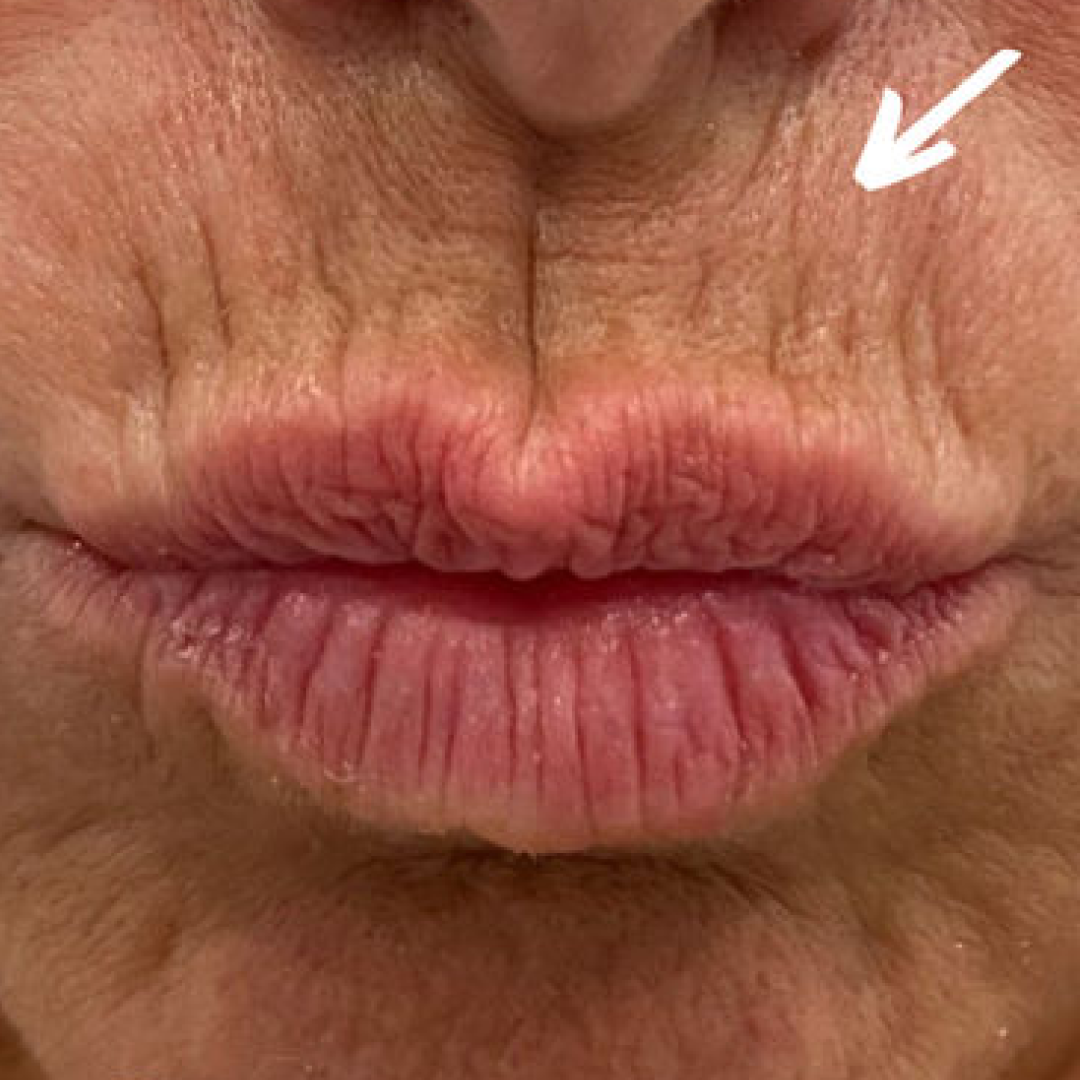
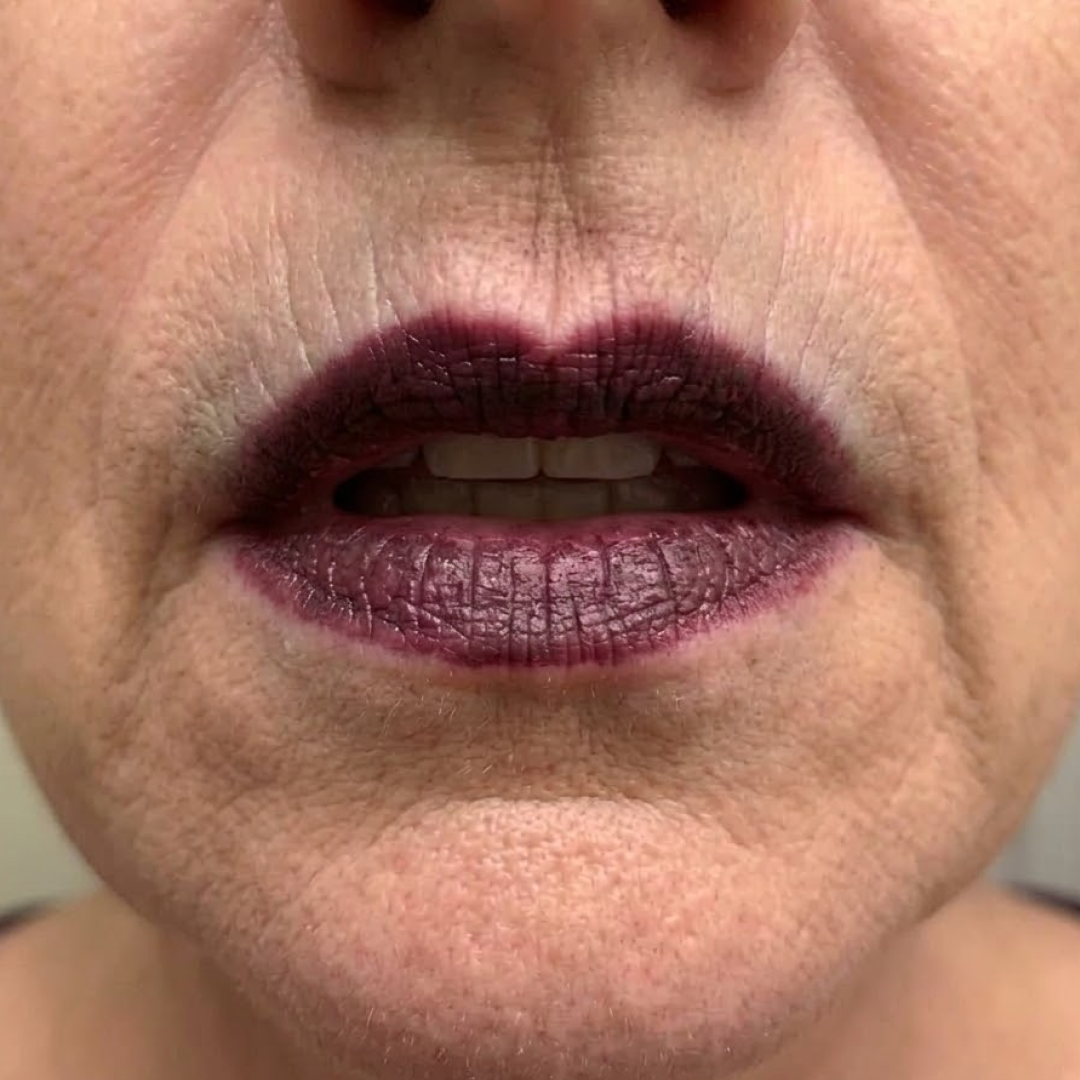
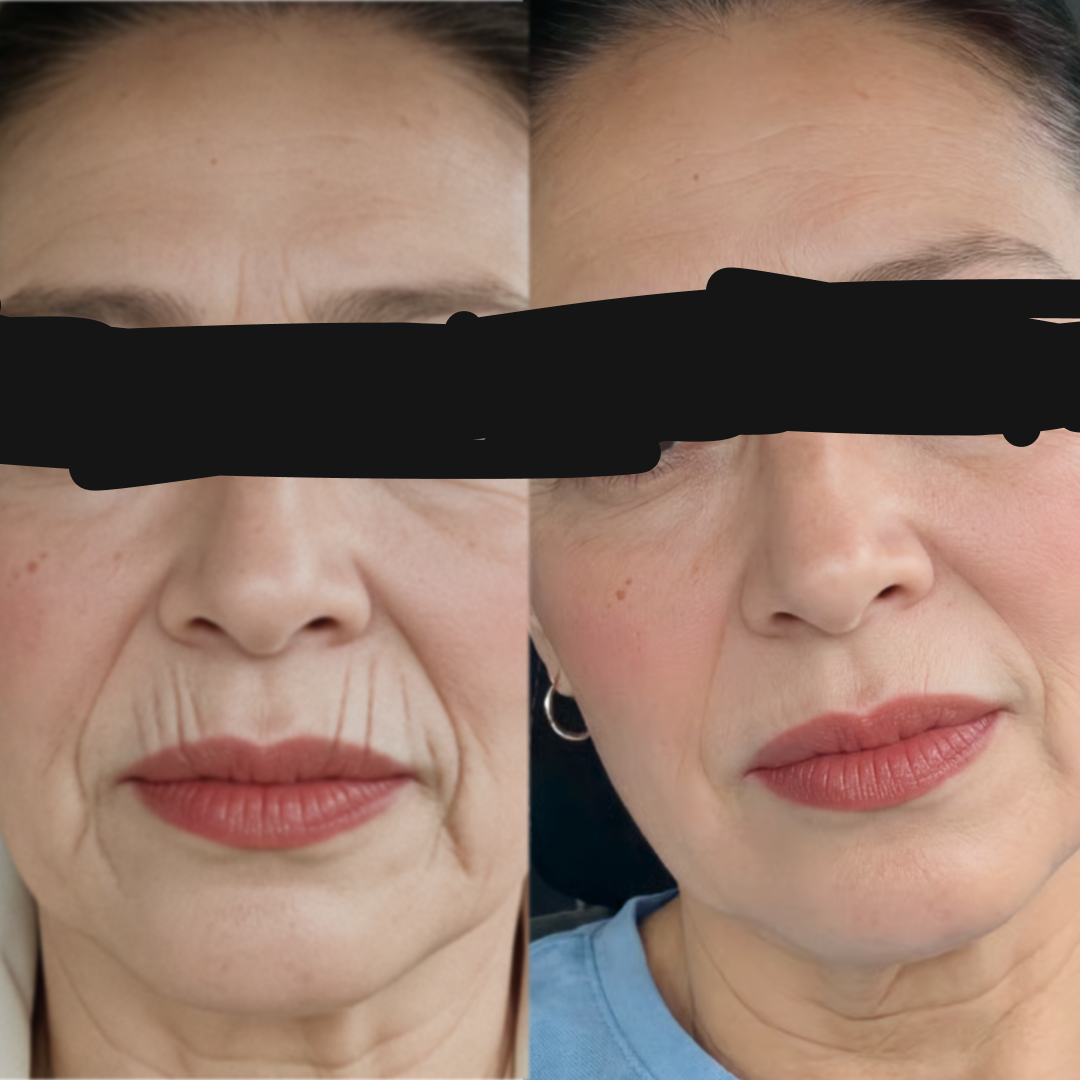
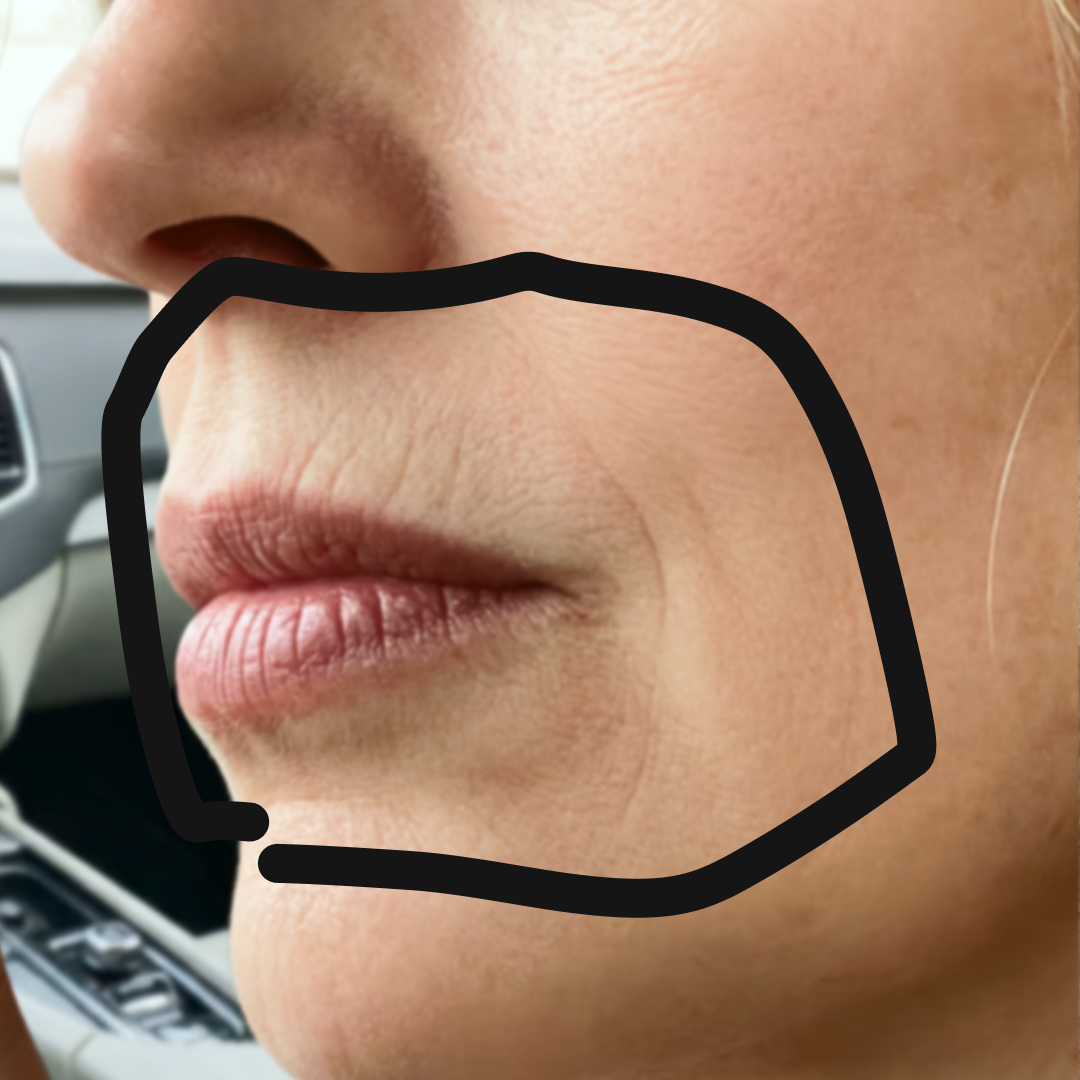
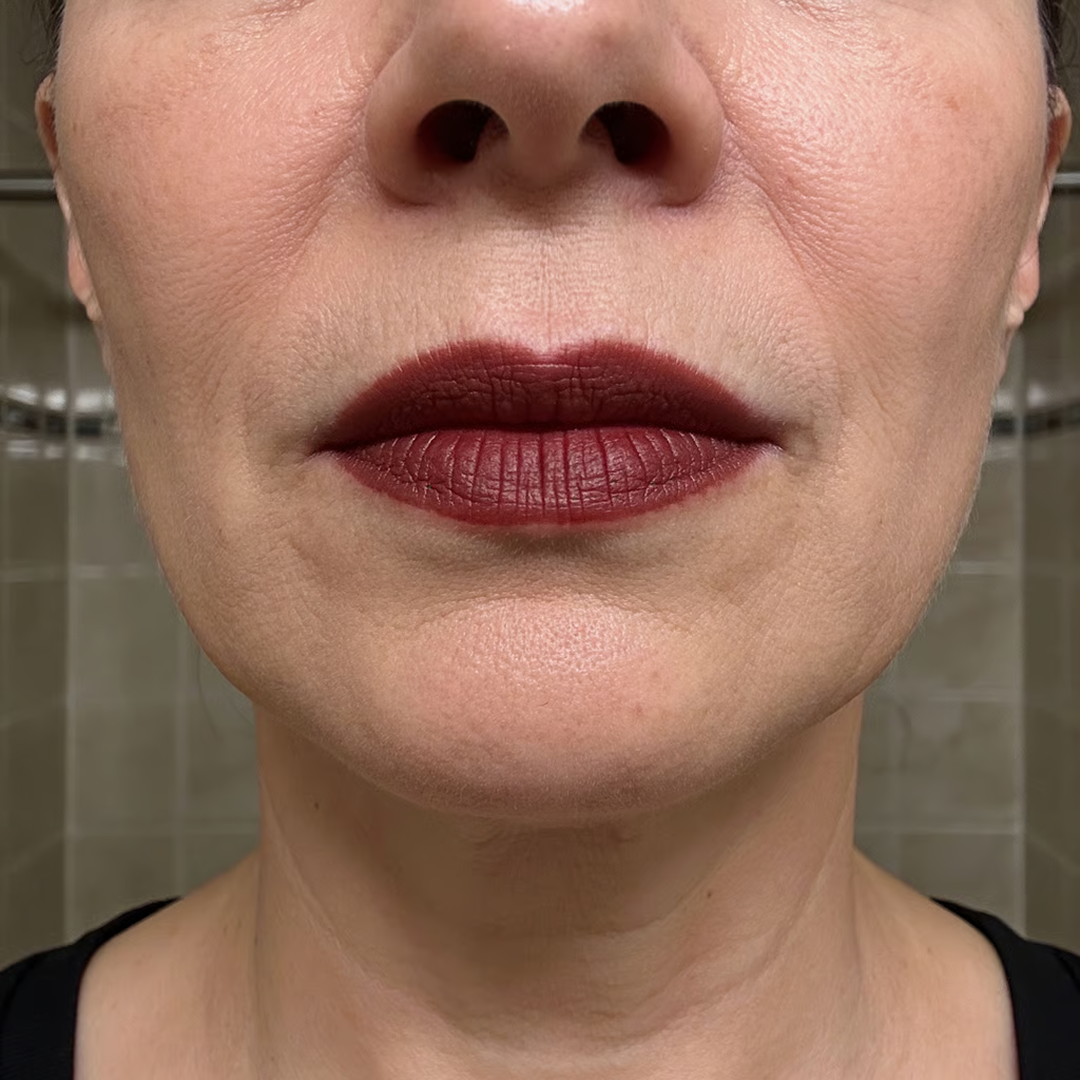
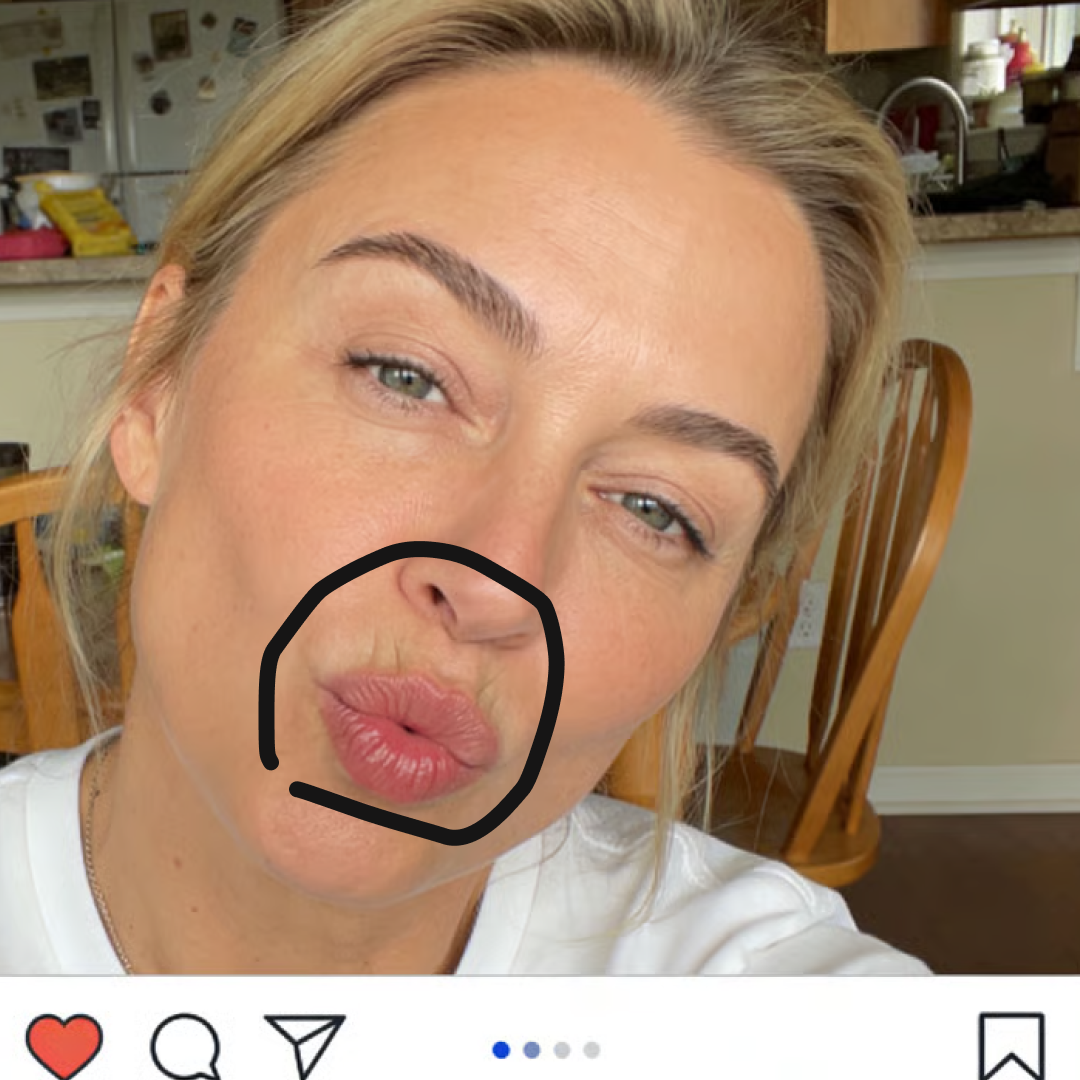
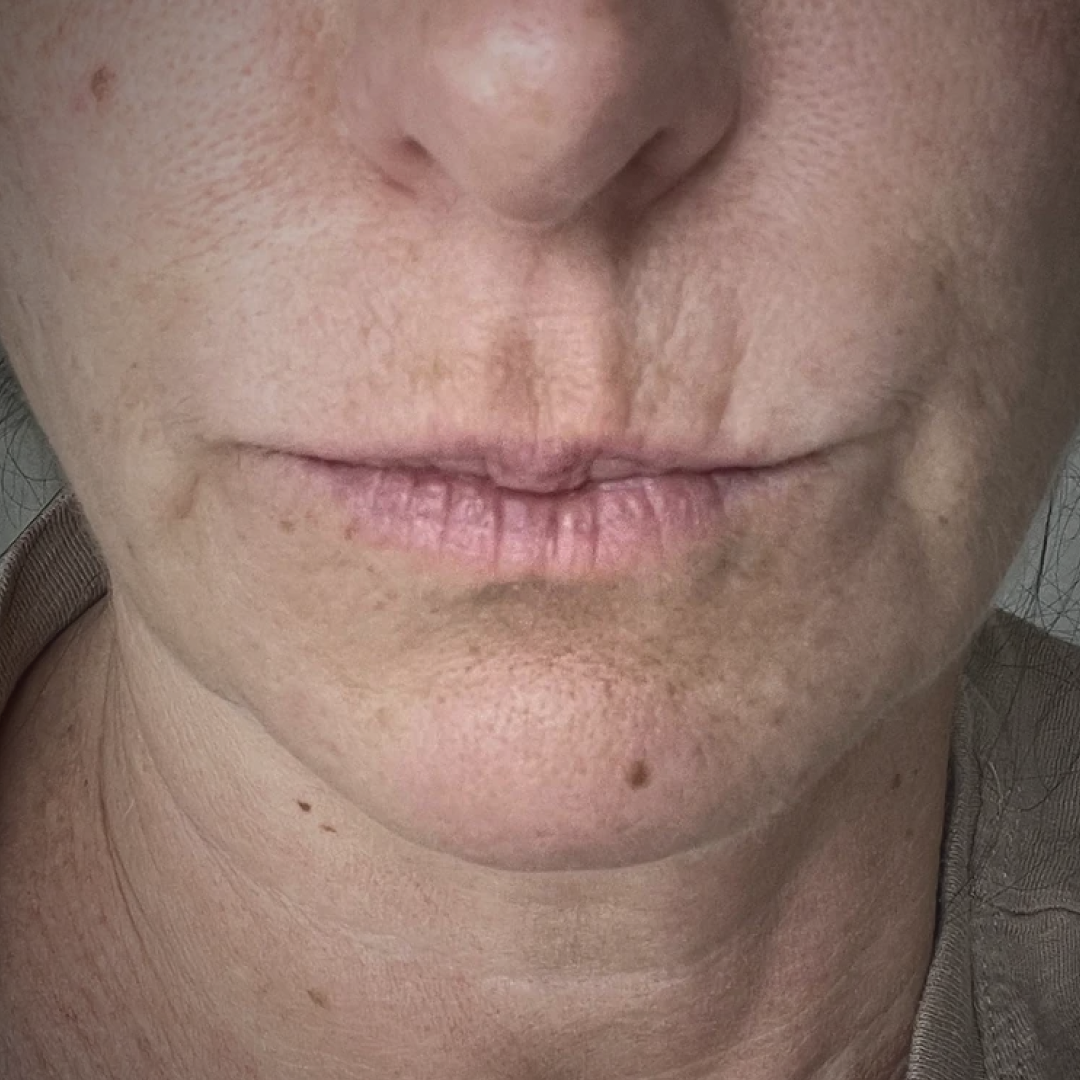
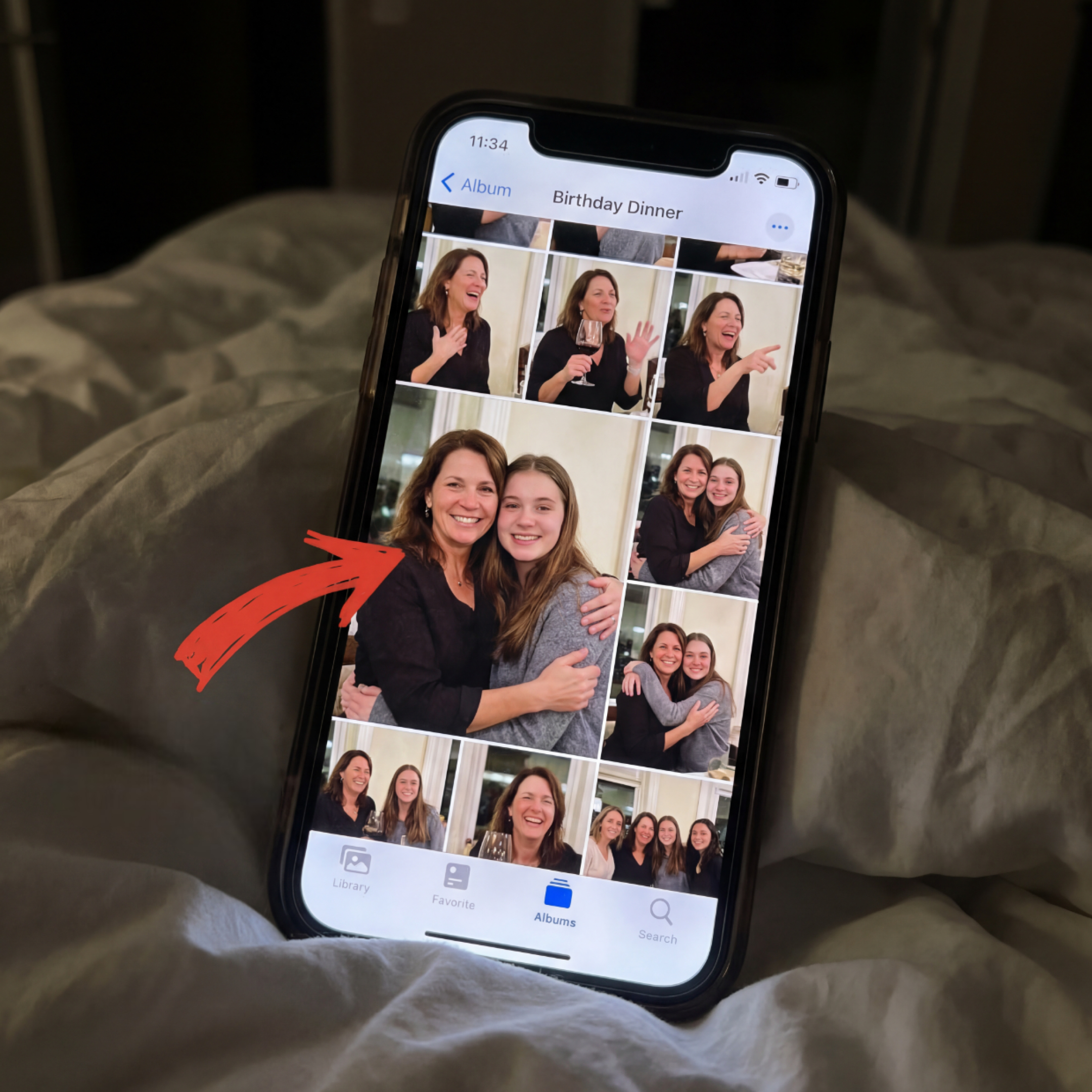
My daughter is seventeen. She's been taking photos her whole life — phone always out, documenting everything, the way her generation does. Last month she showed me her camera roll from Christmas morning. She had photos of the tree. The dog. Her brother unwrapping his headphones. My husband drinking coffee in his robe. She had photos of everything. I wasn't in a single one. She didn't do it on purpose. She wasn't trying to make a point. She'd just learned, the way children learn things without being told, that her mother didn't want to be in photos anymore. And she'd stopped asking. I sat with that for a long time after she put her phone away. I couldn't remember exactly when it started. Sometime around forty-two, forty-three. A birthday dinner where I saw the photos afterward and didn't recognize the woman at the head of the table. Not in the way you hate a photo because of an angle or a lighting choice. This was different. She looked tired in a way that had settled into her features permanently. Like tired had become a look instead of a feeling. After that I started offering to take the photo. Stepping back. Finding reasons to be on the other side of the camera. My husband never said anything. He'd learned too. Here's what I kept telling myself: I'll get back in the photos when I look like myself again. The problem was I'd stopped knowing what that meant. I'd spent two years trying to find it. Night creams, eye serums, vitamin C, retinol. My bathroom counter had become a graveyard of half-finished bottles. La Mer. SkinCeuticals. A rotation of things that promised to do something and then did almost nothing you could actually see in a mirror at six in the morning before you'd convinced yourself you looked fine. I wasn't vain about it. I want to be clear about that. I just wanted to recognize myself. That's all I wanted. Not to look twenty-eight. Not to look like the women in the ads. Just to catch my reflection and think yes, that's me instead of who is that. My sister Laura called on a Thursday night in November. She'd been a dermatologist for sixteen years, spent almost a decade working in cosmetic clinics in Seoul before she came back to the States. She's the one person I can talk to about skin without feeling ridiculous about it. I told her about the camera roll. About the Christmas photos. She was quiet for a moment. "How long have you been avoiding cameras?" "Four years, maybe." "And what have you tried?" I told her about the counter full of bottles. She said: "None of those were going to work. Not the way you needed them to. The collagen molecules in every cream you just named are too large to penetrate your skin barrier. They sit on top of your skin and evaporate. You've been moisturizing the air above your face for two years." I laughed. It wasn't funny but it was. "Then what does work?" "Something I've been using since Seoul. It's not a cream. The collagen is 195 daltons — small enough to actually get through. And there's 40 grams of it per mask, sealed in a hydrogel that holds everything against your skin for two hours so none of it escapes. I've been waiting to tell you about it until the timing was right." "Why now?" "Because you just told me your daughter stopped putting you in photos. The timing is right." She sent the link that night. I ordered it before I went to bed. The mask arrived four days later. I waited until my husband was watching something downstairs and my daughter was in her room. I don't know why I wanted to do it alone. It just felt like something private. I washed my face. Lay down on my bed. The mask was white. Pure white. Thick and cool and slightly ridiculous — like lying down with a slab of gel on your face. I texted Laura: this feels insane. She wrote back: Stay flat. It'll slip for the first twenty minutes. That's normal. Don't fight it. So I stayed flat. I watched something on my phone with the sound low. Around forty-five minutes something shifted. The mask stopped moving. It started to feel like a second skin — molded to the contours of my face, heavier and more present than a sheet mask, like something was actually happening underneath. I left it for two hours. When I peeled it off, I looked at the mask in my hand. It had turned completely clear. Every bit of white was gone. I texted Laura: Where did all the white go? She wrote back immediately: Into your skin. That's 40 grams of collagen that actually absorbed. That's why it turns clear. I set the mask down and went to the bathroom. The next morning I woke up before anyone else. I didn't go downstairs. I went to the bathroom and I stood in front of the mirror in the early light with no makeup and no filter and no particular expectation. I stood there for a long time. My skin looked like I'd slept ten hours, which I hadn't. It looked like I'd had a facial, which I hadn't. There was a luminous quality I hadn't seen in years — not a glow in the way the products had promised, which always sounded like something painted on. This was from inside. Dewy. Alive. The lines around my eyes were softer. The grayish flatness I'd been living with was gone. I looked like myself. I know how that sounds. But that's the only way to describe it. I looked like the woman I'd been trying to get back to for four years, standing in my own bathroom, before anyone else was awake. I picked up my phone. I took a selfie. The first one in four years. My daughter found it later that day. She'd borrowed my phone to look something up and saw it in the camera roll. She walked into the kitchen with my phone held out. "Mom. When did you take this?" "This morning." She looked at the photo. Then at me. Then at the photo. "What did you do?" "My sister gave me something." She was still looking at the photo. "You look like you. Like the photos from when I was little." She said it matter-of-factly, the way seventeen-year-olds say things. But she was still looking. At her friend's birthday dinner that weekend — a family thing, parents included, the kind of event I'd been quietly dreading — one of the other mothers stopped me near the end of the night. "I don't want to be weird," she said. "But your skin. Are you doing something?" I told her about the mask. She pulled out her phone immediately. My daughter was standing two feet away. She watched the woman type the name into her search bar. She didn't say anything. But she reached over and put her arm through mine. On the way home she asked if she could try it. I told her she had thirty years before she needed to worry about it. She laughed. Then she said: "I'm glad you're back in the photos, Mom." Later I looked at the photos from that dinner. I was in them. Not performing for the camera. Not braced against how I might look. Just there — talking, laughing, arm through my daughter's — the way I used to be before I started stepping behind the camera and calling it generosity. Here's what I know now. I didn't disappear from those photos because I got older. I disappeared because I stopped trusting that who I was at forty-six was worth documenting. I let the gap between who I was and who I remembered being grow so wide that crossing it felt impossible. One night didn't close four years. But it showed me the gap was smaller than I thought. The mask didn't give me my face back. It was never gone. I just forgot how to see it. Laura told me they make these in small batches — Korean supply chain, GMP-approved facility. She checked last week. The current batch is almost gone, and when they sell out it's weeks before they restock. My daughter asked if we should order more before they run out. We did. Your move.
Limited Time Offer
SHOP NOWLike this ad? Make it yours.
Crush rebuilds this exact creative around your product — your brand, your colors, your offer — in about a minute.